
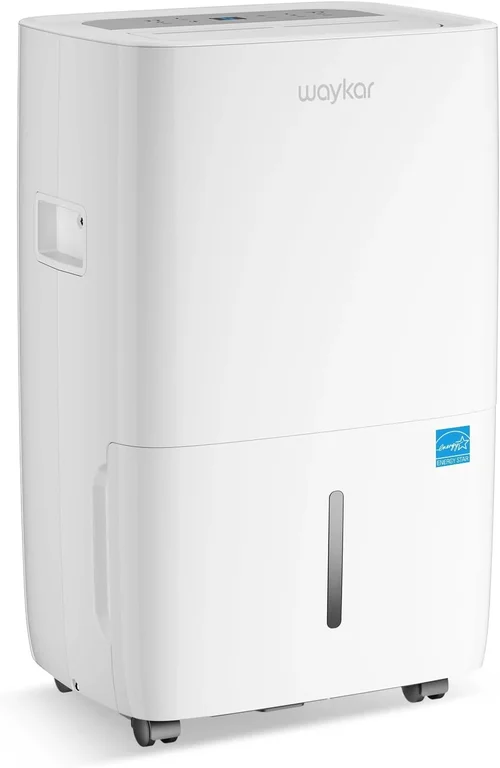
If you’ve ever walked into a basement that smells like old socks, noticed condensation fogging up your windows, or seen mold creeping along bathroom tiles, you already understand why a dehumidifier matters. Excess moisture in your home isn’t just uncomfortable—it can damage furniture, warp wood floors, trigger allergies, and even compromise your home’s structural integrity over time. In 2026, the market for dehumidifiers is more competitive than ever, with brands rolling out smarter, quieter, and more energy-efficient models than we’ve seen in previous years. Whether you’re battling high humidity in a coastal region, managing dampness in a crawl space, or simply trying to improve indoor air quality, choosing the right dehumidifier can make a world of difference.
This comprehensive buying guide is designed to cut through the noise and help you make a confident, informed decision. You’ll learn how to evaluate performance specs like pint capacity and energy efficiency, understand the differences between compressor-based and desiccant models, and discover which features actually matter in real-world use—not just on a spec sheet. We’ll also walk you through common pitfalls to avoid, budget considerations, and expert strategies for finding the best deals during seasonal sales. By the end of this guide, you won’t just know which dehumidifier to buy—you’ll know why it’s the right choice for your specific needs.
From compact units perfect for small bathrooms to heavy-duty machines capable of handling 1,500-square-foot basements, today’s dehumidifiers come in all shapes, sizes, and price points. Major retailers like Best Buy often run aggressive promotions, especially during spring and early summer when humidity begins to rise. But not all “deals” are created equal. Some models may look affordable upfront but cost more in electricity over time, while others lack essential features like auto-humidistats or continuous drainage options. Our goal is to equip you with the knowledge to spot truly valuable offers and invest wisely in a unit that delivers lasting performance, reliability, and peace of mind.

What to Look for When Buying Buying Guide
1. Budget & Price Range
Your budget will significantly influence your options, but it’s important to think beyond the sticker price. Dehumidifiers range from under $100 for basic mini units to over $500 for commercial-grade models. While it’s tempting to go for the cheapest option, especially during a Best Buy sale, remember that lower-priced units often have smaller tanks, weaker motors, and fewer smart features. They may also consume more energy per pint of water removed, increasing your long-term costs. Set a realistic budget based on your space size and humidity level—not just what’s on sale that week.
Consider the total cost of ownership: initial purchase price, electricity usage, maintenance (like filter replacements), and potential repairs. A mid-range model priced between $200 and $350 often offers the best balance of performance, durability, and efficiency for most homeowners. If you’re dealing with chronic moisture issues or large spaces, investing in a higher-end unit can save you money and frustration down the road.
2. Performance Specifications
The most critical performance metric is pint capacity, which indicates how much moisture the unit can remove in 24 hours under standard conditions (typically 60% relative humidity at 80°F). For reference, a 30-pint model suits spaces up to 500 sq. ft., while a 50-pint unit is better for 1,000+ sq. ft. areas like basements or large living rooms. However, don’t rely solely on manufacturer claims—check independent reviews or AHAM (Association of Home Appliance Manufacturers) ratings, which provide standardized testing results.
Another key spec is the water tank size. Smaller tanks (1–2 liters) require frequent emptying, which becomes tedious if you’re not home often. Larger tanks (3+ liters) reduce maintenance but take up more floor space. Also pay attention to the unit’s operating temperature range. Most compressor-based dehumidifiers work best between 65°F and 80°F. If you’re using it in an unheated garage or crawl space that dips below 60°F, consider a cold-climate model or a desiccant dehumidifier, which performs better in cooler environments.
3. Build Quality & Durability
A dehumidifier is a long-term investment, so build quality matters. Look for sturdy casings made from high-grade plastic or metal, reinforced handles, and sealed internal components that resist corrosion—especially important in damp environments. Check the quality of the coils and compressor; cheaper units may use thinner copper or aluminum that’s prone to leaks or damage over time.
Internal components like the fan motor and pump (if it has one) should be rated for continuous operation. Units with washable or reusable air filters are preferable, as they reduce ongoing costs and environmental waste. Avoid models with flimsy control panels or poorly designed drainage ports—these are common failure points. Reading user reviews can reveal patterns of mechanical issues, such as compressor burnout or pump failures, that aren’t obvious from product descriptions.
4. Features & Functionality
Modern dehumidifiers come packed with features, but not all are essential. Start with the basics: an adjustable humidistat lets you set your desired humidity level (ideally between 30% and 50%), while an auto-shutoff prevents overflow when the tank is full. A built-in pump is a game-changer for continuous drainage—it allows you to pump water vertically or over long distances without lifting heavy buckets.
Smart features are increasingly common. Wi-Fi connectivity enables remote control via smartphone apps, so you can monitor humidity levels or turn the unit on/off from anywhere. Some models even integrate with smart home systems like Alexa or Google Home. Timer functions, defrost modes (for cold environments), and multiple fan speeds add convenience. However, avoid “feature bloat”—extra buttons and screens don’t always translate to better performance. Focus on functionality that aligns with your lifestyle.
5. Brand Reputation
Stick with established brands known for reliability and customer support. Companies like Frigidaire, GE, hOmeLabs, Keystone, and AprilAire have proven track records in the dehumidifier space. These brands typically offer better warranties, more accessible spare parts, and responsive customer service. Lesser-known or generic brands may offer tempting discounts, but they often lack long-term support and may use lower-quality components.
Research brand reputation through third-party review sites, consumer reports, and user forums. Pay attention to how quickly a company responds to complaints or offers replacements under warranty. A reputable brand also tends to be transparent about product limitations—for example, clearly stating that a model isn’t suitable for temperatures below 60°F.
6. Warranty & Support
Warranty length and coverage can tell you a lot about a manufacturer’s confidence in their product. Most dehumidifiers come with a 1-year limited warranty, but premium models may offer 2–5 years. Look for warranties that cover both parts and labor, not just parts. Some brands also provide extended warranty options for purchase.
Check the fine print: does the warranty require professional installation? Is it voided if you use third-party filters? Are there exclusions for commercial use or extreme environments? Good customer support includes easy access to replacement parts, clear troubleshooting guides, and responsive live chat or phone support. During a Best Buy sale, ask about their return policy—some stores offer extended return windows during promotions.
7. Size & Portability
Even the most powerful dehumidifier is useless if you can’t move it where it’s needed. Consider weight, dimensions, and mobility features. Units under 30 pounds with recessed handles and smooth-rolling casters are easiest to relocate. If you plan to move it between rooms or floors, look for a compact design that fits through doorways and doesn’t tip over easily.
Noise level is another often-overlooked factor. Most dehumidifiers operate between 45 and 60 decibels—comparable to a quiet conversation or background music. If you’re placing it in a bedroom or home office, opt for a model with a “quiet mode” or noise-reduction technology. Some units also have sleep modes that dim lights and reduce fan speed at night.
8. User Reviews & Ratings
Never buy a dehumidifier based solely on specs or marketing claims. Real-world user reviews reveal how a unit performs over time, including reliability, ease of maintenance, and quirks not mentioned in the manual. Focus on verified purchase reviews from trusted retailers like Best Buy, Amazon, or Home Depot. Look for patterns: if multiple users report the same issue (e.g., “tank leaks after 3 months”), it’s likely a design flaw.
Pay attention to reviews from people in similar climates or home setups. Someone in Florida will have different expectations than someone in Arizona. Also check for updates—some reviewers post follow-up comments months later, which can indicate long-term durability. Be wary of overly positive or negative reviews that lack detail; balanced feedback with specific pros and cons is most trustworthy.
Different Types of Buying Guide

Common Buying Mistakes to Avoid
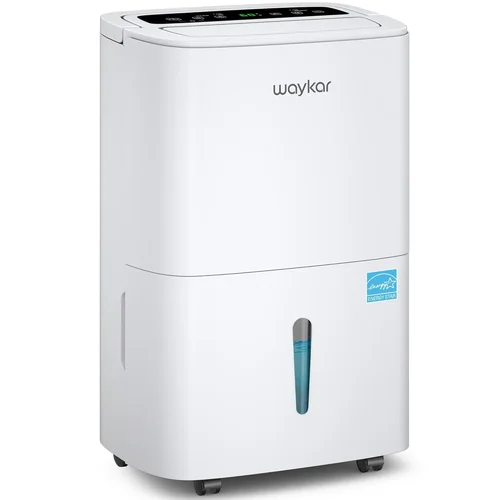
❌ Mistake: Buying Based Solely on Pint Capacity
Why it’s bad: A 70-pint dehumidifier sounds impressive, but if your basement is only 400 sq. ft. and moderately damp, you’re overspending and potentially overworking the unit. Oversized units cycle on and off too frequently, reducing efficiency and lifespan. Conversely, an undersized unit will run constantly, increasing energy bills without effectively controlling humidity.
What to do instead: Match the pint capacity to your room size and humidity level. Use online calculators or consult AHAM guidelines. For most homes, a 30–50 pint model is sufficient unless you live in a very humid climate or have severe water intrusion.
❌ Mistake: Ignoring Energy Efficiency
Why it’s bad: Dehumidifiers can be energy hogs, especially if run continuously. A unit that uses 500 watts versus 300 watts adds significantly to your electricity bill over time—potentially $50–$100 more per year.
What to do instead: Look for the Energy Factor (liters of water removed per kilowatt-hour). Higher is better. ENERGY STAR models typically have an EF of 1.75 or higher. Check the yellow EnergyGuide label for estimated annual operating cost.
❌ Mistake: Overlooking Drainage Options
Why it’s bad: Emptying a full water tank every 8–12 hours is inconvenient and easy to forget. If the unit shuts off because the tank is full, humidity levels rise again, defeating the purpose.
What to do instead: Choose a model with continuous drainage via a hose connection or built-in pump. Even basic units often have a threaded drain port—just attach a garden hose and direct it to a floor drain or sump pit.
❌ Mistake: Skipping the Humidistat
Why it’s bad: Without a humidistat, the dehumidifier runs nonstop, removing too much moisture and creating an overly dry environment that can irritate skin and respiratory systems.
What to do instead: Always choose a model with an adjustable humidistat. Set it between 30% and 50% for optimal comfort and health. Some smart models even learn your preferences and adjust automatically.
❌ Mistake: Buying During Peak Season Without Research
Why it’s bad: Summer sales may seem like a great deal, but retailers often mark up prices before discounting, making the “sale” price misleading. You might miss better deals in spring or fall.
What to do instead: Track prices using tools like Honey or CamelCamelCamel. Sign up for Best Buy’s deal alerts and compare prices across retailers. Sometimes waiting a few weeks can save you $50 or more.
❌ Mistake: Neglecting Maintenance Requirements
Why it’s bad: Dirty filters and clogged coils reduce efficiency and can cause the unit to overheat or fail prematurely. Many buyers don’t realize maintenance is ongoing.
What to do instead: Choose models with washable filters and easy-access panels. Clean the filter monthly and inspect coils annually. Keep the unit away from dust and lint sources.
❌ Mistake: Assuming All “Smart” Features Are Useful
Why it’s bad: Wi-Fi, apps, and voice control sound impressive, but if you never use them, you’ve paid extra for features you don’t need. Some smart models also have shorter lifespans due to complex electronics.
What to do instead: Only pay for smart features if you’ll actually use them. For most people, a simple timer and humidistat are sufficient. Save money by choosing a reliable non-smart model.
Budget Guidelines: How Much Should You Spend?
Entry-Level ($50–$150): These are typically mini or thermoelectric units ideal for small, enclosed spaces like closets or RVs. They remove 5–15 pints per day and often lack humidistats or drainage options. Expect basic build quality and higher energy use per pint. Best for occasional use or very low humidity problems.
Mid-Range ($150–$300): This is the sweet spot for most homeowners. You’ll find reliable compressor-based models with 30–50 pint capacity, built-in humidistats, auto-shutoff, and continuous drainage ports. Many include washable filters and quiet operation. Brands like hOmeLabs and Keystone offer excellent value here.
Premium ($300–$500): These units deliver top-tier performance with advanced features: built-in pumps, Wi-Fi connectivity, multi-speed fans, and enhanced durability. Ideal for large basements, chronic moisture issues, or smart home integration. Models from Frigidaire and GE dominate this tier.
Luxury ($500+): Reserved for whole-house systems or industrial-grade desiccant units. These require professional installation and are overkill for typical residential use unless you have a massive home or extreme humidity challenges. Expect 5+ year warranties and commercial-grade components.
Expert Tips for Getting the Best Deal
1. Time Your Purchase Strategically: The best deals on dehumidifiers typically occur in early spring (March–April) as retailers prepare for humid summer months. Black Friday and Cyber Monday also offer solid discounts, but selection may be limited. Avoid buying in peak summer unless absolutely necessary.
2. Compare Prices Across Retailers: Don’t assume Best Buy has the lowest price. Check Amazon, Home Depot, Lowe’s, and Costco. Use price-tracking browser extensions to monitor fluctuations and get alerts when prices drop.
3. Look for Bundle Deals: Sometimes Best Buy offers discounts when you buy a dehumidifier with other appliances or smart home devices. Even if you don’t need the extras, the bundled price might still be lower than buying standalone.
4. Read the Fine Print on Sales: “Up to 50% off” doesn’t mean every model is discounted. Check which specific units are included. Also verify if the sale price includes tax and shipping—some online deals exclude these.
5. Leverage Student, Military, or Senior Discounts: Best Buy offers exclusive discounts for eligible groups. Sign up for their rewards program (My Best Buy) to access member-only deals and earn points on purchases.
6. Consider Refurbished or Open-Box Units: Best Buy’s open-box items are often like-new and come with full warranties at 10–30% off retail. These are rigorously tested and make excellent budget-friendly options.
7. Test Before Committing (If Buying In-Store): If you’re at a Best Buy location, ask to see the unit powered on. Listen for unusual noises, check the display clarity, and verify that all buttons respond. This helps avoid returns later.
8. Check Return and Exchange Policies: Ensure the sale item is returnable. Best Buy typically allows 15 days for returns, but this may be shorter during promotions. Keep your receipt and original packaging.

Frequently Asked Questions
Q: How do I know what size dehumidifier I need?
A: Start by measuring your room in square feet. Then assess the humidity level: slightly damp spaces (like a finished basement) need a 30-pint unit; very damp or wet areas (with standing water or mold) require 50+ pints. Use AHAM’s sizing chart as a reference, and always round up if you’re between sizes.
Q: Can I run a dehumidifier all the time?
A: Yes, but it’s not necessary if your unit has a humidistat. Set it to your desired humidity level (usually 40–50%), and the dehumidifier will cycle on and off automatically. Running it continuously without a humidistat wastes energy and over-dries the air.
Q: Do dehumidifiers use a lot of electricity?
A: It depends on the model and usage. A typical 50-pint dehumidifier uses about 500–700 watts. Running it 8 hours a day could cost $15–$25 per month. ENERGY STAR models are significantly more efficient.
Q: Should I get a dehumidifier with a built-in pump?
A: If you plan to use continuous drainage and need to pump water uphill or across a room, yes. Pumps add $50–$100 to the price but eliminate manual emptying. For basement floor drains, a simple hose may suffice.
Q: Are desiccant dehumidifiers better than compressor types?
A: Not necessarily. Desiccants excel in cold environments (<60°F) and are quieter, but they’re less energy-efficient in warm, humid climates. Compressor models remove more moisture per dollar in typical home conditions.
Q: Can a dehumidifier help with allergies?
A: Absolutely. By reducing moisture, dehumidifiers inhibit mold, dust mites, and mildew—common allergens. Pair it with an air purifier for maximum relief.
Q: How often should I clean my dehumidifier?
A: Clean the air filter every 2–4 weeks during heavy use. Wipe down the water tank monthly to prevent bacterial growth. Inspect coils and vents annually.
Q: Will a dehumidifier lower my air conditioning bill?
A: Indirectly, yes. Lower humidity makes the air feel cooler, so you may set your thermostat higher. However, the dehumidifier itself consumes electricity, so the net savings depend on your climate and usage.
Q: Can I use a dehumidifier in an unheated garage?
A: Only if it’s rated for low temperatures. Most compressor models stop working below 65°F. Choose a desiccant or cold-climate compressor model designed for garages or crawl spaces.
Q: What’s the difference between a dehumidifier and an air purifier?
A: A dehumidifier removes moisture from the air; an air purifier removes particles like dust, pollen, and smoke. They serve different purposes but can complement each other for better indoor air quality.
Our Final Recommendations
Best for Budget-Conscious Buyers: hOmeLabs 30 Pint Dehumidifier – At under $200, this model offers reliable performance, a large 2.5-liter tank, and continuous drainage. It’s ENERGY STAR certified and perfect for small to medium rooms.
Best Overall Value: Frigidaire FFAD5033W1 50 Pint Dehumidifier – Combines high capacity, quiet operation, and a built-in pump. Frequently discounted at Best Buy, it’s ideal for basements and large living areas.
Best Premium Option: GE APER50LZ 50 Pint Smart Dehumidifier – Features Wi-Fi control, voice compatibility, and a sleek design. Great for tech-savvy users who want remote monitoring and scheduling.
Best for Beginners: Keystone 30 Pint Dehumidifier – Simple controls, auto-humidistat, and easy maintenance make this a user-friendly choice for first-time buyers.
Best for Advanced Users: AprilAire E080 Pro 80 Pint Whole-House Dehumidifier – For those with severe humidity issues or large homes, this professionally installed unit integrates with HVAC systems for whole-home control.
Conclusion: Making the Right Choice
Choosing the right dehumidifier isn’t just about finding the biggest sale or the highest pint rating—it’s about matching the right tool to your specific environment, lifestyle, and long-term needs. By understanding key factors like capacity, efficiency, drainage, and build quality, you can avoid common pitfalls and invest in a unit that delivers consistent performance year after year. Whether you’re shopping during a Best Buy promotion or comparing models across retailers, remember that the cheapest option isn’t always the best value, and the most expensive model may be overkill for your space.
Take the time to assess your home’s humidity levels, room sizes, and usage patterns. Read real user reviews, check warranty terms, and prioritize features that matter to you—like quiet operation, smart controls, or continuous drainage. With the insights from this guide, you’re now equipped to make a confident, informed decision that improves your indoor air quality, protects your belongings, and enhances your comfort.
Don’t wait until mold appears or your energy bills spike—act now. Use seasonal sales to your advantage, but always buy with purpose. Your home deserves a dehumidifier that works as hard as you do.