
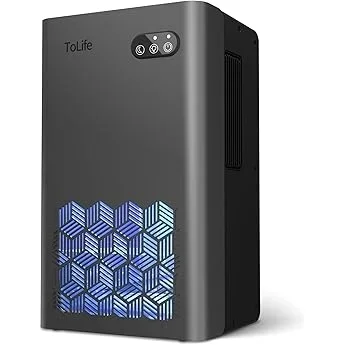
Living in a camper, whether full-time or on weekend getaways, comes with unique challenges—and one of the most persistent is moisture control. Condensation builds up overnight, cooking and showering release steam, and damp clothes can leave your small space feeling clammy and uncomfortable. Left unchecked, excess humidity leads to mold, mildew, musty odors, and even structural damage over time. That’s where a reliable camper dehumidifier becomes essential—not just a luxury, but a necessity for health, comfort, and the longevity of your rig.
This expert buying guide is designed to cut through the noise and help you make a smart, informed decision. Whether you’re a weekend warrior, a full-time RVer, or someone preparing for a seasonal camping trip, we’ll walk you through everything you need to know. You’ll learn how to evaluate performance specs, understand different technologies, avoid common pitfalls, and find the best model for your specific needs and budget. By the end, you’ll have the confidence to choose a dehumidifier that keeps your camper dry, fresh, and livable—no matter the weather outside.
The market for compact dehumidifiers has exploded in recent years, with dozens of models claiming to be “perfect for RVs and campers.” But not all are created equal. Some are underpowered, others drain batteries too quickly, and many lack the durability needed for life on the road. In this guide, we’ll compare the top options, break down key features, and give you actionable advice based on real-world use. Our goal isn’t to sell you on a brand—it’s to equip you with the knowledge to pick the right tool for the job.
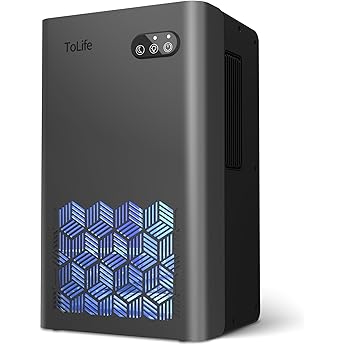
What to Look for When Buying Buying Guide
1. Moisture Removal Capacity (Pints per Day)
The most critical spec to consider is how much moisture the dehumidifier can remove in a 24-hour period, measured in pints. For campers, this typically ranges from 12 to 30+ pints per day. A 12-pint model might suffice for a small pop-up or teardrop trailer in mild climates, while larger RVs or humid environments may require 20–30+ pints. Look for units that specify performance at 60–80% relative humidity and 70–80°F—conditions common inside a camper. Underpowered units will run constantly without making a dent in humidity, while oversized ones may cycle too frequently, wasting energy.
2. Power Consumption & Energy Efficiency
Since most campers rely on limited power sources—batteries, generators, or shore power—energy efficiency is paramount. Check the wattage (usually 200–600W) and look for Energy Star ratings or low-wattage modes. Compressor-based models generally use more power but are more effective in warm, humid conditions. Desiccant dehumidifiers use less electricity and work better in cooler temps but may remove less moisture overall. If you’re boondocking, prioritize models under 300W or those with eco/sleep modes that reduce consumption during low-humidity periods.
3. Size, Weight & Portability
Space is at a premium in any camper. A bulky, heavy unit that blocks storage or walkways defeats the purpose. Look for compact designs (ideally under 15 lbs) with integrated handles or wheels. Some models are designed to sit on countertops, while others can be mounted under cabinets or in closets. Measure your available space before buying—don’t assume “compact” means “fits everywhere.” Also consider noise level; a loud motor can disrupt sleep, especially in small quarters.
4. Drainage Options & Tank Capacity
Most portable dehumidifiers collect water in an internal tank that must be emptied manually. For campers, this can be a hassle—especially if you’re away for days. Look for models with large tanks (1–2 liters or more) to reduce emptying frequency. Even better: choose units with continuous drainage options via a hose (gravity-fed or pump-assisted). This allows you to route water outside or into a gray tank, eliminating the need to monitor and dump the bucket. Auto-shutoff when the tank is full is a must-have safety feature.
5. Humidity Control & Smart Features
Basic models run continuously or on a timer, but advanced units offer precise humidity control. Look for digital hygrostats that let you set a target humidity level (e.g., 45–50%), and the unit will cycle on/off to maintain it. Some include remote controls, Wi-Fi connectivity (for app monitoring), or built-in air filters to reduce allergens and odors. While not essential, these features enhance convenience and efficiency—especially if you’re away from your camper for extended periods.
6. Build Quality & Durability
Campers face vibrations, temperature swings, and rough handling—your dehumidifier needs to withstand it all. Avoid flimsy plastic housings and cheap internal components. Look for reinforced casings, sealed electronics, and reputable brands known for reliability. Stainless steel coils (in compressor models) resist corrosion better than aluminum. If you travel frequently or live full-time in your rig, invest in a rugged model built for mobile use—not just a repurposed home appliance.
7. Noise Level
In a small space, even moderate noise can be disruptive. Compressor dehumidifiers tend to be louder (45–55 dB), while desiccant models are quieter (35–45 dB). If you’re sensitive to sound—or share a small sleeping area—opt for a desiccant unit or look for “whisper quiet” or “sleep mode” features. Check decibel ratings in product specs; anything above 50 dB may interfere with conversation or rest.
8. Brand Reputation & Customer Support
Stick with established brands like hOmeLabs, Eva-Dry, Ivation, or Frigidaire, which offer proven track records in compact dehumidification. Read user reviews focusing on long-term reliability, not just initial performance. Pay attention to mentions of leaks, motor failure, or poor customer service. A good warranty (1–2 years minimum) and responsive support team can save you headaches down the road—especially if you’re miles from a service center.
Different Types of Buying Guide

Common Buying Mistakes to Avoid
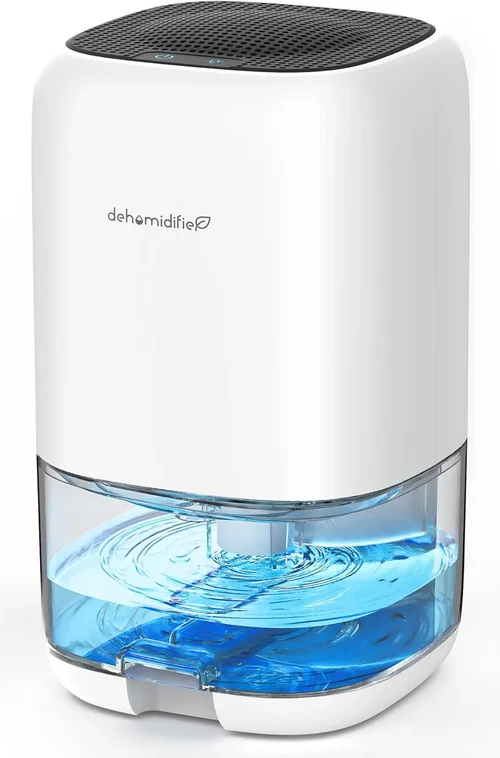
❌ Mistake: Buying Based Solely on Price
Why it’s bad: The cheapest dehumidifier often lacks the capacity, durability, or efficiency needed for real-world camper use. You’ll end up replacing it within a year—costing more in the long run.
What to do instead: Focus on value, not price alone. A mid-range model with strong reviews and solid specs will outperform a bargain bin unit every time.
❌ Mistake: Ignoring Power Source Compatibility
Why it’s bad: A 500W compressor unit might overload your inverter or drain your house batteries in hours when boondocking.
What to do instead: Calculate your total power budget and choose a model that fits within it. Desiccant or thermo-electric units are safer for off-grid use.
❌ Mistake: Overlooking Drainage Needs
Why it’s bad: Emptying a full tank every 6–8 hours is impractical on long trips or in remote areas.
What to do instead: Prioritize models with continuous drainage options or large tanks (2+ liters). Consider a pump-assisted drain if gravity routing isn’t feasible.
❌ Mistake: Choosing the Wrong Technology for Your Climate
Why it’s bad: Compressor units struggle below 65°F, while desiccants lose efficiency in very high humidity. Using the wrong type leads to poor performance.
What to do instead: Match the technology to your typical travel conditions. Cold-weather campers should lean toward desiccants; hot, humid regions favor compressors.
❌ Mistake: Neglecting Maintenance Requirements
Why it’s bad: Clogged filters, frozen coils, or mineral buildup can cripple performance and shorten lifespan.
What to do instead: Choose models with washable filters and easy-access components. Clean regularly—especially after dusty trips or extended storage.
❌ Mistake: Assuming All “RV-Friendly” Models Are Equal
Why it’s bad: Many brands market generic dehumidifiers as “perfect for RVs” without considering vibration resistance, size constraints, or power limits.
What to do instead: Read real user reviews from RVers. Look for mentions of stability on uneven surfaces, secure latching, and compatibility with camper layouts.
❌ Mistake: Forgetting About Noise
Why it’s bad: A noisy unit can turn a peaceful morning into a frustrating experience—especially in small teardrops or van conversions.
What to do instead: Check decibel ratings and opt for quieter desiccant or thermo-electric models if noise is a concern. Test in a quiet environment if possible.
Budget Guidelines: How Much Should You Spend?
Entry-Level ($50–$120): This tier includes basic thermo-electric units and small desiccant packs. They’re great for preventing closet mildew or drying wet gear but lack the power for whole-camper dehumidification. Ideal for occasional use or as a supplement. Expect small tanks, no humidity control, and limited durability.
Mid-Range ($120–$250): The sweet spot for most campers. These models offer 12–20 pint capacity, decent energy efficiency, and useful features like auto-shutoff, washable filters, and optional drainage. Brands like Eva-Dry and Ivation dominate here with reliable, RV-tested designs. Perfect for weekenders and part-time RVers.
Premium ($250–$400): Built for full-time living or extreme conditions. Expect high-capacity compressors (25+ pints), precise humidity control, low-noise operation, and rugged construction. Models like the hOmeLabs 30-Pint or Frigidaire FFAD7033R1 offer smart features, large tanks, and robust warranties. Worth the investment if you rely on your camper daily.
Luxury ($400+): Top-tier units with advanced tech—Wi-Fi monitoring, dual drainage (pump + gravity), HEPA filtration, and ultra-quiet operation. These are overkill for most but ideal for luxury motorhomes or those with respiratory sensitivities. Examples include the AprilAire E080 (with professional installation) or high-end desiccant systems from specialized manufacturers.
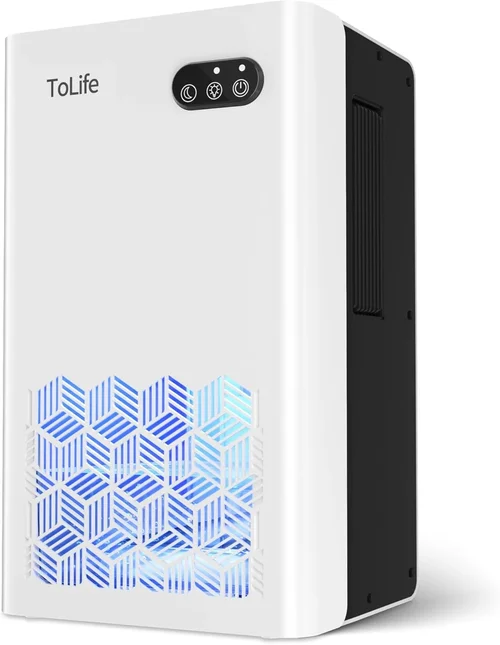
Expert Tips for Getting the Best Deal
- Buy during off-season: Prices drop significantly in late fall and winter when demand is low. Stock up before spring camping season hits.
- Check RV-specific retailers: Stores like Camping World, REI, or specialized online shops often carry models tested for mobile use—and may offer exclusive bundles or warranties.
- Look for refurbished units: Certified refurbished dehumidifiers from reputable sellers (e.g., Amazon Renewed, manufacturer outlets) can save 20–40% with full warranty coverage.
- Bundle with accessories: Some retailers offer free drainage hoses, filters, or mounting kits with purchase—factor these into your total value.
- Read return policies carefully: Ensure you can return or exchange if the unit doesn’t fit or perform as expected. Some brands have strict restocking fees.
- Test before long trips: Run your new dehumidifier at home for a few days to check noise, drainage, and effectiveness before relying on it in the wilderness.
- Consider solar compatibility: If you have solar panels, choose a low-wattage model that can run during daylight hours without draining your system.
- Join RV forums: Communities like iRV2 or Reddit’s r/GoRVing often share deal alerts, user experiences, and brand recommendations you won’t find in ads.

Frequently Asked Questions
Q: Can I run a dehumidifier off my camper’s batteries?
A: It depends on the model and your battery capacity. Desiccant and thermo-electric units (under 200W) can often run for several hours on deep-cycle batteries with a good inverter. Compressor models (300W+) typically require shore power or a generator unless you have a large lithium battery bank. Always calculate your total daily watt-hour usage before relying on battery power.
Q: Will a dehumidifier help with mold in my camper?
A: Yes—but only if used consistently. A dehumidifier prevents new mold growth by keeping humidity below 50%. For existing mold, clean affected areas with a vinegar or mold-killing solution first, then run the dehumidifier to stop recurrence. Ventilation and sunlight also help.
Q: How often do I need to empty the water tank?
A: It varies by humidity, occupancy, and tank size. In high-humidity conditions, a 1-liter tank may fill in 6–8 hours. Larger tanks (2+ liters) or continuous drainage eliminate frequent emptying. Set reminders or use models with full-tank alerts.
Q: Are rechargeable dehumidifiers worth it?
A: Great for small spaces (closets, under beds) or short trips. They absorb moisture passively and can be “recharged” in a microwave or oven. However, they don’t actively dry the air like electric units—so they’re supplements, not replacements.
Q: Can I leave my dehumidifier running when I’m away?
A: Only if it has auto-shutoff, overflow protection, and a secure drainage setup. Never leave a unit with a full tank unattended. Smart models with app alerts add extra peace of mind.
Q: Do I need a dehumidifier if I have air conditioning?
A: AC removes some moisture, but not enough in humid climates or when the system isn’t running. A dedicated dehumidifier provides consistent control, especially during cool mornings or rainy weather when AC is off.
Q: What’s the ideal humidity level for a camper?
A: Aim for 40–50% relative humidity. This range prevents mold, reduces allergens, and feels comfortable. Use a hygrometer to monitor levels—many dehumidifiers include one built-in.
Q: Can I mount my dehumidifier permanently?
A: Some models support under-cabinet or closet mounting with brackets (check manufacturer guidelines). Ensure adequate airflow and easy access for maintenance. Avoid blocking vents or placing near heat sources.
Q: How long do camper dehumidifiers typically last?
A: With proper care, quality units last 3–5 years. Desiccant models often outlast compressors due to fewer moving parts. Regular filter cleaning and avoiding extreme temperatures extend lifespan.
Q: Are there eco-friendly options?
A: Yes. Look for Energy Star-rated models, units with washable filters (reducing waste), or desiccant types that use non-toxic silica gel. Avoid models with disposable cartridges unless they’re recyclable.
Our Final Recommendations
Best for Budget-Conscious Buyers: Eva-Dry E-333 Mini Dehumidifier – At under $100, this compact desiccant unit is perfect for small spaces, closets, or as a secondary dehumidifier. Silent, energy-efficient, and rechargeable via USB. Ideal for preventing musty odors without breaking the bank.
Best Overall Value: Ivation IVADM35 Small Area Dehumidifier – Offers 12-pint capacity, continuous drainage option, auto-shutoff, and quiet operation for around $180. Reliable, well-built, and designed specifically for RVs and campers. A favorite among full-timers.
Best Premium Option: hOmeLabs 30-Pint Dehumidifier – High-capacity compressor model with digital controls, washable filter, and large 1.8-gallon tank. Priced around $350, it’s built for larger RVs and humid environments. Exceptional performance and durability.
Best for Beginners: Frigidaire FFAD5033W1 – User-friendly interface, 13-pint capacity, and reliable brand reputation. Around $200, it’s easy to set up and maintain—perfect for first-time RVers learning moisture management.
Best for Advanced Users: AprilAire E080 Crawl Space Dehumidifier (with RV adapter kit) – Overkill for most, but unmatched for full-time liveaboards in extreme climates. Professional-grade humidity control, pump-assisted drainage, and 70-pint capacity. Requires installation but delivers hospital-level air quality.
Conclusion: Making the Right Choice
Choosing the right camper dehumidifier isn’t just about picking the shiniest model or the lowest price—it’s about understanding your unique needs, environment, and lifestyle. Whether you’re battling morning condensation in a teardrop or managing humidity in a 40-foot motorhome, the right unit will protect your investment, improve your comfort, and keep your air healthy.
Remember: prioritize moisture removal capacity, power efficiency, and drainage flexibility. Don’t overlook noise, size, and build quality—these details make a huge difference in daily use. And always read real user reviews from fellow RVers; their experiences are invaluable.
Take the time to assess your camper’s layout, your typical travel conditions, and your power setup. Use this guide as your roadmap, and don’t rush the decision. A well-chosen dehumidifier will serve you reliably for years, turning your mobile home into a truly dry, comfortable sanctuary—no matter where the road takes you.
Ready to breathe easier? Start comparing models today, and reclaim your camper from the clutches of excess moisture. Your future self—and your lungs—will thank you.