
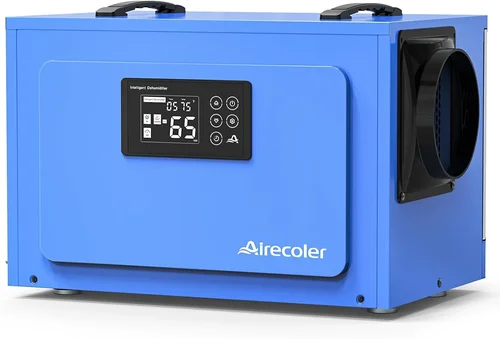
If you’ve ever walked into your crawl space and noticed a musty smell, damp insulation, or even visible mold, you already know how critical moisture control is in these tight, often neglected areas of your home. Crawl spaces are notorious for trapping humidity—especially in humid climates or during rainy seasons—and without proper dehumidification, that moisture can lead to structural damage, pest infestations, and poor indoor air quality. That’s why investing in a high-quality commercial-grade dehumidifier designed specifically for crawl spaces isn’t just a nice-to-have—it’s a necessity for long-term home health.
This comprehensive buying guide is here to help you cut through the noise and make an informed decision. Whether you’re a homeowner tackling a persistent dampness issue, a contractor managing multiple properties, or a building manager overseeing commercial structures, we’ll walk you through everything you need to know. You’ll learn how to evaluate performance specs, understand build quality, compare different types of units, avoid common pitfalls, and ultimately choose the best crawl space dehumidifier for your specific needs. By the end of this guide, you’ll have the confidence to select a unit that delivers reliable, energy-efficient moisture removal—without overspending or settling for underpowered equipment.
The market for crawl space dehumidifiers has evolved significantly over the past decade. Gone are the days when residential-grade units were repurposed for commercial use with mixed results. Today, manufacturers offer purpose-built commercial dehumidifiers engineered to handle the unique challenges of enclosed, low-traffic spaces like crawl areas. These units are designed to run continuously in harsh conditions, resist corrosion, operate quietly, and integrate seamlessly with existing HVAC or monitoring systems. With options ranging from compact, budget-friendly models to heavy-duty industrial systems capable of handling thousands of square feet, there’s never been a better time to upgrade your crawl space moisture management strategy.

What to Look for When Buying a Crawl Space Dehumidifier
1. Performance Specifications
When evaluating any dehumidifier, performance specs are your first line of defense against guesswork. For crawl spaces, you need a unit that can maintain relative humidity (RH) between 30% and 50%—the ideal range to prevent mold growth, wood rot, and pest attraction. Key performance metrics include pints per day (PPD), which measures how much moisture the unit can extract in 24 hours under standard conditions (typically 80°F and 60% RH). However, don’t rely solely on manufacturer claims—look for third-party testing or AHAM (Association of Home Appliance Manufacturers) certification, which ensures real-world accuracy.
Another critical spec is the operating temperature range. Many crawl spaces drop below 60°F in winter, and standard dehumidifiers may shut off or lose efficiency in cold environments. Look for units rated to operate down to 41°F or lower, especially if you live in a northern climate. Additionally, check the CFM (cubic feet per minute) airflow rating—higher CFM means better air circulation, which is essential for reaching stagnant corners and ensuring even drying. A good rule of thumb: aim for at least 200–300 CFM for a typical 1,000 sq. ft. crawl space.
2. Build Quality & Durability
Crawl spaces are unforgiving environments—dusty, damp, and often poorly ventilated. Your dehumidifier must be built to withstand these conditions without frequent breakdowns. Look for corrosion-resistant components such as galvanized steel cabinets, powder-coated finishes, and rust-proof coils. Units with sealed compressors and protective grilles also fare better against dust and debris.
Pay close attention to the condenser and evaporator coils. Aluminum or coated copper coils resist corrosion better than bare copper, especially in high-humidity settings. Also, check if the unit has a washable or replaceable air filter—this not only improves air quality but also protects internal components from clogging. High-end models often include protective bumpers or mounting brackets to prevent damage during installation or maintenance.
Durability also extends to the internal wiring and control board. Industrial-grade dehumidifiers typically use heavier-duty electrical components and conformal-coated circuit boards to resist moisture-induced corrosion. If you’re installing the unit in a particularly harsh environment (e.g., near a sump pump or in a coastal area), consider models with IP-rated enclosures for added protection.
3. Energy Efficiency & Operating Costs
Running a dehumidifier 24/7 can significantly impact your utility bill, so energy efficiency should be a top priority. Look for units with an Energy Factor (EF) rating—measured in liters of water removed per kilowatt-hour (L/kWh). Higher EF values mean more moisture removed per unit of electricity consumed. For example, a unit with an EF of 2.0 removes twice as much water as one with an EF of 1.0 using the same amount of power.
ENERGY STAR-certified models are ideal, as they meet strict efficiency guidelines set by the U.S. Environmental Protection Agency. These units typically use 15–30% less energy than non-certified counterparts. Additionally, some advanced models feature variable-speed compressors or smart humidity sensors that adjust output based on real-time conditions, further reducing energy waste.
Don’t forget to factor in long-term operating costs. A slightly more expensive unit with superior efficiency may pay for itself within a year or two through lower electricity bills. Use online calculators or consult your local utility provider to estimate annual kWh usage based on your unit’s wattage and expected runtime.
4. Features & Functionality
Modern crawl space dehumidifiers come packed with features that enhance usability, reliability, and integration. One of the most important is automatic humidity control via a built-in humidistat. This allows the unit to cycle on and off based on ambient RH levels, maintaining consistent conditions without manual intervention. Some models even offer remote monitoring via smartphone apps or integration with home automation systems like Nest or SmartThings.
Drainage options are another key consideration. Most commercial units include a built-in condensate pump or gravity drain port. If your crawl space lacks a floor drain, a pump is essential for continuous operation—it can lift water several feet vertically to expel it outside or into a utility sink. Look for pumps with fail-safe float switches that shut off the unit if the pump fails, preventing overflow.
Other valuable features include:
– Auto-defrost functionality for cold-weather operation
– Washable pre-filters for easy maintenance
– Timer settings for scheduled operation
– Error code displays for troubleshooting
– Low-noise operation (under 50 dB) for minimal disturbance
For large or hard-to-reach crawl spaces, consider models with remote control panels or wall-mounted displays that let you monitor and adjust settings without crawling under the house.
5. Size & Portability
While crawl space dehumidifiers are generally stationary, their physical dimensions and weight still matter—especially during installation and maintenance. Measure your access point (typically a hatch or door) to ensure the unit will fit. Most commercial models range from 18″ to 24″ in height and weigh between 50 and 100 pounds. Heavier units may require two people to install safely.
Portability features like integrated handles, wheels, or lifting eyes can make a big difference. Some contractors prefer models with detachable components or modular designs for easier transport through tight spaces. If you anticipate moving the unit between properties (e.g., for rental inspections or seasonal use), prioritize lightweight, compact designs with robust casings.
Also consider clearance requirements. Most units need at least 6–12 inches of space around them for proper airflow. Avoid placing the dehumidifier directly against walls or insulation, as this can restrict intake and exhaust, reducing efficiency and potentially causing overheating.
6. Brand Reputation & Reliability
Not all dehumidifier brands are created equal—especially when it comes to commercial-grade equipment. Established manufacturers like AprilAire, Santa Fe, Dri-Eaz, and Quest have decades of experience designing systems for demanding environments. These companies invest heavily in R&D, quality control, and customer support, resulting in products that consistently outperform generic or off-brand alternatives.
Research brand reputation by reading professional reviews, checking industry forums, and consulting with HVAC contractors. Look for brands that specialize in whole-home or commercial dehumidification rather than general appliance makers. A strong reputation often correlates with better build quality, longer lifespans, and more responsive customer service.
Additionally, consider whether the brand offers local dealer networks or certified installers. Professional installation can optimize performance and ensure compliance with warranty terms. Some brands even provide free site assessments or sizing consultations—valuable resources when you’re unsure about your specific needs.
7. Warranty & Support
A comprehensive warranty is a strong indicator of a manufacturer’s confidence in their product. For commercial crawl space dehumidifiers, expect warranties ranging from 2 to 7 years, with longer coverage on major components like compressors and coils. Pay attention to what’s included—some warranties cover parts only, while others include labor and shipping.
Read the fine print carefully. Many warranties require professional installation, regular maintenance (e.g., filter cleaning every 3 months), and registration within 30 days of purchase. Failure to comply can void coverage. Also, check if the warranty is transferable—this adds value if you sell your home or property.
Customer support matters just as much. Test the responsiveness of the manufacturer’s support team before buying. Can you reach a live person quickly? Do they offer troubleshooting guides or video tutorials? Brands with dedicated technical support lines or online portals (e.g., AprilAire’s “My Account” system) tend to provide a smoother ownership experience.
8. User Reviews & Real-World Feedback
While specs and marketing materials give you the basics, user reviews reveal how a dehumidifier performs in real homes and businesses. Look for detailed reviews on trusted platforms like Amazon, Home Depot, or specialty HVAC sites. Focus on feedback from users with similar crawl space conditions—size, climate, moisture level, and installation method.
Watch for recurring themes: Does the unit struggle in cold weather? Is the drain pump reliable? Are controls intuitive? Negative reviews can be especially telling—if multiple users report the same issue (e.g., frequent freezing or noisy operation), it’s likely a design flaw rather than an isolated defect.
Don’t overlook contractor reviews. Professionals who install dozens of units annually often provide the most honest assessments. They’ll highlight strengths like ease of wiring, durability under continuous load, and compatibility with existing systems. Join online communities like Reddit’s r/HomeImprovement or HVAC Talk forums to ask questions and get unfiltered advice.
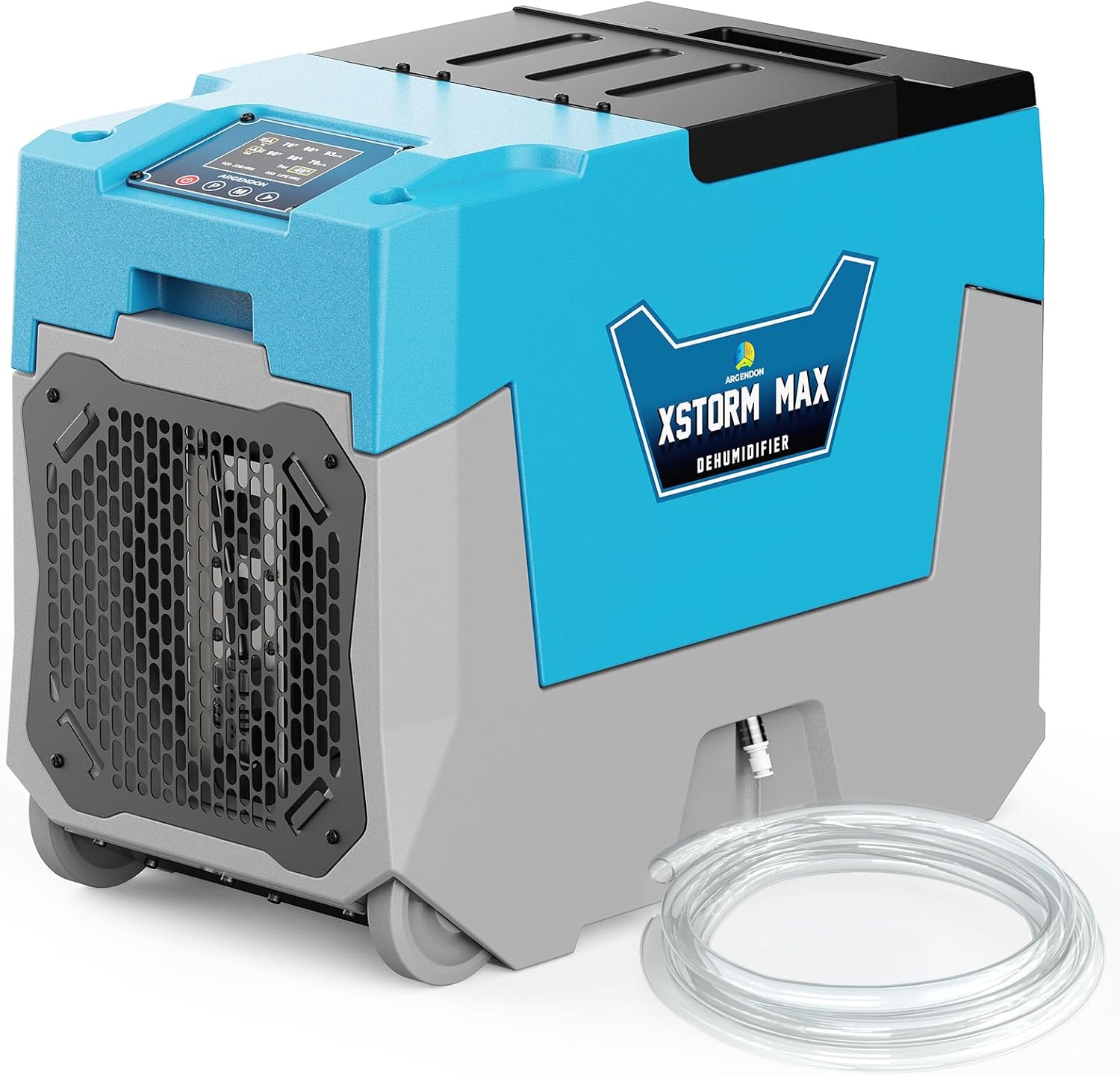
Different Types of Crawl Space Dehumidifiers
Common Buying Mistakes to Avoid
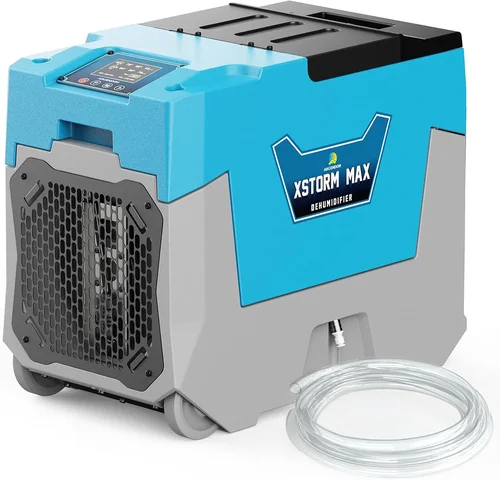
❌ Mistake: Buying a Residential Dehumidifier for a Crawl Space
Why it’s bad: Residential dehumidifiers aren’t built for continuous operation in unconditioned spaces. They often lack corrosion-resistant materials, have shorter lifespans, and may shut off in cold temperatures. Using one in a crawl space can lead to frequent breakdowns, higher repair costs, and inadequate moisture control.
What to do instead: Invest in a purpose-built commercial or whole-house dehumidifier designed for crawl spaces. These units are engineered for 24/7 runtime, harsh environments, and long-term reliability.
❌ Mistake: Ignoring Drainage Requirements
Why it’s bad: Without proper drainage, condensate will pool inside the unit or overflow, causing water damage and mold growth. Many buyers assume gravity drainage is sufficient, but uneven floors or long distances to a drain can make this impractical.
What to do instead: Choose a unit with a built-in condensate pump or ensure your installation includes a reliable drain line. Test drainage before finalizing setup—especially if the pump must lift water vertically.
❌ Mistake: Oversizing or Undersizing the Unit
Why it’s bad: An oversized dehumidifier cycles on and off too frequently, reducing efficiency and increasing wear. An undersized unit runs constantly but can’t keep up with moisture levels, leading to persistent dampness.
What to do instead: Use a sizing calculator or consult an HVAC professional. Consider factors like square footage, insulation quality, groundwater exposure, and local climate—not just PPD ratings.
❌ Mistake: Neglecting Regular Maintenance
Why it’s bad: Dirty filters, clogged coils, and full drain lines reduce efficiency and can cause system failure. Many users treat dehumidifiers as “set it and forget it” devices, but neglect leads to premature breakdowns.
What to do instead: Clean or replace filters every 1–3 months, inspect drain lines annually, and schedule professional servicing every 2–3 years. Keep a maintenance log to track performance.
❌ Mistake: Choosing Based Solely on Price
Why it’s bad: The cheapest option often sacrifices durability, efficiency, and features. You may end up replacing it within a few years, costing more in the long run.
What to do instead: Focus on total cost of ownership—including energy use, maintenance, and lifespan. A mid-range unit with strong reviews and a solid warranty often offers the best value.
❌ Mistake: Installing Without Professional Help
Why it’s bad: Improper installation can void warranties, reduce performance, and create safety hazards (e.g., electrical faults or blocked airflow). DIY attempts may also miss critical steps like sealing vents or integrating with HVAC.
What to do instead: Hire a certified HVAC technician or dehumidification specialist. Many brands require professional installation for warranty validity—and it ensures optimal results.
❌ Mistake: Overlooking Smart Features and Controls
Why it’s bad: Manual monitoring is time-consuming and prone to error. Without automated controls, you risk humidity spikes during absences or seasonal changes.
What to do instead: Prioritize units with built-in humidistats, remote monitoring, and alert systems. These features provide peace of mind and help maintain consistent conditions year-round.
Budget Guidelines: How Much Should You Spend?
Entry-Level ($400–$800): These units are suitable for small, moderately damp crawl spaces (under 1,000 sq. ft.) in mild climates. Expect basic features, limited cold-weather performance, and shorter lifespans (3–5 years). Ideal for temporary fixes or budget-conscious homeowners, but may require more frequent maintenance.
Mid-Range ($800–$1,500): This is the sweet spot for most buyers. Units in this range offer robust construction, reliable pumps, auto-defrost, and ENERGY STAR efficiency. They’re built for continuous operation and typically last 7–10 years with proper care. Brands like AprilAire and Santa Fe dominate this category.
Premium ($1,500–$3,000): Designed for large or challenging environments, these models feature advanced controls, high CFM ratings, and industrial-grade components. They’re ideal for commercial properties, flood-prone areas, or extreme climates. Expect smart integration, remote diagnostics, and extended warranties.
Luxury ($3,000+): Top-tier systems offer maximum performance, customization, and durability. Often used in historic homes, museums, or large commercial buildings, these units include features like dual compressors, HEPA filtration, and full HVAC integration. While expensive, they deliver unmatched reliability and precision.
Expert Tips for Getting the Best Deal
– Buy during off-seasons: Prices often drop in late fall and winter when demand for dehumidifiers is lowest. Retailers may offer discounts to clear inventory before spring.
– Check manufacturer rebates: Companies like AprilAire and Dri-Eaz frequently run promotions or partner with utilities to offer rebates for ENERGY STAR models.
– Compare total cost, not just sticker price: Factor in shipping, installation, and potential energy savings. A slightly pricier unit with lower operating costs may be cheaper over time.
– Read return policies carefully: Ensure you can return or exchange the unit if it doesn’t perform as expected—especially important for online purchases.
– Ask about trade-in programs: Some brands offer discounts when you upgrade from an older model.
– Bundle with other services: HVAC contractors may offer package deals when installing dehumidifiers alongside insulation or vapor barriers.
– Test before committing: If possible, rent a unit for a week to assess its effectiveness in your specific crawl space.
– Register your warranty immediately: Many manufacturers require registration within 30 days to activate coverage.

Frequently Asked Questions
Q: Can I use a regular dehumidifier in my crawl space?
A: Technically yes, but it’s not recommended. Residential dehumidifiers aren’t built for continuous operation in unconditioned, dusty, or cold environments. They lack corrosion protection, may freeze in winter, and often fail prematurely. For long-term reliability, choose a commercial-grade unit designed for crawl spaces.
Q: How do I know what size dehumidifier I need?
A: Start by measuring your crawl space square footage. Then assess moisture levels: light (occasional dampness), moderate (visible condensation), or severe (standing water or mold). Use a sizing chart from manufacturers like AprilAire or consult an HVAC pro. As a rough guide, a 70-pint unit handles up to 1,500 sq. ft. in moderate conditions.
Q: Should I vent my crawl space or seal it?
A: Modern best practice is to seal (or “condition”) the crawl space by closing vents, installing a vapor barrier, and using a dehumidifier. Venting introduces humid outside air, which can worsen moisture problems. Sealed crawl spaces are more energy-efficient and easier to control.
Q: How often should I clean the filter?
A: Every 1–3 months, depending on dust levels. A clogged filter restricts airflow, reduces efficiency, and can cause the unit to overheat. Most models have washable filters—rinse with water and let dry before reinstalling.
Q: Will a dehumidifier increase my electricity bill?
A: Yes, but modern ENERGY STAR models are highly efficient. A typical 70-pint unit uses about 700–800 watts and costs $15–$30 per month to run continuously, depending on local electricity rates. The energy savings from reduced HVAC load often offset this cost.
Q: Can I install the dehumidifier myself?
A: If you’re experienced with electrical work and plumbing, basic installation may be DIY-friendly. However, professional installation ensures proper wiring, drainage, and warranty compliance. Many manufacturers void warranties if installed by unlicensed individuals.
Q: What’s the difference between a condensate pump and gravity drain?
A: Gravity drain relies on slope to move water to a floor drain or sump pit—it only works if the drain is lower than the unit. A condensate pump actively lifts water (up to 15 feet vertically) to expel it outside or into a utility sink, making it essential for flat or elevated installations.
Q: How long do crawl space dehumidifiers last?
A: With proper maintenance, most commercial units last 7–12 years. High-end models with industrial components can exceed 15 years. Regular filter cleaning, coil inspections, and professional servicing significantly extend lifespan.
Q: Do I need a vapor barrier if I have a dehumidifier?
A: Absolutely. A 6-mil polyethylene vapor barrier on the crawl space floor and walls reduces ground moisture evaporation, making the dehumidifier’s job easier and more efficient. It’s a critical part of a complete moisture control system.
Q: Can a dehumidifier prevent foundation cracks?
A: Indirectly, yes. Excess moisture causes soil expansion (hydrostatic pressure), which can stress foundations. By maintaining stable humidity, a dehumidifier helps prevent soil movement and reduces the risk of structural damage over time.
Our Final Recommendations
Best for Budget-Conscious Buyers: AprilAire E070 Pro – At around $800, this 70-pint unit offers excellent value with ENERGY STAR efficiency, auto-defrost, and a 5-year warranty. Ideal for small to mid-sized crawl spaces in moderate climates.
Best Overall Value: Santa Fe Compact 70 – Priced near $1,200, it combines rugged construction, a powerful condensate pump, and smart humidity control. Perfect for most homeowners seeking reliability without premium pricing.
Best Premium Option: Dri-Eaz F500 – A high-capacity (90+ PPD) industrial workhorse for large or severely damp spaces. Features dual compressors, remote monitoring, and a 7-year warranty. Worth the investment for commercial use or extreme conditions.
Best for Beginners: Quest Dual 55 – User-friendly controls, quiet operation, and straightforward installation make this a great entry point. Includes a built-in pump and intuitive display—ideal for first-time buyers.
Best for Advanced Users: AprilAire E130C – A whole-house integrated system with Wi-Fi connectivity, app control, and seamless HVAC integration. Designed for tech-savvy homeowners who want full automation and data tracking.
Conclusion: Making the Right Choice
Choosing the best commercial dehumidifier for your crawl space isn’t just about picking the most powerful or expensive model—it’s about matching the right technology to your specific environment, budget, and long-term goals. From understanding key performance specs and build quality to avoiding common pitfalls and leveraging expert tips, this guide equips you with the knowledge to make a confident, informed decision.
Remember: a well-maintained crawl space dehumidifier does more than just remove moisture—it protects your home’s structural integrity, improves indoor air quality, and enhances overall energy efficiency. Whether you’re tackling a minor dampness issue or managing a large commercial property, investing in the right unit pays dividends for years to come.
Take the time to assess your needs, compare options, and consult professionals when necessary. And once you’ve made your choice, commit to regular maintenance to ensure peak performance. Your crawl space—and your entire home—will thank you.