
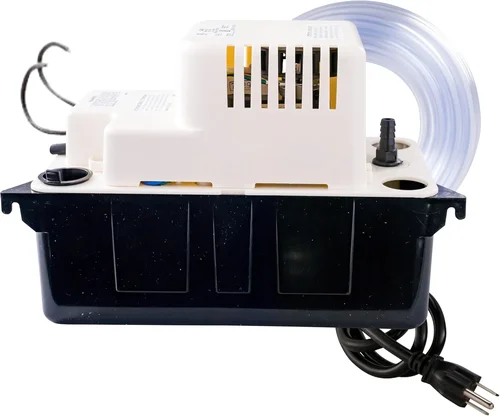
When it comes to maintaining a healthy, comfortable indoor environment, few appliances work as quietly and consistently as a dehumidifier. These devices pull excess moisture from the air, helping prevent mold, mildew, dust mites, and musty odors—especially in damp basements, crawl spaces, or humid climates. But here’s the catch: every dehumidifier produces water as a byproduct of its operation. That collected condensate must go somewhere. In many homes, especially those without floor drains or accessible windows, simply emptying a bucket every few hours isn’t practical. That’s where a condensate pump comes in.
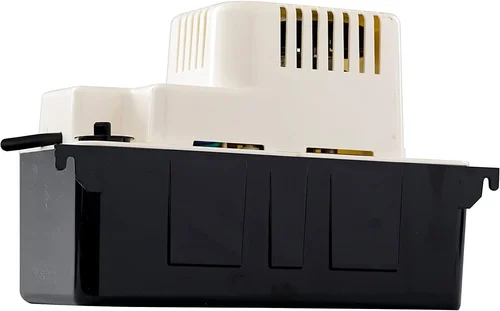
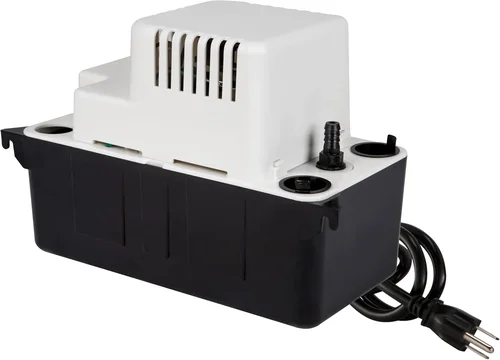
A condensate pump is a small but essential accessory that automates the removal of collected water from your dehumidifier. Instead of manually dumping the reservoir, the pump detects when water reaches a certain level and silently pumps it through a hose to a drain, sink, or even outside your home. This not only saves time and effort but also ensures your dehumidifier runs continuously without interruption—critical for maintaining optimal humidity levels. With so many models on the market—ranging from basic $30 units to high-capacity, smart-enabled pumps—choosing the right one can feel overwhelming. That’s exactly why this guide exists: to cut through the noise and help you make an informed decision based on real performance, reliability, and value.
In this comprehensive buying guide, you’ll learn everything you need to know about selecting the best condensate pump for your dehumidifier in 2026. We’ll break down the key factors that matter most—from flow rate and lift height to noise levels and build quality—and explain how they impact real-world performance. You’ll discover the different types of pumps available, common pitfalls to avoid, and expert tips for getting the best deal. Whether you’re dealing with a small bedroom dehumidifier or a heavy-duty industrial unit in a commercial space, this guide will equip you with the knowledge to choose a pump that fits your needs, budget, and lifestyle. Let’s dive in.

What to Look for When Buying Buying Guide
1. Pump Capacity & Flow Rate
The first and most critical factor to consider is the pump’s capacity—specifically, how much water it can move and how quickly. Measured in gallons per hour (GPH) or liters per hour (LPH), flow rate determines how efficiently the pump can empty your dehumidifier’s reservoir. Most residential dehumidifiers produce between 15 and 70 pints (about 2 to 9 gallons) of water per day, depending on humidity levels and unit size. A standard condensate pump typically handles 30–100 GPH, which is more than sufficient for home use. However, if you’re using a large-capacity dehumidifier in a very damp basement or commercial setting, you may need a higher-flow model.
More importantly, consider the lift height—the vertical distance the pump can push water upward. Most pumps list a maximum lift (e.g., 10 feet, 15 feet, or 20 feet). If your drain is located above the dehumidifier (like a sink or utility tub on a higher floor), you’ll need a pump with adequate lift. For example, a pump with a 10-foot lift can move water up 10 feet vertically and then an additional horizontal distance (usually up to 100 feet, depending on hose diameter and friction). Always check the manufacturer’s specifications for both vertical and total head lift to ensure compatibility with your setup.
2. Tank Size & Auto Shut-Off
The internal tank or reservoir size determines how much water the pump can hold before activating. Smaller tanks (around 0.5 to 1 gallon) are fine for light-duty use, but they’ll cycle more frequently, which can wear out the motor over time. Larger tanks (1.5 to 2 gallons) reduce cycling and are better for high-moisture environments. However, tank size isn’t the only consideration—equally important is whether the pump includes an auto shut-off feature. This safety mechanism stops the pump if the tank fills beyond capacity, preventing overflow and potential water damage.
Look for models with float-switch technology: a small buoyant device that rises with the water level and triggers the pump when needed. Once the tank is full, the float rises further and cuts power to the pump, activating a warning light or alarm in some cases. This feature is essential if you’re away from home for extended periods or if the pump is installed in a hard-to-monitor location like a crawl space. Without auto shut-off, a malfunctioning pump could lead to flooding, especially if the discharge hose becomes clogged or disconnected.
3. Noise Level & Quiet Operation
Since many dehumidifiers run 24/7, especially in basements or bedrooms, the noise output of your condensate pump matters. Most pumps operate quietly—between 30 and 50 decibels (dB)—comparable to a whisper or quiet library. However, cheaper models may produce noticeable humming, clicking, or gurgling sounds, particularly when starting or stopping. If your dehumidifier is in a living area, bedroom, or home office, opt for a pump with noise-dampening features like rubber mounts, insulated housings, or brushless motors.
Some manufacturers explicitly market their pumps as “ultra-quiet” or “silent operation.” While no pump is completely silent, these models often use advanced motor designs and vibration-reducing materials to minimize disturbance. Reading user reviews can give you a better sense of real-world noise levels than specs alone. For example, a pump rated at 40 dB might still sound louder if it’s mounted directly on a hard surface that amplifies vibrations. Consider using a soft pad or mounting the pump on a carpeted floor to further reduce noise.
4. Build Quality & Durability
Condensate pumps are often installed in damp, dusty, or hard-to-reach areas, so durability is paramount. Look for pumps made from high-quality, corrosion-resistant materials like ABS plastic, stainless steel, or reinforced polymers. Avoid models with flimsy housings or thin-walled tanks, as these can crack under pressure or degrade over time. The motor should be sealed to prevent moisture ingress, and the impeller (the spinning component that moves water) should be made of durable thermoplastic or ceramic to resist wear.
Check the ingress protection (IP) rating if available. While most residential pumps aren’t rated for outdoor use, an IPX4 or higher rating indicates resistance to splashing water—useful in basements prone to flooding. Also, examine the quality of the float switch and electrical connections. A poorly designed float can stick or fail, leading to pump malfunction. Premium brands often use dual floats or magnetic switches for added reliability. Finally, consider the pump’s expected lifespan. A well-built model should last 5–10 years with regular maintenance, while cheaper alternatives may fail within 1–2 years.
5. Ease of Installation & Maintenance
Even the best pump is useless if it’s too complicated to install or maintain. Most condensate pumps are designed for DIY setup, requiring only a power outlet, a short length of tubing, and a connection to your dehumidifier’s drain port. However, some models come with clearer instructions, pre-cut hoses, or quick-connect fittings that simplify the process. Look for pumps that include mounting brackets, suction cups, or adhesive pads for secure placement.
Maintenance is another key factor. Over time, mineral deposits, algae, or debris can clog the pump’s inlet, impeller, or discharge line. Models with removable tanks or accessible filters make cleaning easier. Some pumps feature self-cleaning modes or anti-clog designs, such as wide intake ports or centrifugal impellers that resist blockages. Regular maintenance—like flushing the pump with vinegar every few months—can extend its life and prevent odors. Avoid pumps with sealed units that can’t be opened for cleaning unless they’re specifically designed for low-maintenance operation.
6. Power Source & Energy Efficiency
Condensate pumps are typically powered by standard 120V AC outlets and consume very little energy—usually between 10 and 50 watts. However, since they may run intermittently for hours each day, energy efficiency can add up over time. Look for models with Energy Star certification or low-wattage motors that minimize electricity use. Some pumps also include sleep modes or variable-speed motors that adjust output based on demand.
Consider the power cord length and plug type. A longer cord (6–10 feet) gives you more flexibility in placement, while a right-angle plug can help save space behind furniture. If you’re installing the pump in a location without easy access to an outlet, check whether the model supports battery backup or solar power (rare but available in niche models). For most users, a standard plug-in pump is sufficient, but always ensure the outlet is GFCI-protected, especially in damp areas like basements or laundry rooms.
7. Compatibility with Your Dehumidifier
Not all condensate pumps work with every dehumidifier. Most modern units have a built-in drain port (usually 1/4″ or 3/8″ barbed fitting), but older or compact models may require an adapter or external hose connection. Before buying, check your dehumidifier’s manual or inspect the unit for a drain outlet. If it doesn’t have one, you may need to modify the reservoir or use a universal adapter kit.
Also, consider the pump’s inlet size. Most pumps accept standard 1/4″ or 3/8″ tubing, but some high-capacity models use larger diameters. Ensure the hose provided (or purchased separately) matches your dehumidifier’s output. Additionally, some smart dehumidifiers (like those from Frigidaire or Midea) have proprietary drain systems or built-in pumps. In these cases, an external pump may not be necessary—or may require special integration. Always verify compatibility before purchasing.
8. Brand Reputation & Customer Support
While price and specs are important, don’t overlook the brand behind the pump. Established manufacturers like Little Giant, Superior Pump, Liberty Pumps, and DiversiTech have decades of experience in fluid management and offer reliable, well-engineered products. These brands typically provide better customer support, detailed manuals, and accessible replacement parts. In contrast, generic or no-name brands may save you money upfront but often lack warranty coverage or responsive service.
Check online reviews on trusted platforms like Amazon, Home Depot, or HVAC forums. Look for consistent feedback about reliability, ease of use, and longevity. A pump with hundreds of 4- and 5-star reviews is generally a safer bet than one with mixed or sparse feedback. Also, consider the availability of local service centers or authorized repair shops. If something goes wrong, you’ll want to get it fixed quickly—not wait weeks for a replacement from overseas.
Different Types of Buying Guide

Common Buying Mistakes to Avoid
❌ Mistake: Ignoring Lift Height Requirements
Why it’s bad: Choosing a pump with insufficient lift height is one of the most common—and frustrating—errors. If your drain is located above the pump and the unit can’t push water high enough, it will fail to discharge, leading to overflow and potential water damage. Many buyers assume all pumps can handle vertical lifts, but specs vary widely.
What to do instead: Measure the vertical distance from the pump location to the drain point. Add a 10–20% safety margin to account for hose friction and bends. Always select a pump with a maximum lift rating that exceeds your actual need. For example, if your drain is 8 feet above the pump, choose a model rated for at least 10–12 feet.
❌ Mistake: Overlooking Noise Levels
Why it’s bad: A noisy pump can become a constant annoyance, especially in quiet spaces like bedrooms or home offices. Even if the dehumidifier itself is quiet, a clicking or humming pump can disrupt sleep or concentration.
What to do instead: Prioritize models with noise ratings below 45 dB. Read user reviews to gauge real-world sound levels. Consider installing the pump on a soft surface or using vibration-dampening pads to reduce noise transmission.
❌ Mistake: Buying Based Solely on Price
Why it’s bad: The cheapest pump may save you $20 upfront, but it could fail within a year, require frequent maintenance, or lack essential safety features like auto shut-off. This leads to higher long-term costs and potential water damage.
What to do instead: Focus on value, not just price. A mid-range pump ($60–$100) often offers the best balance of reliability, features, and durability. Invest in a reputable brand with a solid warranty.
❌ Mistake: Neglecting Maintenance Needs
Why it’s bad: Condensate pumps can clog with algae, minerals, or debris, especially in humid environments. If not cleaned regularly, performance declines, and the motor may burn out prematurely.
What to do instead: Choose a pump with accessible components or self-cleaning features. Schedule monthly inspections and clean the tank and impeller with a vinegar solution. Keep the discharge hose clear of kinks or blockages.
❌ Mistake: Assuming All Pumps Are Compatible
Why it’s bad: Not every pump fits every dehumidifier. Some units lack drain ports, while others use non-standard hose sizes. Installing an incompatible pump can damage your dehumidifier or cause leaks.
What to do instead: Check your dehumidifier’s manual for drain specifications. Measure the outlet diameter and confirm the pump’s inlet matches. If needed, purchase adapter kits or universal drain kits.
❌ Mistake: Skipping the Warranty Check
Why it’s bad: A short or non-existent warranty leaves you unprotected if the pump fails early. Some budget brands offer only 90-day coverage, which isn’t enough for a device expected to last years.
What to do instead: Look for pumps with at least a 1-year warranty, preferably 2–3 years. Premium brands often include extended coverage and responsive customer service.
❌ Mistake: Installing Without a Backup Plan
Why it’s bad: If the pump fails and there’s no overflow protection, your dehumidifier may stop working or flood the area. This is especially risky in unattended spaces like basements.
What to do instead: Use a pump with auto shut-off and consider installing a secondary overflow tray or alarm. Some smart pumps send alerts to your phone if a problem is detected.
Budget Guidelines: How Much Should You Spend?
- Entry-Level ($25 – $50): These pumps are ideal for small dehumidifiers in low-humidity areas. Expect basic functionality, limited lift (5–10 feet), and plastic construction. Best for occasional use or temporary setups. Brands like HydroMaster or generic Amazon models fall here. While affordable, they may lack durability and advanced features.
- Mid-Range ($50 – $100): This is the sweet spot for most homeowners. Pumps in this range offer reliable performance, 10–15 feet of lift, auto shut-off, and better build quality. Models from Little Giant, Superior Pump, or DiversiTech provide excellent value. They’re suitable for basements, laundry rooms, and year-round use.
- Premium ($100 – $200): Designed for heavy-duty or commercial applications, these pumps feature high flow rates (80+ GPH), long lift (up to 25 feet), corrosion-resistant materials, and quiet operation. Ideal for large homes, warehouses, or areas with high moisture levels. Brands like Liberty Pumps or Zoeller offer robust options with extended warranties.
- Luxury ($200+): Top-tier pumps include smart features like Wi-Fi connectivity, app control, leak detection, and integration with home automation systems. Examples include the DriJet Smart Condensate Pump or models with battery backup. These are best for tech enthusiasts, remote properties, or users who want maximum convenience and monitoring.
Expert Tips for Getting the Best Deal
- Buy During Off-Peak Seasons: Condensate pumps are often discounted in late fall and winter when dehumidifier sales slow. Check Black Friday, Cyber Monday, or post-holiday sales for deals.
- Shop at Specialty Retailers: Home improvement stores like Home Depot, Lowe’s, or HVAC suppliers often carry a wider selection and offer in-store support. Online retailers like Amazon provide competitive pricing and user reviews.
- Bundle with Your Dehumidifier: Some manufacturers offer pump-and-dehumidifier bundles at a discount. This ensures compatibility and can save you $20–$50.
- Check for Rebates: Utility companies or energy programs sometimes offer rebates for energy-efficient pumps. Search your local provider’s website for incentives.
- Read the Fine Print on Warranties: Ensure the warranty covers both parts and labor. Some brands require registration within 30 days to activate coverage.
- Test Before Finalizing Installation: Run the pump for 24 hours to check for leaks, noise, and proper operation. Make sure the float switch activates smoothly.
- Consider Used or Refurbished Models: Reputable sellers like eBay Certified Refurbished or manufacturer outlets offer tested pumps at 30–50% off. Verify warranty status before buying.
- Join HVAC Forums: Communities like Reddit’s r/hvac or HVAC-Talk often share exclusive deals, coupon codes, or early access to sales.

Frequently Asked Questions
Q: Can I use a condensate pump with any dehumidifier?
A: Most modern dehumidifiers with a drain port are compatible, but always check the outlet size and pump inlet. If your unit lacks a drain port, you may need an external adapter or modification kit.
Q: How often should I clean my condensate pump?
A: Clean the pump every 1–3 months, depending on usage and water quality. Flush with a 50/50 vinegar-water solution to remove mineral buildup and algae.
Q: Will a condensate pump increase my electricity bill?
A: No. Most pumps use less than 50 watts and run intermittently, so the added cost is minimal—typically less than $5 per year.
Q: Can I run the pump continuously?
A: Yes, but it’s unnecessary. Most pumps are designed for intermittent use and will last longer if they cycle on and off as needed.
Q: What happens if the power goes out?
A: The pump will stop working. If you’re concerned about outages, consider a model with battery backup or install a UPS (uninterruptible power supply).
Q: Can I connect multiple dehumidifiers to one pump?
A: It’s possible with a manifold or Y-connector, but ensure the pump’s capacity can handle the combined flow. Most residential pumps are designed for single-unit use.
Q: Is it safe to pump water outside?
A: Yes, as long as the discharge hose is secured and directed away from foundations. Avoid creating puddles or ice hazards in winter.
Q: Do I need a check valve?
A: A check valve prevents backflow if the pump stops. It’s recommended for vertical lifts over 5 feet to avoid siphoning.
Q: Can I use a sump pump instead?
A: Sump pumps are overkill for condensate and may not activate frequently enough. Use a dedicated condensate pump for best results.
Q: How do I know if my pump is failing?
A: Signs include reduced flow, unusual noises, failure to start, or water pooling around the unit. Test the float switch and inspect for clogs.
Our Final Recommendations
- Best for Budget-Conscious Buyers: HydroMaster HM-100 – At under $40, this compact pump offers 30 GPH flow, 10-foot lift, and auto shut-off. Ideal for small spaces and light use.
- Best Overall Value: Little Giant 554425 VXP – Priced around $80, it delivers 80 GPH, 15-foot lift, quiet operation, and durable ABS construction. A top choice for most homes.
- Best Premium Option: Liberty Pumps LSG202A – With 120 GPH, 20-foot lift, and a 3-year warranty, this pump is built for heavy-duty performance and long-term reliability.
- Best for Beginners: Superior Pump 91250 – Easy to install, includes a 10-foot hose and mounting bracket. Great for first-time users with basic needs.
- Best for Advanced Users: DriJet Smart Condensate Pump – Features Wi-Fi connectivity, app alerts, and leak detection. Perfect for tech-savvy homeowners who want remote monitoring.
Conclusion: Making the Right Choice
Choosing the best condensate pump for your dehumidifier doesn’t have to be complicated—but it does require careful consideration of your specific needs, environment, and long-term goals. From understanding lift height and flow rate to avoiding common installation pitfalls, the insights in this guide empower you to make a confident, informed decision. Remember, the right pump isn’t just about moving water—it’s about peace of mind, convenience, and protecting your home from moisture-related damage.
Prioritize reliability over price, invest in quality construction, and don’t overlook features like auto shut-off and quiet operation. Whether you’re managing humidity in a cozy basement or a sprawling commercial space, there’s a condensate pump out there that fits your lifestyle. Use the recommendations, tips, and comparisons in this guide to narrow your options and find the perfect match. Your dehumidifier—and your home—will thank you.