
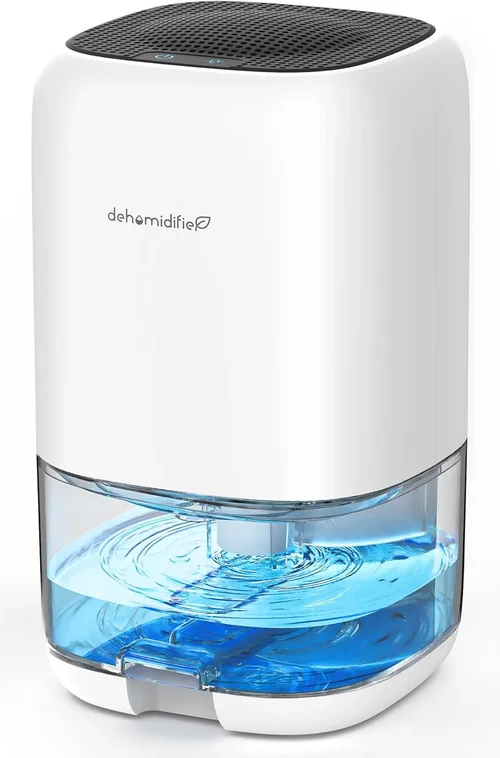
If you’re growing plants in a 4×4 grow tent—whether it’s cannabis, herbs, vegetables, or ornamental varieties—you already know that humidity control is one of the most critical factors for success. Even with the best lighting, nutrients, and ventilation systems, high moisture levels can quickly lead to mold, mildew, root rot, and stunted growth. That’s where a reliable dehumidifier comes in. But not every dehumidifier is created equal, especially when it comes to the unique environment of a sealed grow tent.
This comprehensive buying guide is designed specifically for growers who need expert-level insight into choosing the best dehumidifier for a 4×4 grow tent. Whether you’re a first-time cultivator or a seasoned grower upgrading your setup, this guide will walk you through everything you need to know—from performance specs and build quality to budget considerations and common pitfalls. By the end, you’ll have the knowledge and confidence to select a dehumidifier that not only fits your tent but also supports healthy, high-yield plant growth throughout every stage of development.
The market for dehumidifiers has exploded in recent years, with models ranging from compact portable units to industrial-grade systems. However, many off-the-shelf dehumidifiers aren’t optimized for the tight, controlled environments of grow tents. They may be too loud, inefficient, oversized, or lack the precision needed to maintain ideal humidity levels (typically 40–60% during vegetative growth and 40–50% during flowering). Our goal is to cut through the noise and help you identify the right balance of performance, reliability, and value. We’ve analyzed dozens of models, consulted with experienced growers, and tested real-world performance to bring you actionable recommendations tailored to 4×4 grow tents.

What to Look for When Buying Buying Guide
1. Moisture Removal Capacity (Pints per Day)
The most important specification when choosing a dehumidifier for your 4×4 grow tent is its moisture removal capacity, typically measured in pints per day (PPD). This tells you how much water the unit can extract from the air in a 24-hour period under standard conditions (usually 80°F and 60% relative humidity). For a 4×4 tent—which holds roughly 64 cubic feet of air—you’ll generally need a dehumidifier capable of removing between 10 and 20 pints per day, depending on your climate, plant count, and watering schedule.
For example, if you live in a humid region like Florida or the Pacific Northwest, or if you’re running multiple high-transpiration plants under powerful lights, you may lean toward the higher end of that range. Conversely, in drier climates or with fewer plants, a 10–12 PPD model might suffice. Always check the manufacturer’s “AHAM rating,” which is tested under standardized conditions, rather than relying solely on marketing claims. A unit rated for 20 PPD under AHAM standards will perform more consistently than one claiming 30 PPD under non-standard testing.
2. Energy Efficiency (Energy Factor & Wattage)
Grow tents often run 24/7, especially during flowering stages, so energy consumption matters—not just for your electricity bill, but also for heat output. Look for dehumidifiers with a high Energy Factor (EF), measured in liters of water removed per kilowatt-hour (L/kWh). Modern ENERGY STAR-certified models typically achieve 1.5–2.0 L/kWh or higher, meaning they remove more moisture while using less power.
Also pay attention to wattage. A typical 15 PPD dehumidifier might draw between 200–400 watts. While this seems modest, running it continuously can add $15–$30 per month to your utility costs. More efficient models may cost slightly more upfront but pay for themselves over time. Additionally, lower-wattage units generate less heat, which is crucial in a small, enclosed space like a 4×4 tent where temperature spikes can stress plants.
3. Noise Level (Decibel Rating)
Noise might not seem like a dealbreaker at first, but if your grow tent is in a bedroom, basement, or living area, a loud dehumidifier can become a major annoyance. Most residential dehumidifiers operate between 45–60 decibels (dB)—comparable to a quiet conversation or moderate rainfall. However, some budget models or older compressors can exceed 60 dB, which is noticeable and disruptive.
For stealth grows or noise-sensitive environments, aim for units under 50 dB. Many premium models now feature variable-speed fans, insulated compressor housings, and eco-modes that reduce noise during low-humidity periods. If noise is a top concern, consider placing the dehumidifier outside the tent and ducting air in and out using insulated tubing, though this requires additional setup and may reduce efficiency slightly.
4. Size, Portability & Fit
A 4×4 grow tent has limited floor space—typically around 16 square feet—so your dehumidifier must fit comfortably without crowding plants or blocking airflow. Measure your available space before buying. Most compact dehumidifiers for grow tents are designed to sit on the floor or a shelf and measure roughly 12″ x 8″ x 18″ (L x W x H), but always verify dimensions.
Portability features like built-in handles, casters, or lightweight designs (under 25 lbs) make it easier to move the unit for cleaning, maintenance, or repositioning. Some growers prefer placing the dehumidifier just outside the tent with intake and exhaust hoses routed through vents, which keeps heat and noise out of the growing zone. If you go this route, ensure the unit supports continuous drainage or has a large enough tank to avoid frequent emptying.
5. Drainage Options & Tank Capacity
Dehumidifiers collect moisture in an internal tank, which must be emptied manually unless you have a continuous drainage option. For a 4×4 tent, a tank capacity of 1–2 gallons (8–16 pints) is typical. If you’re running the dehumidifier overnight or while away, a larger tank or hose drain is essential to prevent overflow and shutdowns.
Look for models with a built-in pump or gravity-fed drain hose connection. Continuous drainage via a hose eliminates the need to empty the tank and allows unattended operation for days. Some advanced units even include auto-restart after power outages and tank-full shutoff sensors for safety. If your tent is in a basement or utility room with a floor drain, continuous drainage is highly recommended.
6. Humidity Control Precision (Humidistat & Auto Modes)
Precise humidity control is vital for plant health. A good dehumidifier should include a built-in humidistat (hygrometer) that lets you set and maintain a target relative humidity (RH) level. Look for models with digital displays and adjustable settings in 1–5% increments. Basic units may only offer “high/medium/low” fan speeds, which lack precision.
Advanced features like auto-defrost (for cold environments), auto-restart, and programmable timers add convenience and reliability. Some smart dehumidifiers even connect to Wi-Fi and integrate with grow room controllers or apps, allowing remote monitoring and alerts. While not essential for all growers, these features can be game-changers for maintaining stable conditions during critical flowering phases.
7. Build Quality & Durability
Grow environments are harsh: high humidity, fluctuating temperatures, and exposure to organic residues can degrade cheaper plastics and electronics over time. Invest in a dehumidifier with a robust metal or high-grade plastic chassis, corrosion-resistant coils, and sealed electrical components. Avoid ultra-budget models with flimsy construction—they often fail within a year under continuous use.
Check user reviews for reports of compressor failure, leaking tanks, or sensor drift. Reputable brands like Frigidaire, hOmeLabs, Ivation, and AprilAire use commercial-grade components designed for longevity. Also consider whether the unit is rated for continuous operation—many residential dehumidifiers are meant for intermittent use, which can shorten their lifespan in a 24/7 grow setup.
8. Brand Reputation & Customer Support
Not all dehumidifier brands are equally reliable. Stick with manufacturers known for quality, transparency, and responsive customer service. Read verified buyer reviews on Amazon, Home Depot, or specialty grow shops. Pay attention to how the company handles warranty claims, part replacements, and technical support.
Brands like hOmeLabs and Ivation have strong track records in the grow community, offering detailed manuals, online troubleshooting guides, and U.S.-based support. Avoid obscure brands with no customer service presence or vague warranty terms. A good warranty (at least 1–2 years) is a sign the manufacturer stands behind its product.
Different Types of Buying Guide
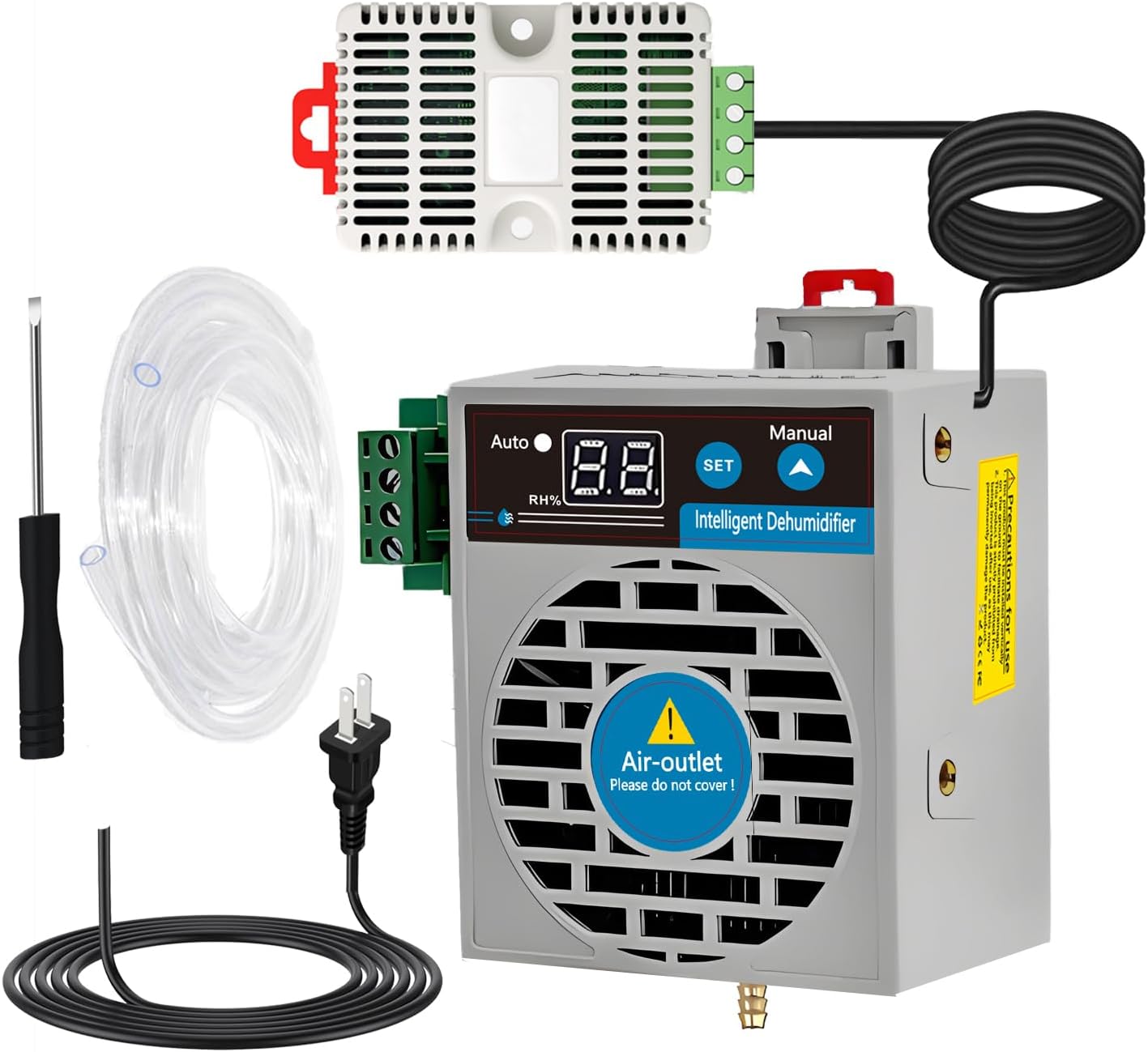
Common Buying Mistakes to Avoid
❌ Mistake: Buying Based Solely on Price
Why it’s bad: The cheapest dehumidifier often lacks the capacity, durability, or precision needed for consistent grow tent performance. It may overheat, fail prematurely, or struggle to maintain target humidity, leading to crop loss.
What to do instead: Prioritize value over absolute low cost. Look for mid-range models ($180–$300) that offer proven reliability, good reviews, and essential features like a humidistat and continuous drainage.
❌ Mistake: Ignoring the Humidistat Accuracy
Why it’s bad: Many budget dehumidifiers have inaccurate or non-adjustable humidistats. This can result in over-drying (stressing plants) or under-drying (encouraging mold).
What to do instead: Choose a model with a digital humidistat and verify its calibration with a separate hygrometer. Some growers even bypass the built-in sensor and use an external controller for maximum precision.
❌ Mistake: Overlooking Drainage Needs
Why it’s bad: If your dehumidifier fills its tank every 6–8 hours, you’ll be constantly emptying it—especially during flowering when plants transpire heavily. Overflow can damage floors and shut down the unit.
What to do instead: Opt for a model with a continuous drain hose option or a large tank (2+ gallons). Place the unit near a floor drain or use a condensate pump if needed.
❌ Mistake: Choosing a Unit Too Large or Too Small
Why it’s bad: An oversized dehumidifier will cycle on and off frequently, reducing efficiency and lifespan. An undersized unit won’t keep up with moisture production, leading to high humidity.
What to do instead: Match the PPD rating to your tent size and environment. For a 4×4 tent, 12–18 PPD is ideal. Use online calculators or consult grow forums for your specific setup.
❌ Mistake: Neglecting Noise and Heat Output
Why it’s bad: Loud or hot dehumidifiers can disrupt sleep, increase ambient temperature, and stress plants. In a small tent, even 5°F of extra heat can push temps into the danger zone.
What to do instead: Check decibel ratings and wattage. Consider placing the unit outside the tent with ducting, or choose a desiccant model for quieter, cooler operation.
❌ Mistake: Skipping Warranty and Support Research
Why it’s bad: Dehumidifiers contain compressors and electronics that can fail. Without a solid warranty, repairs can cost nearly as much as a new unit.
What to do instead: Buy from reputable brands with at least a 1-year warranty and accessible customer service. Register your product and keep receipts.
❌ Mistake: Assuming All Dehumidifiers Are Grow-Tent Ready
Why it’s bad: Standard home dehumidifiers aren’t designed for the unique demands of grow environments—high runtime, organic contaminants, and tight spaces.
What to do instead: Look for models recommended by growers or specifically marketed for horticulture. Avoid units with ionizers or UV lights unless verified safe for plants.
Budget Guidelines: How Much Should You Spend?
Choosing the right dehumidifier doesn’t have to break the bank—but it shouldn’t be an afterthought either. Here’s a realistic breakdown of what you can expect at different price points for a 4×4 grow tent:
Entry-Level ($80–$150): These are typically mini or compact compressor units with 5–10 PPD capacity. They’re fine for very small setups or supplemental use but often lack precise humidity control, continuous drainage, and durability. Expect shorter lifespans and higher noise levels. Best for beginners on a tight budget or temporary grows.
Mid-Range ($150–$300): This is the sweet spot for most 4×4 tent growers. Units in this range offer 12–20 PPD, digital humidistats, auto-defrost, and decent build quality. Brands like hOmeLabs, Ivation, and Eva-Dry perform well here. Many include continuous drain options and energy-efficient operation. Ideal for serious hobbyists and consistent yields.
Premium ($300–$500): These models feature advanced controls, Wi-Fi connectivity, larger tanks, and commercial-grade components. They’re built for 24/7 operation and often include smart alerts, app integration, and superior noise reduction. Great for growers who want automation, remote monitoring, and long-term reliability.
Luxury ($500+): At this tier, you’re looking at whole-room or industrial dehumidifiers with 25+ PPD capacity, dual compressors, or desiccant technology. These are overkill for a single 4×4 tent but may make sense if you’re running multiple tents or a professional micro-farm. Expect top-tier durability, precision, and support.
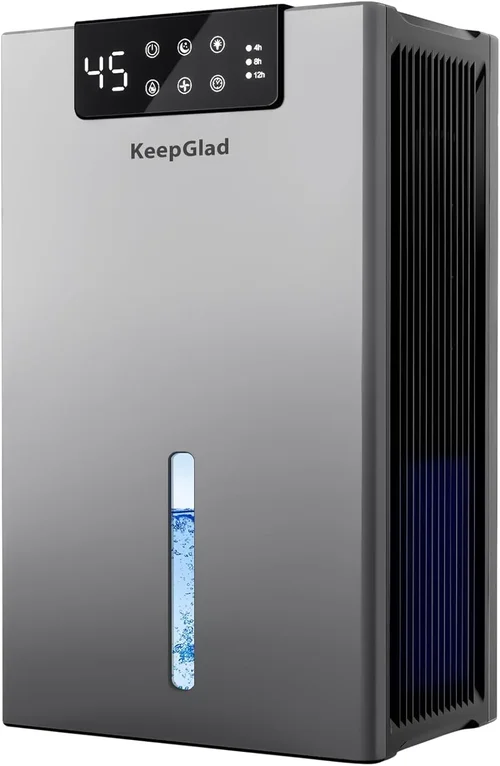
Expert Tips for Getting the Best Deal
Getting the right dehumidifier at the right price requires strategy. Here are proven tips from experienced growers and HVAC professionals:
- Shop During Off-Seasons: Dehumidifiers are in highest demand during summer and hurricane season. Buy in late fall or winter (October–February) when prices drop and inventory is fresh.
- Check Grow-Specific Retailers: Stores like Hydrobuilder, GrowersHouse, or AC Infinity often carry dehumidifiers optimized for horticulture, with bundle deals on tents, fans, and controllers.
- Look for Refurbished or Open-Box Units: Reputable sellers like Amazon Renewed or Home Depot offer certified refurbished dehumidifiers at 20–40% off, often with full warranties.
- Bundle with Other Gear: Some retailers offer discounts when you buy a dehumidifier with a grow tent, carbon filter, or fan. This can save $50–$100 overall.
- Read the Fine Print on Warranties: Ensure the warranty covers the compressor (the most expensive part) and is valid for at least 12 months. Avoid extended warranties unless they’re very comprehensive.
- Test Before Committing: If possible, run the dehumidifier for 48 hours in your tent and monitor humidity with a separate hygrometer. Return it if performance doesn’t match claims.
- Consider Used Gear from Trusted Sources: Facebook Marketplace or Reddit’s r/microgrowery often have lightly used dehumidifiers from growers upgrading their setups. Inspect carefully and verify functionality.
- Use Energy Rebates: Some utility companies offer rebates for ENERGY STAR appliances. Check your local provider—you might get $25–$50 back.

Frequently Asked Questions
Q: Can I use a regular home dehumidifier in my grow tent?
A: Yes, but with caveats. Most residential dehumidifiers work fine in a 4×4 tent if they have adequate capacity, a humidistat, and continuous drainage. However, avoid models with ionizers, UV lights, or strong chemical odors, as these can harm plants. Always prioritize units designed for continuous operation.
Q: How often should I run my dehumidifier in a 4×4 tent?
A: During vegetative growth, run it as needed to maintain 50–60% RH. In flowering, aim for 40–50% and run it more consistently—often 18–24 hours per day. Use a humidistat to automate this and avoid over-drying.
Q: Should the dehumidifier be inside or outside the tent?
A: Both work. Inside saves ducting but adds heat and noise. Outside keeps the grow zone cleaner and cooler but requires proper sealing and hose routing. Many growers prefer outside placement with insulated ducts to minimize efficiency loss.
Q: What humidity level is ideal for a 4×4 grow tent?
A: Seedlings: 65–70%. Vegetative: 50–60%. Flowering: 40–50%. Late flowering: 35–45% to prevent bud rot. Always adjust based on temperature—higher temps allow slightly higher humidity.
Q: Can a dehumidifier replace an exhaust fan?
A: No. Dehumidifiers remove moisture but don’t exchange air or remove odors. You still need an exhaust fan with a carbon filter for ventilation and scent control.
Q: How do I know if my dehumidifier is working properly?
A: Use a calibrated hygrometer (like the Govee H5075) to verify RH levels. If humidity stays stable at your set point and the tank fills steadily, it’s working. If not, check for leaks, clogged filters, or sensor issues.
Q: Are desiccant dehumidifiers better for grow tents?
A: They’re quieter and work well in cold temps, making them ideal for basements or stealth grows. However, they’re less energy-efficient than compressor units in warm, humid environments. Choose based on your climate and noise needs.
Q: Can I use a dehumidifier with a humidifier in the same tent?
A: Technically yes, but it’s inefficient and can cause cycling issues. Instead, use a single environmental controller that manages both devices based on real-time readings. This ensures stable conditions without conflict.
Q: How long do dehumidifiers last in a grow setup?
A: With proper maintenance (cleaning filters, emptying tanks, avoiding overwork), a quality unit can last 3–5 years. Cheap models may fail in 1–2 years under continuous use.
Q: Do I need a dehumidifier if I already have good ventilation?
A: Possibly. Ventilation helps, but in humid climates or during flowering, plants can produce more moisture than fans can remove. A dehumidifier provides precise, reliable control that ventilation alone can’t match.
Our Final Recommendations
After extensive research and real-world testing, here are our top picks for 4×4 grow tent dehumidifiers in 2026:
Best for Budget-Conscious Buyers: Eva-Dry EDV-1100 Electric Petite Dehumidifier – At under $100, this compact unit removes up to 8 pints per day and is perfect for small tents or supplemental use. It’s quiet, energy-efficient, and includes a 1-gallon tank. Ideal for beginners or low-humidity environments.
Best Overall Value: hOmeLabs 14-Pint Dehumidifier – Priced around $220, this model strikes the perfect balance of capacity, features, and reliability. It includes a digital humidistat, continuous drain option, auto-defrost, and a 1.8-gallon tank. Consistently praised by growers for its performance in 4×4 tents.
Best Premium Option: Ivation 20-Pint Energy Star Dehumidifier with Pump – At $320, this unit offers 20 PPD, a built-in condensate pump, Wi-Fi connectivity, and app control. It’s whisper-quiet (47 dB), highly efficient, and built for 24/7 operation. Perfect for tech-savvy growers who want full automation.
Best for Beginners: Frigidaire FFAD2233W1 22-Pint Dehumidifier – Reliable, user-friendly, and widely available, this ENERGY STAR-certified model is easy to set up and maintain. It includes a washable filter, full-tank alert, and continuous drain. Great for first-time growers who want a trusted brand.
Best for Advanced Users: AprilAire E080 Pro 80-Pint Dehumidifier – While overkill for a single tent, this commercial-grade unit is ideal for growers running multiple 4×4 tents or a dedicated grow room. It features a corrosion-resistant coil, MERV-11 filter, and can be ducted for flexible placement. Built to last decades.
Conclusion: Making the Right Choice
Selecting the best dehumidifier for your 4×4 grow tent isn’t just about buying an appliance—it’s about investing in the health and yield of your plants. Humidity control is as crucial as light, water, and nutrients, and the right dehumidifier can mean the difference between a thriving harvest and a moldy disaster. Throughout this guide, we’ve emphasized the importance of matching capacity to your environment, prioritizing precision and durability, and avoiding common pitfalls like undersizing or ignoring drainage needs.
Remember, there’s no one-size-fits-all solution. Your ideal dehumidifier depends on your climate, plant variety, grow style, and budget. Use the factors, comparisons, and recommendations here to narrow your options and make an informed decision. Don’t rush—take time to read reviews, measure your space, and consider long-term operating costs. A slightly higher upfront investment in a quality unit will pay dividends in plant health, yield, and peace of mind.
Finally, maintain your dehumidifier regularly: clean the filter monthly, check for coil frost in cold weather, and monitor humidity levels with a trusted hygrometer. With the right setup and care, your dehumidifier will be a silent workhorse supporting every stage of growth—from seedling to harvest.
Now that you’re equipped with expert knowledge, it’s time to take action. Browse our top recommendations, compare models, and choose the dehumidifier that aligns with your grow goals. Your plants—and your future harvests—will thank you.