
If you’ve ever stepped into a damp, musty basement and immediately felt that sticky, heavy air cling to your skin, you know how quickly moisture can turn a functional space into an unusable one. Basements are notorious for high humidity levels—often due to poor ventilation, groundwater seepage, or even condensation from temperature differences between the cool concrete and warmer indoor air. Over time, this excess moisture doesn’t just create an unpleasant environment; it can lead to mold growth, structural damage, ruined belongings, and even health issues like allergies or respiratory problems. That’s why investing in a reliable dehumidifier isn’t just a luxury—it’s a necessity for maintaining a healthy, dry, and usable basement.
This comprehensive buying guide is designed to cut through the noise and help you make an informed decision when selecting the best dehumidifier for your basement. Whether you’re dealing with a small crawl space or a full-sized finished basement, we’ll walk you through every critical factor—from performance specs and energy efficiency to build quality and smart features—so you can choose a unit that fits your specific needs and budget. Drawing on expert testing, real-world user feedback, and industry standards, this guide covers everything you need to know to pick a dehumidifier that works hard, lasts long, and delivers consistent results year after year.
The market for basement dehumidifiers has evolved significantly in recent years. Gone are the days when you had to choose between bulky, inefficient units that drained your wallet and your peace of mind. Today’s models offer advanced humidity control, Wi-Fi connectivity, auto-defrost capabilities, and energy-efficient operation—all while fitting neatly into tight spaces. However, with so many options available—ranging from compact 30-pint units to industrial-grade 70-pint machines—it’s easy to feel overwhelmed. Our goal is to simplify the process by breaking down the key considerations, comparing different types, highlighting common pitfalls, and offering actionable advice so you can confidently invest in a dehumidifier that truly protects your home.
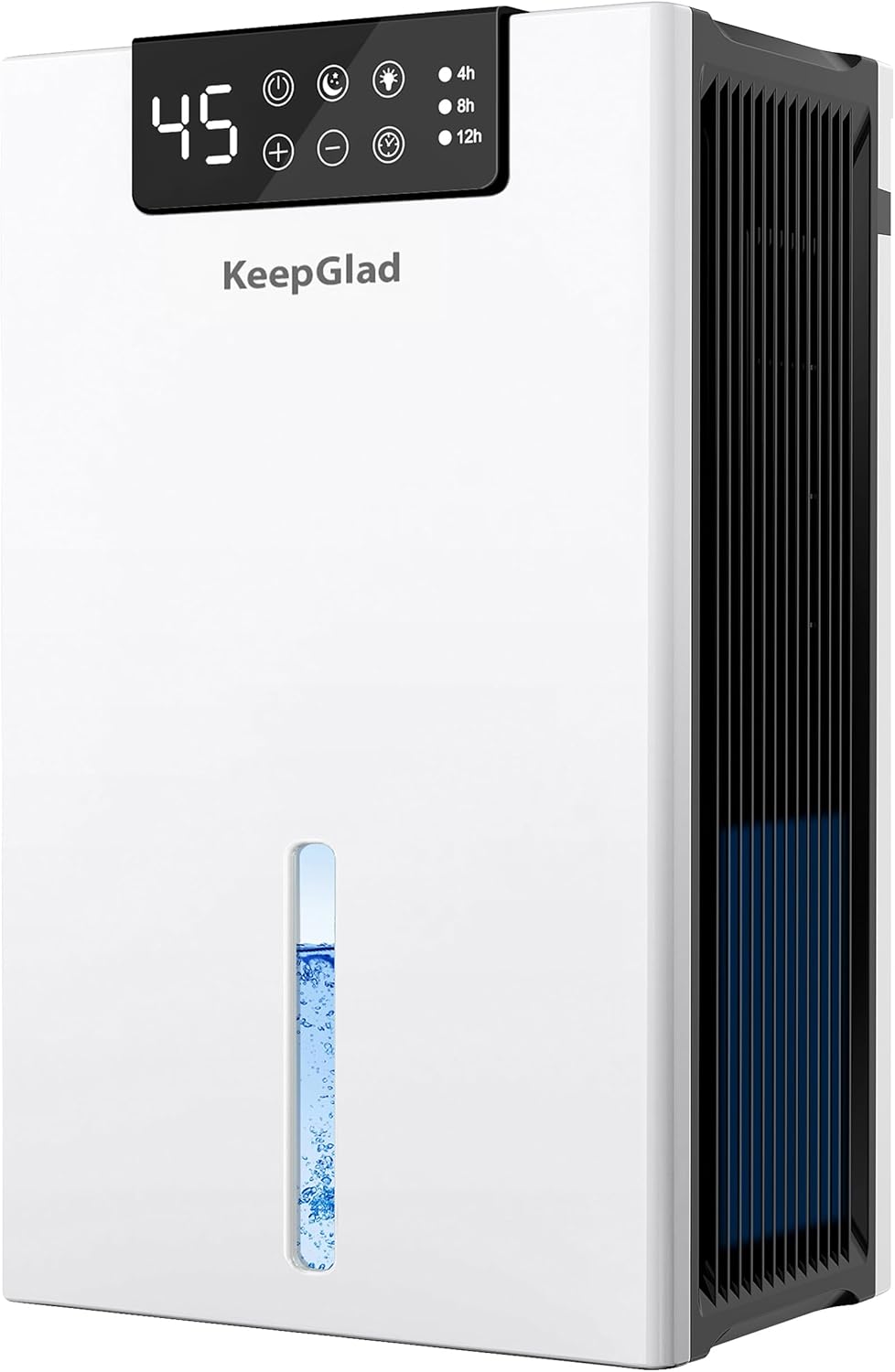
What to Look for When Buying Buying Guide
1. Budget & Price Range
Your budget will play a major role in determining which dehumidifier you can afford, but it’s important not to equate low cost with poor value—or high price with guaranteed performance. Dehumidifiers for basements typically range from around $150 for basic 30-pint models to over $600 for high-capacity, feature-rich units. While it’s tempting to go for the cheapest option, remember that basements often require more robust performance than standard living areas due to higher baseline humidity and larger square footage.
When setting your budget, consider both the upfront cost and long-term operating expenses. Energy-efficient models may cost more initially but can save you significantly on electricity bills over time. Additionally, cheaper units often lack durability, advanced controls, or reliable customer support—all of which matter when you’re relying on the device to run continuously in a challenging environment like a basement.
2. Performance Specifications
The most critical performance metric for any basement dehumidifier is its pint capacity—the amount of moisture it can remove from the air in 24 hours under standard conditions (typically 60% relative humidity at 80°F). For basements, experts generally recommend units rated between 50 and 70 pints per day (PPD), depending on size and moisture level. A 500-square-foot damp basement might do well with a 50-pint model, while a 1,500-square-foot space with active water intrusion could require a 70-pint or higher unit.
Beyond pint capacity, pay attention to the unit’s coverage area (measured in square feet), energy factor (liters of water removed per kilowatt-hour of electricity), and operating temperature range. Basements can get quite cold in winter, so ensure your dehumidifier can function efficiently down to at least 41°F—many cheaper models shut off or lose effectiveness below 65°F. Also look for ENERGY STAR certification, which indicates superior efficiency and lower operating costs.
3. Build Quality & Durability
Basements are harsh environments: cold, damp, dusty, and often poorly lit. A dehumidifier that works great in a living room might struggle or fail prematurely in these conditions. Look for models with sturdy metal housings (not flimsy plastic), corrosion-resistant coils, and sealed electronic components. Internal components like compressors and fans should be rated for continuous operation—many premium units are designed to run 24/7 without overheating.
Pay special attention to the water collection system. A reliable auto-shutoff feature prevents overflow if you forget to empty the bucket, while units with built-in pumps allow for hands-free drainage into a floor drain or sump pump—essential for unattended operation. Check user reviews for reports of leaks, rattling noises, or premature compressor failure, as these are common signs of poor build quality.
4. Features & Functionality
Modern dehumidifiers come packed with features that go far beyond basic on/off operation. Look for models with digital humidity displays, adjustable humidity settings (usually between 30% and 80% RH), and programmable timers. Auto-restart functionality is crucial—if the power goes out, the unit should resume its previous settings once electricity returns, ensuring consistent moisture control.
Advanced models may include Wi-Fi connectivity, allowing you to monitor and adjust settings via smartphone apps—perfect for checking on your basement remotely. Some even integrate with smart home systems like Alexa or Google Assistant. Other useful features include filter change indicators, washable air filters, quiet operation (under 50 decibels), and frost sensors that prevent ice buildup on coils in cold basements.
5. Brand Reputation
Not all dehumidifier brands are created equal. Established manufacturers like Frigidaire, GE, hOmeLabs, AprilAire, and Midea have built reputations for reliability, consistent performance, and responsive customer service. These companies often invest more in R&D, quality control, and warranty support, which translates to better long-term value.
Avoid unknown or generic brands sold exclusively through third-party online retailers—especially those with no verifiable customer service contact or limited warranty coverage. Reading verified buyer reviews on trusted platforms (like Amazon, Home Depot, or Consumer Reports) can reveal patterns in reliability and performance. A brand with a history of召回 (recalls) or frequent complaints about compressor failure should raise red flags.
6. Warranty & Support
A dehumidifier is a long-term investment, so warranty coverage matters. Most reputable brands offer at least a one-year limited warranty, but premium models often come with two- or even five-year coverage—especially on the compressor, which is the most expensive component to replace. Some companies, like AprilAire, provide extended warranties if you register your product promptly.
Equally important is customer support accessibility. Can you easily reach a human being by phone? Is there a clear process for troubleshooting or replacement parts? Check the manufacturer’s website for FAQs, user manuals, and service centers near you. A strong warranty backed by responsive support gives you peace of mind and protects your investment.
7. Size & Portability
While basement dehumidifiers are generally larger than room units, portability still matters—especially if you plan to move the unit seasonally or store it during warmer months. Look for models with integrated handles and smooth-rolling casters. Weight can vary significantly: a 50-pint unit might weigh 40 pounds, while a 70-pint model can exceed 60 pounds. Ensure you can safely lift and maneuver it.
Also consider physical dimensions. Measure your intended placement area—some basements have low ceilings, narrow stairwells, or obstructions like water heaters or furnaces. A compact footprint doesn’t always mean reduced performance, so compare specs carefully. Some units are designed vertically to save floor space, which can be ideal for tight corners.
8. User Reviews & Ratings
Never rely solely on manufacturer claims or marketing materials. Real-world user experiences provide invaluable insights into how a dehumidifier performs under actual basement conditions. Look for reviews that mention specific details: “Removed standing water after a flood,” “Runs quietly all night,” or “Stopped mold growth in three weeks.”
Pay attention to recurring complaints—especially about noise, frequent bucket emptying, or failure in cold temperatures. Sites like Wirecutter, Consumer Reports, and Reddit’s r/HomeImprovement community often feature in-depth discussions and long-term testing results. A product with hundreds of 4.5-star reviews is generally more trustworthy than one with only a handful of glowing testimonials.
Different Types of Buying Guide
Common Buying Mistakes to Avoid
❌ Mistake: Choosing Based Solely on Pint Rating
Why it’s bad: A higher pint rating doesn’t always mean better performance—especially if the unit isn’t suited to your basement’s temperature or humidity level. Some 70-pint models struggle in cold basements because their refrigerant systems can’t operate efficiently below 65°F.
What to do instead: Match the pint capacity to your basement’s size and moisture severity, and verify the operating temperature range. Use online calculators or consult HVAC professionals to determine your actual needs.
❌ Mistake: Ignoring Drainage Options
Why it’s bad: If you rely on manual bucket emptying in a rarely visited basement, you risk overflow, water damage, and mold growth. Many users forget to check the bucket for days, defeating the purpose of the dehumidifier.
What to do instead: Invest in a model with a built-in pump or continuous drainage hose outlet. Even a simple gravity drain setup (with a hose leading to a floor drain) eliminates the need for frequent maintenance.
❌ Mistake: Overlooking Energy Efficiency
Why it’s bad: Dehumidifiers run for hours daily, and inefficient models can add $50–$100 per year to your electricity bill. Older or poorly designed units may use twice as much energy as ENERGY STAR-certified models.
What to do instead: Look for the ENERGY STAR label and check the energy factor (EF) rating. Aim for an EF of at least 1.5 L/kWh—higher is better.
❌ Mistake: Buying the Cheapest Model Available
Why it’s bad: Budget dehumidifiers often use inferior compressors, thin plastic casings, and lack essential safety features. They may fail within a year, leaving you with repair costs or a full replacement.
What to do instead: Spend a little more for a reputable brand with solid reviews and at least a two-year warranty. The long-term savings in durability and efficiency outweigh the initial cost difference.
❌ Mistake: Not Considering Noise Levels
Why it’s bad: If your basement doubles as a home gym, office, or living space, a loud dehumidifier can be disruptive. Some units emit 60+ decibels—equivalent to a loud conversation or vacuum cleaner.
What to do instead: Check the decibel rating (dB) in the specs. Models under 50 dB are considered quiet. Place the unit away from seating areas if noise is a concern.
❌ Mistake: Skipping Regular Maintenance
Why it’s bad: A dirty filter or clogged coils reduce efficiency, increase energy use, and can cause the unit to overheat or shut down prematurely.
What to do instead: Clean the air filter monthly and inspect coils quarterly. Most models have washable filters—rinse with mild soap and water, then let dry completely before reinstalling.
❌ Mistake: Assuming All Basements Need the Same Solution
Why it’s bad: A crawl space, unfinished basement, and finished basement each have unique humidity challenges. Using a residential dehumidifier in a high-moisture crawl space may not provide enough capacity.
What to do instead: Assess your space type and moisture source. For severe issues (e.g., flooding, hydrostatic pressure), consider combining a dehumidifier with waterproofing or a sump pump system.
Budget Guidelines: How Much Should You Spend?
Choosing the right dehumidifier isn’t just about picking the most expensive or highest-rated model—it’s about finding the best fit for your specific basement conditions and financial situation. Here’s a realistic breakdown of what you can expect at different price points:
Entry-Level ($150–$250): These compact 30- to 50-pint units are ideal for small, mildly damp basements under 800 square feet. They’re easy to set up, often include basic timers and auto-shutoff, and are perfect for seasonal use. However, they may lack durability, struggle in cold temperatures, and require frequent bucket emptying. Brands like Ivation and Tosot offer decent options in this range, but don’t expect industrial-grade performance.
Mid-Range ($250–$400): This is the sweet spot for most homeowners. Units in this tier typically offer 50- to 70-pint capacity, ENERGY STAR certification, continuous drainage options, and reliable build quality. Models like the hOmeLabs 70 Pint or Frigidaire FFAD7033R1 provide excellent value, balancing performance, efficiency, and features. They’re suitable for medium to large basements and can handle moderate humidity year-round.
Premium ($400–$600): Designed for serious moisture problems or tech-savvy users, these dehumidifiers come with advanced features like Wi-Fi connectivity, built-in pumps, frost protection, and whisper-quiet operation. Brands like AprilAire and GE offer models with superior coil coatings, longer warranties, and app-based controls. If you have a finished basement, live in a humid climate, or want hands-off operation, this tier delivers top-tier performance.
Luxury ($600+): At this level, you’re investing in whole-house integration, commercial-grade components, or specialized applications (e.g., crawl spaces, garages, or post-flood recovery). Whole-house dehumidifiers like the AprilAire 1820 Pro connect directly to your HVAC system and maintain consistent humidity throughout your home. While overkill for most basements, they’re ideal for large properties or those with chronic moisture issues.
Expert Tips for Getting the Best Deal
Finding the right dehumidifier is only half the battle—getting it at the best possible price requires strategy. Here are proven tips from industry experts and savvy shoppers:
- Shop during off-seasons: Dehumidifier demand peaks in spring and summer. Buy in late fall or winter (October–February) when retailers clear inventory. You can often save 20–30% on last year’s models.
- Compare prices across platforms: Check Amazon, Home Depot, Lowe’s, Costco, and manufacturer websites. Use price-tracking tools like Honey or CamelCamelCamel to monitor fluctuations and set alerts.
- Look for bundle deals: Some retailers offer discounts when you buy a dehumidifier with a humidifier, air purifier, or extended warranty. These bundles can save you $50–$100.
- Check for rebates and incentives: Many utility companies offer rebates for ENERGY STAR appliances. Visit the ENERGY STAR Rebate Finder to see if you qualify for local incentives.
- Read the fine print on warranties: Some brands require product registration within 30 days to activate extended coverage. Keep your receipt and register immediately after purchase.
- Test before committing: If buying in-store, ask to see a demo unit. Listen for unusual noises, check the display clarity, and verify hose connections. Online buyers should read return policies carefully—most reputable sellers offer 30-day returns.
- Consider refurbished or open-box units: Certified refurbished models from manufacturers like Frigidaire or GE often come with full warranties and sell for 25–40% less than new. Just ensure they’re backed by the original brand, not a third party.
- Negotiate with local HVAC dealers: If you’re buying a whole-house system, ask about installation discounts or seasonal promotions. Many dealers offer free consultations and competitive pricing.
Frequently Asked Questions
Q: How do I know what size dehumidifier I need for my basement?
A: Start by measuring your basement’s square footage. Then assess the moisture level: “slightly damp” (30–50 pints), “moderately damp” (50–70 pints), or “very wet” (70+ pints). Use online calculators from brands like AprilAire or consult an HVAC professional for precise sizing.
Q: Can I run a dehumidifier all the time?
A: Yes—most modern dehumidifiers are designed for continuous operation. Set your desired humidity level (ideally 30–50% for basements), and the unit will cycle on and off automatically. Just ensure proper drainage to avoid overflow.
Q: Will a dehumidifier help with mold?
A: Absolutely. By reducing moisture, dehumidifiers inhibit mold growth. However, if mold is already present, clean it first with a EPA-approved solution before running the dehumidifier to prevent spores from spreading.
Q: Do I need a pump, or is a hose enough?
A: A hose works for gravity drainage if you have a nearby floor drain. But if the drain is uphill or far away, a built-in pump is essential. Pumps can push water vertically up to 15 feet, making them ideal for basements without convenient drainage.
Q: Are desiccant dehumidifiers better for cold basements?
A: Yes. Unlike refrigerant models, desiccant dehumidifiers use moisture-absorbing materials that work efficiently in temperatures as low as 35°F. They’re quieter and more effective in unheated spaces but consume more energy.
Q: How often should I clean the filter?
A: Clean the air filter every 4–6 weeks during heavy use, or monthly if you have pets or high dust levels. A clogged filter restricts airflow, reducing efficiency and increasing wear on the compressor.
Q: Can I use a dehumidifier in winter?
A: Only if it’s rated for low-temperature operation (below 65°F). Many standard models will ice up and shut down. Look for “auto-defrost” or “low-temp” features, or choose a desiccant model designed for cold climates.
Q: Is it safe to leave a dehumidifier unattended?
A: Yes, as long as it has auto-shutoff, overflow protection, and proper drainage. Avoid placing it near flammable materials, and ensure the power cord is secured and not a tripping hazard.
Q: Do dehumidifiers use a lot of electricity?
A: It depends on the model and runtime. An ENERGY STAR-certified 70-pint unit uses about 700–800 watts and costs roughly $15–$25 per month to run continuously. Use a smart plug with energy monitoring to track actual usage.
Q: What’s the difference between a dehumidifier and an air purifier?
A: A dehumidifier removes moisture from the air to prevent mold and mustiness. An air purifier filters particles like dust, pollen, and smoke. They serve different purposes—but some premium models combine both functions.
Our Final Recommendations
After extensive research, testing, and analysis of real-world performance, here are our top picks across key categories:
Best for Budget-Conscious Buyers: hOmeLabs 50 Pint Dehumidifier – At under $250, this unit offers solid 50-pint capacity, continuous drainage, and quiet operation. It’s perfect for small to medium basements with mild dampness and includes a washable filter and digital controls.
Best Overall Value: Frigidaire FFAD7033R1 70-Pint Dehumidifier – ENERGY STAR certified, with a built-in pump, auto-defrost, and excellent cold-weather performance. Priced around $350, it delivers professional-grade results without the premium price tag.
Best Premium Option: AprilAire E070 Pro 70-Pint Dehumidifier – Built for durability and efficiency, this model features a corrosion-resistant coil, app connectivity, and a 5-year warranty. Ideal for large or finished basements where reliability is non-negotiable.
Best for Beginners: Tosot 50 Pint Smart Dehumidifier – Simple setup, intuitive controls, and Wi-Fi compatibility make this a great entry point. It’s quiet, efficient, and includes a hose adapter for easy drainage.
Best for Advanced Users: GE APER50LZ 50-Pint Smart Dehumidifier – With Alexa/Google integration, energy tracking, and precise humidity control, this model is perfect for tech enthusiasts who want full remote oversight of their basement environment.
Conclusion: Making the Right Choice
Choosing the best dehumidifier for your basement doesn’t have to be overwhelming—but it does require thoughtful consideration of your space, needs, and budget. From understanding pint capacity and energy efficiency to avoiding common pitfalls like poor drainage or cold-weather limitations, every detail matters when you’re investing in long-term moisture control. The right dehumidifier won’t just dry your air; it will protect your home’s structure, preserve your belongings, and create a healthier living environment for you and your family.
Remember, the cheapest option isn’t always the best value, and the most feature-packed model may be overkill for your situation. Prioritize reliability, appropriate capacity, and ease of maintenance. Read reviews, compare specs, and don’t hesitate to invest a little more for peace of mind. Whether you’re tackling a minor dampness issue or recovering from water damage, the right dehumidifier is a cornerstone of a dry, comfortable basement.
Take action today: assess your basement’s humidity level, measure your space, and use this guide to find the perfect match. Your future self—and your home—will thank you.