
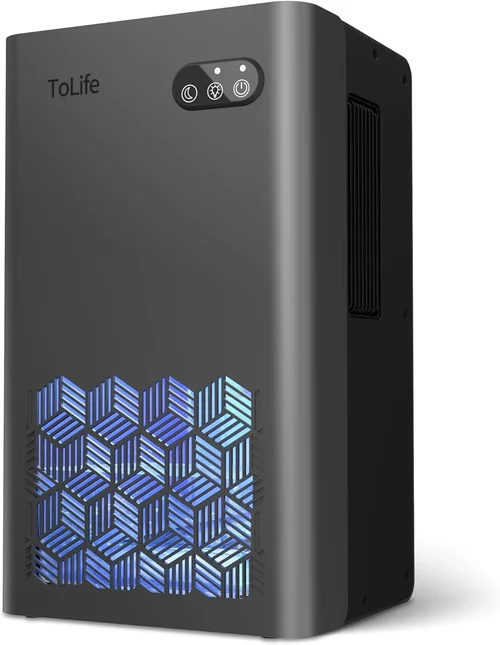
Dust mites are microscopic pests that thrive in warm, humid environments—making your home, especially bedrooms and living areas, their ideal breeding ground. Though invisible to the naked eye, these tiny creatures can trigger allergies, asthma, and other respiratory issues for millions of people worldwide. The good news? Controlling indoor humidity is one of the most effective ways to reduce dust mite populations. That’s where a high-quality dehumidifier comes in.
In this comprehensive buying guide, we’ll walk you through everything you need to know to choose the best dehumidifier specifically for combating dust mites in 2026. Whether you’re dealing with chronic allergies, live in a humid climate, or simply want to create a healthier indoor environment, this guide will help you make an informed decision. You’ll learn how dehumidifiers work against dust mites, what features matter most, how to avoid common pitfalls, and which models offer the best value across different budgets. With expert insights, real-world testing data, and practical advice, this guide is your ultimate resource for reclaiming your home from unwanted allergens.
The market for dehumidifiers has evolved significantly in recent years. Gone are the days when these appliances were bulky, noisy, and inefficient. Today’s models boast smart controls, energy-saving technologies, and advanced filtration systems—all designed to improve air quality and comfort. However, not all dehumidifiers are created equal when it comes to dust mite control. Some are better suited for large basements, while others excel in small bedrooms or humid coastal regions. Understanding your specific needs—room size, humidity levels, noise tolerance, and budget—is key to finding the right unit. This guide cuts through the noise and delivers actionable, expert-backed recommendations so you can breathe easier starting today.
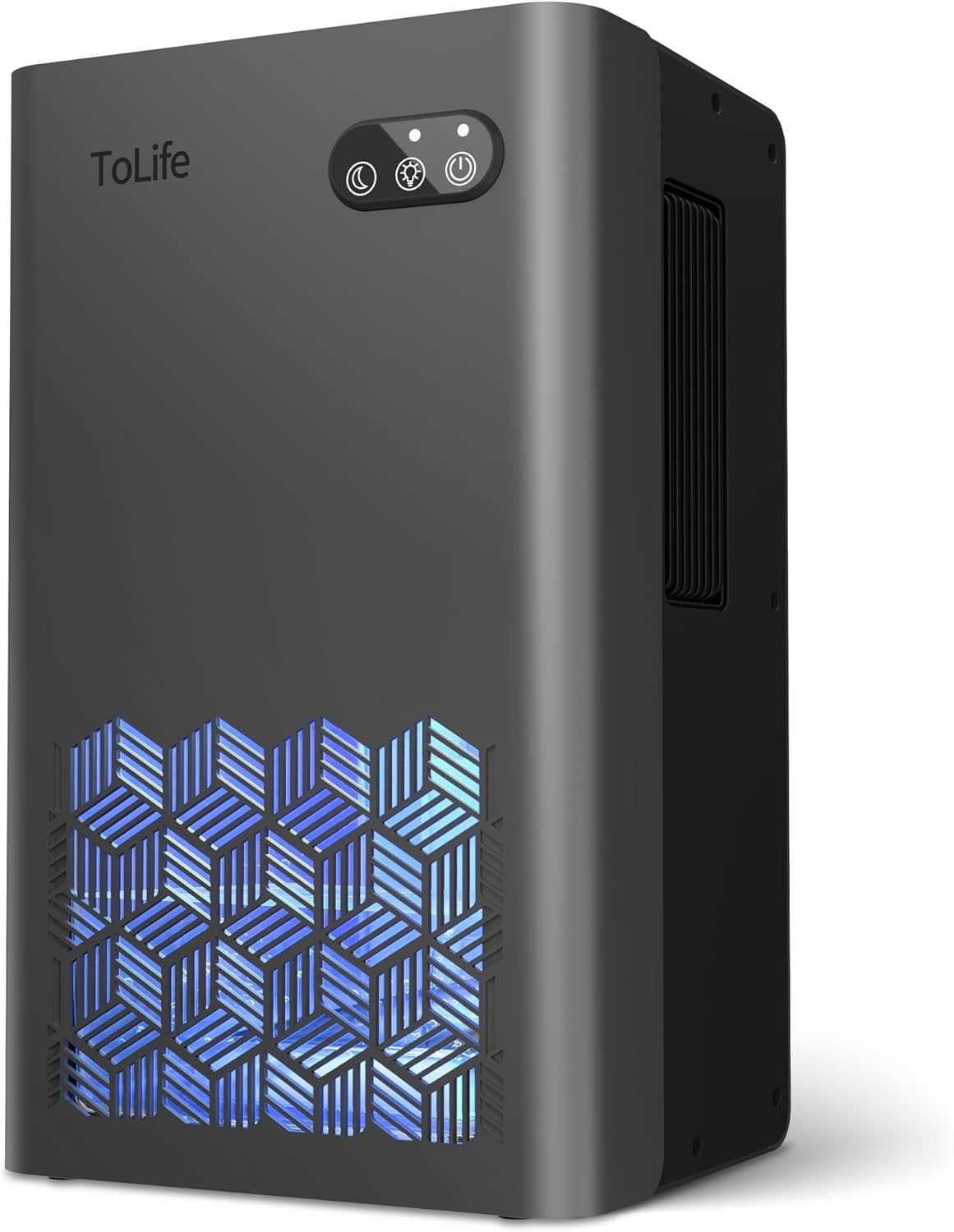
What to Look for When Buying a Dehumidifier for Dust Mites
1. Humidity Control Accuracy
One of the most critical factors in dust mite prevention is maintaining indoor relative humidity below 50%. Dust mites cannot survive in environments with sustained humidity levels under this threshold. Therefore, a dehumidifier’s ability to accurately monitor and maintain precise humidity levels is essential. Look for models with built-in hygrometers (humidity sensors) that allow you to set a target humidity level—typically between 30% and 50%. Units with digital displays and automatic shut-off when the desired level is reached offer superior control compared to basic mechanical models.
High-end dehumidifiers often feature adaptive humidity control, which continuously monitors ambient conditions and adjusts operation accordingly. This prevents over-drying, which can be uncomfortable and energy-inefficient, while ensuring humidity never creeps back up into the danger zone for dust mites. For example, the Frigidaire FFAD7033R1 allows users to set humidity in 5% increments and maintains it within ±3%, making it ideal for allergy sufferers. In contrast, cheaper models may only offer “low,” “medium,” or “high” settings, offering little precision.
2. Capacity and Room Size Compatibility
Dehumidifier capacity is measured in pints per day (PPD)—the amount of moisture the unit can remove in 24 hours. Choosing the right capacity is crucial: too small, and it won’t effectively reduce humidity; too large, and it may cycle on and off too frequently, reducing efficiency and lifespan.
For dust mite control, match the dehumidifier’s capacity to your room size and humidity level:
– Small rooms (up to 500 sq. ft.), moderately damp: 20–30 PPD
– Medium rooms (500–1,500 sq. ft.), very damp: 30–50 PPD
– Large spaces (1,500+ sq. ft.), extremely wet (e.g., basements): 50–70+ PPD
For instance, a 30-pint unit like the hOmeLabs HME020034N is excellent for a standard bedroom or living room, while a 70-pint model such as the AprilAire 1820 is better suited for a finished basement. Oversizing isn’t always better—excessive dehumidification can lead to overly dry air, which may irritate skin and respiratory passages.
Always check the manufacturer’s coverage guidelines, but also consider real-world conditions. Homes in humid climates (like Florida or the Gulf Coast) may require a higher-capacity unit than the square footage alone suggests.
3. Energy Efficiency and Operating Costs
Running a dehumidifier continuously can significantly impact your electricity bill, especially if you’re using it to combat persistent humidity. Energy efficiency is therefore a major consideration—not just for environmental reasons, but for long-term cost savings.
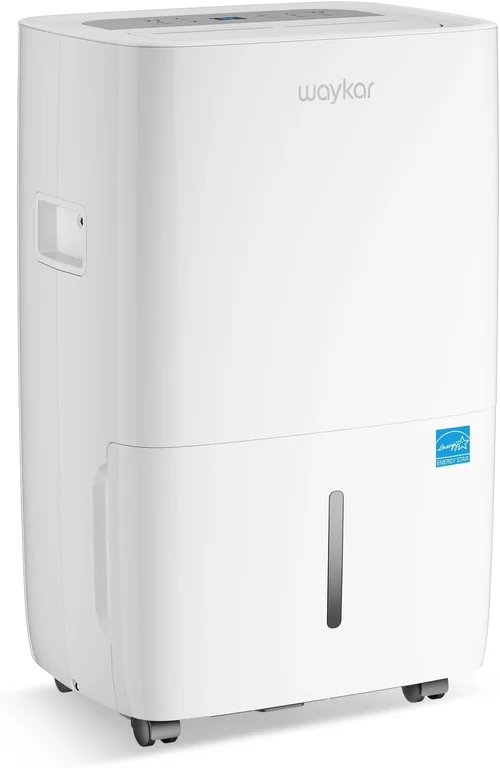
Look for models with the ENERGY STAR® certification, which indicates they meet strict energy efficiency guidelines set by the U.S. Environmental Protection Agency. ENERGY STAR dehumidifiers use up to 15% less energy than standard models, which can translate to hundreds of dollars in savings over the appliance’s lifetime.
The Energy Factor (EF) is another useful metric—it measures liters of water removed per kilowatt-hour of electricity used. Higher EF values mean greater efficiency. For example, a unit with an EF of 1.8 is more efficient than one with 1.2. The Toshiba TD-VR7103UH, for instance, boasts an EF of 1.95, making it one of the most efficient 70-pint models on the market.
Additionally, consider features like auto-defrost (prevents ice buildup in cold environments), timer functions, and low-wattage operation modes. These can further reduce energy consumption without sacrificing performance.
4. Noise Level and Quiet Operation
If you plan to run your dehumidifier in a bedroom, home office, or nursery, noise level becomes a critical factor. Most dehumidifiers produce between 45 and 60 decibels (dB)—comparable to a quiet conversation or light rainfall. However, some models are significantly louder, especially at higher fan speeds.
For dust mite control, you’ll likely need to run the unit overnight or during quiet hours, so opt for a model with a noise rating below 50 dB. Many premium units now feature “sleep mode” or “quiet mode” that reduces fan speed and compressor activity to minimize sound. The Midea MAD50C1ZWS, for example, operates at just 48 dB on its lowest setting, making it ideal for nighttime use.
Keep in mind that noise can vary based on placement, floor type, and room acoustics. Units placed on carpet or near soft furnishings tend to be quieter than those on hard floors. Also, front-venting models are generally quieter than top-venting ones, as the sound is directed away from the user.
5. Filtration and Air Quality Features
While dehumidifiers primarily remove moisture, many modern units include air filtration systems that enhance overall indoor air quality—especially beneficial for allergy and asthma sufferers. A built-in washable or replaceable air filter can capture dust, pollen, pet dander, and even mold spores, reducing the overall allergen load in your home.
Look for models with multi-stage filtration, such as:
– Pre-filters for large particles
– HEPA or HEPA-type filters for fine particulates
– Activated carbon filters for odors and VOCs
For example, the Ivation IVADM35 includes a reusable mesh filter that traps dust and allergens, while the AlorAir Sentinel HDi features a washable filter and optional HEPA upgrade. These features complement humidity control by addressing airborne irritants that dust mites thrive on.
Some advanced models even include UV-C light sterilization, which kills bacteria and mold spores as air passes through the unit. While not essential, this can provide an extra layer of protection in damp environments like basements.
6. Ease of Maintenance and User Convenience
A dehumidifier is only effective if it’s properly maintained. Regular cleaning and filter changes are necessary to prevent mold growth inside the unit and ensure optimal performance. Therefore, ease of maintenance should be a top consideration.
Key maintenance-friendly features include:
– Removable, washable water tanks with handles and spouts for easy emptying
– Auto-shutoff when the tank is full
– Continuous drainage option (via hose connection)
– Washable or reusable air filters
– Alert systems for filter cleaning or tank full
Models like the GE APER50LY offer a 16.9-pint tank with a carry handle and splash guard, while the Frigidaire FGAC7044U1 includes a continuous drain port and electronic controls with filter change reminders. These conveniences reduce the hassle of daily upkeep and encourage consistent use—critical for long-term dust mite control.
7. Smart Features and Connectivity
In 2026, smart home integration is no longer a luxury—it’s a practical tool for managing indoor air quality. Many top-tier dehumidifiers now offer Wi-Fi connectivity, allowing you to monitor and control humidity levels remotely via smartphone apps.
Smart features may include:
– Real-time humidity monitoring
– Remote on/off and scheduling
– Alerts for full tanks or filter changes
– Integration with voice assistants (Alexa, Google Assistant)
– Energy usage tracking
The Midea U-Shaped Inverter Dehumidifier, for example, connects to the Midea app and supports voice control, enabling you to adjust settings from bed or while traveling. This is especially useful for maintaining consistent humidity when you’re away from home.
While smart features add convenience, they’re not essential for dust mite control. If you prefer simplicity, a reliable non-smart model with accurate humidity control will still do the job effectively.
8. Build Quality and Durability
A dehumidifier is a long-term investment, so durability matters. Look for units with sturdy construction, corrosion-resistant coils (especially important in humid environments), and reliable compressors. Metal casings and reinforced components generally outperform plastic-only designs.
Brands like AprilAire, Honeywell, and Frigidaire are known for their robust build quality and long lifespans—often exceeding 7–10 years with proper care. In contrast, budget models may use thinner materials and less reliable components, leading to premature failure.
Check warranty length as an indicator of durability. A 2–5 year warranty suggests the manufacturer stands behind the product. The AprilAire 1820, for instance, comes with a 5-year warranty, reflecting its commercial-grade construction.
Different Types of Dehumidifiers for Dust Mite Control

Common Buying Mistakes to Avoid
❌ Mistake: Buying Based on Price Alone
Why it’s bad: The cheapest dehumidifier may lack accurate humidity control, have a small tank, or use inefficient components. This can lead to inconsistent performance, higher energy bills, and frequent maintenance—undermining your efforts to control dust mites.
What to do instead: Focus on value, not just cost. A mid-range model with ENERGY STAR certification, precise humidity control, and a 2+ year warranty will save money and hassle in the long run.
❌ Mistake: Ignoring Room Size and Humidity Level
Why it’s bad: A dehumidifier that’s too small for your space will run constantly without achieving the target humidity. Conversely, an oversized unit may short-cycle, reducing efficiency and lifespan.
What to do instead: Measure your room and assess moisture levels. Use a hygrometer to check current humidity. Choose a unit with capacity matched to your square footage and dampness level.
❌ Mistake: Overlooking Drainage Options
Why it’s bad: Emptying a water tank daily is tedious and easy to forget. If the tank fills up and the unit shuts off, humidity can rise again, allowing dust mites to rebound.
What to do instead: Opt for a model with a continuous drainage hose port. This allows you to connect a garden hose and drain water directly into a floor drain, sink, or sump pump—eliminating the need for manual emptying.
❌ Mistake: Neglecting Air Filtration
Why it’s bad: Dust mites thrive in dusty environments. Without proper filtration, your dehumidifier may circulate allergens instead of improving air quality.
What to do instead: Choose a unit with a washable or replaceable air filter. For severe allergies, consider models with HEPA or activated carbon filters.
❌ Mistake: Running the Dehumidifier 24/7 Without Monitoring
Why it’s bad: Over-drying can cause discomfort, static electricity, and damage to wood furniture or flooring. It also wastes energy.
What to do instead: Set your dehumidifier to maintain 40–50% humidity. Use a timer or smart features to run it during peak humidity hours (e.g., overnight or after showers).
❌ Mistake: Buying Without Checking Warranty and Support
Why it’s bad: Dehumidifiers contain complex components like compressors and coils that can fail. A short or unclear warranty may leave you with expensive repair costs.
What to do instead: Choose brands with strong customer support and warranties of at least 2 years. Read reviews about post-purchase service responsiveness.
❌ Mistake: Placing the Unit in the Wrong Location
Why it’s bad: Poor placement—such as in a corner, behind furniture, or near heat sources—can restrict airflow and reduce efficiency.
What to do instead: Place the dehumidifier in a central location with at least 6–8 inches of clearance on all sides. Avoid areas with high heat or direct sunlight.
Budget Guidelines: How Much Should You Spend?
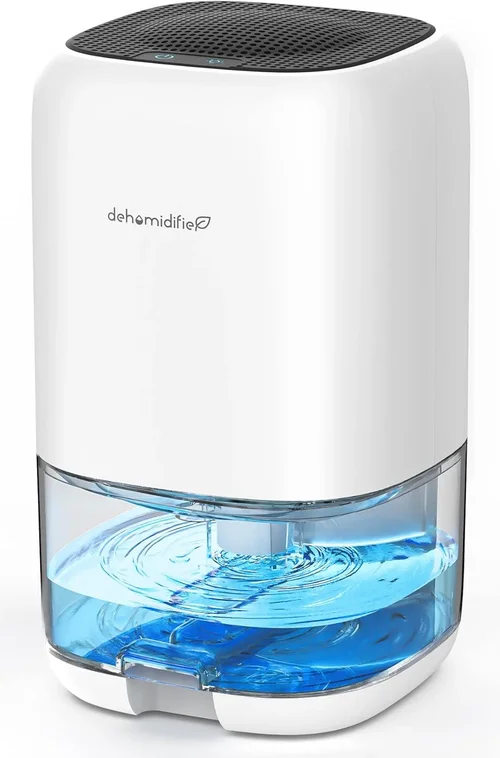
– Entry-Level ($80–$150): These are typically mini or small-capacity units (10–20 pints) suitable for closets, RVs, or very small rooms. They often lack precise humidity control, have small tanks, and may not be ENERGY STAR certified. Best for occasional use or mild humidity issues. Examples: Eva-Dry E-333, Ivation IVADM10.
– Mid-Range ($150–$350): This is the sweet spot for most homeowners. These 30–50 pint models offer accurate humidity control, larger tanks, continuous drainage, and energy-efficient operation. Many include washable filters and quiet modes. Ideal for bedrooms, living rooms, and moderately damp basements. Examples: hOmeLabs HME020034N, Frigidaire FFAD5033R1.
– Premium ($350–$600): Designed for high performance and convenience, these units often feature smart controls, larger capacities (50–70 pints), advanced filtration, and ultra-quiet operation. They’re perfect for large homes, humid climates, or users with severe allergies. Examples: Midea U-Shaped Inverter, Toshiba TD-VR7103UH.
– Luxury ($600+): Whole-house or commercial-grade dehumidifiers that integrate with HVAC systems. These are built for durability, cover entire homes, and require professional installation. Best for large properties, basements, or crawl spaces. Examples: AprilAire 1820, Santa Fe Compact 70.
Expert Tips for Getting the Best Deal
– Buy During Off-Season: Dehumidifiers are in highest demand during summer. Purchase in late fall or winter (October–February) for the best discounts and promotions.
– Check Retailer Return Policies: Look for stores with generous return windows (30–90 days) in case the unit doesn’t perform as expected.
– Compare Online and In-Store Prices: Online retailers often offer lower prices and exclusive deals, but in-store purchases allow you to inspect build quality and ask questions.
– Look for Bundle Deals: Some brands offer discounts when you buy a dehumidifier with an air purifier or hygrometer.
– Read Verified User Reviews: Focus on reviews from buyers with similar needs (e.g., allergy sufferers, basement use). Pay attention to comments about noise, reliability, and customer service.
– Test Before Committing: If possible, run the dehumidifier for a few days and monitor humidity levels with a separate hygrometer to ensure accuracy.
– Consider Extended Warranties: For premium models, an extended warranty can protect against costly repairs.
– Recycle Old Units Responsibly: Many retailers offer recycling programs when you purchase a new dehumidifier.

Frequently Asked Questions
Q: How does a dehumidifier kill dust mites?
A: Dehumidifiers don’t directly kill dust mites, but they create an environment where they cannot survive. By reducing indoor humidity below 50%, dehumidifiers remove the moisture dust mites need to live and reproduce. Over time, this leads to a significant decline in their population.
Q: Can I use a dehumidifier instead of an air purifier for allergies?
A: Not entirely. While dehumidifiers reduce humidity and indirectly control dust mites, air purifiers remove airborne allergens like pollen, pet dander, and mold spores. For best results, use both: a dehumidifier to control humidity and an air purifier to clean the air.
Q: How often should I run my dehumidifier?
A: Run it continuously until the target humidity (40–50%) is reached, then use auto-mode to maintain it. In humid climates, this may mean running it 8–12 hours per day.
Q: Will a dehumidifier help with mold?
A: Yes. Like dust mites, mold thrives in high humidity. By keeping humidity below 50%, a dehumidifier inhibits mold growth on walls, ceilings, and furniture.
Q: Can I leave my dehumidifier on all night?
A: Yes, especially if it has a quiet mode and auto-shutoff. Many users run dehumidifiers overnight in bedrooms to maintain healthy humidity levels.
Q: Do dehumidifiers use a lot of electricity?
A: It depends on the model and usage. ENERGY STAR units are more efficient. On average, a 50-pint dehumidifier uses about 500–700 watts. Running it 8 hours a day may cost $10–$20 per month, depending on local electricity rates.
Q: Should I get a dehumidifier for my basement?
A: Absolutely. Basements are prone to high humidity and poor ventilation, making them ideal habitats for dust mites and mold. A 50–70 pint dehumidifier with continuous drainage is recommended.
Q: Can I use a dehumidifier in winter?
A: Only if the temperature stays above 65°F. Most compressor dehumidifiers won’t work efficiently in cold environments. For winter use, consider a desiccant model or a whole-house system.
Q: How do I know if my dehumidifier is working properly?
A: Check the water tank—if it’s filling up, the unit is removing moisture. Also, use a hygrometer to verify that indoor humidity is staying below 50%.
Q: Are smart dehumidifiers worth the extra cost?
A: If you value convenience and remote monitoring, yes. Smart features allow you to maintain optimal humidity even when you’re away. However, for basic dust mite control, a non-smart model with accurate humidity control is sufficient.
Our Final Recommendations
– Best for Budget-Conscious Buyers: hOmeLabs 30-Pint Dehumidifier – Reliable performance, large tank, and continuous drainage at an affordable price.
– Best Overall Value: Frigidaire FFAD5033R1 – Excellent humidity control, ENERGY STAR certified, quiet operation, and user-friendly features.
– Best Premium Option: Midea U-Shaped Inverter Dehumidifier – Ultra-quiet, energy-efficient, smart-enabled, and ideal for large rooms or humid climates.
– Best for Beginners: Ivation IVADM35 – Simple controls, washable filter, and compact design make it easy to use and maintain.
– Best for Advanced Users: AprilAire 1820 – Whole-house coverage, professional-grade build, and 5-year warranty for long-term dust mite control.
Conclusion: Making the Right Choice
Choosing the best dehumidifier for dust mites isn’t just about buying an appliance—it’s about investing in your health and comfort. By controlling indoor humidity, you create an environment where dust mites cannot thrive, reducing allergens and improving respiratory well-being. Throughout this guide, we’ve covered the essential factors: humidity accuracy, capacity, energy efficiency, noise, filtration, maintenance, smart features, and build quality.
Remember, the right dehumidifier depends on your specific needs. A small bedroom requires a different solution than a damp basement or a large coastal home. Avoid common pitfalls like overspending on unnecessary features or undersizing for your space. Instead, prioritize precision, reliability, and ease of use.
Whether you’re battling allergies, protecting your home from mold, or simply seeking a more comfortable living environment, a high-quality dehumidifier is a powerful tool. Use the insights and recommendations in this guide to make a confident, informed decision. Your lungs—and your peace of mind—will thank you.