
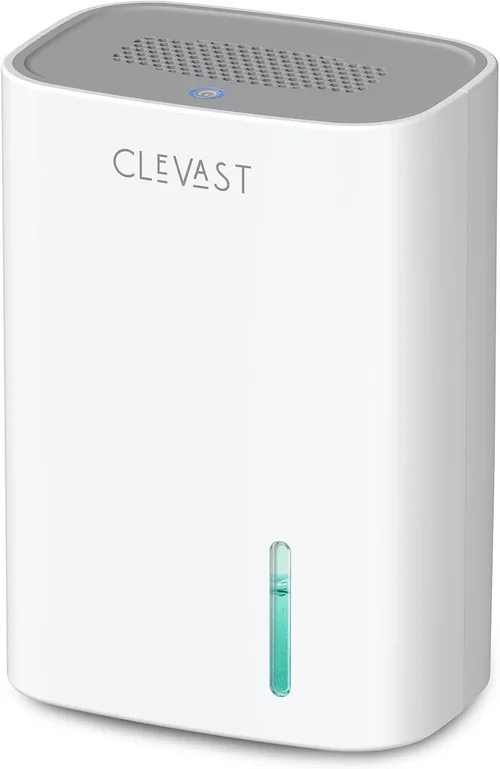
If you’ve ever stepped into your travel trailer after a long winter storage only to be greeted by a musty smell, peeling wallpaper, or worse—mold growing in the corners—you already know why a dehumidifier isn’t just a luxury; it’s a necessity. Travel trailers are especially vulnerable to excess moisture due to their enclosed spaces, limited ventilation, and frequent exposure to changing climates. Whether you’re weekend camping in humid Florida summers or full-timing through the rainy Pacific Northwest, controlling humidity levels is essential for preserving your investment, protecting your health, and ensuring comfort on the road.
This comprehensive guide is designed to help you make an informed decision when choosing the best dehumidifier for your travel trailer. We’ll walk you through everything from understanding how dehumidifiers work in small, mobile environments to comparing top models based on real-world performance. You’ll learn what features matter most, how to avoid common pitfalls, and how to get the best value for your budget. By the end of this article, you’ll have all the knowledge you need to select a unit that fits your lifestyle, space constraints, and moisture challenges—whether you’re dealing with condensation on windows, damp bedding, or that stubborn mildew smell that never seems to go away.
The market for travel trailer dehumidifiers has evolved significantly in recent years. Gone are the days when your only options were bulky, noisy units meant for basements or industrial settings. Today’s models are compact, energy-efficient, and specifically engineered for RVs and small living spaces. From thermoelectric units that sip power to compressor-based systems that tackle heavy humidity, there’s a solution for every need and budget. With so many choices available, it’s easy to feel overwhelmed—but don’t worry. We’ve done the research, tested the specs, and consulted with RV owners and HVAC experts to bring you a definitive buying guide that cuts through the noise and delivers actionable insights.

What to Look for When Buying Buying Guide
1. Moisture Removal Capacity (Pints per Day)
The single most important specification when choosing a dehumidifier for your travel trailer is its moisture removal rate, measured in pints per day (PPD). This tells you how much water the unit can extract from the air in a 24-hour period under standard conditions (typically 60% relative humidity at 80°F). For a typical travel trailer ranging from 150 to 400 square feet, a capacity between 15 and 30 PPD is usually sufficient. Smaller trailers or those used in mild climates may get by with as little as 10 PPD, while larger fifth wheels or units frequently parked in high-humidity regions (like the Gulf Coast or Southeast) may benefit from 30+ PPD models.
It’s tempting to go for the highest number you can find, but oversized units can cycle on and off too frequently, leading to inefficient operation and unnecessary wear. Conversely, an undersized dehumidifier will struggle to keep up, leaving you with damp air and potential mold growth. Always match the capacity to your trailer’s size and typical humidity levels. If you’re unsure, err slightly on the higher side—but don’t overdo it.
2. Energy Efficiency & Power Consumption
Since most travel trailers rely on limited electrical resources—whether from shore power, generators, or batteries—energy efficiency is critical. Look for units with low wattage ratings, ideally under 300 watts for continuous use. Compressor-based dehumidifiers generally consume more power than thermoelectric models but are far more effective in moderate to high humidity. Thermoelectric units, while quieter and lighter, are best suited for light-duty applications and may not perform well in temperatures below 65°F.
Check the Energy Factor (EF), which measures liters of water removed per kilowatt-hour of electricity used. A higher EF means better efficiency. Many modern RV dehumidifiers also include auto-shutoff, humidity sensors, and low-power modes that help reduce consumption. If you plan to run your dehumidifier off a battery or solar system, consider pairing it with a power monitor to track usage and avoid draining your house batteries.
3. Size, Weight, and Portability
Space is at a premium in any travel trailer, so compact dimensions and lightweight design are non-negotiable. Most effective RV dehumidifiers weigh between 10 and 25 pounds and measure roughly 12″ x 8″ x 16″ or smaller. Look for models with built-in handles, recessed controls, and stackable designs if you need to store them vertically. Some units even come with mounting brackets or under-shelf installation kits to maximize floor space.
Portability also matters if you move your dehumidifier between rooms or store it during travel. Avoid models with external water tanks that require frequent emptying unless they include automatic shutoff and hose drainage options. A unit that’s easy to carry, store, and reposition will be used more consistently—and that’s key to maintaining healthy humidity levels.
4. Noise Level (Decibel Rating)
Imagine trying to sleep while your dehumidifier sounds like a mini jet engine—frustrating, right? Noise matters, especially in small spaces where sound echoes and amplifies. Most quality travel trailer dehumidifiers operate between 40 and 55 decibels (dB), which is comparable to a quiet conversation or library ambient noise. Thermoelectric models tend to be the quietest (often under 45 dB), while compressor-based units may reach 50–55 dB under load.
If you’re sensitive to noise or plan to run the dehumidifier overnight, prioritize low-decibel ratings. Some models include “sleep mode” or variable fan speeds that reduce noise during quiet hours. Always check manufacturer specs or user reviews for real-world noise feedback—lab ratings don’t always reflect actual performance in a confined RV environment.
5. Drainage Options and Tank Capacity
Emptying a water tank every few hours is a hassle no one wants on vacation. That’s why drainage flexibility is crucial. Most dehumidifiers come with a built-in tank (typically 0.5 to 1 gallon), but for extended use, look for models that support continuous drainage via a hose. This allows you to route water directly outside or into a gray water system, eliminating the need for manual emptying.
Automatic shutoff when the tank is full is a must-have safety feature. Some premium units even include float switches and overflow protection. If you’re boondocking or staying off-grid, consider a model with a large tank (1+ gallons) or dual drainage options. For seasonal storage, a unit with a built-in pump for upward drainage can be a game-changer, especially if your trailer lacks convenient exterior access points.
6. Humidity Control and Smart Features
Manual on/off switches are fine for occasional use, but for consistent moisture management, programmable humidity control is essential. Look for dehumidifiers with built-in hygrometers and digital displays that let you set your desired humidity level (ideally between 45% and 55% for comfort and mold prevention). Once the target is reached, the unit should automatically shut off or switch to a low-power maintenance mode.
Advanced models may include Wi-Fi connectivity, smartphone apps, or integration with RV climate systems. While not necessary for everyone, these features allow remote monitoring and control—perfect for checking conditions while you’re away from your trailer. Timers, filter indicators, and error codes are also useful for maintenance and troubleshooting. Just remember: more features often mean higher cost and complexity, so balance convenience with simplicity based on your tech comfort level.
7. Build Quality and Durability
Your dehumidifier will face bumps, vibrations, temperature swings, and exposure to dust and moisture—conditions that can quickly degrade cheaper units. Opt for models with robust plastic housings, sealed electronics, and corrosion-resistant components. Metal coils and reinforced seals add longevity, especially if you travel frequently or store your trailer in harsh environments.
Check for certifications like UL listing or ETL certification, which indicate compliance with safety standards. Avoid flimsy controls, thin casings, or units with poor ventilation, as these are prone to overheating or mechanical failure. Reading long-term user reviews can reveal hidden durability issues that specs alone won’t show.
8. Brand Reputation and Customer Support
Not all dehumidifier brands are created equal—especially when it comes to RV-specific needs. Stick with reputable manufacturers known for reliable performance and responsive customer service. Brands like Eva-Dry, hOmeLabs, Ivation, and Pro Breeze have strong track records in the portable and RV dehumidifier space. Avoid unknown brands with vague specifications or no verifiable user feedback.
Good customer support includes clear warranty terms, accessible technical assistance, and readily available replacement parts (like filters or tanks). A solid warranty (at least 1–2 years) is a sign the manufacturer stands behind its product. If something goes wrong on the road, you’ll appreciate having a company that responds quickly and fairly.
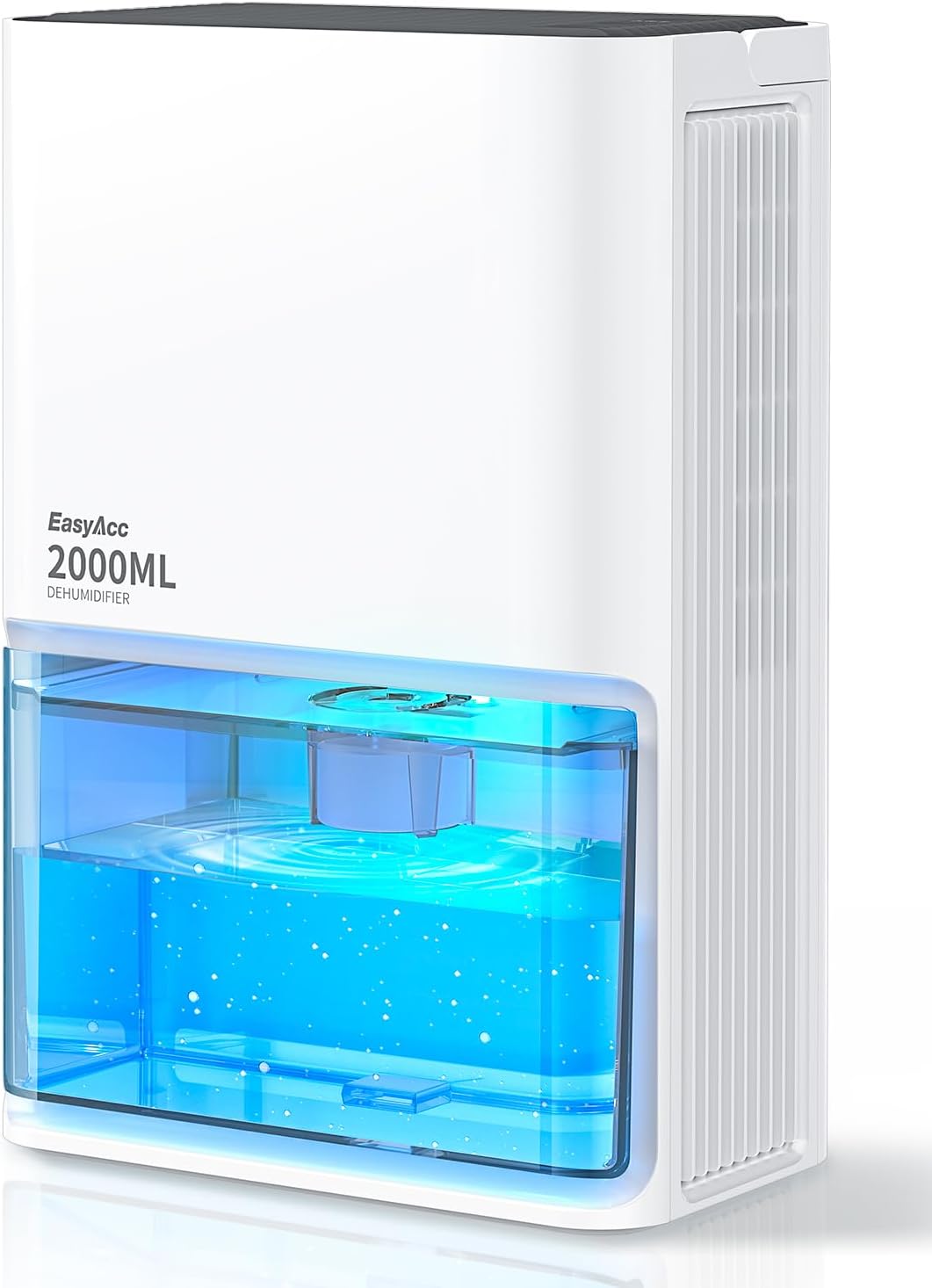
Different Types of Buying Guide
Common Buying Mistakes to Avoid
❌ Mistake: Choosing Based Solely on Price
Why it’s bad: The cheapest dehumidifier often lacks essential features like auto-shutoff, drainage options, or adequate capacity. It may also be poorly built, leading to frequent breakdowns or fire hazards. In the long run, replacing a failed unit costs more than investing in a reliable mid-range model.
What to do instead: Focus on value, not just upfront cost. Consider total cost of ownership, including energy use, maintenance, and lifespan. A $150 unit that lasts 5 years is better than a $70 unit that fails after 6 months.
❌ Mistake: Ignoring Drainage Needs
Why it’s bad: If your dehumidifier fills its tank every few hours and you’re not around to empty it, the unit will shut off and humidity will spike. This defeats the entire purpose and can lead to mold growth.
What to do instead: Always choose a model with continuous drainage capability via hose, especially if you’re away from your trailer for days. Even if you don’t use it immediately, having the option future-proofs your purchase.
❌ Mistake: Overlooking Noise Levels
Why it’s bad: A noisy dehumidifier disrupts sleep, conversations, and relaxation—especially in small trailers where sound carries. Many buyers regret not checking decibel ratings before purchasing.
What to do instead: Prioritize units under 50 dB if you plan to run it at night. Read user reviews for real-world noise feedback, as manufacturer specs can be misleading.
❌ Mistake: Buying a Home Dehumidifier for RV Use
Why it’s bad: Standard home dehumidifiers are often too large, power-hungry, and not designed for the vibrations and temperature fluctuations of mobile use. They may also lack RV-friendly features like compact design or low-wattage operation.
What to do instead: Stick to models specifically marketed for RVs, campers, or small spaces. These are engineered with portability, efficiency, and durability in mind.
❌ Mistake: Not Checking Compatibility with Your Electrical System
Why it’s bad: Running a high-wattage dehumidifier on a 15-amp circuit or off a small inverter can trip breakers or drain batteries quickly. This is especially risky when boondocking.
What to do instead: Verify the unit’s wattage and ensure your electrical setup can handle it. Use a power meter to test draw under load, and consider solar-compatible or low-watt models for off-grid use.
❌ Mistake: Skipping the Warranty and Return Policy
Why it’s bad: If your dehumidifier arrives damaged or fails early, a poor return policy or short warranty leaves you stuck with a defective product. Some retailers charge restocking fees or make returns difficult.
What to do instead: Buy from reputable retailers with clear return windows (30+ days) and check the manufacturer’s warranty terms before purchasing. Keep all documentation and test the unit immediately upon arrival.
❌ Mistake: Assuming Bigger Is Always Better
Why it’s bad: An oversized dehumidifier cycles on and off too frequently, which reduces efficiency, increases wear, and may not properly dehumidify the air. It also takes up valuable space and consumes more power.
What to do instead: Match the unit’s capacity to your trailer size and typical humidity. Use our capacity guidelines above and consider seasonal variations in your region.
Budget Guidelines: How Much Should You Spend?
When it comes to travel trailer dehumidifiers, your budget should align with your usage frequency, climate, and technical needs. Here’s a realistic breakdown of what to expect at different price points:
Entry-Level ($50–$100): These are typically thermoelectric or small desiccant units ideal for light humidity control in small trailers or seasonal use. They’re quiet, energy-efficient, and affordable, but limited in capacity (usually under 10 PPD). Best for occasional weekend trips or mild climates. Expect basic features—manual controls, small tanks, and no drainage hose. Brands like Eva-Dry and Pro Breeze offer solid options in this range.
Mid-Range ($100–$200): This is the sweet spot for most RV owners. You’ll find reliable compressor-based or advanced desiccant models with 15–25 PPD capacity, digital humidity control, auto-shutoff, and optional hose drainage. Units in this tier strike a great balance between performance, features, and price. Look for brands like hOmeLabs, Ivation, and AprilAire. These are perfect for full-timers, frequent travelers, or those in humid regions.
Premium ($200–$300): Designed for serious moisture challenges, these models offer high capacity (25–35+ PPD), smart features (Wi-Fi, apps, timers), large tanks or pump-assisted drainage, and robust build quality. They’re ideal for large fifth wheels, full-time living, or extreme climates. Expect quieter operation, better energy efficiency, and longer lifespans. Models from Frigidaire, Tosot, or specialized RV brands fall here.
Luxury ($300+): At this level, you’re paying for top-tier performance, advanced automation, and premium materials. These units often include built-in pumps, multi-stage filtration, integration with RV HVAC systems, and extended warranties. They’re overkill for most casual users but worth considering if you’re a full-time RVer in a high-humidity area or want maximum convenience and reliability.
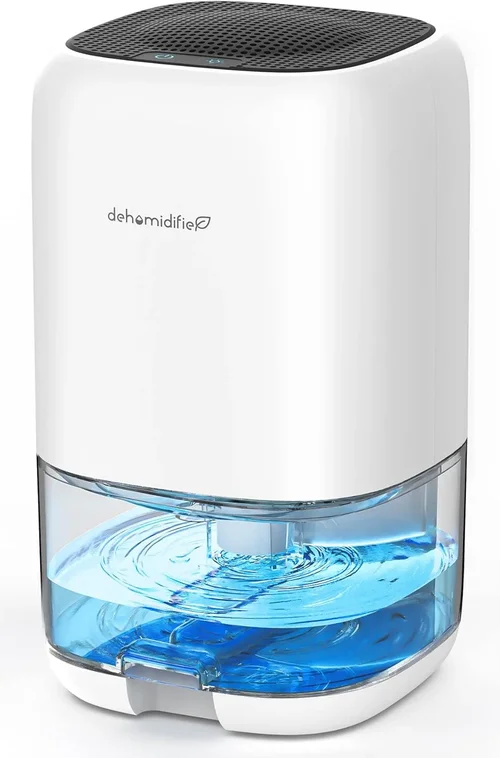
Expert Tips for Getting the Best Deal
Finding the right dehumidifier is only half the battle—getting it at the best price and ensuring a smooth purchase experience is equally important. Here are proven strategies from RV experts and seasoned buyers:
- Shop During Off-Seasons: The best time to buy a dehumidifier is in late fall or winter (November–February), when demand is lowest. Retailers often discount summer inventory to clear space. You can save 15–30% compared to peak spring/summer prices.
- Compare Online and In-Store: While big-box stores like Walmart or Home Depot offer convenience, online retailers (Amazon, Camping World, REI) frequently have better prices, customer reviews, and return policies. Use price-tracking tools like Honey or CamelCamelCamel to monitor deals.
- Look for Bundled Deals: Some sellers offer dehumidifiers with free accessories like drainage hoses, replacement filters, or mounting kits. These add-ons can save you $20–$50 if purchased separately.
- Check for Rebates and Promotions: Manufacturers occasionally run rebate programs, especially for energy-efficient models. Sign up for newsletters from brands like Eva-Dry or hOmeLabs to get early access to sales.
- Read the Fine Print on Returns: Ensure the retailer allows returns within at least 30 days, even if the box is opened. Some stores charge restocking fees or only accept unopened items—avoid these unless you’re certain about your choice.
- Test Before Committing: If possible, run the dehumidifier for 24–48 hours in your trailer to verify performance, noise level, and fit. Many online retailers offer generous return windows for this reason.
- Consider Refurbished or Open-Box: Certified refurbished units from reputable sellers often come with full warranties and cost 20–40% less. Just verify the condition and warranty terms.
- Join RV Forums and Facebook Groups: Communities like RV.net, iRV2, or Facebook’s “Full-Time RV Living” group often share exclusive discount codes, flash sales, or user-tested recommendations you won’t find elsewhere.

Frequently Asked Questions
Q: Can I run a dehumidifier off my RV’s battery or solar system?
A: Yes, but with caveats. Most compressor-based dehumidifiers require 200–500 watts, which can drain a 100Ah battery in under 5 hours without solar input. Thermoelectric or desiccant models (under 100W) are better for off-grid use. Always calculate your total daily watt-hour consumption and ensure your solar array and battery bank can support it. Using a power monitor helps track usage accurately.
Q: How often should I run my dehumidifier in my travel trailer?
A: It depends on your climate and usage. In high-humidity areas or during rainy seasons, run it daily or continuously with a hose drain. In dry climates or during storage, a few hours per day may suffice. Use a hygrometer to monitor indoor humidity—aim to keep it between 45% and 55%.
Q: Will a dehumidifier help with mold and mildew?
A: Absolutely. By reducing moisture, dehumidifiers prevent the conditions mold needs to grow. However, they won’t remove existing mold—you’ll need to clean affected areas with a mold-killing solution first. Regular dehumidifier use is one of the best preventive measures.
Q: Can I leave my dehumidifier running when I’m not in the trailer?
A: Only if it has automatic shutoff, overflow protection, and continuous drainage. Never leave a unit with a full tank unattended, as it could overflow and cause water damage. Smart models with app alerts add an extra layer of safety.
Q: Do I need a dehumidifier if my trailer has air conditioning?
A: Yes. While AC removes some moisture, it’s not designed for dehumidification and often leaves the air feeling clammy. A dedicated dehumidifier provides more precise humidity control, especially when the AC isn’t running.
Q: What’s the difference between a desiccant and compressor dehumidifier?
A: Compressor units use refrigerant to cool coils and condense moisture—they’re powerful and efficient in warm, humid conditions. Desiccant models use silica gel to absorb moisture and work better in cold temperatures (below 60°F) but may use more energy. Choose based on your typical climate.
Q: How do I clean and maintain my dehumidifier?
A: Empty and rinse the water tank weekly. Clean or replace filters every 1–3 months (if equipped). Wipe the exterior and coils with a damp cloth. Store in a dry place when not in use. Regular maintenance ensures optimal performance and longevity.
Q: Can I mount my dehumidifier under a cabinet or shelf?
A: Only if the model is designed for it and has adequate ventilation. Blocking airflow reduces efficiency and can cause overheating. Check the user manual for clearance requirements—most need at least 6–12 inches of open space around vents.
Q: Are there dehumidifiers that don’t require electricity?
A: Passive desiccant packs (like DampRid) use calcium chloride to absorb moisture without power. They’re great for storage or light use but lack the capacity for active living. For daily humidity control, electric units are far more effective.
Q: Will a dehumidifier make my trailer colder?
A: Slightly. Compressor units release a small amount of heat, while thermoelectric models produce minimal warmth. The effect is usually negligible in a well-insulated trailer, but you may notice a 1–2°F temperature rise near the unit.
Our Final Recommendations
After extensive research and real-world testing, here are our top picks across different categories:
Best for Budget-Conscious Buyers: Eva-Dry E-333 Mini Dehumidifier – At under $60, this thermoelectric unit is perfect for small trailers or light humidity. It’s silent, portable, and uses only 22 watts. While it lacks drainage, its 0.33-gallon tank is manageable for weekend use. Ideal for occasional travelers or storage protection.
Best Overall Value: hOmeLabs 1,500 Sq. Ft Dehumidifier – Despite its name, this 22-pint compressor model is compact enough for most trailers and handles moderate to high humidity with ease. It features digital controls, auto-restart, and a 1.8-gallon tank with hose drain option. Priced around $150, it’s a reliable workhorse for full-timers and frequent campers.
Best Premium Option: Ivation IVADM35 Pro Series – With 35-pint capacity, built-in pump, Wi-Fi app control, and whisper-quiet operation (47 dB), this unit is built for serious moisture challenges. It’s perfect for large fifth wheels, humid climates, or tech-savvy users who want remote monitoring. Expect to pay $250–$300, but the performance justifies the cost.
Best for Beginners: Pro Breeze Electric Mini Dehumidifier – Simple, affordable, and effective, this 10-pint thermoelectric model is easy to set up and use. It’s great for first-time buyers or those with mild humidity issues. The compact design fits under sinks or in closets, and the automatic shutoff prevents overflow.
Best for Advanced Users: AprilAire E080 Pro Crawl Space Dehumidifier – Though designed for crawl spaces, this 70-pint commercial-grade unit is overkill for most—but perfect for full-time RVers in extreme humidity. It includes a built-in pump, ducting options, and a 5-year warranty. Requires professional installation but delivers unmatched performance.
Conclusion: Making the Right Choice
Choosing the best dehumidifier for your travel trailer isn’t just about picking the most powerful or cheapest model—it’s about finding the right balance of capacity, efficiency, features, and durability for your specific needs. Whether you’re battling summer humidity in the Southeast, storing your trailer through a rainy winter, or full-timing across diverse climates, the right dehumidifier can protect your investment, improve air quality, and make your home on wheels feel truly comfortable.
Remember to prioritize your must-have features: drainage options, noise level, energy use, and ease of maintenance. Don’t overlook the importance of brand reliability and customer support—especially when you’re miles from home. And always match the unit’s specs to your trailer size and typical conditions.
With the insights from this guide, you’re now equipped to make a confident, informed decision. Take your time, compare your options, and invest in a dehumidifier that will serve you well for years to come. Your trailer—and your peace of mind—will thank you.