
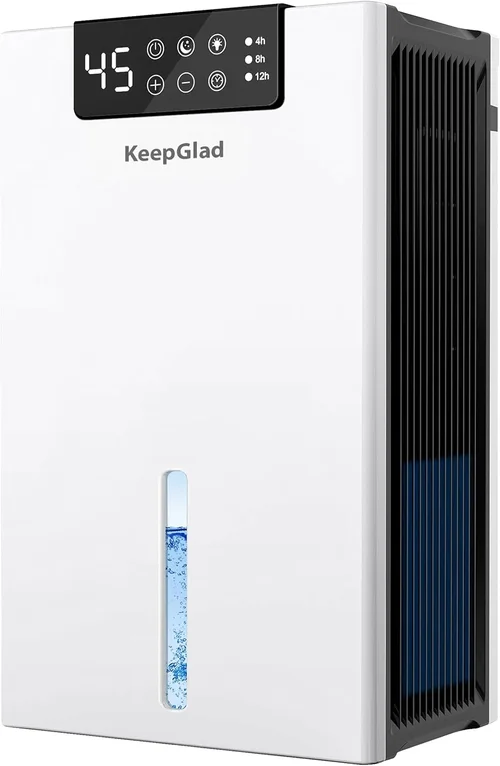
Dealing with high humidity in India isn’t just about discomfort—it’s a serious health and home maintenance issue. From the muggy coastal regions of Chennai and Mumbai to the damp corners of Kolkata during monsoon season, excess moisture in the air can lead to mold growth, musty odors, damaged furniture, and even respiratory problems like asthma or allergies. In a country where average indoor humidity often exceeds 70%—well above the ideal 30–50% range—a reliable dehumidifier is no longer a luxury; it’s a necessity for many households.
That’s why choosing the right dehumidifier matters more than you might think. With dozens of models flooding the Indian market—from budget-friendly units under ₹10,000 to premium imported systems costing over ₹50,000—it’s easy to feel overwhelmed. Some promise rapid drying but consume excessive electricity, while others claim compact designs but lack the capacity for real-world use. This guide cuts through the noise. Whether you’re battling damp walls in your basement apartment in Delhi, protecting wooden furniture in Goa’s coastal breeze, or simply trying to breathe easier in humid Bangalore summers, we’ll help you find the perfect match for your needs, space, and budget.
Over the next 3,500+ words, you’ll learn everything you need to make an informed decision. We’ll break down the six most critical factors to consider when buying a dehumidifier in India—from performance specs and energy efficiency to brand reliability and after-sales support. You’ll discover the key differences between refrigerant (compressor) and desiccant models, understand common pitfalls that lead buyers astray, and get expert-backed tips on timing your purchase for maximum savings. Plus, we’ve included a detailed comparison table, real-user insights, and our top recommendations across multiple categories. By the end, you won’t just know what to buy—you’ll know why it’s the best choice for your home.
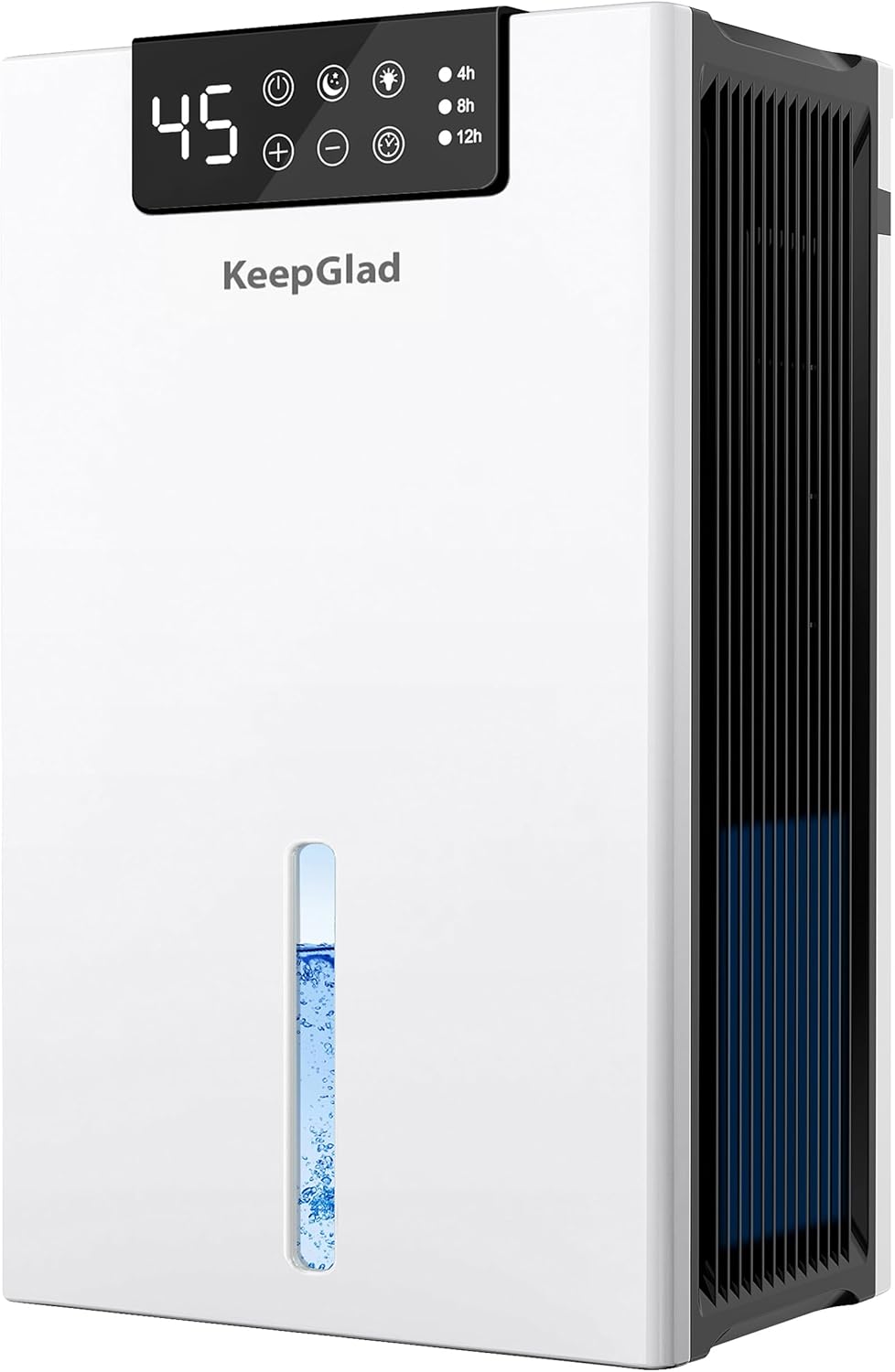
What to Look for When Buying Buying Guide
1. Budget & Price Range
Your budget is the first filter in your search—but it shouldn’t be the only one. In India, dehumidifiers range from as low as ₹7,000 for basic portable units to over ₹60,000 for high-capacity, smart-enabled models. However, cheaper isn’t always better. A ₹8,000 unit may seem tempting, but if it lacks essential features like auto-defrost, continuous drainage, or accurate humidity control, it could end up costing you more in electricity bills and replacement parts down the line.
Set a realistic budget based on your room size and usage frequency. For a small bedroom (100–150 sq. ft.), a mid-range model (₹12,000–₹20,000) usually suffices. Larger spaces like living rooms or entire apartments may require units priced between ₹25,000 and ₹40,000. Remember: investing slightly more upfront often translates to better durability, lower running costs, and fewer headaches. Always factor in long-term value—not just the sticker price.
2. Performance Specifications
Performance boils down to two key metrics: extraction capacity (measured in liters per day, L/Day) and coverage area (in square feet). Extraction capacity tells you how much moisture the unit can remove in 24 hours under standard conditions (usually 30°C and 80% RH). For most Indian homes, a 10–20 L/Day unit works well for rooms up to 300 sq. ft. If you live in a highly humid coastal area or have a damp basement, consider 20+ L/Day models.
Don’t rely solely on manufacturer claims—check independent reviews or user feedback for real-world performance. Some brands inflate numbers under ideal lab conditions that don’t reflect typical Indian humidity levels. Also, pay attention to the operating temperature range. Refrigerant-based dehumidifiers struggle below 15°C, which isn’t usually an issue in India—but if you plan to use it in an unheated attic or garage during winter, a desiccant model might be safer.
3. Build Quality & Durability
India’s climate—hot, dusty, and often corrosive near the coast—demands robust construction. Look for units with rust-resistant coatings, sealed electronic components, and sturdy casings made from ABS plastic or powder-coated metal. Cheap plastic housings can warp or crack under prolonged heat exposure, especially in cities like Jaipur or Ahmedabad where summer temperatures soar above 45°C.
Internally, check for quality compressors (for refrigerant models) or durable desiccant wheels (for desiccant types). Japanese or German-engineered compressors (like those from Panasonic or Mitsubishi) tend to last longer than generic Chinese alternatives. Also, inspect the water tank—opt for food-grade, BPA-free plastic with smooth interiors to prevent bacterial buildup and ease cleaning.
4. Features & Functionality
Modern dehumidifiers come packed with features that enhance convenience and efficiency. The most important ones include:
- Humidity Sensor & Auto Mode: Automatically adjusts fan speed and operation based on real-time humidity levels, saving energy and maintaining optimal comfort.
- Continuous Drainage Option: Lets you connect a hose for uninterrupted operation—ideal for basements or crawl spaces where emptying a tank isn’t practical.
- Auto-Defrost: Prevents ice buildup on coils in cooler environments (rare in India but useful if used in AC-cooled rooms).
- Timer & Sleep Mode: Schedule operation or reduce noise at night.
- Air Purification: Some models include HEPA or activated carbon filters to remove allergens and odors—great for allergy sufferers.
- Smart Connectivity: Wi-Fi-enabled units (like certain Sharp or Honeywell models) let you control settings via smartphone apps, though this adds cost.
Avoid “feature bloat.” A simple, well-designed unit with core functionalities often outperforms a complex one with glitchy electronics. Prioritize features that solve your specific problems—e.g., continuous drainage if you can’t empty the tank daily.
5. Brand Reputation
In India, not all dehumidifier brands are created equal. Established global names like Sharp, Honeywell, LG, and Panasonic offer proven reliability, better component sourcing, and wider service networks. Local players like Kent, Aquaguard, or V-Guard have entered the space with competitive pricing but vary widely in quality—some deliver excellent value, while others cut corners.
Research brand history in humid climates. For example, Sharp has decades of experience in Southeast Asian markets with similar humidity profiles to India, making their designs more suited to local conditions. Avoid unknown brands with no service centers—you don’t want to be stuck with a broken unit and no technician within 100 km.
6. Warranty & Support
A dehumidifier is a long-term investment, so warranty coverage is crucial. Most reputable brands offer 1–2 years of comprehensive warranty, with some extending compressor coverage to 3–5 years. Always verify what’s included: does it cover labor, parts, and on-site service? In rural or semi-urban areas, on-site service can be a game-changer.
Check customer support responsiveness before buying. Call the helpline or check online forums—how quickly do they resolve issues? Brands like LG and Samsung have extensive service networks across Tier 2 and Tier 3 cities, while others may only service metro areas. Also, ensure spare parts (filters, tanks, sensors) are readily available for at least 5 years.
7. Size & Portability
Dehumidifiers vary significantly in size and weight. Compact models (under 10 kg) are ideal for bedrooms or small apartments, while larger units (15–25 kg) suit living rooms or open-plan spaces. Consider where you’ll place it: corner of the room? Under a table? Near a window?
Look for built-in handles and smooth-rolling casters for easy movement. Some models come with wall-mounting kits—useful if floor space is limited. Noise level matters too: aim for under 50 dB for bedroom use. Desiccant models are generally quieter than compressor-based ones, making them better for nighttime operation.
8. User Reviews & Ratings
Never buy based solely on specs or ads. Real user experiences reveal hidden flaws—like excessive noise, frequent tank overflows, or poor customer service. Check platforms like Amazon India, Flipkart, and specialized forums (e.g., DesiDime or MouthShut). Look for patterns: if multiple users complain about the same issue (e.g., “stops working after 3 months”), it’s likely a design flaw.
Pay attention to reviews from users in similar climates. A model praised in dry Delhi may fail in humid Kochi. Also, note how the brand responds to negative feedback—proactive support is a good sign.
Different Types of Buying Guide
Common Buying Mistakes to Avoid
❌ Mistake: Buying Based Solely on Price
Why it’s bad: The cheapest dehumidifier often lacks essential safety features, uses low-grade components, and may consume more electricity than a mid-range model. You could end up replacing it within a year—costing more in the long run.
What to do instead: Focus on total cost of ownership—including energy bills, maintenance, and lifespan. A ₹18,000 unit that lasts 5 years is better value than a ₹9,000 one that fails in 18 months.
❌ Mistake: Ignoring Room Size and Humidity Level
Why it’s bad: A 5 L/Day unit won’t make a dent in a 400 sq. ft. living room during monsoon. Conversely, a 30 L/Day beast in a 80 sq. ft. bedroom will cycle too frequently, wasting power and wearing out faster.
What to do instead: Measure your room and assess humidity severity. Use online calculators or hygrometers to determine your needs. Match extraction capacity to space—not marketing hype.
❌ Mistake: Overlooking Drainage Options
Why it’s bad: If you forget to empty the water tank daily, the unit shuts off—leaving your room damp. This is especially problematic in offices or vacation homes.
What to do instead: Choose a model with continuous drainage (via hose) or a large tank (3+ liters). For basements, always opt for hose compatibility.
❌ Mistake: Not Checking Service Network
Why it’s bad: A broken dehumidifier is useless if no technician can fix it. Many buyers in Tier 2 cities face weeks of downtime waiting for repairs.
What to do instead: Verify service center locations before purchasing. Brands like LG, Samsung, and Sharp have nationwide coverage—even in smaller towns.
❌ Mistake: Assuming All “Energy Efficient” Models Are Equal
Why it’s bad: Some units claim efficiency but lack inverter technology or smart sensors, leading to higher-than-expected bills.
What to do instead: Look for specific tech like inverter compressors, auto-humidity adjustment, or sleep modes. Check wattage—ideally under 300W for a 15 L/Day unit.
❌ Mistake: Skipping the Return Policy
Why it’s bad: If the unit doesn’t perform as advertised, you’re stuck with it—especially if bought from a marketplace seller with no returns.
What to do instead: Buy from retailers with clear return windows (Amazon, Flipkart, Croma). Test the unit within 7–10 days and return if underperforming.
Budget Guidelines: How Much Should You Spend?
- Entry-Level (₹7,000 – ₹12,000): Basic thermo-electric or mini refrigerant units. Best for closets, small bathrooms, or temporary use. Expect limited capacity (2–8 L/Day), small tanks, and minimal features. Ideal for students or renters.
- Mid-Range (₹12,000 – ₹25,000): The sweet spot for most Indian homes. Reliable refrigerant models with 10–20 L/Day capacity, auto-humidity control, and decent build quality. Brands like Kent, V-Guard, and some Sharp entry-level units fall here.
- Premium (₹25,000 – ₹45,000): High-performance units with inverter tech, large tanks (4–6L), continuous drainage, and air purification. Perfect for families, allergy sufferers, or high-humidity zones. Look at Honeywell, LG, and Panasonic.
- Luxury (₹45,000+): Smart dehumidifiers with Wi-Fi, app control, advanced filtration, and ultra-quiet operation. Whole-house systems also fall here. Best for tech enthusiasts, large homes, or commercial use.
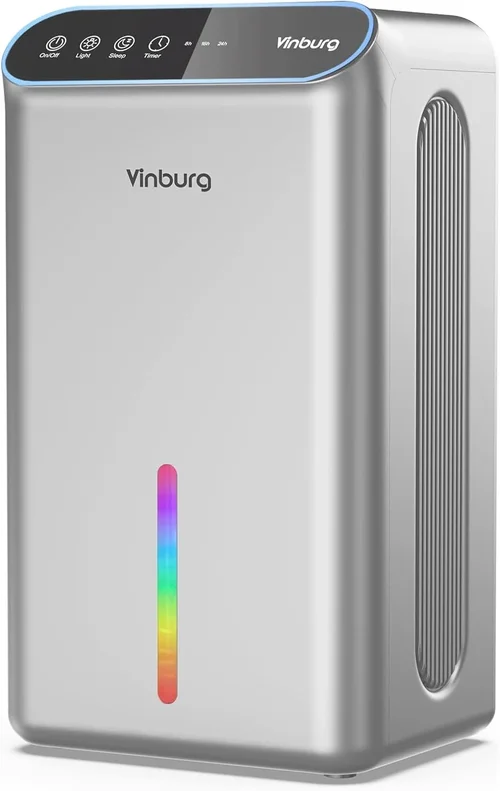
Expert Tips for Getting the Best Deal
- Buy During Off-Peak Seasons: Prices drop significantly post-monsoon (October–December). Avoid peak humidity months unless urgent.
- Compare Online vs. Offline: Online platforms (Amazon, Flipkart) offer better deals and reviews, but offline stores (Croma, Reliance Digital) let you inspect build quality firsthand.
- Bundle with Air Purifiers: Some brands offer discounts when buying dehumidifier + air purifier combos—great for allergy-prone households.
- Check for Exchange Offers: Old appliances (even non-working ACs or refrigerators) can fetch ₹1,000–₹3,000 off your purchase.
- Negotiate Extended Warranty: Ask retailers to include 1 extra year of warranty at no cost—many will agree to close the sale.
- Test Before Committing: Run the unit for 24–48 hours. Check noise, tank fill rate, and humidity drop. Return if unsatisfied.
- Join Brand Loyalty Programs: LG, Samsung, and Sharp offer member discounts, early access to sales, and free service checks.
- Read the Fine Print: Ensure warranty covers “on-site service” and “parts replacement.” Some exclude compressors or sensors.

Frequently Asked Questions
Q: Do I really need a dehumidifier in India?
A: If your indoor humidity consistently exceeds 60%, yes. Signs include peeling paint, mold spots, musty smells, or condensation on windows. Coastal cities, basements, and post-flood areas benefit most.
Q: Can I use a dehumidifier with my AC?
A: Absolutely. ACs cool air but don’t always remove enough moisture. A dehumidifier complements AC by reducing humidity, making the room feel cooler and reducing AC runtime—saving energy.
Q: How often should I empty the water tank?
A: It depends on humidity and tank size. In high humidity, a 2L tank may fill in 4–6 hours. Use continuous drainage or choose a model with a 4L+ tank for less frequent emptying.
Q: Are dehumidifiers noisy?
A: Compressor models produce 45–55 dB (like a quiet conversation). Desiccant units are quieter (35–45 dB). For bedrooms, prioritize desiccant or “sleep mode” compressor models.
Q: Will a dehumidifier increase my electricity bill?
A: Yes, but moderately. A 250W unit running 8 hours/day uses ~2 kWh—about ₹15–₹20 daily. Inverter models reduce this by 20–30%. Still cheaper than mold remediation!
Q: Can I run a dehumidifier 24/7?
A: Yes, especially in monsoon. Most modern units are designed for continuous operation. Just ensure proper ventilation and periodic filter cleaning.
Q: What’s the difference between refrigerant and desiccant?
A: Refrigerant units cool air to condense moisture—efficient in heat. Desiccant units use moisture-absorbing materials—better in cool or low-humidity settings and quieter.
Q: How do I maintain my dehumidifier?
A: Clean the filter monthly, wipe the tank weekly, and ensure vents aren’t blocked. Run it occasionally in dry seasons to keep components active.
Q: Can dehumidifiers help with allergies?
A: Yes! By reducing mold, dust mites, and mildew—common allergens—they improve indoor air quality. Models with HEPA filters offer extra protection.
Our Final Recommendations
- Best for Budget-Conscious Buyers: Kent 12 L/Day Dehumidifier (₹14,999) – Reliable performance, auto-humidity control, and decent build for the price. Great for small to mid-sized rooms.
- Best Overall Value: Sharp DW-D12A-W 12 L/Day (₹22,990) – Inverter compressor, Plasmacluster air purification, and excellent monsoon performance. Trusted brand with pan-India service.
- Best Premium Option: Honeywell DH70W 19 L/Day (₹34,999) – High extraction, continuous drainage, and smart sensors. Ideal for large homes or severe humidity.
- Best for Beginners: V-Guard VGD-10 10 L/Day (₹11,499) – Simple controls, compact design, and easy maintenance. Perfect first dehumidifier.
- Best for Advanced Users: LG PuriCare 20 L/Day with Wi-Fi (₹42,990) – App control, dual inverter, and advanced filtration. For tech-savvy users wanting full automation.
Conclusion: Making the Right Choice
Choosing the best dehumidifier in India isn’t about finding the most powerful or cheapest model—it’s about matching the right technology to your specific environment, lifestyle, and budget. Whether you’re fighting monsoon dampness in Chennai, protecting heirloom furniture in Hyderabad, or simply breathing easier in Mumbai’s muggy summers, the right unit can transform your home’s comfort and health.
Remember: prioritize extraction capacity for your room size, invest in reputable brands with strong service networks, and don’t overlook features like continuous drainage or auto-humidity control. Avoid common pitfalls like overspending on unnecessary smart features or underspending on flimsy builds. And always test your purchase within the return window.
With the insights from this guide, you’re now equipped to make a confident, informed decision. Don’t let humidity dictate your comfort—take control today. Your home, your health, and your peace of mind are worth it.