

Frigidaire dehumidifiers are being recalled due to overheating components that pose serious fire and burn risks. The recall affects thousands of units sold across the U.S. and Canada, prompting urgent action from consumers and retailers.
Key Takeaways
- Fire Hazard Risk: The primary reason for the recall is overheating in the compressor and control board, which can lead to fires or burns.
- <>Affected Models: Multiple Frigidaire dehumidifier models, particularly those sold between 2020 and 2023, are included in the recall.
- Consumer Safety First: The U.S. Consumer Product Safety Commission (CPSC) urges immediate停止使用 of recalled units to prevent injury.
- Free Repair or Replacement: Frigidaire offers free repairs or full refunds for affected dehumidifiers through authorized service centers.
- How to Check Your Unit: Consumers can verify if their dehumidifier is recalled using the model number found on the back or bottom of the unit.
- Retailers Involved: Major retailers like Home Depot, Lowe’s, and Amazon sold the recalled models, increasing the recall’s reach.
- Long-Term Brand Impact: The recall raises concerns about quality control and may influence consumer trust in Frigidaire appliances.
📑 Table of Contents
- Why Are Frigidaire Dehumidifiers Being Recalled?
- Understanding the Root Cause: What’s Going Wrong?
- Which Frigidaire Dehumidifiers Are Affected?
- What Should You Do If You Own a Recalled Unit?
- The Role of the CPSC and Consumer Safety
- Broader Implications for Appliance Safety
- Frigidaire’s Response and Brand Reputation
- Conclusion: Stay Safe and Informed
Why Are Frigidaire Dehumidifiers Being Recalled?
If you’ve recently purchased a Frigidaire dehumidifier or have one running in your basement, laundry room, or bedroom, you may want to stop and read this. In recent months, Frigidaire has issued a significant recall of several of its dehumidifier models due to serious safety concerns. The core issue? Overheating components that can lead to fires, smoke, and even burns. This isn’t just a minor defect—it’s a potentially dangerous flaw that has prompted action from both the manufacturer and federal safety regulators.
The recall affects thousands of units sold across the United States and Canada, primarily through major home improvement and retail stores. Frigidaire, a well-known brand under Electrolux, has long been trusted for reliable home appliances. But this recall raises important questions about quality control, consumer safety, and what steps you should take if you own one of these units. Whether you’re a homeowner trying to manage humidity or a renter looking to prevent mold, understanding why these dehumidifiers are being recalled is crucial for your safety and peace of mind.
This article will walk you through everything you need to know—from the technical reasons behind the recall to how to check if your unit is affected, what to do next, and how this impacts Frigidaire’s reputation. We’ll also explore broader lessons about appliance safety and what consumers can learn from this incident.
Understanding the Root Cause: What’s Going Wrong?
Visual guide about Why Are Frigidaire Dehumidifiers Being Recalled
Image source: kubrick.htvapps.com
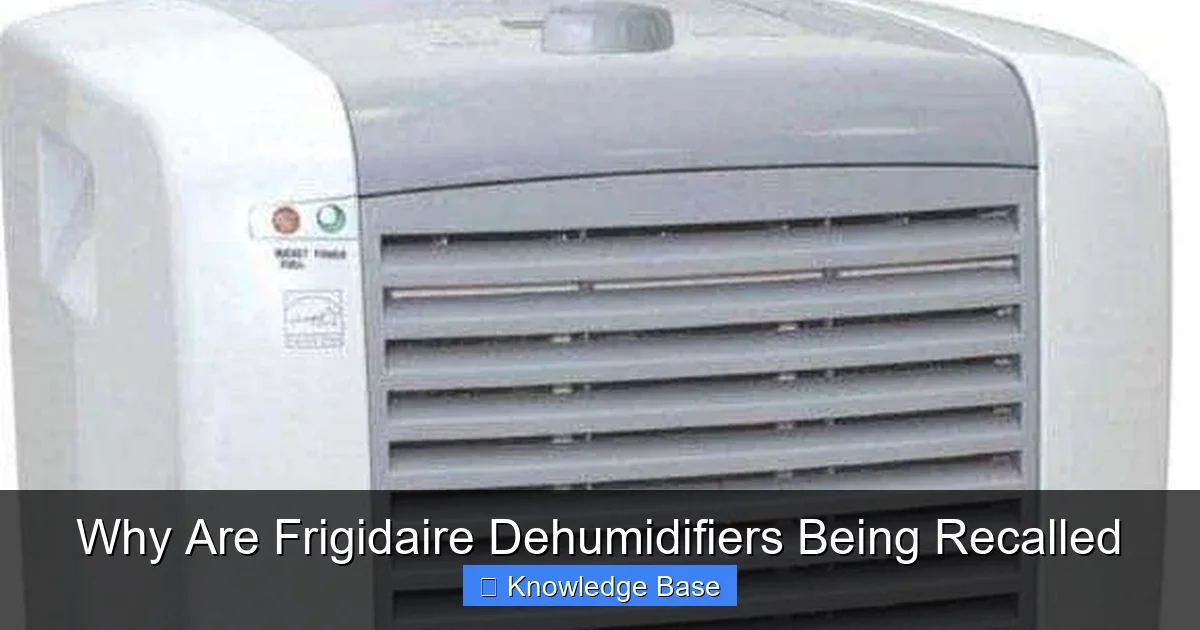
At the heart of the Frigidaire dehumidifier recall is a critical mechanical failure: overheating. Specifically, the problem lies in the compressor and the electronic control board. These components are essential for the dehumidifier’s operation—the compressor circulates refrigerant to remove moisture from the air, while the control board manages temperature, fan speed, and defrost cycles. When either of these parts malfunctions, the entire system can become unstable.
In affected models, the compressor can overheat during normal use, especially in high-humidity environments or after extended operation. This overheating isn’t just a performance issue—it can cause the unit to smoke, emit a burning smell, or, in worst-case scenarios, catch fire. The control board, which regulates power flow, has also been found to short-circuit under stress, further increasing the fire risk.
How Overheating Leads to Fire Hazards
Overheating in appliances is never something to take lightly. In dehumidifiers, the risk is amplified because they often run for long periods, sometimes 24/7, in enclosed spaces like basements or closets. If a unit overheats and no one is around to notice, a small spark or melted wire can quickly escalate into a full-blown fire. There have been documented cases where recalled Frigidaire dehumidifiers have caused minor fires, damaged property, and created smoke hazards.
For example, a homeowner in Ohio reported that their Frigidaire dehumidifier began smoking after running overnight. They discovered it just in time, but the unit had already scorched the floor and released toxic fumes. Similar reports have surfaced across online forums and consumer complaint boards, with users describing sudden shutdowns, burning odors, and visible damage to the internal components.
Why This Wasn’t Caught Earlier
One question many consumers are asking is: how did this issue slip through quality control? While Frigidaire has not released a full technical explanation, industry experts suggest that the problem may stem from a combination of design flaws and manufacturing inconsistencies. For instance, some units may have received substandard capacitors or poorly soldered connections on the control board, making them more prone to failure under load.
Additionally, dehumidifiers are often used in challenging environments—damp basements, humid climates, or poorly ventilated areas—where stress on the compressor is higher. If the unit wasn’t rigorously tested under these conditions, the defect might not have been apparent during initial quality checks.
Which Frigidaire Dehumidifiers Are Affected?
Visual guide about Why Are Frigidaire Dehumidifiers Being Recalled
Image source: cdn.aarp.net
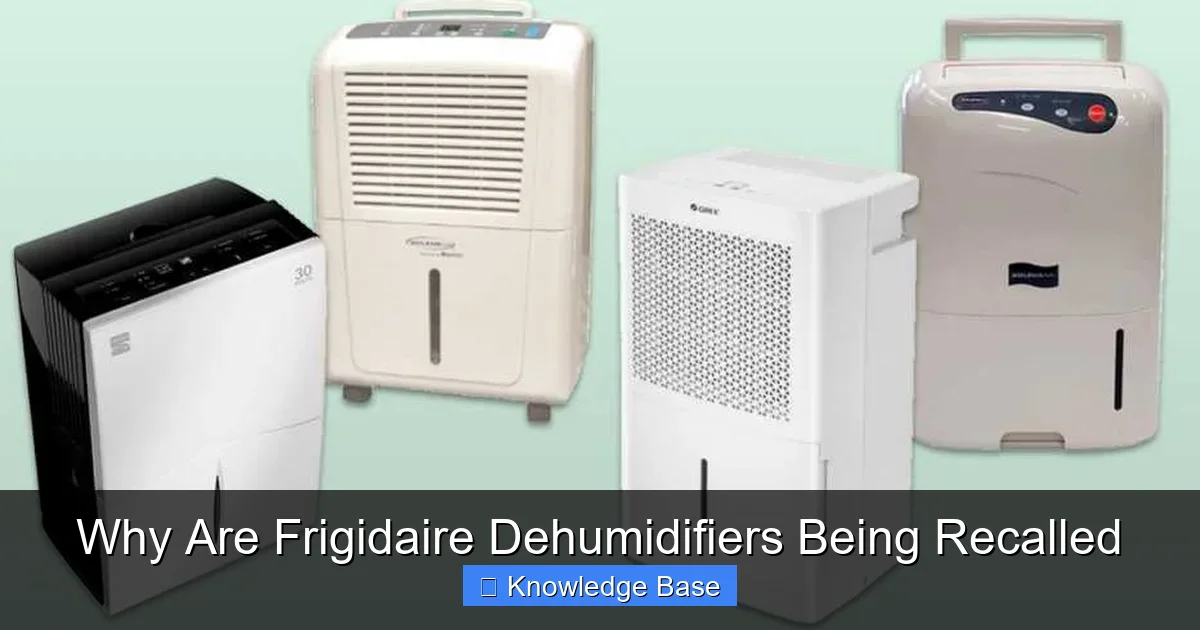
Not all Frigidaire dehumidifiers are part of the recall—only specific models produced during a certain time frame. The U.S. Consumer Product Safety Commission (CPSC) has published a detailed list of affected units, including model numbers, serial numbers, and manufacturing dates. The recall primarily targets units sold between 2020 and 2023, with some models dating back to late 2019.
List of Recalled Models
The following Frigidaire dehumidifier models are included in the recall:
– FAD504DWD
– FAD704DWD
– FAD954DWD
– FFAD5033W1
– FFAD7033W1
– FFAD7033W2
– FFAD7033W3
– FFAD7033W4
– FFAD7033W5
– FFAD7033W6
– FFAD7033W7
– FFAD7033W8
– FFAD7033W9
– FFAD7033W10
– FFAD7033W11
– FFAD7033W12
– FFAD7033W13
– FFAD7033W14
– FFAD7033W15
– FFAD7033W16
– FFAD7033W17
– FFAD7033W18
– FFAD7033W19
– FFAD7033W20
These models were sold under both the Frigidaire and Frigidaire Gallery brand names. They were available in various capacities, ranging from 50 to 95 pints per day, and were marketed for home use in basements, crawl spaces, and large living areas.
Where Were They Sold?
The recalled dehumidifiers were sold at major retailers across North America, including:
– Home Depot
– Lowe’s
– Amazon
– Walmart
– Best Buy
– Menards
– Costco (in select regions)
They were also available through online marketplaces and Frigidaire’s official website. The units typically retailed between $150 and $300, depending on the model and capacity.
How to Identify Your Model
To check if your dehumidifier is part of the recall, locate the model and serial number. This information is usually found on a label on the back or bottom of the unit. The model number will match one of the listed codes above. The serial number can help determine the manufacturing date, which is important because only units produced between late 2019 and 2023 are affected.
If you’re unsure, you can also visit the CPSC recall page or Frigidaire’s official recall website, where you can enter your model number to verify its status.
What Should You Do If You Own a Recalled Unit?
If your Frigidaire dehumidifier is on the recall list, the most important step is to stop using it immediately. Continuing to operate the unit increases the risk of fire, smoke, or injury. Even if it seems to be working fine, the defect may be latent and could manifest unexpectedly.
Step-by-Step Action Plan
1. **Unplug the Unit**: Disconnect the dehumidifier from the power source. Do not store it plugged in, even if it appears off.
2. **Check the Model Number**: Confirm that your unit is part of the recall using the list above or the CPSC website.
3. **Contact Frigidaire**: Visit the official Frigidaire recall page or call their customer service line to register your unit and request a repair or replacement.
4. **Choose Your Remedy**: Frigidaire offers two options:
– A free repair performed by an authorized technician.
– A full refund or replacement unit, depending on the model and purchase date.
5. **Arange for Service**: If you choose the repair option, Frigidaire will schedule a technician to visit your home or provide instructions for shipping the unit.
6. **Dispose of the Unit Safely (if not repairing)**: If you opt for a refund, follow Frigidaire’s instructions for safe disposal or return.
What If You Can’t Find the Model Number?
If the label is worn or missing, you may still be able to identify your unit by its appearance. Many of the recalled models have a similar design: a white or gray exterior, a front-mounted control panel, and a removable water bucket. However, this is not a reliable method—always try to locate the model number or contact Frigidaire with photos and purchase details for assistance.
What About Warranty Coverage?
Even if your dehumidifier is out of warranty, the recall remedy is free. Frigidaire is covering all costs associated with repairs or replacements due to the safety defect. This is a standard practice in product recalls, where the manufacturer assumes responsibility for addressing hazardous flaws.
The Role of the CPSC and Consumer Safety
The U.S. Consumer Product Safety Commission (CPSC) plays a vital role in protecting the public from dangerous consumer products. When a defect is reported—especially one that poses a fire or burn hazard—the CPSC investigates, works with the manufacturer, and issues a public recall notice.
How the CPSC Handles Recalls
The CPSC follows a structured process when managing recalls:
1. **Incident Reporting**: Consumers, retailers, or manufacturers report injuries, fires, or malfunctions.
2. **Investigation**: The CPSC analyzes the reports, tests samples, and determines if a pattern exists.
3. **Negotiation with Manufacturer**: The CPSC works with the company to develop a recall plan, including remedies and public notifications.
4. **Public Announcement**: The recall is published on the CPSC website, in press releases, and through media outlets.
5. **Ongoing Monitoring**: The CPSC tracks the recall’s progress and ensures compliance.
In the case of Frigidaire dehumidifiers, the CPSC received multiple reports of overheating and fires before initiating the recall. The agency emphasized the urgency of the situation, urging consumers to act immediately.
Why Transparency Matters
Recalls are most effective when consumers are well-informed. The CPSC and Frigidaire have made efforts to publicize the recall through social media, email alerts, and in-store signage. However, many consumers remain unaware, especially if they no longer follow the brand or purchased the unit years ago.
This highlights a broader issue: product safety communication. While manufacturers are required to notify known purchasers, many units are resold, gifted, or forgotten in storage. That’s why it’s essential for consumers to periodically check recall databases, especially for high-risk appliances like dehumidifiers, space heaters, and air conditioners.
Broader Implications for Appliance Safety
The Frigidaire dehumidifier recall isn’t an isolated incident. In recent years, similar recalls have affected other major brands, including LG, Honeywell, and GE. These events underscore a growing concern about the safety of home appliances, particularly those that run continuously and generate heat.
Common Causes of Appliance Recalls
While each recall has its unique cause, several patterns emerge:
– **Electrical Faults**: Short circuits, faulty wiring, or defective control boards.
– **Overheating Components**: Compressors, motors, or heating elements that fail under stress.
– **Poor Ventilation Design**: Units that trap heat or lack proper airflow.
– **Manufacturing Defects**: Substandard materials or assembly errors.
– **Lack of Testing**: Insufficient real-world testing under extreme conditions.
In the case of dehumidifiers, the combination of high humidity, long run times, and enclosed spaces creates a perfect storm for failure if the unit isn’t built to withstand these conditions.
What Consumers Can Learn
This recall serves as a reminder to:
– **Read the Manual**: Understand your appliance’s limits and maintenance requirements.
– **Inspect Regularly**: Look for signs of wear, such as frayed cords, strange noises, or burning smells.
– **Don’t Overload Circuits**: Plug dehumidifiers into dedicated outlets to avoid electrical stress.
– **Stay Informed**: Sign up for recall alerts from the CPSC or manufacturer newsletters.
– **Report Issues**: If you notice a problem, report it to the CPSC or the manufacturer—your feedback could prevent future incidents.
The Future of Appliance Safety
As appliances become more complex, with smart features and integrated electronics, the risk of electrical faults may increase. Manufacturers must prioritize rigorous testing, especially for devices that operate in high-stress environments. Regulatory bodies like the CPSC will continue to play a critical role in holding companies accountable and protecting consumers.
Frigidaire’s Response and Brand Reputation
Frigidaire has responded to the recall with a public apology and a commitment to customer safety. The company has set up a dedicated recall website, staffed a hotline, and partnered with service centers across the country to handle repairs and replacements.
How the Company Is Handling the Crisis
Frigidaire’s response includes:
– **Free Repairs and Refunds**: No cost to consumers for fixing or replacing affected units.
– **Extended Support**: Customer service available seven days a week during peak recall periods.
– **Transparency**: Regular updates on the recall’s progress and affected models.
– **Quality Review**: Internal investigation into manufacturing and design processes.
While these steps are commendable, the recall still damages Frigidaire’s reputation. Consumers may question the brand’s reliability, especially when compared to competitors with fewer safety issues.
Can Frigidaire Recover?
Brand recovery after a recall depends on several factors: how quickly the company acts, how transparent it is, and whether it implements lasting changes. Frigidaire has a long history of quality appliances, and if it addresses the root cause and improves quality control, it can regain consumer trust. However, repeated recalls or slow responses could lead to long-term brand erosion.
Conclusion: Stay Safe and Informed
The recall of Frigidaire dehumidifiers is a serious matter that affects thousands of households. The risk of fire and injury is real, and immediate action is required if you own an affected model. By unplugging the unit, verifying the model number, and contacting Frigidaire for a free repair or refund, you can protect yourself and your home.
This incident also highlights the importance of consumer awareness. Appliances are essential to modern life, but they’re not without risks. Staying informed, inspecting your devices, and responding quickly to recalls can prevent accidents and save lives.
Frigidaire’s recall is a wake-up call—not just for the company, but for all of us. Let it remind you to check your appliances, report problems, and prioritize safety over convenience. Your home is your sanctuary. Make sure it’s safe.
Frequently Asked Questions
Why are Frigidaire dehumidifiers being recalled?
Frigidaire dehumidifiers are being recalled because the compressor and control board can overheat, posing a fire and burn hazard. The defect has led to reports of smoking, burning smells, and in some cases, actual fires.
How do I know if my Frigidaire dehumidifier is recalled?
Check the model number on the back or bottom of your unit. If it matches any of the listed recalled models (e.g., FAD704DWD, FFAD7033W1), it is part of the recall. You can also verify it on the CPSC or Frigidaire’s official recall website.
What should I do if my dehumidifier is recalled?
Stop using the unit immediately, unplug it, and contact Frigidaire for a free repair or full refund. Do not continue operating the dehumidifier, even if it seems to be working normally.
Can I get a refund for my recalled Frigidaire dehumidifier?
Yes, Frigidaire offers a full refund or replacement for affected units. You can choose between a free repair by an authorized technician or a refund/replacement, depending on your preference and the model.
Were the recalled dehumidifiers sold at major stores?
Yes, the recalled models were sold at Home Depot, Lowe’s, Amazon, Walmart, Best Buy, and other retailers across the U.S. and Canada between 2020 and 2023.
Is Frigidaire fixing the problem permanently?
Frigidaire is addressing the issue through free repairs and replacements. The company is also reviewing its manufacturing and design processes to prevent similar defects in the future.