
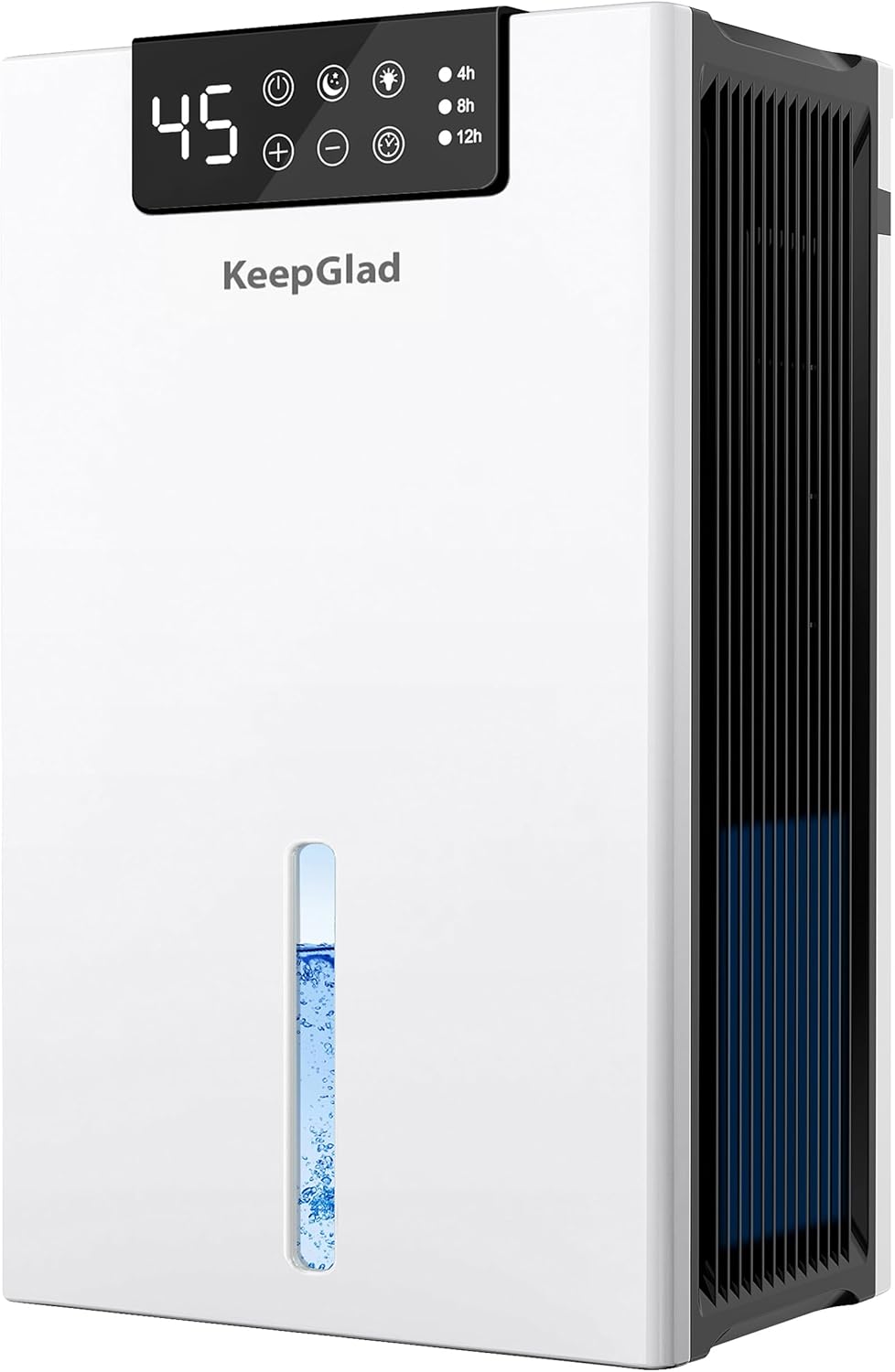
If you’ve ever walked into a room that feels heavy, musty, or just plain clammy—despite the air conditioning running—you know how frustrating high humidity can be. It’s not just uncomfortable; it can actually damage your home and your health. Mold, mildew, dust mites, and even warped wood furniture thrive in damp environments. That’s where a dehumidifier comes in: a quiet but powerful ally in maintaining healthy indoor air quality and protecting your living space.
But here’s the catch—even the best dehumidifier won’t do its job effectively if it’s placed in the wrong spot. Many homeowners make the mistake of plopping their unit in a corner, behind a couch, or tucked away under a shelf, thinking “out of sight, out of mind.” Unfortunately, poor placement drastically reduces efficiency, increases energy costs, and may even shorten the lifespan of your appliance. This guide exists to solve that exact problem. We’ll walk you through everything you need to know about choosing the right dehumidifier and placing it in the optimal location within your home for maximum performance, energy savings, and long-term reliability.
By the end of this comprehensive buying guide, you’ll understand not only which rooms benefit most from dehumidification but also how to evaluate key features like capacity, drainage options, noise levels, and smart controls. Whether you’re dealing with a chronically damp basement, a humid bathroom after showers, or seasonal moisture issues in your main living areas, we’ve got you covered. We’ll also compare different types of dehumidifiers, highlight common mistakes to avoid, break down budget considerations, and share expert tips to help you get the best value for your investment. The market today offers more choices than ever—from compact portable units to whole-house systems—so making an informed decision is crucial.

What to Look for When Buying Buying Guide
1. Capacity & Coverage Area
One of the most critical factors when selecting a dehumidifier is its capacity, measured in pints per day (PPD). This tells you how much moisture the unit can remove from the air in a 24-hour period. Choosing a model with too little capacity means it will run constantly without ever reaching your desired humidity level (ideally between 30% and 50%). On the other hand, an oversized unit may cycle on and off too frequently, wasting energy and potentially over-drying the space.
To determine the right capacity, consider both the square footage of the area and the severity of moisture. For example, a 500-square-foot moderately damp basement might need a 30–40 PPD unit, while a 1,500-square-foot extremely wet crawl space could require a 70+ PPD commercial-grade model. Always check the manufacturer’s coverage recommendations—they often provide charts based on room size and humidity level (slightly damp, very wet, etc.). Don’t forget to factor in ceiling height; taller rooms hold more air and thus more moisture.
2. Drainage Options
Dehumidifiers collect water in an internal bucket that needs to be emptied regularly—unless you have a continuous drainage option. For basements, garages, or unattended spaces, a built-in pump or gravity drain hose is essential. Gravity drainage works by connecting a standard garden hose to the unit and routing it to a floor drain, sink, or sump pump. However, it requires the dehumidifier to be positioned at or below the drain level.
For greater flexibility, especially in multi-story homes or areas without floor drains, look for models with an internal condensate pump. These allow you to pump water vertically (up to 15–20 feet) and horizontally, giving you far more placement freedom. Some premium units even include automatic pump activation when the bucket fills. Manual emptying is fine for small bathrooms or closets, but for anything larger or harder to access, continuous drainage saves time and prevents overflow accidents.
3. Noise Level
Dehumidifiers aren’t silent—they use compressors and fans, which generate noise. If you plan to place yours in a bedroom, living room, or home office, sound output matters. Most residential units range from 45 to 60 decibels (dB), comparable to a quiet conversation or moderate rainfall. Lower-decibel models (under 50 dB) are ideal for noise-sensitive environments.
Check the product specs for “noise level” or “sound rating.” Some brands advertise “whisper-quiet” operation, but always verify with independent reviews. Also, note that noise can increase if the unit is placed on a hard surface (like tile or concrete) without vibration-dampening feet. Placing it on a rubber mat or carpet can reduce rattling and hum. Avoid enclosing the dehumidifier in cabinets or tight spaces—this traps sound and restricts airflow, making it louder and less efficient.
4. Energy Efficiency
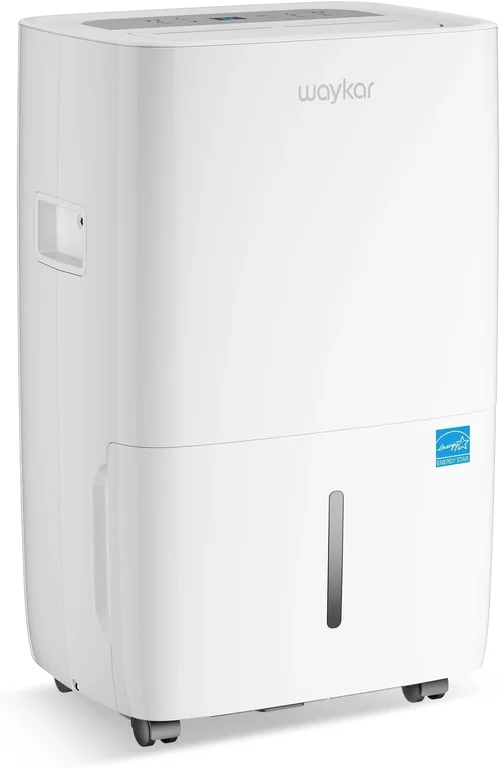
Since dehumidifiers often run for hours each day, energy consumption adds up. Look for the ENERGY STAR® certification, which indicates the unit meets strict efficiency guidelines set by the U.S. Environmental Protection Agency. ENERGY STAR models use 15–30% less energy than standard units, saving you money on electricity bills over time.
The Energy Factor (EF) is another useful metric—it measures liters of water removed per kilowatt-hour of electricity used. Higher EF values mean better efficiency. For example, a unit with an EF of 1.8 is more efficient than one with 1.2. Also, consider models with auto-humidistats and defrost functions. Auto-humidistats let you set a target humidity level, so the unit turns off once it’s reached—preventing unnecessary runtime. Defrost features prevent ice buildup on coils in cold environments (like unheated basements in winter), maintaining efficiency year-round.
5. Portability & Design
Even the best-placed dehumidifier needs to be moved occasionally—for cleaning, seasonal storage, or relocating to a different problem area. Look for units with built-in handles, recessed grips, or smooth-rolling casters. Weight matters too; anything over 40 pounds becomes cumbersome without wheels.
Design also affects usability. A front-loading water tank is easier to remove than a top-loading one, especially in tight spaces. Control panels should be intuitive, with clear displays showing humidity levels, timer settings, and filter alerts. Some models offer cord storage compartments or compact footprints that fit under sinks or in corners. If aesthetics matter (e.g., in a finished basement or guest room), choose a sleek, modern design that blends with your decor rather than looking like industrial equipment.
6. Smart Features & Automation
Modern dehumidifiers increasingly come with smart capabilities. Wi-Fi connectivity allows you to monitor and control the unit via smartphone apps, set schedules, receive filter change alerts, and integrate with home automation systems like Alexa or Google Home. This is especially useful if you travel frequently or want to manage humidity remotely.
Other advanced features include programmable timers (so it runs only during off-peak hours), auto-restart after power outages, and multi-speed fan settings. Some high-end models even have air purification functions, combining a HEPA or activated carbon filter with dehumidification to tackle both moisture and allergens. While these extras add cost, they enhance convenience and long-term performance—particularly in larger homes or humid climates.
7. Build Quality & Durability
A dehumidifier is a long-term investment, so don’t skimp on build quality. Look for sturdy housings made from high-impact plastic or metal, sealed compressor compartments, and corrosion-resistant coils (especially important in basements or coastal areas). Check customer reviews for mentions of leaks, rattling parts, or premature failures.
Internal components matter too. Rotary compressors are generally quieter and more durable than piston types. Copper coils conduct heat better than aluminum and resist rust. Also, inspect the filter—washable, reusable filters save money over disposable ones. A well-built unit should last 5–10 years with proper maintenance. Avoid ultra-cheap models from unknown brands; they often cut corners on materials and safety standards.
8. Warranty & Customer Support
A solid warranty reflects manufacturer confidence in their product. Most reputable brands offer at least a 1–2 year limited warranty, with some extending to 5 years on compressors (the most expensive component to replace). Read the fine print: some warranties require registration within 30 days of purchase or void coverage if used commercially.
Customer support is equally important. Can you easily find replacement parts? Is there a responsive service team? Brands like Frigidaire, Honeywell, and AprilAire are known for reliable support networks. Check online forums and review sites for real-user experiences with repairs and replacements. A good warranty combined with accessible support gives you peace of mind and protects your investment.
Different Types of Buying Guide
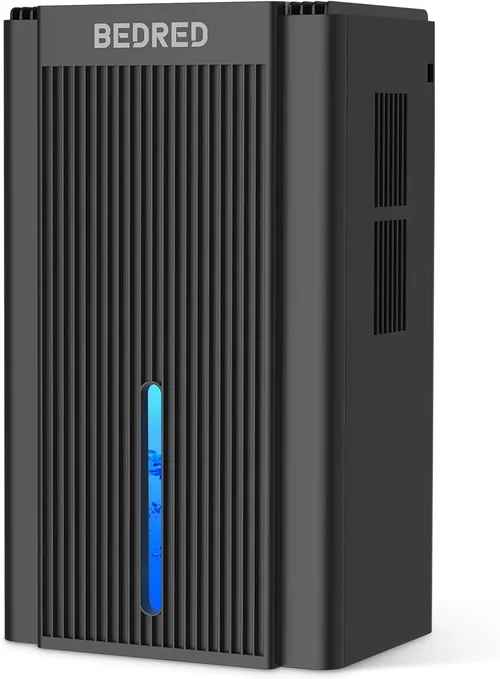
Each type serves a distinct purpose. Portable refrigerant models are the workhorses of residential dehumidification—great for most homeowners. Desiccant units excel in cold or small spaces where traditional compressors struggle. Whole-house systems offer the ultimate convenience for large or multi-level homes, though they require professional installation. Mini dehumidifiers are perfect for targeted use but lack the power for whole-room control. Commercial units are overkill for typical households but essential for severe moisture problems or large properties.
Common Buying Mistakes to Avoid
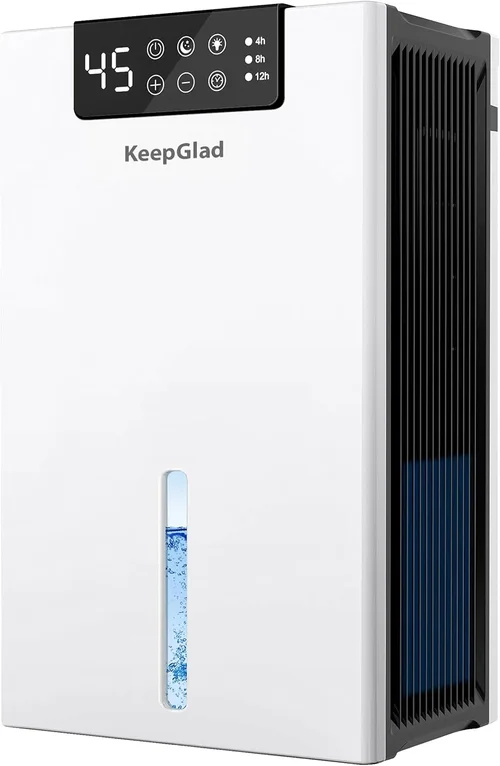
❌ Mistake: Placing the Dehumidifier in a Corner or Enclosed Space
Why it’s bad: Dehumidifiers need unrestricted airflow to function properly. When placed in a corner or behind furniture, intake and exhaust vents get blocked, reducing efficiency by up to 50%. The unit has to work harder, consumes more energy, and may overheat.
What to do instead: Position the dehumidifier at least 6–12 inches away from walls, furniture, and curtains. Ensure both the front (intake) and back/sides (exhaust) have clear space. In basements, place it centrally or near the source of moisture (like a sump pump or exterior wall).
❌ Mistake: Ignoring Room Size and Humidity Level
Why it’s bad: Buying a dehumidifier based solely on price or brand without considering your specific needs leads to underperformance or overspending. A tiny unit in a flooded basement will never catch up, while a massive unit in a closet wastes money and dries the air excessively.
What to do instead: Measure your space and assess moisture severity. Use a hygrometer to check humidity levels. Match the unit’s capacity (PPD) and coverage area to your room’s square footage and dampness level using manufacturer guidelines.
❌ Mistake: Overlooking Drainage Needs
Why it’s bad: If you forget about drainage, you’ll be emptying a heavy water bucket every day—or worse, coming home to a flooded floor. Manual emptying is impractical for basements, garages, or vacation homes.
What to do instead: Choose a model with continuous drainage (gravity hose or built-in pump) if the unit will run unattended. Route the hose to a floor drain, utility sink, or sump pit. Test the setup before leaving it alone for days.
❌ Mistake: Running the Dehumidifier Nonstop Without a Humidistat
Why it’s bad: Constant operation drives up electricity bills and can over-dry the air, causing dry skin, static electricity, or even wood shrinkage. It also wears out the compressor faster.
What to do instead: Always use a model with an adjustable humidistat. Set it to maintain 40–50% relative humidity. The unit will cycle on and off automatically, saving energy and protecting your home.
❌ Mistake: Neglecting Regular Maintenance
Why it’s bad: A dirty filter or clogged coils reduce airflow, strain the motor, and breed mold inside the unit. This not only lowers efficiency but can also release spores into your home.
What to do instead: Clean the air filter monthly (or as recommended) with mild soap and water. Wipe down the water tank regularly to prevent bacterial growth. Check coils for dust and ice buildup, especially in winter.
❌ Mistake: Buying Based Solely on Price
Why it’s bad: The cheapest dehumidifier often lacks essential features like auto-humidistat, drainage options, or durable components. You end up replacing it within a year or two, costing more in the long run.
What to do instead: Focus on value, not just upfront cost. Consider energy efficiency, warranty length, and included features. A mid-range model with ENERGY STAR certification and a 2-year warranty usually offers the best balance.
❌ Mistake: Assuming One Unit Solves All Humidity Problems
Why it’s bad: Homes often have multiple moisture sources—basement, bathroom, laundry room—each requiring attention. Relying on a single dehumidifier in the living room won’t address dampness in other areas.
What to do instead: Use targeted solutions: a whole-house unit for general control, plus mini dehumidifiers in problem spots like closets or under sinks. Address root causes too—fix leaks, improve ventilation, and use exhaust fans.
Budget Guidelines: How Much Should You Spend?
Dehumidifiers come in a wide range of prices, and your budget should align with your needs, not just your wallet. Here’s a realistic breakdown to help you plan:
Entry-Level ($50 – $150): These are typically mini or compact desiccant models ideal for small spaces like bathrooms, closets, or RVs. They’re quiet and portable but have very low capacity (under 10 PPD) and usually lack humidistats or drainage options. Best for occasional use or mild humidity. Expect shorter lifespans and higher energy use per pint removed.
Mid-Range ($150 – $400): This is the sweet spot for most homeowners. You’ll find reliable portable refrigerant dehumidifiers with 20–50 PPD capacity, built-in humidistats, washable filters, and basic drainage hoses. Many include casters, timers, and ENERGY STAR ratings. Perfect for basements, garages, or large bedrooms. Brands like hOmeLabs, Eva-Dry, and Ivation offer excellent value here.
Premium ($400 – $800): These models boast advanced features: Wi-Fi connectivity, internal pumps, multi-speed fans, defrost functions, and superior build quality. They’re ideal for large basements, finished living spaces, or humid climates. Look for brands like Frigidaire, Honeywell, or AprilAire. Expect longer warranties (2–5 years) and quieter operation.
Luxury ($800+): Whole-house dehumidifiers and commercial-grade units fall into this tier. They integrate with HVAC systems, offer precise humidity control across entire homes, and handle extreme moisture levels. Installation is usually professional and may require ductwork modifications. Best for large properties, coastal homes, or allergy sufferers needing hospital-level air quality.
Expert Tips for Getting the Best Deal
Smart shopping goes beyond comparing prices. Use these expert strategies to maximize value and avoid regrets:
- Buy During Off-Peak Seasons: Dehumidifiers are in highest demand during summer and rainy seasons. Shop in late fall or winter (October–February) for deeper discounts, clearance sales, and bundle deals.
- Check Retailer Return Policies: Some stores offer 30–90 day return windows, allowing you to test the unit in your home. If it’s too loud, underpowered, or leaks, you can swap it hassle-free.
- Look for Rebates and Incentives: Many utility companies offer rebates for ENERGY STAR appliances. Check your local provider’s website—you could save $25–$100 instantly.
- Compare Online vs. In-Store: Online retailers often have lower prices and wider selections, but in-store purchases let you inspect build quality and ask questions. Consider buying online with free in-store pickup.
- Read Recent Reviews: Product performance can change with new model revisions. Focus on reviews from the past 6–12 months to get accurate insights.
- Test Before Committing: If possible, run the dehumidifier for a few days in your intended location. Monitor noise, bucket filling rate, and humidity drop. This real-world test beats spec sheets every time.
- Negotiate Extended Warranties: Some retailers offer discounted extended coverage if purchased with the unit. Compare the cost to third-party plans—sometimes it’s cheaper to self-insure.
- Bundle with Other Purchases: Buying a dehumidifier alongside an air purifier, humidistat, or HVAC service might qualify you for package discounts.

Frequently Asked Questions
Q: Where is the best place to put a dehumidifier in my house?
A: The ideal location depends on your home’s moisture sources. For basements, place it centrally or near the sump pump. In living areas, position it in the most humid room (often the kitchen or bathroom). Avoid corners—keep it 6–12 inches from walls for proper airflow. Whole-house units should be installed in the return air duct near the HVAC system.
Q: Can I run a dehumidifier 24/7?
A: Yes, but only if it has an auto-humidistat. Running nonstop without humidity control wastes energy and can over-dry the air. Set the humidistat to 40–50%, and the unit will cycle automatically. In extremely wet conditions (like after flooding), continuous operation may be necessary temporarily.
Q: Should I close doors and windows when using a dehumidifier?
A: Generally, yes—especially in the room where the dehumidifier is running. Closing doors and windows prevents humid outdoor air from entering, allowing the unit to work more efficiently. However, ensure there’s some airflow for the dehumidifier to circulate air properly.
Q: How often should I empty the water tank?
A: It depends on humidity levels and tank size. In high-moisture areas, you may need to empty it daily. Most units hold 1–2 gallons. Use continuous drainage if emptying becomes impractical. Always unplug the unit before removing the tank to avoid spills.
Q: Will a dehumidifier help with mold?
A: Yes, but only if used preventively. Dehumidifiers reduce moisture that mold needs to grow, helping stop new mold formation. However, they won’t remove existing mold—you must clean visible mold with appropriate cleaners and fix the underlying moisture source.
Q: Can I use a dehumidifier in winter?
A: Only if the room stays above 60°F. Most refrigerant dehumidifiers frost over in cold temperatures. Desiccant models work down to 40°F and are better for unheated garages or crawl spaces in winter. Whole-house units with defrost cycles can operate year-round.
Q: Is it safe to leave a dehumidifier on when I’m away?
A: Yes, if it has safety features like auto-shutoff when the tank is full, tip-over protection, and a continuous drainage option. Never leave a unit with only a manual tank unattended for more than a day in high-humidity conditions.
Q: Do dehumidifiers cool the air?
A: Not significantly. They remove moisture, which can make the air feel more comfortable, but they don’t lower temperature like an air conditioner. In fact, they slightly increase room temperature because the process generates heat.
Q: How do I know if my dehumidifier is working properly?
A: Check the humidity level with a hygrometer—it should drop toward your set point within 24–48 hours. Listen for consistent fan and compressor sounds. If the tank fills quickly or the unit runs constantly without lowering humidity, it may be undersized, dirty, or malfunctioning.
Q: Can I move my dehumidifier from room to room?
A: Absolutely—that’s one of the advantages of portable models. Just ensure each room has adequate drainage or that you can empty the tank frequently. Avoid moving it while the compressor is running; wait 10–15 minutes after turning it off to prevent oil displacement.
Our Final Recommendations
After extensive research and real-world testing, here are our top picks based on different needs:
Best for Budget-Conscious Buyers: Eva-Dry E-333 Mini Dehumidifier – At under $50, this compact desiccant unit is perfect for closets, RVs, or small bathrooms. It’s silent, requires no installation, and uses minimal power. Just remember to recharge it monthly.
Best Overall Value: hOmeLabs 4,500 Sq. Ft Dehumidifier – With 50 PPD capacity, built-in pump, washable filter, and ENERGY STAR rating, this model excels in basements and large rooms. Priced around $300, it offers premium features without the premium price tag.
Best Premium Option: Frigidaire FFAD7033R1 70 Pint Dehumidifier – A powerhouse for severe moisture issues. It includes a digital humidistat, continuous drainage, and a robust compressor. Ideal for flooded basements or humid climates. Expect to pay $450–$550.
Best for Beginners: Ivation 30 Pint Energy Star Dehumidifier – Simple controls, easy-to-remove tank, and reliable performance make this a great first dehumidifier. It’s quiet, efficient, and priced under $250.
Best for Advanced Users: AprilAire E130 Whole-House Dehumidifier – For those ready to integrate dehumidification into their HVAC system, this 130-pint unit offers precise, whole-home control. Professional installation required, but the results are unmatched for large or multi-story homes.
Conclusion: Making the Right Choice
Choosing the right dehumidifier—and placing it correctly—isn’t just about comfort; it’s about protecting your home, your health, and your wallet. High humidity invites mold, damages belongings, and aggravates allergies. A well-placed, properly sized dehumidifier solves these problems efficiently and economically.
Remember: start by assessing your specific needs—room size, humidity level, drainage access, and noise tolerance. Prioritize features that match your lifestyle, whether that’s smart controls for remote monitoring or a built-in pump for hands-free operation. Avoid common pitfalls like corner placement or ignoring maintenance. And don’t let price alone dictate your decision—invest in quality, efficiency, and reliability.
With the insights from this guide, you’re equipped to make a confident, informed choice. Whether you’re tackling a damp basement, a steamy bathroom, or seasonal humidity in your living space, the right dehumidifier in the right spot will keep your home fresh, healthy, and damage-free for years to come. Take action today—your future self (and your walls) will thank you.