
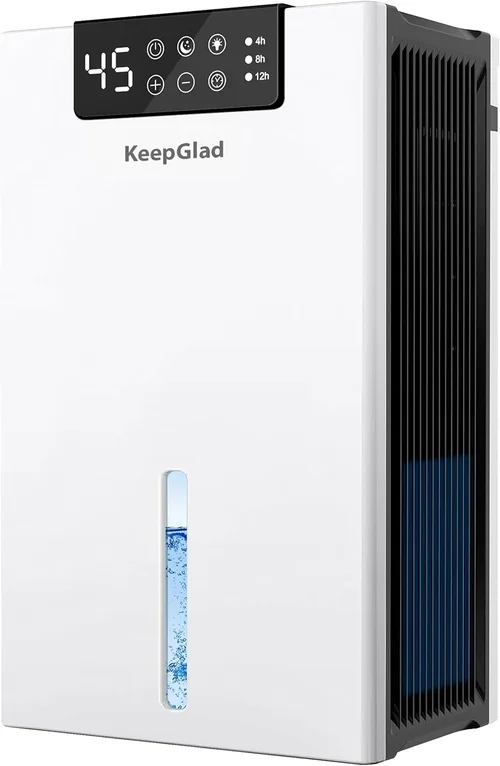
When it comes to maintaining a healthy, comfortable, and energy-efficient home, few appliances are as overlooked—and yet as impactful—as the humble dehumidifier. Whether you’re battling persistent musty odors in your basement, noticing condensation on windows during winter, or dealing with allergy flare-ups triggered by indoor mold and dust mites, the right dehumidifier can make a world of difference. But here’s the catch: even the most advanced, high-capacity dehumidifier won’t perform optimally if it’s placed in the wrong spot. That’s why understanding where to place your dehumidifier is just as important as which model you choose.
This comprehensive guide is designed for homeowners, renters, and property managers who want to maximize the effectiveness of their dehumidifier investment. Whether you’re dealing with a damp crawl space, a humid bathroom, or a full-house humidity issue, we’ll walk you through every critical factor—from performance specs and room layout to airflow dynamics and seasonal considerations. You’ll learn not only where to place your unit but also why certain locations work better than others, how to avoid common placement pitfalls, and how to tailor your strategy based on your home’s unique layout and climate. By the end of this guide, you’ll have the expert-level knowledge needed to make an informed decision that improves indoor air quality, protects your home’s structure, and saves you money on energy bills.
The dehumidifier market has evolved significantly in recent years, with innovations in smart controls, energy efficiency, and compact designs making these devices more accessible and effective than ever. From compact 20-pint units ideal for small bathrooms to powerful whole-home systems capable of handling 70+ pints per day, there’s a solution for nearly every need and budget. However, the abundance of options can also lead to confusion—especially when it comes to placement. Many buyers assume that simply plugging in the unit in the most humid room is enough, but optimal performance depends on a combination of airflow, accessibility, noise tolerance, and integration with your home’s HVAC system. This guide cuts through the noise, offering practical, science-backed advice to help you get the most out of your dehumidifier, no matter where you live or what kind of space you’re treating.
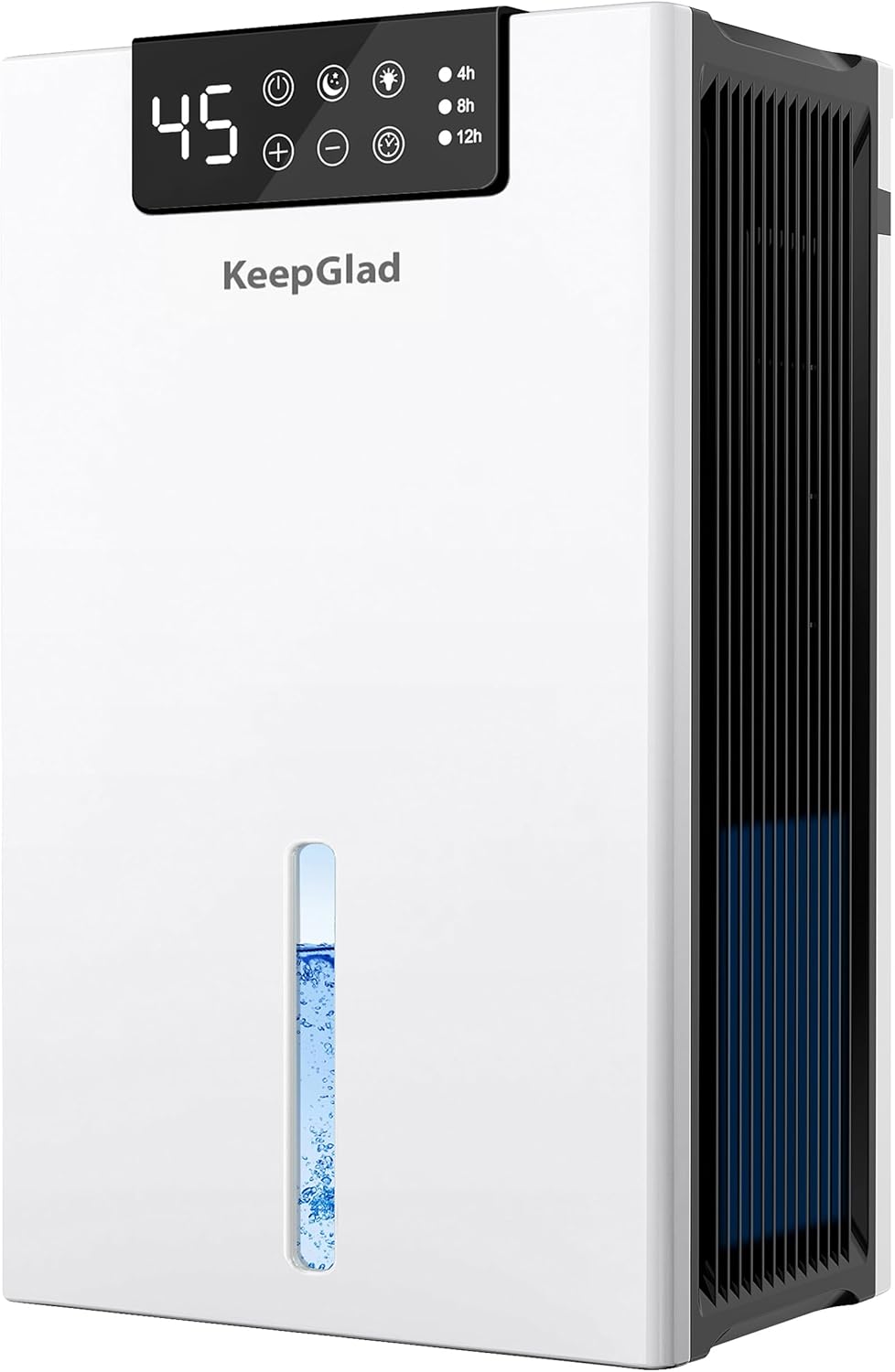
What to Look for When Buying Buying Guide
1. Budget & Price Range
Your budget will significantly influence both the type of dehumidifier you can afford and where you’re able to place it effectively. Entry-level portable units typically range from $100 to $200 and are ideal for small spaces like bathrooms, closets, or single rooms. These models are lightweight, easy to move, and often come with basic humidity controls. Mid-range units ($200–$400) offer better build quality, larger water tanks, and more precise humidity sensors, making them suitable for basements or larger living areas. Premium models ($400–$700) often include features like auto-defrost, built-in pumps, and smart connectivity, while whole-home dehumidifiers can cost $1,000 or more and require professional installation.
When considering budget, it’s important to think beyond the initial purchase price. Energy efficiency, maintenance costs (like filter replacements), and long-term durability all factor into the total cost of ownership. A cheaper unit that consumes more electricity or needs frequent repairs may end up costing more over time. Additionally, if you plan to use the dehumidifier in multiple locations—such as moving it from the basement in summer to the bedroom in winter—you’ll want a model that’s easy to transport, which may justify a higher upfront cost.
2. Performance Specifications
The performance of a dehumidifier is measured primarily by its pint capacity—the amount of moisture it can remove from the air in 24 hours under standard conditions (usually 60% relative humidity at 80°F). For small spaces under 500 square feet, a 20–30 pint unit is usually sufficient. Medium-sized areas like basements (500–1,500 sq ft) typically require 30–50 pint models, while large or extremely damp spaces may need 50+ pint units. However, capacity alone isn’t the whole story. You should also consider the unit’s coverage area, energy efficiency (look for ENERGY STAR certification), and operating temperature range.
For example, many portable dehumidifiers struggle in cold environments—below 65°F—because the coils can freeze, reducing efficiency or causing the unit to shut down. If you’re placing the dehumidifier in an unheated basement or garage, look for a model with auto-defrost functionality. Similarly, high-efficiency units with low wattage consumption can save you money on electricity, especially if the dehumidifier runs continuously. Always check the manufacturer’s specifications for both capacity and energy use (measured in liters per kilowatt-hour or L/kWh) to ensure you’re getting the best performance for your needs.
3. Build Quality & Durability
A dehumidifier is a long-term investment, so build quality matters. Look for units with sturdy casings, corrosion-resistant components (especially important in damp environments), and reliable compressors. Metal housings tend to last longer than plastic ones, though they may be heavier. Check the quality of the water tank—larger tanks (6–8 liters) reduce the frequency of emptying, but they should also have secure lids and easy-grip handles. Units with built-in pumps allow for continuous drainage, which is essential if you’re placing the dehumidifier in a location without easy access to a sink or floor drain.
Durability also extends to internal components. High-quality filters (like washable or HEPA-grade) improve air quality and reduce maintenance. Sealed bearings and robust fan motors contribute to quieter operation and longer lifespan. If you’re placing the dehumidifier in a high-traffic area or a space where it might be bumped or moved frequently, consider models with reinforced corners or protective bumpers. Reading user reviews can provide valuable insights into real-world durability, especially regarding issues like tank leaks, compressor failure, or sensor inaccuracies.
4. Features & Functionality
Modern dehumidifiers come with a range of features that can significantly impact usability and placement flexibility. Auto-humidistats allow the unit to maintain a set humidity level (typically between 30% and 80%) and turn on/off as needed, which is ideal for unattended operation in basements or vacation homes. Built-in timers let you schedule operation during off-peak hours or when you’re away. Some models include remote controls or smartphone apps for monitoring and adjusting settings from another room.
Other useful features include continuous drainage options (via hose connection), washable air filters, quiet operation modes (under 50 decibels), and frost sensors for cold-weather use. If you’re placing the dehumidifier in a bedroom or living area, noise level becomes a critical factor—look for units labeled as “quiet” or “low-noise.” For whole-home systems, integration with your HVAC system via a ducted setup allows for centralized control and even distribution of dehumidified air. Always consider how these features align with your intended placement and usage patterns.
5. Brand Reputation
Choosing a reputable brand can save you headaches down the line. Established manufacturers like Frigidaire, GE, Honeywell, and AprilAire have decades of experience in climate control and typically offer better customer support, more reliable components, and longer warranties. Lesser-known brands may offer lower prices, but they often lack the same level of quality control or after-sales service. Researching brand reputation involves more than just reading marketing materials—look for consistent positive feedback across multiple review platforms, check for recalls or common complaints, and verify warranty terms.
Reputable brands also tend to provide clearer installation guides and placement recommendations, which can be especially helpful if you’re unsure where to put your dehumidifier. They’re also more likely to offer replacement parts and service centers, which is important if you’re placing the unit in a hard-to-reach location like a crawl space or attic. While brand loyalty shouldn’t override performance needs, it’s a valuable indicator of long-term reliability and support.
6. Warranty & Support
A strong warranty is a sign of manufacturer confidence in their product. Most dehumidifiers come with a 1- to 2-year limited warranty, but some premium models offer up to 5 years of coverage, especially on compressors and sealed systems. Pay attention to what’s covered—some warranties exclude labor costs or damage from improper installation. If you’re placing the dehumidifier in a challenging environment (like a damp basement or uninsulated garage), a longer warranty can provide peace of mind.
Customer support is equally important. Can you easily reach a technician if the unit malfunctions? Are replacement filters and parts readily available? Some brands offer extended service plans or on-site repair options, which can be invaluable if your dehumidifier is installed in a difficult location. Before purchasing, check the manufacturer’s website for support resources, user manuals, and FAQs. A responsive support team can make a big difference if you encounter issues related to placement, drainage, or performance.
7. Size & Portability
The physical dimensions and weight of a dehumidifier directly affect where you can place it and how easily you can move it. Compact units (under 30 pounds) are ideal for small spaces or multi-room use, while larger models (50+ pounds) are better suited for fixed installations. Consider the unit’s footprint—will it fit comfortably in the corner of your basement without blocking walkways or vents? Does it have built-in handles or wheels for easier transport?
Portability is especially important if you plan to use the dehumidifier in different areas throughout the year. For example, you might place it in the basement during summer and move it to the bedroom in winter. Units with caster wheels and telescoping handles are much easier to maneuver. However, if the dehumidifier will remain in one location (like a crawl space or attic), size and portability become less critical, and you can prioritize capacity and durability instead.
8. User Reviews & Ratings
User reviews offer real-world insights that specs sheets can’t provide. Look for patterns in feedback—do multiple users report issues with noise, tank leaks, or sensor accuracy? Are there common complaints about placement challenges, such as poor airflow or difficulty accessing the water tank? Pay attention to reviews from people with similar home layouts or climate conditions as yours.
Ratings on trusted platforms like Amazon, Home Depot, or Consumer Reports can help you narrow down your options. However, be cautious of overly positive or negative reviews that seem biased or fake. Focus on detailed reviews that discuss specific use cases, such as “used in a 1,200 sq ft basement with concrete walls” or “placed near a washing machine in a laundry room.” These anecdotes can help you anticipate how the unit will perform in your intended location.
Different Types of Buying Guide

Common Buying Mistakes to Avoid
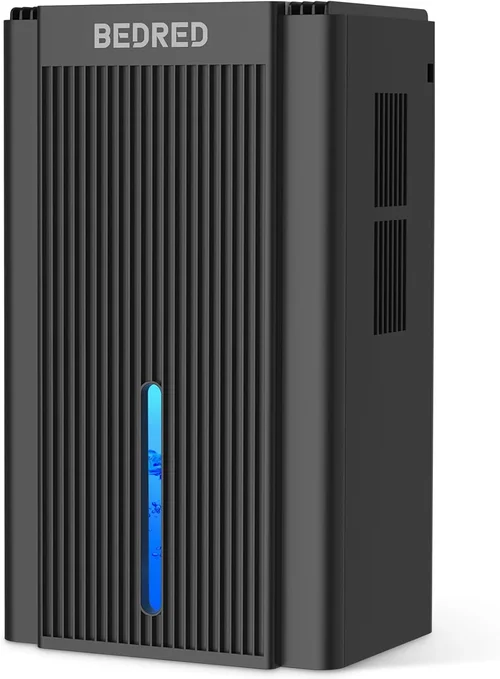
❌ Mistake: Placing the Dehumidifier in a Corner or Against a Wall
Why it’s bad: Dehumidifiers rely on proper airflow to function efficiently. When placed too close to walls or furniture, the intake and exhaust vents can become blocked, reducing air circulation and causing the unit to work harder. This not only decreases performance but can also lead to overheating and premature wear on the compressor.
What to do instead: Always leave at least 6–12 inches of clearance around all sides of the dehumidifier, especially near the air intake and exhaust. If possible, place the unit in an open area or near the center of the room to allow for even air distribution.
❌ Mistake: Ignoring Drainage Options
Why it’s bad: Many dehumidifiers require frequent manual emptying of the water tank, which can be inconvenient—especially if the unit is placed in a basement or crawl space. If the tank overflows, it can cause water damage or trigger an automatic shutoff, leaving the space untreated.
What to do instead: Choose a model with a built-in pump or continuous drainage hose. If placing the dehumidifier near a floor drain, sink, or sump pump, connect a hose for automatic water removal. This is especially important for 24/7 operation in high-humidity areas.
❌ Mistake: Using a Unit Too Small for the Space
Why it’s bad: An undersized dehumidifier will run constantly, struggle to reduce humidity, and may never reach the desired moisture level. This leads to wasted energy, increased wear, and poor air quality.
What to do instead: Calculate the square footage of the area and match it to the unit’s capacity. Use the manufacturer’s coverage guidelines, and consider factors like ceiling height, insulation, and external moisture sources (e.g., leaks, poor ventilation).
❌ Mistake: Placing the Unit Near Moisture Sources Without Addressing the Root Cause
Why it’s bad: While a dehumidifier can help manage humidity, it’s not a fix for structural issues like leaks, poor ventilation, or inadequate insulation. Placing the unit near a damp wall or leaking pipe without repairing the source will result in continuous high humidity and potential mold growth.
What to do instead: Identify and repair any leaks, improve ventilation (e.g., install exhaust fans in bathrooms), and ensure proper grading around the foundation. Use the dehumidifier as a supplement, not a substitute, for good home maintenance.
❌ Mistake: Neglecting Noise Levels in Living Spaces
Why it’s bad: Dehumidifiers can be noisy, especially compressor-based models. Placing a loud unit in a bedroom, home office, or living room can disrupt sleep, concentration, or relaxation.
What to do instead: Check the decibel rating (dB) before purchasing. Choose a model with a “quiet” or “low-noise” mode if placing it in a frequently used area. Alternatively, place the unit in a remote location like a basement or utility room and use ducting to distribute dehumidified air.
❌ Mistake: Forgetting About Accessibility for Maintenance
Why it’s bad: Filters need regular cleaning, water tanks require emptying, and coils may need inspection. If the dehumidifier is placed in a cramped or hard-to-reach spot, maintenance becomes a chore—and may be skipped, reducing efficiency and lifespan.
What to do instead: Ensure the unit is easily accessible for routine care. Leave enough space to open panels, remove the tank, and clean filters. If placing it in a crawl space or attic, consider a model with remote monitoring or a built-in pump to minimize access needs.
❌ Mistake: Not Considering Seasonal Humidity Changes
Why it’s bad: Humidity levels fluctuate with the seasons. A unit that works well in summer may be unnecessary or inefficient in winter. Placing it in the same location year-round without adjustment can lead to over-drying or wasted energy.
What to do instead: Use a hygrometer to monitor indoor humidity and adjust the dehumidifier’s settings or location accordingly. In winter, you may need to move it to a different room or reduce its runtime to avoid excessively dry air.
Budget Guidelines: How Much Should You Spend?
Entry-Level ($100–$200): These budget-friendly portable dehumidifiers are ideal for small spaces like bathrooms, closets, or single rooms under 500 square feet. Expect basic controls, smaller water tanks (2–4 liters), and limited features. While they may lack advanced functions like auto-humidistats or pumps, they’re a great starting point for mild humidity issues. Look for ENERGY STAR models to keep operating costs low.
Mid-Range ($200–$400): This is the sweet spot for most homeowners. These units offer better build quality, larger tanks (5–8 liters), and more precise humidity control. Many include features like timers, washable filters, and continuous drainage options. They’re suitable for basements, garages, and larger living areas. Investing in this range ensures reliable performance and longer lifespan without breaking the bank.
Premium ($400–$700): Designed for serious humidity problems, premium models often include smart features like Wi-Fi connectivity, remote sensors, and advanced defrost systems. They’re built for heavy-duty use in large basements, crawl spaces, or multi-room applications. If you’re dealing with persistent mold, musty odors, or high humidity year-round, this tier offers the best balance of power and convenience.
Luxury ($700+): Whole-home dehumidifiers and high-end commercial-grade units fall into this category. They’re typically installed by professionals and integrate with your HVAC system for whole-house climate control. Ideal for large homes in humid climates, these systems offer centralized monitoring, ultra-quiet operation, and exceptional efficiency. While the upfront cost is high, they provide unmatched comfort and air quality.
Expert Tips for Getting the Best Deal
1. Buy During Off-Season Sales: Dehumidifiers are most in demand during summer, so prices tend to drop in fall and winter. Look for end-of-season clearance sales at major retailers like Home Depot, Lowe’s, or Amazon. You can often save 20–30% by purchasing between October and March.
2. Compare Online and In-Store Prices: Online retailers frequently offer lower prices and exclusive deals, but don’t overlook in-store promotions. Some stores match online prices or offer free delivery and installation. Check both options before deciding.
3. Look for Bundled Offers: Some manufacturers bundle dehumidifiers with air purifiers, filters, or extended warranties. These packages can offer significant savings compared to buying items separately.
4. Check for Rebates and Incentives: Utility companies and government programs sometimes offer rebates for ENERGY STAR-certified dehumidifiers. Visit the ENERGY STAR website or contact your local utility provider to see if you qualify.
5. Read the Fine Print on Warranties: A longer warranty isn’t always better if it excludes key components. Make sure the compressor, sealed system, and electrical parts are covered. Avoid extended warranties with high markups—often, the manufacturer’s standard warranty is sufficient.
6. Test Before Committing: If possible, test the dehumidifier in your intended location for a few days. Many retailers offer 30-day return policies. Use this time to check noise levels, drainage, and humidity control.
7. Consider Refurbished or Open-Box Models: Certified refurbished units from reputable sellers often come with warranties and can save you 20–40% off the retail price. Just ensure they’ve been inspected and tested.
8. Plan for Installation Costs: Whole-home systems require professional installation, which can add $300–$800 to the total cost. Get multiple quotes and factor this into your budget before purchasing.

Frequently Asked Questions
Q: Where is the best place to put a dehumidifier in a basement?
A: The ideal location in a basement is near the center or in the most humid area, such as near a sump pump, water heater, or exterior wall. Avoid corners and ensure at least 6–12 inches of clearance around the unit for proper airflow. If the basement has a floor drain, place the dehumidifier nearby and use a hose for continuous drainage.
Q: Can I put a dehumidifier in a closet?
A: Yes, but only if the closet is well-ventilated and the dehumidifier has adequate airflow. Use a compact or mini model designed for small spaces. Avoid enclosing the unit completely, as this can cause overheating and reduce efficiency.
Q: Should I run the dehumidifier all the time?
A: It depends on the humidity level and your goals. For continuous moisture control, especially in basements or crawl spaces, running it 24/7 is often necessary. Use a humidistat to maintain 30–50% relative humidity and prevent over-drying.
Q: How far should a dehumidifier be from a wall?
A: Leave at least 6–12 inches of space between the dehumidifier and any wall, furniture, or obstacle. This ensures proper air intake and exhaust, preventing reduced performance and potential overheating.
Q: Can I place a dehumidifier on carpet?
A: Yes, but use a mat or platform to prevent moisture from being drawn up from the carpet. Avoid placing it directly on wet or damp carpet, as this can reduce efficiency and promote mold growth.
Q: Is it okay to put a dehumidifier in a bathroom?
A: Only if the bathroom is well-ventilated and the unit is rated for high-moisture environments. Never place it near water sources like showers or sinks. Use a compact model and ensure the exhaust vent isn’t blocked by towels or curtains.
Q: How do I know if my dehumidifier is working properly?
A: Check the humidity level with a hygrometer. If it’s not dropping, inspect the air filter, ensure proper placement, and verify that the room is sealed (doors/windows closed). Listen for unusual noises or check for ice buildup on coils in cold environments.
Q: Can I use a dehumidifier in an unheated garage?
A: Only if the unit is rated for low-temperature operation (below 65°F). Desiccant dehumidifiers work best in cold spaces, while compressor-based models may freeze. Look for auto-defrost features if using in a garage or crawl space.
Q: Should I close doors and windows when using a dehumidifier?
A: Yes, for best results. Closing doors and windows helps contain the humid air and allows the dehumidifier to work more efficiently. Open windows can introduce new moisture, reducing effectiveness.
Q: How often should I clean the filter?
A: Clean the air filter every 2–4 weeks, or more often in dusty or high-moisture environments. A clogged filter restricts airflow and reduces performance. Most filters are washable—rinse with water and let dry before reinserting.
Our Final Recommendations
Best for Budget-Conscious Buyers: Frigidaire FFAD5033W1 – A reliable 50-pint portable dehumidifier with a large tank, washable filter, and continuous drainage option. Priced under $300, it’s ideal for basements and offers excellent value for the price.
Best Overall Value: hOmeLabs 50 Pint Dehumidifier – Combines powerful moisture removal, smart controls, and quiet operation. With a built-in pump and app connectivity, it’s perfect for medium to large spaces and offers premium features at a mid-range price.
Best Premium Option: AprilAire E080 – A whole-home dehumidifier designed for integration with HVAC systems. It covers up to 4,000 square feet, operates quietly, and includes a 5-year warranty. Ideal for large homes in humid climates.
Best for Beginners: Eva-Dry EDV-1100 – A compact, no-frills dehumidifier perfect for small spaces like closets or RVs. Easy to use, energy-efficient, and affordable, it’s a great entry point for first-time buyers.
Best for Advanced Users: AlorAir Sentinel HDi90 – A commercial-grade dehumidifier with a built-in pump, remote monitoring, and rugged construction. Designed for crawl spaces and basements, it’s built to handle extreme conditions and continuous operation.
Conclusion: Making the Right Choice
Choosing the best place to put a dehumidifier isn’t just about convenience—it’s about maximizing performance, protecting your home, and ensuring long-term value. From understanding your home’s unique humidity challenges to selecting the right type and size of unit, every decision plays a role in achieving optimal indoor air quality. By considering factors like airflow, drainage, noise, and accessibility, you can avoid common pitfalls and create a healthier, more comfortable living environment.
Remember, the most effective dehumidifier is one that’s properly placed and consistently maintained. Whether you’re tackling a damp basement, a musty closet, or whole-house humidity, the right placement strategy can make all the difference. Use this guide as your roadmap, prioritize your specific needs, and don’t hesitate to invest in quality—your home and your health will thank you. Start today, and breathe easier tomorrow.