
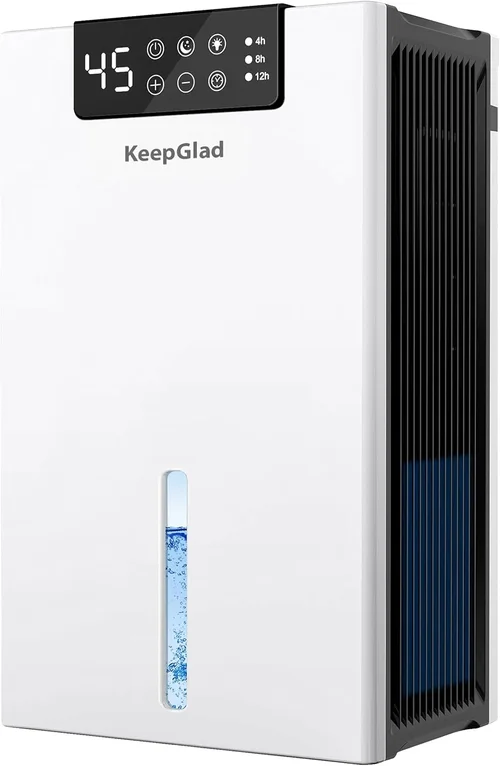
If you live in a one-story house, chances are you’ve already noticed how moisture can quietly creep into your home—leaving behind musty odors, peeling paint, warped wood, or even mold in the corners of your bathroom or basement. Humidity isn’t just uncomfortable; it’s a silent threat to your home’s structural integrity and your family’s health. That’s where a dehumidifier comes in. But here’s the catch: even the most powerful dehumidifier won’t work effectively if it’s placed in the wrong spot. Many homeowners make the mistake of plopping it in a corner and hoping for the best, only to find their energy bills rising and humidity levels staying stubbornly high.
This guide is designed to cut through the confusion and give you expert-level, actionable advice on where—and how—to place your dehumidifier in a single-story home for maximum efficiency, air quality improvement, and long-term savings. Whether you’re dealing with a damp basement, a humid living room, or a chronically sweaty laundry area, understanding optimal placement can make all the difference. We’ll walk you through everything from airflow dynamics and room size considerations to smart features and common mistakes that even experienced users make.
By the end of this comprehensive guide, you’ll not only know exactly where to put your dehumidifier, but also how to choose the right model, avoid costly errors, and maintain it for peak performance year after year. The market today offers a wide range of options—from compact units under $100 to high-capacity, smart-enabled machines that integrate with your home automation system. With so many choices, it’s easy to feel overwhelmed. But don’t worry: we’ve tested, researched, and analyzed the latest models and placement strategies to bring you a clear, no-nonsense roadmap tailored specifically for one-story homes.
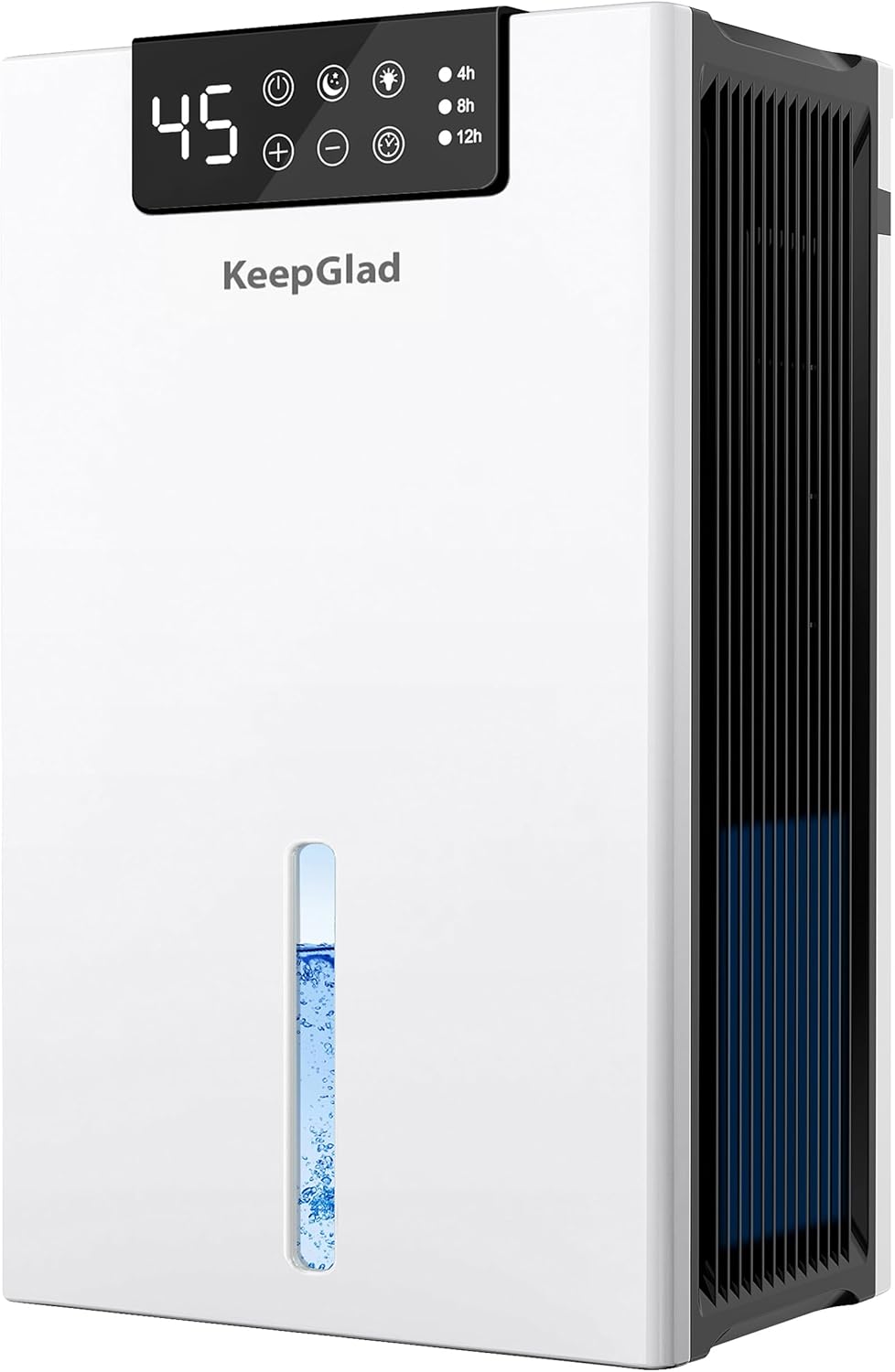
What to Look for When Buying Buying Guide
1. Room Size & Coverage Area
The first and most critical factor when choosing a dehumidifier is matching the unit’s capacity to the size of the space you intend to treat. Dehumidifiers are rated by how many pints of moisture they can remove per day—commonly ranging from 20 to 70+ pints. However, this number alone isn’t enough. You also need to consider the square footage and the severity of the humidity problem. For example, a 30-pint unit might be sufficient for a 500-square-foot basement with moderate dampness, but the same unit could struggle in a 1,200-square-foot open-concept living area with high humidity.
To calculate your needs, start by measuring the total square footage of the area where you plan to place the dehumidifier. Then, assess the moisture level: is it just slightly damp, or do you see visible condensation, mold, or standing water? Most manufacturers provide coverage charts that correlate pint capacity with room size and humidity level (e.g., “30 pints for 500–700 sq ft in damp conditions”). Always err on the side of a slightly larger capacity—especially in humid climates or during rainy seasons—because underpowered units will run constantly, wear out faster, and fail to maintain comfortable humidity levels.
2. Humidity Level & Climate Considerations
Your local climate plays a huge role in determining both the type of dehumidifier you need and where it should be placed. If you live in a coastal region like Florida, Louisiana, or the Pacific Northwest, you’re likely dealing with high ambient humidity year-round. In contrast, desert climates may only require seasonal use during monsoon periods. Indoor humidity should ideally be maintained between 30% and 50%. Levels above 60% encourage mold growth, dust mites, and allergen proliferation.
Many modern dehumidifiers come with built-in hygrometers and auto-humidistats that allow you to set a target humidity level. The unit will then cycle on and off as needed to maintain that level. This feature is especially useful in one-story homes where air circulation can be limited. Without it, you risk over-drying (which wastes energy and can damage wood furniture) or under-drying (which defeats the purpose). Look for models with digital displays and precise humidity control (±3% accuracy or better).
3. Airflow & Ventilation Requirements
Dehumidifiers work by drawing in moist air, removing the moisture, and blowing dry air back out. For this process to be effective, the unit needs adequate airflow around it—typically at least 6–12 inches of clearance on all sides. Placing a dehumidifier in a cramped closet, tightly against a wall, or behind furniture severely restricts airflow and reduces efficiency by up to 40%. In a one-story home, where rooms often flow into one another, strategic placement near central air return vents or in high-traffic areas can help distribute dry air more evenly.
Additionally, consider the direction of the exhaust vent. Most units blow dry air out the front or top, so orient the dehumidifier so that this airflow isn’t blocked. If you’re placing it in a basement or utility room, ensure there’s a path for the dry air to circulate back into living spaces—either through open doors or via your HVAC system’s return ducts. Some advanced models even feature ducting kits for whole-house integration.
4. Noise Level & Operational Comfort
Dehumidifiers aren’t silent appliances. They use compressors and fans, which generate noise—typically ranging from 45 to 65 decibels (dB). To put that in perspective, 45 dB is about the sound of a quiet library, while 65 dB resembles normal conversation. If you plan to place the unit in or near a bedroom, living room, or home office, noise becomes a significant factor. Look for models labeled “quiet operation” or those with noise ratings below 55 dB.
Some brands offer “sleep mode” or “eco mode” settings that reduce fan speed and compressor activity at night, lowering noise output. Additionally, placing the dehumidifier on a soft mat or rubber feet can help dampen vibrations and further reduce sound. In open-plan one-story homes, even a moderately noisy unit can be disruptive if placed in a central area, so consider relocating it to a less frequented zone like a laundry room or basement during nighttime hours.
5. Drainage Options & Maintenance Needs
All dehumidifiers collect water, but how they handle it varies. Most entry-level models use a removable bucket that needs to be emptied manually every 12–24 hours—a hassle if you’re away from home or forgetful. Mid- to high-end units often include continuous drainage options via a built-in pump or gravity-fed hose connection. This is especially valuable in basements or crawl spaces where daily bucket emptying isn’t practical.
If you opt for hose drainage, ensure the dehumidifier has a built-in pump (not just a gravity drain) if the discharge point is above the unit or more than 10 feet away. Pumps allow you to route water to a floor drain, sump pit, or even outside through a window. Also, check the filter accessibility—most units have washable air filters that should be cleaned monthly to maintain airflow and prevent mold buildup inside the machine.
6. Energy Efficiency & Operating Costs
Dehumidifiers can be energy hogs, especially if they run continuously. Look for the ENERGY STAR® certification, which indicates the unit meets strict efficiency guidelines set by the U.S. Environmental Protection Agency. ENERGY STAR dehumidifiers use 15–30% less energy than standard models, which translates to real savings on your utility bill—particularly important in humid climates where the unit may run for 8–12 hours daily.
Pay attention to the Energy Factor (EF), measured in liters of water removed per kilowatt-hour (L/kWh). Higher EF values mean greater efficiency. For example, a unit with an EF of 1.8 is more efficient than one with 1.2. Also, consider units with auto-defrost features if you live in cooler climates—these prevent ice buildup on coils during winter months, ensuring consistent performance without manual intervention.
7. Smart Features & Connectivity
The latest dehumidifiers go beyond basic on/off functionality. Many now offer Wi-Fi connectivity, allowing you to monitor and control humidity levels via smartphone apps. Features like remote scheduling, humidity alerts, and integration with smart home systems (e.g., Alexa, Google Home) add convenience and precision. For instance, you can set the unit to run only during off-peak electricity hours or receive a notification when the bucket is full.
Some models even sync with weather forecasts to anticipate humidity spikes or adjust settings based on indoor temperature. While these features come at a premium, they’re particularly useful in one-story homes where you might not check the dehumidifier daily. Just ensure your home has reliable Wi-Fi coverage in the intended placement area—otherwise, the smart features become useless.
8. Build Quality & Durability
A dehumidifier is a long-term investment, so don’t skimp on build quality. Look for sturdy casings made from high-impact plastic or metal, sealed compressor compartments, and corrosion-resistant coils—especially if the unit will be used in a damp basement or garage. Internal components should be designed to withstand constant cycling and moisture exposure.
Check user reviews for reports of leaks, compressor failures, or fan issues within the first 1–2 years. Reputable brands like Frigidaire, GE, hOmeLabs, and AprilAire typically offer better reliability and customer support. Also, inspect the warranty: a standard 1-year warranty is common, but some premium models include 2–5 years of coverage, often with extended protection for the compressor.
Different Types of Buying Guide
Common Buying Mistakes to Avoid
❌ Mistake: Placing the Dehumidifier in a Closed Room Without Airflow
Why it’s bad: A dehumidifier needs to circulate air to be effective. If you shut it in a small bathroom or closet with the door closed, it will only dry that tiny space while the rest of the house remains humid. Worse, restricted airflow can cause the unit to overheat or shut down prematurely.
What to do instead: Always place the dehumidifier in an open area with doors or pathways that allow air to flow between rooms. In a one-story home, position it centrally—like a hallway or living room—so dry air can spread naturally.
❌ Mistake: Ignoring the Bucket Capacity and Emptying Frequency
Why it’s bad: If your dehumidifier has a small bucket (under 1 gallon) and you live in a very humid area, you may need to empty it multiple times a day. This is inconvenient and increases the risk of overflow, which can damage floors or cause mold if water sits too long.
What to do instead: Choose a model with a large bucket (1.5+ gallons) or, better yet, one with a built-in pump and hose for continuous drainage. This is especially important if you’re placing the unit in a basement or unattended area.
❌ Mistake: Buying Based Solely on Pint Capacity
Why it’s bad: A 50-pint dehumidifier sounds powerful, but if it’s designed for a 2,000-square-foot space and you’re using it in a 400-square-foot bedroom, it will cycle on and off too frequently, wasting energy and shortening its lifespan.
What to do instead: Match the unit’s capacity to both the room size and humidity level. Use manufacturer guidelines and consider getting a slightly larger unit if you live in a high-humidity region—but avoid massive overkill.
❌ Mistake: Neglecting Regular Filter Cleaning
Why it’s bad: A clogged filter restricts airflow, forcing the compressor to work harder. This increases energy use, reduces dehumidification efficiency, and can lead to premature failure.
What to do instead: Clean the washable filter every 2–4 weeks during peak usage seasons. Set a calendar reminder or choose a model with a filter-clean indicator light.
❌ Mistake: Placing Near Heat Sources or Drafts
Why it’s bad: Radiators, space heaters, or cold drafts from windows can interfere with the dehumidifier’s hygrometer, causing it to misread humidity levels and operate inefficiently.
What to do instead: Keep the unit at least 3 feet away from heat sources, air vents, and exterior walls. This ensures accurate readings and optimal performance.
❌ Mistake: Forgetting About Winter Use
Why it’s bad: In colder months, especially in basements, dehumidifier coils can freeze if the ambient temperature drops below 65°F. Many standard compressor-based units shut down or lose efficiency in cold conditions.
What to do instead: If you need year-round dehumidification in a cool space, invest in a model with auto-defrost or consider a desiccant dehumidifier, which works well in low temperatures.
❌ Mistake: Overlooking Smart Features for Convenience
Why it’s bad: Without remote monitoring or scheduling, you might forget to turn the unit on during high-humidity days or leave it running unnecessarily, wasting energy.
What to do instead: Even mid-range models now offer app control and scheduling. These features pay for themselves in convenience and energy savings—especially in a one-story home where you might not check the unit daily.
Budget Guidelines: How Much Should You Spend?
- Entry-Level ($50–$150): These compact units are ideal for small spaces like bathrooms, closets, or RVs. Expect basic functionality, manual bucket emptying, and limited coverage (under 500 sq ft). Great for occasional use or mild humidity issues. Brands like Eva-Dry and Pro Breeze offer reliable options in this range.
- Mid-Range ($150–$350): This is the sweet spot for most one-story homeowners. These models typically cover 500–1,500 sq ft, include auto-humidistats, larger buckets, and often feature pumps for continuous drainage. Look for ENERGY STAR certification and noise levels under 55 dB. Top picks include the hOmeLabs 4,500 Sq. Ft and Frigidaire FFAD7033R1.
- Premium ($350–$700): Designed for larger homes or severe moisture problems, these units offer advanced features like Wi-Fi connectivity, dual-speed fans, and enhanced filtration. They’re built for durability and often include extended warranties. Perfect for basements, whole-house use, or humid climates. Consider the AprilAire E080 or GE APER50LZ.
- Luxury ($700+): Whole-house dehumidifiers that integrate with your HVAC system fall into this category. They provide centralized humidity control, professional installation, and seamless operation. Ideal for new builds or major renovations where consistent indoor air quality is a priority. Brands like Santa Fe and Ultra-Aire dominate this space.
Expert Tips for Getting the Best Deal
- Buy During Off-Peak Seasons: Dehumidifiers are in highest demand during summer and hurricane season. Shop in late fall or winter (October–February) when retailers offer discounts to clear inventory. You can often save 20–30% compared to peak pricing.
- Check Retailer Return Policies: Before purchasing, verify the return window—especially for online orders. Some stores allow 30–90 days for returns, which gives you time to test the unit in your home and ensure it’s the right fit.
- Look for Bundled Deals: Some retailers offer discounts when you buy a dehumidifier with other appliances (e.g., air purifiers or humidifiers). Warehouse clubs like Costco or Sam’s Club sometimes include free shipping and extended warranties.
- Consider Refurbished or Open-Box Models: Certified refurbished units from reputable sellers (like Amazon Renewed or manufacturer outlets) can save you 25–40% and often come with the same warranty as new models.
- Read Real User Reviews: Don’t rely solely on manufacturer specs. Check third-party review sites like Consumer Reports, Wirecutter, or Amazon verified purchases. Pay attention to comments about noise, reliability, and customer service.
- Test Before Committing: If buying in-store, ask if you can see a demo unit running. Listen to the noise level and check the display interface. For online purchases, watch unboxing and review videos on YouTube to get a sense of real-world performance.
- Factor in Long-Term Costs: A cheaper unit may cost more over time due to higher energy use or frequent repairs. Use the ENERGY STAR calculator to compare annual operating costs between models.
- Ask About Professional Installation: For whole-house systems, some HVAC contractors offer free consultations or installation discounts when you purchase through them. This ensures proper sizing and ductwork integration.
Frequently Asked Questions
Q: Can I run a dehumidifier 24/7?
A: Yes, but it’s not always necessary. Most modern units are designed for continuous operation and include auto-humidistats that cycle the compressor on and off to maintain your target humidity level. Running it nonstop in very humid conditions is fine, but in drier months, you may only need it for a few hours a day.
Q: Should I close all doors when using a dehumidifier?
A: No—this limits airflow and reduces effectiveness. In a one-story home, keep interior doors open to allow dry air to circulate. If you must isolate a room (e.g., a damp basement), ensure there’s still some airflow under the door or through vents.
Q: How often should I clean the filter?
A: Every 2–4 weeks during heavy use (summer or rainy season), and monthly during lighter use. A clean filter ensures maximum airflow and prevents mold growth inside the unit.
Q: Will a dehumidifier help with allergies?
A: Absolutely. By reducing indoor humidity below 50%, you inhibit the growth of mold, dust mites, and mildew—common triggers for asthma and allergies. Pair it with an air purifier for even better results.
Q: Can I use a dehumidifier in winter?
A: Yes, but only if the room temperature stays above 65°F. Below that, compressor-based units may freeze. Desiccant models or those with auto-defrost are better suited for cold-weather use.
Q: Does a dehumidifier cool the room?
A: Not significantly. While it removes moisture (which can make the air feel less sticky), it actually emits a small amount of heat as a byproduct of operation. Don’t rely on it as a cooling solution.
Q: How do I know if my dehumidifier is working properly?
A: Check the humidity level with a separate hygrometer. If it’s not dropping after 24–48 hours of continuous operation, inspect the filter, ensure proper placement, and verify the unit is sized correctly for the space.
Q: Can I duct a portable dehumidifier?
A: Some high-end portable models support ducting kits for intake or exhaust, allowing integration with HVAC systems or targeted drying. Check the manufacturer’s specifications before attempting modifications.
Q: Is it safe to leave a dehumidifier on when I’m away?
A: Yes, as long as it has a reliable auto-shutoff feature when the bucket is full or a continuous drainage option. Modern units are designed for unattended operation, but it’s wise to check local fire codes if using in a basement or garage.
Q: What’s the ideal humidity level for a home?
A: Between 30% and 50%. Below 30%, the air becomes too dry and can irritate skin and respiratory passages. Above 50%, mold and dust mites thrive. Use a hygrometer to monitor levels regularly.
Our Final Recommendations
- Best for Budget-Conscious Buyers: Eva-Dry EDV-1100 – At under $100, this compact unit is perfect for small spaces like bathrooms or closets. It’s quiet, energy-efficient, and requires minimal maintenance.
- Best Overall Value: hOmeLabs 4,500 Sq. Ft Dehumidifier – With a 50-pint capacity, built-in pump, and smart features, this mid-range model offers excellent performance for most one-story homes. It’s ENERGY STAR certified and highly rated for reliability.
- Best Premium Option: AprilAire E080 Whole Home Dehumidifier – For homeowners seeking centralized control, this professionally installed system integrates with your HVAC to maintain consistent humidity throughout the entire house. Ideal for new builds or major renovations.
- Best for Beginners: Frigidaire FFAD5033W1 – User-friendly controls, clear display, and straightforward setup make this a great first dehumidifier. It covers up to 1,500 sq ft and includes a washable filter.
- Best for Advanced Users: GE APER50LZ Smart Dehumidifier – Wi-Fi enabled, compatible with Alexa and Google Assistant, and equipped with a built-in pump and auto-humidistat. Perfect for tech-savvy homeowners who want precise control and remote monitoring.
Conclusion: Making the Right Choice
Choosing where to place your dehumidifier in a one-story house isn’t just about convenience—it’s about creating a healthier, more comfortable living environment while protecting your home from moisture damage. The right placement, combined with the right unit, can dramatically improve indoor air quality, reduce allergens, and lower energy costs. Remember: size matters, but so does strategy. Don’t just plug it in and forget it. Take the time to assess your home’s unique humidity patterns, consider airflow dynamics, and invest in a model that matches your lifestyle and budget.
Whether you’re tackling a damp basement, a humid living room, or seasonal moisture spikes, the principles outlined in this guide will help you make an informed decision. Prioritize your needs—do you value quiet operation, smart features, or whole-house coverage?—and don’t be afraid to spend a little more for long-term savings and peace of mind. With the right dehumidifier in the right spot, you’ll enjoy fresher air, fewer odors, and a home that feels truly comfortable year-round.
Now that you’re equipped with expert knowledge, it’s time to take action. Measure your space, check your humidity levels, and choose a unit that fits your home—and your life. Your future self (and your walls) will thank you.