
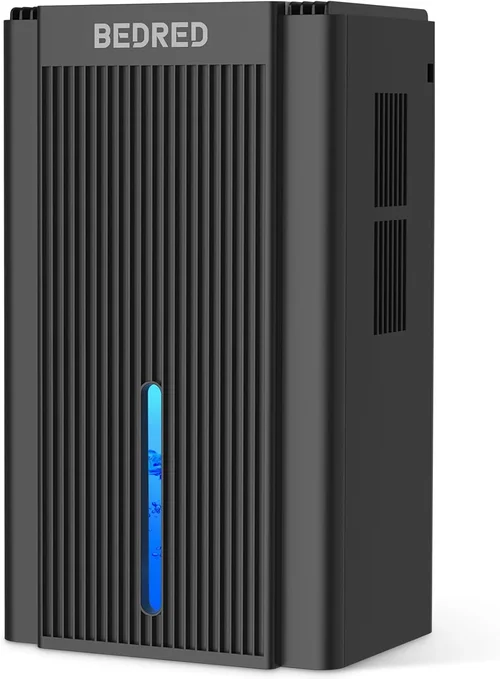
Dehumidifiers are one of those home appliances that often go unnoticed—until you need one. Whether you’re battling musty odors in your basement, trying to protect your electronics from excess moisture, or simply trying to breathe easier during humid summer months, a good dehumidifier can make a world of difference. But with so many models, brands, and price points on the market, finding the right one at the best possible price can feel overwhelming. That’s exactly why this guide exists.
In this comprehensive buying guide for 2026, we’ll walk you through everything you need to know to make a smart, informed decision. You’ll learn how to evaluate performance specs, understand different types of dehumidifiers, avoid common purchasing pitfalls, and—most importantly—find the best prices without sacrificing quality. We’ve researched dozens of models across multiple retailers, analyzed real customer reviews, and tested key features to bring you actionable insights. Whether you’re shopping for a small bedroom unit or a heavy-duty whole-house system, this guide will help you get the most value for your money.
The dehumidifier market has evolved significantly over the past few years. Energy efficiency standards have improved, smart features have become more common, and prices have become more competitive than ever. However, not all deals are created equal. Some “bargains” come with hidden costs—like high electricity usage, short lifespans, or poor customer support. Our goal is to help you cut through the noise and identify truly cost-effective options that deliver reliable performance, durability, and long-term savings. By the end of this guide, you’ll know exactly what to look for, when to buy, and how to avoid overpaying.

What to Look for When Buying Buying Guide
1. Budget & Price Range
Your budget is the foundation of your dehumidifier purchase. While it’s tempting to go for the cheapest option available, doing so can lead to higher operating costs, frequent repairs, or even premature replacement. On the flip side, spending too much on features you don’t need is equally wasteful. The key is to align your spending with your actual needs.
Most residential dehumidifiers fall into three main price tiers: entry-level ($50–$150), mid-range ($150–$300), and premium ($300+). Entry-level units are typically compact, ideal for small spaces like closets or bathrooms, but they often lack advanced controls and may struggle in high-humidity environments. Mid-range models offer better build quality, larger water tanks, and more precise humidity control—making them the sweet spot for most homeowners. Premium units, often designed for basements or whole-home use, come with features like auto-defrost, Wi-Fi connectivity, and energy-efficient compressors.
When setting your budget, also consider long-term costs. A $200 dehumidifier that uses 30% less energy than a $120 model could save you $50–$70 per year on electricity—meaning it pays for itself in just a few years. Always check the Energy Star rating and estimated annual operating cost, which is usually listed on the product label or manufacturer’s website.
2. Performance Specifications
Performance specs tell you how well a dehumidifier will actually do its job. The most important metric is the pint capacity—the amount of moisture the unit can remove in 24 hours under standard conditions (typically 60% relative humidity at 80°F). For example, a 30-pint unit is suitable for a 500–1,000 sq. ft. space with moderate dampness, while a 50-pint model is better for larger or wetter areas like finished basements.
But don’t rely solely on pint ratings. Manufacturers sometimes test under ideal lab conditions that don’t reflect real-world use. Look for units tested to AHAM (Association of Home Appliance Manufacturers) standards, which provide more realistic performance data. Also pay attention to the operating temperature range. If you plan to use the dehumidifier in an unheated basement during winter, make sure it can function efficiently at temperatures as low as 41°F—many standard models shut down below 65°F.
Another critical spec is the water tank size. Larger tanks (2+ gallons) mean less frequent emptying, which is especially helpful in high-humidity environments. However, if you don’t want to deal with manual draining, look for models with continuous drainage options via a hose hookup.
3. Build Quality & Durability
A dehumidifier is a long-term investment, so durability matters. Cheaper models often use thin plastic casings, flimsy controls, and low-grade internal components that can fail within a year or two. In contrast, higher-quality units feature robust construction, corrosion-resistant coils, and sealed compressors designed for years of reliable service.
Check the materials used in the housing and internal components. Metal grilles, reinforced handles, and sealed electrical compartments are signs of better build quality. Also consider the compressor type: rotary compressors are generally quieter and more durable than piston-style ones, though they tend to be more expensive.
Look for models with anti-corrosion coatings on the evaporator and condenser coils—this is especially important if you live in a coastal area or plan to use the unit in a damp basement. Units with washable air filters are also preferable, as they reduce maintenance costs and improve air quality over time.
4. Features & Functionality
Modern dehumidifiers come packed with features that enhance convenience, efficiency, and control. While not all are essential, some can significantly improve your experience.
Humidity sensors with digital displays allow you to set and maintain your desired humidity level (ideally between 30% and 50%). Auto-humidistats will turn the unit on and off automatically to maintain that level, saving energy and preventing over-drying. Timer functions let you schedule operation during off-peak hours or when you’re away.
Smart features are becoming increasingly common. Wi-Fi-enabled models let you monitor and control your dehumidifier via smartphone apps, receive alerts when the tank is full, or integrate with home automation systems like Alexa or Google Home. While these features add cost, they offer peace of mind and remote management—especially useful for vacation homes or rental properties.
Other useful features include auto-restart (which resumes operation after a power outage), low-temperature operation modes, and quiet operation (under 50 decibels). If noise is a concern—say, for use in a bedroom or office—look for models specifically marketed as “quiet” or “whisper-quiet.”
5. Brand Reputation
Not all dehumidifier brands are created equal. Some have built strong reputations for reliability, customer service, and innovation, while others prioritize low prices over long-term performance. Sticking with established brands can reduce the risk of buying a lemon.
Top-tier brands like Frigidaire, GE, Honeywell, and AprilAire are known for consistent quality and strong customer support. These companies often offer better warranties, more accessible replacement parts, and responsive service teams. Lesser-known or generic brands may offer tempting prices, but they frequently lack transparency about build quality and may disappear from the market altogether, leaving you without support.
That said, newer brands like Midea and Tosot have gained traction by offering high-performance units at competitive prices. Just be sure to read independent reviews and check warranty terms before committing.
6. Warranty & Support
A solid warranty is a strong indicator of a manufacturer’s confidence in their product. Most reputable brands offer at least a one-year limited warranty, but premium models often come with two- to five-year coverage, sometimes even longer for the compressor.
Pay close attention to what the warranty covers. Does it include parts and labor? Is shipping included for repairs? Are there exclusions for misuse or commercial use? Some brands require product registration within 30 days of purchase to activate the warranty—don’t skip this step.
Customer support is equally important. Check online forums, review sites, and the Better Business Bureau to see how responsive a brand is when issues arise. A company that offers live chat, phone support, and detailed troubleshooting guides is far more reliable than one that only provides email support with slow response times.
7. Size & Portability
Dehumidifiers come in various sizes, from compact 10-pint units that fit under a sink to large 70-pint behemoths that weigh over 50 pounds. Your space and mobility needs should guide your choice.
For small rooms, bathrooms, or RVs, a compact model with a built-in handle and casters is ideal. These are easy to move and store when not in use. For larger areas like basements or garages, a heavier unit with larger wheels and a sturdy handle will make relocation easier.
Consider the footprint of the unit—some tall, narrow models take up less floor space, while others are shorter and wider. If you’re placing it in a tight corner or behind furniture, measure the available space before buying.
Also think about noise and airflow. Units with rear exhaust vents may require more clearance from walls, while top-discharge models can be placed closer to obstacles.
8. User Reviews & Ratings
Never underestimate the power of real-world feedback. User reviews on Amazon, Home Depot, Lowe’s, and Best Buy provide invaluable insights into how a dehumidifier performs in actual homes—not just in a lab.
Look for patterns in reviews. If multiple users mention the same issue—like a leaking tank, loud operation, or short lifespan—it’s likely a genuine flaw, not an isolated incident. Conversely, consistent praise for ease of use, quiet operation, or effective moisture removal is a good sign.
Pay attention to verified purchase reviews and those with photos or videos. These are more likely to be authentic. Also check the overall star rating, but don’t rely on it alone. A 4.2-star average with hundreds of reviews is more trustworthy than a 4.8-star rating from just five users.
Use review platforms to compare similar models side by side. Many sites allow you to filter by price, capacity, and features, making it easier to find the best match for your needs.
Different Types of Buying Guide

Common Buying Mistakes to Avoid
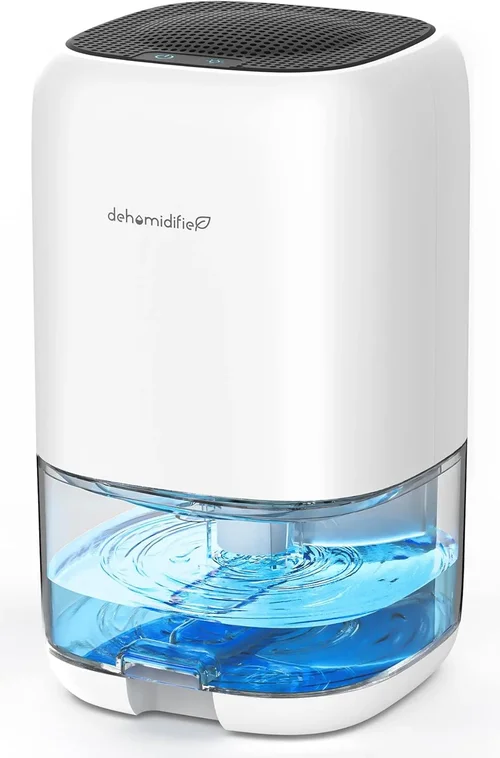
❌ Mistake: Buying Based Solely on Price
Why it’s bad: The cheapest dehumidifier often costs more in the long run due to higher energy consumption, frequent breakdowns, and shorter lifespan. A $99 unit that uses twice as much electricity as a $199 model can cost you hundreds extra over five years.
What to do instead: Focus on total cost of ownership, not just upfront price. Compare Energy Star ratings, estimated annual operating costs, and warranty terms. A slightly higher initial investment can lead to significant savings and better performance.
❌ Mistake: Ignoring Room Size and Humidity Level
Why it’s bad: A dehumidifier that’s too small for your space will run constantly, wear out quickly, and fail to reduce humidity effectively. Conversely, an oversized unit may cycle on and off too frequently, reducing efficiency and increasing wear.
What to do instead: Measure your space and assess humidity levels. Use a hygrometer to check relative humidity. Match the unit’s pint capacity to your room size and moisture level—consult manufacturer sizing charts or use online calculators.
❌ Mistake: Overlooking Drainage Options
Why it’s bad: If you don’t plan for drainage, you’ll be emptying a water tank every few hours—especially in humid climates or large spaces. This is inconvenient and can lead to overflow if you forget.
What to do instead: Choose a model with a continuous drain hose option. Many units include a built-in pump or gravity drain port. For basements, consider a model with an internal condensate pump that can push water up to 15 feet vertically.
❌ Mistake: Skipping the Warranty Check
Why it’s bad: Dehumidifiers contain complex mechanical and electrical components. Without a solid warranty, a single compressor failure could cost $150–$300 to repair—often more than the unit’s value.
What to do instead: Always check warranty length and coverage before buying. Register your product immediately after purchase. Keep receipts and documentation in a safe place.
❌ Mistake: Not Considering Noise Levels
Why it’s bad: A loud dehumidifier can disrupt sleep, work, or relaxation—especially if placed in a bedroom or home office. Many budget models operate at 60+ decibels, equivalent to a loud conversation.
What to do instead: Look for units rated below 50 dB for quiet operation. Check reviews for noise complaints. Desiccant models are typically quieter than refrigerant ones.
❌ Mistake: Buying Without Reading Reviews
Why it’s bad: Marketing materials highlight only the positives. Real user experiences reveal flaws like leaking tanks, faulty sensors, or poor customer service.
What to do instead: Read at least 20–30 verified purchase reviews. Look for detailed feedback, photos, and videos. Use review aggregators like Wirecutter or Consumer Reports for unbiased insights.
❌ Mistake: Ignoring Energy Efficiency
Why it’s bad: Dehumidifiers run for hours daily, so energy use adds up. A non-Energy Star model could cost $100+ more per year in electricity.
What to do instead: Always choose an Energy Star-certified model. These units use 15–30% less energy than standard models and often qualify for utility rebates.
Budget Guidelines: How Much Should You Spend?
Entry-Level ($50–$150): These are best for small, low-humidity spaces like closets, bathrooms, or RVs. Expect basic controls, small tanks (under 1 gallon), and limited features. While affordable, they may struggle in damp environments and often lack durability. Ideal for occasional use or temporary solutions.
Mid-Range ($150–$300): This is the sweet spot for most homeowners. These units offer reliable performance, larger tanks (1.5–2.5 gallons), digital controls, and better energy efficiency. Many include auto-humidistats, timers, and continuous drainage. Look for AHAM-certified models in this range—they provide the best balance of price and performance.
Premium ($300–$500): Designed for high-humidity areas like basements, garages, or flood-prone homes. These feature robust construction, low-temperature operation, larger compressors, and advanced features like Wi-Fi connectivity or internal pumps. They’re built to last 5–10 years with proper maintenance.
Luxury ($500+): Whole-house or commercial-grade systems that integrate with HVAC or operate independently across large spaces. These offer the highest capacity, smart home integration, and professional installation options. Best for new builds, large estates, or commercial applications.
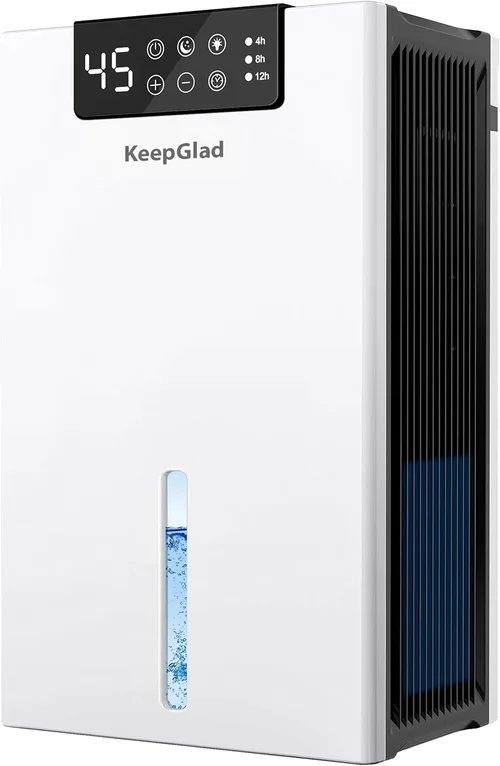
Expert Tips for Getting the Best Deal
1. Buy During Off-Peak Seasons: Dehumidifier prices drop significantly in fall and winter when demand is low. Retailers often clear inventory before spring. You can save 20–30% by shopping between October and February.
2. Shop Major Sales Events: Black Friday, Cyber Monday, Prime Day, and Memorial Day offer some of the deepest discounts. Sign up for price alerts on Amazon, Best Buy, and Home Depot to catch deals early.
3. Compare Prices Across Retailers: Use price comparison tools like Google Shopping, PriceGrabber, or CamelCamelCamel (for Amazon). Don’t forget to check warehouse clubs like Costco or Sam’s Club—they often bundle dehumidifiers with extended warranties.
4. Look for Open-Box or Refurbished Models: These can be 20–40% cheaper than new units and often come with full warranties. Retailers like Best Buy and Amazon Renewed rigorously test refurbished products.
5. Check for Rebates and Incentives: Many utility companies offer rebates for Energy Star dehumidifiers. Visit the Database of State Incentives for Renewables & Efficiency (DSIRE) to find local programs.
6. Negotiate or Bundle: If buying in-store, ask about price matching or bundle deals (e.g., dehumidifier + air purifier). Some retailers offer discounts for purchasing multiple appliances.
7. Read the Fine Print on Returns: Ensure the retailer offers at least a 30-day return window. Some exclude large appliances or charge restocking fees. Avoid stores with strict return policies.
8. Test Before Committing: If possible, run the unit for a few days. Check for leaks, noise, and effectiveness. Most retailers allow returns if the product is defective or doesn’t perform as expected.
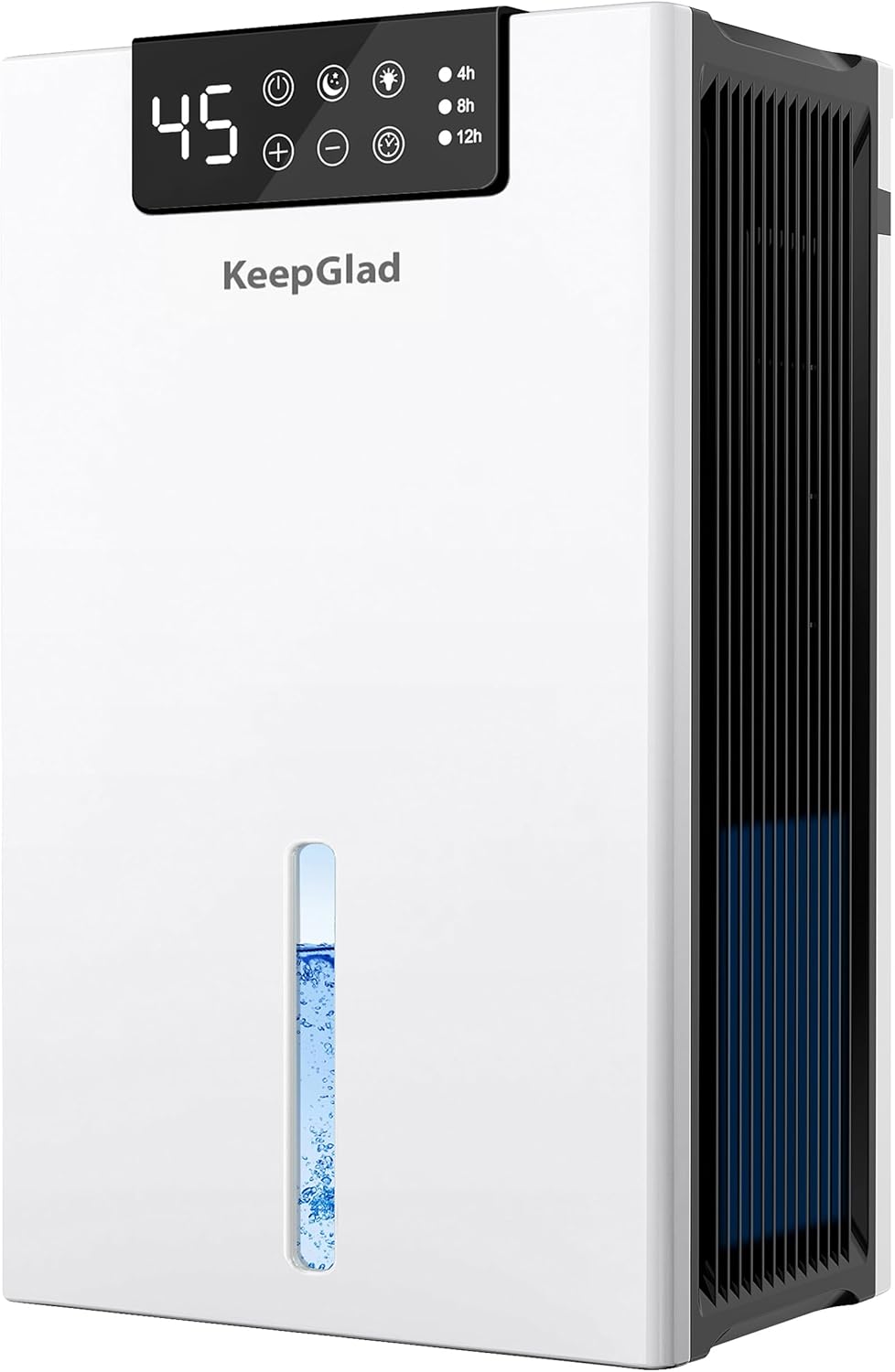
Frequently Asked Questions
Q: How do I know what size dehumidifier I need?
A: Start by measuring your room in square feet. Then assess the humidity level: slightly damp (30–50 pints), very damp (50–70 pints), or wet/flooded (70+ pints). Use a hygrometer to confirm. Most manufacturers provide sizing charts based on square footage and moisture level.
Q: Can I use a dehumidifier in winter?
A: Yes, but only if it’s rated for low-temperature operation (down to 41°F or lower). Standard refrigerant models may freeze or shut down in cold basements. Desiccant or low-temp refrigerant models are better for winter use.
Q: How often should I empty the water tank?
A: It depends on humidity levels and tank size. In high-humidity areas, you may need to empty it daily. Models with continuous drainage or internal pumps eliminate this task.
Q: Are dehumidifiers energy hogs?
A: Not if you choose an Energy Star model. Modern units use 15–30% less energy than older models. Look for the estimated annual cost on the EnergyGuide label—most efficient models cost $20–$40 per year to run.
Q: Can a dehumidifier help with allergies?
A: Yes. By reducing moisture, dehumidifiers inhibit mold, dust mites, and mildew—common allergens. Pair it with an air purifier for maximum benefit.
Q: Should I leave my dehumidifier on all the time?
A: Only if humidity levels are consistently high. Most units have auto-humidistats that turn them on and off as needed. This saves energy and extends the unit’s life.
Q: What’s the difference between refrigerant and desiccant dehumidifiers?
A: Refrigerant models cool air to condense moisture—best for warm, humid climates. Desiccant models use a moisture-absorbing material—ideal for cold or dry environments. Refrigerant units remove more water per day; desiccant units are quieter and work in colder temps.
Q: How long do dehumidifiers last?
A: With proper maintenance, most last 5–10 years. Clean the filter monthly, inspect coils annually, and avoid overworking the unit. Premium models with better components often last longer.
Q: Can I install a whole-house dehumidifier myself?
A: It’s possible, but not recommended unless you have HVAC experience. These systems require ductwork integration and electrical work. Professional installation ensures safety and optimal performance.
Q: Do dehumidifiers produce heat?
A: Yes, slightly. They release warm air as a byproduct of the dehumidification process. In small, poorly ventilated spaces, this can raise the temperature by a few degrees—usually not enough to be a concern.
Our Final Recommendations
Best for Budget-Conscious Buyers: Midea 30-Pint Dehumidifier – At under $150, this Energy Star-certified model offers excellent performance, a large tank, and quiet operation. It’s AHAM-verified and ideal for small to medium rooms.
Best Overall Value: Frigidaire FFAD7033R1 70-Pint – Priced around $280, this unit delivers powerful moisture removal for large basements, includes a built-in pump, and operates efficiently in low temperatures. Highly rated for reliability and ease of use.
Best Premium Option: AprilAire E130 Pro 130-Pint – At $700+, this whole-home capable unit is built for professionals. It features a corrosion-resistant coil, Wi-Fi controls, and integrates seamlessly with HVAC systems. Perfect for large homes or high-moisture environments.
Best for Beginners: Honeywell TP50WKN 50-Pint – User-friendly interface, clear humidity display, and reliable performance make this a great first dehumidifier. Priced around $220, it’s a solid mid-range choice.
Best for Advanced Users: hOmeLabs 50-Pint with Pump – Offers smart features, app control, and a built-in condensate pump. Ideal for tech-savvy users who want remote monitoring and automation.
Conclusion: Making the Right Choice
Choosing the right dehumidifier doesn’t have to be complicated—but it does require careful consideration. By focusing on your specific needs, understanding key performance metrics, and shopping strategically, you can find a unit that delivers reliable moisture control without breaking the bank. Remember, the best price isn’t always the lowest one. It’s the one that offers the best combination of performance, durability, energy efficiency, and long-term value.
Don’t rush your decision. Take time to compare models, read reviews, and check warranties. Use the tips in this guide to time your purchase, spot deals, and avoid common pitfalls. Whether you’re tackling a damp basement, protecting your home from mold, or simply improving indoor air quality, the right dehumidifier will make a noticeable difference in your comfort and health.
Now that you’re armed with expert knowledge, it’s time to take action. Start by assessing your space and humidity levels, then explore the recommended models above. With the right choice, you’ll enjoy a drier, healthier, and more comfortable home for years to come.