
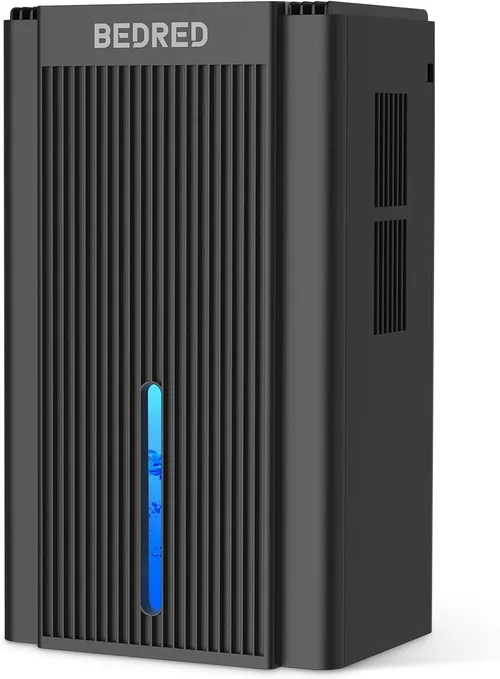
Quiet dehumidifiers are no longer a luxury—they’re a necessity for modern homes where comfort, health, and peace intersect. Whether you’re battling damp basements, musty bedrooms, or allergy-triggering humidity in your living space, the right dehumidifier can make a dramatic difference. But here’s the catch: many models on the market today are loud, disruptive, and far from the “set it and forget it” appliances they claim to be. That’s why choosing a truly quiet dehumidifier is critical—especially if you plan to run it overnight, in living areas, or in spaces where noise sensitivity matters, like nurseries or home offices.
This comprehensive buying guide is designed to help you cut through the marketing hype and find a dehumidifier that delivers powerful moisture removal without the constant hum, rattle, or drone that drives you crazy. By the end of this article, you’ll understand exactly what makes a dehumidifier quiet, how to evaluate performance versus noise levels, and which models offer the best balance of efficiency, durability, and whisper-quiet operation. We’ll cover everything from technical specs and build quality to real-world user experiences and expert-tested recommendations. Whether you’re a first-time buyer or upgrading from a noisy older unit, this guide will equip you with the knowledge to make a confident, informed decision.
The market for quiet dehumidifiers has evolved rapidly in recent years. Advances in compressor technology, fan design, and sound-dampening materials have made it possible to find units that operate below 45 decibels—quieter than a library whisper. At the same time, energy efficiency standards have improved, and smart features like auto-humidity sensing, Wi-Fi connectivity, and washable filters are now common even in mid-tier models. However, not all “quiet” dehumidifiers live up to their claims. Some manufacturers downplay noise levels measured under ideal lab conditions, while others sacrifice performance for silence. Our goal is to help you navigate these nuances and find a unit that performs reliably, runs quietly, and fits your lifestyle and budget.

What to Look for When Buying Buying Guide
1. Noise Level (Decibel Rating)
The most important factor when shopping for a quiet dehumidifier is, unsurprisingly, how quiet it actually is. Noise is measured in decibels (dB), and for residential use, anything below 50 dB is considered very quiet—comparable to a soft conversation or light rainfall. Look for models that specify their noise level at different fan speeds, especially on low or eco modes. Some manufacturers only list the lowest possible noise level, which may not reflect real-world usage. Always check independent reviews or third-party testing for accurate noise assessments.
For context, here’s a quick reference: 30–40 dB is whisper-quiet (ideal for bedrooms), 40–50 dB is library-level quiet (suitable for living rooms), and 50–60 dB is noticeable but not disruptive (like a refrigerator hum). Avoid units that exceed 60 dB unless you plan to run them only in isolated areas like garages or basements.
2. Performance Specifications
Quiet operation means little if the unit can’t effectively remove moisture. Key performance metrics include pint capacity (how much water it can extract per day), coverage area (in square feet), and energy efficiency (measured in liters per kilowatt-hour or L/kWh). For most homes, a 30–50 pint capacity unit is sufficient for spaces up to 1,500 sq. ft., while larger areas or high-humidity environments (like crawl spaces or flood-prone basements) may require 70-pint or higher models.
Don’t just rely on the manufacturer’s pint rating—look for AHAM (Association of Home Appliance Manufacturers) certified ratings, which are standardized and more reliable. Also consider the unit’s performance at lower temperatures. Most refrigerant-based dehumidifiers lose efficiency below 65°F, so if you’re using it in a cold basement, consider a desiccant model or one with a cold-climate compressor.
Energy efficiency is another critical factor. ENERGY STAR-certified models use up to 15% less energy than standard units, which translates to lower utility bills and reduced environmental impact. Look for the yellow EnergyGuide label or check the ENERGY STAR database for verified models.
3. Build Quality & Durability
A quiet dehumidifier should also be built to last. Cheap plastic casings, flimsy handles, and weak wheels can lead to premature failure, especially if you move the unit frequently. Look for models with reinforced housing, rust-resistant coils, and sturdy components. Metal components, particularly in the compressor and evaporator, tend to last longer than plastic alternatives.
Pay attention to the quality of the internal fan and motor. Brushless DC motors are quieter and more durable than traditional AC motors. Also, check the thickness of the insulation around the compressor—better insulation reduces vibration and noise. Units with sealed compressors or acoustic dampening pads are typically quieter and more reliable over time.
Another durability factor is the filter. Washable, reusable filters are preferable to disposable ones, as they reduce long-term costs and maintenance. Look for models with easy-access filter doors and anti-microbial coatings to prevent mold growth.
4. Features & Functionality
Modern quiet dehumidifiers come with a range of features that enhance convenience and performance. Auto-humidity control (also called “auto-restart” or “smart mode”) allows the unit to maintain a set humidity level (e.g., 45–50%) without constant manual adjustments. This not only improves comfort but also reduces wear on the compressor by preventing unnecessary cycling.
Other useful features include:
- Continuous drainage: A hose connection lets you drain water directly into a floor drain or sump pump, eliminating the need to empty the tank.
- Full-tank alert and auto-shutoff: Prevents overflow and water damage.
- Adjustable fan speeds: Lower speeds are quieter and sufficient for maintaining humidity once it’s under control.
- Timer function: Schedule operation during off-peak hours or when you’re away.
- Wi-Fi connectivity: Control and monitor the unit via smartphone apps (e.g., Frigidaire, GE, or Midea models).
- Defrost function: Prevents ice buildup on coils in cold environments.
While these features add convenience, they can also increase complexity and potential points of failure. Choose only the features you’ll actually use to avoid paying for unnecessary tech.
5. Brand Reputation
Not all dehumidifier brands are created equal. Some have a long history of reliability and customer support, while others prioritize low cost over quality. Established brands like Frigidaire, Honeywell, GE, LG, and Midea consistently receive high marks for performance, durability, and quiet operation. These companies also tend to offer better warranties and customer service.
Avoid generic or off-brand models sold under obscure names, especially if they lack certifications (like UL listing or ENERGY STAR). These units may use inferior components, have poor noise control, or fail prematurely. Reading long-term user reviews on platforms like Amazon, Home Depot, or Consumer Reports can reveal patterns of reliability (or lack thereof).
Also consider regional availability of parts and service. If a brand doesn’t have service centers near you, repairs could be costly or impossible. Stick with brands that have a strong national or international presence.
6. Warranty & Support
A solid warranty is a strong indicator of a manufacturer’s confidence in their product. Most reputable brands offer at least a 1-year limited warranty, but many extend coverage to 2–5 years, especially on compressors and sealed systems. Look for warranties that cover both parts and labor, and check if they require registration or have hidden terms.
Customer support is equally important. Can you easily reach a human being? Are replacement parts available? Do they offer troubleshooting guides or video tutorials? Brands with responsive support teams (like LG or Honeywell) can save you hours of frustration if something goes wrong.
Some retailers also offer extended warranties or protection plans. While these can be useful, they’re often overpriced. Compare the cost of the plan to the likelihood of repair and the availability of third-party repair services before purchasing.
7. Size & Portability
Even the quietest dehumidifier is useless if you can’t move it where it’s needed. Consider the unit’s dimensions, weight, and mobility features. Most portable models weigh between 30–50 pounds and come with built-in handles and caster wheels. Look for recessed handles and smooth-rolling wheels that don’t squeak or jam.
Compact models are ideal for small spaces like closets, RVs, or under-sink areas, but may have lower capacity. Larger units offer greater performance but can be cumbersome. Measure your space and plan your usage—will you move it between rooms, or keep it in one location?
Also consider the water tank size. Larger tanks (2–3 liters) reduce the frequency of emptying, which is especially helpful if you don’t have continuous drainage. However, larger tanks add weight and size. Some models offer optional external tank upgrades.
8. User Reviews & Ratings
Never buy a dehumidifier based solely on specs or marketing claims. Real-world user experiences reveal nuances that lab tests miss—like how noisy it really is at night, how often it needs maintenance, or whether it actually reaches advertised capacity. Look for reviews with photos, videos, or detailed descriptions of long-term use.
Pay attention to recurring complaints. If multiple users report the same issue—like a leaking tank, loud compressor, or poor customer service—it’s likely a design flaw. Conversely, consistent praise for quiet operation, ease of use, or reliability is a strong endorsement.
Use review aggregation sites like Trustpilot, BBB, or Reddit communities (e.g., r/Appliances or r/HomeImprovement) to get a broader perspective. Be wary of overly positive or suspiciously uniform reviews, which may be fake.
Different Types of Buying Guide

Common Buying Mistakes to Avoid
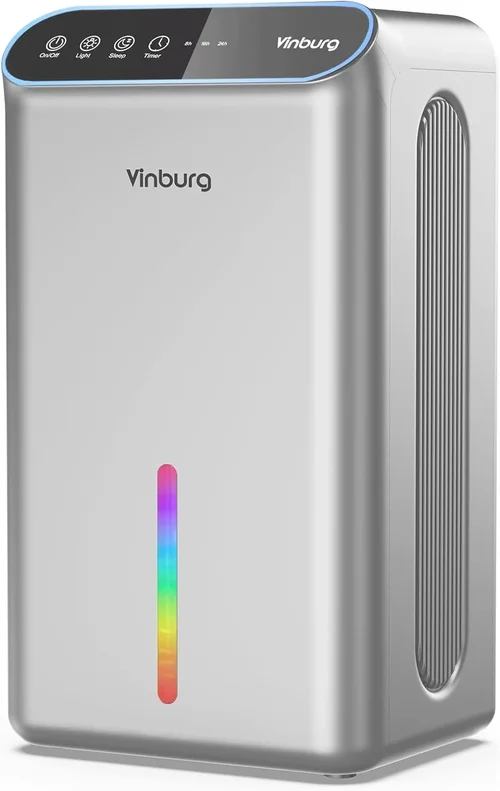
❌ Mistake: Ignoring Noise Ratings in Real-World Conditions
Why it’s bad: Manufacturers often measure noise in ideal environments with the unit on the lowest setting. In reality, the compressor may kick in loudly, or the fan may rattle when the tank is full. Relying solely on advertised dB levels can lead to disappointment.
What to do instead: Read user reviews that mention nighttime noise, especially from people who use the unit in bedrooms. Look for video reviews where you can hear the actual sound. If possible, test the unit in-store or choose a retailer with a generous return policy.
❌ Mistake: Buying Based Only on Pint Capacity
Why it’s bad: A 70-pint dehumidifier sounds powerful, but if your space only needs 30 pints, you’re overpaying for capacity you don’t need. Oversized units cycle on and off frequently, which can increase noise and wear.
What to do instead: Match the unit to your space size and humidity level. Use online calculators or consult AHAM guidelines. For most homes, a 30–50 pint model is sufficient unless you have severe moisture issues.
❌ Mistake: Overlooking Energy Efficiency
Why it’s bad: Dehumidifiers run for hours daily, and inefficient models can significantly increase your electricity bill. A unit that saves $50 upfront but costs $20 more per year in energy will cost you more over time.
What to do instead: Prioritize ENERGY STAR-certified models. Check the annual energy consumption (in kWh) on the EnergyGuide label. Even a small efficiency gain can add up over the unit’s lifespan.
❌ Mistake: Skipping the Drain Hose Option
Why it’s bad: Emptying a water tank every day is tedious and easy to forget. If the unit shuts off because the tank is full, your humidity problem returns.
What to do instead: Choose a model with a continuous drain hose connection, even if you don’t plan to use it immediately. It’s a simple upgrade that adds long-term convenience, especially in basements or crawl spaces.
❌ Mistake: Ignoring Cold Climate Performance
Why it’s bad: Most compressor dehumidifiers struggle below 65°F. If you’re using it in an unheated basement or garage, the unit may ice up or stop working entirely.
What to do instead: Look for models with “low-temperature operation” or “auto-defrost” features. Desiccant dehumidifiers are better suited for cold environments, though they’re less efficient in warm, humid conditions.
❌ Mistake: Choosing the Cheapest Option
Why it’s bad: Budget models often use low-quality components, poor insulation, and weak compressors. They may be louder, less efficient, and fail within a year or two.
What to do instead: Invest in a mid-range model from a reputable brand. The extra $50–$100 often buys better build quality, quieter operation, and longer lifespan.
❌ Mistake: Not Checking Warranty Terms
Why it’s bad: Some warranties exclude common issues like compressor failure or require you to pay for shipping. Others are void if you don’t register the product within 30 days.
What to do instead: Read the warranty fine print before buying. Register your product promptly and keep receipts. Consider extended warranties only if they offer real value.
Budget Guidelines: How Much Should You Spend?
Entry-Level ($50–$150): These are typically mini or thermo-electric models best suited for small spaces like closets, bathrooms, or RVs. They’re silent but have very low capacity (1–2 liters per day). Ideal for mild humidity or as supplemental units. Expect basic features and limited durability.
Mid-Range ($150–$300): This is the sweet spot for most homeowners. You’ll find reliable compressor-based models with 30–50 pint capacity, quiet operation (40–50 dB), and useful features like auto-humidity control, washable filters, and continuous drainage. Brands like Frigidaire, Honeywell, and Midea dominate this range with strong performance and good warranties.
Premium ($300–$500): These models offer advanced features like Wi-Fi connectivity, smart sensors, dual-speed fans, and superior sound insulation. They’re ideal for larger homes, allergy sufferers, or those who want minimal maintenance. Look for ENERGY STAR certification and 2–5 year warranties. Desiccant models also fall into this tier for cold-climate use.
Luxury ($500+): Whole-house dehumidifiers or high-end portable units with hospital-grade filtration, ultra-quiet operation (below 40 dB), and professional installation options. These are overkill for most but ideal for large estates, museums, or medical facilities. Expect top-tier brands like AprilAire or Santa Fe.
Expert Tips for Getting the Best Deal
- Buy during seasonal sales: The best time to purchase a dehumidifier is in late winter or early spring (February–April), before the humid summer months. Retailers often discount older models to clear inventory.
- Check multiple retailers: Compare prices on Amazon, Home Depot, Lowe’s, and specialty appliance stores. Don’t forget to factor in shipping, return policies, and warranty support.
- Look for bundle deals: Some retailers offer discounts when you buy a dehumidifier with an air purifier or humidifier. These can save you 10–20% if you need multiple units.
- Use cashback and rebates: Sign up for cashback sites like Rakuten or Honey. Also check for local utility rebates—some energy companies offer $25–$100 back for ENERGY STAR appliances.
- Test before you commit: If buying in-store, ask to hear the unit run. Listen for rattling, buzzing, or irregular compressor sounds. Check the weight and build quality.
- Read the return policy: Choose retailers with at least a 30-day return window. Some offer free returns, while others charge restocking fees.
- Consider refurbished models: Certified refurbished units from reputable sellers (like Amazon Renewed or manufacturer outlets) can save 20–40% and often come with the same warranty as new.
- Register your product: This ensures you’re covered under warranty and eligible for recalls or updates. It takes just a few minutes online.
Frequently Asked Questions
Q: How quiet is “quiet” for a dehumidifier?
A: For most people, a dehumidifier is considered quiet if it operates below 50 decibels. At 40–45 dB, it’s comparable to a quiet library or soft rainfall—ideal for bedrooms and living rooms. Anything above 55 dB may be noticeable in quiet environments.
Q: Can a dehumidifier be too quiet?
A: Not really, but extremely quiet models (below 35 dB) may have reduced fan speeds or lower capacity. Ensure the unit still meets your moisture removal needs. Some ultra-quiet models are better suited for maintenance rather than aggressive dehumidification.
Q: Do desiccant dehumidifiers really work in cold basements?
A: Yes. Unlike compressor models, desiccant dehumidifiers use a moisture-absorbing material (like silica gel) and don’t rely on cooling coils. They work effectively down to 32°F, making them ideal for unheated spaces.
Q: How often should I clean the filter?
A: Clean the filter every 2–4 weeks during heavy use, or monthly otherwise. A clogged filter reduces airflow, increases noise, and lowers efficiency. Most models have washable filters—rinse with warm water and let dry completely.
Q: Can I run a dehumidifier 24/7?
A: Yes, especially if you have high humidity or use continuous drainage. Modern units are designed for continuous operation. Just ensure proper ventilation and clean the filter regularly.
Q: Will a quiet dehumidifier help with allergies?
A: Absolutely. By reducing humidity below 50%, you inhibit mold, dust mites, and mildew—common allergens. Pair it with an air purifier for maximum relief.
Q: What’s the difference between a dehumidifier and an air conditioner?
A: Air conditioners cool and dehumidify, but they’re inefficient at removing moisture alone. Dehumidifiers focus solely on humidity, making them more effective in damp but not hot environments.
Q: How do I know if my dehumidifier is working properly?
A: Check the water tank—it should fill over time. Use a hygrometer to monitor room humidity. If it stays above 60%, the unit may be undersized or malfunctioning.
Q: Can I use a dehumidifier in a crawl space?
A: Yes, but choose a model rated for crawl spaces or with a condensate pump. Ensure it has a long power cord and can operate in low temperatures.
Q: Are smart dehumidifiers worth the extra cost?
A: If you value remote control, humidity alerts, or integration with smart home systems, yes. Otherwise, basic models offer the same core functionality at a lower price.
Our Final Recommendations
Best for Budget-Conscious Buyers: hOmeLabs 30 Pint Dehumidifier – At under $200, this model offers reliable performance, quiet operation (48 dB), and a washable filter. It’s ideal for small to medium rooms and comes with a 2-year warranty.
Best Overall Value: Frigidaire FFAD5033W1 50 Pint Dehumidifier – ENERGY STAR certified, operates at 47 dB, and includes auto-humidity control, continuous drainage, and a full-tank alert. Consistently praised for quiet, efficient performance.
Best Premium Option: Honeywell TP70WKN 70 Pint Smart Dehumidifier – Wi-Fi enabled, ultra-quiet (45 dB), and features a built-in pump for upward drainage. Perfect for large basements or smart home integration.
Best for Beginners: Midea MAD20C1ZWS 20 Pint Dehumidifier – Simple controls, lightweight, and very quiet (42 dB). Great for first-time users or small spaces like apartments.
Best for Advanced Users: AprilAire E080 Pro 80 Pint Whole-House Dehumidifier – Designed for HVAC integration, this unit covers up to 4,000 sq. ft. and operates at 44 dB. Ideal for large homes or professional installations.
Conclusion: Making the Right Choice
Choosing the best quiet dehumidifier isn’t just about finding the lowest decibel rating—it’s about balancing noise, performance, durability, and features to match your specific needs. Whether you’re fighting mold in a basement, protecting wooden furniture, or simply improving indoor air quality, the right unit can make a world of difference. By focusing on key factors like noise level, energy efficiency, and build quality, and avoiding common pitfalls like oversizing or ignoring real-world reviews, you’ll be well-equipped to make a smart investment.
Remember, the quietest dehumidifier is one that runs reliably, maintains healthy humidity levels, and doesn’t disrupt your daily life. Take the time to assess your space, read user feedback, and prioritize long-term value over short-term savings. With the insights from this guide, you’re ready to find a dehumidifier that delivers peace—both in moisture control and in sound.
Now that you’re armed with expert knowledge, it’s time to take action. Compare your top choices, check current deals, and make a purchase that brings lasting comfort to your home. Your quieter, drier, healthier living space awaits.