
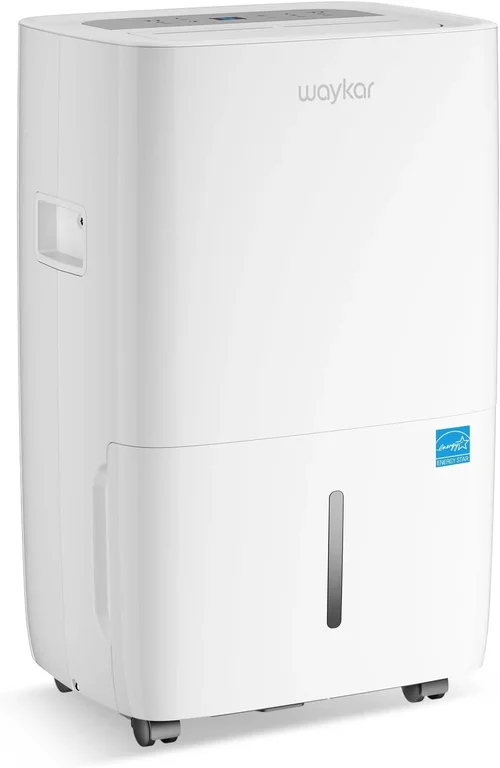
Running a dehumidifier at the right time isn’t just about comfort—it’s about efficiency, energy savings, and long-term home health. Whether you’re battling damp basements, musty odors, or seasonal humidity spikes, knowing when and how to operate your dehumidifier can make a dramatic difference in performance and cost-effectiveness. Too many homeowners run their units around the clock without understanding that timing, environmental conditions, and usage patterns all play critical roles in optimal operation. This comprehensive buying guide cuts through the confusion to help you choose the best dehumidifier for your needs—and more importantly, use it at the best times to maximize results.
In this expert-level guide, we’ll walk you through everything you need to know about selecting, using, and maintaining a dehumidifier in 2026. You’ll learn how to evaluate key performance metrics like pint capacity, energy efficiency ratings, and smart features, as well as how to match your unit to your home’s specific humidity challenges. We’ll also dive into real-world scenarios—like managing humidity during rainy seasons, preventing mold in crawl spaces, or protecting stored items in garages—so you can apply these insights immediately. With rising concerns about indoor air quality, energy costs, and climate-related moisture issues, making an informed decision has never been more important.
The market today offers a wide range of dehumidifiers, from compact portable units ideal for small bedrooms to whole-house systems integrated with HVAC setups. Brands like Frigidaire, hOmeLabs, GE, and AprilAire continue to innovate with Wi-Fi connectivity, auto-humidistats, and eco-friendly refrigerants. However, not all models are created equal, and choosing the wrong one—or using it incorrectly—can lead to wasted money, poor air quality, and even equipment damage. Our goal is to equip you with the knowledge to avoid common pitfalls and invest wisely in a solution that delivers lasting value.

What to Look for When Buying Buying Guide
1. Budget & Price Range
Your budget will significantly influence the type and quality of dehumidifier you can purchase. Entry-level models typically start around $100 and are suitable for small spaces or occasional use, while premium whole-home systems can exceed $1,500. It’s essential to balance upfront cost with long-term operating expenses—cheaper units often consume more electricity and require frequent maintenance, which can add up over time. Consider not just the sticker price but also energy efficiency ratings (look for ENERGY STAR certification), expected lifespan, and potential repair costs.
For most homeowners, spending between $200 and $400 gets you a reliable mid-range unit with solid performance, automatic shut-off, and basic smart features. If you live in a high-humidity region or have chronic moisture issues, investing in a higher-capacity model may save you money in the long run by reducing mold remediation or HVAC strain. Always factor in the cost per pint of water removed—this metric helps compare value across different models.
2. Performance Specifications
The core function of any dehumidifier is removing moisture from the air, so understanding performance specs is crucial. The most important metric is pint capacity, which indicates how much water the unit can extract in 24 hours under standard conditions (typically 60% relative humidity at 80°F). For example, a 30-pint unit suits a 500–1,000 sq ft moderately damp area, while a 70-pint model is better for large basements or flood-prone zones.
Also pay attention to the AHAM rating (from the Association of Home Appliance Manufacturers), which standardizes testing so you can compare apples to apples. Avoid relying solely on manufacturer claims, as some brands inflate numbers under ideal lab conditions. Additionally, check the coverage area—a 50-pint dehumidifier might only effectively serve 1,200 sq ft in a tightly sealed basement but struggle in a drafty garage.
Another key spec is energy factor, measured in liters of water removed per kilowatt-hour (L/kWh). Higher values mean greater efficiency. ENERGY STAR-certified models must meet strict efficiency standards and often qualify for utility rebates. For context, a good modern dehumidifier removes at least 1.5 liters per kWh—anything below 1.2 is considered inefficient.
3. Build Quality & Durability
A dehumidifier is a long-term investment, so durability matters. Look for units with robust construction: metal casings instead of flimsy plastic, sealed compressors, and corrosion-resistant coils (especially important in basements or coastal areas). Internal components like the evaporator and condenser should be designed to withstand continuous operation without overheating.
Check the quality of the water tank—larger tanks (2+ gallons) reduce how often you need to empty them, but they should also have secure lids and easy-grip handles. Drain hose compatibility is another durability plus; continuous drainage eliminates manual emptying and prevents overflow accidents. Some premium models include built-in pumps for upward drainage, which is invaluable in below-grade installations.
Finally, consider the warranty length and what it covers. A one-year warranty is standard, but reputable brands often offer two or three years, sometimes with extended coverage on key parts like the compressor. Avoid no-name brands with vague return policies—they’re more likely to fail prematurely and leave you stranded.
4. Features & Functionality
Modern dehumidifiers come packed with features that enhance convenience, safety, and efficiency. The most useful include:
- Built-in humidistat: Automatically maintains your desired humidity level (ideally 30–50%) and turns the unit on/off as needed.
- Auto-defrost: Prevents ice buildup on coils in cold environments (below 65°F), ensuring consistent operation in winter basements.
- Continuous drainage option: Lets you attach a garden hose for hands-free operation—critical for unattended areas.
- Wi-Fi/smart controls: Allows remote monitoring and scheduling via smartphone apps (e.g., Frigidaire’s SmartDehumidifier or GE’s SmartHQ).
- Filter indicator & washable filters: Simplifies maintenance and improves air quality by trapping dust and allergens.
Advanced users may appreciate programmable timers, multiple fan speeds, and compatibility with home automation systems like Alexa or Google Home. However, don’t pay extra for features you won’t use—simplicity often equals reliability.
5. Brand Reputation
Not all dehumidifier brands are created equal. Established names like Frigidaire, hOmeLabs, GE Appliances, and AprilAire have proven track records for reliability, customer service, and parts availability. These companies invest in R&D, adhere to industry standards, and often provide detailed user manuals and troubleshooting guides.
Be cautious with off-brand or Amazon-only sellers offering “premium” units at suspiciously low prices. Many are rebranded units with inferior components or lack proper certifications. Reading verified customer reviews on trusted platforms (like Consumer Reports or Wirecutter) can reveal patterns of failure, noise issues, or poor support.
Also consider regional availability—some brands dominate certain markets. For instance, AprilAire specializes in whole-house systems popular in the Midwest and Northeast, while hOmeLabs excels in portable units favored in urban apartments.
6. Warranty & Support
A strong warranty reflects manufacturer confidence in their product. Aim for at least a two-year comprehensive warranty, with at least one year covering labor and parts. Some premium brands offer three years or even lifetime compressor warranties. Read the fine print: many exclude damage from improper installation, power surges, or use in unconditioned spaces (like garages) unless specifically rated for it.
Customer support is equally important. Can you easily reach a human? Is there a local service center? Do they offer replacement filters or coils? Brands with dedicated support lines (e.g., Frigidaire’s 1-800 number) tend to resolve issues faster than those relying solely on email or chatbots.
If buying online, ensure the retailer honors the manufacturer’s warranty—some third-party sellers void coverage if purchased through unauthorized channels.
7. Size & Portality
Dehumidifiers vary widely in physical dimensions and weight. Compact models (under 30 lbs) are ideal for bedrooms, closets, or RVs, while heavy-duty units (50+ lbs) are better suited for basements or crawl spaces. Consider where you’ll place the unit: will it fit under stairs? Can you move it between rooms?
Look for recessed handles, smooth-rolling casters, and cord storage compartments for easier transport. Some models are designed to sit flush against walls to save floor space. If you plan to use the dehumidifier seasonally (e.g., only during summer), portability becomes even more important.
Noise level (measured in decibels) also affects usability—especially in living areas or bedrooms. Most modern units operate between 45–55 dB, comparable to a quiet conversation. Check specs or reviews if low noise is a priority.
8. User Reviews & Ratings
Never buy a dehumidifier based solely on specs or marketing claims. Real-world user feedback reveals nuances that lab tests miss: how loud it really is, how often the tank fills, whether the humidistat is accurate, or if the unit struggles in cold temps.
Focus on reviews from users with similar needs—e.g., basement owners in humid climates or renters in older buildings. Look for detailed reviews that mention specific pros and cons, not just star ratings. Sites like Amazon, Home Depot, and Best Buy allow filtering by verified purchase and helpful votes.
Pay attention to recurring complaints: frequent breakdowns, inaccurate humidity readings, or poor drainage design are red flags. Conversely, consistent praise for quiet operation, ease of cleaning, or reliable auto-shutoff signals a quality product.
Different Types of Buying Guide

Common Buying Mistakes to Avoid
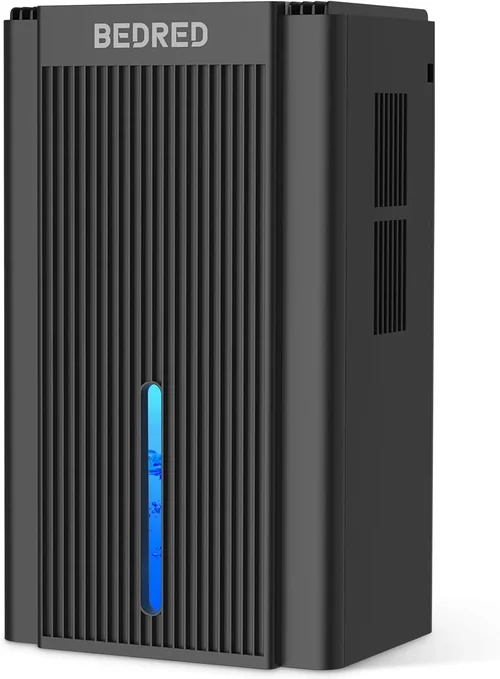
❌ Mistake: Buying Based Solely on Pint Capacity
Why it’s bad: A higher pint rating doesn’t always mean better performance. Some manufacturers inflate numbers by testing under unrealistic conditions. A 70-pint unit might only perform like a 50-pint model in your actual environment due to temperature, airflow, or seal integrity.
What to do instead: Match capacity to your space size and moisture level. Use AHAM ratings and real-user reviews to validate claims. When in doubt, go one size up—but don’t oversize excessively, as it can lead to short cycling and reduced efficiency.
❌ Mistake: Ignoring Energy Efficiency
Why it’s bad: Running an inefficient dehumidifier 24/7 can spike your electricity bill by $50–$100 per month. Older or budget models may lack ENERGY STAR certification and consume significantly more power per pint removed.
What to do instead: Prioritize units with high energy factors (≥1.5 L/kWh) and ENERGY STAR labels. Calculate annual operating costs using your local kWh rate and expected runtime. Smart models with auto-humidistats also reduce unnecessary runtime.
❌ Mistake: Overlooking Drainage Options
Why it’s bad: Constantly emptying a full tank is tedious and easy to forget—leading to overflow, water damage, or the unit shutting off prematurely. This is especially problematic in basements or vacation homes.
What to do instead: Choose a model with a continuous drain hose outlet (standard garden hose thread). For below-floor installations, opt for units with built-in condensate pumps. Even if you don’t use it immediately, having the option adds flexibility.
❌ Mistake: Using the Wrong Type for Your Climate
Why it’s bad: Compressor-based dehumidifiers lose efficiency below 65°F and may freeze up in unheated basements during winter. Conversely, desiccant units waste energy in warm, humid summers.
What to do instead: Match the technology to your environment. Use compressor models in temperate or warm areas, and desiccant or cold-climate-rated units in garages, cabins, or winter basements.
❌ Mistake: Neglecting Maintenance
Why it’s bad: Clogged filters, dirty coils, and stagnant water in tanks breed mold and bacteria, turning your dehumidifier into an air pollutant. Poor maintenance also reduces efficiency and shortens lifespan.
What to do instead: Clean the filter monthly, wipe the tank weekly, and inspect coils quarterly. Replace filters as recommended. Some smart models send maintenance reminders—take advantage of them.
❌ Mistake: Running It 24/7 Without Monitoring
Why it’s bad: Humidity levels fluctuate daily based on weather, occupancy, and ventilation. Running nonstop wastes energy and can over-dry the air, causing discomfort or static electricity.
What to do instead: Set a target humidity (35–50%) and let the built-in humidistat control operation. Use timers or smart schedules to run during peak humidity hours (e.g., after showers or on rainy days).
❌ Mistake: Buying Without Considering Noise
Why it’s bad: A loud dehumidifier (60+ dB) can disrupt sleep, work, or relaxation—especially in open-plan homes or bedrooms.
What to do instead: Check decibel ratings and user reports on noise. Place the unit away from living areas when possible, or choose models with “quiet mode” or insulated compressor compartments.
Budget Guidelines: How Much Should You Spend?
Entry-Level ($100–$200): These are basic portable units ideal for small spaces (under 500 sq ft) or occasional use. Expect limited features—manual controls, small tanks, no humidistat—and lower efficiency. Best for closets, RVs, or seasonal dampness. Brands like Eva-Dry and Ivation offer decent options here, but don’t expect longevity.
Mid-Range ($200–$400): This is the sweet spot for most homeowners. You’ll get reliable performance, 30–50 pint capacity, auto-humidistat, continuous drainage, and ENERGY STAR certification. Models from hOmeLabs, Frigidaire, and GE dominate this tier. Perfect for basements, laundry rooms, or medium-sized homes.
Premium ($400–$800): Designed for demanding environments—large basements, high-humidity regions, or allergy sufferers. These units feature advanced controls, Wi-Fi connectivity, larger tanks (3+ gallons), and superior build quality. Look for brands like AprilAire (for whole-house) or Tosot for premium portables.
Luxury ($800+): Reserved for whole-home systems or commercial-grade applications. These integrate with HVAC, offer remote monitoring, ultra-quiet operation, and extended warranties. Ideal for luxury homes, historic properties, or severe moisture problems. AprilAire and Santa Fe are top contenders.
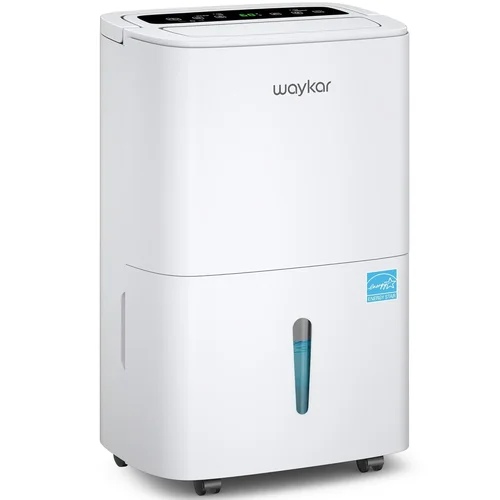
Expert Tips for Getting the Best Deal
- Buy in spring (March–May): Retailers discount dehumidifiers before summer humidity hits. Look for bundle deals with air purifiers or HVAC tune-ups.
- Check utility rebates: Many energy companies offer $50–$150 rebates for ENERGY STAR dehumidifiers—especially in humid states like Florida or Louisiana.
- Shop refurbished or open-box: Certified refurbished units from manufacturers (e.g., Frigidaire Renewed) often come with full warranties at 20–30% off.
- Compare total cost of ownership: Factor in electricity use, filter replacements, and expected lifespan—not just the purchase price.
- Test before committing: If buying in-store, ask to see the unit powered on. Listen for noise, check the display, and verify hose connections.
- Read return policies carefully: Some retailers charge restocking fees or won’t accept returns if the tank has been used.
- Consider rental for short-term needs: If dealing with temporary flooding or renovation moisture, renting may be cheaper than buying.
- Join brand newsletters: Companies like hOmeLabs and GE often send exclusive promo codes to subscribers.

Frequently Asked Questions
Q: Should I run my dehumidifier all the time?
A: Not necessarily. Modern units with built-in humidistats automatically turn on only when humidity exceeds your set level (e.g., 45%). This saves energy and prevents over-drying. However, in consistently damp areas like basements, continuous operation may be needed during humid months.
Q: What’s the ideal indoor humidity level?
A: Between 30% and 50%. Below 30%, air becomes too dry (causing dry skin and static); above 50%, mold and dust mites thrive. Use a hygrometer to monitor levels if your dehumidifier lacks a humidistat.
Q: Can I use a dehumidifier in winter?
A: Only if it’s rated for cold temperatures or has auto-defrost. Standard compressor models may freeze below 65°F. Desiccant dehumidifiers work better in cold spaces like garages or cabins.
Q: How often should I empty the water tank?
A: It depends on humidity and tank size. A 1-gallon tank in a damp basement may fill daily; in a closet, weekly. Use continuous drainage to avoid manual emptying.
Q: Will a dehumidifier help with mold?
A: Yes—but only if used preventively. It won’t remove existing mold, but maintaining low humidity inhibits new growth. Combine with proper ventilation and leak repairs.
Q: Are smart dehumidifiers worth the extra cost?
A: If you value convenience and remote monitoring, yes. You can check humidity levels, receive alerts, and adjust settings from your phone—great for vacation homes or busy households.
Q: How long do dehumidifiers last?
A: Quality units last 5–10 years with proper maintenance. Compressor failure is the most common end-of-life issue. Regular cleaning extends lifespan significantly.
Q: Can I place my dehumidifier anywhere?
A: No. Keep it at least 6–12 inches from walls for proper airflow. Avoid carpeted areas unless on a stand, and never block the intake or exhaust vents.
Q: Do dehumidifiers cool the room?
A: Slightly—but not like an AC. They remove moisture, which can make the air feel cooler, but they actually emit a small amount of heat during operation.
Q: Is it safe to leave a dehumidifier on overnight?
A: Yes, if it has safety features like auto-shutoff, tip-over protection, and overheat sensors. Ensure the area is well-ventilated and the drain hose is secure.
Our Final Recommendations
Best for Budget-Conscious Buyers: hOmeLabs 30 Pint Dehumidifier – At under $200, it offers excellent value with a built-in pump option, washable filter, and quiet operation. Ideal for small basements or apartments.
Best Overall Value: Frigidaire FFAD7033R1 70 Pint – ENERGY STAR certified, reliable, and packed with features like a digital humidistat and continuous drain. A workhorse for medium to large spaces.
Best Premium Option: AprilAire E080 Pro – A whole-house dehumidifier that integrates seamlessly with HVAC systems. Perfect for humid climates and large homes seeking consistent air quality.
Best for Beginners: GE APER50LZ 50 Pint – Simple controls, clear display, and strong customer support. Great for first-time buyers who want reliability without complexity.
Best for Advanced Users: Tosot 50 Pint Smart Dehumidifier – Wi-Fi enabled, ultra-quiet, and highly efficient. Offers precise humidity control and app-based scheduling for tech-savvy homeowners.
Conclusion: Making the Right Choice
Choosing the right dehumidifier—and knowing when to run it—is about more than just comfort. It’s a strategic decision that impacts your health, home integrity, and energy bills. By focusing on performance specs, build quality, and smart features, you can avoid common pitfalls and select a unit that delivers real value over time. Remember: the best dehumidifier is one that matches your specific needs, operates efficiently, and integrates smoothly into your lifestyle.
Don’t let humidity control become an afterthought. Whether you’re protecting heirlooms in a basement, improving sleep quality in a bedroom, or safeguarding your entire home from mold, the right dehumidifier used at the right time makes all the difference. Use this guide to compare options, understand your environment, and invest wisely. Your future self—and your home—will thank you.