
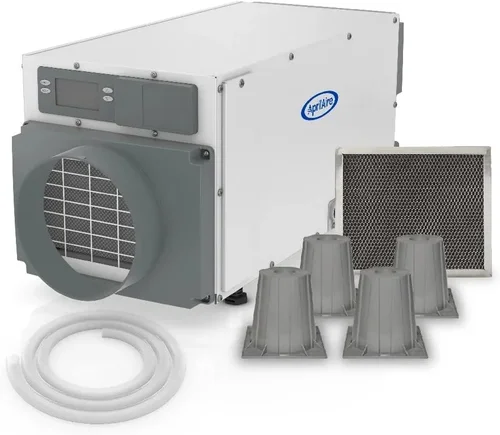
If you’ve ever noticed a musty smell creeping up from under your home, seen damp patches on your foundation walls, or felt that sticky, clammy air in your basement or crawl space, you’re not alone. Moisture lurking beneath your house is one of the most underestimated threats to both your home’s structural integrity and your family’s health. Left unchecked, excess humidity can lead to mold growth, wood rot, pest infestations, and even compromised indoor air quality that aggravates allergies and respiratory conditions. That’s where an under-house dehumidifier comes in—a specialized solution designed to tackle moisture at its source, often in tight, hard-to-reach spaces like crawl spaces or unvented foundations.
This comprehensive buyer’s guide is here to help you cut through the noise and make a smart, informed decision. Whether you’re a first-time homeowner dealing with a damp crawl space for the first time or a seasoned DIYer looking to upgrade your existing system, we’ll walk you through everything you need to know. You’ll learn how to evaluate performance specs, understand different types of dehumidifiers, avoid common pitfalls, and find the best model for your budget and needs. The market is flooded with options—from compact refrigerant units to industrial-grade desiccant systems—and knowing what truly matters can save you hundreds of dollars and years of frustration.
By the end of this guide, you’ll have a clear roadmap for choosing the right under-house dehumidifier. We’ll cover key factors like capacity, energy efficiency, durability, and smart features, plus compare top categories side by side. You’ll also get expert tips on timing your purchase, understanding warranties, and maximizing long-term value. Our goal isn’t just to recommend products—it’s to empower you with the knowledge to protect your home effectively and efficiently.

What to Look for When Buying Buying Guide
1. Capacity & Moisture Removal Rate
The single most important specification when choosing an under-house dehumidifier is its moisture removal capacity, typically measured in pints per day (PPD). This tells you how much water the unit can extract from the air in a 24-hour period under standard conditions (usually 80°F and 60% relative humidity). For crawl spaces, which are often smaller and more contained than basements, a unit rated between 30 and 70 pints per day is usually sufficient. However, if your space is large, poorly insulated, or located in a high-humidity region like the Southeast U.S., you may need a higher-capacity model.
Don’t just rely on the manufacturer’s “ideal condition” rating—look for real-world performance data. Some units claim 70 PPD but only achieve 40–50 PPD in cooler crawl spaces (below 70°F), where refrigerant-based dehumidifiers lose efficiency. Always check the AHAM (Association of Home Appliance Manufacturers) certification, which provides standardized testing results. A good rule of thumb: calculate your crawl space square footage and aim for a dehumidifier that removes at least 1 pint per day per 100 square feet in moderate climates, or 1.5–2 pints in high-humidity areas.
2. Energy Efficiency & Operating Costs
Running a dehumidifier 24/7 under your house can add significantly to your electricity bill if you choose an inefficient model. Look for units with the ENERGY STAR® label, which indicates they meet strict efficiency guidelines set by the U.S. Environmental Protection Agency. These models use advanced compressor technology, optimized airflow, and smart sensors to reduce energy consumption by up to 30% compared to standard units.
Pay attention to the energy factor, measured in liters of water removed per kilowatt-hour (L/kWh). A higher number means better efficiency. For example, a unit with an energy factor of 2.0 L/kWh removes twice as much moisture per unit of electricity as one with 1.0 L/kWh. Over a year, this difference can translate to $50–$150 in savings, depending on local electricity rates and usage. Also consider models with variable-speed compressors or auto-defrost features, which adjust performance based on ambient conditions and prevent ice buildup in cold environments.
3. Build Quality & Durability
Under-house environments are harsh: temperatures can swing wildly, dust and debris are common, and humidity levels remain consistently high. Your dehumidifier must be built to withstand these conditions without frequent breakdowns. Look for units constructed with corrosion-resistant materials like galvanized steel or powder-coated aluminum housings. Internal components—especially coils and fans—should be designed for continuous operation.
Sealed compressor systems are preferable over open designs, as they’re less prone to dust contamination. Check whether the unit has a protective grille or filter that’s easy to clean or replace. Some premium models include stainless steel coils or epoxy coatings to resist rust. Avoid plastic-heavy constructions, especially in budget models, as they tend to degrade faster under constant moisture exposure. A well-built dehumidifier should last 7–10 years with proper maintenance.
4. Features & Functionality
Modern under-house dehumidifiers come packed with features that enhance convenience, performance, and reliability. One of the most valuable is a built-in condensate pump, which automatically drains collected water vertically—essential if your crawl space lacks a floor drain or sump pit. Without a pump, you’ll need to rely on gravity drainage, which requires careful placement and may not work in all installations.
Humidity sensors with digital displays allow you to set and maintain your desired relative humidity level (ideally 30–50% for crawl spaces). Auto-restart functionality ensures the unit resumes operation after a power outage, preventing moisture buildup during outages. Some models offer remote monitoring via Wi-Fi or Bluetooth, letting you check status and adjust settings from your smartphone—a major plus for vacation homes or hard-to-access spaces.
Other useful features include washable air filters (to reduce allergens and protect internal components), quiet operation (under 50 decibels), and low-temperature operation (down to 41°F or lower). Avoid units with overly complex controls unless you need advanced programming—simplicity often equals reliability in these environments.
5. Installation & Space Requirements
Not all dehumidifiers are created equal when it comes to fitting into tight crawl spaces. Measure your available clearance carefully—height, width, and depth—before purchasing. Many under-house units are designed to be low-profile, but some still require significant vertical space, especially if they include a built-in pump.
Consider whether the unit can be mounted horizontally or vertically, and whether it needs clearance for airflow (typically 6–12 inches on all sides). Some models come with mounting brackets or feet for secure placement. If your crawl space has limited access, look for lightweight units (under 50 lbs) or those with handles for easier maneuvering.
Drainage setup is equally important. Gravity drainage requires a downward slope to a floor drain or outside exit, while pumped systems offer more flexibility. Ensure the hose connection is compatible with standard ⅝” or ¾” tubing. If you’re unsure about installation, consult a professional—improper setup can void warranties or lead to water damage.
6. Brand Reputation & Reliability
Stick with established brands known for quality and customer support in the dehumidification space. Companies like AprilAire, Santa Fe, Dri-Eaz, and BaseAire have decades of experience designing systems specifically for crawl spaces and basements. These brands often invest more in R&D, use higher-grade components, and offer better technical support.
Read customer reviews on trusted platforms like Home Depot, Lowe’s, or specialized HVAC forums. Pay attention to comments about long-term reliability, noise levels, and ease of maintenance. Be wary of generic or off-brand units sold exclusively on Amazon or eBay—they may lack proper certifications, use subpar compressors, or disappear from the market within a year, leaving you without support.
7. Warranty & Customer Support
A solid warranty is a strong indicator of a manufacturer’s confidence in their product. Look for at least a 2-year parts and labor warranty, with 5 years or more on the compressor—the heart of the system. Some premium brands offer extended warranties or optional coverage plans.
Check what the warranty covers: does it include labor costs? Is shipping included for repairs? Are filters and pumps covered? Also verify that the company provides accessible customer service—preferably with U.S.-based technicians who understand residential applications. A 1-800 number with live support beats email-only responses every time.
8. Noise Level & Operational Comfort
While under-house dehumidifiers aren’t typically in living areas, excessive noise can still be an issue—especially if your crawl space is near bedrooms or home offices. Most units operate between 45 and 60 decibels (dB), similar to a quiet conversation or refrigerator hum. Look for models specifically marketed as “quiet” or “low-noise,” which often feature insulated cabinets or variable-speed fans.
If noise is a concern, avoid units with single-speed compressors that cycle on and off loudly. Instead, opt for inverter-driven models that ramp up gradually. You can also reduce perceived noise by placing the unit on rubber mats or isolating it from wood framing with vibration dampeners.
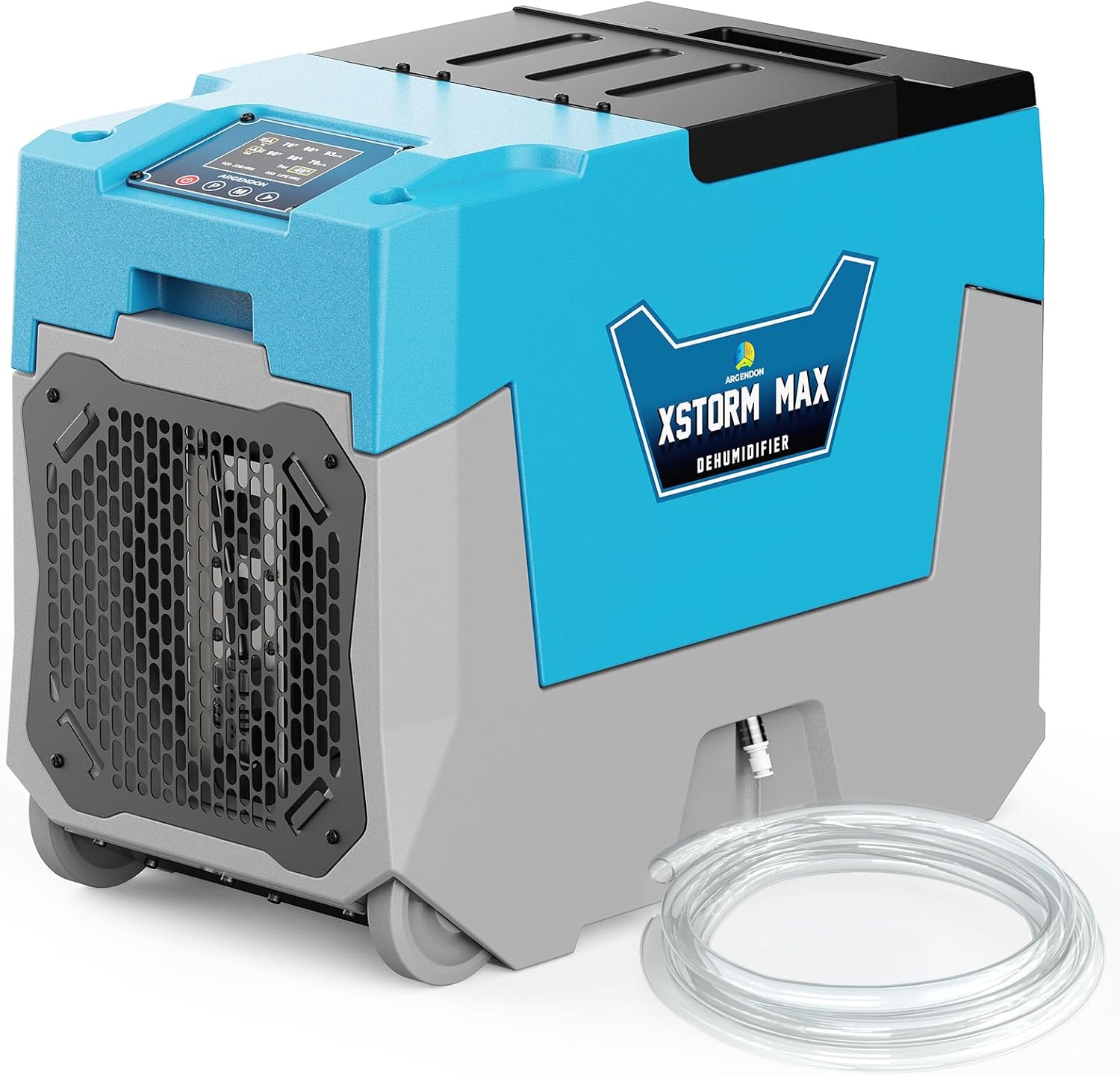
Different Types of Buying Guide
Common Buying Mistakes to Avoid
❌ Mistake: Choosing Based Solely on Price
Why it’s bad: The cheapest dehumidifier often costs more in the long run due to higher energy bills, frequent repairs, or premature failure. Budget units may lack essential features like auto-drain or corrosion resistance, leading to mold growth inside the machine itself.
What to do instead: Focus on total cost of ownership—including energy use, maintenance, and expected lifespan. A mid-range unit with ENERGY STAR certification and a 5-year compressor warranty often delivers better value than a $200 disposable model.
❌ Mistake: Ignoring Crawl Space Conditions
Why it’s bad: Installing a standard refrigerant dehumidifier in a cold crawl space (below 60°F) will cause the coils to freeze, rendering the unit ineffective. Similarly, using a low-capacity unit in a large, wet space leads to constant running and poor humidity control.
What to do instead: Assess your crawl space temperature, square footage, and moisture sources (e.g., poor drainage, uncovered soil). Match the dehumidifier type and capacity to these conditions—desiccant for cold spaces, high-PPD refrigerant for warm, humid areas.
❌ Mistake: Overlooking Drainage Options
Why it’s bad: Without proper drainage, you’ll need to manually empty the water tank every few days—a tedious and often forgotten task. Overflow can damage insulation, flooring, or stored items.
What to do instead: Choose a unit with a built-in condensate pump or ensure your installation allows for gravity drainage to a sump pit or exterior exit. Test the drainage path before finalizing placement.
❌ Mistake: Skipping Professional Assessment
Why it’s bad: Dehumidifiers treat symptoms, not root causes. If your crawl space has standing water, inadequate vapor barriers, or structural leaks, a dehumidifier alone won’t solve the problem—and may even mask worsening conditions.
What to do instead: Have a qualified inspector evaluate your crawl space before purchasing. Address foundational issues first (e.g., install a 10-mil vapor barrier, improve grading, fix gutters), then add a dehumidifier as a complementary solution.
❌ Mistake: Neglecting Maintenance Requirements
Why it’s bad: Clogged filters, dirty coils, and stagnant water in trays create breeding grounds for mold and bacteria, which can be blown back into your home. Poor maintenance also reduces efficiency and shortens lifespan.
What to do instead: Choose a model with easy-access filters and removable water trays. Commit to a quarterly maintenance routine: clean the filter, inspect coils, and check drainage lines.
❌ Mistake: Buying Without Checking Certifications
Why it’s bad: Uncertified units may not meet safety or performance standards, posing fire risks or failing to deliver advertised capacity. They’re also ineligible for utility rebates or insurance discounts.
What to do instead: Verify AHAM certification for performance accuracy and UL/ETL listing for electrical safety. These marks ensure the unit has been independently tested.
Budget Guidelines: How Much Should You Spend?
Entry-Level ($150 – $350): These are typically portable refrigerant dehumidifiers with 20–30 PPD capacity. Best for very small, mildly damp crawl spaces or temporary use. Expect basic controls, manual drainage, and limited durability. Ideal for renters or those testing whether dehumidification helps. Brands like hOmeLabs or Ivation offer decent options in this range, but don’t expect long-term reliability.
Mid-Range ($350 – $800): This is the sweet spot for most homeowners. Units here offer 40–70 PPD, ENERGY STAR efficiency, auto-drain options, and better build quality. Look for models from AprilAire, BaseAire, or AlorAir. Many include digital hygrometers, washable filters, and 3–5 year warranties. Perfect for average-sized crawl spaces in moderate climates.
Premium ($800 – $1,500): Designed for challenging environments—large spaces, high humidity, or cold temperatures. These often feature desiccant technology, built-in pumps, Wi-Fi connectivity, and commercial-grade components. Santa Fe and Dri-Eaz dominate this category. Ideal for coastal homes, flood-prone areas, or those seeking “set it and forget it” performance.
Luxury ($1,500+): Reserved for whole-house integrated systems or extreme applications. These units connect directly to HVAC ductwork, offer advanced zoning controls, and include remote monitoring with alerts. Common in custom homes or historic restorations where aesthetics and automation matter. Expect professional installation and ongoing service plans.
Expert Tips for Getting the Best Deal
1. Buy During Off-Peak Seasons: Demand for dehumidifiers peaks in summer. Shop in late fall or winter (October–February) when retailers clear inventory. You’ll find discounts of 15–30% on previous-year models.
2. Compare Total Cost, Not Just Sticker Price: Factor in shipping, installation, and potential rebates. Some online retailers offer free shipping on heavy items, while big-box stores may include basic setup.
3. Read the Fine Print on Warranties: Some warranties require professional installation or annual servicing to remain valid. Others exclude “commercial use”—even if installed in a home. Know what’s covered before you buy.
4. Consider Refurbished or Open-Box Units: Reputable sellers like Home Depot or manufacturer outlets often sell certified refurbished dehumidifiers at 20–40% off with full warranties. These are rigorously tested and ideal for budget-conscious buyers.
5. Test Before Committing (If Possible): If buying in-store, ask to see the unit powered on. Listen for excessive noise, check the display clarity, and verify hose connections. For online purchases, choose retailers with generous return policies (30+ days).
6. Bundle with Other Upgrades: If you’re installing a vapor barrier or sump pump, some contractors offer package deals that include a dehumidifier at a reduced rate. This can save on labor and materials.
7. Monitor Price Drops: Use tools like Honey or CamelCamelCamel to track price history and set alerts. Prices often dip mid-week or during holiday sales (Black Friday, Memorial Day).
8. Don’t Overbuy Capacity: A 70-PPD unit in a 500 sq ft crawl space will cycle too frequently, increasing wear. Match capacity to need—oversizing wastes energy and money.

Frequently Asked Questions
Q: Can I use a regular basement dehumidifier under my house?
A: Not recommended. Basement units are designed for finished, accessible spaces with stable temperatures. Crawl space dehumidifiers are built to withstand dirt, dust, and temperature swings, often with sealed components and corrosion-resistant coatings. Using a basement unit in a crawl space may void the warranty and lead to premature failure.
Q: How do I know if my crawl space needs a dehumidifier?
A: Signs include visible mold or mildew, musty odors, condensation on pipes or ducts, warped wood, or pests like termites and silverfish. Use a hygrometer to measure humidity—if it consistently reads above 60%, a dehumidifier is likely needed.
Q: Should I vent my crawl space or seal it?
A: Modern building science favors sealed (conditioned) crawl spaces over vented ones. Vented spaces allow humid outside air to enter, increasing moisture levels. Sealing with a vapor barrier and adding a dehumidifier creates a controlled environment that protects your home’s structure and improves indoor air quality.
Q: How often should I clean the filter?
A: Every 4–6 weeks during peak humidity seasons, or monthly if you notice reduced airflow. A clogged filter forces the fan to work harder, increasing energy use and risk of overheating.
Q: Will a dehumidifier lower my energy bills?
A: Indirectly, yes. By reducing moisture, your HVAC system doesn’t have to work as hard to cool your home (since humid air feels warmer). Some studies show up to 10% savings on cooling costs in humid climates.
Q: Can I install it myself?
A: Most under-house dehumidifiers are DIY-friendly if you’re comfortable with basic tools and electrical safety. However, if hardwiring or plumbing a drain line is required, consult a licensed professional to avoid code violations or water damage.
Q: What’s the ideal humidity level for a crawl space?
A: Aim for 30–50% relative humidity. Below 30%, you risk dry rot in wood; above 50%, mold and pests thrive. Use a smart hygrometer to monitor levels remotely.
Q: Do I need a permit to install one?
A: Generally no, unless you’re modifying electrical circuits or connecting to plumbing. However, check local building codes—some jurisdictions require permits for permanent installations.
Q: How long do these units last?
A: With proper maintenance, a quality under-house dehumidifier should last 7–10 years. Compressors are the most common failure point, so prioritize models with extended compressor warranties.
Our Final Recommendations
Best for Budget-Conscious Buyers: BaseAire BD-50 – At around $450, this 50-PPD unit offers excellent value with a built-in pump, washable filter, and corrosion-resistant housing. Ideal for 1,000 sq ft crawl spaces in moderate climates.
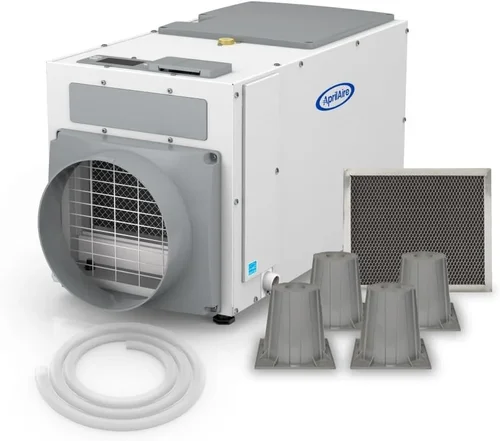
Best Overall Value: AprilAire E070 – Priced near $750, this 70-PPD powerhouse is ENERGY STAR certified, includes a condensate pump, and comes with a 5-year warranty. Trusted by professionals for reliability and performance.
Best Premium Option: Santa Fe Compact70 – A desiccant dehumidifier ($1,400+) that excels in cold or tightly sealed crawl spaces. Quiet, efficient, and capable of maintaining 30–40% RH even in winter.
Best for Beginners: Dri-Eaz F500 – Simple setup, intuitive controls, and robust construction make this a great entry point. Includes auto-restart and a clear water tank for easy monitoring.
Best for Advanced Users: AlorAir Sentinel HDi90 – Wi-Fi enabled, 90-PPD capacity, and app-based controls allow precise management. Perfect for tech-savvy homeowners or multi-property managers.
Conclusion: Making the Right Choice
Choosing the best under-house dehumidifier isn’t just about picking the most powerful or cheapest unit—it’s about matching the right technology to your home’s unique environment. From understanding capacity needs and energy efficiency to avoiding common installation pitfalls, every decision you make contributes to a healthier, more durable living space. Remember: the goal isn’t just to remove moisture, but to create a stable, protected foundation that safeguards your investment for decades.
Prioritize your specific conditions—climate, crawl space size, temperature range, and drainage options—and let those factors guide your selection. Don’t hesitate to invest in quality; a well-chosen dehumidifier pays for itself through lower energy bills, reduced repair costs, and peace of mind. And if you’re ever in doubt, consult a professional who specializes in moisture control—they can help you avoid costly mistakes and ensure your system works seamlessly from day one.
Your home deserves protection from the ground up. With the insights from this guide, you’re now equipped to make a confident, informed choice. Take action today—your future self (and your foundation) will thank you.