
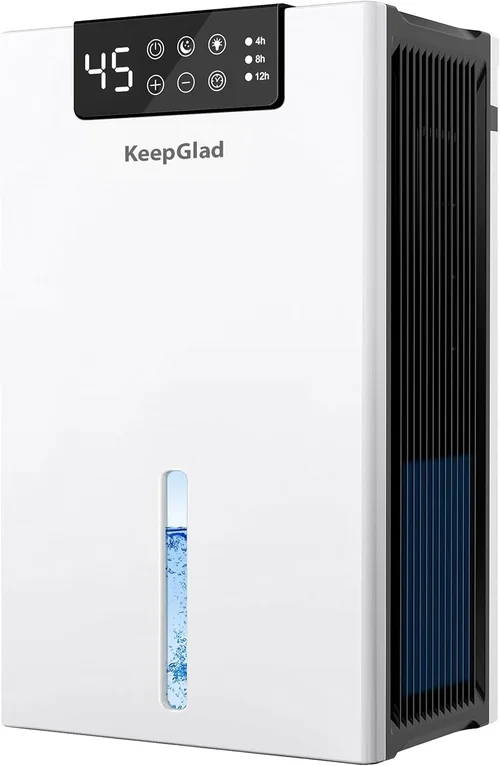
Dealing with excess moisture in your home isn’t just about comfort—it’s about health, safety, and long-term property preservation. Whether you’re battling musty odors in a basement, preventing mold growth in a bathroom, or simply trying to breathe easier in a humid climate, choosing the right dehumidifier can make all the difference. Yet, with dozens of models flooding the market—each boasting different capacities, features, and price points—it’s easy to feel overwhelmed. That’s why this comprehensive buying guide exists: to cut through the noise and help you make an informed, confident decision.
In this expert-level guide, you’ll learn everything you need to know about selecting the best dehumidifier for your specific needs. We’ll walk you through key performance metrics like pint capacity and energy efficiency, explain the pros and cons of different dehumidifier types (refrigerant vs. desiccant), and highlight critical features such as auto-humidistats, continuous drainage options, and smart connectivity. You’ll also discover common pitfalls to avoid, budget-friendly strategies, and real-world tips from HVAC professionals who’ve seen it all. By the end, you won’t just know which model to buy—you’ll understand why it’s the right choice for your space.
The dehumidifier market has evolved significantly over the past few years. Once considered niche appliances for basements or coastal homes, modern dehumidifiers now come packed with intelligent sensors, Wi-Fi controls, and eco-friendly refrigerants. Brands like Frigidaire, hOmeLabs, GE, and Midea dominate the mid-tier segment, while premium players like AprilAire and Santa Fe offer heavy-duty solutions for whole-house applications. Meanwhile, compact models from TaoTronics and Pro Breeze cater to renters and small-space dwellers. With so many options, knowing what truly matters—and what’s just marketing fluff—is essential.
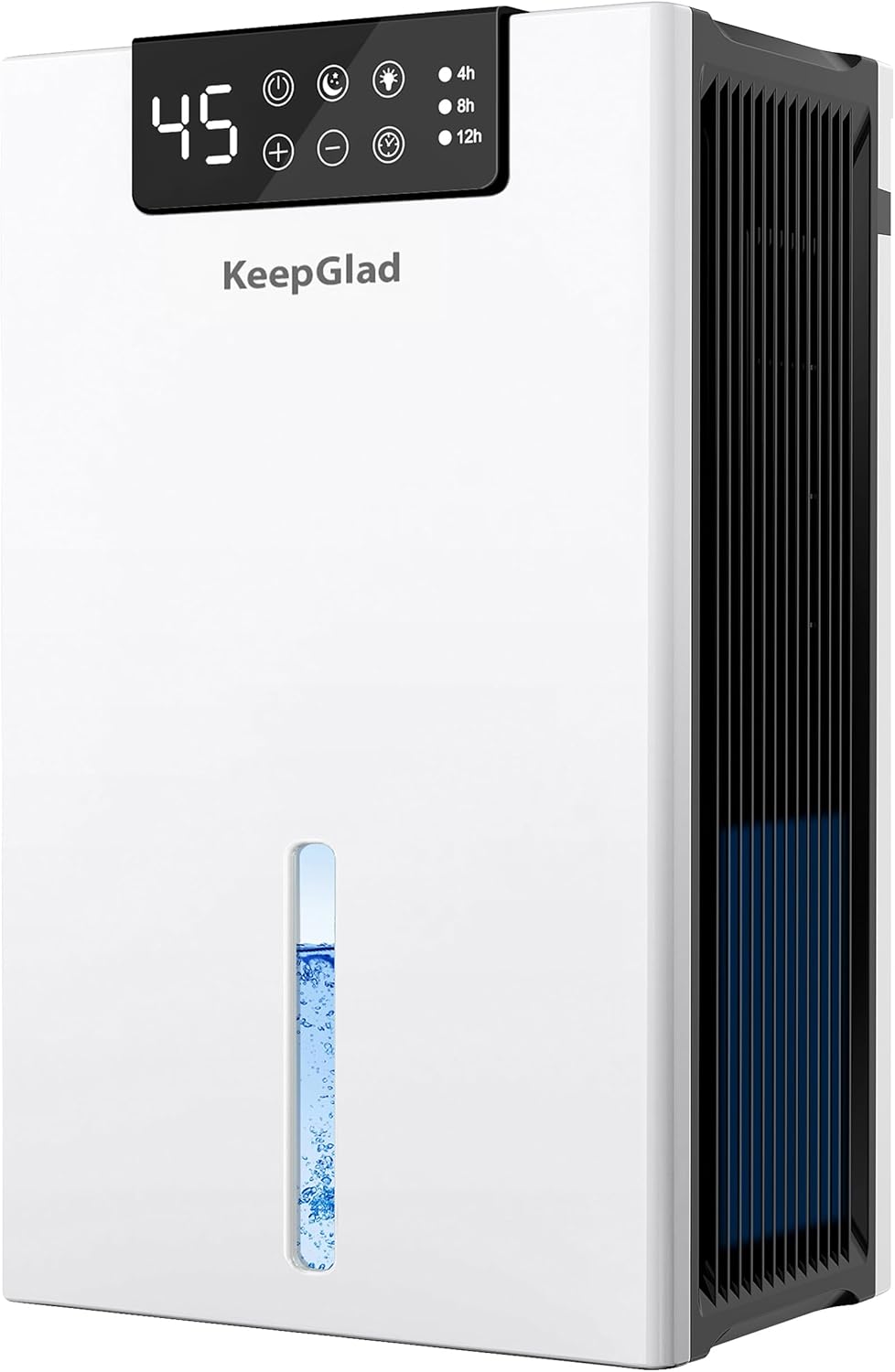
What to Look for When Buying a Dehumidifier
1. Room Size & Pint Capacity
The single most important factor when choosing a dehumidifier is matching its capacity to your room size. Dehumidifiers are rated by how many pints of moisture they can remove in 24 hours under standard conditions (typically 60% relative humidity at 80°F). A unit that’s too small will struggle to keep up, leaving your space damp and encouraging mold growth. One that’s too large may cycle on and off frequently, wasting energy and potentially over-drying the air.
To determine the right size, start by measuring your room’s square footage. Then assess the moisture level:
– Normal dampness (occasional musty smell): Choose a unit rated for your room size.
– Very damp (persistent odor, damp spots): Go one size up.
– Wet (standing water, condensation on walls): Consider a high-capacity model or professional-grade system.
For example, a 500 sq. ft. basement with moderate dampness typically needs a 30–50-pint dehumidifier. Always check the manufacturer’s coverage chart—don’t rely solely on pint ratings, as real-world performance varies based on temperature and humidity.
2. Energy Efficiency & Operating Costs
Dehumidifiers run for hours each day, so energy consumption directly impacts your utility bill. Look for the Energy Factor (EF), measured in liters of water removed per kilowatt-hour (L/kWh). The higher the EF, the more efficient the unit. ENERGY STAR-certified models must meet strict efficiency standards—typically removing at least 1.78 L/kWh for units under 75 pints.
For perspective, a 50-pint ENERGY STAR dehumidifier uses about 500–600 watts and costs roughly $15–$25 per month to run continuously, depending on local electricity rates. Non-certified models can cost significantly more. Also consider the bucket size: larger buckets mean fewer manual emptying cycles, reducing wear on the pump and improving runtime efficiency.
3. Humidity Control & Auto Features
Manual dehumidifiers require constant monitoring—a hassle most people don’t want. Instead, prioritize models with built-in digital humidistats that let you set your target humidity level (ideally between 30% and 50%). Once reached, the unit automatically shuts off or switches to low-power mode.
Advanced features include:
– Auto-restart: Resumes operation after a power outage.
– Defrost function: Prevents ice buildup in cold environments.
– Continuous drainage: Connect a garden hose to bypass the bucket entirely—ideal for basements or unattended spaces.
– Timer settings: Schedule operation during off-peak hours to save energy.
Smart dehumidifiers (like those compatible with Alexa or Google Home) allow remote monitoring via app, sending alerts when the bucket is full or humidity spikes occur.
4. Noise Level & Placement Flexibility
Dehumidifiers aren’t silent—they use compressors and fans, which generate noise. Most residential units range from 45 to 60 decibels (dB), comparable to a quiet conversation or refrigerator hum. However, placement matters: a unit in a bedroom should ideally be under 50 dB, while basement models can tolerate slightly louder operation.
Check the product specs for noise ratings, and read user reviews for real-world feedback. Some brands use insulated compressor compartments or variable-speed fans to reduce sound. Also consider portability: look for built-in handles, caster wheels, and lightweight designs (under 40 lbs for easy moving).
5. Build Quality & Durability
A dehumidifier is a long-term investment. Cheap plastic housings, thin coils, and flimsy control panels may save money upfront but lead to premature failure. Look for:
– Corrosion-resistant coils (especially important in basements or coastal areas).
– Sturdy water buckets with splash guards and easy-grip handles.
– Sealed electrical components to prevent moisture damage.
– Robust warranty coverage (see below).
Metal grilles, reinforced casings, and reputable compressor brands (like Panasonic or LG) are signs of higher build quality. Avoid models with vague “proprietary” components—you want serviceable parts if repairs are needed.
6. Brand Reputation & Customer Support
Not all dehumidifier brands are created equal. Established names like Frigidaire, GE, and hOmeLabs have decades of experience and reliable customer service networks. Emerging brands may offer tempting prices but often lack technical support or spare parts availability.
Before buying, research:
– How responsive the brand is to warranty claims.
– Whether replacement filters or buckets are readily available.
– If local repair centers service the model.
Check third-party review sites (like Consumer Reports or Wirecutter) and forums (Reddit’s r/Appliances) for user experiences. A brand with a history of recalls or poor support should raise red flags—even if the specs look great on paper.
7. Warranty & Return Policy
A good warranty reflects manufacturer confidence in their product. Most dehumidifiers come with a 1-year limited warranty, but premium models often include 2–5 years of coverage, sometimes with extended compressor protection.
Pay attention to what’s covered:
– Does the warranty include labor and parts?
– Are there exclusions for “commercial use” or “improper installation”?
– Is registration required to activate coverage?
Also review the retailer’s return policy. Many stores offer 30–90 day windows for returns, especially during seasonal sales. If you’re unsure about fit or performance, choose a seller with a generous return window and free return shipping.
8. Specialized Needs & Environment
Your environment dictates unique requirements. For example:
– Basements: Need continuous drainage, low-temperature operation, and mold-resistant coatings.
– Bathrooms or laundry rooms: Benefit from compact, quiet units with quick-dry modes.
– Off-grid or RVs: Require 12V or solar-compatible desiccant models.
– Allergy sufferers: Should look for HEPA or antimicrobial filters to trap mold spores and dust.
If you live in a humid climate (like Florida or the Gulf Coast), prioritize high-capacity, high-efficiency models. In dry regions, even a small unit may suffice—but avoid over-dehumidifying, which can cause respiratory irritation or static electricity.
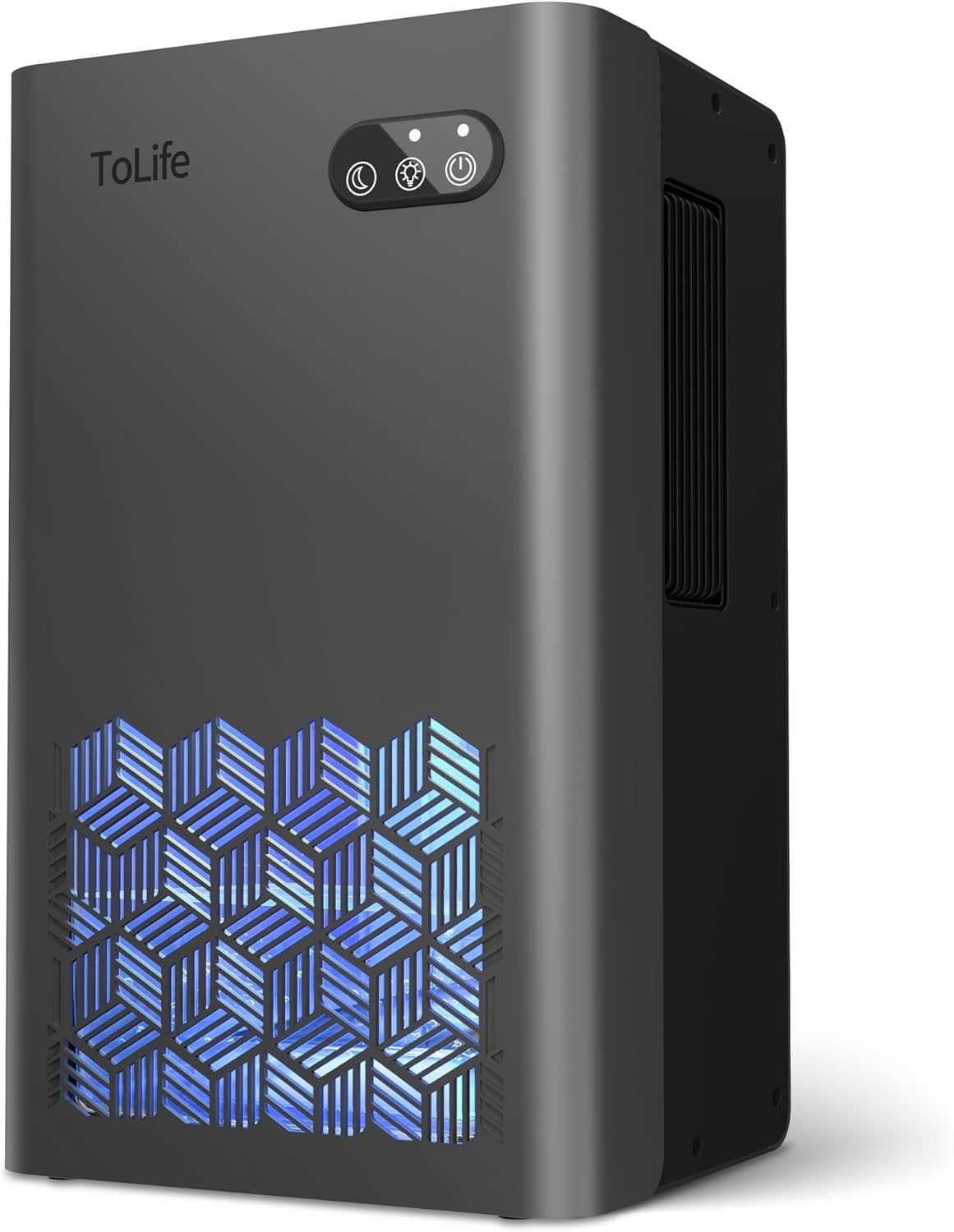
Different Types of Dehumidifiers
Common Buying Mistakes to Avoid
❌ Mistake: Ignoring Room Conditions
Why it’s bad: Buying a dehumidifier based solely on square footage without considering temperature, humidity level, or air circulation leads to poor performance. A standard refrigerant unit will freeze up in a 55°F crawl space, while a mini desiccant won’t handle a flooded basement.
What to do instead: Assess your space holistically. Measure humidity with a hygrometer ($10–$20), note the average temperature, and observe moisture patterns (condensation, stains, odors). Use this data to select the right type and capacity.
❌ Mistake: Overlooking Drainage Options
Why it’s bad: Many buyers assume they’ll empty the bucket daily—but life gets busy. A full bucket means the unit stops working, defeating its purpose. In basements or vacation homes, this can lead to mold outbreaks.
What to do instead: Always choose a model with a continuous drain hose option. Even if you don’t use it immediately, having the capability future-proofs your purchase. Ensure the hose outlet is accessible and the pump (if included) is reliable.
❌ Mistake: Choosing Based on Price Alone
Why it’s bad: The cheapest dehumidifier often costs more in the long run due to higher energy bills, frequent repairs, or short lifespan. A $99 model may use twice the electricity of a $250 ENERGY STAR unit.
What to do instead: Calculate total cost of ownership: purchase price + estimated annual energy cost × expected lifespan (5–10 years). Prioritize efficiency and durability over upfront savings.
❌ Mistake: Neglecting Maintenance Requirements
Why it’s bad: Dirty filters and clogged coils reduce efficiency by up to 30% and can cause overheating or compressor failure. Many users don’t realize filters need monthly cleaning.
What to do instead: Choose models with washable, reusable filters and easy-access panels. Set calendar reminders for maintenance. If you’re forgetful, consider units with filter change indicators.
❌ Mistake: Assuming All “50-Pint” Units Are Equal
Why it’s bad: Pint ratings are tested under ideal lab conditions (80°F, 60% RH). In cooler or less humid environments, actual output drops significantly. Two 50-pint units may perform very differently in your home.
What to do instead: Read independent reviews that test real-world performance. Look for units with adjustable fan speeds and adaptive defrost—they maintain efficiency across varying conditions.
❌ Mistake: Skipping the Warranty Fine Print
Why it’s bad: Some warranties void coverage if the unit is used in a basement or moved frequently. Others require professional installation for validity.
What to do instead: Read the warranty terms before buying. Register your product promptly, and keep receipts. If the warranty seems restrictive, consider paying more for a brand with better protection.
❌ Mistake: Buying Without Testing Return Options
Why it’s bad: Dehumidifiers are bulky and expensive to return. If the unit is too loud, too small, or incompatible with your setup, you could be stuck with it.
What to do instead: Purchase from retailers with hassle-free return policies (e.g., Amazon, Home Depot, Lowe’s). Test the unit within the return window—run it for 48 hours and monitor noise, drainage, and humidity levels.
Budget Guidelines: How Much Should You Spend?
Entry-Level ($50–$150): These are typically mini desiccant or thermoelectric units ideal for closets, RVs, or very small rooms (< 200 sq ft). Expect basic controls, small buckets (0.5–1L), and limited capacity (5–15 pints/day equivalent). Great for occasional use but not suitable for damp basements or whole-room dehumidification. Brands like Eva-Dry and Pro Breeze dominate this tier. Mid-Range ($150–$350): This is the sweet spot for most homeowners. You’ll find reliable 30–70 pint refrigerant dehumidifiers with digital controls, auto-humidistats, continuous drainage, and decent energy efficiency. Models from hOmeLabs, Frigidaire, and GE offer excellent value here. Expect 1–2 year warranties and solid build quality. Perfect for basements, garages, and medium-sized living spaces.
Premium ($350–$700): Designed for demanding environments, these units feature high-efficiency compressors, large-capacity buckets (1.5–2 gallons), advanced filtration (HEPA, activated carbon), and smart connectivity. Look for brands like AprilAire, Santa Fe, and Tosot. Many include built-in pumps for upward drainage and operate efficiently down to 40°F. Ideal for large basements, crawl spaces, or humid climates.
Luxury ($700+): Whole-house ducted systems or commercial-grade portable units fall into this category. They integrate with HVAC systems, offer zone control, and provide hospital-level air quality. Used in new construction, luxury homes, or medical facilities. Expect professional installation, 5+ year warranties, and sophisticated monitoring via apps or home automation platforms.
Expert Tips for Getting the Best Deal
– Buy in late winter or early spring: Retailers discount dehumidifiers before humid summer months. Look for Presidents’ Day, Memorial Day, or Amazon Prime Day deals.
– Check manufacturer rebates: Some utilities offer rebates for ENERGY STAR appliances—especially in hot, humid states like Texas or Georgia.
– Compare total cost, not just sticker price: Include shipping, taxes, and potential return fees. Sometimes a slightly higher-priced item with free shipping is cheaper overall.
– Read verified purchase reviews: Focus on reviews from buyers with similar room sizes and climates. Look for comments about noise, reliability, and customer service.
– Test before committing: If possible, try the unit in your space during the return window. Monitor humidity levels with a separate hygrometer to verify performance.
– Consider refurbished or open-box models: Certified refurbished units from reputable sellers (like Amazon Renewed or manufacturer outlets) often come with full warranties at 20–40% off.
– Negotiate with local HVAC pros: For whole-house systems, get multiple quotes. Some contractors bundle installation with seasonal maintenance discounts.
– Register your product immediately: This activates warranty coverage and ensures you receive safety recalls or firmware updates.
Frequently Asked Questions
Q: How do I know if I need a dehumidifier?
A: Signs include persistent musty odors, condensation on windows or walls, peeling paint, warped wood, or visible mold. Use a hygrometer to measure indoor humidity—if it consistently exceeds 50%, a dehumidifier is recommended.
Q: Can a dehumidifier help with allergies?
A: Yes. By reducing moisture, dehumidifiers inhibit mold, dust mites, and mildew—common allergens. Pair with an air purifier for best results, especially if you choose a model with a HEPA filter.
Q: Should I run my dehumidifier continuously?
A: Not necessarily. Most modern units have auto modes that cycle on/off to maintain your set humidity level. Continuous operation is only needed in extremely wet conditions or if using continuous drainage.
Q: Will a dehumidifier lower my air conditioning bill?
A: Indirectly, yes. Dry air feels cooler, so you may raise your thermostat a few degrees without sacrificing comfort. However, dehumidifiers generate heat, so don’t expect major AC savings unless humidity is very high.
Q: Can I use a dehumidifier in winter?
A: Only if it’s rated for low temperatures (below 65°F). Standard refrigerant models will ice up. Desiccant or low-temp refrigerant units work down to 40°F and are safe for winter basements or garages.
Q: How often should I clean my dehumidifier?
A: Clean the water bucket weekly and the air filter monthly. Wipe coils and vents quarterly. Neglecting maintenance reduces efficiency and can void your warranty.
Q: Is it safe to leave a dehumidifier on overnight?
A: Yes, as long as it’s placed on a stable, flat surface away from flammable materials. Modern units have safety cutoffs for overheating and tip-over protection. Avoid covering vents or blocking airflow.
Q: What’s the ideal indoor humidity level?
A: Between 30% and 50%. Below 30%, air becomes too dry (causing static and irritation); above 50%, mold and dust mites thrive. Adjust based on season and comfort.
Q: Do dehumidifiers use a lot of electricity?
A: It depends. A typical 50-pint ENERGY STAR model uses about 500 watts and costs $15–$25/month to run 8 hours daily. Compare EF ratings to find the most efficient option for your needs.
Q: Can I install a whole-house dehumidifier myself?
A: Generally no. Ducted systems require HVAC expertise to integrate with your furnace or AC. Improper installation can damage your system or reduce efficiency. Always hire a licensed professional.
Our Final Recommendations
– Best for Budget-Conscious Buyers: hOmeLabs 30 Pint Dehumidifier – At under $200, it offers digital controls, continuous drainage, and reliable performance for small to medium rooms. Great entry point with solid build quality.
– Best Overall Value: Frigidaire FFAD7033R1 70 Pint – ENERGY STAR certified, operates down to 41°F, includes a built-in pump and large 1.7-gallon bucket. Consistently tops expert and user rankings for mid-sized basements.
– Best Premium Option: AprilAire E080 Pro 80 Pint – Professional-grade, ultra-quiet, and designed for whole-home integration. Features a corrosion-resistant coil, 5-year warranty, and exceptional durability for severe humidity issues.
– Best for Beginners: GE APER50LZ 50 Pint – Simple interface, clear bucket with carry handle, and reliable performance. Backed by GE’s nationwide service network, making it ideal for first-time buyers.
– Best for Advanced Users: Tosot 50 Pint Smart Dehumidifier – Wi-Fi enabled, works with Alexa/Google, includes app-based scheduling and alerts. High EF rating and sleek design appeal to tech-savvy homeowners who want control and efficiency.
Conclusion: Making the Right Choice
Choosing the right dehumidifier isn’t just about picking the biggest number or the lowest price—it’s about aligning the appliance’s capabilities with your home’s unique environment, your lifestyle, and your long-term goals. Whether you’re protecting cherished belongings in a basement, improving indoor air quality for a family member with asthma, or simply creating a more comfortable living space, the right dehumidifier delivers tangible benefits that extend far beyond dry air.
Remember to prioritize room size, humidity level, and operational features over flashy extras. Invest in energy efficiency, durability, and smart controls that simplify maintenance. And never skip the research phase: read reviews, compare warranties, and test before you commit. With the insights from this guide, you’re equipped to make a confident, informed decision that pays dividends in comfort, health, and peace of mind for years to come.
Don’t let excess moisture compromise your home’s integrity or your well-being. Take action today—measure your space, assess your needs, and choose a dehumidifier that works as hard as you do. Your future self (and your walls) will thank you.