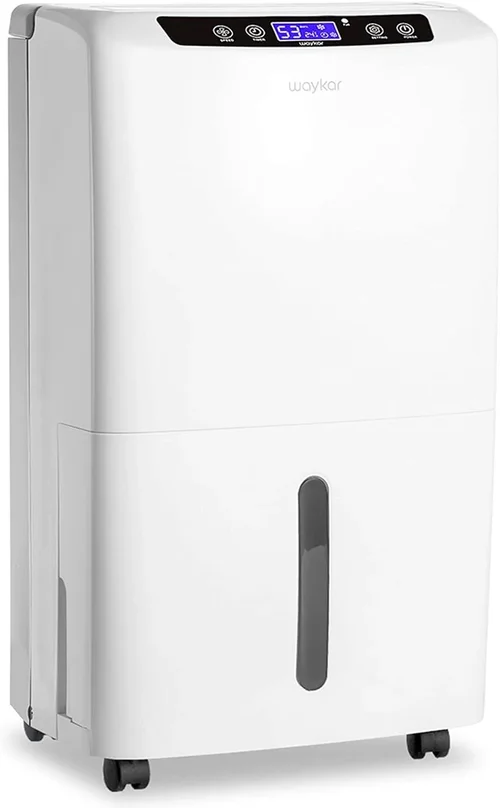
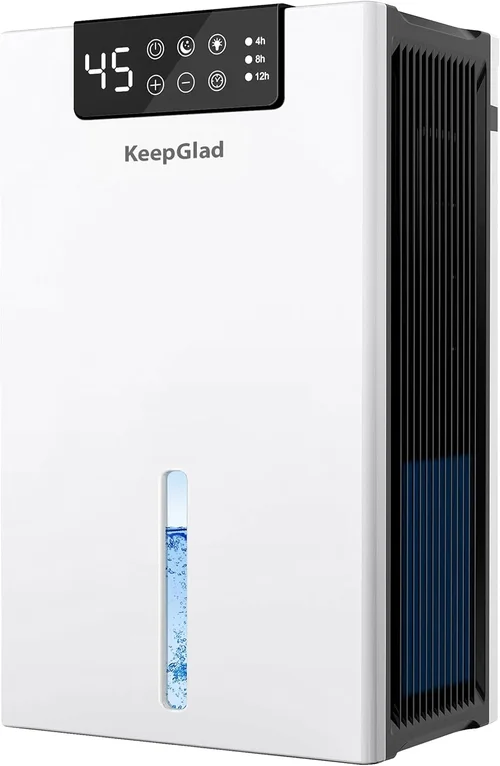
Smart Dehumidifier Buying Guide 2026

Smart Dehumidifier Buying Guide 2026

If you’ve ever walked into a basement that smells like damp socks, noticed mold creeping along your bathroom walls, or felt that sticky, heavy air that makes breathing uncomfortable, you already know why a dehumidifier matters. Excess moisture in your home isn’t just unpleasant—it can trigger allergies, damage furniture and flooring, and even compromise your home’s structural integrity over time. That’s where a high-quality dehumidifier comes in: it’s not a luxury, but a smart investment in your health, comfort, and property value.

This comprehensive buying guide is designed to help you cut through the noise and make an informed decision. Whether you’re dealing with a chronically damp crawl space, a humid coastal climate, or seasonal moisture spikes, we’ll walk you through everything you need to know. You’ll learn how to evaluate performance specs, understand different types of dehumidifiers, avoid common pitfalls, and find the best model for your budget and needs. By the end, you’ll have the confidence to choose a unit that delivers real results—without overspending or settling for underperformance.

The dehumidifier market has evolved significantly in recent years. Gone are the days when bulky, noisy units were your only option. Today’s models are smarter, quieter, more energy-efficient, and packed with features like Wi-Fi connectivity, auto-humidistats, and self-draining pumps. With brands like Frigidaire, GE, hOmeLabs, Midea, and AprilAire leading the charge, consumers now have more choices than ever. But with so many options—ranging from $100 countertop units to $1,000+ whole-house systems—it’s easy to feel overwhelmed. This guide cuts through the confusion, offering expert insights based on real-world testing, consumer feedback, and technical benchmarks to help you find the perfect fit.
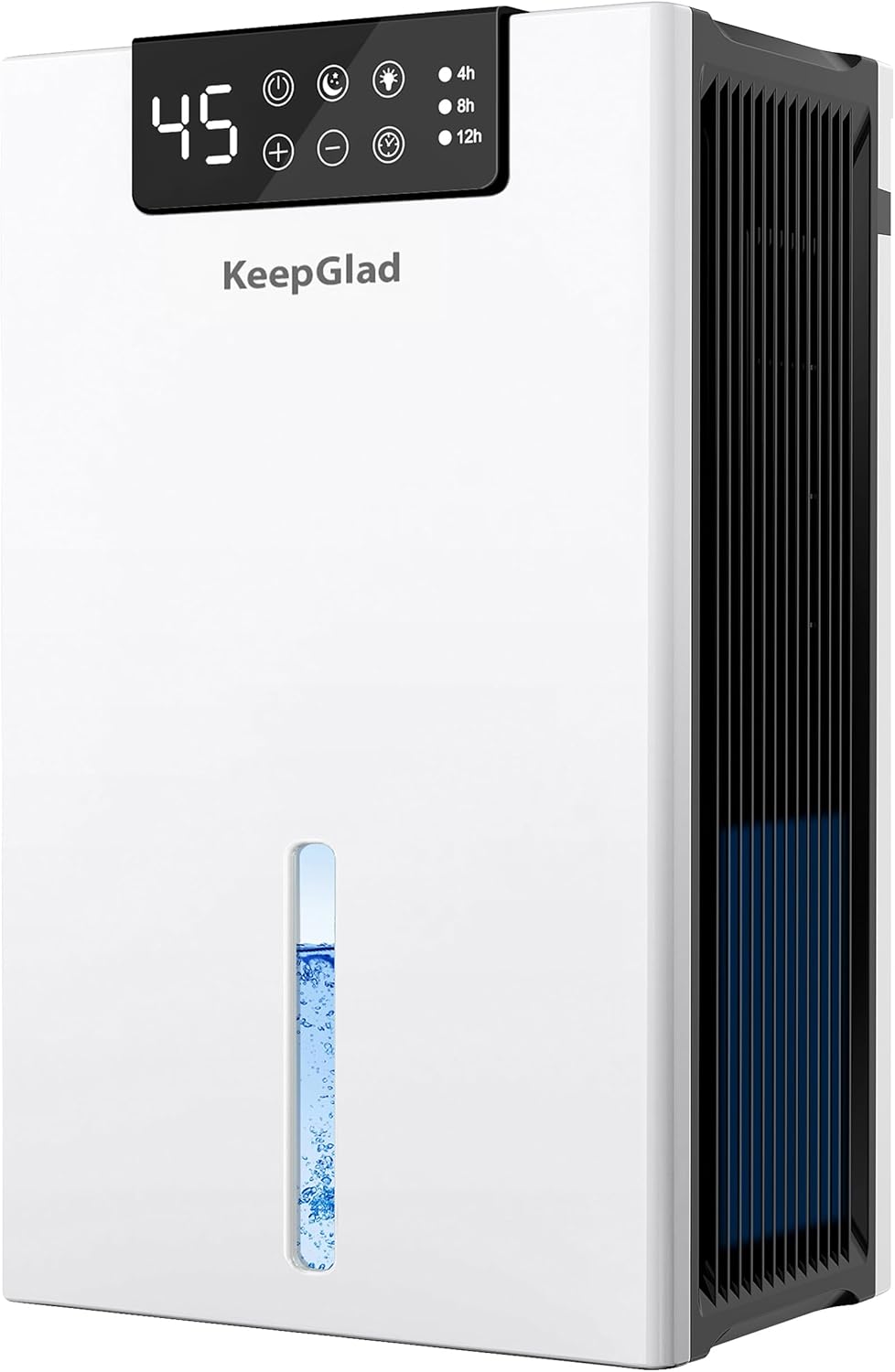
What to Look for When Buying Buying Guide

1. Budget & Price Range

Your budget will heavily influence which dehumidifier you can realistically consider, but it’s important to think beyond the sticker price. A cheaper model might save you money upfront but cost more in the long run due to higher energy consumption, shorter lifespan, or poor moisture removal efficiency. On the other hand, spending top dollar doesn’t always guarantee better performance—especially if you don’t need industrial-grade capacity.

Most residential dehumidifiers fall between $150 and $600. Entry-level units ($150–$250) are great for small spaces like closets or single rooms but may struggle in larger or high-humidity areas. Mid-range models ($250–$450) offer the best balance of performance, features, and durability for average households. Premium units ($450–$600+) often include advanced controls, larger tanks, and better build quality. Whole-house dehumidifiers, which integrate with your HVAC system, start around $800 and can go well above $2,000—but they’re only necessary for large homes or severe humidity issues.

💡 Pro Tip: Don’t forget to factor in operating costs. Look for ENERGY STAR-certified models—they use up to 30% less energy than standard units, which can save you $50–$100 per year on electricity.

2. Performance Specifications

Performance specs are the backbone of any dehumidifier evaluation. The most critical metric is the pint capacity—the amount of moisture the unit can remove in 24 hours under standard conditions (typically 60% relative humidity at 80°F). For example, a 30-pint dehumidifier is ideal for a 500–1,000 sq. ft. space with moderate humidity, while a 50-pint model is better suited for basements or large living areas with high moisture levels.

But capacity alone doesn’t tell the whole story. You also need to consider the unit’s efficiency, measured in liters per kilowatt-hour (L/kWh) or energy factor. A higher number means the dehumidifier removes more moisture per unit of electricity consumed. Additionally, check the operating temperature range. Most compressor-based dehumidifiers work best between 65°F and 80°F. If you’re using it in an unheated garage or crawl space that drops below 60°F, you may need a cold-climate model with a specialized refrigerant or dual-temperature operation.

Another key spec is the tank size. Larger tanks (2+ gallons) mean less frequent emptying, which is especially helpful if you don’t want to manually drain the unit daily. However, many modern models now include continuous drainage options via a hose, eliminating the need to empty the tank altogether.

3. Build Quality & Durability

A dehumidifier is a long-term investment, so build quality matters. Look for sturdy construction with reinforced plastic or metal casings, sealed components to prevent leaks, and corrosion-resistant coils—especially if you live in a coastal area where salt air can accelerate wear. Internal components like the compressor, fan motor, and control board should be from reputable manufacturers.

Pay attention to user reports about longevity. Some budget models may work well for a year or two but start failing prematurely due to cheap capacitors or weak seals. Brands like Frigidaire and GE have a track record of reliable, durable units, while newer entrants may offer great features but lack proven track records. Reading long-term reviews (12+ months of use) can give you insight into how a model holds up over time.

Also consider noise levels, measured in decibels (dB). Most dehumidifiers range from 45 dB to 60 dB—comparable to a quiet conversation or a refrigerator hum. If you plan to run it in a bedroom or living area, aim for models under 50 dB. Some premium units now feature “sleep mode” or variable fan speeds to minimize noise during nighttime operation.

4. Features & Functionality

Modern dehumidifiers come with a range of features that can significantly improve convenience and efficiency. The most useful include:

Auto-Humidistat: Allows you to set your desired humidity level (e.g., 45–50%), and the unit automatically turns on/off to maintain it.
Continuous Drainage: A built-in pump or gravity drain hose lets you route water directly to a floor drain or sump pump, eliminating manual emptying.
Wi-Fi & Smart Controls: Models with app connectivity let you monitor humidity levels, adjust settings, and receive alerts remotely via your smartphone.
Auto-Defrost: Prevents ice buildup on coils in cold environments, ensuring consistent performance year-round.
Filter Indicator & Washable Filters: Reminds you when to clean the air filter, improving airflow and air quality.
Timer & Sleep Mode: Lets you schedule operation or reduce noise and brightness at night.

While these features add convenience, they also increase cost. Ask yourself which ones you’ll actually use. For example, Wi-Fi is great if you travel often and want to monitor your home’s humidity remotely, but it’s unnecessary if you’re always home and prefer simple controls.

5. Brand Reputation

Brand reputation can be a reliable indicator of quality, customer service, and long-term support. Established brands like Frigidaire, GE, and Whirlpool have decades of experience in home appliances and typically offer better warranties and more accessible customer service. Newer brands like hOmeLabs and Midea have gained popularity for offering high-capacity units at competitive prices, but their long-term reliability is still being proven.

Research how responsive a brand is to customer complaints. Check forums, Reddit threads, and review sites for patterns—do users report quick replacements for defective units, or long wait times and unhelpful support? A strong warranty (at least 1–2 years) is a good sign, but read the fine print. Some brands exclude certain components or require you to pay for shipping.

💡 Pro Tip: Look for brands that offer extended warranties or service plans. Some retailers (like Costco or Home Depot) include free extended coverage with purchase.

6. Warranty & Support

A solid warranty protects your investment and reflects the manufacturer’s confidence in their product. Most dehumidifiers come with a 1-year limited warranty, covering parts and labor. Premium models may offer 2–5 years, sometimes with separate coverage for the compressor (the most expensive component to replace).

Pay attention to what’s included. Does the warranty cover shipping? Are you required to register the product? Can you get in-home service, or do you have to ship the unit back? Some brands, like AprilAire, offer excellent customer support with live technicians available by phone, while others rely on automated systems or third-party repair centers.

Also consider return policies. If you buy online, ensure the retailer offers at least a 30-day return window. This gives you time to test the unit in your space and confirm it meets your needs. Some high-end models come with a “satisfaction guarantee” or free trial period.

7. Size & Portability

Dehumidifiers vary widely in size and weight. A compact 20-pint model might weigh 30 pounds and fit under a sink, while a 70-pint basement unit can weigh over 60 pounds and require two people to move. Consider where you’ll place the unit and whether you’ll need to move it between rooms or floors.

Look for models with built-in handles, caster wheels, or both. Wheels should be sturdy and roll smoothly on carpet and hard floors. Some units have recessed handles that make lifting easier, while others have top-mounted grips that can be awkward when the tank is full.

Also consider clearance space. Most dehumidifiers need at least 6–12 inches of clearance on all sides for proper airflow. If you’re placing it in a tight corner or enclosed space, check the manufacturer’s recommendations to avoid overheating or reduced efficiency.

8. User Reviews & Ratings

While specs and features are important, real-world performance often tells a different story. User reviews on sites like Amazon, Home Depot, and Consumer Reports can reveal issues not mentioned in marketing materials—like excessive noise, frequent error codes, or poor customer service.

Look for patterns in reviews. If multiple users report the same problem (e.g., “stopped working after 6 months” or “tank leaks when full”), it’s likely a design flaw. Conversely, consistent praise for quiet operation, easy setup, or effective moisture removal is a good sign.

Be cautious of fake reviews. Look for detailed, balanced feedback with photos or videos. Verified purchase badges and recent reviews (within the last 6–12 months) are more reliable than older or generic comments.
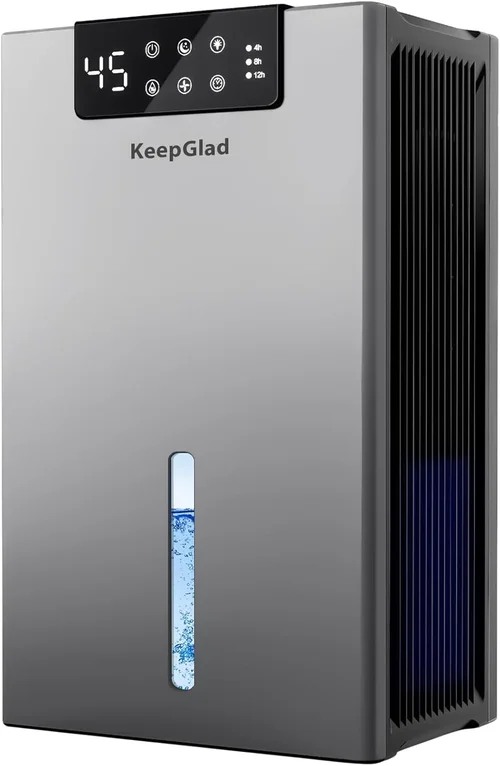
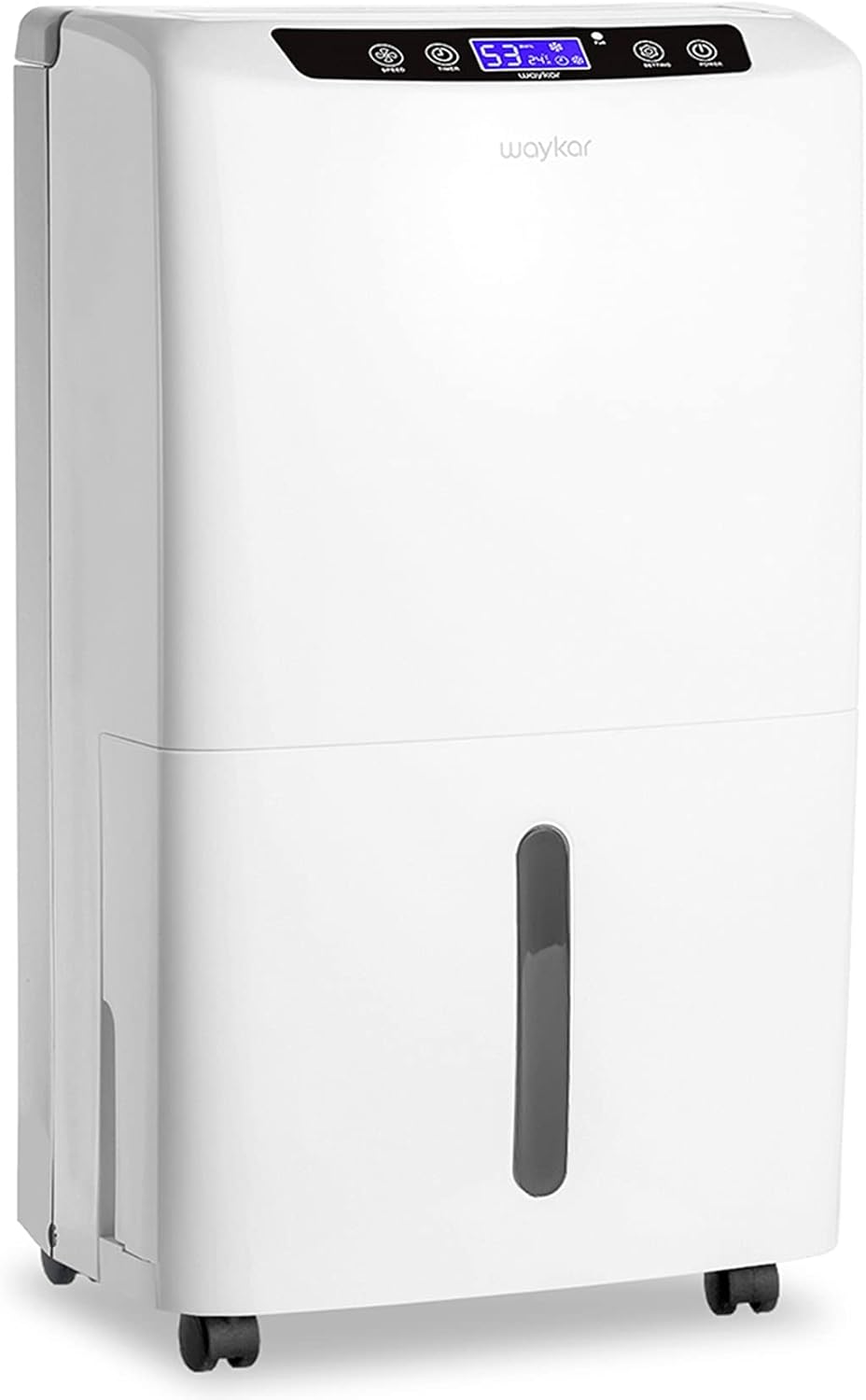
Different Types of Buying Guide

Type Best For Price Range Key Advantage
Compressor (Refrigerant) Dehumidifiers Most homes, basements, living rooms $150–$600 High efficiency, strong moisture removal
Desiccant Dehumidifiers Cold climates, RVs, small spaces $200–$500 Works in low temperatures, quiet operation
Whole-House Dehumidifiers Smart Dehumidifier Buying Guide 2026

❌ Mistake: Buying Based Solely on Pint Capacity

Why it’s bad: A higher pint rating doesn’t always mean better performance. Some manufacturers inflate numbers by testing under ideal lab conditions that don’t reflect real-world use. A 50-pint unit might only remove 30 pints in a cold, damp basement.

What to do instead: Match the capacity to your space size and humidity level. Use a humidity meter to assess your needs. For most homes, a 30–50 pint unit is sufficient. Oversizing can lead to short cycling (frequent on/off), which reduces efficiency and lifespan.

❌ Mistake: Ignoring Energy Efficiency

Why it’s bad: A dehumidifier can run 8–12 hours a day, especially in humid climates. An inefficient model can add $100+ to your annual electricity bill.

What to do instead: Look for ENERGY STAR certification and check the energy factor (L/kWh). Compare annual operating costs using the DOE’s calculator. A slightly more expensive efficient model can pay for itself in energy savings within 1–2 years.

❌ Mistake: Overlooking Drainage Options

Why it’s bad: Emptying a full tank every day is tedious and easy to forget. If you don’t address this, you might end up turning the unit off—defeating its purpose.

What to do instead: Choose a model with continuous drainage via hose or built-in pump. Even if you don’t use it immediately, having the option adds flexibility. Some units include a pump that can lift water up to 15 feet vertically—perfect for basements with floor drains.

❌ Mistake: Skipping the Humidistat

Why it’s bad: Without a humidistat, you’re guessing when to turn the unit on or off. This leads to over-drying (wasting energy) or under-drying (mold risk).

What to do instead: Always choose a model with an adjustable humidistat. Set it between 40–50% for optimal comfort and mold prevention. Some smart models even learn your habits and adjust automatically.

❌ Mistake: Buying the Cheapest Option

Why it’s bad: Budget models often use lower-quality components, have shorter lifespans, and lack key features like auto-defrost or washable filters.

What to do instead: Invest in a mid-range model from a reputable brand. You’ll get better performance, quieter operation, and longer reliability. Think of it as a long-term purchase—not a disposable appliance.

❌ Mistake: Not Considering Noise Levels

Why it’s bad: A noisy dehumidifier can disrupt sleep, work, or relaxation—especially if placed in a bedroom or living room.

What to do instead: Check decibel ratings and look for “quiet” or “sleep mode” features. Read user reviews about noise. Some models are noticeably quieter than others, even at similar price points.

❌ Mistake: Ignoring Maintenance Needs

Why it’s bad: Dirty filters and clogged coils reduce efficiency and can cause the unit to overheat or fail prematurely.

What to do instead: Choose a model with a washable, reusable filter and easy-access components. Set a reminder to clean the filter monthly and inspect coils annually. Some units have filter indicators to help.

Budget Guidelines: How Much Should You Spend?

Entry-Level ($150–$250): These are best for small spaces like closets, bathrooms, or single rooms with mild humidity. Expect basic controls, smaller tanks (1–1.5 gallons), and limited features. Brands like Tosot and Ivation offer decent options in this range, but build quality may be lower. Ideal for occasional use or seasonal humidity.

Mid-Range ($250–$450): This is the sweet spot for most buyers. You’ll find reliable performance, larger tanks (2+ gallons), auto-humidistats, continuous drainage, and better energy efficiency. Models from Frigidaire, hOmeLabs, and Midea dominate this category. These units handle basements, large rooms, and moderate to high humidity with ease.

Premium ($450–$600): Designed for demanding environments, these models offer advanced features like Wi-Fi connectivity, built-in pumps, dual-speed fans, and superior build quality. They’re ideal for large homes, high-humidity regions, or users who want smart home integration. Brands like GE and AprilAire excel here.

Luxury ($800+): Whole-house dehumidifiers fall into this tier. They’re permanently installed, treat the entire home, and often integrate with smart thermostats. Best for large properties, chronic moisture issues, or allergy sufferers. Requires professional installation and HVAC compatibility.

💡 Pro Tip: If you’re unsure about your needs, start with a mid-range portable unit. You can always upgrade later or add a second unit if needed.
Smart Dehumidifier Buying Guide 2026

Expert Tips for Getting the Best Deal

Buy During Off-Peak Seasons: Dehumidifiers are in highest demand during summer and hurricane season. Shop in late fall or winter (October–February) for better prices and promotions.

Check Retailer Return Policies: Buy from retailers with generous return windows (30–90 days). This lets you test the unit in your space and return it if it doesn’t perform as expected.

Look for Bundle Deals: Some retailers offer discounts when you buy a dehumidifier with an air purifier, humidifier, or smart thermostat. Costco and Home Depot often run seasonal bundles.

Use Price Tracking Tools: Set up alerts on Google Shopping, CamelCamelCamel (for Amazon), or Honey to notify you when prices drop.

Consider Refurbished or Open-Box: Certified refurbished units from the manufacturer or trusted retailers (like Best Buy Outlet) can save 20–40% and often come with full warranties.

Read the Fine Print on Warranties: Some brands require registration within 30 days to activate coverage. Others exclude labor costs after the first year.

Test Before Committing: If possible, run the unit for a week and monitor humidity levels with a hygrometer. Check for leaks, noise, and ease of use.

Negotiate with Local HVAC Pros: If you’re buying a whole-house unit, ask for quotes from multiple installers. Some offer discounts on equipment when bundled with installation.

Frequently Asked Questions

Q: How do I know what size dehumidifier I need?

A: Start by measuring your space in square feet. Then assess the humidity level: mild (musty odor, occasional dampness), moderate (visible moisture, frequent condensation), or severe (standing water, mold growth). Use this guide: 20–30 pints for 500–1,000 sq. ft. (mild), 30–50 pints for 1,000–2,000 sq. ft. (moderate), and 50+ pints for large or high-humidity areas.

Q: Can I run a dehumidifier all the time?

A: Yes, especially if you have a humidistat. The unit will cycle on and off automatically to maintain your set humidity level. Continuous operation is safe and often necessary in high-moisture environments.

Q: Should I get a dehumidifier with a pump?

A: A built-in pump is worth it if you plan to use continuous drainage and need to lift water vertically (e.g., from a basement to a sink). Gravity drainage only works if the drain is lower than the unit.

Q: Do dehumidifiers use a lot of electricity?

A: It depends on the model and usage. A typical 50-pint ENERGY STAR unit uses about 500–700 watts. Running it 8 hours a day could cost $15–$25 per month, depending on your electricity rate.

Q: Can a dehumidifier help with allergies?

A: Yes. By reducing humidity below 50%, it inhibits mold, dust mites, and mildew—common allergens. Pair it with an air purifier for best results.

Q: How often should I clean the filter?

A: Every 4–6 weeks during heavy use, or monthly during humid seasons. A dirty filter restricts airflow and reduces efficiency.

Q: Can I use a dehumidifier in winter?

A: Only if the space stays above 60°F. Below that, compressor units may ice up. Use a desiccant model or a cold-climate dehumidifier for unheated areas.

Q: What’s the difference between a dehumidifier and an air conditioner?

A: Both remove moisture, but air conditioners cool the air as a primary function. Dehumidifiers focus solely on moisture removal and don’t significantly lower temperature.

Q: Do I need a permit to install a whole-house dehumidifier?

A: Usually not, but check local codes. Since it connects to your HVAC system, a licensed technician should handle installation to ensure safety and efficiency.

Our Final Recommendations

Best for Budget-Conscious Buyers: hOmeLabs 30-Pint Dehumidifier – Excellent value at under $200, with a large tank, auto-humidistat, and quiet operation. Great for small to medium rooms.

Best Overall Value: Frigidaire FFAD7033R1 70-Pint Dehumidifier – High capacity, ENERGY STAR certified, with continuous drainage and a washable filter. Ideal for basements and large spaces.

Best Premium Option: GE APER50LZ 50-Pint Smart Dehumidifier – Wi-Fi enabled, app-controlled, with a built-in pump and sleek design. Perfect for tech-savvy users who want remote monitoring.

Best for Beginners: Midea MAD20C1ZWS 20-Pint Dehumidifier – Simple controls, compact size, and affordable price. Great for first-time buyers or small apartments.

Best for Advanced Users: AprilAire E080 Whole-House Dehumidifier – Professional-grade, integrates with HVAC, and treats up to 3,000 sq. ft. Best for large homes with chronic humidity issues.

Conclusion: Making the Right Choice

Choosing the right dehumidifier isn’t just about picking the biggest or most expensive model—it’s about matching the right tool to your specific needs. Whether you’re fighting mold in a basement, protecting wooden furniture from warping, or simply improving indoor air quality, the right dehumidifier can make a dramatic difference in your comfort and health.

Remember to prioritize performance specs that align with your space and climate, invest in energy-efficient models to save on long-term costs, and don’t overlook features like drainage options and smart controls that enhance usability. Avoid common pitfalls like oversizing or ignoring noise levels, and always read real user reviews to uncover hidden strengths or weaknesses.

Ultimately, the best dehumidifier is one that works reliably, fits your budget, and integrates seamlessly into your lifestyle. With the insights from this guide, you’re now equipped to make a confident, informed decision. Take the time to assess your needs, compare options, and choose a model that will deliver lasting value. Your home—and your health—will thank you.