
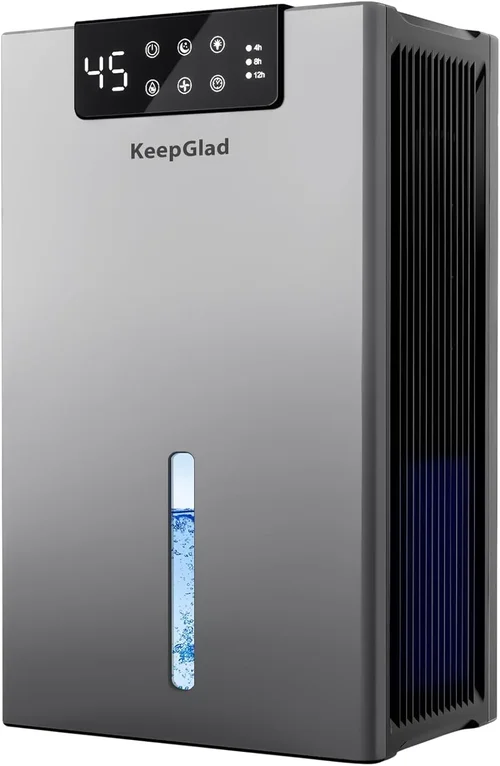
Dealing with excess moisture in your home isn’t just about comfort—it’s about protecting your health, your belongings, and the structural integrity of your living space. Whether you’re battling musty odors in a damp basement, preventing mold growth in a humid climate, or simply trying to breathe easier during allergy season, a high-quality dehumidifier can make a world of difference. But with dozens of models flooding the market in 2026—each boasting different capacities, features, and price points—choosing the right one can feel overwhelming.
That’s exactly why this comprehensive buying guide exists. We’ve tested, researched, and analyzed the latest dehumidifiers to help you cut through the noise and find the best fit for your specific needs. Whether you’re a first-time buyer or upgrading from an older unit, this guide will walk you through every critical factor—from performance specs and energy efficiency to smart features and long-term reliability. By the end, you’ll know exactly what to look for, which brands deliver real value, and how to avoid common pitfalls that could cost you time, money, or peace of mind.
The dehumidifier market in 2026 is more advanced than ever. Innovations in compressor technology, smart home integration, and eco-friendly refrigerants have dramatically improved efficiency and usability. At the same time, consumer demand has driven prices down for entry-level units while pushing premium models to offer hospital-grade air filtration and whisper-quiet operation. With options ranging from compact 20-pint units perfect for small bathrooms to industrial-grade 70-pint beasts capable of handling entire crawl spaces, there’s never been a better time to invest in moisture control. But with great variety comes greater responsibility—to choose wisely.

What to Look for When Buying Buying Guide
1. Budget & Price Range
Your budget is often the first filter when shopping for a dehumidifier, but it shouldn’t be the only one. Prices in 2026 range from under $100 for basic refrigerant models to over $600 for high-capacity, smart-enabled units with advanced filtration. While it’s tempting to go for the cheapest option, remember that dehumidifiers are long-term investments. A low-cost unit may save you upfront but could cost more in electricity bills, frequent repairs, or premature replacement.
Set a realistic budget based on your room size and humidity level. For example, a 30-pint model suitable for a 500–800 sq ft basement typically costs between $150 and $250—a sweet spot for most homeowners. If you’re dealing with severe dampness or large spaces (like a finished basement or whole-house setup), expect to spend $300–$500. Don’t forget to factor in ongoing costs: some units use significantly more energy than others, and replacement filters or desiccant cartridges can add up over time.
2. Performance Specifications
Performance isn’t just about how much water a dehumidifier removes—it’s about doing so efficiently under real-world conditions. The key metric here is pint capacity, which refers to how many pints of moisture the unit can extract from the air in 24 hours at standard testing conditions (80°F and 60% relative humidity). However, don’t rely solely on this number. Manufacturers often test under ideal lab settings, which don’t reflect cold basements or extremely humid summers.
Instead, match the pint rating to your space:
– 20–30 pints: Ideal for small rooms (bathrooms, closets, RVs) up to 500 sq ft.
– 30–50 pints: Best for medium spaces like bedrooms, laundry rooms, or average basements (500–1,500 sq ft).
– 50+ pints: Necessary for large basements, crawl spaces, or whole-house applications.
Also check the unit’s operating temperature range. Most refrigerant dehumidifiers struggle below 65°F, making them ineffective in unheated garages or winter basements. If you need cold-weather performance, consider a desiccant dehumidifier, which works well down to 32°F but uses more energy.
3. Build Quality & Durability
A dehumidifier isn’t something you want to replace every two years. Look for sturdy construction—metal housings, reinforced handles, and sealed compressors indicate better longevity than flimsy plastic shells. Check user reviews for mentions of leaks, compressor failure, or rust (especially in coastal areas). High-end models often include corrosion-resistant coatings on coils and internal components.
Pay attention to the water tank design too. A poorly designed bucket can spill, crack, or be difficult to remove. Opt for units with wide-mouth tanks, splash guards, and secure latching mechanisms. For continuous drainage, ensure the hose connection is leak-proof and compatible with standard garden hoses.
4. Features & Functionality
Modern dehumidifiers come packed with features that go beyond basic moisture removal. While not all are essential, some can significantly enhance convenience and effectiveness:
– Humidistat: Allows you to set and maintain a target humidity level (ideally 30–50%). Units without this will run continuously or shut off randomly.
– Auto Shutoff & Full Tank Alert: Prevents overflow when the bucket is full—critical if you’re not home often.
– Continuous Drain Option: Lets you attach a hose for hands-free operation, ideal for basements or unattended areas.
– Air Filtration: Many include washable pre-filters; premium models add HEPA or activated carbon filters to trap allergens, dust, and odors.
– Smart Controls: Wi-Fi connectivity (via apps like Tuya, SmartThings, or proprietary platforms) lets you monitor humidity remotely, receive alerts, and integrate with Alexa or Google Assistant.
– Timer & Sleep Mode: Schedule operation or reduce noise at night.
Avoid “feature bloat”—some budget models include unnecessary gimmicks like LED mood lighting or Bluetooth speakers that add cost without improving performance.
5. Brand Reputation
Not all dehumidifier brands are created equal. Stick with manufacturers known for reliability, customer service, and consistent innovation. In 2026, top-tier brands include Frigidaire, hOmeLabs, GE Appliances, Midea, and Tosot. These companies offer solid warranties, accessible support, and proven track records.
Avoid obscure brands sold exclusively through third-party Amazon sellers—they often lack proper certifications, use inferior components, and disappear when warranty claims arise. Check if the brand is listed on ENERGY STAR’s partner directory or has certifications from AHAM (Association of Home Appliance Manufacturers), which verifies performance claims.
6. Warranty & Support
A dehumidifier should last 5–7 years with proper maintenance. A strong warranty reflects manufacturer confidence. Most reputable brands offer at least a 1-year limited warranty, but premium models often include 2–3 years, sometimes with extended compressor coverage.
Read the fine print: some warranties void if you use third-party filters or operate the unit outside recommended conditions. Also, check if the company provides phone, email, or chat support—and whether parts (like replacement filters or pumps) are readily available. Brands like Frigidaire and GE have nationwide service networks, while smaller brands may require you to ship units back for repairs.
7. Size & Portability
Even the most powerful dehumidifier is useless if you can’t move it where it’s needed. Consider weight, dimensions, and mobility features. Most residential units weigh 30–50 lbs—look for models with recessed handles and smooth-rolling casters. Some include telescoping handles like luggage for easier transport up stairs.
Compact designs are great for tight spaces, but ensure they don’t sacrifice airflow. Units that are too narrow may restrict intake, reducing efficiency. If you plan to move the dehumidifier between floors or rooms frequently, prioritize lightweight models under 35 lbs.
8. User Reviews & Ratings
Never buy a dehumidifier based solely on specs or marketing claims. Real-world user feedback reveals quirks, failures, and hidden strengths that spec sheets miss. Focus on verified purchase reviews on trusted platforms like Amazon, Home Depot, or Consumer Reports.
Look for patterns: if multiple users report the same issue (e.g., “stopped working after 6 months” or “loud compressor”), it’s likely a design flaw. Conversely, consistent praise for quiet operation, easy maintenance, or effective humidity control signals a reliable product. Pay special attention to reviews from people in similar climates or home setups as yours.
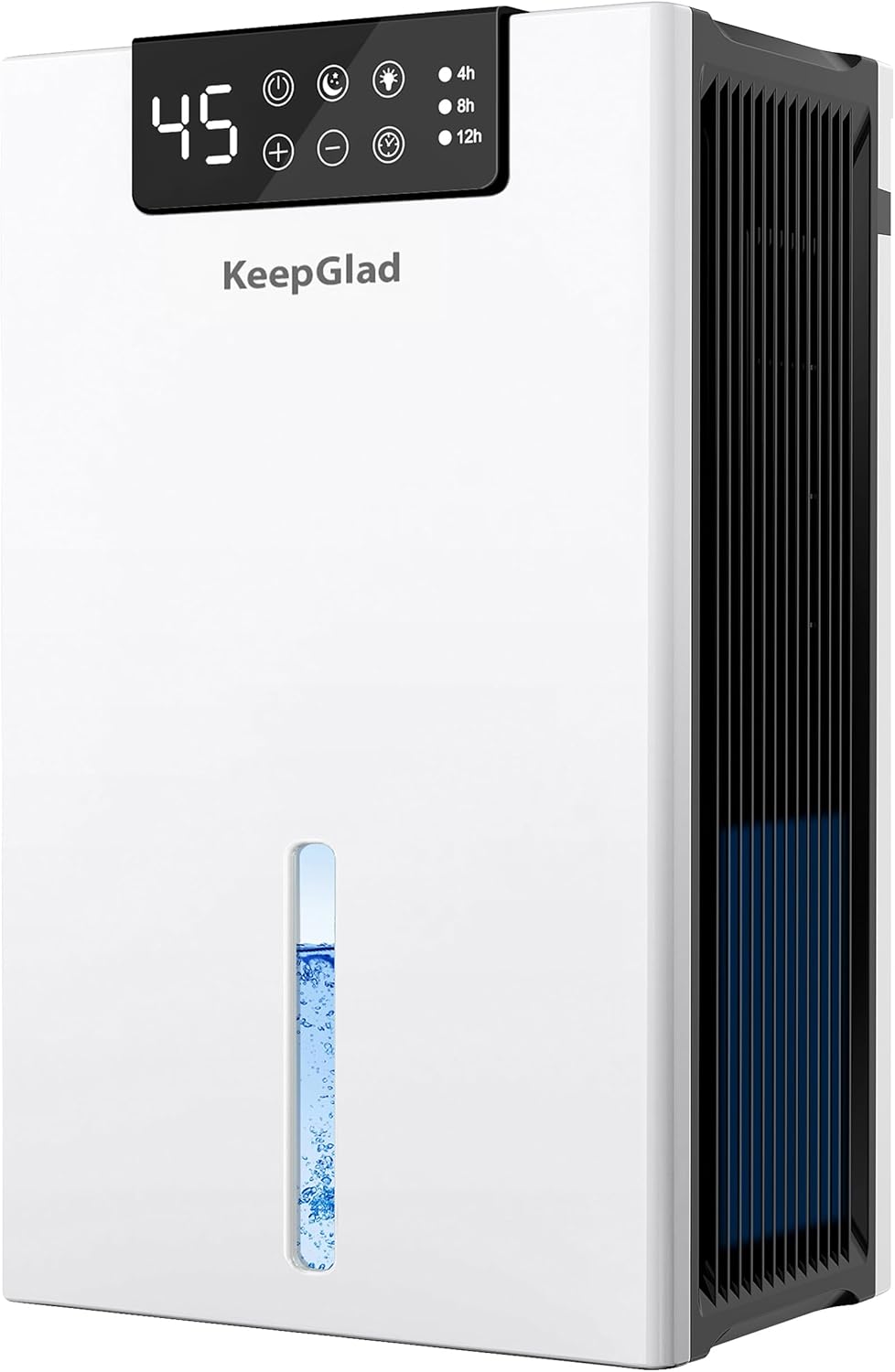
Different Types of Buying Guide
Common Buying Mistakes to Avoid
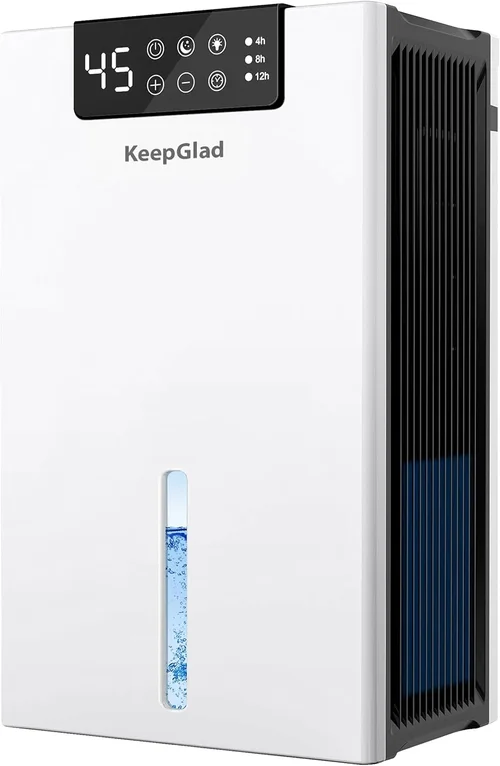
❌ Mistake: Buying Based Solely on Pint Rating
Why it’s bad: A 50-pint dehumidifier sounds impressive, but if your basement is only 600 sq ft and moderately damp, you’re overspending and potentially over-drying the space, which can cause wood to crack or static buildup.
What to do instead: Match capacity to your actual square footage and humidity level. Use online calculators from AHAM or consult local HVAC pros for guidance.
❌ Mistake: Ignoring Energy Efficiency
Why it’s bad: Running an inefficient dehumidifier 24/7 can add $50–$100+ to your monthly electric bill, negating any upfront savings.
What to do instead: Check the Energy Factor (liters of water removed per kilowatt-hour). Look for ENERGY STAR labels and compare annual operating costs in product specs.
❌ Mistake: Overlooking Drainage Options
Why it’s bad: Emptying a 1-gallon tank every 8–12 hours is tedious and easy to forget—leading to shutdowns and resumed moisture buildup.
What to do instead: Choose a model with a continuous drain hose outlet. Even budget units often include this feature—just buy a compatible hose.
❌ Mistake: Skipping the Humidistat
Why it’s bad: Without precise humidity control, your unit may run unnecessarily (wasting energy) or shut off too early (allowing mold to grow).
What to do instead: Only consider models with a built-in humidistat. Verify it’s accurate—some cheap units have ±10% variance.
❌ Mistake: Buying for the Wrong Climate
Why it’s bad: Using a standard compressor dehumidifier in a 50°F garage will cause ice buildup on coils, triggering frequent defrost cycles and reducing efficiency.
What to do instead: In cold spaces, opt for a desiccant or low-temperature compressor model with auto-defrost.
❌ Mistake: Neglecting Maintenance Requirements
Why it’s bad: Clogged filters and dirty coils reduce airflow, increase energy use, and shorten lifespan.
What to do instead: Choose units with washable, easy-to-access filters. Set calendar reminders to clean them monthly.
❌ Mistake: Falling for “Whole-House” Claims on Portable Units
Why it’s bad: Most portable dehumidifiers can’t effectively manage humidity across an entire 2,000 sq ft home—they’re designed for single rooms.
What to do instead: For whole-house coverage, invest in a ducted system integrated with your HVAC or use multiple strategically placed units.
Budget Guidelines: How Much Should You Spend?
– Entry-Level ($80–$150): These are basic refrigerant models ideal for small spaces like bathrooms or closets. Expect limited features (no humidistat, manual drainage), shorter lifespans, and higher noise levels. Best for occasional use or mild dampness. Examples: Eva-Dry E-333, Afloia Q10.
– Mid-Range ($150–$300): The sweet spot for most homeowners. These units offer 30–50 pint capacity, digital controls, auto shutoff, continuous drain, and decent energy efficiency. Brands like hOmeLabs, Tosot, and Frigidaire dominate this tier with reliable performance and 1–2 year warranties.
– Premium ($300–$500): For serious moisture problems or large spaces. Expect smart features (Wi-Fi, app control), HEPA filtration, ultra-quiet operation (<45 dB), and robust build quality. Models like the Frigidaire FFAD7033R1 or GE APER50LZ offer hospital-grade air cleaning and precise humidity management. - Luxury ($500+): Reserved for whole-house systems, commercial applications, or extreme environments. These include ducted installations, advanced sensors, multi-stage filtration, and professional-grade components. Brands like AprilAire and Santa Fe lead this category, often requiring contractor installation.
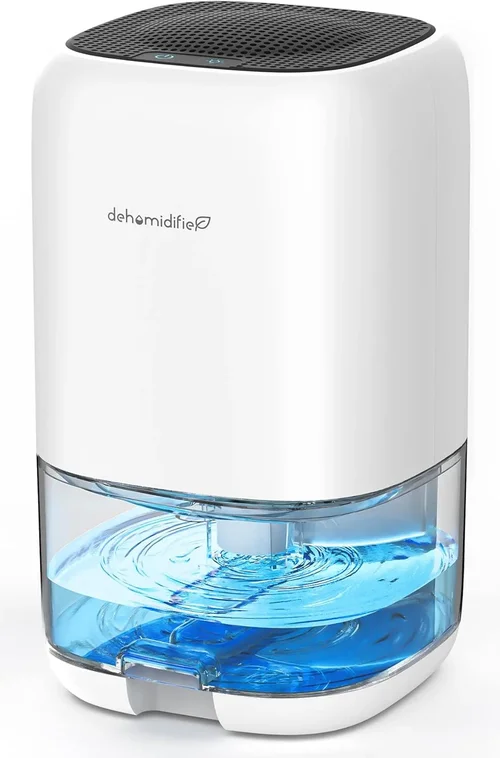
Expert Tips for Getting the Best Deal
– Buy in Spring: Retailers discount dehumidifiers in March–May before summer humidity peaks. You’ll find better deals and wider selection than in July or August.
– Check Utility Rebates: Many U.S. states and Canadian provinces offer rebates for ENERGY STAR dehumidifiers—sometimes $50 or more. Visit dsireusa.org to search your area.
– Shop Refurbished: Certified refurbished units from manufacturers like Frigidaire or GE often come with full warranties and cost 20–30% less than new.
– Compare Total Cost of Ownership: Use online calculators to estimate annual energy costs. A $50 cheaper unit that uses 20% more electricity will cost more over 5 years.
– Read Return Policies: Ensure the retailer allows returns if the unit doesn’t perform as expected. Some brands require you to pay return shipping.
– Test Before Committing: Run the dehumidifier for a week. If humidity stays above 55% or the unit cycles constantly, it may be undersized.
– Beware of “As Seen on TV” Brands: Flashy infomercial models often overpromise and underdeliver. Stick to established appliance brands.
– Bundle with Air Purifiers: Some retailers offer discounts when buying a dehumidifier and air purifier together—great for allergy sufferers.

Frequently Asked Questions
Q: How do I know what size dehumidifier I need?
A: Start by measuring your space in square feet. Then assess dampness: slightly damp (30–50 pints), very damp (50–70 pints), or wet with standing water (70+ pints). Use AHAM’s sizing chart or consult an HVAC professional for tricky cases like crawl spaces.
Q: Can a dehumidifier help with allergies?
A: Absolutely. By reducing humidity below 50%, you inhibit mold, dust mites, and mildew—common allergens. Models with HEPA filters provide additional relief by trapping airborne particles.
Q: Should I run my dehumidifier all the time?
A: Not necessarily. Use the humidistat to maintain 30–50% humidity. In moderate climates, 8–12 hours daily may suffice. In humid regions, continuous operation might be needed during summer.
Q: Is it safe to leave a dehumidifier on overnight?
A: Yes, as long as it has auto shutoff, tip-over protection, and is placed on a stable surface. Modern units are designed for unattended operation.
Q: How often should I clean the filter?
A: Every 4–6 weeks during heavy use, or monthly in dusty environments. A clogged filter reduces efficiency by up to 30%.
Q: Can I use a dehumidifier in winter?
A: Only if the space stays above 65°F. Below that, most compressor units ice up. Use a desiccant model or whole-house system designed for cold weather.
Q: Do dehumidifiers cool the room?
A: Slightly—they remove latent heat from moisture, which can lower perceived temperature by 2–4°F. But they’re not substitutes for air conditioners.
Q: What’s the difference between pints per day and actual performance?
A: Pints per day is measured at 80°F/60% RH. In cooler or drier conditions, output drops. Always size up if your environment differs significantly.
Q: Can I drain a dehumidifier into a sink?
A: Yes, if you have an accessible drain hose outlet and a nearby sink or floor drain. Use a standard garden hose and ensure it’s secured to prevent leaks.
Q: How long do dehumidifiers last?
A: With proper maintenance, most last 5–7 years. Compressor failure is the most common end-of-life issue—often due to lack of filter cleaning or operating in unsuitable temperatures.
Our Final Recommendations
– Best for Budget-Conscious Buyers: hOmeLabs 30 Pint Dehumidifier – At under $200, it offers reliable performance, auto shutoff, continuous drain, and a washable filter. Perfect for small to medium basements.
– Best Overall Value: Frigidaire FFAD5033R1 (50 Pint) – Combines energy efficiency, quiet operation (47 dB), and smart features like a digital humidistat and washable filter. Consistently top-rated by users and experts.
– Best Premium Option: GE APER50LZ (50 Pint Smart Dehumidifier) – Wi-Fi enabled, works with Alexa/Google, includes HEPA filter, and operates as low as 41°F. Ideal for tech-savvy homeowners with serious humidity issues.
– Best for Beginners: Tosot 30 Pint Dehumidifier – Simple controls, lightweight design, and excellent customer support. Great for first-time buyers who want hassle-free operation.
– Best for Advanced Users: AprilAire E090 Whole-House Dehumidifier – For those ready to integrate humidity control into their HVAC system. Removes up to 90 pints/day and includes remote monitoring.
Conclusion: Making the Right Choice
Choosing the right dehumidifier in 2026 doesn’t have to be complicated—but it does require thoughtful consideration of your unique environment, needs, and budget. Remember: the best dehumidifier isn’t necessarily the most powerful or expensive one; it’s the one that fits your space, operates efficiently, and delivers consistent results without constant maintenance.
Prioritize key features like a built-in humidistat, continuous drainage, and energy efficiency. Don’t overlook real-user reviews and warranty terms. And if you’re unsure about sizing or type, start conservative—you can always add a second unit later, but an oversized dehumidifier wastes money and energy.
Ultimately, investing in a quality dehumidifier is an investment in your home’s health and your family’s comfort. With the insights from this guide, you’re now equipped to make a confident, informed decision. Breathe easier, sleep better, and protect your space from the silent threat of excess moisture—starting today.