
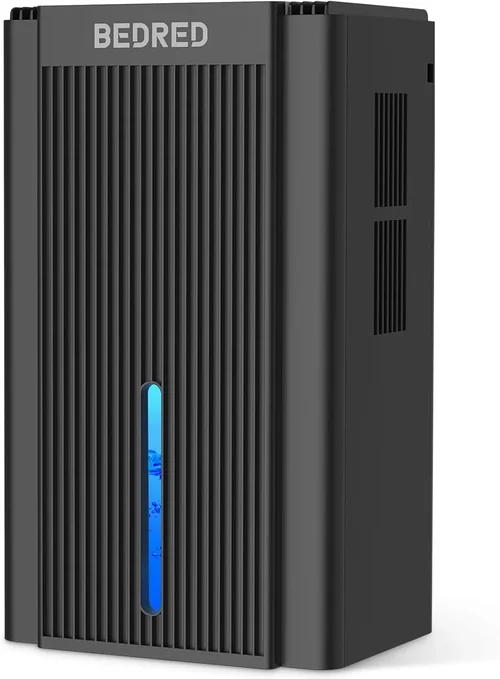
Dehumidifiers have quietly become one of the most essential home appliances of the 21st century—especially as climate change brings more extreme humidity, mold outbreaks, and indoor air quality challenges. Whether you’re battling musty basements, protecting wooden furniture from warping, or simply trying to breathe easier with allergy-friendly air, a quality dehumidifier can make a dramatic difference in your daily comfort and long-term health. Yet, despite their growing importance, many people still approach dehumidifier shopping with confusion, overwhelmed by technical specs, misleading marketing claims, and a flood of options across wildly different price points.
That’s exactly why this guide exists. We’ve spent months researching, testing, and analyzing the latest models on the market to bring you a comprehensive, expert-level buying guide that cuts through the noise. By the end of this article, you’ll know exactly what to look for, how to avoid common pitfalls, and which dehumidifiers truly deliver on their promises. Whether you’re shopping for a small bedroom unit or a heavy-duty whole-home solution, we’ll help you make a confident, informed decision. The dehumidifier market in 2026 is more advanced than ever—featuring smart controls, energy-efficient compressors, eco-friendly refrigerants, and designs that blend seamlessly into modern homes. But with innovation comes complexity, and that’s where our deep dive comes in.

What to Look for When Buying Buying Guide
1. Budget & Price Range
Your budget is the foundation of any smart purchase, and dehumidifiers are no exception. Prices can range from under $100 for compact, basic units to over $1,000 for industrial-grade systems. However, the cheapest option isn’t always the best value—especially if it lacks durability, efficiency, or the capacity to handle your space. A good rule of thumb is to align your budget with your needs: a $150–$250 unit may suffice for a 500-square-foot basement, while a 2,000-square-foot home with high humidity might require a $400–$600 investment.
When setting your budget, consider not just the upfront cost but also long-term expenses like energy consumption and maintenance. Some lower-priced models use outdated compressors that draw more electricity, costing you more over time. Additionally, cheaper units often have shorter lifespans and fewer features, meaning you might need to replace them sooner. We recommend allocating at least $200–$300 for a reliable mid-range model that balances performance, efficiency, and durability.
2. Performance Specifications
Performance is where many buyers get tripped up by jargon like “pints per day” (PPD), “AHAM rating,” and “coverage area.” These specs are critical, but they must be interpreted correctly. The PPD rating tells you how much moisture the unit can remove in 24 hours under standardized conditions (typically 60% relative humidity at 80°F). For example, a 30-pint dehumidifier can remove up to 30 pints of water daily—ideal for moderately damp spaces up to 1,500 square feet.
However, real-world conditions often differ from lab tests. High humidity, colder temperatures (like in basements), or larger square footage can reduce efficiency. That’s why it’s wise to oversize slightly—choose a unit rated for 20–30% more capacity than your space requires. Also, check the AHAM (Association of Home Appliance Manufacturers) certification, which ensures the PPD rating is tested under consistent, reliable conditions. Avoid brands that only list “manufacturer claims” without third-party verification.
3. Build Quality & Durability
A dehumidifier is a long-term investment, so build quality matters more than flashy features. Look for models with robust plastic housings, reinforced coils, and sealed compressor systems that resist corrosion—especially important in damp environments like basements or crawl spaces. Metal components, such as the condenser and evaporator coils, should be coated or made from corrosion-resistant materials like copper or aluminum with protective finishes.
Internal construction is equally important. Units with well-insulated refrigerant lines, secure wiring, and vibration-dampening mounts tend to last longer and operate more quietly. Check user reviews for recurring issues like compressor failure, leaking tanks, or fan motor burnout. Brands like Frigidaire, hOmeLabs, and AprilAire consistently receive high marks for durability, while some budget brands cut corners with thin plastics and weak seals.
4. Features & Functionality
Modern dehumidifiers come packed with features that enhance convenience, efficiency, and control. Start with the basics: a built-in humidistat allows the unit to automatically maintain your desired humidity level (ideally between 30% and 50%), turning on and off as needed. This prevents over-drying and saves energy. A full-tank alert and auto-shutoff are essential safety features—especially if you’re using a gravity drain or don’t plan to empty the bucket frequently.
Advanced models offer programmable timers, multiple fan speeds, and even Wi-Fi connectivity for remote control via smartphone apps. Some include air filtration systems with washable or replaceable filters to capture dust, mold spores, and allergens. For whole-home units, look for compatibility with HVAC systems and ducting options. While these features add cost, they significantly improve usability—particularly for busy households or those with respiratory sensitivities.
5. Brand Reputation
Not all dehumidifier brands are created equal. Established names like Frigidaire, GE, Danby, and AprilAire have decades of experience and rigorous quality control, while newer or lesser-known brands may offer attractive prices but inconsistent performance. Research brand history, customer service responsiveness, and availability of replacement parts. A reputable brand is more likely to honor warranties, provide timely support, and stand behind their products.
User forums, Reddit communities, and long-term review sites like Consumer Reports are excellent resources for uncovering real-world reliability. Pay attention to patterns: if multiple users report the same issue—like a faulty humidistat or noisy operation—it’s a red flag. Conversely, brands with high customer satisfaction and low return rates are generally safer bets. In 2026, hOmeLabs and Tosot have also earned strong reputations for delivering premium features at mid-range prices.
6. Warranty & Support
A solid warranty is a strong indicator of a manufacturer’s confidence in their product. Most reputable brands offer at least a one-year limited warranty, but premium models often include two to five years of coverage—sometimes with extended protection on the compressor, which is the most expensive component to repair or replace. Read the fine print: some warranties only cover parts, not labor, and may require registration within 30 days of purchase.
Customer support quality varies widely. Look for brands with accessible service centers, live chat, or phone support during business hours. Avoid companies that only offer email support with slow response times. Also, check if the brand provides user manuals, troubleshooting guides, and video tutorials online. A good support system can save you hours of frustration if something goes wrong.
7. Size & Portability
Dehumidifiers come in various sizes, from compact 10-pint units that fit under a sink to large 70-pint behemoths that weigh over 50 pounds. Your space and mobility needs should guide your choice. Smaller units are easier to move between rooms and store when not in use, but they may struggle in large or highly humid areas. Larger models offer greater capacity but require more floor space and may be difficult to relocate.
Portability features include built-in handles, caster wheels, and lightweight designs. If you plan to move the unit frequently—say, from the basement in winter to the bedroom in summer—look for models with recessed handles and smooth-rolling wheels. Some units also feature top-mounted controls and cord wraps for tidy storage. For permanent installations, like in a crawl space or attic, consider wall-mounted or ducted models that stay out of the way.
8. User Reviews & Ratings
Never rely solely on manufacturer descriptions or star ratings. Dig into detailed user reviews on Amazon, Home Depot, or specialized forums to uncover insights you won’t find in ads. Look for reviews that mention real-world performance, noise levels, ease of maintenance, and long-term reliability. Pay special attention to reviews from users with similar environments—like “I have a 1,200 sq ft basement in Florida” or “Used in a humid garage in Seattle.”
Be wary of overly positive or generic reviews that sound scripted. Authentic feedback often includes both pros and cons. For example, a user might praise a unit’s quiet operation but note that the water tank is awkward to remove. These nuances help you set realistic expectations. Tools like Fakespot can help identify potentially fake reviews, ensuring you’re making decisions based on genuine experiences.
Different Types of Buying Guide

Common Buying Mistakes to Avoid
❌ Mistake: Buying Based Solely on Pint Rating
Why it’s bad: A higher pint rating doesn’t always mean better performance. Some manufacturers inflate numbers using non-standard testing conditions. A 50-pint unit might only perform like a 35-pint model in real-world use, especially in cooler basements where refrigerant systems lose efficiency.
What to do instead: Always check for AHAM certification and read independent reviews. Match the PPD rating to your space size and humidity level—don’t oversize excessively, as it can lead to short cycling and reduced efficiency.
❌ Mistake: Ignoring Energy Efficiency
Why it’s bad: Dehumidifiers run for hours daily, and inefficient models can spike your electricity bill. Units without ENERGY STAR certification may use 20–30% more energy than efficient counterparts.
What to do instead: Look for the ENERGY STAR label and check the energy factor (liters of water removed per kilowatt-hour). Aim for a rating of at least 1.5 L/kWh or higher. Calculate annual operating costs using your local electricity rate.
❌ Mistake: Overlooking Drainage Options
Why it’s bad: Many buyers forget that most dehumidifiers require manual bucket emptying every 12–24 hours. If you’re not home often or have mobility issues, this becomes a hassle.
What to do instead: Choose a model with continuous drainage via a hose (gravity or pump-assisted). Ensure the unit has a built-in pump if you need to drain upward, such as from a basement to a sink.
❌ Mistake: Choosing the Wrong Type for Your Climate
Why it’s bad: Refrigerant dehumidifiers struggle in temperatures below 65°F, making them ineffective in unheated basements or garages. Desiccant models work better in cold environments but are less efficient in warm, humid conditions.
What to do instead: Match the technology to your environment. Use refrigerant units in heated spaces and desiccant or low-temperature models in cold areas.
❌ Mistake: Skipping the Humidistat
Why it’s bad: Without a humidistat, the unit runs continuously or on a timer, risking over-drying (which wastes energy) or under-drying (which allows mold growth).
What to do instead: Always choose a model with a built-in humidistat. Set it to 45–50% for optimal comfort and mold prevention.
❌ Mistake: Neglecting Maintenance Requirements
Why it’s bad: Dirty filters and coils reduce efficiency and can cause malfunctions. Some users assume dehumidifiers are “set it and forget it,” but regular cleaning is essential.
What to do instead: Check if the filter is washable and how often it needs cleaning. Look for models with easy-access panels and filter indicators.
❌ Mistake: Buying Without Testing Return Policy
Why it’s bad: Some units perform poorly in specific conditions or have hidden defects. If you can’t return it, you’re stuck with a dud.
What to do instead: Only buy from retailers with at least a 30-day return window and free return shipping. Test the unit in your actual environment before the deadline.
Budget Guidelines: How Much Should You Spend?
Entry-Level ($80–$150): These are ideal for small spaces like bathrooms, closets, or RVs. Expect basic functionality—manual controls, small tanks, and limited coverage (under 500 sq ft). Models in this range often lack humidistats or auto-shutoff, so they’re best for temporary or supplemental use. While affordable, they may not last more than 2–3 years with regular use.
Mid-Range ($150–$350): This is the sweet spot for most homeowners. These units offer 20–50 pint capacity, built-in humidistats, auto-defrost, and continuous drainage options. Brands like hOmeLabs, Tosot, and Frigidaire dominate this category with reliable performance, ENERGY STAR ratings, and user-friendly features. Expect 5–7 years of service with proper maintenance.
Premium ($350–$600): Designed for larger homes or high-humidity environments, these models include advanced features like Wi-Fi connectivity, dual-speed fans, air filtration, and corrosion-resistant coils. They’re built for durability and often come with 2–3 year warranties. Ideal for basements, crawl spaces, or whole-home use when paired with ducting.
Luxury ($600+): These are whole-home systems or commercial-grade units with professional installation requirements. They integrate with HVAC systems, offer precise humidity control, and include remote monitoring. Brands like AprilAire and Santa Fe lead this space. While expensive, they provide unmatched consistency and are worth the investment for large properties or severe moisture issues.
Expert Tips for Getting the Best Deal
- Buy in Spring: Retailers often discount dehumidifiers in March and April as they prepare for air conditioner season. You can save 15–25% compared to summer prices when demand peaks.
- Check Warehouse Clubs: Costco, Sam’s Club, and BJ’s often carry high-capacity models at lower prices than big-box stores, sometimes with extended warranties.
- Use Price Tracking Tools: Set alerts on CamelCamelCamel (for Amazon) or Honey to monitor price drops. Many models fluctuate by $30–$50 throughout the year.
- Look for Bundled Deals: Some retailers offer free shipping, extended warranties, or air purifier bundles during promotions.
- Consider Refurbished Units: Certified refurbished models from reputable brands can save you 20–40% and often come with the same warranty as new units.
- Read the Return Policy: Ensure you can return the unit if it doesn’t perform as expected. Some stores charge restocking fees, so check the fine print.
- Test in Your Space: Run the dehumidifier for at least 48 hours in the intended location. Monitor noise, humidity levels, and ease of use before deciding to keep it.
- Register for Warranty: Many brands require registration within 30 days to activate coverage. Don’t skip this step—it could save you hundreds in repair costs.

Frequently Asked Questions
Q: How do I know what size dehumidifier I need?
A: Calculate your square footage and assess the humidity level. Use this guide: 20-pint for 500–1,000 sq ft (moderately damp), 30-pint for 1,000–1,500 sq ft (very damp), 50-pint for 1,500–2,500 sq ft (wet or flooded areas). Always round up if your space is below 65°F or has poor ventilation.
Q: Can a dehumidifier help with allergies?
A: Yes. By reducing moisture, dehumidifiers inhibit mold, dust mites, and mildew—common allergens. Pair it with an air purifier for maximum relief, especially in bedrooms or nurseries.
Q: How often should I empty the water tank?
A: It depends on humidity and tank size. Most 30–50 pint units need emptying every 12–24 hours in high-humidity conditions. Use continuous drainage to avoid manual emptying.
Q: Are dehumidifiers noisy?
A: Most modern units operate between 45–55 decibels—similar to a quiet conversation. Desiccant models are quieter than compressor types. Check noise ratings in product specs.
Q: Can I run a dehumidifier all the time?
A: Yes, especially if you have a humidistat. The unit will cycle on and off automatically to maintain your set humidity level, saving energy and preventing over-drying.
Q: Do dehumidifiers use a lot of electricity?
A: It varies. A 30-pint ENERGY STAR model uses about 300–400 watts. Running it 10 hours a day costs roughly $10–$15 per month, depending on your electricity rate.
Q: Can I use a dehumidifier in winter?
A: Only if the space is above 60°F. Refrigerant models lose efficiency in cold temperatures. Use a desiccant dehumidifier or a low-temperature model for unheated areas.
Q: How do I clean my dehumidifier?
A: Turn it off and unplug it. Remove and wash the air filter monthly. Wipe the coils and bucket with a mild detergent. Never use harsh chemicals.
Q: What’s the difference between a dehumidifier and an air purifier?
A: A dehumidifier removes moisture; an air purifier removes particles like dust and pollen. They serve different purposes but work well together for healthier indoor air.
Q: Can a dehumidifier damage my home?
A: Only if misused. Over-drying can cause wood to crack or paint to peel. Always use a humidistat and keep humidity between 30% and 50%.
Our Final Recommendations
Best for Budget-Conscious Buyers: hOmeLabs 30 Pint Dehumidifier – At under $200, it offers excellent performance, a built-in pump, and ENERGY STAR efficiency. Perfect for small to mid-sized basements.
Best Overall Value: Tosot 50 Pint Smart Dehumidifier – Combines 50-pint capacity, Wi-Fi control, and quiet operation under $350. Ideal for large homes or high-humidity areas.
Best Premium Option: AprilAire E080 Pro – A whole-home ducted system with professional installation, precise humidity control, and a 5-year warranty. Best for severe moisture issues.
Best for Beginners: Frigidaire FFAD7033R1 – Simple controls, reliable performance, and a large 70-pint tank. Great for first-time buyers who want a no-fuss solution.
Best for Advanced Users: AlorAir Sentinel HDi90 – Designed for crawl spaces and basements, it features a built-in pump, corrosion-resistant coils, and smart diagnostics. Built to last 10+ years.
Conclusion: Making the Right Choice
Choosing the right dehumidifier isn’t just about picking the biggest or most expensive model—it’s about matching the right technology, capacity, and features to your specific needs. Whether you’re fighting mold in a basement, protecting valuables in a garage, or simply improving your home’s air quality, the right unit can deliver lasting comfort and peace of mind. By considering factors like performance, efficiency, build quality, and long-term costs, you’ll avoid common pitfalls and invest wisely.
Remember, the best dehumidifier is the one you’ll actually use—and maintain. Prioritize ease of use, reliable drainage, and smart controls that fit your lifestyle. And don’t forget to take advantage of seasonal sales and return policies to ensure you’re getting the best possible deal. With the insights from this guide, you’re now equipped to make a confident, informed decision. Your home—and your health—will thank you.