
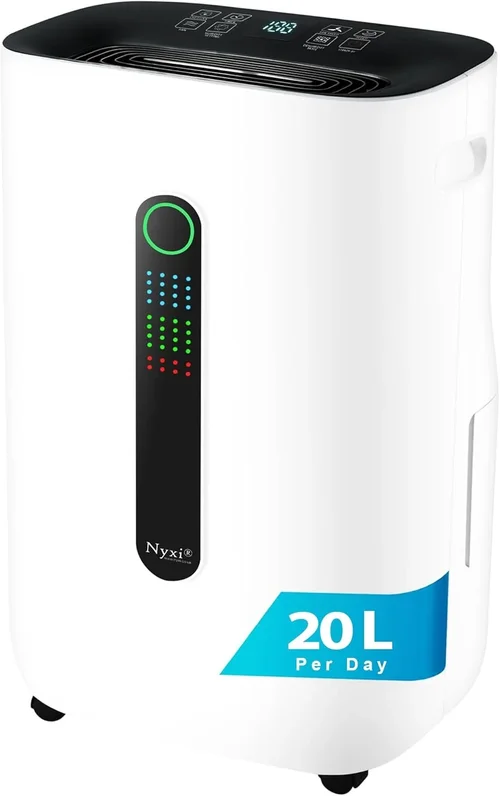
If you’ve ever walked into a basement that smells like damp socks, noticed mold creeping along bathroom corners, or felt that sticky, heavy air that makes every breath feel like a workout—you know how vital a good dehumidifier can be. Humidity isn’t just uncomfortable; it’s a silent threat to your home’s structure, your belongings, and even your health. Allergens like dust mites and mold thrive in high-moisture environments, and prolonged exposure can trigger asthma, allergies, and respiratory issues. That’s where a reliable 50-pint dehumidifier comes in—offering powerful moisture removal for medium to large spaces without the bulk of industrial units.
This guide is designed for homeowners, renters, and property managers who want real solutions, not marketing fluff. Whether you’re dealing with a chronically damp basement, a humid garage, or a sprawling single-story home, choosing the right 50-pint dehumidifier can feel overwhelming. The market is flooded with options—some overpriced, some underpowered, and many that promise the moon but deliver little more than noise and frustration. Our goal is to cut through the noise. We’ll walk you through everything you need to know: from understanding key performance specs to avoiding common pitfalls, comparing top models, and finding the best value for your budget. By the end of this guide, you’ll have the confidence to make an informed decision that fits your space, lifestyle, and long-term needs.
The 50-pint category sits at a sweet spot in the dehumidifier market—big enough to handle serious moisture problems in areas up to 1,500 square feet, yet compact and energy-efficient enough for everyday residential use. These units are ideal for basements, crawl spaces, large living areas, and even whole-house applications when paired with proper ducting. In recent years, advancements in compressor technology, smart controls, and eco-friendly refrigerants have dramatically improved performance and efficiency. Brands like Frigidaire, hOmeLabs, GE, and AprilAire now offer models with Wi-Fi connectivity, auto-defrost, continuous drainage, and Energy Star certification. But with so many features and price points, it’s easy to overspend or end up with a unit that’s mismatched to your needs. This guide will help you navigate those choices with clarity and precision.

What to Look for When Buying a 50 Pint Dehumidifier
1. Performance Specifications
When evaluating a 50-pint dehumidifier, the first thing to look at is its actual moisture removal capability. The “50-pint” label refers to the unit’s capacity to remove 50 pints of water per day under standardized testing conditions (80°F and 60% relative humidity). However, real-world performance can vary significantly based on temperature and humidity levels. For example, in cooler basements (below 65°F), some compressors struggle to operate efficiently, leading to reduced output. Look for models with auto-defrost functionality—this feature allows the unit to continue working in colder environments by periodically melting ice buildup on the coils.
Another critical spec is the unit’s coverage area. Most 50-pint dehumidifiers are rated for spaces between 1,000 and 1,500 square feet. But this depends heavily on the severity of the moisture problem. A finished basement with minor dampness may only need a lighter-duty unit, while a flooded or poorly ventilated space might require maximum output. Also, check the airflow rate (measured in CFM—cubic feet per minute). Higher CFM means better air circulation, which improves moisture extraction. Aim for at least 150–200 CFM for optimal performance in larger areas.
2. Energy Efficiency & Operating Costs
Dehumidifiers run for hours each day, so energy consumption directly impacts your utility bill. Look for models with the ENERGY STAR label—these units use 15–30% less energy than standard models without sacrificing performance. The energy factor (measured in liters of water removed per kilowatt-hour) is a more precise metric than just wattage. A higher energy factor means greater efficiency. For example, a unit with an energy factor of 1.8 L/kWh is more efficient than one rated at 1.5 L/kWh.
Consider the annual operating cost. A typical 50-pint dehumidifier uses between 500 and 700 watts. At an average electricity rate of $0.13 per kWh, running the unit 12 hours a day could cost $25–$35 per month. ENERGY STAR models can reduce that by $5–$10 monthly. Over a year, that adds up to significant savings. Also, check if the unit has an auto-humidistat—this feature turns the dehumidifier on and off based on the current humidity level, preventing unnecessary runtime and saving energy.
3. Build Quality & Durability
A dehumidifier is a long-term investment, so durability matters. Look for units with sturdy, rust-resistant casings—especially if you’re placing it in a basement or garage where moisture and dust are prevalent. High-quality compressors, sealed bearings, and coated coils resist corrosion and extend the unit’s lifespan. Avoid plastic-heavy designs that feel flimsy or prone to cracking.
Internal components also play a role. Scroll compressors are quieter and more durable than reciprocating ones, though they’re typically found in premium models. Check the warranty—most reputable brands offer at least a one-year limited warranty, with some extending to two or three years. A longer warranty often indicates confidence in build quality. Also, consider the filter design. Washable, reusable filters are more cost-effective than disposable ones and reduce long-term maintenance.
4. Features & Functionality
Modern 50-pint dehumidifiers come packed with features that enhance convenience and performance. The most important is continuous drainage. Instead of manually emptying a 10–15 gallon bucket every day, you can connect a standard garden hose to the drain port and let the unit run indefinitely—ideal for unattended operation in basements or vacation homes.
Other useful features include:
- Adjustable humidistat: Lets you set your desired humidity level (ideally between 30% and 50%).
- Auto-restart: Resumes operation after a power outage—crucial during storms or brownouts.
- Timer function: Schedule on/off times to match your routine or save energy.
- Wi-Fi connectivity: Allows remote control via smartphone apps (available on select models from Frigidaire and hOmeLabs).
- Air filtration: Built-in filters capture dust, mold spores, and allergens, improving indoor air quality.
Some models also include a “laundry mode” that boosts fan speed to speed up drying clothes indoors—a handy feature during rainy seasons.
5. Size, Weight & Portability
Even though 50-pint dehumidifiers are designed for larger spaces, they shouldn’t be immovable. Look for units with integrated handles and smooth-rolling casters. Most weigh between 35 and 50 pounds, so mobility is essential if you plan to move the unit between rooms or store it seasonally. Compact designs with vertical airflow are easier to fit in tight spaces like crawl spaces or under stairs.
Consider the noise level, measured in decibels (dB). A quiet unit (under 50 dB) is less intrusive in living areas or bedrooms. Compressor-based models are generally louder than desiccant units, but newer designs with sound-dampening materials have significantly reduced operational noise. If noise is a concern, look for models labeled “quiet operation” or check user reviews for real-world feedback.
6. Brand Reputation & Customer Support
Not all brands are created equal. Established names like Frigidaire, GE, and hOmeLabs have a track record of reliability and customer service. They offer better access to replacement parts, extended warranties, and responsive support teams. Lesser-known brands may offer lower prices, but they often lack long-term support and may use cheaper components that fail prematurely.
Research customer service policies before buying. Can you easily reach a technician? Are parts available locally or online? Do they offer live chat or phone support? A brand with a strong service network can save you time and frustration if something goes wrong. Also, check if the company provides detailed user manuals, troubleshooting guides, and video tutorials—these resources are invaluable for setup and maintenance.
7. Warranty & Return Policy
A solid warranty is a sign of a manufacturer’s confidence in their product. Most 50-pint dehumidifiers come with a one-year limited warranty covering parts and labor. Premium models may offer two or three years. Some brands, like AprilAire, provide five-year compressor warranties—this is a major plus, as compressors are the most expensive component to replace.
Always read the fine print. Warranties often exclude damage from improper use, lack of maintenance, or commercial applications. Ensure the unit is registered promptly after purchase to activate coverage. Also, check the return policy of the retailer. A 30-day return window gives you time to test the unit in your space and confirm it meets your needs. Avoid sellers with restocking fees or short return periods.
8. User Reviews & Real-World Performance
Spec sheets tell part of the story, but user reviews reveal the rest. Look for patterns in feedback—consistent praise for quiet operation or complaints about frequent bucket overflows can guide your decision. Pay attention to reviews from users with similar environments (e.g., basements, humid climates, or older homes). Verified purchase reviews on Amazon, Home Depot, or Lowe’s are more reliable than anonymous testimonials.
Watch out for fake reviews. Overly generic praise (“Great product!”) or repetitive phrasing may indicate manipulation. Instead, focus on detailed accounts that mention specific features, performance in real conditions, and long-term reliability. If a model has hundreds of reviews with an average rating above 4.2, it’s likely a safe bet.
Different Types of 50 Pint Dehumidifiers

Common Buying Mistakes to Avoid
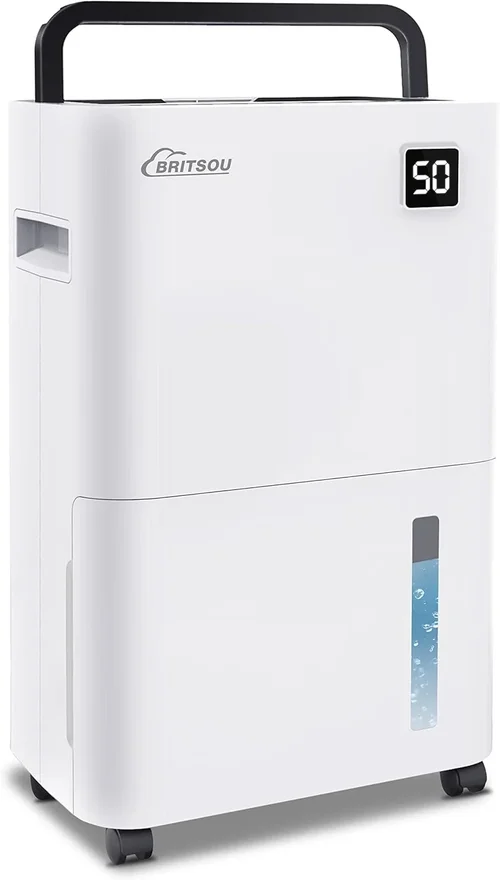
❌ Mistake: Choosing Based Solely on Price
Why it’s bad: The cheapest 50-pint dehumidifier often uses inferior components, lacks essential features like auto-defrost or continuous drain, and may fail within a year. You’ll end up spending more on replacements or repairs.
What to do instead: Focus on value, not just cost. A mid-range model with ENERGY STAR certification and a solid warranty will save money in the long run through lower energy bills and fewer breakdowns.
❌ Mistake: Ignoring Room Conditions
Why it’s bad: A compressor-based dehumidifier won’t work well in a cold basement (below 60°F), while a desiccant unit may be overkill for a warm, humid living room. Mismatched units underperform and waste energy.
What to do instead: Assess your space’s temperature and humidity level. Use a hygrometer to measure current conditions. Choose a unit designed for your environment—compressor for warm spaces, desiccant for cold ones.
❌ Mistake: Overlooking Drainage Options
Why it’s bad: If you don’t plan for continuous drainage, you’ll be emptying a heavy bucket every 8–12 hours—especially during peak humidity seasons. This is inconvenient and can lead to overflow if forgotten.
What to do instead: Always opt for a model with a built-in drain port and hose connector. Even if you don’t use it immediately, it’s a valuable feature for future needs.
❌ Mistake: Skipping the Warranty Check
Why it’s bad: A dehumidifier is a mechanical device prone to wear. Without a good warranty, a compressor failure could cost $200–$300 to fix—more than half the unit’s original price.
What to do instead: Prioritize brands with at least a one-year warranty and consider extended coverage. Register your product immediately after purchase.
❌ Mistake: Buying Without Testing Airflow
Why it’s bad: A unit with poor airflow won’t circulate air effectively, leading to uneven drying and longer run times. This increases wear and energy use.
What to do instead: Check the CFM rating and look for models with multiple fan speeds. Higher airflow ensures better moisture extraction across the entire room.
❌ Mistake: Neglecting Maintenance Requirements
Why it’s bad: Dirty filters and clogged coils reduce efficiency and can cause the unit to overheat or shut down. Many users don’t realize maintenance is essential until it’s too late.
What to do instead: Choose a model with easy-access filters and coils. Clean the filter monthly and inspect the coils quarterly. Follow the manufacturer’s maintenance schedule.
Budget Guidelines: How Much Should You Spend?
When it comes to 50-pint dehumidifiers, price reflects performance, features, and durability. Here’s a breakdown of what to expect at different budget levels:
Entry-Level ($150–$250): These models are basic but functional. They typically lack advanced features like Wi-Fi, auto-defrost, or continuous drain. Build quality may be lower, with plastic components and shorter lifespans. Best for occasional use in mild humidity conditions. Look for ENERGY STAR certification to ensure decent efficiency.
Mid-Range ($250–$350): This is the sweet spot for most buyers. Units in this range offer reliable performance, essential features (humidistat, timer, continuous drain), and better build quality. Many include auto-defrost and washable filters. Brands like hOmeLabs and GE dominate this category with strong warranties and positive reviews.
Premium ($350–$500): These models are built for demanding environments and long-term use. They feature high-efficiency compressors, smart controls, Wi-Fi connectivity, and robust construction. Ideal for large basements, whole-house applications, or users who want remote monitoring and scheduling. Frigidaire and AprilAire offer top-tier options here.
Luxury ($500+): Reserved for whole-house systems or commercial-grade units. These dehumidifiers integrate with HVAC systems, offer advanced filtration, and come with extended warranties. They’re overkill for most homes but ideal for large properties, rental units, or allergy sufferers needing superior air quality.
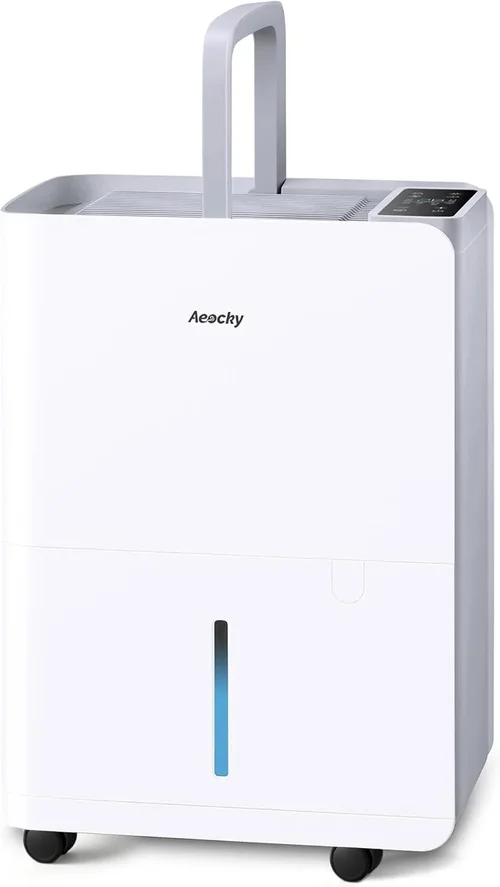
Expert Tips for Getting the Best Deal
- Buy during off-peak seasons: Dehumidifiers are in highest demand during summer. Shop in late fall or winter (October–February) for discounts of 20–30%.
- Check retailer return policies: Choose stores with at least a 30-day return window and no restocking fees. This gives you time to test the unit in your space.
- Look for bundle deals: Some retailers offer free shipping, extended warranties, or accessories (like hoses or filters) with purchase.
- Compare online and in-store prices: Online retailers often have lower prices, but in-store purchases let you inspect build quality and ask questions.
- Sign up for alerts: Use price-tracking tools like Honey or CamelCamelCamel to monitor price drops on specific models.
- Consider refurbished models: Certified refurbished units from reputable sellers come with warranties and can save $50–$100.
- Read the manual before buying: Download the user manual to check setup requirements, maintenance needs, and compatibility with your space.

Frequently Asked Questions
Q: How often should I empty the water bucket?
A: It depends on humidity levels and usage. In high-humidity environments, you may need to empty it daily. With continuous drainage, you can run the unit indefinitely without intervention.
Q: Can a 50-pint dehumidifier run 24/7?
A: Yes, but only if it has a humidistat and auto-shutoff. Running non-stop without regulation wastes energy and can over-dry the air. Set the humidistat to 45–50% for optimal comfort and efficiency.
Q: Will a dehumidifier help with mold?
A: Yes, by reducing moisture, it inhibits mold growth. However, existing mold should be cleaned professionally. A dehumidifier prevents recurrence but doesn’t remove active mold.
Q: How much noise does a 50-pint dehumidifier make?
A: Most produce 45–55 dB—similar to a quiet conversation. Desiccant models are quieter than compressor-based ones. Check decibel ratings before buying.
Q: Can I use a dehumidifier in winter?
A: Only if the space stays above 60°F. Compressor units struggle in cold temperatures. For winter use, consider a desiccant model or a unit with auto-defrost.
Q: Do I need a dedicated circuit?
A: Most 50-pint dehumidifiers draw 5–7 amps and can run on a standard 15-amp circuit. However, avoid plugging into outlets shared with high-wattage appliances like microwaves or space heaters.
Q: How long do 50-pint dehumidifiers last?
A: With proper maintenance, expect 5–8 years of service. Regular filter cleaning and coil inspection extend lifespan.
Q: Can I connect it to my HVAC system?
A: Only whole-house models are designed for ducting. Portable units are standalone and not compatible with central HVAC.
Our Final Recommendations
Best for Budget-Conscious Buyers: hOmeLabs 50 Pint Dehumidifier – At under $300, it offers excellent performance, continuous drain, and a washable filter. Ideal for basements and garages.
Best Overall Value: Frigidaire FFAD5033W1 – ENERGY STAR certified, Wi-Fi enabled, and packed with features like auto-defrost and remote control. A top performer in its class.
Best Premium Option: AprilAire E080 – A whole-house capable unit with a 5-year compressor warranty. Perfect for large homes or severe moisture issues.
Best for Beginners: GE APER50LZ – Simple controls, reliable performance, and a user-friendly design. Great for first-time buyers.
Best for Advanced Users: Frigidaire Gallery FGAC5044W1 – Smart features, app integration, and precise humidity control. Ideal for tech-savvy homeowners.
Conclusion: Making the Right Choice
Choosing the right 50-pint dehumidifier isn’t just about removing moisture—it’s about improving your home’s comfort, protecting your investment, and safeguarding your health. With so many options available, it’s easy to feel overwhelmed, but by focusing on key factors like performance, efficiency, build quality, and features, you can narrow down your choices with confidence.
Remember, the best dehumidifier is the one that matches your specific needs. Don’t overspend on features you won’t use, but don’t cut corners on essentials like drainage and durability. Take the time to assess your space, read real user reviews, and consider long-term costs—not just the upfront price. Whether you’re battling basement dampness, controlling humidity in a large living area, or preparing for hurricane season, the right 50-pint dehumidifier can make all the difference.
We encourage you to use this guide as your roadmap. Prioritize your must-have features, set a realistic budget, and don’t rush the decision. A well-chosen dehumidifier will serve you reliably for years, delivering cleaner air, fewer allergens, and peace of mind. When you’re ready to buy, shop smart—compare models, check warranties, and take advantage of seasonal deals. Your home—and your lungs—will thank you.