
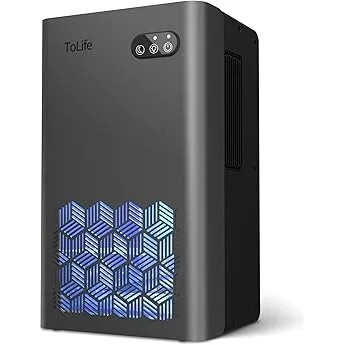
If you’ve ever walked into a basement that smells like damp socks, noticed mold creeping along bathroom corners, or felt that sticky, heavy air during humid summer months, you already know the invisible enemy: excess moisture. It’s not just uncomfortable—it can damage your home, trigger allergies, and even compromise your health. That’s where a dehumidifier comes in. But with so many models flooding the market, how do you find one that actually works without draining your wallet? That’s exactly why this guide exists.
In this comprehensive buying guide, we’ll walk you through everything you need to know to choose the best affordable dehumidifier for your specific needs. Whether you’re dealing with a 500-square-foot basement, a damp crawl space, or just want to breathe easier in your bedroom, we’ve got you covered. You’ll learn how to decode performance specs, avoid common pitfalls, compare different types of units, and stretch your budget without sacrificing quality. We’ll also share expert tips on timing your purchase, understanding warranties, and making smart decisions based on real-world use—not just flashy marketing claims.
The dehumidifier market has evolved significantly in recent years. Gone are the days when “affordable” meant flimsy plastic, noisy operation, and poor efficiency. Today, you can find energy-efficient, feature-rich models under $200 that rival premium units from just a few years ago. Brands like hOmeLabs, Frigidaire, Vremi, and Eva-Dry have raised the bar for budget-friendly performance, while smart features like Wi-Fi connectivity and auto-humidistats are now more accessible than ever. This guide cuts through the noise to help you find the sweet spot between price and performance—so you can protect your home and your health without overspending.
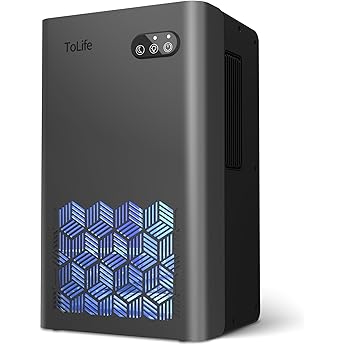
What to Look for When Buying Buying Guide
1. Budget & Price Range
Your budget is the starting point for any purchase, but with dehumidifiers, it’s especially important to understand what you’re getting—and what you’re not. Affordable doesn’t have to mean cheap, and knowing how much to spend can save you from buyer’s remorse down the line. Most effective dehumidifiers fall into the $100–$300 range, with entry-level models starting around $80 and mid-tier units offering better performance and durability for $150–$250. Premium models with advanced features can go up to $400, but for most homeowners, the best value lies in the $120–$220 sweet spot.
When setting your budget, consider not just the upfront cost but also long-term expenses like energy consumption and maintenance. A $90 model might seem like a steal, but if it uses twice as much electricity or needs frequent filter replacements, it could cost more over time. Look for ENERGY STAR-certified models, which are designed to use less power without sacrificing performance. Also, factor in potential savings from reduced mold remediation, HVAC strain, or even lower allergy medication costs—yes, a good dehumidifier can pay for itself.
2. Performance Specifications
Performance isn’t just about how much water a dehumidifier removes—it’s about how efficiently and consistently it does so under real-world conditions. The most important spec to look for is the pint capacity, which indicates how many pints of moisture the unit can extract in 24 hours. However, this number is measured under standardized lab conditions (80°F and 60% relative humidity), so it’s not always reflective of actual performance in your basement or bathroom.
For most homes, a 30–50 pint capacity is ideal. Smaller spaces like closets or RVs may only need a 15–20 pint unit, while large basements or high-humidity areas might require 70+ pints. But don’t just go by the number—look at the actual coverage area listed by the manufacturer. A 30-pint model might cover 1,500 square feet in moderate humidity but struggle in a damp 2,000-square-foot basement.
Also pay attention to the operating temperature range. Most refrigerant-based dehumidifiers work best between 65°F and 80°F. If you’re using it in an unheated garage or crawl space that drops below 60°F, consider a desiccant model, which performs better in colder environments—though they tend to be less energy-efficient and more expensive.
3. Build Quality & Durability
A dehumidifier is a long-term investment, and build quality directly impacts how long it will last. Cheap plastic housings, thin coils, and flimsy controls are red flags. Look for models with sturdy, high-impact plastic or metal components, especially in high-moisture areas like the water tank and air intake. The compressor and fan should feel solid when you lift the unit—excessive vibration or rattling is a sign of poor assembly.
Pay attention to the water tank design. A well-designed tank should be easy to remove, clean, and reinsert without spilling. Some models include splash guards or handles, which make a big difference during frequent emptying. Also, check if the unit has a continuous drainage option—this allows you to connect a garden hose so the dehumidifier can run indefinitely without manual tank emptying, ideal for basements or unattended spaces.
Durability also extends to internal components. Copper coils are more resistant to corrosion than aluminum, and sealed bearings in the fan motor reduce wear over time. While you can’t always see these details in product photos, reputable brands often highlight them in specifications or marketing materials.
4. Features & Functionality
Modern dehumidifiers come with a range of features that can make your life easier—or just add unnecessary cost. Focus on the ones that align with your needs. The most useful features include:
– Auto-humidistat: Lets you set a target humidity level (e.g., 45–50%) and automatically turns the unit on/off to maintain it.
– Auto-restart: Resumes operation after a power outage, crucial for unattended areas.
– Continuous drainage: Allows hose connection for hands-off operation.
– Washable filter: Reduces maintenance costs and improves air quality.
– Timer function: Schedule operation during off-peak hours to save energy.
– Wi-Fi/smart controls: Lets you monitor and adjust settings via smartphone—great for remote spaces.
Avoid models with gimmicky features like “ionizers” or “aromatherapy modes” unless you specifically want them. These often add cost without meaningful benefits. Instead, prioritize core functionality that improves efficiency, convenience, or air quality.
5. Brand Reputation
Brand matters—especially when you’re buying on a budget. Established brands like Frigidaire, hOmeLabs, and Vremi have built reputations for reliability, customer service, and consistent performance. They also tend to offer better warranties and easier access to replacement parts. Lesser-known brands might offer tempting prices, but they often cut corners on support and longevity.
Research brands by reading long-term user reviews (look for 1–2 year usage reports) and checking forums like Reddit or HVAC communities. A brand that responds to customer complaints, offers firmware updates for smart models, or provides clear troubleshooting guides is more likely to stand behind its products.
Also, consider where the unit is manufactured and assembled. While “Made in USA” isn’t always a guarantee of quality, it often correlates with stricter manufacturing standards. However, many reliable models are produced in China under strict OEM contracts—so don’t dismiss them outright.
6. Warranty & Support
A good warranty is a strong indicator of a manufacturer’s confidence in their product. Most affordable dehumidifiers come with a 1-year limited warranty, but some brands offer 2–3 years, especially on compressors or key components. Look for warranties that cover both parts and labor, and check if they require registration or have hidden clauses.
Customer support is equally important. Can you easily reach a human being? Is there a live chat option? Are replacement filters or tanks readily available? Brands with U.S.-based support centers tend to resolve issues faster than those relying on overseas call centers.
7. Size & Portability
Even if you’re not moving your dehumidifier often, size and weight matter. A compact, lightweight unit is easier to store, clean, and relocate if needed. Look for models with built-in handles and caster wheels—especially important for larger units (50+ pints) that can weigh 40+ pounds.
Measure the space where you plan to place the dehumidifier. Ensure there’s at least 6–12 inches of clearance around the air intake and exhaust to allow proper airflow. Some models are designed for tight spaces, like under sinks or in closets, while others are better suited for open areas.
Also consider noise level, measured in decibels (dB). Most units range from 45–55 dB—about the sound of a quiet conversation. If you’re placing it near a bedroom or living area, opt for a model with a “quiet mode” or lower dB rating.
8. User Reviews & Ratings
Never rely solely on manufacturer claims. User reviews provide real-world insights into performance, reliability, and common issues. Look for patterns: if multiple users report the same problem—like frequent freezing, loud operation, or short lifespan—it’s likely a design flaw.
Focus on reviews from verified purchasers and those with detailed descriptions. A review that says “works great” tells you little, but one that says “reduced basement humidity from 70% to 50% in 3 days with daily 2-gallon tank fills” is far more useful.
Use tools like Amazon’s “Top Critical Review” filter to see balanced perspectives. Also check third-party sites like Consumer Reports or Wirecutter for in-depth testing.
Different Types of Buying Guide

Common Buying Mistakes to Avoid
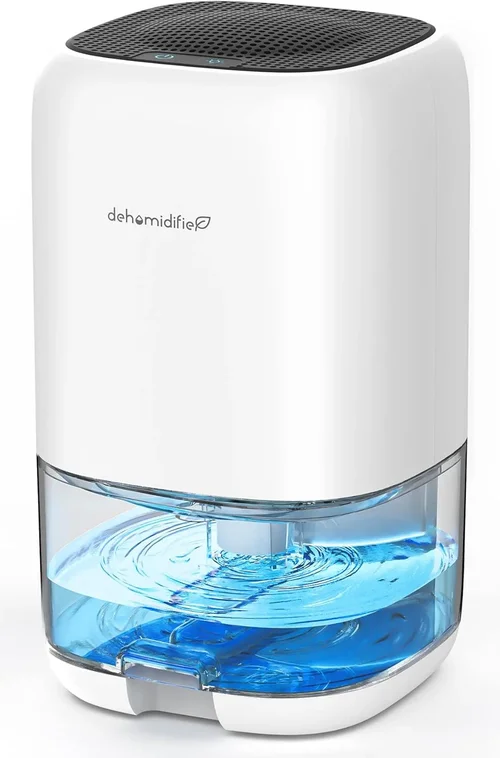
❌ Mistake: Buying Based Solely on Pint Capacity
Why it’s bad: Pint ratings are often exaggerated or measured under ideal conditions. A 50-pint model might only remove 30 pints in a cold, damp basement.
What to do instead: Match the unit to your space size and humidity level. Use coverage area and real-user feedback to guide your choice.
❌ Mistake: Ignoring Energy Efficiency
Why it’s bad: A cheap dehumidifier can cost more in electricity over time. Some models use 500+ watts, adding $30–$50/month to your bill.
What to do instead: Look for ENERGY STAR certification and check the wattage. Aim for models under 400 watts for daily use.
❌ Mistake: Overlooking Drainage Options
Why it’s bad: Constantly emptying a 2-gallon tank every 8–12 hours is tedious and impractical for basements or vacation homes.
What to do instead: Choose a model with a continuous drain hose port. Pair it with a condensate pump if needed for uphill drainage.
❌ Mistake: Skipping the Warranty Check
Why it’s bad: A failed compressor after 13 months leaves you with a costly repair or replacement—especially if the warranty expired.
What to do instead: Prioritize brands with at least a 2-year warranty and clear support policies.
❌ Mistake: Buying the Cheapest Option
Why it’s bad: Ultra-low-cost models often use inferior components, leading to short lifespans and frequent breakdowns.
What to do instead: Invest in a mid-tier model from a reputable brand. The extra $50 often buys years of reliable service.
❌ Mistake: Not Considering Noise Levels
Why it’s bad: A loud dehumidifier can disrupt sleep or daily activities, especially in open-plan homes.
What to do instead: Check dB ratings and look for “quiet mode” or “sleep mode” features.
❌ Mistake: Forgetting About Maintenance
Why it’s bad: Clogged filters and dirty coils reduce efficiency and can cause overheating or mold growth inside the unit.
What to do instead: Choose models with washable filters and easy-access panels. Clean monthly during peak use.
Budget Guidelines: How Much Should You Spend?
– Entry-Level ($80–$120): Ideal for small spaces like closets, bathrooms, or RVs. Expect basic functionality, smaller tanks (1–2 gallons), and limited features. Models like the Eva-Dry E-333 or hOmeLabs Small Space Dehumidifier fit here. Performance is adequate for light moisture but may struggle in high-humidity areas.
– Mid-Range ($120–$220): The sweet spot for most homeowners. These units offer 30–50 pint capacity, auto-humidistats, continuous drainage, and better build quality. Brands like Frigidaire, Vremi, and Keystone dominate this range. You’ll get ENERGY STAR efficiency, quieter operation, and reliable performance in basements, garages, or large rooms.
– Premium ($220–$350): For those who want advanced features without going whole-house. Look for Wi-Fi controls, larger tanks (3+ gallons), dual-speed fans, and extended warranties. Models like the hOmeLabs 50-Pint or Frigidaire FFAD7033R1 offer smart connectivity and superior moisture removal.
– Luxury ($350+): Best for large homes, high-humidity climates, or professional use. These include whole-house systems, commercial-grade units, or models with HEPA filtration and air purification. While overkill for most, they’re worth it for severe mold issues or allergy sufferers.
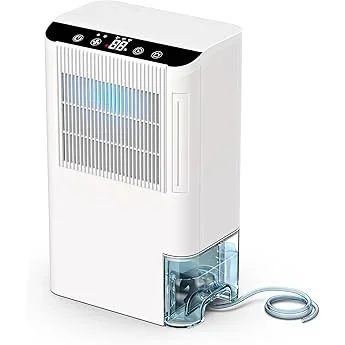
Expert Tips for Getting the Best Deal
– Buy in Spring or Early Summer: Retailers often discount dehumidifiers in spring to clear winter inventory. You’ll find the best deals March–May, before humidity spikes in summer.
– Shop Online for Better Selection: Amazon, Home Depot, and Lowe’s offer wider ranges, user reviews, and frequent promotions. In-store models are often limited and marked up.
– Watch for Bundle Deals: Some retailers offer discounts when you buy a dehumidifier with an air purifier or humidifier. Even if you don’t need the extra item, the bundle price can be lower than buying separately.
– Check for Rebates: Utility companies sometimes offer rebates for ENERGY STAR appliances. Search your provider’s website or use the ENERGY STAR rebate finder.
– Read the Fine Print on Returns: Some stores charge restocking fees or only accept returns within 14 days. Buy from retailers with 30-day+ return windows and free return shipping.
– Test Before Committing: Run the unit for a week. If humidity isn’t dropping or the unit is too loud, return it. Most reputable sellers will accept returns if the product is defective or doesn’t perform as advertised.
– Consider Refurbished Models: Certified refurbished units from brands like Frigidaire or hOmeLabs often come with full warranties and cost 20–30% less.
– Join Loyalty Programs: Stores like Costco, Sam’s Club, or Best Buy offer member-exclusive discounts and extended return periods.

Frequently Asked Questions
Q: How do I know if I need a dehumidifier?
A: Signs include musty odors, visible mold, condensation on windows, peeling paint, or a general feeling of dampness. Use a hygrometer to measure humidity—ideally, indoor levels should be between 30% and 50%.
Q: Can a dehumidifier help with allergies?
A: Yes. By reducing moisture, it inhibits mold, dust mites, and mildew—common allergens. Pair it with an air purifier for best results.
Q: How often should I empty the water tank?
A: It depends on humidity and capacity. A 2-gallon tank in a damp basement may need emptying daily. Use continuous drainage to avoid this.
Q: Do dehumidifiers use a lot of electricity?
A: It varies. A 30-pint ENERGY STAR model uses about 300–400 watts. Running 8 hours/day costs roughly $10–$15/month, depending on local rates.
Q: Can I run a dehumidifier all the time?
A: Yes, especially if you use an auto-humidistat. It will cycle on/off as needed, saving energy and maintaining optimal humidity.
Q: What’s the difference between a dehumidifier and an air conditioner?
A: Both remove moisture, but ACs cool the air. Dehumidifiers focus solely on humidity and are more efficient for moisture control.
Q: Can I use a dehumidifier in winter?
A: Only if the space stays above 60°F. Below that, refrigerant models may freeze. Use a desiccant unit for cold garages or crawl spaces.
Q: How long do dehumidifiers last?
A: With proper maintenance, most last 5–10 years. Clean filters regularly and avoid running in extreme temperatures.
Q: Should I buy a smart dehumidifier?
A: If you want remote monitoring or have multiple units, yes. But for basic use, a standard model with a humidistat is sufficient and more affordable.
Q: Can a dehumidifier damage my home?
A: Only if misused. Over-dehumidifying (below 30%) can dry out wood and cause cracking. Always use a humidistat to maintain 40–50%.
Our Final Recommendations
– Best for Budget-Conscious Buyers: hOmeLabs 30-Pint Dehumidifier – Reliable, ENERGY STAR-rated, and under $150. Great for small to medium spaces with solid build quality.
– Best Overall Value: Frigidaire FFAD5033W1 50-Pint – Excellent performance, continuous drainage, and a 2-year warranty. Priced around $200, it’s a workhorse for basements.
– Best Premium Option: hOmeLabs 70-Pint Smart Dehumidifier – Wi-Fi enabled, large tank, and app control. Ideal for tech-savvy users or large homes.
– Best for Beginners: Vremi 30-Pint Compact Dehumidifier – Simple controls, quiet operation, and easy maintenance. Perfect for first-time buyers.
– Best for Advanced Users: Eva-Dry EDV-1100 Thermo-Electric – Ultra-quiet, portable, and great for targeted use in safes, closets, or RVs.
Conclusion: Making the Right Choice
Choosing the right dehumidifier doesn’t have to be overwhelming. By focusing on your specific needs—space size, humidity level, budget, and desired features—you can find an affordable unit that delivers real results. Remember, the cheapest option isn’t always the best value, and the most expensive isn’t always necessary. Prioritize performance, efficiency, and reliability, and don’t overlook user reviews and warranty support.
A good dehumidifier does more than just remove moisture—it improves air quality, protects your home, and enhances comfort. Whether you’re fighting mold in a basement or just want to breathe easier on humid days, the right model can make a noticeable difference. Use this guide to compare options, avoid common pitfalls, and make a confident, informed decision.
Now that you’re equipped with expert knowledge, it’s time to take action. Measure your space, check your humidity levels, and start shopping with confidence. Your home—and your health—will thank you.