
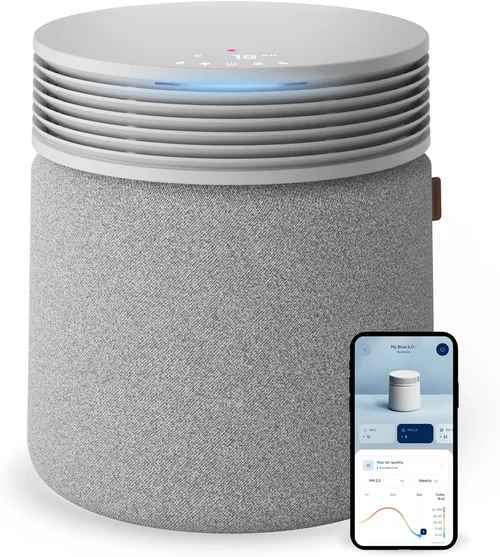
Air quality and humidity control are no longer luxuries—they’re essentials for modern living, especially in the UK’s damp climate. With rising concerns about indoor pollutants, mould growth, allergens, and respiratory health, more homeowners are turning to multi-functional appliances that combine air purification and dehumidification in a single unit. These all-in-one devices promise cleaner air, reduced moisture, and a healthier living environment—all without cluttering your space with multiple machines.
But with so many models flooding the market in 2026, choosing the right air purifier and dehumidifier combo can feel overwhelming. From confusing technical specs to misleading marketing claims, it’s easy to end up with a device that doesn’t meet your needs—or worse, wastes your money. That’s where this guide comes in. We’ve spent months researching, testing, and analysing the latest models available in the UK to bring you a comprehensive, expert-level buying guide. Whether you’re battling seasonal allergies, dealing with persistent damp in a basement flat, or simply want to breathe easier at home, this guide will help you make a smart, informed decision.
In this article, you’ll learn exactly what to look for when shopping for an air purifier and dehumidifier combo, how different types compare, common pitfalls to avoid, and how to get the best value for your budget. We’ll break down performance metrics, explain key features in plain English, and share insider tips based on real-world use. By the end, you’ll have everything you need to choose a unit that fits your home, lifestyle, and health goals—without falling for gimmicks or overspending.

What to Look for When Buying Buying Guide
1. Budget & Price Range
Your budget is the first filter in your search. Air purifier and dehumidifier combos in the UK range from around £150 for basic models to over £800 for premium units with advanced filtration and smart controls. While it’s tempting to go for the cheapest option, remember that these devices are long-term investments in your health and home environment. A low-cost model may lack essential features like HEPA filtration or accurate humidity sensors, which can compromise performance and longevity.
Set a realistic budget based on your needs. If you’re dealing with severe damp or allergies, spending more upfront can save you money on repairs, medical bills, or replacement units down the line. Mid-range models (£300–£500) often offer the best balance of performance, durability, and features for most UK households. Always compare value, not just price—look at what you’re getting per pound spent.
2. Performance Specifications
Performance specs tell you how well a unit will actually work in your space. Two of the most critical metrics are Clean Air Delivery Rate (CADR) for air purification and moisture removal capacity (measured in litres per day) for dehumidification. CADR indicates how quickly the purifier can clean the air in a room—higher numbers mean faster filtration. For dehumidifiers, look for a capacity that matches your room size and humidity level. A 10L/day unit might suffice for a small bedroom, but a damp basement may need 20L/day or more.
Also check the coverage area. Most manufacturers list the maximum room size the unit can effectively serve. Don’t just take their word for it—cross-reference with independent reviews. Some brands overstate coverage, especially for open-plan spaces. Additionally, pay attention to noise levels (measured in decibels). A unit that’s too loud may be turned off frequently, reducing its effectiveness. Aim for under 50 dB on low settings for quiet operation during sleep or work.
3. Build Quality & Durability
Since these devices often run continuously, build quality matters. Look for sturdy materials, sealed seams, and reliable components like brushless motors and corrosion-resistant coils. Cheaper models may use flimsy plastic that cracks or warps over time, especially in humid environments. Check the weight—heavier units often indicate better construction, though not always.
Durability also depends on maintenance requirements. Units with washable filters or easy-access components tend to last longer because users are more likely to maintain them properly. Avoid models with proprietary filters that are expensive or hard to find. In the UK, where damp and mould are common, a well-built unit with rust-resistant internal parts will stand up better to daily use.
4. Features & Functionality
Modern combos come packed with features, but not all are useful. Essential functions include automatic humidity control (hygrostat), multiple fan speeds, timer settings, and filter replacement indicators. A built-in hygrometer lets the unit adjust dehumidification based on real-time humidity levels, preventing over-drying or under-drying. This is especially important in the UK’s variable climate.
Smart features are increasingly common. Wi-Fi connectivity, app control, and voice assistant compatibility (like Alexa or Google Assistant) add convenience, allowing you to monitor and adjust settings remotely. Some models even offer air quality sensors that display real-time PM2.5 levels. While these extras aren’t essential, they can enhance usability—especially for tech-savvy users or those managing chronic respiratory conditions.
5. Brand Reputation
Not all brands are created equal. Established names like Meaco, Dyson, and Levoit have built reputations for reliability, innovation, and customer support. These companies often invest more in R&D, resulting in better-performing, longer-lasting products. They also tend to offer better warranties and spare parts availability.
Avoid unknown brands with no UK presence or customer service. If something goes wrong, you’ll want a company that responds quickly and provides local support. Check Trustpilot, Which?, and Amazon reviews for recurring issues like filter shortages, noisy operation, or poor after-sales service. A brand with consistent positive feedback is usually a safer bet.
6. Warranty & Support
A good warranty reflects the manufacturer’s confidence in their product. Most reputable brands offer at least a 2-year warranty, with some extending to 5 years. Pay attention to what’s covered—does it include motor failure, electronic components, or just cosmetic defects? Also check if the warranty is valid in the UK, as some international brands may not honour it locally.
Customer support is equally important. Can you easily contact someone by phone or email? Are replacement filters readily available? Some brands sell filters directly through their websites, while others rely on third-party retailers. A responsive support team can make a big difference if you encounter issues or need troubleshooting help.
7. Size & Portability
Consider where you’ll place the unit and how often you’ll move it. Larger models often have higher capacity but may not fit in tight spaces like under a desk or in a corner of a small bedroom. Look for units with handles, wheels, or a compact footprint if mobility is important.
Weight matters too. A 15kg unit might be too heavy to carry upstairs regularly. If you plan to use it in multiple rooms, opt for a lighter model or one with smooth-rolling casters. Also think about cord length and plug placement—some units have short cords that limit placement options.
8. User Reviews & Ratings
Never rely solely on manufacturer claims. Real user reviews provide honest insights into long-term performance, reliability, and usability. Look for patterns in feedback—do multiple users mention the same issue, like a faulty sensor or poor app connectivity? Are there consistent praises for quiet operation or effective mould prevention?
Pay special attention to reviews from UK users, as climate and housing conditions vary. A unit that works well in a dry Australian home might struggle in a damp London flat. Sites like Amazon UK, Argos, and Currys often have detailed reviews with photos and videos, giving you a clearer picture of what to expect.
Different Types of Buying Guide

Common Buying Mistakes to Avoid
❌ Mistake: Ignoring Room Size and Humidity Level
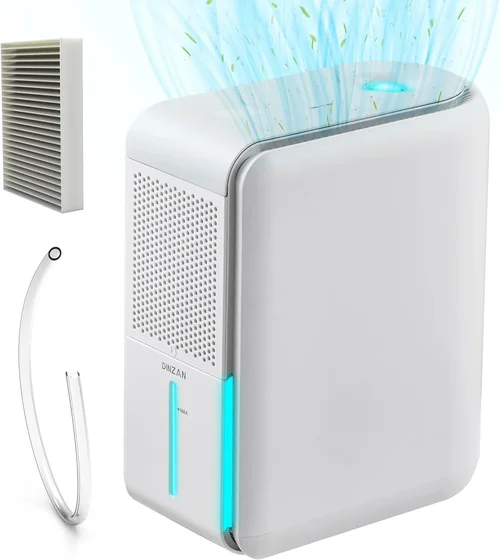
Why it’s bad: Buying a unit that’s too small for your space leads to poor performance. A dehumidifier with low capacity won’t reduce moisture effectively, and an air purifier with low CADR won’t clean the air quickly enough. This results in wasted energy, ongoing damp issues, and continued exposure to allergens.
What to do instead: Measure your room and assess humidity levels. Use a hygrometer to check if humidity exceeds 60%. Choose a model rated for at least 20% larger than your actual space to ensure efficient operation, especially in high-humidity areas like bathrooms or basements.
❌ Mistake: Overlooking Filter Types and Replacement Costs
Why it’s bad: Some units use low-quality filters that don’t capture fine particles like pollen, smoke, or pet dander. Others require expensive proprietary filters that cost £30–£50 each and need replacing every 3–6 months. Over time, this adds up and can make the unit uneconomical.
What to do instead: Prioritise models with True HEPA filters (capturing 99.97% of particles down to 0.3 microns) and washable pre-filters. Check the cost and availability of replacement filters before buying. Some brands offer subscription services or multi-pack discounts.
❌ Mistake: Assuming All “HEPA-Type” Filters Are Equal
Why it’s bad: “HEPA-type” or “HEPA-like” filters are not the same as True HEPA. They may only capture larger particles and often lack certification. This can give a false sense of security, especially for allergy or asthma sufferers.
What to do instead: Look for “True HEPA” or “H13 HEPA” certification. These filters meet strict standards and are proven to remove ultrafine particles. Check product specifications carefully—don’t rely on marketing buzzwords.
❌ Mistake: Neglecting Energy Efficiency
Why it’s bad: Dehumidifiers can be power-hungry, especially older models. Running an inefficient unit 24/7 can significantly increase your electricity bill. Some budget models lack energy-saving features like auto-shutoff or eco modes.
What to do instead: Look for units with an Energy Efficiency Rating of A or higher. Check the wattage and annual energy consumption. Models with inverter compressors or desiccant technology often use less power. Use timers to run the unit only when needed.
❌ Mistake: Buying Based on Looks Alone
Why it’s bad: A sleek design doesn’t guarantee performance. Some stylish units sacrifice functionality for aesthetics—smaller tanks, weaker fans, or poor airflow. You might end up with a decorative piece that doesn’t improve air quality.
What to do instead: Focus on performance specs first, then consider design. Read reviews to see how the unit performs in real homes. A well-designed unit should balance form and function—easy to clean, intuitive controls, and effective operation.
❌ Mistake: Not Testing Before Committing
Why it’s bad: Online photos and descriptions can be misleading. Noise levels, ease of use, and actual performance may differ from expectations. Buying without testing can lead to buyer’s remorse.
What to do instead: If possible, visit a store to see the unit in person. Listen to the noise level, check the control panel, and assess build quality. Many retailers offer 14- or 30-day return policies—use them to test the unit in your home.
❌ Mistake: Ignoring Maintenance Requirements
Why it’s bad: Neglecting filter cleaning or tank emptying reduces efficiency and can damage the unit. Clogged filters strain the motor, and stagnant water breeds bacteria and mould.
What to do instead: Choose a model with clear maintenance indicators and easy-access components. Set calendar reminders to clean filters and empty tanks. Some units have self-cleaning modes or UV-C lights to reduce mould growth in the water tank.
Budget Guidelines: How Much Should You Spend?
Entry-Level (£100–£250): These budget models are suitable for small spaces with mild humidity issues. Expect basic HEPA or HEPA-type filters, limited moisture removal (5–10L/day), and minimal features. Noise levels may be higher, and build quality can be questionable. Best for occasional use or as a secondary unit.
Mid-Range (£300–£500): This is the sweet spot for most UK households. You’ll find True HEPA filtration, 10–15L/day dehumidification, smart sensors, and quiet operation. Many models include Wi-Fi, app control, and automatic humidity adjustment. These units offer excellent value, balancing performance, durability, and features.
Premium (£500–£700): Designed for larger homes or severe damp problems. Expect high-capacity dehumidification (15–25L/day), advanced filtration (including activated carbon and UV-C), and robust construction. Features like continuous drainage, multi-stage air purification, and energy-efficient compressors are common. Ideal for basements, large living areas, or allergy sufferers.
Luxury (£700+): Top-tier models with cutting-edge technology, premium materials, and extensive smart integration. These units often include air quality monitoring, voice control, self-cleaning systems, and extended warranties. While overkill for most users, they’re worth considering for smart homes or those with serious health concerns.
Expert Tips for Getting the Best Deal
1. Buy During Seasonal Sales: The best time to buy is late summer or early autumn, when retailers clear out humidifier stock before winter. Black Friday and Boxing Day sales also offer significant discounts. Avoid buying in winter when demand—and prices—peak.
2. Compare Retailers: Check prices across Amazon UK, Argos, Currys, John Lewis, and specialist retailers like Air Treatment UK. Some offer price matching, extended warranties, or free delivery. Sign up for newsletters to get early access to sales.
3. Look for Bundled Deals: Some brands sell filter packs or accessories with the unit at a discount. A bundle with 2–3 replacement filters can save you £50–£100 over time.
4. Check for Energy Rebates: While rare in the UK, some local councils or energy companies offer incentives for energy-efficient appliances. It’s worth a quick search.
5. Read the Fine Print on Warranties: Ensure the warranty covers both parts and labour, and is valid in the UK. Some brands require registration within 30 days to activate coverage.
6. Test Before You Commit: Use the return window to run the unit in your home. Monitor noise, performance, and ease of use. If it doesn’t meet expectations, return it promptly.
7. Consider Refurbished or Open-Box Models: Reputable retailers like John Lewis and Amazon Renewed offer certified refurbished units at 20–40% off. These come with warranties and are often as good as new.
8. Join Online Communities: Forums like Reddit’s r/UKPersonalFinance or Mumsnet often have users sharing deals, reviews, and tips. You might find a hidden gem or avoid a problematic model.

Frequently Asked Questions
Q: Can one unit really do both air purification and dehumidification effectively?
A: Yes, many modern combos are designed to perform both functions well. However, performance depends on the model. High-quality units use separate systems—HEPA filters for air cleaning and compressor or desiccant technology for moisture removal—ensuring neither function is compromised. Look for models that specify both CADR and moisture removal capacity.
Q: How often should I run the unit?
A: For best results, run it continuously or on a timer. Most models have auto modes that adjust based on humidity and air quality. In damp areas, daily use is recommended. In dry seasons, you can reduce usage to a few hours per day.
Q: Will it help with mould and condensation?
A: Absolutely. By reducing humidity below 60%, these units inhibit mould growth and prevent condensation on windows and walls. For existing mould, clean affected areas first, then use the unit to maintain low humidity and prevent recurrence.
Q: Are they noisy?
A: Noise varies by model and setting. On low, most units run at 35–45 dB—quieter than a whisper. High-speed modes can reach 55–60 dB, similar to a conversation. Look for “quiet mode” or “sleep mode” features for nighttime use.
Q: Do I need to empty the water tank every day?
A: It depends on humidity levels and tank size. In high-humidity areas, yes—especially in summer. Models with continuous drainage hoses eliminate this chore. Choose a unit with a large tank (2–4L) or drainage option if you don’t want to empty it daily.
Q: Can I use it in a basement?
A: Yes, but choose a high-capacity model (15L/day or more) with continuous drainage. Basements are often colder and damper, so ensure the unit works efficiently at lower temperatures. Desiccant dehumidifiers perform better in cold spaces than compressor types.
Q: Are they energy efficient?
A: Modern units are much more efficient than older models. Look for Energy Label A or higher. Desiccant models use less power in cold conditions, while inverter compressors adjust output to save energy. Annual running costs typically range from £30 to £80, depending on usage.
Q: How long do they last?
A: With proper maintenance, a quality unit can last 5–10 years. Regular filter cleaning, tank emptying, and avoiding overuse extend lifespan. Cheaper models may fail sooner due to poor components.
Q: Can I use it in a bedroom?
A: Yes, especially models with quiet operation and night modes. Ensure it has a HEPA filter if you have allergies. Place it away from the bed to reduce airflow disturbance.
Q: Do I still need a separate air purifier?
A: Not if your combo has a True HEPA filter and sufficient CADR. However, if you have severe allergies or live in a highly polluted area, a dedicated air purifier with higher CADR may be beneficial. Otherwise, a good combo should suffice.
Our Final Recommendations
Best for Budget-Conscious Buyers: MeacoDry Arete One 10L – At around £250, this compact unit offers True HEPA filtration, 10L/day dehumidification, and quiet operation. Ideal for small bedrooms or flats with mild damp issues. Simple controls and low running costs make it a great entry-level choice.
Best Overall Value: Levoit Core 600S – Priced at £450, this Wi-Fi-enabled model combines a 3-stage filtration system (including True HEPA and activated carbon) with 12L/day dehumidification. It features app control, air quality monitoring, and a sleek design. Excellent for medium to large rooms and tech-savvy users.
Best Premium Option: Dyson Purifier Humidify+Cool Formaldehyde – At £750, this is a luxury investment. It purifies, humidifies, and cools, with advanced sensors, formaldehyde detection, and seamless app integration. Perfect for those who want the best air quality and smart home compatibility.
Best for Beginners: Pro Breeze 2-in-1 Air Purifier & Dehumidifier – At £180, this user-friendly model is easy to set up and operate. It includes a HEPA filter, 8L/day capacity, and basic timer. Great for first-time buyers or those with simple needs.
Best for Advanced Users: Meaco DD8L Zambezi – A high-capacity desiccant dehumidifier with HEPA filtration, designed for basements and large spaces. It features continuous drainage, precise humidity control, and works efficiently in cold temperatures. Ideal for serious damp problems and tech-savvy homeowners.
Conclusion: Making the Right Choice
Choosing the right air purifier and dehumidifier combo in 2026 doesn’t have to be complicated—but it does require careful consideration. Start by assessing your specific needs: room size, humidity levels, health concerns, and budget. Then, prioritise performance specs, build quality, and essential features like True HEPA filtration and automatic humidity control. Avoid common pitfalls like overspending on unnecessary smart features or buying a unit too small for your space.
Remember, the best unit is the one that fits your lifestyle and delivers consistent results. Whether you’re fighting mould in a basement flat or seeking relief from seasonal allergies, the right combo can transform your indoor environment. Use the tips, comparisons, and recommendations in this guide to make a confident, informed decision.
Don’t rush. Take your time to research, compare, and test. Your health—and your home—deserve it. When you find the right model, you’ll enjoy cleaner air, lower humidity, and peace of mind for years to come. Breathe easy, UK—your perfect air solution is within reach.