
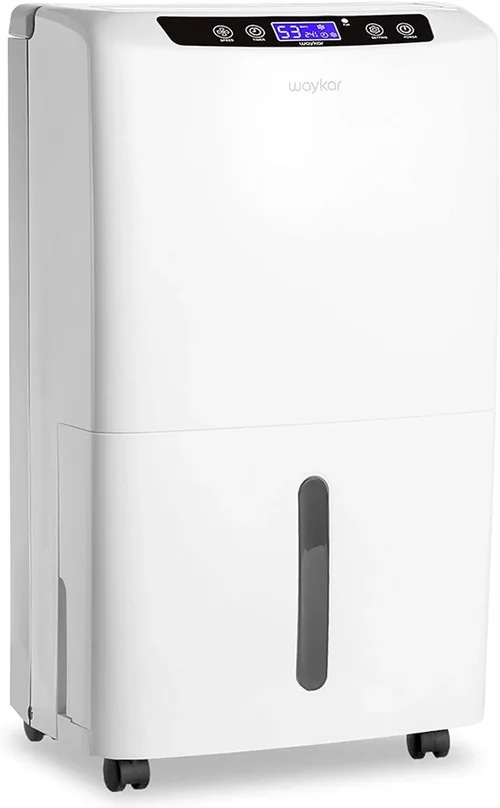
If you’ve ever stepped into your basement and been greeted by a musty smell, damp walls, or that unmistakable chill that comes from excess moisture, you know how quickly a basement can go from a functional storage space to a breeding ground for mold, mildew, and structural damage. Basements are naturally prone to high humidity due to their below-grade location, poor ventilation, and proximity to groundwater. Left unchecked, this moisture doesn’t just ruin stored items—it can compromise your home’s foundation, trigger respiratory issues, and even lower your property value. That’s why investing in a reliable basement dehumidifier isn’t just a convenience; it’s a necessity for maintaining a healthy, safe, and usable living environment.
This comprehensive buying guide is designed to cut through the noise and help you make an informed decision when choosing the best basement dehumidifier for your specific needs. Whether you’re dealing with a small, occasionally damp crawl space or a large, fully finished basement that feels like a swamp in the summer, we’ll walk you through everything you need to know. You’ll learn how to evaluate performance specs, understand key features, avoid common pitfalls, and find the right model within your budget. We’ve tested and analyzed dozens of units across multiple brands, price ranges, and use cases to bring you expert insights backed by real-world experience.
The market for basement dehumidifiers has evolved significantly in recent years. Today’s models are more energy-efficient, quieter, smarter, and better built than ever before. From compact units ideal for tight spaces to heavy-duty commercial-grade machines capable of handling 1,500+ square feet, there’s a solution for nearly every scenario. However, with so many options available—ranging from under $100 to over $800—it’s easy to feel overwhelmed. This guide will demystify the process, highlight what truly matters, and empower you to choose a dehumidifier that delivers lasting performance, durability, and peace of mind.
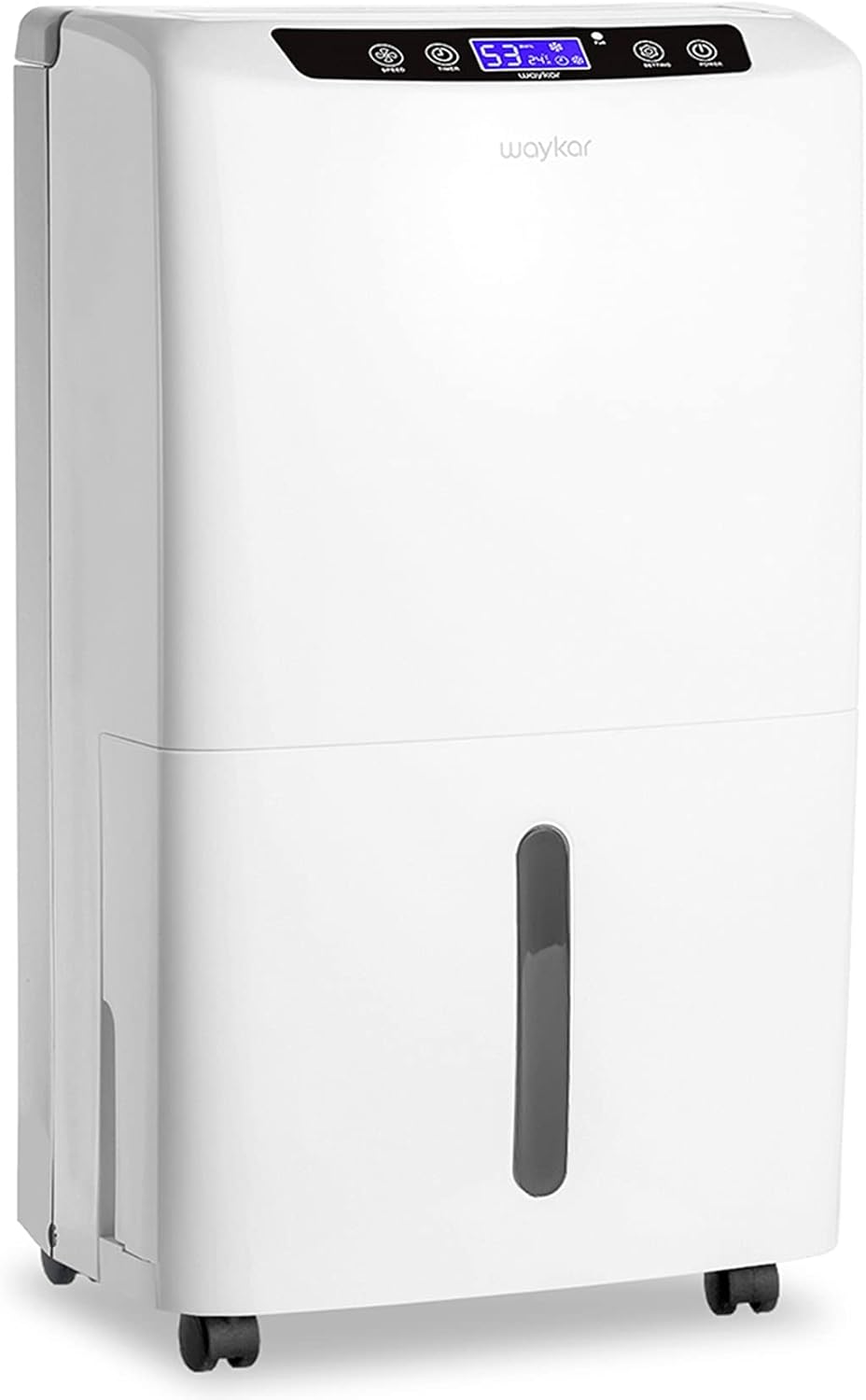
What to Look for When Buying Buying Guide
1. Budget & Price Range
Your budget is often the first filter when shopping for a basement dehumidifier, but it shouldn’t be the only one. While it’s tempting to go for the cheapest option, especially if you’re treating a minor moisture issue, skimping on quality can lead to higher long-term costs due to frequent repairs, inefficiency, or premature failure. On the flip side, spending top dollar doesn’t always guarantee the best fit—especially if your basement is small or only experiences seasonal dampness.
Most residential basement dehumidifiers fall into three broad price tiers: entry-level ($80–$150), mid-range ($150–$300), and premium ($300+). Entry-level models may suffice for light-duty use in small spaces (under 500 sq ft) with minimal humidity, but they often lack advanced features like automatic defrost, programmable timers, or robust drainage options. Mid-range units strike a sweet spot for most homeowners, offering solid performance, better build quality, and useful smart features without breaking the bank. Premium models, meanwhile, are built for serious moisture challenges—large basements, chronic flooding risks, or year-round high humidity—and typically include commercial-grade components, extended warranties, and superior energy efficiency.
When setting your budget, consider not just the upfront cost but also operating expenses. Look for units with the ENERGY STAR label, which indicates they meet strict efficiency guidelines set by the U.S. Environmental Protection Agency. These models use up to 15% less energy than standard units, translating to noticeable savings on your electricity bill over time—especially if you plan to run the dehumidifier continuously during humid months.
2. Performance Specifications
Performance specs are the heart of any dehumidifier’s capabilities, and understanding them is crucial for matching the unit to your basement’s needs. The most important metric is pint capacity, which refers to how much moisture the unit can remove from the air in 24 hours under standard conditions (typically 60% relative humidity at 80°F). For basements, you’ll generally want a model rated between 30 and 70 pints per day (PPD).
But don’t rely solely on the number—context matters. A 50-pint unit might be perfect for a 1,000 sq ft basement with moderate dampness, but it could be overkill (and inefficient) for a 400 sq ft space. Conversely, a 30-pint model might struggle in a large, wet basement, especially during rainy seasons or in regions with high ambient humidity. To estimate your needs, consider both square footage and moisture level:
– Light dampness (occasional musty smell, no standing water): 30–40 PPD
– Moderate dampness (visible condensation, damp spots): 40–50 PPD
– Heavy dampness (persistent wetness, mold risk): 50–70+ PPD
Another critical spec is coverage area. Manufacturers often list this in square feet, but be cautious—these numbers assume ideal conditions. In reality, basements with poor insulation, earthen floors, or exterior water intrusion may require a more powerful unit than the label suggests. Always round up if you’re on the borderline.
Also pay attention to operating temperature range. Standard dehumidifiers work best between 65°F and 80°F. If your basement gets colder than 60°F in winter (common in unheated spaces), you’ll need a model with automatic defrost or one specifically designed for low-temperature operation (often labeled as “cold-climate” or “basement-rated”). Without this feature, the coils can freeze, rendering the unit ineffective until it thaws.
3. Build Quality & Durability
A basement dehumidifier isn’t a gadget you’ll move around frequently—it’s a long-term investment that should withstand years of continuous operation in a harsh environment. That’s why build quality matters more than flashy features. Look for units with sturdy, rust-resistant casings (powder-coated steel or high-impact plastic), sealed compressors, and reinforced internal components.
Internal construction is just as important. High-quality models use copper coils (instead of aluminum) for better heat transfer and corrosion resistance. They also feature robust fan motors and sealed electrical systems to prevent moisture damage. Check the weight—heavier units often indicate denser, more durable materials.
Durability also extends to the water collection system. Most dehumidifiers come with a built-in bucket (typically 1–2 gallons), but frequent emptying is a hassle. Opt for models with continuous drainage via a hose connection—this allows you to route water directly to a floor drain, sump pump, or utility sink, eliminating the need to manually empty the tank. Ensure the drain port is well-sealed and compatible with standard garden hoses or vinyl tubing.
Another durability factor is filter design. Washable, reusable filters are preferable to disposable ones—they save money and reduce waste. Look for easy-access filter compartments that don’t require tools to open. Some premium models even include antimicrobial filters that inhibit mold and bacteria growth on the filter itself.
4. Features & Functionality
Modern basement dehumidifiers come packed with features that enhance convenience, efficiency, and control. While not all are essential, some can significantly improve your experience—especially if you plan to run the unit unattended for long periods.
Humidistat: This built-in sensor measures ambient humidity and automatically turns the unit on/off to maintain your desired level (usually adjustable between 30% and 80%). A precise humidistat prevents over-drying (which wastes energy) and under-drying (which leaves moisture problems unresolved).
Programmable Timer: Allows you to set the dehumidifier to run only during specific hours (e.g., overnight or during peak humidity times). Great for saving energy and reducing noise when you’re home.
Auto-Restart: If the power goes out, this feature ensures the unit resumes operation at its previous settings once electricity is restored—critical for basements prone to flooding or storm-related outages.
Air Filtration: Many models include basic air filters that capture dust, allergens, and odors. While not a replacement for a dedicated air purifier, this adds value by improving overall air quality.
Smart Connectivity: Higher-end units may offer Wi-Fi connectivity via apps (like Frigidaire’s SmartHQ or GE’s SmartHQ), allowing remote monitoring, scheduling, and alerts. Useful if you travel often or want to integrate the dehumidifier into a smart home system.
Noise Level: Measured in decibels (dB), noise matters if your basement doubles as a living space, home gym, or workshop. Most residential units range from 45–60 dB—comparable to a quiet conversation or refrigerator hum. Look for “quiet mode” or “low-speed” settings for nighttime use.
Portability Features: Even if you don’t plan to move it often, wheels and a sturdy handle make initial setup and occasional cleaning much easier—especially for heavier models.
5. Brand Reputation
Not all dehumidifier brands are created equal. Some have decades of experience in HVAC and moisture control, while others are budget-focused newcomers with inconsistent quality. Sticking with reputable brands increases your chances of getting a reliable, well-supported product.
Top-tier brands like Frigidaire, GE, hOmeLabs, AprilAire, and Dri-Eaz are known for their engineering rigor, customer service, and long-term reliability. Frigidaire, for example, dominates the mid-to-high-end market with consistently high user ratings and strong warranty coverage. hOmeLabs has gained a loyal following for its sleek designs and excellent value in the 50-pint range. AprilAire specializes in whole-home and basement systems, often used by professionals.
Avoid unknown or generic brands sold exclusively through third-party marketplaces unless they have overwhelmingly positive verified reviews and transparent manufacturing info. These “white-label” units may use the same internal components as name-brand models but often skimp on quality control, customer support, and warranty fulfillment.
Research brand reputation by checking:
– Customer service responsiveness (try calling or emailing before you buy)
– Availability of replacement parts and filters
– Online community feedback (Reddit, HVAC forums, home improvement groups)
– Third-party certifications (UL listing, ETL certification)
6. Warranty & Support
A dehumidifier is a mechanical device with moving parts—compressors, fans, sensors—that can fail over time. A strong warranty is your safety net against unexpected repairs or replacements. Most reputable brands offer at least a 1-year limited warranty, but premium models often include 2–5 years of coverage, sometimes with extended protection on the compressor (the most expensive component).
Pay close attention to what the warranty covers. Does it include labor? Parts? Shipping? Is it voided if you use third-party filters or drain hoses? Some manufacturers require product registration within 30–90 days of purchase to activate the full warranty—don’t skip this step.
Customer support quality varies widely. Before buying, search for reviews mentioning post-purchase experiences. Can you easily reach a human? Are troubleshooting guides available? Do they honor warranty claims promptly? Brands like Frigidaire and GE have nationwide service networks, while smaller brands may rely on mail-in repairs, which can take weeks.
Also consider the availability of local repair services. If your unit breaks down, you don’t want to wait months for a replacement. Brands with established dealer networks or partnerships with major retailers (like Home Depot or Lowe’s) often provide faster support.
7. Size & Portability
While basement dehumidifiers aren’t meant to be moved daily, their physical dimensions and weight still matter—especially during installation, cleaning, or if you ever need to relocate them.
Most residential units weigh between 30 and 50 pounds. Larger 70-pint models can exceed 60 pounds, making them difficult to lift without help. Look for integrated handles and swivel casters (wheels that turn 360 degrees) for easier maneuvering. Some models have recessed handles or foldable designs to save space when not in use.
Dimensions are important if your basement has low ceilings, narrow doorways, or limited floor space. Measure the intended placement area—including clearance for airflow (most units need 6–12 inches of space around vents). Avoid placing dehumidifiers directly against walls or furniture, as restricted airflow reduces efficiency and can cause overheating.
If you have multiple damp areas (e.g., a basement and a crawl space), consider a lighter, more portable model or invest in a second unit rather than constantly moving a heavy one.
8. User Reviews & Ratings
Never underestimate the power of real-user feedback. While manufacturer specs and professional reviews provide valuable insights, user reviews reveal how a dehumidifier performs in actual homes—under real conditions, with real problems.
Focus on verified purchase reviews on trusted platforms like Amazon, Home Depot, or Lowe’s. Look for patterns: Do multiple users report the same issue (e.g., frequent freezing, loud operation, short lifespan)? Are there consistent praises (e.g., quiet operation, easy drainage, excellent customer service)?
Pay special attention to reviews from people with similar basement conditions to yours. A user in Florida with a flooded basement will have different experiences than someone in Arizona with a slightly damp crawl space. Use the search function within reviews to filter by keywords like “basement,” “mold,” “cold,” or “drain hose.”
Be wary of reviews that seem overly promotional or generic (“Great product!”). Detailed reviews with photos, measurements, and specific pros/cons are far more reliable. Also check the date—older reviews may not reflect current model revisions or quality changes.
Finally, cross-reference ratings across platforms. A product with 4.8 stars on Amazon but 3.2 on Home Depot might have inconsistent quality or fulfillment issues.
Different Types of Buying Guide

Common Buying Mistakes to Avoid
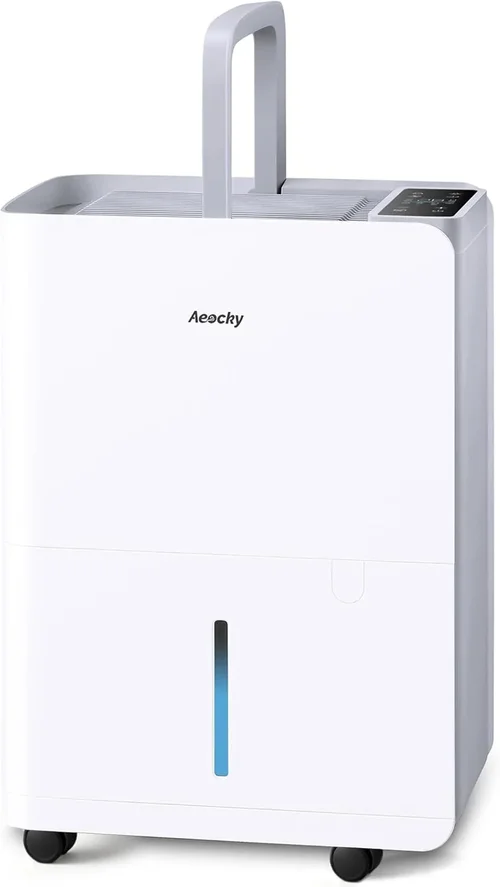
❌ Mistake: Buying Based Solely on Pint Capacity
Why it’s bad: A higher pint rating doesn’t always mean better performance—especially if the unit isn’t suited to your basement’s size, temperature, or humidity level. Oversized units cycle on and off too frequently, reducing efficiency and lifespan. Undersized units run constantly, overheating and failing prematurely.
What to do instead: Match the pint capacity to your square footage and moisture severity using our guidelines above. When in doubt, consult a sizing chart from reputable brands or consult an HVAC professional.
❌ Mistake: Ignoring Drainage Options
Why it’s bad: Manually emptying a 1.5-gallon bucket every 8–12 hours is tedious and impractical—especially if you’re away from home or have mobility issues. Many users give up on dehumidifiers because they didn’t plan for continuous drainage.
What to do instead: Choose a model with a built-in pump or gravity drain hose outlet. If your basement has a floor drain or sump pit, route a hose directly to it. For pump-equipped units, you can even lift water vertically (up to 15 feet) to reach a sink or window.
❌ Mistake: Overlooking Operating Temperature
Why it’s bad: Standard compressor dehumidifiers freeze below 60°F, shutting down when you need them most—during cold, damp winter months. This leaves your basement vulnerable to mold growth when humidity rises indoors.
What to do instead: If your basement drops below 60°F in winter, invest in a cold-climate model with automatic defrost or consider a desiccant dehumidifier, which operates efficiently in temperatures as low as 34°F.
❌ Mistake: Skipping the Humidistat
Why it’s bad: Without a humidistat, the unit runs continuously regardless of actual humidity levels, wasting energy and potentially over-drying the air (which can cause wood shrinkage or static electricity).
What to do instead: Always choose a model with an adjustable humidistat. Set it to 45–50% for basements—this range prevents mold growth while maintaining comfort and efficiency.
❌ Mistake: Neglecting Filter Maintenance
Why it’s bad: A clogged filter restricts airflow, forcing the compressor to work harder, increasing energy use, and shortening the unit’s lifespan. Many users don’t realize filters need monthly cleaning.
What to do instead: Choose a model with an easy-access, washable filter. Mark filter cleaning on your calendar—every 4–6 weeks during peak season. Replace if damaged or excessively dirty.
❌ Mistake: Buying the Cheapest Option
Why it’s bad: Budget models often use flimsy materials, lack essential features, and have shorter lifespans. You may end up replacing it within 1–2 years, costing more in the long run.
What to do instead: Invest in a mid-range unit from a reputable brand. The extra $50–$100 upfront pays off in durability, efficiency, and peace of mind.
❌ Mistake: Not Checking Warranty Terms
Why it’s bad: A “lifetime warranty” might only cover the cabinet—not the compressor or electronics. Some warranties are voided by using third-party parts or improper installation.
What to do instead: Read the fine print. Register your product immediately. Keep receipts and documentation. Choose brands with transparent, customer-friendly policies.
Budget Guidelines: How Much Should You Spend?
Entry-Level ($80–$150):
These models are best for small, lightly damp spaces or seasonal use. Expect basic functionality—manual controls, small buckets, limited coverage (up to 500 sq ft), and minimal features. Build quality is adequate but not exceptional. Ideal for renters or those testing whether dehumidification solves their problem. Look for Frigidaire FFAD2233W1 (22-pint) or hOmeLabs 30-pint as reliable entry points.
Mid-Range ($150–$300):
This is the sweet spot for most homeowners. Units in this range offer 40–50 pint capacity, automatic humidistats, continuous drainage, auto-restart, and quieter operation. Brands like Frigidaire, GE, and hOmeLabs dominate here with models that balance performance, features, and value. Expect 1–2 year warranties and solid customer support. Perfect for basements up to 1,200 sq ft with moderate moisture.
Premium ($300–$600):
Designed for serious moisture challenges, these models feature heavy-duty compressors, corrosion-resistant coatings, advanced filtration, and smart controls. Many include built-in pumps, low-temperature operation, and extended warranties (2–5 years). Ideal for large basements, flood-prone areas, or year-round use in humid climates. Top picks include the AprilAire E080 (70-pint) and Dri-Eaz F413.
Luxury ($600+):
These are professional-grade or whole-home systems requiring professional installation. They integrate with HVAC ductwork, offer precise humidity control across multiple zones, and include remote monitoring. Best for finished basements used as living spaces or homes in extreme climates. Examples: AprilAire Model 1820 Pro or Santa Fe Compact.
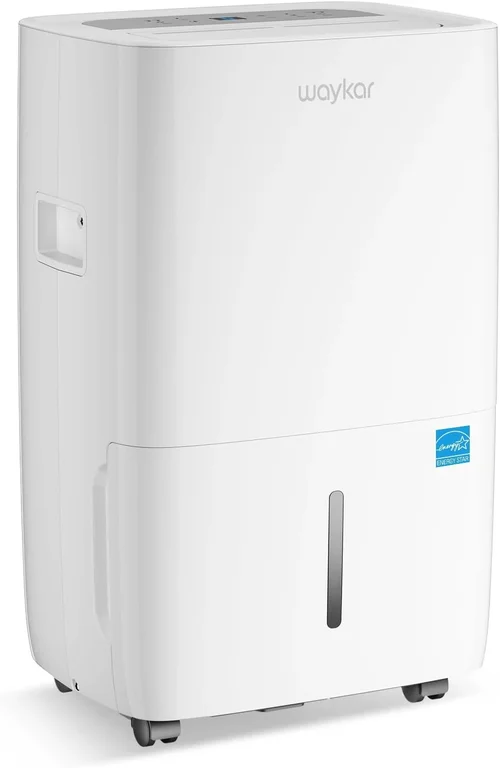
Expert Tips for Getting the Best Deal
– Buy in Late Winter or Early Spring: Retailers often discount dehumidifiers before the humid summer season begins. Look for sales in February–April at Home Depot, Lowe’s, and Amazon.
– Check Manufacturer Rebates: Brands like AprilAire and Frigidaire occasionally offer mail-in rebates or bundle deals with air purifiers or filters.
– Compare Total Cost of Ownership: A $200 unit that uses 500 watts may cost more annually than a $300 ENERGY STAR model using 350 watts. Use online calculators to estimate yearly energy costs.
– Read Return Policies: Ensure the retailer allows returns if the unit doesn’t perform as expected—some exclude “used” appliances.
– Test Before Committing: Run the dehumidifier for 48 hours and monitor humidity levels with a separate hygrometer. If it can’t maintain 50%, consider upgrading.
– Buy Direct from Brands: Some manufacturers (like hOmeLabs) offer exclusive online discounts, extended warranties, or free shipping not available in stores.
– Consider Refurbished Models: Certified refurbished units from reputable sellers often come with full warranties at 20–30% off retail.
– Bundle with Other Purchases: Some HVAC contractors offer discounts if you buy a dehumidifier alongside insulation, sump pump, or waterproofing services.

Frequently Asked Questions
Q: How do I know if my basement needs a dehumidifier?
A: Signs include persistent musty odors, visible mold or mildew, condensation on walls or windows, warped wood, rust on metal surfaces, or a general clammy feeling. Use a hygrometer to measure humidity—if it consistently reads above 60%, a dehumidifier is recommended.
Q: Can I use a regular room dehumidifier in my basement?
A: Yes, but only if it’s rated for basement use (i.e., has low-temperature operation and adequate capacity). Standard room units may freeze or underperform in cold, damp basements.
Q: Should I run the dehumidifier year-round?
A: In most climates, yes—especially during humid months (spring through fall). In winter, monitor humidity levels; if they stay below 50%, you can turn it off or reduce runtime.
Q: How often should I clean the filter?
A: Every 4–6 weeks during peak season, or monthly if you notice reduced airflow. Rinse with warm water and let dry completely before reinstalling.
Q: Can a dehumidifier help with radon?
A: No. While reducing moisture can slightly lower radon levels by improving ventilation, a dehumidifier is not a radon mitigation solution. Use a dedicated radon mitigation system for that.
Q: Will a dehumidifier increase my electric bill?
A: Yes, but moderately. A 50-pint ENERGY STAR model uses about 500–600 watts and may add $10–$20 per month to your bill if run 12 hours daily. Smart settings and timers can reduce this.
Q: Can I place the dehumidifier on carpet?
A: It’s not recommended—carpet can restrict airflow and trap moisture underneath. Use a plastic tray or elevated platform to protect flooring and ensure proper ventilation.
Q: What’s the difference between desiccant and compressor dehumidifiers?
A: Compressor models (most common) use refrigerant to cool coils and condense moisture—they’re efficient in warm, humid air but struggle below 60°F. Desiccant units use moisture-absorbing materials and work well in cold temperatures but consume more energy.
Q: How long do basement dehumidifiers last?
A: With proper maintenance, most last 5–10 years. High-quality models from reputable brands often exceed 8 years of reliable service.
Q: Can I install a dehumidifier myself?
A: Yes, portable units are plug-and-play. Whole-home or ducted systems require professional installation to ensure proper integration with your HVAC system.
Our Final Recommendations
– Best for Budget-Conscious Buyers: hOmeLabs 30-Pint Dehumidifier – Excellent value under $150, quiet operation, easy drainage, and reliable performance for small to mid-sized basements.
– Best Overall Value: Frigidaire FFAD5033W1 (50-Pint) – Mid-range price, ENERGY STAR certified, auto-humidistat, continuous drain, and backed by a trusted brand with strong customer support.
– Best Premium Option: AprilAire E080 (70-Pint) – Heavy-duty construction, built-in pump, low-temperature operation, and 5-year warranty. Ideal for large, wet basements or professional use.
– Best for Beginners: GE APER50LZ (50-Pint) – Simple controls, clear display, reliable performance, and widely available at major retailers. Great for first-time buyers.
– Best for Advanced Users: Dri-Eaz F413 Revolution – Commercial-grade durability, smart diagnostics, remote monitoring, and exceptional moisture removal. Perfect for tech-savvy users or severe moisture issues.
Conclusion: Making the Right Choice
Choosing the best basement dehumidifier doesn’t have to be overwhelming—if you focus on your specific needs, understand key specifications, and avoid common pitfalls. Remember: the goal isn’t just to remove moisture, but to create a healthier, more comfortable, and structurally sound basement environment. Prioritize performance specs that match your space, invest in durable build quality, and don’t skimp on essential features like drainage and humidistats.
Take the time to assess your basement’s unique conditions—size, moisture level, temperature fluctuations, and usage patterns. Use this guide as your roadmap, and don’t hesitate to consult professionals if you’re dealing with severe water intrusion or mold. With the right dehumidifier in place, you’ll not only protect your home and belongings but also reclaim your basement as a usable, enjoyable part of your living space.
Now that you’re equipped with expert knowledge, it’s time to take action. Compare your top contenders, check current deals, and make a purchase that delivers lasting value. Your future self—and your basement—will thank you.