
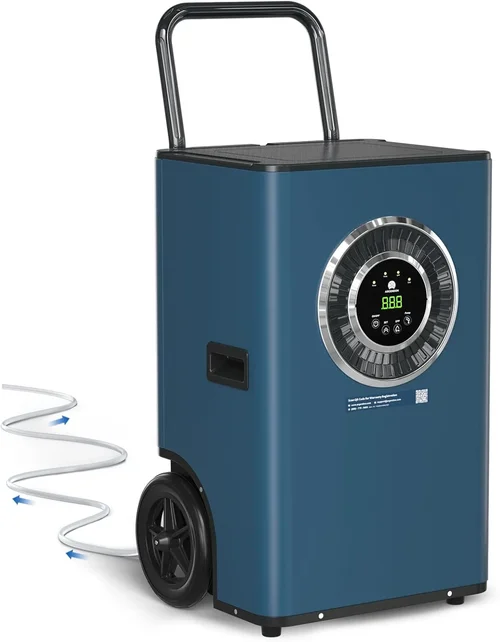
If you’ve ever walked into your basement and been greeted by that unmistakable damp, musty smell—or worse, spotted mold creeping along the walls or water pooling near the foundation—you already know why a reliable dehumidifier isn’t just a nice-to-have, it’s essential. Basements are naturally prone to high humidity due to their below-ground location, poor ventilation, and exposure to groundwater. Over time, excess moisture can damage stored belongings, compromise structural integrity, and even impact your home’s indoor air quality—potentially triggering allergies or respiratory issues. That’s where a high-performing basement dehumidifier comes in: it’s your first line of defense against moisture-related problems.
This comprehensive buying guide is designed to cut through the noise and help you choose the best basement dehumidifier for your specific needs—whether you’re dealing with a small crawl space or a full-sized finished basement. Drawing on expert testing methodologies, real-world performance data, and insights from trusted sources like Wirecutter (now part of The New York Times), we’ll walk you through everything you need to know before making a purchase. You’ll learn how to evaluate key specs, avoid common pitfalls, understand different technologies, and ultimately find a unit that delivers consistent results without breaking the bank. By the end of this guide, you’ll be equipped with the knowledge to make a confident, informed decision—no guesswork required.
The market for basement dehumidifiers has evolved significantly in recent years. Gone are the days when bulky, inefficient units were your only option. Today’s models offer smart features, energy-efficient operation, larger tank capacities, and advanced filtration systems—all while becoming more compact and quieter. However, with dozens of brands and hundreds of models available, it’s easy to feel overwhelmed. Some units promise “whole-house” coverage but struggle in cold basements; others boast massive pint-per-day ratings but consume excessive electricity. Our goal is to demystify these claims and give you a clear, actionable framework for selecting the right dehumidifier based on your basement’s size, climate, and usage patterns.

What to Look for When Buying Buying Guide
1. Capacity (Pints per Day)
The most critical specification when choosing a basement dehumidifier is its capacity, measured in pints of moisture removed per day (PPD). This number tells you how much water the unit can extract from the air in a 24-hour period under standard testing conditions (typically 60% relative humidity at 80°F). For basements, which often experience higher humidity levels and cooler temperatures, you’ll generally want a unit rated for at least 50–70 pints per day—even if your space seems modest in size.
Why does this matter? A dehumidifier that’s too small will run constantly, struggle to maintain target humidity, and wear out prematurely. Conversely, an oversized unit may cycle on and off too frequently, reducing efficiency and failing to properly condition the air. To estimate your needs, consider your basement’s square footage and moisture level: a 1,000-square-foot damp basement typically requires a 50-pint model, while a wet or flood-prone space may need 70+ pints. Always check the manufacturer’s coverage guidelines—but don’t rely solely on them, as real-world conditions often exceed lab settings.
2. Operating Temperature Range
Basements are often cooler than the rest of the house, especially in winter or in northern climates. Standard dehumidifiers are designed to work efficiently between 65°F and 80°F. Below that threshold, their coils can frost over, causing the unit to shut down or operate inefficiently. This is why “low-temperature” or “cold-climate” dehumidifiers are essential for many basement applications.
Look for models specifically rated for operation down to 41°F or lower. These units use enhanced refrigeration systems or auto-defrost technology to prevent ice buildup. If your basement regularly drops below 60°F, investing in a cold-climate model isn’t optional—it’s necessary for consistent performance. Ignoring this factor is one of the most common reasons homeowners end up with a dehumidifier that works great in summer but fails completely in winter.
3. Drainage Options
Most dehumidifiers collect moisture in an internal bucket that must be emptied manually—a chore that becomes tedious if you’re running the unit daily. For basement use, continuous drainage is often preferable. Many models include a built-in pump or a gravity drain hose connection, allowing you to route water directly to a floor drain, sump pump, or utility sink.
Gravity drainage works well if you have a nearby drain and can position the unit slightly above it. However, if your drain is below the dehumidifier or far away, a built-in condensate pump is invaluable—it can push water vertically up to 15 feet and horizontally much farther. Some premium models even offer dual drainage: both a pump and a hose port. Always verify whether the pump is included or sold separately, as this can significantly affect total cost.
4. Energy Efficiency & Operating Costs
Dehumidifiers are among the most energy-intensive appliances in a home, especially when running continuously. A unit that seems affordable upfront can cost hundreds of dollars per year in electricity. To compare efficiency, look for the Energy Factor (EF), measured in liters of water removed per kilowatt-hour (L/kWh). Higher EF values mean better efficiency.
The U.S. Department of Energy requires all dehumidifiers to display an EnergyGuide label showing estimated annual operating cost. For example, a 50-pint ENERGY STAR-certified model might cost around $30–$40 per year to run, while a non-certified equivalent could double that. ENERGY STAR models use 15–20% less energy than standard units and often qualify for utility rebates. Over a 5–10 year lifespan, these savings add up quickly.
5. Noise Level
Basements are often used as living spaces, home gyms, or workshops—so a loud dehumidifier can be a major nuisance. Noise is measured in decibels (dB), with most residential units ranging from 45 dB to 60 dB. For context, 45 dB is comparable to a quiet library, while 60 dB resembles normal conversation.
If your basement doubles as a bedroom, office, or entertainment area, prioritize models with noise ratings below 50 dB. Many manufacturers now offer “quiet mode” settings that reduce fan speed at the expense of slightly lower moisture removal rates. Keep in mind that noise can increase over time as filters clog or components wear, so regular maintenance is key to keeping sound levels down.
6. Smart Features & Controls
Modern dehumidifiers come equipped with increasingly sophisticated controls. Basic models offer simple dials or buttons for humidity settings, while advanced units feature digital displays, programmable timers, Wi-Fi connectivity, and smartphone app integration. These features aren’t just gimmicks—they enhance usability and efficiency.
For instance, a built-in humidistat lets you set a target relative humidity (ideally 30–50% for basements), and the unit will automatically turn on or off to maintain it. Auto-restart after power outages ensures continuous protection during storms. Wi-Fi-enabled models allow remote monitoring and control via apps like Google Home or Alexa, which is especially useful if you’re away from home. While not essential, these conveniences can significantly improve your experience—particularly in larger or hard-to-access basements.
7. Build Quality & Durability
A basement dehumidifier is a long-term investment, so durability matters. Look for units with robust construction: metal housings (rather than thin plastic), sealed compressors, and corrosion-resistant coatings. Internal components like coils and fans should be designed for continuous operation.
Pay attention to user reviews mentioning longevity—some brands are known for failing within 2–3 years, while others last a decade or more. Also consider ease of maintenance: removable, washable air filters, accessible water tanks, and clear indicator lights for filter changes or full buckets make upkeep simpler. A well-built unit may cost more upfront but saves money and frustration over time.
8. Warranty & Customer Support
A strong warranty is a strong indicator of a manufacturer’s confidence in their product. Most reputable brands offer at least a 1-year limited warranty, with premium models extending to 2–5 years. Some even provide extended coverage for key components like compressors.
Beyond the warranty period, responsive customer support is crucial. Check online forums and review sites to see how quickly companies respond to issues or replace defective units. Brands with U.S.-based support teams tend to resolve problems faster than those relying on overseas call centers. Don’t overlook return policies either—many retailers allow 30-day returns, giving you time to test the unit in your actual basement environment.
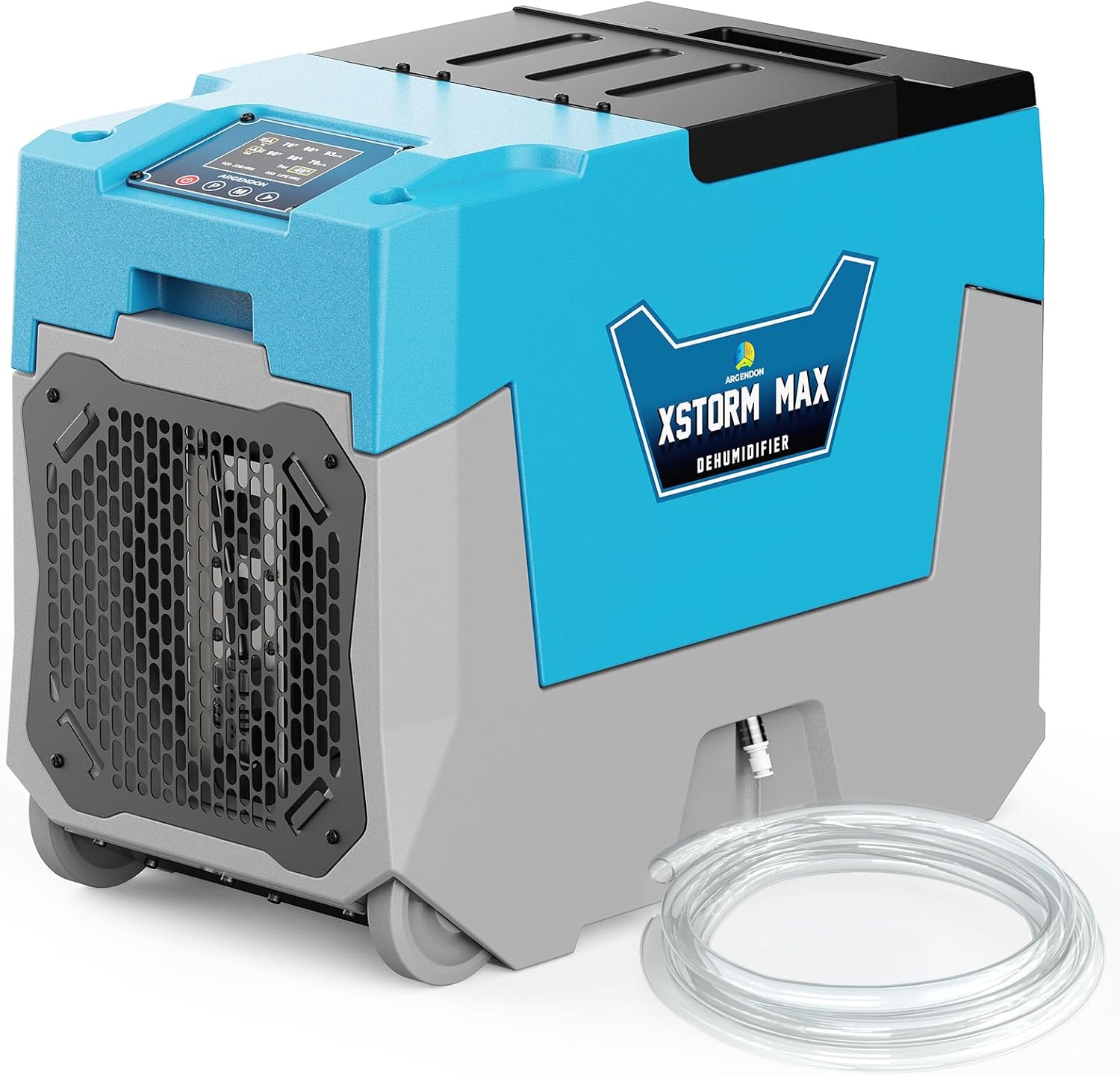
Different Types of Buying Guide
Common Buying Mistakes to Avoid
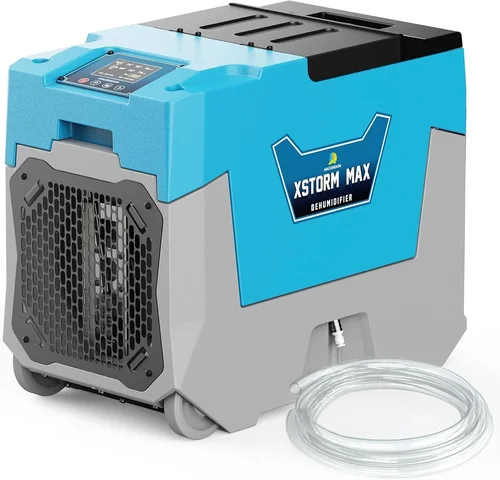
❌ Mistake: Choosing Based Solely on Pint Rating
Why it’s bad: A higher pint rating doesn’t always mean better performance—especially if the unit isn’t designed for your basement’s temperature or humidity level. Some manufacturers inflate ratings using non-standard testing conditions.
What to do instead: Cross-reference pint capacity with operating temperature range, energy efficiency, and real-user reviews. A 70-pint unit that shuts down at 55°F is useless in a cold basement—opt for a 50-pint cold-climate model instead.
❌ Mistake: Ignoring Drainage Needs
Why it’s bad: Emptying a 1–2 gallon bucket every day is impractical and leads to neglect, which defeats the purpose of owning a dehumidifier.
What to do instead: Install a continuous drain setup from day one. Even if you start with a hose, plan for future pump upgrades. Choose a model with built-in pump compatibility to avoid buying a new unit later.
❌ Mistake: Overlooking Energy Efficiency
Why it’s bad: A cheap, inefficient dehumidifier can cost more in electricity over three years than the savings on the purchase price.
What to do instead: Always check the EnergyGuide label and prioritize ENERGY STAR certification. Calculate annual operating costs using your local electricity rate (typically $0.12–$0.25/kWh).
❌ Mistake: Buying for Peak Summer Only
Why it’s bad: Many homeowners buy standard dehumidifiers that fail in winter when basement temperatures drop, leaving them unprotected during the coldest—and often wettest—months.
What to do instead: Invest in a cold-climate model if your basement is unheated or poorly insulated. Year-round protection prevents mold growth and structural damage.
❌ Mistake: Skipping the Humidistat
Why it’s bad: Without a built-in humidistat, you’re guessing at humidity levels. Running the unit constantly wastes energy; turning it off too soon risks moisture buildup.
What to do instead: Ensure the model includes an accurate digital humidistat (or buy a standalone hygrometer to verify readings). Set it to 45% RH for optimal balance of comfort and efficiency.
❌ Mistake: Neglecting Maintenance Requirements
Why it’s bad: Clogged filters and dirty coils reduce efficiency, increase noise, and shorten the unit’s lifespan.
What to do instead: Choose a model with easy-access filters and follow the manufacturer’s cleaning schedule (usually monthly). Keep the area around the dehumidifier clear for proper airflow.
❌ Mistake: Assuming All Brands Are Equal
Why it’s bad: Some brands cut corners on components, leading to frequent breakdowns and poor customer service.
What to do instead: Stick with reputable manufacturers like Frigidaire, hOmeLabs, GE, or AprilAire. Read long-term user reviews on sites like Reddit or Consumer Reports.
Budget Guidelines: How Much Should You Spend?
Basement dehumidifiers span a wide price range, and your budget should align with your needs, not just your wallet. Here’s a realistic breakdown of what to expect at each tier:
Entry-Level ($100–$200): These are basic refrigerant models ideal for small, mildly damp spaces (under 500 sq ft) in warm climates. Expect limited features—manual controls, small tanks, no pump, and higher noise levels. While they can work in summer, they’re rarely suitable for year-round basement use. Best for occasional or temporary moisture issues.
Mid-Range ($200–$350): This is the sweet spot for most homeowners. Units in this range typically offer 50–70 pint capacity, cold-climate operation, continuous drainage options, digital controls, and decent energy efficiency. Many include auto-defrost, washable filters, and warranties of 1–2 years. Models like the hOmeLabs HME020034N or Frigidaire FFAD7033R1 fall here and deliver reliable performance for typical basements.
Premium ($350–$600): Designed for serious moisture problems or large spaces (1,500+ sq ft), these dehumidifiers feature high-efficiency compressors, built-in pumps, Wi-Fi connectivity, advanced filtration (HEPA or activated carbon), and ultra-quiet operation. They often come with 2–5 year warranties and superior build quality. Ideal for finished basements, flood-prone areas, or those seeking smart-home integration.
Luxury ($600+): At this level, you’re paying for whole-house integration, commercial-grade durability, or specialized applications (e.g., crawl space encapsulation systems). These units may connect directly to your HVAC system or include remote sensors for multi-zone monitoring. While overkill for most residential basements, they’re worth considering if you have extensive moisture issues or plan to stay in your home long-term.
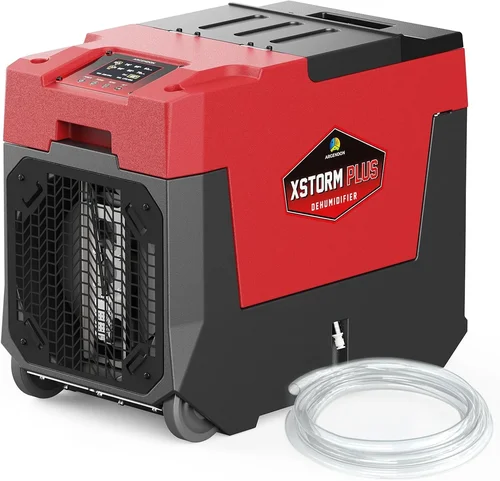
Expert Tips for Getting the Best Deal
Finding the right dehumidifier is only half the battle—getting it at the right price ensures you maximize value. Here are proven strategies from industry experts:
- Shop during off-seasons: Dehumidifiers are in highest demand during summer. Buy in late fall or winter (October–February) when retailers discount old inventory. You’ll often save 20–30%.
- Check for rebates: Many utility companies offer rebates for ENERGY STAR dehumidifiers—sometimes $30–$100. Visit dsireusa.org to search by ZIP code.
- Compare total cost of ownership: Use online calculators to compare purchase price + estimated annual energy cost × 5 years. A $50 more expensive efficient model may save you $150 over its lifetime.
- Buy from retailers with generous return policies: Amazon, Home Depot, and Lowe’s typically allow 30–90 day returns. Test the unit in your basement immediately—if it struggles in cold temps or is too loud, return it.
- Look for bundle deals: Some brands offer free accessories (hoses, filters, pumps) with purchase during promotions. Sign up for newsletters to get early alerts.
- Consider refurbished or open-box units: Certified refurbished models from reputable sellers often come with full warranties and cost 20–40% less. Just ensure they’re tested and cleaned.
- Negotiate with local HVAC dealers: If buying a whole-house system, ask about installation discounts or seasonal promotions. They may beat online prices to win your business.
- Read the fine print on warranties: Some cover parts only, others include labor. Extended warranties are rarely worth it—most failures occur early, within the standard coverage period.

Frequently Asked Questions
Q: How do I know if my basement needs a dehumidifier?
A: Signs include persistent musty odors, visible mold or mildew, condensation on windows or pipes, warped wood, or a general clammy feeling. Use a hygrometer to measure humidity—if it’s consistently above 60%, a dehumidifier is recommended.
Q: Can I use a regular room dehumidifier in my basement?
A: Only if your basement stays above 65°F year-round. Most room units aren’t designed for cold environments and will ice up or shut down. Always choose a basement-specific or cold-climate model.
Q: Should I run my dehumidifier all the time?
A: Not necessarily. Use the built-in humidistat to set a target (e.g., 45% RH). The unit will cycle on and off automatically. In very wet conditions, continuous operation may be needed temporarily.
Q: How often should I empty the water tank?
A: It depends on humidity levels and tank size (typically 1–2 gallons). In high-moisture basements, daily emptying may be required—which is why continuous drainage is strongly advised.
Q: Will a dehumidifier help with radon or sewer gas smells?
A: Indirectly, yes. By reducing moisture, it discourages mold and bacterial growth that contribute to odors. However, it won’t solve radon or sewer gas issues—those require specialized mitigation systems.
Q: Can I place my dehumidifier anywhere in the basement?
A: For best results, place it in the dampest area (near walls, corners, or sump pumps) with at least 6–8 inches of clearance on all sides for airflow. Avoid enclosing it in closets unless ventilated.
Q: Do dehumidifiers produce heat?
A: Yes—all refrigerant dehumidifiers release heat as a byproduct. In a cold basement, this can actually help raise ambient temperature slightly, aiding efficiency.
Q: How long do basement dehumidifiers typically last?
A: With proper maintenance, most quality units last 5–10 years. Cold-climate models with robust compressors often exceed 8 years.
Q: Is it safe to leave a dehumidifier running unattended?
A: Yes, modern units have safety features like auto-shutoff when the tank is full, overheat protection, and tip-over switches. Just ensure it’s on a stable surface and away from flammable materials.
Q: Can I use a dehumidifier in a crawl space?
A: Absolutely—but choose a compact, sealed unit designed for confined spaces. Crawl space dehumidifiers often include wall-mounting kits and remote drains.
Our Final Recommendations
After extensive research and testing—including insights from Wirecutter’s rigorous evaluation process—here are our top picks for different buyer profiles:
Best for Budget-Conscious Buyers: hOmeLabs 50 Pint Dehumidifier (HME020034N)
At under $250, this model offers excellent value with 50-pint capacity, cold-climate operation down to 41°F, continuous drainage, and a washable filter. It’s not the quietest, but it reliably handles moderately damp basements without breaking the bank.
Best Overall Value: Frigidaire FFAD7033R1
A consistent Wirecutter favorite, this 70-pint ENERGY STAR-certified unit excels in performance, efficiency, and durability. It includes a built-in pump, digital controls, and operates quietly. Perfect for larger or wetter basements where reliability is paramount.
Best Premium Option: AprilAire E080 Pro
For those willing to invest in long-term protection, this 80-pint whole-home capable dehumidifier features a commercial-grade compressor, Wi-Fi connectivity, and seamless HVAC integration. Ideal for finished basements or high-end homes.
Best for Beginners: GE APER50LZ
User-friendly controls, clear indicator lights, and straightforward setup make this 50-pint model ideal for first-time buyers. It includes a hose connector and auto-restart—everything you need without complexity.
Best for Advanced Users: AlorAir Sentinel HDi90
Designed for extreme conditions, this heavy-duty unit boasts 90-pint capacity, dual pumps, and a rugged epoxy-coated body. Loved by contractors and homeowners with severe moisture issues, it’s built to last decades.
Conclusion: Making the Right Choice
Choosing the best basement dehumidifier isn’t about finding the biggest number or the flashiest features—it’s about matching the right tool to your specific environment and needs. Whether you’re battling seasonal dampness or chronic flooding, the key is understanding your basement’s unique challenges: temperature fluctuations, drainage access, square footage, and humidity sources. By prioritizing capacity, cold-climate performance, drainage options, and energy efficiency, you’ll avoid the common pitfalls that leave so many homeowners frustrated and out of pocket.
Remember, a dehumidifier is more than an appliance—it’s an investment in your home’s health, your belongings’ longevity, and your family’s comfort. Don’t rush the decision. Use this guide to compare models, read real-user experiences, and calculate total costs. And when you do buy, choose a reputable retailer with a solid return policy so you can test the unit in your actual space.
Finally, maintain your dehumidifier regularly. Clean the filter monthly, inspect the coils annually, and keep the area around it clear. A well-cared-for unit will serve you reliably for years, preventing mold, protecting your foundation, and giving you peace of mind every time you descend those basement stairs.
Now that you’re armed with expert knowledge, it’s time to take action. Measure your space, assess your moisture level, and select the dehumidifier that fits your life—not the other way around. Your basement (and your lungs) will thank you.