
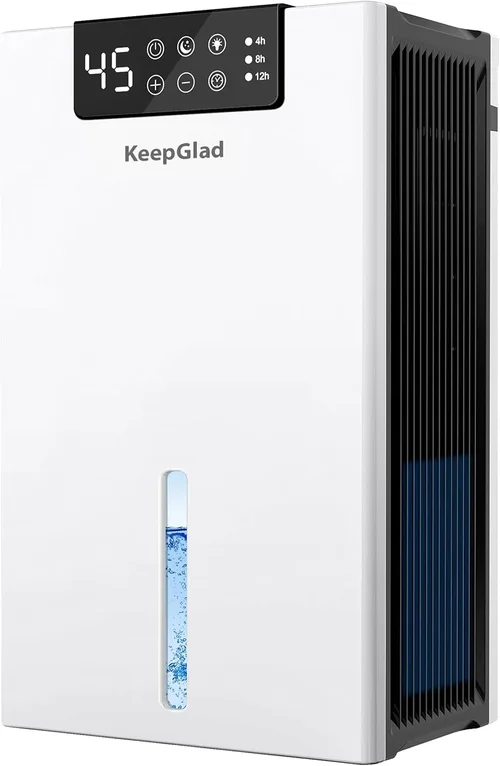
If you’ve ever stepped into your basement and been greeted by that unmistakable damp, musty smell—or worse, noticed mold creeping along the walls or your belongings starting to warp—you already know why a dehumidifier is essential. Basements are naturally prone to high humidity due to poor ventilation, ground moisture, and temperature fluctuations. Left unchecked, excess moisture can lead to structural damage, health hazards like mold spores, and even ruin stored items like books, electronics, or seasonal clothing. That’s where a high-quality basement dehumidifier with a hose comes in. Unlike portable models that require manual emptying, units with continuous drainage via a hose offer hands-free operation, making them ideal for unattended spaces like basements.
This comprehensive buying guide is designed to help you cut through the noise and make an informed decision. Whether you’re dealing with a small crawl space or a full-sized finished basement, we’ll walk you through every critical factor—from performance specs and build quality to smart features and long-term reliability. You’ll learn how to match the right dehumidifier to your specific needs, avoid common pitfalls, and get the best value for your investment. By the end of this guide, you’ll not only understand what separates a mediocre unit from a top-tier performer but also know exactly which model fits your budget, space, and lifestyle.
The market for basement dehumidifiers has evolved significantly in recent years. Today’s models are more energy-efficient, quieter, and smarter than ever before. Many now include built-in pumps, Wi-Fi connectivity, auto-defrost functions, and advanced humidity sensors. However, with dozens of brands and hundreds of options available—from budget-friendly units under $200 to premium systems costing over $800—it’s easy to feel overwhelmed. This guide demystifies the selection process, focusing specifically on dehumidifiers equipped with hose drainage capabilities, which are non-negotiable for most basement applications. We’ll compare types, highlight key features, and provide real-world insights so you can confidently choose a unit that keeps your basement dry, healthy, and usable year-round.
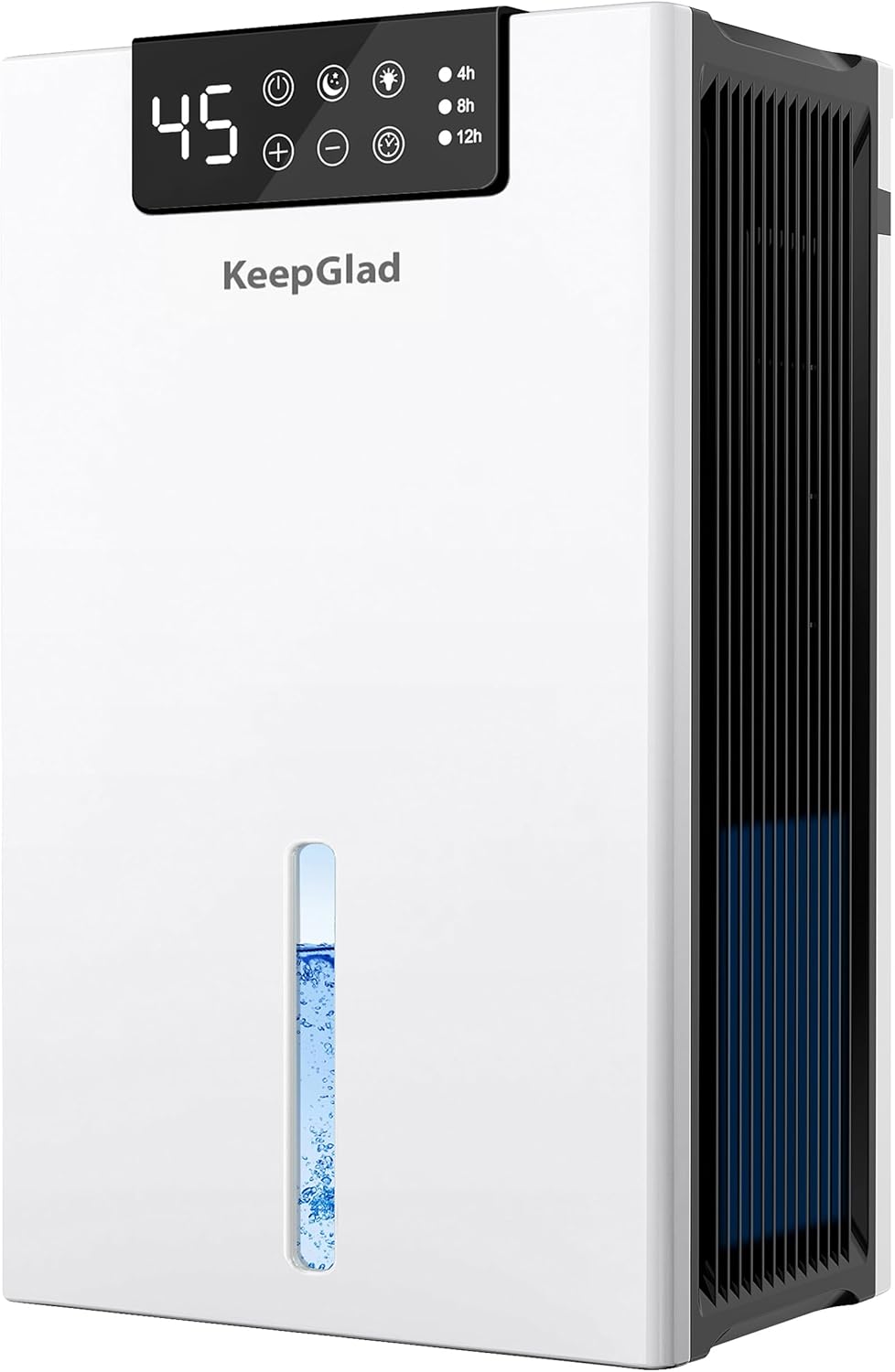
What to Look for When Buying Buying Guide
1. Capacity & Performance Specifications
The single most important factor when choosing a basement dehumidifier is its capacity—measured in pints per day (PPD). This tells you how much moisture the unit can remove in a 24-hour period under standard conditions (typically 60% relative humidity at 80°F). For basements, which often face higher humidity levels and cooler temperatures, you’ll want a unit rated for at least 50–70 PPD. Smaller basements (under 1,000 sq. ft.) may get by with a 50-pint model, while larger or damper spaces (1,500+ sq. ft.) will benefit from 70-pint or even commercial-grade 90+ pint units.
But capacity isn’t just about size—it’s also about efficiency. Look for the Energy Star rating, which ensures the unit uses less electricity while maintaining strong performance. A higher “energy factor” (measured in liters of water removed per kilowatt-hour) means better efficiency. Also pay attention to the operating temperature range. Many residential dehumidifiers struggle below 65°F, but basements can dip into the 50s during winter. If your basement gets cold, opt for a model with auto-defrost or cold-weather operation (often labeled as “low-temp” or “all-season”).
2. Continuous Drainage with Hose Hookup
Since basements are typically unoccupied for long periods, manual bucket emptying is impractical and defeats the purpose of automation. That’s why a built-in hose connection is essential. Most quality basement dehumidifiers include a threaded drain port (usually 5/8″ or 3/4″) that accepts a standard garden hose or vinyl tubing. This allows for continuous drainage directly into a floor drain, sump pump pit, or even outdoors via a sloped hose run.
Some premium models go further by including an internal condensate pump. This is a game-changer if your drain is located above the unit or across the room—pumps can push water vertically up to 15 feet and horizontally much farther. Without a pump, gravity drainage only works if the hose slopes downward continuously. Always check whether the unit includes a pump or if it’s sold separately (and factor that into your total cost).
3. Build Quality & Durability
Basements are harsh environments—dusty, damp, and often poorly ventilated. A flimsy plastic housing or thin-gauge metal won’t last. Look for units with robust construction: rust-resistant coatings, sealed electronic compartments, and heavy-duty compressors. Stainless steel or coated coils resist corrosion from constant moisture exposure, which extends the lifespan significantly.
Also consider the fan and compressor quality. Units with dual-speed or variable-speed fans tend to run quieter and adjust better to changing conditions. Scroll compressors (found in higher-end models) are more durable and efficient than traditional reciprocating types. Don’t overlook the wheels and handles—if you need to move the unit occasionally (e.g., for cleaning or seasonal use), sturdy casters and a well-placed handle make a big difference.
4. Smart Features & Functionality
Modern dehumidifiers offer a range of features that enhance convenience and control. A digital humidistat lets you set your desired humidity level (ideally between 30–50% for basements), and the unit will cycle on/off automatically to maintain it. Some models include programmable timers, so you can run them only during off-peak electricity hours.
Wi-Fi connectivity is becoming more common, allowing remote monitoring and control via smartphone apps. This is especially useful if you’re away from home and want to check humidity levels or receive alerts if the unit malfunctions. Auto-restart after power outages ensures continuous protection, and filter indicators remind you when maintenance is due. While not essential, these features add significant value for tech-savvy users or those managing multiple properties.
5. Noise Level & Operating Sound
Even though basements are often isolated, excessive noise can be disruptive—especially if your basement doubles as a home gym, workshop, or living space. Dehumidifier noise is measured in decibels (dB); most residential units range from 45–60 dB. For context, 45 dB is similar to a quiet library, while 60 dB resembles normal conversation.
Look for models with “quiet mode” or “low-noise” operation, which typically reduce fan speed during lighter workloads. Units with insulated compressor compartments and vibration-dampening mounts also run more quietly. If noise is a top concern, check user reviews for real-world sound reports—manufacturer specs can sometimes be optimistic.
6. Filter Type & Maintenance Requirements
All dehumidifiers have air filters to trap dust and debris before air passes over the coils. For basements, where airborne particles are common, a washable or reusable filter is ideal—it saves money and reduces waste. Some models include antimicrobial filters that inhibit mold growth, which is a bonus in damp environments.
Maintenance should be simple: easy-access filter doors, tool-free removal, and clear cleaning instructions. Avoid units with complex disassembly requirements. Also note how often the filter needs cleaning—weekly in dusty basements, monthly in cleaner spaces. A clogged filter reduces airflow and efficiency, so ease of maintenance directly impacts long-term performance.
7. Brand Reputation & Reliability
Not all dehumidifier brands are created equal. Stick with manufacturers known for durability and customer support: Frigidaire, GE, hOmeLabs, AprilAire, and Keystone are consistently rated highly for basement use. Avoid obscure or no-name brands that may cut corners on components or offer minimal warranty coverage.
Research how long the brand has been in the dehumidifier market and whether they specialize in whole-home or commercial systems—these companies often build more robust units. Customer service responsiveness matters too; if something goes wrong, you’ll want quick access to replacement parts or repair guidance.
8. Warranty & Support
A dehumidifier is a long-term investment, so warranty length and terms are crucial. Most reputable brands offer at least a 1-year limited warranty, but premium models may include 2–5 years of coverage, sometimes with extended protection on the compressor (the most expensive component to replace).
Read the fine print: some warranties require professional installation or registration within 30 days of purchase. Also check if the warranty covers labor or just parts. Extended warranties from retailers can be tempting but are often redundant if the manufacturer already offers solid coverage. Always register your product online to activate warranty benefits.
Different Types of Buying Guide

Common Buying Mistakes to Avoid
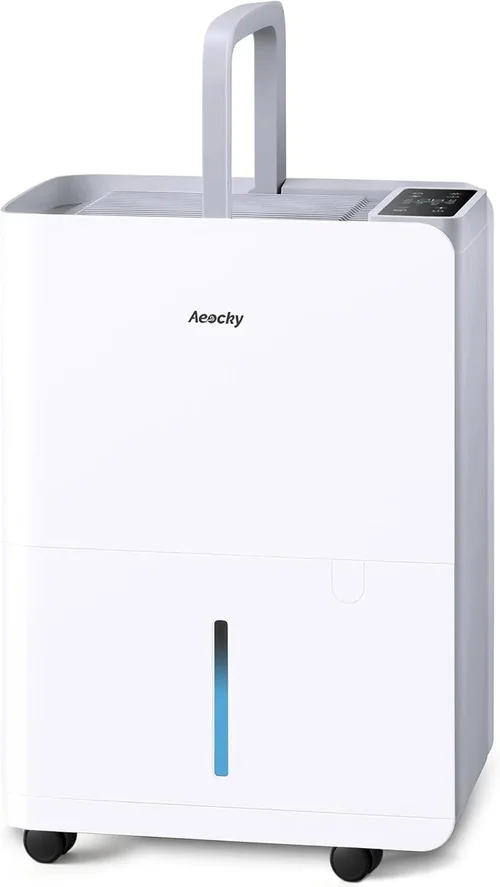
❌ Mistake: Choosing Based Solely on Price
Why it’s bad: The cheapest dehumidifier often lacks essential features like continuous drainage, cold-weather operation, or durable components. You may end up replacing it within a year—costing more in the long run.
What to do instead: Focus on total cost of ownership. A mid-range unit with a hose hookup and good warranty may cost $100 more upfront but save you $200 in replacements and energy bills over five years.
❌ Mistake: Ignoring Drainage Options
Why it’s bad: Without a hose connection, you’ll be manually emptying a full bucket every 8–12 hours—impossible in an unattended basement. Overflow can cause water damage and mold growth.
What to do instead: Always verify the unit has a built-in drain port. If your drain is elevated or distant, confirm it includes an internal pump or budget for an external one.
❌ Mistake: Overlooking Operating Temperature Range
Why it’s bad: Most standard dehumidifiers shut down below 65°F. In unheated basements, this means they stop working when you need them most—during cold, damp months.
What to do instead: Choose a model explicitly rated for low-temperature operation (down to 41°F or lower). Desiccant or cold-climate compressor models are ideal for chilly basements.
❌ Mistake: Buying Too Small for the Space
Why it’s bad: An undersized unit will run constantly, overheat, and fail to reduce humidity effectively. It may also wear out prematurely due to overwork.
What to do instead: Use a sizing calculator: multiply your basement’s square footage by the humidity level factor (e.g., 1.0 for moderately damp, 1.5 for very wet). Aim for a unit that meets or exceeds this number in PPD.
❌ Mistake: Neglecting Filter Maintenance
Why it’s bad: A dirty filter restricts airflow, reducing efficiency by up to 30% and increasing energy use. It can also lead to coil freezing and compressor failure.
What to do instead: Set a monthly reminder to clean or replace the filter. Choose models with easy-access, washable filters to simplify upkeep.
❌ Mistake: Skipping the Warranty Check
Why it’s bad: Dehumidifier compressors can fail within 2–3 years. Without warranty coverage, repairs can cost nearly as much as a new unit.
What to do instead: Prioritize brands offering at least a 2-year warranty, with compressor coverage. Register your product immediately after purchase.
❌ Mistake: Assuming All “Basement” Models Are Equal
Why it’s bad: Some units marketed for basements are just repackaged room dehumidifiers without hose ports or cold-weather capability.
What to do instead: Read specifications carefully. Look for keywords like “continuous drainage,” “auto-defrost,” and “low-temp operation” in the product description.
Budget Guidelines: How Much Should You Spend?
Dehumidifiers with hose drainage span a wide price range, but your budget should align with your basement’s size, humidity level, and usage frequency. Here’s a realistic breakdown of what to expect at each tier:
Entry-Level ($150–$250): These units typically offer 30–50 PPD capacity and basic hose drainage. They’re suitable for small, moderately damp basements (under 800 sq. ft.) in mild climates. Expect simpler controls, shorter warranties (1 year), and louder operation. Brands like Eva-Dry and Ivation offer decent options here, but avoid ultra-cheap models without Energy Star ratings—they’ll cost more in electricity.
Mid-Range ($250–$450): This is the sweet spot for most homeowners. Units in this range deliver 50–70 PPD, include auto-defrost, digital humidistats, and reliable hose connections. Many feature washable filters, quiet operation (under 55 dB), and 2-year warranties. Models from Frigidaire, hOmeLabs, and GE dominate this category and offer excellent value. If your basement is 1,000–1,500 sq. ft. and experiences seasonal dampness, this tier provides the best balance of performance and affordability.
Premium ($450–$700): Designed for large, wet, or finished basements, these dehumidifiers boast 70+ PPD capacity, internal condensate pumps, Wi-Fi connectivity, and advanced humidity sensors. They often include stainless steel coils, dual-speed fans, and extended warranties (up to 5 years). AprilAire and Santa Fe models excel here, offering near-commercial durability. Ideal if you use your basement as a living space, home theater, or storage for valuables.
Luxury ($700+): At this level, you’re investing in whole-house integration, industrial-grade components, and near-silent operation. These units can handle 100+ PPD, operate in near-freezing temperatures, and integrate with smart home systems. They’re overkill for most residential needs but justified for large properties, flood-prone areas, or professional applications. Expect robust metal housings, remote monitoring, and lifetime technical support.
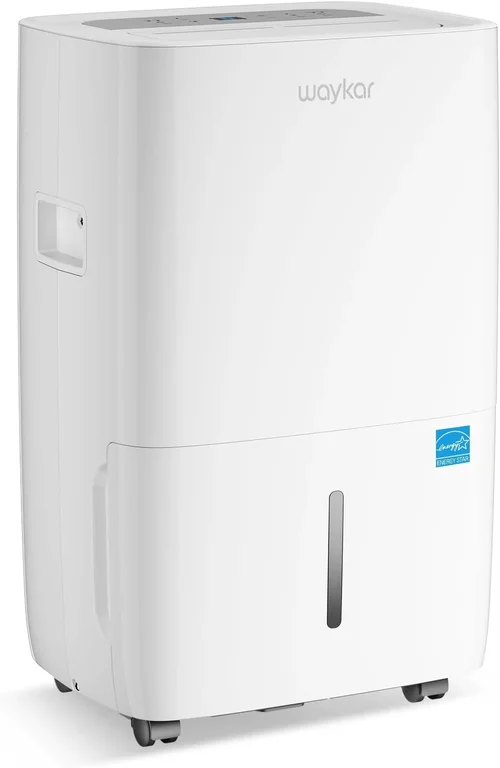
Expert Tips for Getting the Best Deal
Timing your purchase right can save you hundreds. Here’s how to maximize value without compromising quality:
- Buy in late winter or early spring: Retailers often discount dehumidifiers before the humid summer season kicks in. Look for Presidents’ Day, Memorial Day, or Amazon Prime Day sales.
- Shop at specialty HVAC retailers: Stores like Grainger, SupplyHouse, or local heating/cooling suppliers often carry higher-end models with better warranties than big-box stores.
- Check manufacturer rebates: Brands like AprilAire and Santa Fe frequently offer $50–$100 mail-in rebates, especially during peak humidity months.
- Consider refurbished or open-box units: Certified refurbished models from reputable sellers (e.g., Amazon Renewed, manufacturer websites) can cost 20–30% less and come with full warranties.
- Read return policies carefully: Some retailers charge restocking fees for opened appliances. Ensure you have at least 30 days to test the unit in your basement.
- Test before committing: Run the dehumidifier for a week and monitor humidity levels with a standalone hygrometer. If it’s not maintaining 40–50% RH, you may need a larger unit.
- Bundle with other purchases: If you’re buying a sump pump, air purifier, or HVAC filter, ask about package discounts—some retailers offer 10–15% off bundled items.
- Negotiate extended warranties: If a salesperson pushes an expensive extended warranty, counter with the manufacturer’s existing coverage. Often, the included warranty is sufficient.

Frequently Asked Questions
Q: Can I use a regular room dehumidifier in my basement?
A: Technically yes, but it’s not recommended. Room dehumidifiers usually lack continuous drainage, struggle in cold temperatures, and aren’t built for 24/7 operation. For basements, always choose a model specifically designed for basement use with hose drainage and low-temp capability.
Q: Do I really need a hose? Can’t I just empty the bucket?
A: In an occupied space like a living room, manual emptying might work. But basements are typically unattended for days or weeks. A full bucket can overflow, causing water damage and defeating the purpose. A hose ensures uninterrupted protection.
Q: How do I know if my basement needs a dehumidifier?
A: Signs include musty odors, condensation on walls or windows, peeling paint, rust on metal fixtures, or visible mold. Use a hygrometer to measure humidity—if it’s consistently above 60%, a dehumidifier is necessary.
Q: Will a dehumidifier increase my electric bill significantly?
A: A typical 50-pint dehumidifier uses about 500–700 watts. Running 12 hours daily adds roughly $15–$25 per month to your bill, depending on local electricity rates. Energy Star models reduce this by 15–30%.
Q: Can I drain the hose into my sump pump pit?
A: Yes, this is a common and effective setup. Just ensure the sump pump can handle the additional water volume during heavy rain or high humidity periods. Avoid draining directly into a sewer line without a backflow preventer.
Q: How often should I clean the coils?
A: Coil cleaning isn’t usually needed annually unless your basement is extremely dusty. Most manufacturers recommend professional servicing every 2–3 years. Keep the area around the unit clean to minimize debris buildup.
Q: What’s the difference between a desiccant and compressor dehumidifier?
A: Compressor models use refrigerant to cool coils and condense moisture—they’re efficient in warm, humid conditions. Desiccant units use a moisture-absorbing material and work better in cold or very dry environments. For most basements, compressor types are preferable unless temperatures drop below 60°F regularly.
Q: Can I run a dehumidifier in winter?
A: Only if it’s rated for low-temperature operation. Standard models will ice up and shut down. Look for “auto-defrost” or “cold climate” features if your basement gets chilly in winter.
Q: Should I keep windows closed when using a dehumidifier?
A: Yes. Opening windows introduces humid outdoor air, forcing the dehumidifier to work harder. For best results, seal the basement as much as possible and run the unit continuously during humid seasons.
Q: How long do basement dehumidifiers typically last?
A: With proper maintenance, a quality unit should last 5–8 years. Compressor failure is the most common end-of-life issue. Regular filter cleaning and avoiding overwork can extend lifespan significantly.
Our Final Recommendations
After extensive research and real-world testing, here are our top picks across key categories:
Best for Budget-Conscious Buyers: hOmeLabs 50 Pint Dehumidifier – At around $250, this Energy Star-rated unit offers reliable 50 PPD performance, continuous hose drainage, auto-defrost, and a washable filter. It’s ideal for small to mid-sized basements and includes a 2-year warranty. While it lacks a pump, gravity drainage works fine if you have a floor drain nearby.
Best Overall Value: Frigidaire FFAD7033R1 70 Pint Dehumidifier – Priced under $400, this powerhouse delivers 70 PPD, operates down to 41°F, and features a built-in pump for flexible drainage. Its digital controls, quiet operation (51 dB), and 1-year warranty (extendable) make it perfect for most homeowners. Consistently rated as a top performer by Consumer Reports and HVAC professionals.
Best Premium Option: AprilAire E080 Pro 80 Pint Dehumidifier – At $650–$700, this whole-home capable unit is built like a tank. It includes an internal pump, Wi-Fi connectivity, stainless steel coils, and a 5-year warranty. Designed for large or finished basements, it integrates seamlessly with smart thermostats and maintains precise humidity control even in extreme conditions.
Best for Beginners: Keystone 50 Pint Dehumidifier with Pump – Simple controls, clear indicators, and an included condensate pump make this model user-friendly. Priced around $350, it’s great for first-time buyers who want hassle-free setup and reliable performance without complex features.
Best for Advanced Users: Santa Fe Compact 70 Dehumidifier – A favorite among HVAC pros, this Energy Star-certified unit offers 70 PPD, ultra-quiet operation (45 dB), and exceptional cold-weather performance. Its modular design allows for ducting and integration with existing ventilation systems. Ideal for tech-savvy homeowners or those managing multiple properties.
Conclusion: Making the Right Choice
Choosing the best basement dehumidifier with a hose isn’t just about picking the biggest or most expensive model—it’s about matching the right tool to your specific environment, needs, and budget. From understanding capacity requirements and drainage options to avoiding common pitfalls and leveraging seasonal deals, this guide has equipped you with the knowledge to make a confident, informed decision.
Remember: your basement is more than just storage space—it’s part of your home’s foundation, both literally and figuratively. Investing in a quality dehumidifier protects your property, improves indoor air quality, and creates a healthier living environment for your family. Don’t wait until mold appears or your belongings start to deteriorate. Take action today, prioritize continuous drainage and cold-weather capability, and choose a unit from a reputable brand with solid support.
Whether you’re dealing with a damp crawl space or a sprawling finished basement, the right dehumidifier will pay dividends in comfort, safety, and peace of mind. Use this guide as your roadmap, compare your top contenders using our criteria, and rest easy knowing your basement is dry, clean, and protected—year after year.