
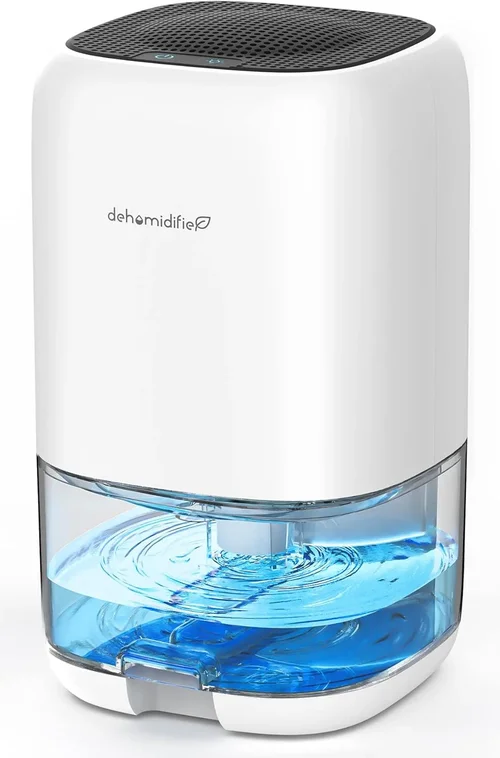
Bathrooms are one of the most humid rooms in any home—yet they’re often the most overlooked when it comes to moisture control. Every shower, bath, or even just washing hands adds moisture to the air. Without proper ventilation, that humidity lingers, creating the perfect breeding ground for mold, mildew, and musty odors. Over time, this can damage walls, ceilings, fixtures, and even compromise indoor air quality. That’s where a bathroom dehumidifier fan comes in: a smart, dual-purpose solution that not only removes excess moisture but also improves air circulation and prevents long-term structural issues.
In this comprehensive buying guide, we’ll walk you through everything you need to know to choose the best bathroom dehumidifier fan for your needs in 2026. Whether you’re dealing with chronic condensation on mirrors, peeling paint, or a persistent damp smell, the right unit can make all the difference. We’ll cover key performance specs, design considerations, budget options, and expert tips to help you avoid common pitfalls. By the end of this guide, you’ll have a clear understanding of what to look for, how much to spend, and which models offer the best value for your specific situation.
The market for bathroom dehumidifier fans has evolved significantly in recent years. Traditional exhaust fans are being replaced or supplemented by advanced hybrid units that combine powerful ventilation with built-in dehumidification technology. These devices go beyond simple airflow—they actively extract moisture from the air, often using desiccant or refrigerant-based systems, and some even feature smart sensors, timers, and energy-efficient modes. With options ranging from basic inline fans to Wi-Fi-enabled smart dehumidifiers, there’s never been a better time to invest in a solution that protects your home and enhances comfort. Let’s dive into the details so you can make an informed decision.

What to Look for When Buying Buying Guide
1. Performance Specifications
When evaluating bathroom dehumidifier fans, performance is king. The two most critical metrics are CFM (Cubic Feet per Minute) and pint capacity per day. CFM measures how much air the fan can move—higher CFM means faster moisture removal. For bathrooms under 50 square feet, a fan rated at 50–80 CFM is usually sufficient. Larger bathrooms (up to 100 sq ft) may require 80–110 CFM, while master baths or those with jetted tubs might need 110+ CFM.
Dehumidification capacity, measured in pints per day, tells you how much moisture the unit can extract from the air in 24 hours. A standard bathroom typically needs a unit that removes 10–30 pints daily, depending on usage frequency and climate. Look for models with adjustable humidity settings (often called “set points”) so you can maintain ideal indoor humidity levels—usually between 30% and 50%. Units with built-in hygrometers automatically monitor and respond to humidity changes, ensuring consistent performance without manual intervention.
2. Noise Level (Decibel Rating)
A quiet bathroom fan is essential for comfort, especially in bedrooms or en-suite bathrooms. Noise is measured in sones—a lower sone rating means quieter operation. Most standard exhaust fans operate between 1.0 and 4.0 sones, but high-performance dehumidifier fans can range from 0.5 to 2.5 sones. For light sleepers or homes with open floor plans, aim for a model under 1.5 sones.
Pay attention to whether the noise level is specified for the fan alone or includes the dehumidifier compressor (if applicable). Refrigerant-based dehumidifiers tend to be louder than desiccant models. Some premium units feature insulated housings or variable-speed motors that reduce operational noise. If silence is a priority, consider models with “ultra-quiet” or “whisper-quiet” labeling—but verify user reviews, as marketing claims don’t always match real-world experience.
3. Energy Efficiency & Operating Costs
Since bathroom dehumidifier fans often run continuously or on timers, energy efficiency directly impacts your utility bill. Look for units with ENERGY STAR certification, which indicates they meet strict efficiency guidelines set by the U.S. Environmental Protection Agency. ENERGY STAR–qualified models use up to 60% less energy than standard units.
Check the wattage rating—lower watts mean lower electricity consumption. Many modern units include auto-shutoff features, humidity sensors, or programmable timers that prevent unnecessary runtime. For example, a fan that turns on automatically when humidity exceeds 60% and shuts off once it drops below 50% will save significant energy compared to one running constantly. Over a year, an efficient model could save you $20–$50 in electricity costs, depending on local rates and usage.
4. Installation Type & Compatibility
Bathroom dehumidifier fans come in several installation styles: ceiling-mounted, wall-mounted, inline (ducted), and portable. Ceiling-mounted units are the most common and integrate seamlessly with existing bathroom layouts. Wall-mounted models are ideal for spaces without attic access or where ceiling installation isn’t feasible. Inline fans are hidden in attics or crawl spaces and connected via ductwork—great for noise reduction but require professional setup.
Ensure the unit fits your bathroom’s electrical and structural requirements. Most require a dedicated 15-amp circuit and hardwired installation, though some plug-in portable models exist. If you’re replacing an old fan, measure the existing housing size (typically 4″, 5″, or 6″) and confirm compatibility. For retrofits, look for universal mounting brackets or retrofit kits. Always consult local building codes—some jurisdictions require GFCI protection or specific venting distances to the exterior.
5. Build Quality & Durability
Bathrooms are harsh environments: constant moisture, temperature swings, and cleaning chemicals can degrade inferior materials quickly. Opt for fans with corrosion-resistant housings—typically made from ABS plastic, powder-coated steel, or aluminum. Motor type matters too: permanently lubricated motors require less maintenance and last longer than those needing oiling.
Check the IP (Ingress Protection) rating if the unit will be exposed to direct water spray (e.g., near a shower). An IPX4 rating or higher ensures protection against splashing water. Sealed bearings and rust-proof grilles further enhance longevity. Premium brands often offer 5–10 year warranties on motors, signaling confidence in durability. Avoid cheap plastic housings or flimsy grilles—they may warp or crack within a year.
6. Smart Features & Automation
Modern bathroom dehumidifier fans increasingly include smart capabilities. Wi-Fi connectivity allows remote control via smartphone apps, integration with voice assistants (Alexa, Google Assistant), and scheduling. Humidity sensors with auto-on/off functionality eliminate guesswork—the unit activates only when needed.
Some advanced models offer multi-speed settings, delay timers (to run after you leave the bathroom), and even air quality monitoring (detecting VOCs or CO₂). While these features add convenience, they also increase cost and complexity. Consider whether you’ll actually use them—a simple humidity-sensing fan may suffice for most households. However, if you have allergies or live in a high-humidity region, smart automation can significantly improve indoor air quality.
7. Brand Reputation & Customer Support
Stick with established brands known for reliability and service. Companies like Panasonic, Broan, Honeywell, and Santa Fe have decades of experience in ventilation and dehumidification. Read customer reviews on trusted platforms (Amazon, Home Depot, Consumer Reports) to gauge real-world performance and common issues.
Pay attention to warranty terms and customer support responsiveness. A longer warranty (3+ years) often reflects better build quality. Check if the manufacturer offers replacement parts, repair services, or live chat support. Avoid obscure brands with no service network—you don’t want to be stuck with a broken unit and no way to fix it.
8. Size & Portability (If Applicable)
For renters or those without permanent installation options, portable bathroom dehumidifier fans are a viable alternative. These standalone units sit on the floor or countertop and plug into a standard outlet. They’re ideal for small bathrooms, RVs, or seasonal use.
However, portables generally have lower CFM and dehumidification capacity than hardwired models. They also take up floor space and may require manual emptying of water tanks (unless equipped with continuous drainage). If portability is essential, look for compact designs with handles, wheels, or wall-mounting brackets. Ensure the unit includes a hose adapter for direct drainage to a sink or floor drain.
Different Types of Buying Guide

Common Buying Mistakes to Avoid
❌ Mistake: Ignoring Bathroom Size and Usage Patterns
Why it’s bad: Choosing a fan based solely on price or brand without considering your bathroom’s square footage, ceiling height, or how often it’s used leads to underperformance. A small fan in a large, frequently used bathroom won’t remove moisture effectively, while an oversized unit wastes energy and creates excessive noise.
What to do instead: Calculate your bathroom’s volume (length × width × height) and match it to the manufacturer’s recommended CFM. Add 20–30% extra capacity if you have a steam shower, jacuzzi, or live in a humid climate.
❌ Mistake: Overlooking Noise Levels
Why it’s bad: A loud fan disrupts relaxation, interrupts sleep (in adjacent bedrooms), and may be turned off—defeating its purpose. Many buyers focus only on power and ignore sone ratings, resulting in regret after installation.
What to do instead: Prioritize units with sone ratings below 2.0, especially for master baths or open-plan homes. Read user reviews mentioning noise—real-world feedback is more reliable than specs.
❌ Mistake: Skipping Professional Installation
Why it’s bad: Improper wiring, poor duct sealing, or incorrect venting can cause electrical hazards, reduce efficiency, or allow moisture to accumulate in walls. DIY mistakes often void warranties and create safety risks.
What to do instead: Hire a licensed electrician or HVAC technician for hardwired or ducted installations. Even if you’re handy, consult local codes and use manufacturer-approved mounting hardware.
❌ Mistake: Choosing Based Solely on Price
Why it’s bad: The cheapest option often uses low-quality motors, thin plastic, and lacks essential features like humidity sensors. It may fail within a year, costing more in replacements and repairs.
What to do instead: View price as one factor among many. Invest in a mid-range model ($150–$300) from a reputable brand—it will last longer, perform better, and save money on energy.
❌ Mistake: Neglecting Maintenance Requirements
Why it’s bad: Filters clog, grilles collect dust, and water tanks fill up. Neglecting maintenance reduces efficiency, increases noise, and can lead to mold growth inside the unit.
What to do instead: Choose models with washable filters, easy-access panels, and automatic tank-full shutoff. Set calendar reminders to clean the unit every 3–6 months.
❌ Mistake: Assuming All “Dehumidifier Fans” Are Equal
Why it’s bad: Some products market themselves as “dehumidifier fans” but are just exhaust fans with minimal moisture removal. Others lack true dehumidification and only circulate air.
What to do instead: Verify the product description includes both CFM (for ventilation) and pint/day capacity (for dehumidification). Look for terms like “integrated dehumidifier” or “dual-function.”
❌ Mistake: Not Checking Return and Warranty Policies
Why it’s bad: If the unit doesn’t fit, is too loud, or malfunctions, you need a clear path to return or repair it. Some retailers charge restocking fees or have short return windows.
What to do instead: Buy from retailers with generous return policies (30+ days) and check the manufacturer’s warranty before purchasing. Keep receipts and packaging.
Budget Guidelines: How Much Should You Spend?
- Entry-Level ($80–$150): These are typically basic exhaust fans with minimal dehumidification or portable units. Expect lower CFM (50–70), higher noise (2.0+ sones), and plastic construction. Best for occasional use in small powder rooms or as a temporary fix. Brands like Vivosun or hOmeLabs offer budget-friendly options, but durability may be limited.
- Mid-Range ($150–$300): This is the sweet spot for most homeowners. Units in this range offer 80–110 CFM, 15–25 pint/day dehumidification, quiet operation (under 1.5 sones), and reliable build quality. Look for ENERGY STAR certification, humidity sensors, and 3–5 year warranties. Models from Broan, Panasonic, and Delta Breez excel here.
- Premium ($300–$500): Designed for high-performance and smart features. These include inline systems, Wi-Fi connectivity, multi-speed motors, and advanced filtration. Ideal for large master baths, steam rooms, or allergy sufferers. Expect metal housings, brushless motors, and 5–10 year motor warranties. Santa Fe and AprilAire dominate this tier.
- Luxury ($500+): Top-tier units with commercial-grade components, ultra-quiet operation (under 0.5 sones), and full smart home integration. Often custom-installed with architectural grilles and whole-home ventilation sync. Best for luxury renovations or extreme humidity climates. These are overkill for average homes but offer unmatched performance and aesthetics.
Expert Tips for Getting the Best Deal
- Buy During Off-Peak Seasons: Humidity control products see peak demand in spring and summer. Shop in late fall or winter (October–February) for discounts, clearance sales, or bundle deals.
- Compare Retailers: Prices vary widely between Home Depot, Lowe’s, Amazon, and specialty HVAC suppliers. Use price-tracking tools like Honey or CamelCamelCamel to monitor fluctuations.
- Look for Rebates and Incentives: Many utility companies offer rebates for ENERGY STAR–qualified ventilation products. Check your local provider’s website—you could save $20–$100.
- Read the Fine Print on Warranties: Some warranties require professional installation or annual maintenance to remain valid. Register your product online to activate coverage.
- Test Before Committing (If Possible): For portable units, buy from a retailer with a generous return policy. Run it for a few days to assess noise, effectiveness, and ease of use.
- Bundle with Other Upgrades: If you’re renovating your bathroom, ask contractors about package deals on fans, lighting, and exhaust systems. Bulk purchases often come with discounts.
- Consider Long-Term Savings: A $50 more efficient model might save $30/year in electricity. Over 10 years, that’s $300 in savings—well worth the upfront cost.
- Avoid “Too Good to Be True” Deals: Extremely low prices on branded units are often counterfeit or refurbished without disclosure. Stick to authorized dealers.

Frequently Asked Questions
Q: Can a bathroom dehumidifier fan replace a standalone dehumidifier?
A: Not entirely. While hybrid units remove moisture, they’re optimized for bathroom-scale humidity, not whole-house control. For severe dampness or basements, a dedicated dehumidifier is still recommended. However, for typical bathroom use, a quality hybrid fan is sufficient.
Q: Do I need a dehumidifier fan if I already have an exhaust fan?
A: Possibly. Standard exhaust fans move air but don’t actively extract moisture from the air stream. If you still see condensation, mold, or odors, upgrading to a dehumidifier fan adds critical moisture removal capability.
Q: How long should a bathroom dehumidifier fan run after a shower?
A: Ideally, 20–30 minutes after use. Many models include delay timers or humidity sensors that automate this. Running it too briefly leaves moisture; too long wastes energy.
Q: Are bathroom dehumidifier fans difficult to install?
A: Ceiling and wall-mounted units require electrical and ductwork knowledge—best left to professionals. Portable models are plug-and-play. Always turn off power at the breaker before any installation.
Q: Can I use a bathroom dehumidifier fan in other rooms?
A: Portable units can be moved to laundry rooms, basements, or kitchens. Hardwired models are room-specific due to venting requirements. Check the manufacturer’s guidelines.
Q: What’s the difference between refrigerant and desiccant dehumidifiers in fans?
A: Refrigerant types cool air to condense moisture—effective in warm, humid climates. Desiccant models use moisture-absorbing materials—better in cooler temperatures. Most bathroom fans use refrigerant systems for efficiency.
Q: Will a dehumidifier fan help with bathroom odors?
A: Yes, indirectly. By reducing moisture, it inhibits mold and mildew growth—the primary sources of musty smells. For strong odors, pair it with an activated carbon filter or occasional cleaning.
Q: How often should I clean my bathroom dehumidifier fan?
A: Clean the grille and filter every 3–6 months. Wipe down the housing with a damp cloth. For units with water tanks, empty and rinse weekly during heavy use.
Q: Are smart bathroom dehumidifier fans worth the extra cost?
A: If you value automation and remote monitoring, yes. For basic moisture control, a simple humidity-sensing model suffices. Smart features shine in homes with variable usage or health concerns.
Q: Can I install a dehumidifier fan myself if I’m handy?
A: Only if you’re comfortable with electrical work and local codes. Improper wiring can cause fires. When in doubt, hire a pro—safety isn’t worth the risk.
Our Final Recommendations
- Best for Budget-Conscious Buyers: hOmeLabs Portable Bathroom Dehumidifier Fan – At under $120, it offers 15-pint/day capacity, quiet operation, and easy setup. Perfect for renters or small bathrooms.
- Best Overall Value: Panasonic WhisperComfort ERV – Combines 80 CFM ventilation with energy recovery and moisture control. ENERGY STAR certified, ultra-quiet (0.8 sones), and built to last. Priced around $250.
- Best Premium Option: Santa Fe Ultra-Aire UA70X – A high-capacity inline system with 70-pint/day dehumidification, smart controls, and whisper-quiet performance. Ideal for luxury bathrooms or high-humidity regions. $450–$500.
- Best for Beginners: Broan-NuTone Sensonic – Features automatic humidity sensing, 110 CFM, and simple installation. No app needed—just set it and forget it. Around $200.
- Best for Advanced Users: Delta BreezSmart VFB25AD – Wi-Fi enabled, works with Alexa/Google, includes air quality sensor and variable speed. Tech-forward design with robust performance. $320.
Conclusion: Making the Right Choice
Choosing the best bathroom dehumidifier fan isn’t just about picking the most powerful or cheapest option—it’s about finding the right balance of performance, noise, efficiency, and features for your specific needs. A well-selected unit will protect your home from mold and moisture damage, improve air quality, and enhance daily comfort. Remember to prioritize your bathroom’s size, usage patterns, and installation constraints. Don’t skimp on quality for short-term savings, and always consider long-term operating costs and maintenance.
Use this guide as your roadmap: evaluate key specs, avoid common pitfalls, stick to your budget tier, and leverage expert tips to secure the best deal. Whether you’re a first-time buyer or upgrading an old system, the right bathroom dehumidifier fan is an investment in your home’s health and your family’s well-being. Take the time to research, compare models, and consult professionals when needed. Your future self—and your walls—will thank you.