
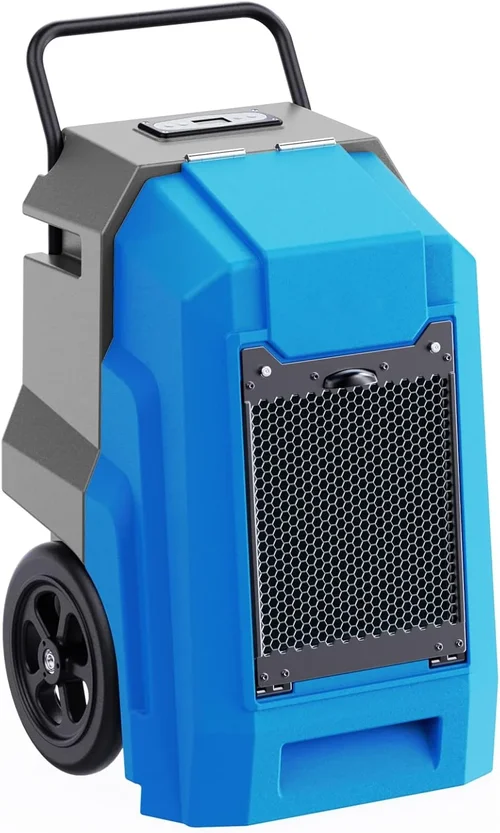
When it comes to controlling indoor humidity, most people immediately think of plug-in dehumidifiers—bulky units that require constant access to an electrical outlet. But what if you need moisture control in a space without power? Or you’re dealing with dampness in a small, enclosed area like a closet, gun safe, or travel trailer? That’s where battery-powered dehumidifiers come in. These compact, portable devices offer a unique solution for targeted humidity management without the need for cords or outlets.
Battery-powered dehumidifiers are not designed to replace full-sized, plug-in models in large living spaces. Instead, they excel in niche applications where traditional units simply aren’t practical. Whether you’re protecting valuable electronics, preserving seasonal clothing, or preventing mold in a damp basement corner, these devices fill a critical gap in moisture control. As awareness of indoor air quality grows, so does the demand for flexible, energy-efficient solutions—and battery-operated dehumidifiers are stepping up to meet that need.
This comprehensive buyer’s guide is designed to help you navigate the growing market of battery-powered dehumidifiers. We’ll walk you through everything you need to know—from understanding how these devices work to comparing key features, avoiding common pitfalls, and selecting the right model for your specific needs. By the end of this guide, you’ll have the knowledge and confidence to make an informed decision, whether you’re a first-time buyer or upgrading from a previous model.

What to Look for When Buying Buying Guide
1. Battery Life & Power Source
Battery life is arguably the most critical factor when choosing a battery-powered dehumidifier. Unlike plug-in models that run continuously, these devices rely on internal batteries, so runtime directly impacts usability. Most battery-powered dehumidifiers use rechargeable lithium-ion batteries, which offer a good balance of energy density, longevity, and recharge speed. Look for models that provide at least 8–12 hours of continuous operation on a single charge—this is typically sufficient for overnight use or extended periods in low-humidity environments.
Battery capacity is measured in milliampere-hours (mAh). A higher mAh rating generally means longer runtime, but it also increases the device’s size and charging time. For example, a 2000mAh battery may last 6–8 hours, while a 5000mAh model could run for 12–16 hours. Consider your intended use: if you’re placing the unit in a closet that only needs occasional monitoring, a smaller battery may suffice. But for areas with persistent moisture—like a boat cabin or RV—opt for a higher-capacity battery.
Charging method is another key consideration. Most models charge via USB-C or micro-USB, allowing you to power them using a wall adapter, power bank, or even a laptop. USB-C is preferred for faster charging and broader compatibility. Some premium models include solar charging options or dual power modes (battery + plug-in), which can extend usability in off-grid scenarios.
2. Moisture Absorption Capacity
Moisture absorption capacity refers to how much water the dehumidifier can remove from the air over a given period. This is usually measured in milliliters (ml) per day or per cycle. Battery-powered models typically have lower capacities than their plug-in counterparts—ranging from 50ml to 300ml per day—due to size and power constraints. However, this is often sufficient for small, enclosed spaces.
To determine the right capacity, consider the size of the area you’re treating and the level of humidity. A small closet (under 10 sq ft) with moderate dampness may only need a 100ml/day unit. In contrast, a damp basement corner or a large gun safe might require a 200ml+ model. Overestimating capacity isn’t usually a problem, but underestimating can lead to ineffective moisture control and frequent emptying.
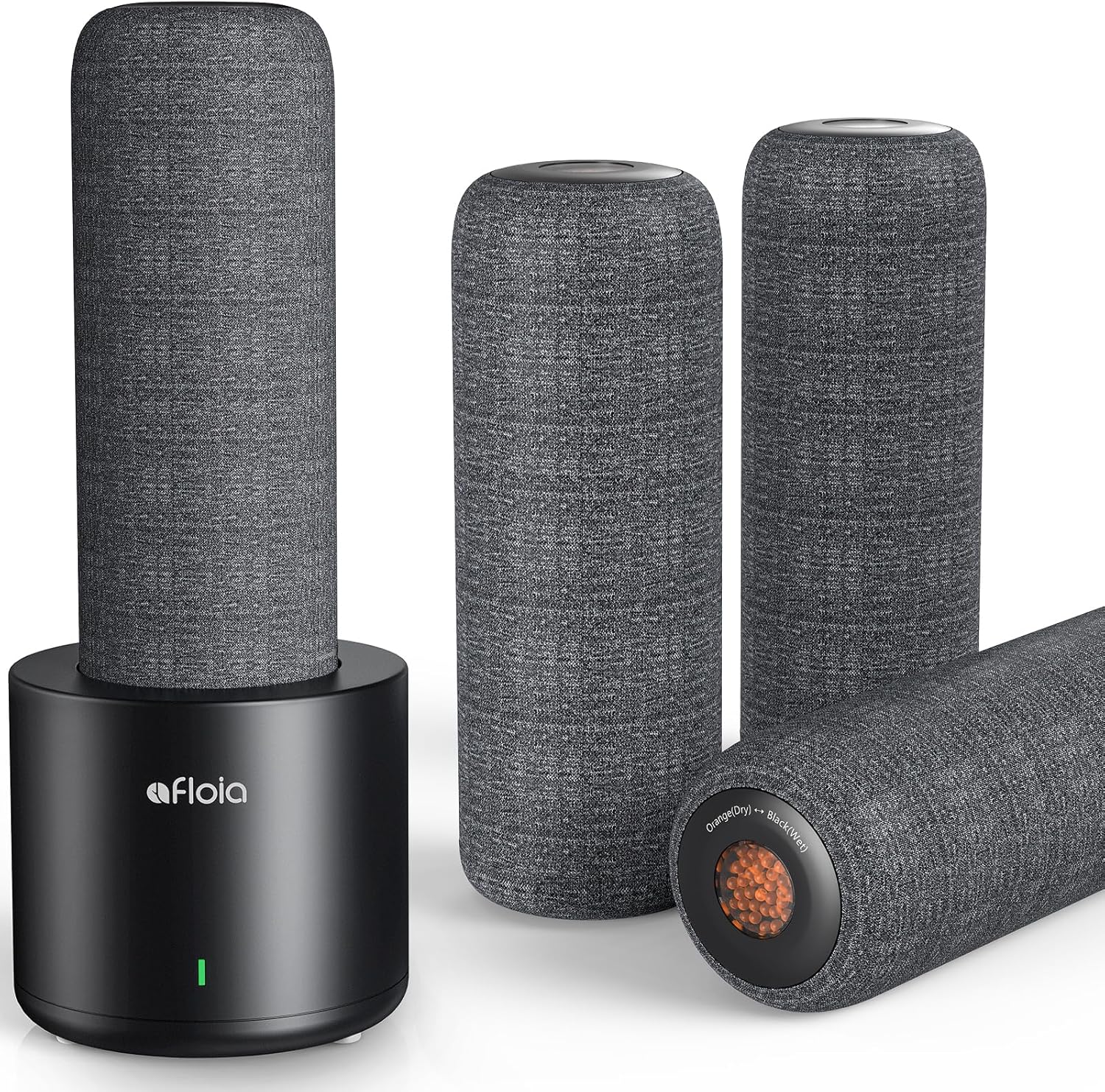
Some models use desiccant materials like silica gel, which absorb moisture passively without electricity. These are often rechargeable by heating (e.g., in an oven or microwave), making them ideal for long-term, low-maintenance use. Others use mini-compressors or thermoelectric (Peltier) technology, which actively cool air to condense moisture. These are more effective in higher humidity but consume more battery power.
3. Size, Weight & Portability
One of the biggest advantages of battery-powered dehumidifiers is their portability. These devices are typically compact and lightweight, designed to fit in tight spaces like drawers, safes, or under sinks. Most weigh between 8 and 20 ounces and measure around 6–10 inches in height. This makes them easy to move, store, and position exactly where needed.
When evaluating size, consider both the physical dimensions and the placement flexibility. Some models are cylindrical or rectangular, which may affect how they fit in certain spaces. Look for units with flat bases or magnetic backs for secure mounting. A slim profile is especially important for use in narrow cabinets or behind furniture.
Portability also extends to ease of transport. If you plan to use the dehumidifier in multiple locations—such as a vacation home, boat, or RV—choose a model with a carrying case or handle. Some units come with adhesive pads or hooks for mounting, which can be useful in dynamic environments.
4. Noise Level & Operation
Noise level is a crucial factor, especially if the dehumidifier will be used in bedrooms, offices, or quiet spaces. Battery-powered models generally operate more quietly than plug-in units because they lack large compressors. However, some still produce a low hum or fan noise, particularly those using thermoelectric or fan-assisted systems.
Desiccant-based models are completely silent, making them ideal for noise-sensitive environments. Thermoelectric units may emit a faint whirring sound, usually under 30 decibels—comparable to a whisper. Fan-driven models can be slightly louder, around 35–40 dB, but still quiet enough for most indoor use.
Check product specifications for noise ratings. If silence is a priority—say, for use in a nursery or home theater—opt for a desiccant or passive model. For active dehumidification in less sensitive areas, a slightly noisier unit may be acceptable if it offers better performance.
5. Ease of Maintenance & Water Tank Design
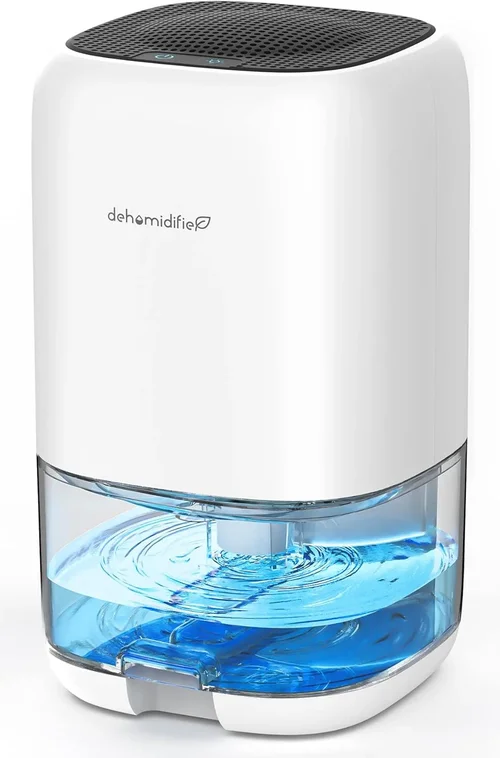
Maintenance requirements vary significantly between models. The most common task is emptying the water collection tank. Look for a tank that’s easy to remove and clean, with a wide opening to prevent spills. Transparent tanks are helpful for monitoring water levels without opening the unit.
Tank capacity typically ranges from 50ml to 200ml. Smaller tanks require more frequent emptying, which can be inconvenient if the unit is placed in a hard-to-reach location. Some models include auto-shutoff when the tank is full, preventing overflow and extending battery life by stopping unnecessary operation.
For desiccant models, maintenance involves recharging the silica gel. This is usually done by placing the unit in a microwave or oven for 2–4 hours. While simple, it requires planning and access to heat sources. Rechargeable gel units often have indicator beads that change color when saturated, making it easy to know when recharging is needed.
6. Smart Features & Automation
Modern battery-powered dehumidifiers are increasingly incorporating smart features to enhance usability. These may include humidity sensors, LED indicators, timers, and even Bluetooth connectivity. A built-in hygrometer allows the unit to monitor ambient humidity and adjust operation accordingly, conserving battery when moisture levels are low.
Some models offer multi-mode operation—such as high, low, and eco settings—letting you balance performance and battery life. Others include memory functions that resume previous settings after recharging. While not essential, these features can significantly improve convenience and efficiency.
Bluetooth-enabled units can connect to smartphone apps, allowing remote monitoring and control. This is particularly useful for travelers or those managing multiple units. However, smart features often come at a higher price and may drain the battery faster, so weigh the benefits against your actual needs.
7. Build Quality & Durability
Since battery-powered dehumidifiers are often used in challenging environments—like basements, boats, or garages—durability is essential. Look for models made from high-quality, moisture-resistant plastics such as ABS or polycarbonate. These materials resist warping, cracking, and corrosion over time.
Check for water-resistant seals around the battery compartment and charging port. While most units aren’t fully waterproof, they should withstand occasional splashes or high humidity. Some models are rated IPX4 or higher, indicating protection against water splashes from any direction.
Internal components should be well-protected from dust and debris. Units with removable filters or sealed designs are preferable for long-term reliability. Read user reviews to assess real-world durability—especially in humid or outdoor settings.
8. Brand Reputation & Customer Support
Not all battery-powered dehumidifiers are created equal. Established brands like Eva-Dry, ProBreeze, and Afloia have built reputations for reliability and innovation. These companies often invest more in R&D, resulting in better performance, longer battery life, and improved user experience.
When evaluating brands, consider their history in air quality products. Companies with a focus on dehumidifiers, humidifiers, or air purifiers are more likely to understand the nuances of moisture control. Avoid generic or no-name brands that offer suspiciously low prices—these often cut corners on materials and safety.
Customer support is another critical factor. Look for brands that offer responsive service, clear user manuals, and accessible troubleshooting guides. A strong warranty—typically 1–2 years—is a good indicator of confidence in product quality. Some companies even provide lifetime support for registered products.
Different Types of Buying Guide
Common Buying Mistakes to Avoid
❌ Mistake: Choosing Based Solely on Price
Why it’s bad: Opting for the cheapest model often leads to disappointment. Low-cost units may use inferior batteries, weak moisture absorption, or flimsy construction. They may also lack essential features like auto-shutoff or humidity sensors, reducing effectiveness and safety.
What to do instead: Focus on value, not just cost. A slightly more expensive model with better battery life, durability, and performance will save money in the long run by lasting longer and working more efficiently.
❌ Mistake: Ignoring Battery Life for Intended Use
Why it’s bad: A unit with a 4-hour battery life won’t help if you need overnight protection. Similarly, overpaying for a 20-hour battery when you only need 6 hours is wasteful.
What to do instead: Match battery capacity to your usage pattern. Calculate how long the unit needs to run between charges and choose accordingly. Consider models with dual power options if you need flexibility.
❌ Mistake: Overlooking Tank Size and Emptying Frequency
Why it’s bad: A small tank that fills up in 4 hours means constant monitoring and emptying—especially inconvenient if the unit is placed in a hard-to-reach spot.
What to do instead: Choose a model with a tank large enough to last at least one full cycle. Look for auto-shutoff features to prevent overflow and extend battery life.
❌ Mistake: Assuming All Battery Models Work Like Plug-In Units
Why it’s bad: Battery-powered dehumidifiers are not meant for large rooms or high-humidity environments. Expecting them to dry out a flooded basement will lead to frustration and poor performance.
What to do instead: Use these devices for targeted, small-space moisture control. Pair them with proper ventilation or larger units for comprehensive humidity management.
❌ Mistake: Skipping User Reviews and Real-World Testing
Why it’s bad: Specifications can be misleading. A model claiming “200ml/day” may only achieve that under ideal lab conditions, not real-world use.
What to do instead: Read verified customer reviews, especially those with photos or detailed experiences. Look for feedback on battery life, noise, and effectiveness in similar environments.
❌ Mistake: Neglecting Warranty and Support
Why it’s bad: Battery degradation over time is inevitable. Without a warranty, you may be stuck with a dead unit after a year.
What to do instead: Choose brands that offer at least a 1-year warranty and responsive customer service. Register your product to access support and potential replacements.
❌ Mistake: Not Considering Recharging Logistics
Why it’s bad: If you’re using the dehumidifier in a remote location, frequent recharging may not be feasible. A unit that takes 6 hours to charge could leave you unprotected for too long.
What to do instead: Opt for models with fast charging (under 4 hours) or dual power options. Consider solar-compatible units for off-grid use.
Budget Guidelines: How Much Should You Spend?
Entry-Level ($15 – $35): These are typically desiccant-based units using silica gel. They’re silent, require no electricity, and are ideal for small, low-humidity spaces like drawers or jewelry boxes. While affordable and low-maintenance, they have limited absorption capacity and require manual recharging. Best for occasional use or as supplemental moisture control.
Mid-Range ($35 – $75): This is the sweet spot for most buyers. These models often combine thermoelectric technology with rechargeable batteries, offering active dehumidification in a compact form. They typically remove 100–200ml of moisture per day and include features like auto-shutoff, LED indicators, and USB charging. Ideal for closets, safes, RVs, and boats.
Premium ($75 – $130): Designed for enthusiasts and frequent users, these units offer higher performance, longer battery life, and advanced features. Many include humidity sensors, multiple operation modes, and durable construction. Some support solar charging or dual power modes. Perfect for those who need reliable, long-term moisture control in challenging environments.
Luxury ($130+): Top-tier models with smart connectivity, app control, and premium materials. These are built for tech-savvy users who want real-time monitoring, remote access, and seamless integration into smart home systems. While expensive, they offer the best performance, convenience, and longevity for serious moisture management.
Expert Tips for Getting the Best Deal
- Buy During Off-Season: Dehumidifiers are in highest demand during humid summer months. Shop in late fall or winter for discounts and promotions. Retailers often clear inventory before the new season.
- Compare Retailers: Prices can vary significantly between Amazon, Walmart, Home Depot, and specialty retailers. Use price-tracking tools like Honey or CamelCamelCamel to monitor fluctuations and catch deals.
- Look for Bundles: Some brands offer multi-packs or bundles with extra silica gel cartridges or carrying cases. These can offer better value than buying individually.
- Check Return Policies: Ensure the retailer offers a generous return window (at least 30 days). This allows you to test the unit in your specific environment and return it if it doesn’t perform as expected.
- Read the Fine Print on Warranties: Some warranties only cover manufacturing defects, not battery degradation. Look for brands that explicitly cover battery performance for at least one year.
- Test Before Committing: If possible, try the unit in your intended location for a few days. Monitor moisture levels with a standalone hygrometer to verify effectiveness.
- Consider Refurbished Models: Certified refurbished units from reputable sellers can offer significant savings with full warranties. These are often as good as new but at a lower price.
- Join Brand Newsletters: Many companies offer exclusive discounts to subscribers. Sign up for emails from brands like Eva-Dry or ProBreeze to get early access to sales.

Frequently Asked Questions
Q: How long do battery-powered dehumidifiers last on a single charge?
A: Most models run between 6 and 16 hours, depending on battery capacity and operation mode. Desiccant units don’t use batteries but require periodic recharging. Thermoelectric models typically last 8–12 hours on high and up to 16 on low.
Q: Can I leave a battery dehumidifier running overnight?
A: Yes, as long as the battery life supports it and the unit has auto-shutoff when the tank is full. Always place it on a stable, flat surface away from flammable materials.
Q: Do battery dehumidifiers work in cold environments?
A: Thermoelectric models are less effective below 50°F (10°C), as condensation slows. Desiccant units work well in cold temperatures but may take longer to absorb moisture. Check manufacturer specs for temperature ranges.
Q: How often do I need to empty the water tank?
A: This depends on humidity levels and tank size. In high-moisture areas, you may need to empty it daily. In low-humidity spaces, every 2–3 days may suffice. Transparent tanks make monitoring easy.
Q: Can I recharge silica gel units in the sun?
A: Yes, some silica gel packets can be recharged by placing them in direct sunlight for several hours. However, most rechargeable dehumidifier units require oven or microwave heating for full regeneration.
Q: Are battery dehumidifiers safe to use in enclosed spaces?
A: Yes, as long as they’re designed for indoor use and have proper ventilation. Avoid blocking air intake or exhaust ports. Units with auto-shutoff are safer for unattended operation.
Q: Do I still need a plug-in dehumidifier if I have a battery model?
A: It depends on your needs. Battery units are excellent for targeted, small-space control but can’t replace full-sized models in large, humid areas. Use them as supplements for comprehensive moisture management.
Q: How do I know if my dehumidifier is working?
A: Check the water tank for collected moisture. Use a hygrometer to monitor humidity levels—ideal indoor humidity is 30–50%. If levels drop over time, the unit is effective.
Q: Can I use a battery dehumidifier in a car?
A: Yes, especially in humid climates or after rain. Place it on the dashboard or floor. Ensure it’s secured and won’t block visibility. Some models are specifically designed for automotive use.
Q: What’s the lifespan of a rechargeable battery in these units?
A: Most lithium-ion batteries last 300–500 charge cycles before significant degradation. With regular use, this translates to 1–2 years. Proper charging habits (avoiding full discharges) can extend lifespan.
Our Final Recommendations
Best for Budget-Conscious Buyers: Eva-Dry E-333 Mini Dehumidifier – A reliable, no-frills desiccant unit that’s silent, portable, and costs under $25. Perfect for small drawers, safes, and closets. Requires oven recharging every 2–4 weeks.
Best Overall Value: ProBreeze PB-DH-10 Mini Dehumidifier – Combines thermoelectric technology with a 2000mAh battery, removing up to 180ml/day. Features auto-shutoff, USB-C charging, and a 150ml tank. Great balance of performance and price at $55.
Best Premium Option: Afloia Q10 Mini Dehumidifier – Offers dual power (battery + plug-in), 5000mAh battery, and 300ml/day capacity. Includes humidity sensor, LED display, and app connectivity. Ideal for tech-savvy users at $120.
Best for Beginners: Homasy Mini Dehumidifier – Simple, intuitive design with one-button operation, 12-hour runtime, and compact size. Great for first-time users at $45.
Best for Advanced Users: Seavon S10 Smart Dehumidifier – Bluetooth-enabled with real-time humidity tracking, customizable modes, and solar charging support. Built for off-grid and smart home integration at $150.
Conclusion: Making the Right Choice
Choosing the best battery-powered dehumidifier isn’t about finding the most powerful or expensive model—it’s about matching the right tool to your specific needs. Whether you’re protecting a gun safe, keeping a closet dry, or managing moisture in an RV, the ideal unit will offer the right balance of battery life, moisture capacity, portability, and ease of use.
Remember to prioritize your environment and usage patterns. A silent desiccant unit may be perfect for a bedroom drawer, while a high-capacity thermoelectric model is better suited for a damp basement corner. Don’t overlook maintenance, battery logistics, and real-world performance—specs on paper don’t always reflect everyday use.
By following the guidance in this buyer’s guide, you’re equipped to make a smart, informed decision. Take your time, compare options, and invest in a model that delivers reliable, long-term moisture control. With the right battery-powered dehumidifier, you can protect your belongings, improve air quality, and enjoy peace of mind—anywhere, anytime.