
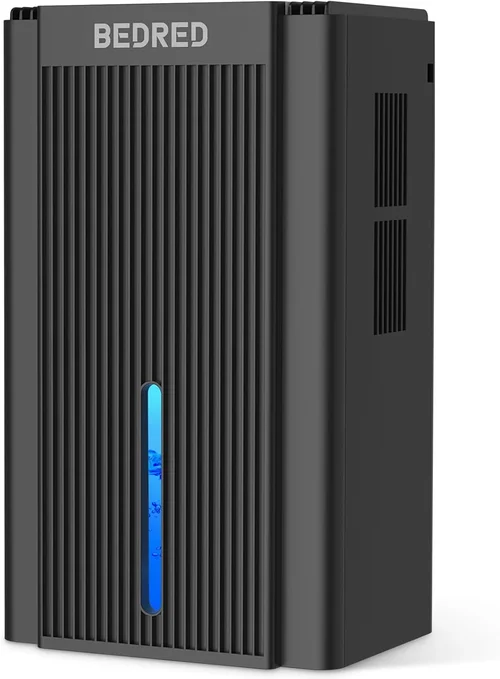
If you’ve ever walked into a basement that smells like old socks, noticed condensation fogging up your windows, or spotted mold creeping along the corners of your bathroom walls, you already know how disruptive excess moisture can be. Humidity isn’t just uncomfortable—it’s a silent destroyer of indoor air quality, structural integrity, and even your health. Whether you’re dealing with seasonal dampness, chronic condensation, or simply want to maintain a fresher, healthier home environment, a dehumidifier is one of the most effective tools you can invest in. But with dozens of models flooding the market—each boasting different capacities, features, and price tags—choosing the right one can feel overwhelming. That’s exactly why this guide exists: to cut through the noise, clarify your options, and help you make a confident, informed decision.
In this comprehensive 2026 buying guide, we’ll walk you through everything you need to know before purchasing a dehumidifier—especially if you’re shopping during a sale at Best Buy or any major retailer. You’ll learn how to evaluate performance specs, understand key features like auto-humidistats and pump drainage, compare different types of units (compressor vs. desiccant), and avoid common pitfalls that lead to buyer’s remorse. We’ll also break down budget tiers, share expert timing tips for snagging the best deals, and answer frequently asked questions based on real-world usage. By the end, you won’t just know which dehumidifier to buy—you’ll know why it’s the right choice for your space, lifestyle, and long-term needs.
The dehumidifier market has evolved significantly in recent years. Energy efficiency standards have tightened, smart connectivity has become more common, and manufacturers are now designing units that blend better into modern homes—both functionally and aesthetically. Brands like Frigidaire, GE, Honeywell, and Midea continue to dominate, but newer players like Levoit and Tosot are gaining traction with innovative designs and competitive pricing. With seasonal sales—especially around spring cleaning months and back-to-school periods—now is an ideal time to shop. But don’t let discounts cloud your judgment. A cheap unit that can’t handle your space or breaks down in six months isn’t a bargain—it’s a waste. This guide ensures you prioritize value over price, performance over promises, and durability over discounts.

What to Look for When Buying Buying Guide
1. Capacity & Room Size Compatibility
The single most important factor when choosing a dehumidifier is matching its capacity to the size and humidity level of your space. Dehumidifiers are rated by how many pints of moisture they can remove per day—typically ranging from 20 to 70+ pints. A 20-pint unit might suffice for a small bathroom or closet, but a damp 1,500-square-foot basement could require a 50- or 70-pint model. Always check the manufacturer’s recommended coverage area, but also consider environmental factors: Is your space poorly ventilated? Frequently flooded? Located in a high-humidity climate like Florida or Louisiana? These conditions demand higher-capacity units.
Don’t assume “bigger is always better.” An oversized dehumidifier may cycle on and off too frequently, reducing efficiency and wearing out components faster. Conversely, an undersized unit will run constantly, struggle to lower humidity, and spike your energy bill. Use online calculators or consult room-size charts, but also factor in real-world conditions. For example, a 30-pint dehumidifier might be perfect for a 500 sq. ft. basement in Arizona but inadequate for the same size in Seattle.
2. Energy Efficiency & Operating Costs
Dehumidifiers are among the most energy-intensive appliances in your home, especially if run daily. Look for models with the ENERGY STAR® certification, which indicates they meet strict efficiency guidelines set by the U.S. Environmental Protection Agency. ENERGY STAR units use about 15% less energy than standard models, which can save you $10–$30 per year depending on usage and local electricity rates.
Check the unit’s Energy Factor (EF), measured in liters of water removed per kilowatt-hour (L/kWh). Higher EF values mean better efficiency. For example, a model with an EF of 1.8 is more efficient than one with 1.2. Also consider the wattage—most residential dehumidifiers draw between 300 and 800 watts. While higher-wattage models often have greater capacity, they’ll cost more to operate. Use the formula: (watts × hours used per day × electricity rate) ÷ 1,000 = daily cost. Over a year, even small differences add up.
3. Humidity Control & Auto Features
Manual on/off switches are outdated. Modern dehumidifiers come with built-in humidistats that measure ambient humidity and automatically adjust operation to maintain your desired level—usually between 30% and 60%. This prevents over-drying, which can cause static electricity, dry skin, and damage to wooden furniture or flooring.
Look for models with digital displays, programmable timers, and “auto-restart” functions that resume settings after a power outage. Some premium units even include Wi-Fi connectivity, allowing you to monitor and control humidity remotely via smartphone apps. While not essential, these features add convenience and precision, especially if you travel frequently or manage multiple properties.
4. Drainage Options & Maintenance
All dehumidifiers collect water, but how you remove it varies. Most units include a removable bucket (typically 7–16 liters) that needs emptying every 12–24 hours when running continuously. If you don’t want to deal with manual draining, opt for a model with continuous drainage via a built-in pump or gravity hose outlet. Pump-equipped units can push water vertically (up to 15 feet) and horizontally (up to 100 feet), making them ideal for basements without floor drains.
Self-draining models reduce maintenance but may cost $50–$100 more. Also consider ease of cleaning: removable, dishwasher-safe buckets and washable air filters simplify upkeep. Mold and bacteria can grow in stagnant water, so regular cleaning is non-negotiable for indoor air quality.
5. Noise Level & Placement Flexibility
Dehumidifiers aren’t silent—they use compressors and fans, which generate noise. Most operate between 45 and 60 decibels (dB), comparable to a quiet conversation or refrigerator hum. However, cheaper models may be louder, especially on high settings. If you plan to place the unit in a bedroom, living room, or home office, prioritize quieter operation (under 50 dB).
Check the product specs for noise ratings, and read user reviews for real-world feedback. Some brands use insulated compressor compartments or variable-speed fans to reduce sound. Also consider portability: units with caster wheels and top handles are easier to move between rooms. Weight matters too—larger 70-pint models can exceed 50 pounds.
6. Build Quality & Durability
A dehumidifier is a long-term investment. Look for sturdy construction: metal housings, reinforced coils, and sealed components resist corrosion and extend lifespan. Avoid flimsy plastic casings that crack or warp over time. Internal components matter too—copper coils conduct heat better than aluminum and are less prone to leaks.
Check warranty length: most reputable brands offer 1–2 years, but some (like Frigidaire) provide 5-year compressor coverage. Longer warranties often signal confidence in durability. Also research brand reputation—companies with strong customer service and readily available replacement parts (filters, hoses, pumps) make repairs easier and cheaper.
7. Smart Features & Connectivity
Smart dehumidifiers are no longer niche. Models with Wi-Fi allow remote control via apps (like the Frigidaire Smart Dehumidifier or Honeywell TP70WKN), enabling you to adjust settings, receive full-bucket alerts, or monitor humidity trends from your phone. Some integrate with Alexa or Google Assistant for voice commands.
While convenient, smart features add cost and complexity. Ask yourself: Do you really need app control, or would a simple humidistat suffice? Also consider data privacy—connected devices may collect usage data. If you’re privacy-conscious, stick to non-smart models or disable cloud features.
8. Brand Reputation & Customer Support
Not all dehumidifiers are created equal—even within the same price range. Established brands like Frigidaire, GE, and Honeycomb have decades of experience and robust support networks. They offer detailed manuals, responsive customer service, and widespread service centers. Lesser-known brands may offer tempting prices but lack reliable support.
Read verified buyer reviews on Best Buy, Amazon, and Consumer Reports. Pay attention to recurring complaints: frequent breakdowns, poor drainage, or unresponsive客服. Also check return policies—Best Buy typically allows 15-day returns on appliances, but restocking fees may apply.
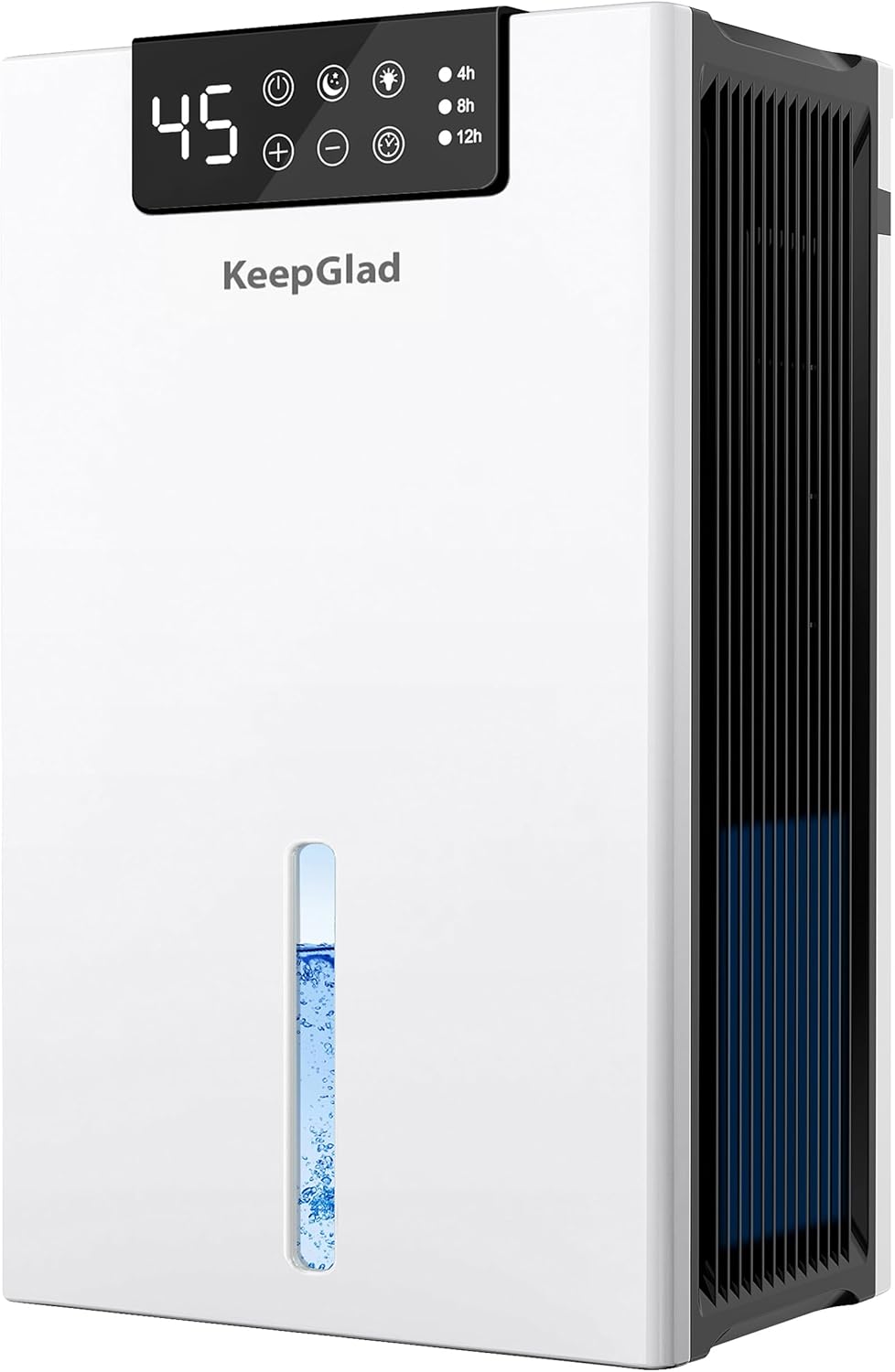
Different Types of Buying Guide
Common Buying Mistakes to Avoid
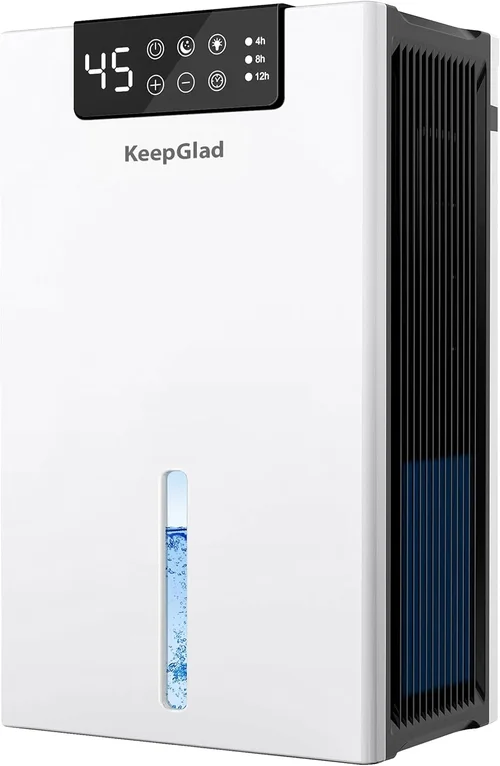
❌ Mistake: Buying Based Solely on Price
Why it’s bad: The cheapest dehumidifier often lacks essential features like auto-humidistats, efficient drainage, or durable components. It may also have lower capacity than advertised or fail prematurely, costing more in replacements and energy bills.
What to do instead: Focus on total cost of ownership—not just upfront price. A $200 mid-range unit with ENERGY STAR certification and a 5-year compressor warranty may save you money long-term compared to a $120 model that breaks in a year.
❌ Mistake: Ignoring Room Conditions
Why it’s bad: A dehumidifier sized for a dry basement won’t handle a flooded crawl space. Similarly, a unit designed for warm climates may freeze up in unheated garages during winter.
What to do instead: Assess your space honestly. Measure square footage, note humidity sources (leaks, poor ventilation), and consider seasonal variations. Use manufacturer sizing guides but add a 10–20% buffer for challenging conditions.
❌ Mistake: Overlooking Drainage Needs
Why it’s bad: If you forget to empty the bucket daily, the unit will shut off, humidity will rise, and mold may grow. Manual draining becomes a chore, especially in hard-to-reach areas.
What to do instead: Choose a model with continuous drainage if you can’t commit to daily maintenance. Even a simple gravity hose (with a slight downward slope) eliminates bucket emptying.
❌ Mistake: Neglecting Filter Maintenance
Why it’s bad: Clogged filters restrict airflow, reduce efficiency, and can cause the unit to overheat or freeze. Dirty filters also recirculate dust and allergens.
What to do instead: Clean or replace filters every 4–6 weeks during heavy use. Choose models with washable, reusable filters to save money and reduce waste.
❌ Mistake: Assuming All Brands Are Equal
Why it’s bad: Lesser-known brands may use inferior components, lack customer support, or discontinue models quickly, making repairs impossible.
What to do instead: Stick to reputable brands with proven track records. Check warranty terms, service availability, and user reviews before buying.
❌ Mistake: Buying Without Testing Return Policies
Why it’s bad: If the unit doesn’t perform as expected, you could be stuck with a dud. Some retailers charge restocking fees or have short return windows.
What to do instead: Buy from retailers with flexible return policies (like Best Buy’s 15-day window). Test the unit immediately upon delivery to ensure it meets your needs.
❌ Mistake: Ignoring Noise Levels
Why it’s bad: A loud dehumidifier can disrupt sleep, work, or relaxation—especially in open-plan homes or small apartments.
What to do instead: Check decibel ratings and read user reviews about noise. Place the unit away from living areas if possible, or choose a quieter desiccant model.
Budget Guidelines: How Much Should You Spend?
Entry-Level ($50–$150): These are typically mini or compact desiccant dehumidifiers ideal for small spaces like bathrooms, closets, or RVs. They’re affordable and portable but lack advanced features, have small buckets, and remove limited moisture (5–15 pints/day). Best for occasional use or mild humidity. Examples: Eva-Dry E-333, Ivation Small Dehumidifier.
Mid-Range ($150–$300): This is the sweet spot for most homeowners. These compressor-based units offer 20–50 pint capacities, digital controls, auto-humidistats, and decent energy efficiency. Many include continuous drainage options and washable filters. Perfect for basements, laundry rooms, or large bedrooms. Examples: Frigidaire FFAD5033W1, Honeywell TP50WKN.
Premium ($300–$500): Designed for high-performance and convenience, these models feature larger capacities (50–70+ pints), smart connectivity, pump drainage, and enhanced durability. They’re ideal for large basements, crawl spaces, or humid climates. ENERGY STAR certified and often quieter. Examples: GE APER50LZ, Midea MAD50C1YWS.
Luxury ($500+): Whole-house dehumidifiers or high-end smart systems that integrate with HVAC. These provide centralized humidity control for entire homes, often with advanced filtration, app monitoring, and professional installation. Best for large properties, allergy sufferers, or those seeking maximum automation. Examples: AprilAire E080, Santa Fe Compact.
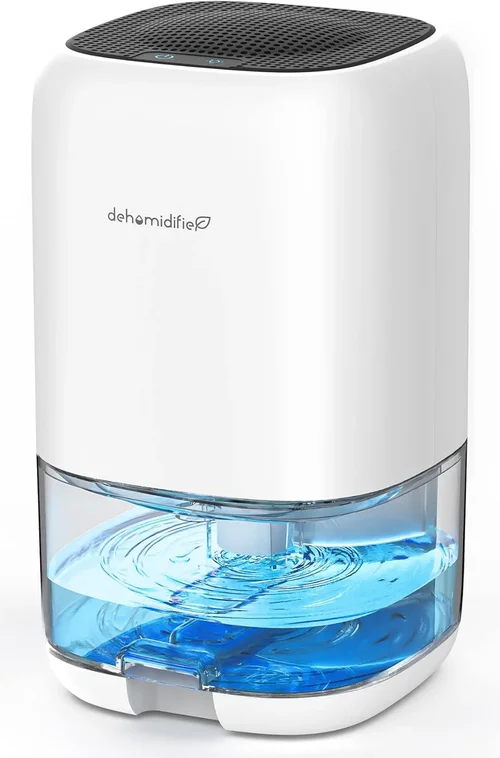
Expert Tips for Getting the Best Deal
1. Shop During Seasonal Sales: The best time to buy a dehumidifier is in early spring (March–April) or late summer (August–September). Retailers like Best Buy run promotions ahead of humid seasons or to clear out old inventory. Avoid winter—demand drops, but so do discounts.
2. Compare Prices Across Retailers: Use price-tracking tools like Honey or CamelCamelCamel to monitor fluctuations. Best Buy often matches online prices, but Amazon, Home Depot, and Costco may offer better deals or bundle offers (e.g., free shipping or extended warranties).
3. Look for Open-Box or Refurbished Units: Best Buy’s open-box section frequently lists dehumidifiers at 10–30% off. These are inspected, tested, and often come with the same warranty as new models. Just verify condition and return policy.
4. Check for Rebates and Incentives: Some utility companies offer rebates for ENERGY STAR appliances. Visit the ENERGY STAR rebate finder or contact your local provider to see if you qualify for $20–$100 back.
5. Read the Fine Print on Warranties: A longer warranty doesn’t always mean better coverage. Check what’s included (compressor, parts, labor) and whether it requires registration or professional installation.
6. Test Before Committing: If buying in-store, inspect the unit for build quality, noise, and ease of use. At home, run it for 24–48 hours and monitor humidity levels. If it’s not performing, return it promptly.
7. Consider Bundling with Other Appliances: Best Buy sometimes offers discounts when you buy multiple appliances together (e.g., dehumidifier + air purifier). This can save $50–$100 if you need both.
8. Avoid Impulse Buys During Flash Sales: Just because it’s “50% off” doesn’t mean it’s the right model. Stick to your researched list—don’t let urgency override logic.

Frequently Asked Questions
Q: How do I know what size dehumidifier I need?
A: Start by measuring your room’s square footage. Then assess humidity level: use a hygrometer or look for signs like condensation, musty odors, or mold. Most manufacturers provide sizing charts—match your room size and humidity severity (mild, moderate, severe) to the recommended pint capacity. When in doubt, go one size up.
Q: Can a dehumidifier help with allergies?
A: Yes. By reducing moisture, dehumidifiers inhibit mold, dust mites, and mildew—common allergens. Pair it with an air purifier for best results, especially in bedrooms or nurseries.
Q: Should I run my dehumidifier all the time?
A: Not necessarily. Use the auto-humidistat to maintain 30–50% humidity. In most homes, running it 8–12 hours daily is sufficient. Avoid over-drying, which can cause respiratory irritation or damage wood.
Q: Do dehumidifiers use a lot of electricity?
A: They can. A 50-pint unit may use 500–700 watts. To minimize costs, choose ENERGY STAR models, run during off-peak hours, and ensure your space is well-sealed (close windows/doors).
Q: Can I use a dehumidifier in winter?
A: Only if the space is above 60°F. Compressor units freeze below that temperature. Desiccant models work in colder conditions and are better for unheated garages or cabins.
Q: How often should I clean my dehumidifier?
A: Clean the water bucket weekly and the air filter every 4–6 weeks. Wipe coils and vents monthly to maintain efficiency and prevent mold growth.
Q: What’s the difference between a dehumidifier and an air conditioner?
A: Both remove moisture, but air conditioners cool air as a primary function. Dehumidifiers focus solely on reducing humidity and may slightly warm the room as a byproduct.
Q: Can I install a dehumidifier myself?
A: Portable units require no installation—just plug in and go. Whole-house models typically need professional HVAC integration, including ductwork and electrical work.
Q: Do dehumidifiers produce heat?
A: Yes. Compressor models release warm air as they operate. This is normal but may slightly increase room temperature—consider placement away from thermostats.
Q: How long do dehumidifiers last?
A: With proper maintenance, most last 5–10 years. Compressor lifespan is the limiting factor—look for models with 5-year compressor warranties.
Our Final Recommendations
Best for Budget-Conscious Buyers: Ivation 13-Pint Desiccant Dehumidifier – At under $100, it’s perfect for small spaces, operates quietly, and works in cold temperatures. Ideal for bathrooms or RVs.
Best Overall Value: Frigidaire FFAD5033W1 50-Pint Dehumidifier – ENERGY STAR certified, includes pump drainage, digital controls, and a 1-year warranty. Consistently praised for reliability and performance in mid-sized basements.
Best Premium Option: GE APER50LZ 50-Pint Smart Dehumidifier – Wi-Fi enabled, Alexa-compatible, with a built-in pump and sleek design. Excellent for tech-savvy users who want remote monitoring and control.
Best for Beginners: Honeycomb TP50WKN 50-Pint Dehumidifier – Simple interface, auto-humidistat, and easy-to-clean filter. Great for first-time buyers who want hassle-free operation.
Best for Advanced Users: AprilAire E080 Whole-House Dehumidifier – Professional-grade, integrates with HVAC, and maintains precise humidity control across large homes. Requires installation but offers unmatched performance.
Conclusion: Making the Right Choice
Choosing the right dehumidifier isn’t just about picking the cheapest or most powerful model—it’s about aligning the unit’s capabilities with your specific environment, habits, and long-term goals. Whether you’re battling basement dampness, protecting cherished belongings from mold, or simply improving your home’s comfort, the right dehumidifier can make a dramatic difference. By focusing on capacity, efficiency, drainage, and build quality—and avoiding common pitfalls like overspending on unnecessary smart features or undersizing for your space—you’ll invest wisely.
Remember, a sale is only a good deal if the product meets your needs. Use this guide to evaluate options critically, compare features objectively, and prioritize durability and performance over flashy discounts. And when you do find that perfect model—whether at Best Buy, online, or during a seasonal promotion—act confidently. You’re not just buying an appliance; you’re investing in healthier air, a more comfortable home, and peace of mind. So take the time to research, ask questions, and choose wisely. Your future self—and your walls—will thank you.