
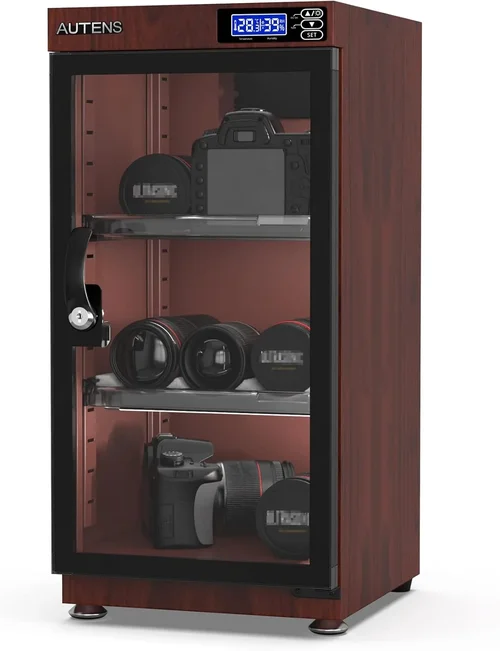
Whether you’re a professional photographer, a passionate hobbyist, or someone who simply values preserving high-end camera gear, one thing remains constant: moisture is the silent enemy of your equipment. Over time, humidity can wreak havoc on lenses, camera bodies, and accessories—causing mold, fungus, corrosion, and irreversible damage. That’s where a camera dry cabinet comes in. These specialized storage units maintain a consistently low-humidity environment, protecting your investment from the elements that lurk even in the most climate-controlled homes.
In this comprehensive buying guide, we’ll walk you through everything you need to know to choose the best camera dry cabinet for your needs in 2026. From understanding key performance specs and build quality to comparing different types and avoiding common pitfalls, this guide is designed to empower you with expert-level knowledge. Whether you’re storing a single DSLR or an entire collection of vintage lenses, we’ll help you make a smart, informed decision that ensures your gear stays in peak condition for years to come.
The market for dry cabinets has evolved significantly in recent years. What once was a niche product for studio professionals is now accessible to everyday users, with a wide range of options spanning budget-friendly models to high-end, feature-rich cabinets. Brands like Dryzone, Hähnel, JJC, and B+W have expanded their offerings, while new entrants bring innovative features like digital hygrometers, dual-zone control, and energy-efficient desiccant systems. With so many choices available, it’s easy to feel overwhelmed—but with the right information, you can cut through the noise and find the perfect match for your setup.

What to Look for When Buying Buying Guide
1. Humidity Control Accuracy and Range
One of the most critical factors in choosing a dry cabinet is its ability to maintain a stable, low-humidity environment. Most camera gear should be stored at a relative humidity (RH) between 30% and 45%. Anything above 50% increases the risk of mold and fungus, especially in lenses with multi-coated glass elements. Look for cabinets that offer precise humidity control, ideally with digital readouts and adjustable settings. Some models allow you to set a target humidity level, while others use passive desiccant systems that require manual monitoring.
High-end cabinets often feature built-in hygrometers with ±2% accuracy, ensuring you always know the internal conditions. Cheaper models may rely on analog gauges or no gauge at all, which can be unreliable. If precision matters—and it should—opt for a cabinet with a digital display and calibration capability. Additionally, check whether the unit can maintain its set humidity level over time, especially in fluctuating room temperatures.
2. Capacity and Internal Layout
The size of your dry cabinet should match your gear collection—not just today, but with room to grow. Cabinets are typically measured in liters, ranging from compact 10L models (ideal for a single body and a few lenses) to massive 150L+ units capable of housing multiple cameras, long telephotos, and lighting equipment.
Consider not only volume but also internal organization. Adjustable shelves are a must, allowing you to customize spacing for tall lenses or stacked bodies. Some cabinets include padded dividers, anti-slip mats, or even dedicated lens slots. If you store film cameras or vintage gear, look for models with deeper shelves or removable trays.
Don’t forget about door clearance. A wide-opening door makes it easier to access gear without scratching lenses or bumping tripods. Sliding shelves or pull-out trays are a premium feature found in higher-end models and can significantly improve usability.
3. Desiccant System Type and Regeneration
Dry cabinets use desiccants—materials that absorb moisture—to maintain low humidity. There are two main types: passive (non-electric) and active (electric regeneration).
Passive systems use silica gel packets or cartridges that need to be manually dried (usually in an oven) once saturated. These are common in budget models and work well for light use, but they require regular maintenance and don’t offer real-time humidity control.
Active systems, on the other hand, use electric heaters to regenerate the desiccant automatically. This allows for continuous operation without user intervention. These cabinets often include timers or sensors that activate regeneration cycles only when needed, making them more energy-efficient and reliable.
For most users, especially those in humid environments, an active system is worth the extra cost. It ensures consistent protection without the hassle of monitoring and recharging desiccants.
4. Build Quality and Sealing
A dry cabinet is only as good as its seal. Even the best desiccant system can’t compensate for air leaks. Look for cabinets made from durable, rust-resistant materials like powder-coated steel or high-grade ABS plastic. The door should have a tight-fitting gasket—preferably silicone or rubber—to prevent outside air from entering.
Check the hinges and latches. They should feel solid and secure, not flimsy or loose. A well-sealed cabinet will maintain humidity levels even when the room’s humidity spikes due to weather or seasonal changes.
Internal finishes matter too. Avoid cabinets with exposed metal shelves that could scratch gear. Powder-coated or padded interiors are ideal. Some premium models even include anti-static lining to protect sensitive electronics.
5. Power Consumption and Energy Efficiency
Since dry cabinets run continuously, energy use is a real consideration—especially for larger models. Active desiccant systems consume electricity, but modern units are designed to be efficient. Look for cabinets with low wattage ratings (typically 5–15W) and intelligent regeneration cycles that minimize runtime.
Some models feature sleep modes or adaptive humidity control, reducing power when the internal environment is stable. Energy Star certification isn’t common in this category, but you can compare wattage and cycle frequency across brands.
If you’re concerned about electricity costs or environmental impact, consider a hybrid system: use an active cabinet for daily storage and supplement with passive silica gel packs during extended periods of low use.
6. Noise Level and Operating Sound
While most dry cabinets are quiet, some active models produce a faint hum or clicking sound during regeneration cycles. This is usually minimal, but if you plan to place the cabinet in a bedroom, home office, or quiet studio, noise could be a factor.
Check product specifications or user reviews for mentions of noise. High-end cabinets often use silent fans and vibration-dampening mounts to reduce sound. If silence is critical, consider a passive system or a model with a “night mode” that delays regeneration until low-activity hours.
7. Additional Features and Smart Capabilities
Modern dry cabinets are increasingly equipped with smart features that enhance convenience and control. These may include:
– Digital hygrometers with real-time displays
– USB ports or power outlets for charging batteries
– LED interior lighting with motion sensors
– Wi-Fi connectivity for remote monitoring via smartphone apps
– Dual-zone humidity control (separate settings for different compartments)
– Over-humidity alarms or alerts
While not essential, these features can significantly improve the user experience. For example, a Wi-Fi-enabled cabinet lets you check humidity levels from your phone, even when you’re away from home. USB ports eliminate the need for external chargers cluttering your workspace.
8. Brand Reputation and Customer Support
Not all dry cabinets are created equal—even if they look similar. Established brands like Dryzone, Hähnel, and JJC have built reputations for reliability and customer service. They often provide detailed manuals, responsive support teams, and accessible replacement parts.
Research user reviews on platforms like B&H, Amazon, or photography forums. Look for patterns: Are customers reporting consistent humidity control? Do units fail prematurely? Is customer service helpful when issues arise?
Avoid no-name brands sold exclusively through third-party marketplaces unless they have strong verified reviews. A cheap cabinet might save you money upfront but could cost more in the long run if it fails to protect your gear.
Different Types of Buying Guide

Common Buying Mistakes to Avoid
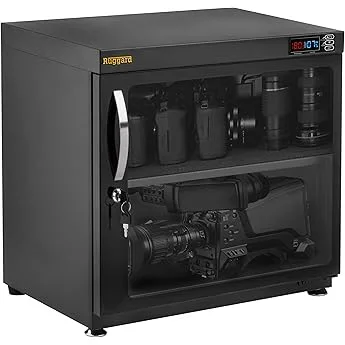
❌ Mistake: Choosing Based on Price Alone
Why it’s bad: The cheapest cabinet may save you money upfront, but if it fails to maintain proper humidity or breaks down quickly, you risk damaging thousands of dollars worth of gear. Passive models without humidity monitoring can give a false sense of security.
What to do instead: Prioritize reliability and features over cost. Invest in a cabinet with active regeneration and a digital hygrometer, even if it means stretching your budget slightly.
❌ Mistake: Ignoring Humidity Monitoring
Why it’s bad: Without a reliable hygrometer, you have no way of knowing if your cabinet is actually protecting your gear. Analog gauges can drift out of calibration, and some cabinets don’t include any gauge at all.
What to do instead: Always choose a model with a digital hygrometer. Better yet, buy a standalone calibrated hygrometer to double-check readings periodically.
❌ Mistake: Overlooking Door Seal Quality
Why it’s bad: A poor seal allows humid air to enter, undermining the entire purpose of the cabinet. Even small gaps can cause humidity to rise over time, especially in tropical or coastal areas.
What to do instead: Test the seal by closing the door on a piece of paper—if you can pull it out easily, the seal isn’t tight enough. Look for cabinets with thick, flexible gaskets.
❌ Mistake: Buying Too Small
Why it’s bad: A cramped cabinet forces you to stack gear tightly, increasing the risk of scratches and making access difficult. You may also outgrow it quickly as your collection expands.
What to do instead: Measure your current gear and add 20–30% extra space for future purchases. Consider adjustable shelves to maximize flexibility.
❌ Mistake: Neglecting Power Source and Placement
Why it’s bad: Active cabinets need constant power. Placing one in a closet without outlets or near water sources (like a bathroom) can be impractical or unsafe.
What to do instead: Plan your placement in advance. Choose a dry, accessible location with a nearby outlet. Use a surge protector for added safety.
❌ Mistake: Assuming All Desiccants Are Equal
Why it’s bad: Low-quality silica gel may not absorb moisture effectively or could release chemicals that harm gear. Some desiccants change color when saturated, but others don’t, making it hard to know when to recharge.
What to do instead: Use only high-purity, indicator silica gel (like orange-to-green types). Replace or recharge regularly, and avoid cheap refill packs from unknown brands.
❌ Mistake: Skipping User Reviews and Long-Term Testing
Why it’s bad: Product descriptions often highlight benefits but omit flaws. A cabinet might look great on paper but fail in real-world use due to poor build quality or inconsistent performance.
What to do instead: Read verified customer reviews, especially those with photos or long-term updates. Look for feedback on humidity stability, noise, and durability over months of use.
Budget Guidelines: How Much Should You Spend?
– Entry-Level ($50 – $150): These are typically passive desiccant cabinets or small electric models with basic features. Ideal for casual photographers with minimal gear. Expect limited capacity, no digital display, and manual maintenance. Brands like JJC and generic Amazon sellers dominate this tier.
– Mid-Range ($200 – $400): This is the sweet spot for most users. You’ll find active regeneration systems, digital hygrometers, and better build quality. Models from Dryzone and Hähnel in this range offer excellent value, with capacities from 30L to 80L and reliable performance.
– Premium ($500 – $900): Designed for enthusiasts and semi-professionals, these cabinets include advanced features like dual-zone control, USB ports, LED lighting, and app connectivity. They’re built to last, with robust seals and energy-efficient operation. Ideal for humid climates or large collections.
– Luxury ($1,000+): Top-tier cabinets from brands like B+W or custom manufacturers offer museum-grade protection. Features may include independent compartment controls, HEPA filtration, anti-static interiors, and remote monitoring. These are overkill for most users but essential for studios, archives, or high-value collections.
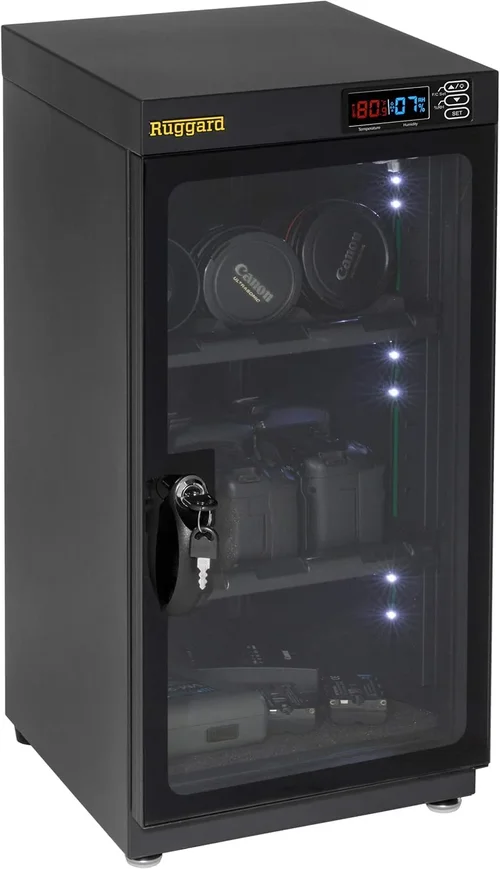
Expert Tips for Getting the Best Deal
– Buy During Off-Seasons: Dry cabinets see lower demand in winter (except in tropical regions). Look for discounts in January or February, or during Black Friday sales.
– Check Retailer Return Policies: Some stores offer extended return windows for electronics. If a cabinet doesn’t perform as expected, you’ll want the option to return it within 30–60 days.
– Bundle with Accessories: Some retailers offer free silica gel packs, hygrometers, or padded dividers with purchase. These add-ons can save you $20–$50.
– Consider Refurbished or Open-Box: Reputable sellers like B&H or Adorama often sell refurbished units at 15–30% off. These are tested and come with warranties.
– Test Before Committing: If possible, visit a store to inspect build quality, door seal, and noise level. Online photos don’t always reveal flaws.
– Register Your Warranty: Many brands require registration within 30 days. Don’t skip this step—it ensures you’re covered if issues arise.
– Monitor Energy Use: Use a Kill-A-Watt meter to measure actual power consumption. Some cabinets draw more than advertised, especially older models.
– Combine with Room Dehumidifiers: For maximum protection, use a room dehumidifier alongside your cabinet. This reduces the load on the cabinet and improves overall air quality.

Frequently Asked Questions
Q: How often do I need to recharge passive desiccants?
A: It depends on usage and climate. In humid areas, silica gel may saturate in 2–4 weeks. Check color indicators (if available) or use a hygrometer. Recharge by heating in an oven at 120°C (250°F) for 2–3 hours.
Q: Can I store film in a dry cabinet?
A: Yes, but with caution. Film should be stored at 30–40% RH. Avoid over-drying, as extremely low humidity can make film brittle. Use a separate compartment if possible.
Q: Will a dry cabinet protect against fungus in lenses?
A: Absolutely. Maintaining RH below 45% significantly reduces the risk of fungal growth. If you already have fungus, a dry cabinet won’t remove it—but it will prevent further spread.
Q: Do I need a dry cabinet if I live in a dry climate?
A: Even in dry regions, humidity can spike during rainy seasons or indoor heating cycles. A cabinet provides consistent protection year-round.
Q: Can I use a food dehydrator or airtight container instead?
A: No. Food dehydrators are too aggressive and can damage electronics. Airtight containers with silica gel work for short-term storage but lack active control and monitoring.
Q: How long do dry cabinets last?
A: With proper care, a quality cabinet can last 10+ years. Desiccant modules may need replacement every 3–5 years, depending on usage.
Q: Are dry cabinets safe for lithium batteries?
A: Yes. Low humidity doesn’t harm lithium-ion batteries. In fact, it helps prevent corrosion on contacts. Just avoid storing batteries in extreme heat.
Q: Can I leave my camera on a charger inside the cabinet?
A: Only if the cabinet has a built-in USB port or power outlet. Otherwise, avoid introducing external power sources, as they can generate heat and moisture.
Q: What’s the ideal humidity setting for camera gear?
A: 35–40% RH is ideal for most equipment. This range prevents mold and corrosion while avoiding over-drying of rubber seals and lubricants.
Q: Do dry cabinets use a lot of electricity?
A: No. Most active models use 5–15 watts—less than a nightlight. Over a month, that’s roughly $1–$2 in electricity, depending on your rate.
Our Final Recommendations
– Best for Budget-Conscious Buyers: JJC DCH-30 – A compact 30L passive cabinet with silica gel and basic humidity indicator. Great for starters under $100.
– Best Overall Value: Dryzone DZ-60E – 60L active regeneration, digital display, adjustable shelves, and excellent sealing. Priced around $350, it’s the sweet spot for most users.
– Best Premium Option: Hähnel Drybox Pro 100 – 100L capacity, dual-zone control, Wi-Fi monitoring, and silent operation. Ideal for professionals at $850.
– Best for Beginners: B+W Dry Cabinet 40L – Simple setup, reliable performance, and solid build. Comes with a calibrated hygrometer and padded shelves.
– Best for Advanced Users: Dryzone DZ-120X Smart – 120L with app control, USB ports, LED lighting, and independent zone settings. Perfect for studios and large collections.
Conclusion: Making the Right Choice
Choosing the right camera dry cabinet isn’t just about protecting your gear—it’s about peace of mind. A well-maintained cabinet ensures that your lenses stay fungus-free, your camera bodies remain corrosion-free, and your investment retains its value over time. By focusing on key factors like humidity control, build quality, and desiccant type, you can avoid common pitfalls and find a solution that fits both your needs and your budget.
Remember, the best cabinet is the one you’ll actually use consistently. Don’t overcomplicate it—start with your current gear, consider your environment, and prioritize reliability over flashy features. Whether you’re a weekend shooter or a full-time pro, the right dry cabinet will become an essential part of your photography workflow.
Take the time to research, read reviews, and compare options. And when you find the right one, you’ll wonder how you ever stored your gear without it. Your cameras deserve the best protection—make the choice that keeps them shooting for years to come.