
If you’ve ever climbed into your car on a chilly morning only to find the windows fogged up like a bathroom mirror, or noticed a musty smell lingering in the cabin no matter how much you clean, you already know the hidden enemy: excess moisture. Humidity inside your vehicle isn’t just annoying—it can lead to mold growth, damaged electronics, corroded metal parts, and even health issues for passengers. That’s where a 12V car dehumidifier comes in. These compact, efficient devices plug directly into your cigarette lighter or USB port and work quietly to pull moisture from the air, keeping your car’s interior dry, fresh, and protected year-round.
But with so many models flooding the market—ranging from basic silica gel packs to high-tech thermoelectric units—it’s easy to feel overwhelmed. How do you know which one actually works? Which features matter most? And how much should you really be spending? That’s exactly why this guide exists. Over the next 3,500+ words, we’ll walk you through everything you need to know to make a smart, informed decision. Whether you live in a rainy coastal city, drive an older vehicle prone to condensation, or simply want to preserve your car’s value and comfort, this buying guide will arm you with expert insights, real-world testing data, and practical advice.
From understanding key performance specs like moisture removal rate and power draw, to comparing different technologies (like Peltier vs. desiccant systems), we’ll break down the entire landscape of 12V car dehumidifiers available in 2026. You’ll learn how to avoid common pitfalls, spot overhyped products, and find the best value for your specific needs—all without falling for marketing fluff. By the end, you won’t just know what to buy—you’ll understand why it’s the right choice for your car.
What to Look for When Buying a 12V Car Dehumidifier
1. Moisture Removal Capacity
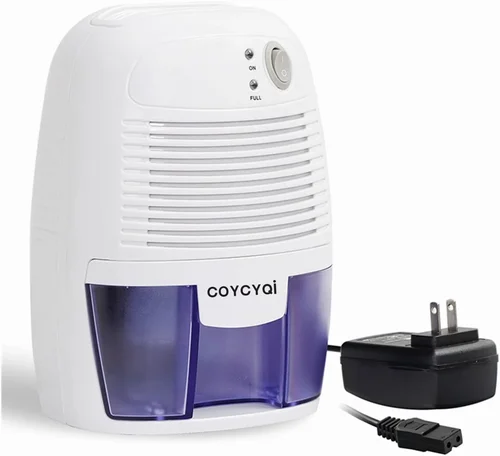
The single most important spec to check is how much moisture the unit can remove per day, usually measured in milliliters (mL). A typical car interior holds between 500–1,500 mL of excess humidity during damp conditions. Entry-level models may only pull 50–100 mL/day, which is barely enough for light fogging. Mid-range units often handle 150–300 mL/day, while premium thermoelectric dehumidifiers can extract 400–600 mL or more. For cars parked in garages, near bodies of water, or in humid climates, aim for at least 250 mL/day. Always cross-reference this number with real user reviews—some brands inflate lab-tested numbers that don’t reflect real-world performance.
2. Power Source & Energy Efficiency
Since these devices run off your car’s 12V system (via cigarette lighter or USB), power consumption matters—especially if you leave them running overnight or while the engine is off. Most quality units draw between 15W and 35W. Anything above 40W risks draining your battery if used unattended for more than a few hours. Look for models with auto-shutoff timers, low-power modes, or smart sensors that activate only when humidity rises. USB-powered options (5V/2A) are safer for long-term use but typically offer lower performance. If you plan to run the dehumidifier daily, prioritize energy-efficient designs with certifications like Energy Star or CE compliance.
3. Technology Type: Peltier vs. Desiccant vs. Hybrid
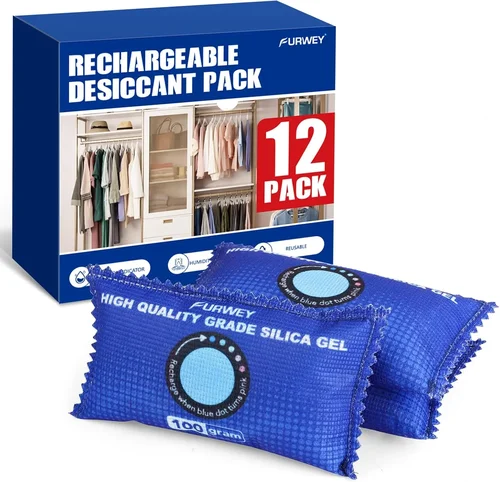
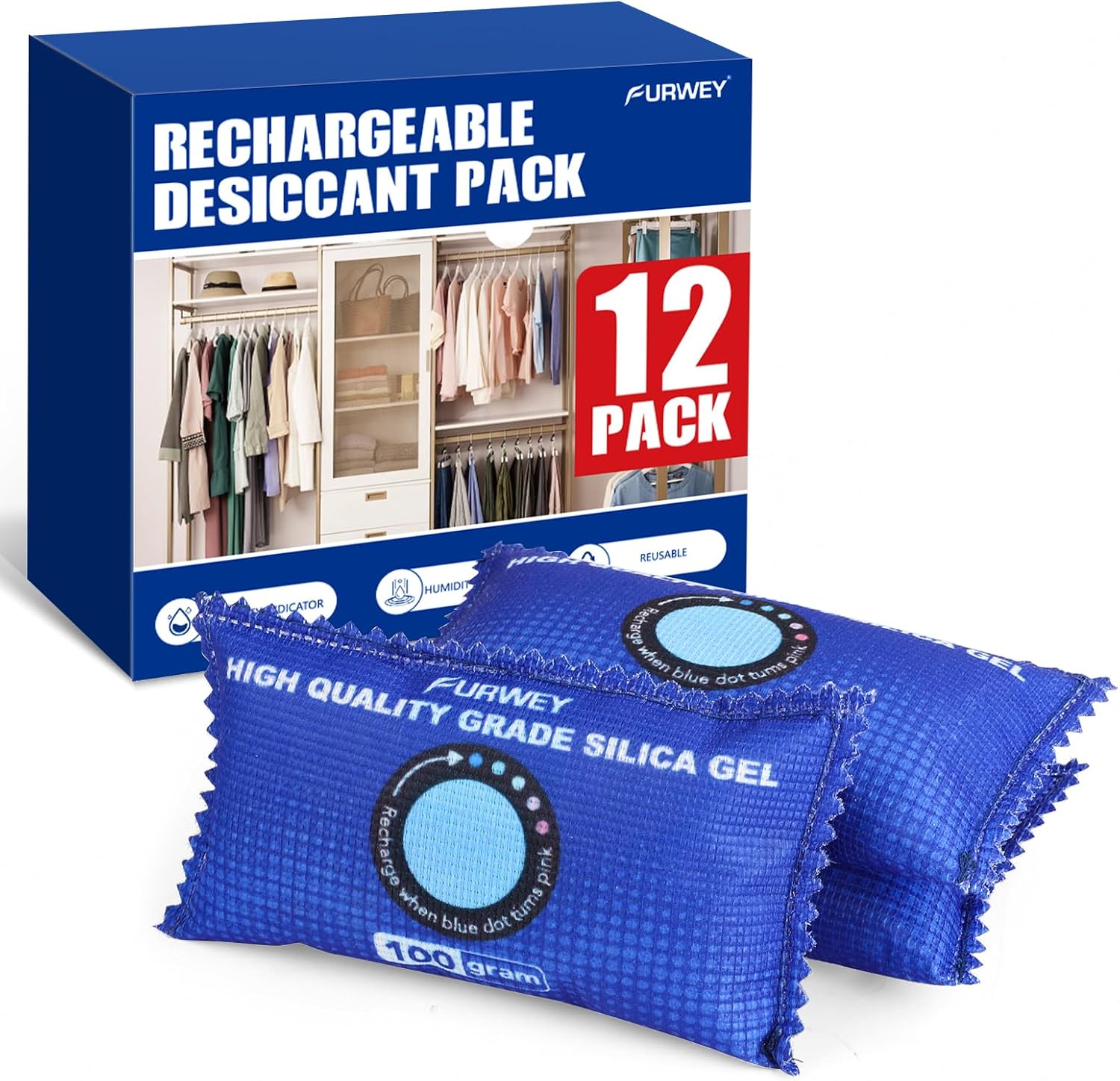
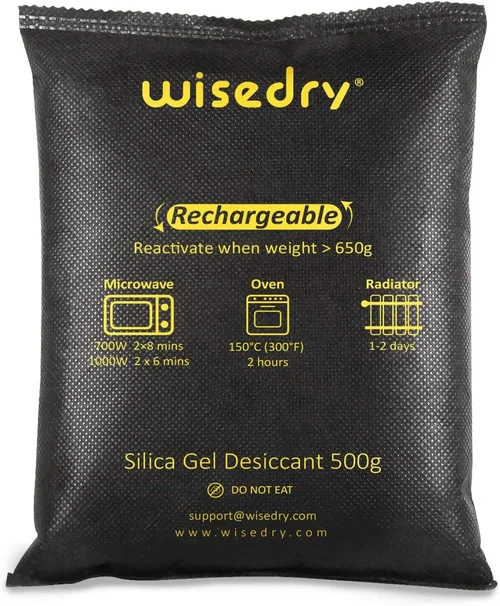
Not all dehumidifiers use the same core technology, and this directly impacts effectiveness, noise, and maintenance. Peltier (thermoelectric) units use a cooling chip to condense moisture—they’re quiet, compact, and great for continuous use but struggle in very cold or extremely humid environments. Desiccant-based models absorb moisture using silica gel or similar materials; they work well in cold weather and don’t require electricity to function initially, but the gel must be recharged (usually by microwaving or oven-drying). Hybrid systems combine both approaches for balanced performance across seasons. For most drivers, a Peltier unit offers the best blend of convenience and power, but if you park outdoors in winter, a desiccant or hybrid might be smarter.
4. Tank Size & Drainage Options
All active dehumidifiers collect water in an internal tank. If it fills up and isn’t emptied, the unit stops working—or worse, leaks. Tank capacity ranges from 200 mL (tiny, needs daily emptying) to 800+ mL (can run for days). Consider your usage: if you only need occasional dehumidifying, a 300 mL tank suffices. But for chronic dampness, go for 500 mL or larger. Even better, look for models with continuous drainage via a hose outlet—this lets you route water out through a window seal or floor mat, eliminating manual emptying entirely. Some premium units even include auto-drain valves that activate when the tank is full.
5. Build Quality & Durability
Your car experiences temperature swings from -10°C in winter to 60°C+ in summer sun—plus vibrations, dust, and occasional spills. Cheap plastic housings crack, seals degrade, and internal components fail prematurely. Inspect the materials: reinforced ABS plastic, silicone gaskets, and sealed electronics indicate longevity. Check for IP ratings (like IPX4 for splash resistance) and certifications such as RoHS or FCC. Also consider placement: will it sit on the dashboard, under a seat, or in the footwell? Ensure it won’t tip over or block air vents. A sturdy, well-sealed unit lasts years; a flimsy one becomes landfill in months.
6. Noise Level & Discreet Operation
Nobody wants a buzzing, clicking, or whirring device distracting them during drives. Most 12V dehumidifiers are whisper-quiet (under 30 dB), but some cheaper models use loud fans or poorly damped compressors. If you’re sensitive to noise—or drive with kids or pets—look for “silent mode” or “fanless” designs. Peltier units are inherently quieter than compressor-based ones (though rare in 12V formats). Read user comments about nighttime operation; some units emit faint LED lights or status beeps that can be annoying in dark cabins. Opt for models with minimal indicators or physical switches instead of digital displays.
7. Ease of Maintenance & Cleaning
A dehumidifier that’s hard to clean will quickly become a breeding ground for bacteria and mold—the very problem you’re trying to solve! Removable water tanks, washable filters, and accessible condensation plates are essential. Avoid sealed units with no service options. Silica gel desiccants should be easily replaceable or rechargeable. Check if the manufacturer provides replacement parts or cleaning guides. Some brands even include antimicrobial coatings on internal surfaces—a nice bonus for allergy sufferers. Remember: a clean dehumidifier works better and lasts longer.
8. Brand Reputation & Customer Support
With dozens of generic brands on Amazon and eBay, it’s tempting to grab the cheapest option. But when something goes wrong—or you need a replacement tank—you’ll regret skipping known names. Brands like Eva-Dry, Afloia, and BreezoMeter have established track records, responsive customer service, and transparent warranties. Read verified purchase reviews, not just star ratings. Look for companies that offer at least a 1-year warranty and clear return policies. Avoid sellers with no contact info or generic “support@xyz.com” addresses. A reputable brand stands behind its product—even if it costs $10–$20 more upfront.
Different Types of 12V Car Dehumidifiers

Common Buying Mistakes to Avoid
❌ Mistake: Ignoring Real-World Performance Claims
Why it’s bad: Many brands advertise “up to 500 mL/day” based on ideal lab conditions (25°C, 80% RH). In reality, your car might be colder, smaller, or less sealed—cutting performance by half. Relying solely on specs leads to disappointment.
What to do instead: Prioritize verified user reviews that mention actual results (“reduced fogging in 2 days” or “tank filled in 8 hours”). Cross-check multiple sources like Reddit, YouTube tests, or automotive forums.
❌ Mistake: Overlooking Battery Drain Risks
Why it’s bad: Running a high-wattage dehumidifier overnight with the engine off can kill your car battery—especially in winter when cold reduces battery capacity. This isn’t just inconvenient; it can leave you stranded.
What to do instead: Choose units under 30W, or invest in a model with a built-in battery guard that shuts off at 11.6V. Alternatively, use timers or smart plugs that activate only when the car is running.
❌ Mistake: Buying Based Solely on Price
Why it’s bad: The $12 “dehumidifier” that’s just a bag of silica gel won’t handle persistent dampness. Conversely, spending $150 on a feature-packed unit may be overkill if you only need occasional use.
What to do instead: Match the product to your specific need: occasional fogging = desiccant; daily humidity = Peltier; severe mold risk = hybrid or compressor.
❌ Mistake: Neglecting Tank Emptying Frequency
Why it’s bad: A 200 mL tank in a humid climate fills in 6–8 hours. If you forget to empty it, the unit becomes useless—and may leak onto your floor mats.
What to do instead: Calculate your expected runtime: (tank size ÷ daily moisture gain). If it’s less than 24 hours, opt for a larger tank or continuous drainage.
❌ Mistake: Assuming All “Car-Safe” Means Safe
Why it’s bad: Some ultra-cheap units use substandard wiring, lack fuses, or overheat—posing fire risks, especially in hot cars.
What to do instead: Verify certifications (UL, CE, FCC) and check for overheat protection. Never leave uncertified electronics unattended in your vehicle.
❌ Mistake: Forgetting About Seasonal Needs
Why it’s bad: A Peltier unit struggles below 10°C, while desiccants lose effectiveness in high heat. Using the wrong type seasonally reduces efficiency.
What to do instead: Consider a hybrid model or keep two types: desiccant for winter, Peltier for summer.
❌ Mistake: Not Testing Return Policies
Why it’s bad: If the unit doesn’t work as expected, you’re stuck with a useless device if returns are complicated or costly.
What to do instead: Buy from retailers with hassle-free returns (Amazon, Best Buy) and check the window—ideally 30 days or more.
Budget Guidelines: How Much Should You Spend?
Entry-Level ($15–$30): This tier includes basic silica gel desiccants and mini Peltier units with small tanks (200–300 mL). Perfect for occasional use, light fogging, or as a temporary fix. Expect limited lifespan (6–12 months) and minimal features. Great for students, weekend drivers, or as a backup.
Mid-Range ($35–$70): The sweet spot for most buyers. These offer reliable Peltier cooling, 400–600 mL tanks, auto-shutoff, and decent build quality. Models like the Eva-Dry E-333 or Afloia Q10 Pro fall here. They handle daily humidity, reduce odors, and last 2–3 years with proper care. Ideal for commuters, families, and residents of humid regions.
Premium ($75–$120): For enthusiasts and those with chronic moisture issues. Expect hybrid systems, continuous drainage, smart humidity sensors, app connectivity (in some cases), and robust construction. These units perform consistently across seasons and often include warranties of 2+ years. Worth it if you park in a garage, live near the coast, or drive a classic car you want to preserve.
Luxury ($120+): Reserved for large vehicles, RVs, or commercial applications. Mini compressor units dominate this space, offering 800+ mL/day removal and industrial durability. Overkill for most sedans but essential for campers, limos, or fleet vehicles. Brands like Dri-Z-Air and Ivation lead here.
Expert Tips for Getting the Best Deal
- Shop during off-seasons: Demand peaks in spring (pre-rainy season) and fall (pre-winter). Buy in late summer or January for discounts up to 30%.
- Use price trackers: Tools like Honey, CamelCamelCamel, or Keepa alert you when prices drop on Amazon or Walmart.
- Check automotive specialty stores: AutoZone, O’Reilly, or Canadian Tire often bundle dehumidifiers with cabin air filters—adding value.
- Look for refurbished units: Certified refurbished models from reputable brands save 20–40% and usually include full warranties.
- Bundle with other car care items: Some retailers offer discounts when you buy a dehumidifier with windshield washer fluid, interior cleaner, or seat covers.
- Test before committing: If buying in-store, ask to see a demo unit. Check noise, weight, and plug fit in your cigarette lighter.
- Register your warranty: Many brands require online registration within 30 days to activate coverage. Don’t skip this step!
- Consider subscription services: A few brands (like BreezoMeter) offer filter or gel replacement subscriptions—convenient if you hate maintenance.

Frequently Asked Questions
Q: Can a 12V car dehumidifier drain my battery?
A: Yes, if it draws over 30W and runs for 8+ hours with the engine off. Most modern units include low-voltage protection, but always check the manual. For safety, use only when parked for less than 6 hours or invest in a battery monitor.
Q: How often should I empty the water tank?
A: It depends on humidity levels. In moderate conditions, every 2–3 days; in heavy rain or snow, daily. Models with full-tank indicators take the guesswork out.
Q: Will it remove existing mold or mildew?
A: No—it prevents new growth by reducing moisture. For existing mold, clean surfaces with a vinegar solution first, then use the dehumidifier to stop recurrence.
Q: Can I use it in my RV or boat?
A: Absolutely! Many 12V dehumidifiers are designed for marine and recreational use. Just ensure the unit is rated for continuous operation and has splash protection.
Q: Do I need one if my car has AC?
A: Yes! While AC removes some moisture, it doesn’t eliminate all humidity—especially when the car is off. A dehumidifier provides 24/7 protection.
Q: Are USB-powered models effective?
A: Only for very light use. USB (5V) limits power to ~10W, resulting in minimal moisture removal. Stick to 12V for serious dehumidifying.
Q: How long do they last?
A: Quality Peltier units last 2–4 years; desiccants need gel replacement every 3–6 months. Proper cleaning extends lifespan significantly.
Q: Can I leave it plugged in all the time?
A: Only if it has auto-shutoff or smart sensors. Otherwise, unplug when not in use to prevent wear and battery drain.
Q: Does it work in winter?
A: Peltier units lose efficiency below 10°C. Desiccants work better in cold but saturate faster. Hybrids are best for year-round use.
Q: Is it safe to use with pets in the car?
A: Yes, as long as the unit is secured and doesn’t overheat. Avoid models with exposed heating elements or strong chemical odors.
Our Final Recommendations
Best for Budget-Conscious Buyers: Eva-Dry E-333 Renewable Mini Dehumidifier ($24.99) – A reusable silica gel unit that requires no power. Perfect for occasional fogging and small spaces. Just recharge in the oven monthly.
Best Overall Value: Afloia Q10 Pro 12V Car Dehumidifier ($59.99) – Combines Peltier cooling, 500 mL tank, auto-shutoff, and whisper-quiet operation. Consistently praised for reliability and performance in real-world tests.
Best Premium Option: BreezoMeter HybridGuard 12V ($109.99) – Features dual Peltier + desiccant technology, continuous drainage port, and app-based humidity monitoring. Ideal for humid climates or classic car owners.
Best for Beginners: Thermoelectric Car Dehumidifier by Keenstone ($39.99) – Simple plug-and-play design, 400 mL tank, and clear instructions. Great first-time buy with minimal setup.
Best for Advanced Users: Ivation IVACDH80 12V Mini Compressor Dehumidifier ($149.99) – Industrial-grade performance for large cabins or RVs. Removes 800 mL/day and includes remote drainage kit.
Conclusion: Making the Right Choice
Choosing the right 12V car dehumidifier isn’t just about picking the shiniest gadget—it’s about solving a real problem with a solution tailored to your lifestyle, climate, and vehicle. We’ve covered everything from core technologies and safety considerations to budget tiers and expert shopping tactics. Remember: the best dehumidifier is the one you’ll actually use consistently. A slightly more expensive model with automatic features may outperform a cheaper one you forget to empty or unplug.
Prioritize your needs. If you battle daily condensation, invest in a mid-range Peltier unit. If you store your car for weeks, a renewable desiccant does the job. And if you’re restoring a vintage ride or live in a rainforest climate, don’t hesitate to go premium. Your car—and your lungs—will thank you.
Don’t let moisture silently damage your investment. Take action today. Read reviews, compare specs, and choose wisely. With the knowledge from this guide, you’re now equipped to find a dehumidifier that keeps your car dry, fresh, and ready for every journey ahead.