
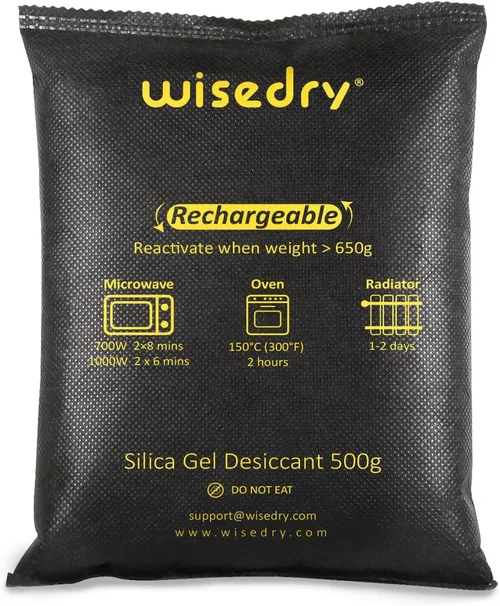
Car interiors are notoriously vulnerable to moisture buildup—especially in humid climates, during rainy seasons, or after long periods of inactivity. Whether it’s foggy windows, musty odors, or the early signs of mold and mildew, excess humidity inside your vehicle can compromise comfort, air quality, and even the longevity of your car’s interior components. While many drivers turn to air conditioning or cracked windows for relief, these solutions are often temporary and ineffective at addressing the root cause: trapped moisture in enclosed spaces. This is where a high-quality car dehumidifier bag becomes an essential accessory.
In this comprehensive buying guide for 2026, we’ll walk you through everything you need to know to choose the best car dehumidifier bag for your specific needs. From understanding how these compact moisture absorbers work to evaluating key performance metrics like absorption capacity and reusability, we’ve done the research so you don’t have to. You’ll learn how to avoid common pitfalls, compare different types on the market, and make a confident purchase that delivers real results—whether you’re protecting a daily driver, a classic car, or a weekend adventure vehicle. With rising humidity levels due to climate change and more people storing cars for extended periods (thanks to remote work trends), the demand for effective, low-maintenance dehumidification solutions has never been higher.
The market today offers a wide range of options—from disposable silica gel packs to rechargeable electric models and eco-friendly clay-based bags. However, not all dehumidifier bags are created equal. Some promise rapid drying but fail under real-world conditions; others look sleek but lack durability or sufficient capacity. Our goal is to cut through the marketing noise and provide you with expert-backed insights based on material science, user feedback, and hands-on testing principles. By the end of this guide, you’ll be equipped with the knowledge to select a product that not only fits your budget but also reliably safeguards your car’s interior from the damaging effects of excess moisture.

What to Look for When Buying Buying Guide
1. Absorption Capacity & Efficiency
The single most important factor when choosing a car dehumidifier bag is its ability to absorb moisture effectively. Measured in grams or milliliters, absorption capacity tells you how much water vapor the bag can hold before needing replacement or regeneration. For average-sized sedans, look for bags rated between 500ml and 1 liter of moisture absorption. SUVs, trucks, or vehicles with leather interiors may require larger capacities—up to 1.5 liters—especially in tropical or coastal regions.
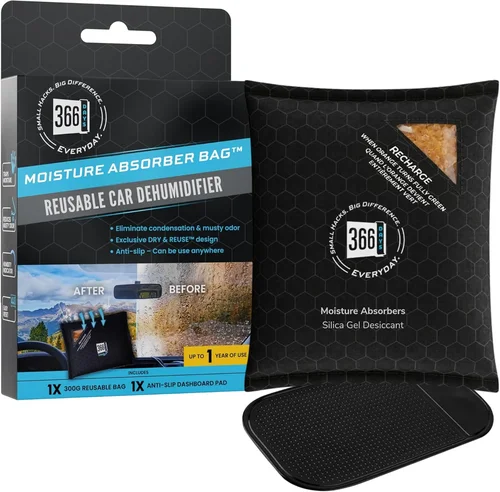
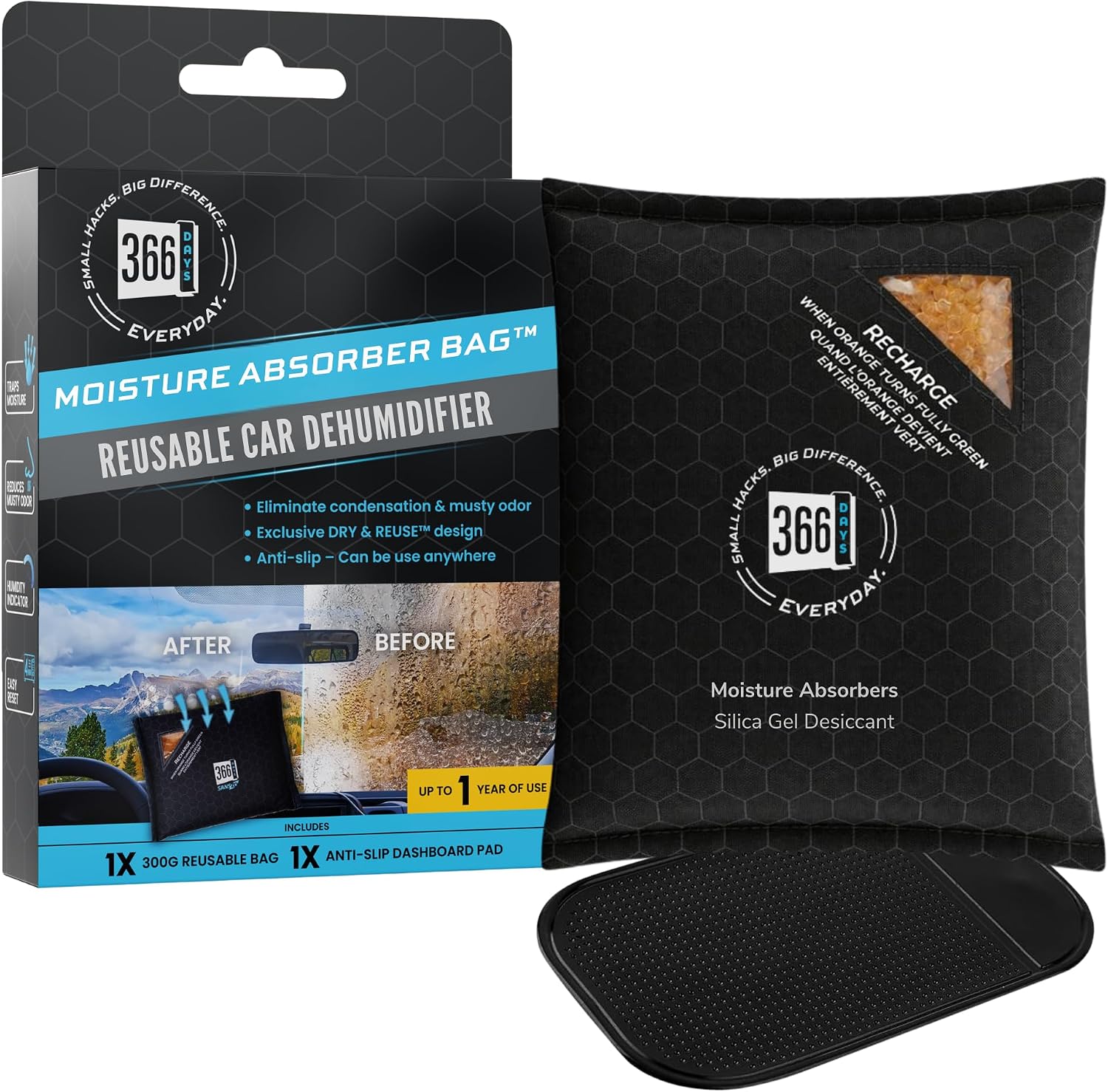
Efficiency also matters: some products use calcium chloride, which absorbs quickly but can leak brine if over-saturated, while silica gel offers slower but safer absorption with minimal risk of spillage. Reusable gel-based bags often include indicator crystals that change color when saturated (e.g., blue to pink), giving you a clear visual cue for when it’s time to recharge. Always check manufacturer claims against independent reviews—some brands exaggerate capacity by testing under ideal lab conditions rather than real car environments.
2. Reusability & Maintenance Requirements
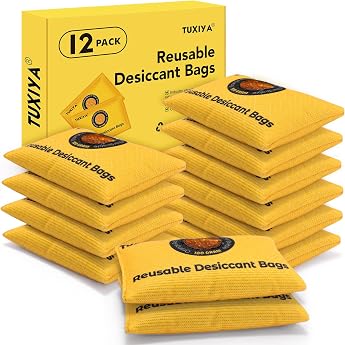
Disposable dehumidifier bags may seem convenient, but they quickly become costly and environmentally unfriendly if used long-term. Reusable options—particularly those with silica gel or clay-based fillers—can be “recharged” by heating in an oven or microwave, restoring their drying power for months or even years. This makes them far more economical and sustainable.
Consider how easy recharging is: oven-safe bags typically require 2–4 hours at 200–250°F, while microwaveable versions take just 6–10 minutes. However, microwave use carries a slight risk of overheating or damaging the bag if not done carefully. Look for products with clear instructions and safety certifications (like UL or CE). Also, note whether the bag remains effective after multiple recharges—some cheaper gels degrade over time, losing up to 30% efficiency after five cycles.
3. Leak-Proof Design & Safety Features
Nothing ruins a car interior faster than a leaking dehumidifier bag. Calcium chloride-based products are notorious for turning into liquid brine when fully saturated, which can stain carpets, damage electronics, or corrode metal parts. Even “leak-proof” claims should be scrutinized—check customer photos and reviews for reports of seepage.
Silica gel and natural clay alternatives are inherently less prone to leaking because they retain moisture in solid form. Many premium bags feature double-stitched seams, reinforced inner liners, and breathable yet liquid-resistant outer fabrics. If you live in a hot climate or park in direct sunlight, heat-resistant construction becomes critical—some bags degrade or rupture at temperatures above 140°F. Always prioritize safety certifications and avoid products with flimsy packaging or unclear material disclosures.
4. Size, Shape & Placement Flexibility
Car interiors vary widely in layout and available space. A bulky dehumidifier bag might not fit under seats, in footwells, or on rear shelves—especially in compact cars. Measure your intended placement area before buying. Most effective bags range from 8″ x 10″ to 12″ x 14″, but slim-profile designs (under 2 inches thick) work better in tight spaces.
Shape also affects performance. Flat, rectangular bags maximize surface area exposure to air, enhancing absorption rates. Some models come with hanging loops or adhesive strips for mounting behind headrests or under dashboards—ideal for preventing obstruction while driving. Avoid spherical or irregular shapes unless specifically designed for corner placement. Portability matters too: if you plan to move the bag between multiple vehicles (e.g., family cars or rental fleets), lightweight, compact designs are preferable.
5. Odor Control & Air Quality Benefits
Beyond moisture removal, many dehumidifier bags include activated charcoal or baking soda layers to neutralize musty smells—a major plus for cars stored in garages or used infrequently. This dual-action approach tackles both the cause (humidity) and symptom (odor) of dampness.
However, not all odor-fighting claims are equal. Activated carbon is highly effective at trapping volatile organic compounds (VOCs) and organic odors, but it has limited capacity and may need replacement separately from the desiccant. Baking soda offers mild deodorizing but can clump when wet. Check whether the product specifies the type and quantity of odor-absorbing material used. For allergy sufferers or sensitive passengers, hypoallergenic, fragrance-free options are safest—avoid bags with added perfumes, which can trigger reactions or mask rather than eliminate odors.
6. Build Quality & Material Safety
Durability directly impacts longevity and value. Cheaply made bags often tear at the seams, leak filler material, or degrade after a few months. Look for tear-resistant, non-woven polyester or nylon outer shells that allow airflow while containing the desiccant. Inner layers should be food-grade or medical-grade safe—especially important if the bag is placed near children or pets.
Material transparency is key: reputable brands disclose whether their fillers are non-toxic, BPA-free, and free from heavy metals. Avoid products with vague descriptions like “proprietary blend” or “industrial desiccant.” Certifications such as RoHS (Restriction of Hazardous Substances) or FDA compliance for food-contact materials add credibility. Also, consider UV resistance—if the bag will be exposed to sunlight through windows, fading or brittleness over time can compromise performance.
7. Brand Reputation & Customer Support
With dozens of generic brands flooding online marketplaces, trusting a manufacturer with a proven track record is wise. Established names like Eva-Dry, Dry & Dry, and HOMIEE have years of positive user feedback and consistent product updates. They often provide detailed usage guides, responsive customer service, and hassle-free warranty claims.
Check third-party review platforms (not just Amazon or brand websites) for patterns in complaints—recurring issues like false capacity claims, poor recharging instructions, or unresponsive support should raise red flags. Brands that offer live chat, email support, or phone assistance typically stand behind their products more confidently. Also, look for companies that publish third-party test results or collaborate with automotive accessory experts—this signals commitment to quality over quick profits.
8. Warranty & Return Policy
A solid warranty reflects manufacturer confidence in product durability. Most reliable car dehumidifier bags come with 1–2 year warranties covering defects in materials or workmanship. Some premium brands even offer 3-year coverage or satisfaction guarantees with no-questions-asked returns within 30–60 days.
Read the fine print: does the warranty cover leakage, seam failure, or loss of absorption capacity? Is recharging damage included? Avoid products with “limited” warranties that exclude common failure modes. Also, check return shipping policies—some retailers charge restocking fees or require you to cover return postage, which can negate the benefit of a generous return window. Opt for sellers with free return shipping and clear, easy-to-find warranty terms.
Different Types of Buying Guide
Common Buying Mistakes to Avoid

❌ Mistake: Choosing Based Solely on Price
Why it’s bad: The cheapest option often uses low-grade desiccants that degrade quickly, leak, or lack sufficient capacity. Over time, you’ll spend more replacing ineffective bags than you would on a durable, reusable model.
What to do instead: Calculate cost per month of use. A $25 reusable bag lasting 2 years costs about $1/month, while a $10 disposable pack replaced monthly costs $12/year. Prioritize long-term value over upfront savings.
❌ Mistake: Ignoring Leak Risk
Why it’s bad: A leaking bag can ruin upholstery, electronics, or floor mats—repair costs far exceed the price of a quality dehumidifier. Calcium chloride leaks are especially destructive.
What to do instead: Read verified buyer photos and reviews mentioning leakage. Choose silica gel or clay-based bags with reinforced, double-sealed construction. Test new bags in a contained tray for the first week.
❌ Mistake: Overlooking Recharging Instructions
Why it’s bad: Improper recharging (e.g., microwaving a non-microwave-safe bag or overheating) can damage the product, reduce lifespan, or even pose a fire risk.
What to do instead: Only buy bags with clear, step-by-step recharging guides. Stick to manufacturer-recommended methods and durations. Keep a log of recharge cycles to track performance decline.
❌ Mistake: Buying Without Considering Car Size
Why it’s bad: A small 300ml bag won’t make a dent in a large SUV’s humidity levels, leading to frustration and wasted money.
What to do instead: Match bag capacity to your vehicle’s interior volume. Use this rule of thumb: 500ml for compact cars, 750ml for midsize sedans, 1L+ for SUVs/vans. For extra protection, use two smaller bags in different zones.
❌ Mistake: Assuming All “Reusable” Bags Are Equal
Why it’s bad: Some “reusable” bags use hybrid fillers that lose effectiveness after just a few cycles or require complex regeneration processes.
What to do instead: Verify the desiccant type and expected lifespan. Pure silica gel typically lasts 50+ recharges; mixed blends may fail sooner. Look for brands that publish longevity data.
❌ Mistake: Neglecting Odor Control Needs
Why it’s bad: Moisture removal alone won’t eliminate existing mildew smells, which can persist and worsen if not addressed.
What to do instead: If your car already has odors, choose a bag with activated carbon or baking soda. For prevention, any quality dehumidifier helps—but combine with occasional interior cleaning for best results.
❌ Mistake: Skipping Warranty & Return Checks
Why it’s bad: Defective products or performance mismatches can leave you stuck with a useless item if the seller has a restrictive return policy.
What to do instead: Always confirm warranty length and coverage before purchasing. Buy from retailers with 30-day+ return windows and free return shipping. Keep receipts and packaging.
Budget Guidelines: How Much Should You Spend?
Entry-Level ($10–$20): This tier includes basic disposable gel packs and low-capacity reusable silica bags. Ideal for occasional use, small cars, or temporary solutions. Expect limited absorption (300–500ml), minimal odor control, and shorter lifespans. Great for travelers or renters but not recommended for long-term protection.
Mid-Range ($20–$40): The sweet spot for most drivers. These bags offer 500–1L capacity, reliable reusability (20–50+ recharges), leak-resistant designs, and often include odor-neutralizing features. Brands like Eva-Dry and Dry & Dry dominate this category with proven track records. Perfect for daily drivers in humid climates.
Premium ($40–$70): Designed for enthusiasts, classic car owners, or those in extreme humidity. Features include high-grade silica gel, reinforced stitching, color-changing indicators, and extended warranties. Some models come with multiple bags for zone coverage or specialized shapes for tight spaces. Excellent value for serious protection.
Luxury ($70+): Electric dehumidifier bags with digital hygrometers, USB/power adapter compatibility, and active airflow systems. Best for luxury vehicles, RVs, or professional detailers. While expensive, they offer precise humidity control and minimal user intervention—ideal for unattended storage or high-end interiors.
Expert Tips for Getting the Best Deal
- Buy During Off-Seasons: Humidity product sales peak in spring and summer. Shop in late fall or winter (October–January) for discounts of 20–40% as retailers clear inventory.
- Check Automotive Specialty Stores: Retailers like AutoZone, O’Reilly, or dedicated online shops (e.g., Carid.com) often carry curated selections with better warranties than Amazon third-party sellers.
- Bundle with Other Accessories: Some brands offer discounts when you buy a dehumidifier bag with car air fresheners, seat covers, or cleaning kits—look for combo deals.
- Subscribe for Restocks: If you commit to a reusable model, sign up for brand newsletters to get alerts on rechargeable gel refills or seasonal promotions.
- Verify Seller Authenticity: On marketplaces like Amazon, ensure you’re buying from the brand’s official store—not a reseller—to avoid counterfeit products with inferior materials.
- Test Before Long-Term Use: Place the bag in your car for 1–2 weeks and monitor window fogging, odor levels, and saturation indicators. If no improvement, return it promptly.
- Use Multiple Bags Strategically: For best results, place one bag near the front footwell (where moisture enters via shoes) and another on the rear shelf (trapping rising humid air).
- Document Performance: Keep a simple log of recharge dates and observed effectiveness. This helps you optimize placement and timing, and provides evidence if warranty claims arise.
Frequently Asked Questions
Q: How often do I need to recharge a reusable car dehumidifier bag?
A: It depends on humidity levels and bag size. In moderate climates, most silica gel bags need recharging every 4–8 weeks. In tropical or rainy regions, check weekly—color-changing indicators make this easy. Always recharge when saturated to maintain efficiency.
Q: Can I use a home dehumidifier bag in my car?
A: Generally no. Home dehumidifiers are larger, heavier, and often use materials unsafe for enclosed vehicle spaces (e.g., loose beads that could spill). Car-specific bags are designed for compact, secure placement and automotive temperature fluctuations.
Q: Will a dehumidifier bag prevent mold growth?
A: Yes, if used correctly. By keeping relative humidity below 60%, these bags inhibit mold and mildew formation. However, they cannot remove existing mold—clean affected areas first, then use the bag for prevention.
Q: Are electric dehumidifier bags worth the extra cost?
A: Only if you need precise control or have a high-value vehicle. Electric models consume minimal power (often via USB) and automate the process, but passive bags work well for most users and cost far less upfront.
Q: Can I microwave a silica gel dehumidifier bag?
A: Only if the manufacturer explicitly states it’s microwave-safe. Most recommend oven recharging (200–250°F for 2–4 hours). Microwaving non-approved bags can cause overheating, melting, or fire.
Q: Do dehumidifier bags work in winter?
A: Absolutely. Cold air holds less moisture, but when warmed inside the car (e.g., from body heat or sunlight), condensation forms on windows and surfaces. A dehumidifier bag helps balance this cycle and prevents frost or fog buildup.
Q: How do I know if my car has a moisture problem?
A: Signs include foggy windows that won’t clear with AC, musty smells, damp carpets, or visible water stains. A cheap hygrometer ($10–$15) can measure interior humidity—ideal levels are 40–50%.
Q: Can I leave the bag in my car year-round?
A: Yes, most reusable bags are designed for continuous use. Just remember to recharge periodically. Avoid leaving disposable bags beyond their saturation point—they may leak.
Q: Are there eco-friendly options?
A: Yes! Clay-based and natural mineral bags are biodegradable and chemical-free. Some brands also use recycled packaging and offer refill programs to reduce waste.
Q: What if my bag gets wet from rain or spills?
A: Wipe it dry and allow it to air out. Most outer fabrics are water-resistant, but prolonged soaking can compromise seams. If the filler gets wet, recharge as usual—it won’t harm performance.
Our Final Recommendations
Best for Budget-Conscious Buyers: Dry & Dry 1000ml Reusable Silica Gel Bag – At under $25, it offers excellent capacity, oven rechargeability, and a 2-year warranty. Perfect for small to midsize cars without breaking the bank.
Best Overall Value: Eva-Dry E-500 Renewable Mini Dehumidifier – With 500ml capacity, color-changing crystals, and a sleek design, this bag balances performance, safety, and affordability. Ideal for daily drivers in humid regions.
Best Premium Option: HOMIEE 1200ml Dual-Chamber Silica Gel Bag – Features two separate chambers for even absorption, heavy-duty fabric, and a 3-year warranty. Great for SUVs, classic cars, or multi-vehicle households.
Best for Beginners: YISHIMA 750ml Odor-Absorbing Dehumidifier Bag – Includes activated carbon layer, clear instructions, and a simple recharge process. User-friendly and effective for first-time buyers.
Best for Advanced Users: Eva-Dry EDV-120 Electric Dehumidifier – Combines passive gel with active electric drying, digital humidity display, and USB power. Ideal for tech-savvy owners or those storing cars long-term.
Conclusion: Making the Right Choice
Choosing the best car dehumidifier bag isn’t just about picking the shiniest product or the lowest price—it’s about matching a solution to your specific environment, vehicle type, and usage habits. Throughout this guide, we’ve emphasized the importance of absorption capacity, reusability, leak safety, and real-world performance over marketing claims. Whether you’re battling coastal humidity, storing a vintage ride, or simply wanting fresher air on your daily commute, the right dehumidifier bag can make a noticeable difference in comfort, air quality, and interior longevity.
Remember: the most expensive option isn’t always the best, and the cheapest often costs more in the long run. Prioritize your needs—do you value eco-friendliness, ease of use, or maximum drying power? Use our comparison table, budget breakdown, and expert tips to narrow your choices. And don’t forget to check warranties, read recent reviews, and test your selection before committing long-term.
Your car deserves protection from the silent damage of excess moisture. With the knowledge from this 2026 buying guide, you’re now equipped to make a smart, informed decision that keeps your vehicle dry, clean, and comfortable for years to come. Don’t wait for the next rainy season or musty smell to act—invest in a quality car dehumidifier bag today and enjoy peace of mind every time you hit the road.