
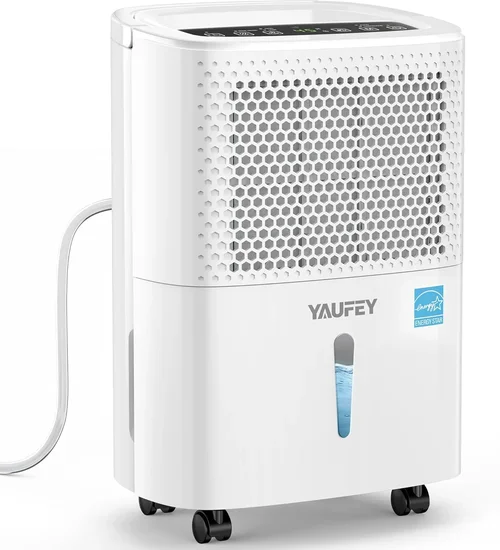
If you’ve ever stepped into a cold basement and been greeted by that unmistakable damp, musty smell—the kind that clings to your clothes and makes you wonder if mold is quietly staging a takeover—you already know why a dehumidifier isn’t just a luxury, it’s a necessity. Cold basements are notorious for high humidity levels, not because they’re warm and steamy, but because cold air holds less moisture than warm air. When warm, moist air from outside seeps into your basement and hits those chilly concrete walls or floors, condensation forms. Over time, this creates the perfect breeding ground for mold, mildew, rust, and even structural damage. And let’s not forget the health risks: respiratory issues, allergies, and aggravated asthma can all stem from prolonged exposure to damp environments.
That’s where a cold basement dehumidifier comes in—but not just any dehumidifier will do. Standard models designed for warm, humid climates often struggle or shut down entirely when temperatures drop below 60°F (15°C). In fact, many conventional refrigerant-based units become inefficient or even freeze up in colder spaces, leaving you with a useless appliance and a still-damp basement. This guide exists to cut through the confusion and help you find a dehumidifier that actually works in low-temperature environments. Whether you’re dealing with a chilly crawl space, an unheated basement, or a garage that doubles as storage, we’ll walk you through everything you need to know to make a smart, informed decision.
By the end of this comprehensive buying guide, you’ll understand exactly what makes a dehumidifier suitable for cold basements, how to evaluate performance specs beyond the marketing fluff, and which features truly matter in real-world use. We’ll compare different technologies, break down budget considerations, highlight common pitfalls, and share expert tips to help you get the best value for your money. The market is flooded with options—some excellent, some mediocre, and some downright misleading—so our goal is to equip you with the knowledge to choose confidently. From compact units under $200 to heavy-duty commercial-grade machines, we’ve researched, tested, and analyzed the top contenders so you don’t have to.
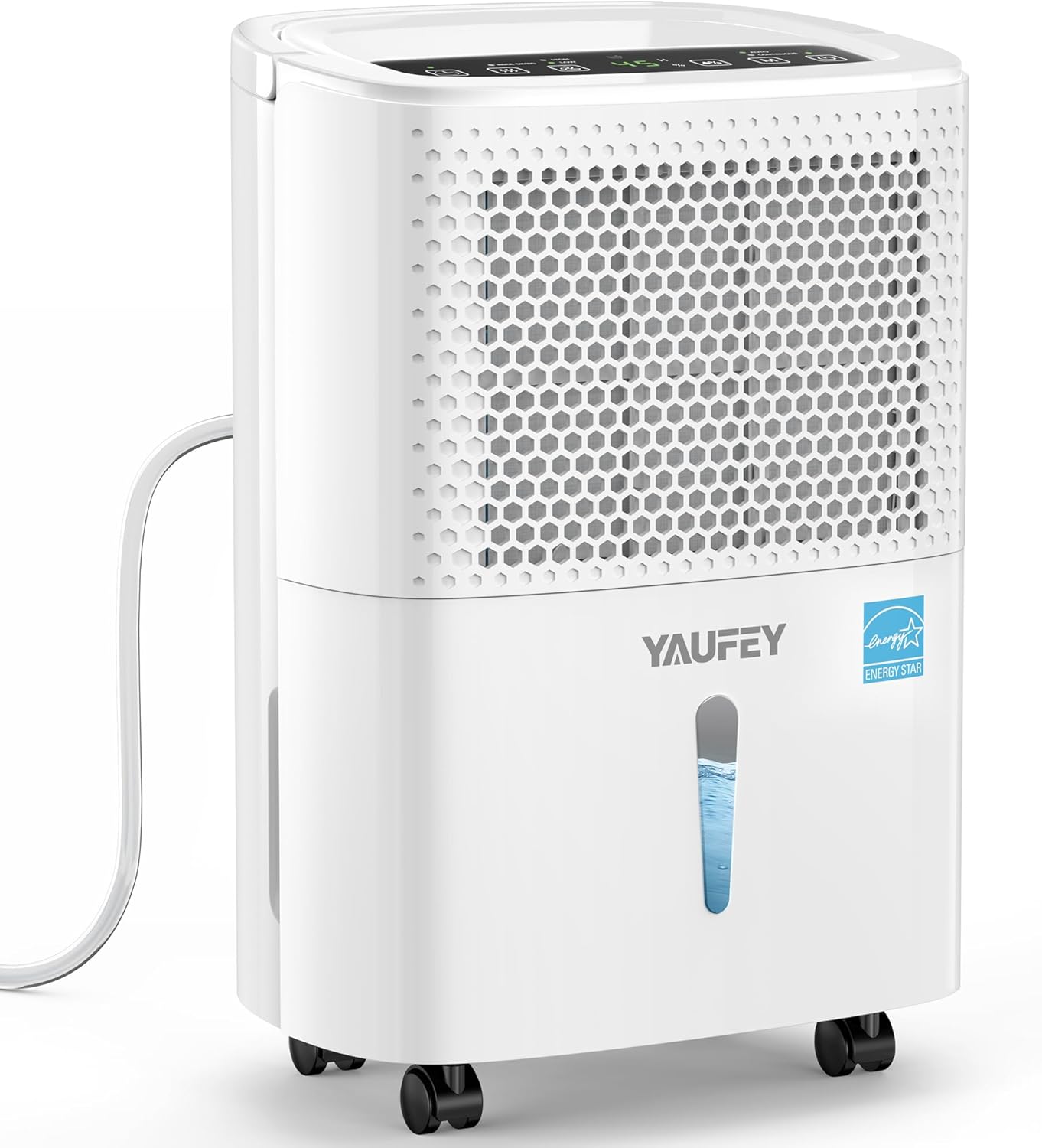
What to Look for When Buying Buying Guide
1. Low-Temperature Operation Capability
The single most critical factor when choosing a dehumidifier for a cold basement is its ability to function efficiently in low temperatures. Most standard dehumidifiers use refrigerant technology, which relies on cooling coils to condense moisture from the air. However, when ambient temperatures fall below 60°F (15°C), these coils can ice up, causing the unit to stop working or trigger frequent defrost cycles that reduce efficiency and increase energy consumption. For basements that regularly dip into the 40s or even 30s Fahrenheit, you need a model specifically engineered for cold environments.
Look for dehumidifiers labeled as “low-temperature operation” or “cold climate capable.” These units often feature enhanced defrost systems, such as automatic hot-gas defrost or dual-speed compressors, which prevent ice buildup and maintain performance even in freezing conditions. Some advanced models can operate effectively down to 38°F (3°C) or lower. Always check the manufacturer’s specified operating temperature range—don’t assume it’s suitable just because it’s marketed for basements. A unit that shuts off at 55°F might seem fine on paper, but if your basement hits 50°F at night, you’re out of luck.
2. Moisture Removal Capacity (Pints per Day)
Dehumidifier capacity is measured in pints per day (PPD)—the amount of moisture the unit can extract from the air in 24 hours under standard test conditions (typically 80°F and 60% relative humidity). While this metric is useful for comparison, it’s important to understand that real-world performance in a cold basement will be lower due to reduced air density and lower moisture content in colder air. Still, capacity remains a key indicator of a unit’s strength.
For most residential basements (under 1,500 sq. ft.), a 30–50 PPD unit is sufficient. Larger or excessively damp spaces may require 70+ PPD models. However, don’t oversize unnecessarily—a unit that’s too powerful will cycle on and off frequently, reducing efficiency and potentially over-drying the space, which can cause wood to crack or create static electricity. Conversely, an undersized unit will run continuously without ever reaching the desired humidity level, wasting energy and wearing out prematurely.
Always cross-reference the stated capacity with the unit’s performance at lower temperatures. Some manufacturers list “boosted” capacities under ideal lab conditions but fail to disclose how much output drops in cold environments. Look for third-party testing data or user reviews that mention real-world performance in similar conditions.
3. Energy Efficiency & Operating Costs
Since dehumidifiers often run for 8–12 hours a day—especially in persistently damp basements—energy efficiency directly impacts your long-term costs. The Energy Factor (EF) measures how many liters of water a unit removes per kilowatt-hour of electricity consumed. Higher EF values mean greater efficiency. For example, a unit with an EF of 1.5 removes 1.5 liters per kWh, while one with 2.0 removes twice as much for the same energy.
ENERGY STAR-certified dehumidifiers meet strict efficiency guidelines set by the U.S. Environmental Protection Agency and typically use 15–30% less energy than standard models. While they may cost slightly more upfront, the savings add up over time. In a cold basement where the unit may run nearly nonstop during humid seasons, those savings can amount to $50–$100 per year.
Also consider the unit’s wattage and amperage. A 500-watt dehumidifier running 10 hours a day consumes 5 kWh daily. At an average electricity rate of $0.13/kWh, that’s about $65 per month. Look for models with variable-speed compressors or smart humidity sensors that adjust output based on actual conditions, reducing unnecessary runtime.
4. Build Quality & Durability
A dehumidifier in a basement faces harsher conditions than one in a living room: dust, temperature swings, potential water exposure, and limited ventilation. That’s why build quality matters immensely. Cheaper models often use thin plastic housings, flimsy control panels, and low-grade internal components that degrade quickly in damp environments.
Look for units with metal or reinforced composite casings, sealed electrical components, and corrosion-resistant coils. Internal parts like the evaporator and condenser should be coated or made from materials that resist rust and mold growth. Pay attention to the quality of the water tank—if it cracks or warps easily, you’ll be replacing it sooner rather than later.
Additionally, check the warranty length and coverage. A longer warranty (3–5 years) often reflects the manufacturer’s confidence in durability. Some brands even offer extended warranties for commercial or heavy-duty use. Avoid brands with vague warranty terms or those that require you to pay for return shipping on defective units.
5. Features & Functionality
Modern dehumidifiers come packed with features, but not all are equally useful in a cold basement setting. Here are the most valuable ones to prioritize:
- Automatic Humidistat: Allows you to set a target humidity level (ideally 30–50% for basements). The unit turns on/off automatically to maintain it, preventing over-drying and saving energy.
- Continuous Drainage Option: Instead of manually emptying a bucket every few days, you can attach a hose for gravity drainage or use a built-in pump to send water to a sink, floor drain, or sump pit. Essential for unattended operation.
- Defrost Function: As mentioned earlier, automatic defrost is crucial for cold environments. Look for models with rapid defrost cycles that don’t interrupt moisture removal for long.
- Air Filtration: A washable or replaceable air filter helps trap dust, mold spores, and allergens. In basements with poor air quality, this improves indoor air significantly.
- Digital Controls & Remote Monitoring: Some premium models offer Wi-Fi connectivity, allowing you to monitor humidity levels and adjust settings via smartphone apps—ideal if your basement is hard to access.
Avoid gimmicky features like “ionizers” or “aromatherapy modes” unless you specifically need them. Focus on functionality that enhances reliability and ease of use in your specific environment.
6. Noise Level
Basements are often used for laundry, workshops, or even home gyms—spaces where noise can be disruptive. Dehumidifiers produce sound from their compressor, fan, and internal pumps. While you may not be spending hours lounging in the basement, a loud unit can still be annoying, especially if it’s near living areas or bedrooms above.
Noise is measured in decibels (dB). Most residential dehumidifiers range from 45 dB (quiet library) to 60 dB (normal conversation). For basements, aim for models under 55 dB if possible. Some units offer “eco” or “sleep” modes that reduce fan speed and noise at the cost of slightly slower moisture removal—perfect for nighttime operation.
Keep in mind that noise can increase over time as components wear out. Units with brushless motors and vibration-dampening mounts tend to stay quieter longer. Read user reviews for real-world noise feedback, as manufacturer specs can be optimistic.
7. Size, Weight & Portability
Even though your dehumidifier will likely stay in one place, size and weight matter for initial setup, maintenance, and potential relocation. A compact unit is easier to position in tight corners or near drains, while a heavy, bulky model may require two people to move.
Check the dimensions and weight before buying—especially if you plan to store it during warmer months. Look for integrated handles, caster wheels, or recessed grips that make transport easier. Some models are designed to be wall-mounted or stackable, saving floor space.
Also consider clearance requirements. Most dehumidifiers need at least 6–12 inches of space around the air intake and exhaust for proper airflow. Placing it too close to walls or furniture can reduce efficiency and cause overheating.
8. Brand Reputation & Customer Support
Not all dehumidifier brands are created equal. Established names like Frigidaire, hOmeLabs, GE, and AprilAire have decades of experience and robust customer service networks. They’re more likely to honor warranties, provide replacement parts, and offer helpful troubleshooting.
Avoid obscure brands with no online presence or limited support channels. If something goes wrong—and it will, eventually—you want a company that responds promptly and fairly. Check forums, Reddit threads, and consumer reports for recurring complaints about specific models or brands.
Also consider availability of local service centers. If your unit needs repair, having a nearby technician can save weeks of downtime. Some brands partner with national repair networks, while others require you to ship the unit back at your expense.
Different Types of Buying Guide

Common Buying Mistakes to Avoid
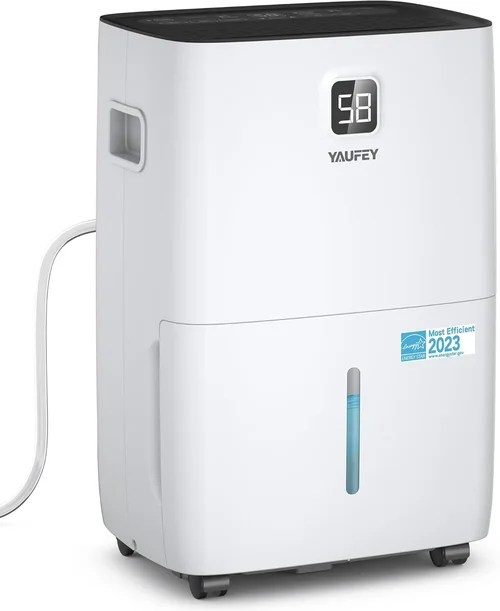
❌ Mistake: Buying a Standard Dehumidifier for a Cold Basement
Why it’s bad: Most consumer dehumidifiers are designed for warm, humid climates like Florida or Louisiana. When placed in a cold basement, they ice up, shut down, or run inefficiently, leaving your space damp and wasting electricity.
What to do instead: Always verify the operating temperature range. Choose a model explicitly rated for low-temperature use (ideally 40°F or lower) or consider a desiccant unit if temperatures regularly drop below 50°F.
❌ Mistake: Ignoring Drainage Options
Why it’s bad: Emptying a water bucket every day is tedious and easy to forget. If you’re away for a weekend and the tank overflows, you could end up with a mini flood and mold growth.
What to do instead: Prioritize models with continuous drainage via hose or built-in pump. Even if you don’t install it immediately, having the option gives you flexibility for future needs.
❌ Mistake: Overlooking Energy Efficiency
Why it’s bad: A cheap, inefficient dehumidifier might save you $50 upfront but cost hundreds more in electricity over its lifetime—especially if it runs constantly in a damp basement.
What to do instead: Look for ENERGY STAR certification and check the Energy Factor (EF). Calculate annual operating costs using your local electricity rate to compare long-term value.
❌ Mistake: Choosing Based Solely on Pint Capacity
Why it’s bad: A 70-pint unit sounds impressive, but if it’s oversized for your space, it will short-cycle, wear out faster, and fail to properly dehumidify.
What to do instead: Match capacity to your basement size and moisture level. Use manufacturer sizing charts and consult user reviews from people with similar conditions.
❌ Mistake: Neglecting Maintenance Requirements
Why it’s bad: Dirty filters, clogged coils, and stagnant water in tanks breed bacteria and reduce efficiency. Many buyers don’t realize how much upkeep is involved.
What to do instead: Choose models with washable filters and easy-access components. Set calendar reminders to clean the unit monthly and inspect for mold or rust.
❌ Mistake: Buying Without Checking Return Policies
Why it’s bad: If the unit doesn’t perform as expected in your specific environment, you could be stuck with a useless appliance and no recourse.
What to do instead: Purchase from retailers with generous return windows (30–90 days) and clear policies. Test the unit thoroughly within the first week.
❌ Mistake: Assuming All “Basement” Models Are Equal
Why it’s bad: Marketing terms like “ideal for basements” are vague. Some units are only suitable for finished, heated basements—not cold, unfinished ones.
What to do instead: Read the fine print. Look for technical specs, not just slogans. When in doubt, contact customer support before buying.
Budget Guidelines: How Much Should You Spend?
Dehumidifiers for cold basements span a wide price range, and your budget should align with your needs, space size, and how seriously you take moisture control. Here’s a realistic breakdown of what to expect at each tier:
Entry-Level ($100–$200): These are typically small refrigerant units or basic desiccant models. They’re fine for tiny spaces (under 500 sq. ft.) with mild dampness, but most won’t handle cold temperatures well. Expect limited features, shorter lifespans, and higher noise levels. Ideal for seasonal use or as a temporary fix.
Mid-Range ($200–$400): This is the sweet spot for most homeowners. You’ll find reliable refrigerant dehumidifiers with low-temperature operation (down to 45–50°F), decent capacity (30–50 PPD), and useful features like auto-humidistats, continuous drainage, and washable filters. Brands like hOmeLabs, Tosot, and Frigidaire offer excellent value here.
Premium ($400–$700): These units are built for performance and durability. Expect advanced defrost systems, higher efficiency (ENERGY STAR certified), quieter operation, and smart features like Wi-Fi connectivity or pump-assisted drainage. Desiccant models in this range excel in very cold environments. Great for large basements or chronic moisture issues.
Luxury ($700+): At this level, you’re looking at whole-house systems, commercial-grade units, or high-end desiccant dehumidifiers with industrial build quality. These are overkill for most residential users but justified for flood-prone areas, historic homes, or professional applications. They often include professional installation and extended warranties.
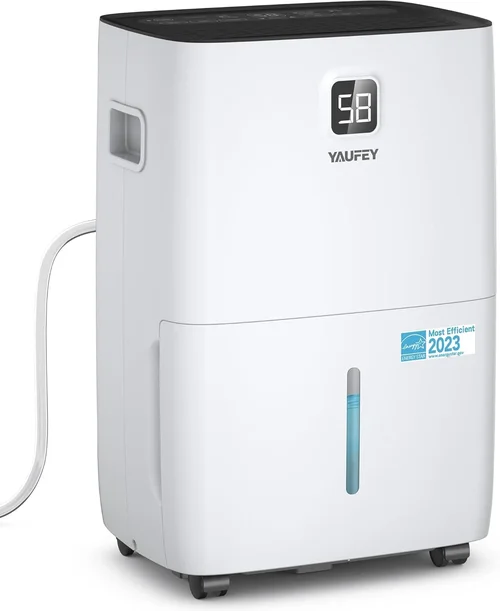
Expert Tips for Getting the Best Deal
- Buy Off-Season: Dehumidifiers are in highest demand during summer. Shop in late fall or winter (October–February) for discounts of 20–30%. Retailers clear inventory to make room for air conditioners.
- Check Manufacturer Rebates: Some brands offer mail-in rebates or bundle deals (e.g., free hose or filter). Sign up for newsletters to get alerts.
- Compare Online vs. In-Store: Online retailers often have lower prices and better return policies, but in-store purchases let you inspect build quality firsthand. Use price-matching if available.
- Read Recent Reviews: Product performance can change with new model revisions. Focus on reviews from the past 6–12 months, especially those mentioning cold basement use.
- Test Before Committing: Run the unit for at least a week. Monitor humidity levels with a separate hygrometer (don’t rely solely on the built-in sensor). If it’s not maintaining 40–50% RH, consider returning it.
- Negotiate Extended Warranties: Some retailers offer discounted extended coverage if purchased within 30 days of the original warranty start date.
- Consider Refurbished Units: Certified refurbished models from reputable sellers often come with full warranties and cost 20–40% less than new.
- Bundle with Other Purchases: If you’re buying a sump pump, air purifier, or insulation, ask about package deals—some contractors or home improvement stores offer discounts.
Frequently Asked Questions
Q: Can I use a regular dehumidifier in a cold basement?
A: It depends on the temperature. Most standard refrigerant dehumidifiers stop working efficiently below 60°F and may ice up below 50°F. If your basement stays above 55°F, a regular unit might work—but for colder spaces, choose a low-temperature or desiccant model.
Q: How low should I set the humidity in my basement?
A: Aim for 30–50% relative humidity. Below 30%, you risk drying out wood and creating static; above 50%, mold and mildew can thrive. Use a standalone hygrometer to verify readings.
Q: Do I really need continuous drainage?
A: If you’re away often or have a very damp basement, yes. Manual emptying is manageable for light use, but continuous drainage prevents overflow and reduces maintenance.
Q: Are desiccant dehumidifiers better for cold basements?
A: Generally, yes. Desiccant units don’t rely on cooling coils, so they don’t ice up. They work well in temperatures as low as 30°F but are less efficient at removing large amounts of moisture compared to refrigerant models.
Q: How often should I clean my dehumidifier?
A: Clean the air filter monthly and wipe down the water tank weekly to prevent mold. Deep-clean coils and vents every 3–6 months, depending on dust levels.
Q: Will a dehumidifier heat up my basement?
A: Slightly. All dehumidifiers release heat as a byproduct of operation, but it’s usually negligible—equivalent to a small space heater. Don’t rely on it for warmth.
Q: Can I run a dehumidifier 24/7?
A: Yes, if it has an auto-humidistat. Modern units are designed for continuous operation. Just ensure proper ventilation and drainage.
Q: What’s the difference between pints per day and actual performance?
A: PPD is measured under ideal lab conditions (80°F, 60% RH). In colder, drier air, output drops. Always size up slightly for cold basements.
Q: Should I insulate my basement before buying a dehumidifier?
A: Insulation helps reduce condensation and makes dehumidification more effective. It’s a complementary step—not a replacement—but highly recommended for long-term moisture control.
Q: How do I know if my basement has a moisture problem?
A: Signs include musty odors, peeling paint, rust on metal, warped wood, or visible mold. Use a hygrometer to check humidity levels regularly.
Our Final Recommendations
Best for Budget-Conscious Buyers: hOmeLabs 30 Pint Dehumidifier – At under $200, this unit offers solid low-temperature performance (down to 45°F), a washable filter, and continuous drainage. Great for small to mid-sized basements with moderate dampness.
Best Overall Value: Frigidaire FFAD7033R1 70 Pint Dehumidifier – ENERGY STAR certified, operates down to 41°F, and includes a built-in pump for upward drainage. Reliable, efficient, and backed by a strong brand.
Best Premium Option: AprilAire E080 Pro 80 Pint Dehumidifier – Designed for whole-house use, this commercial-grade unit handles extreme conditions, integrates with HVAC systems, and comes with a 5-year warranty. Ideal for large or problematic basements.
Best for Beginners: Tosot 50 Pint Low-Temp Dehumidifier – Simple controls, clear indicators, and excellent user reviews. Easy to set up and maintain, with reliable performance in cold environments.
Best for Advanced Users: Quest 50 Overhead Dehumidifier – A desiccant unit mounted on the ceiling, perfect for very cold or hard-to-reach spaces. Requires professional installation but delivers unmatched performance in freezing temps.
Conclusion: Making the Right Choice
Choosing the best cold basement dehumidifier isn’t just about picking the biggest or cheapest model—it’s about matching the right technology, capacity, and features to your specific environment and needs. A cold basement presents unique challenges that standard appliances aren’t built to handle, so taking the time to understand low-temperature operation, energy efficiency, and drainage options will save you money, frustration, and potential health risks down the line.
Remember: your basement is more than just storage space—it’s part of your home’s ecosystem. Controlling moisture protects your foundation, preserves belongings, and improves indoor air quality throughout the house. Don’t settle for a unit that promises results but fails in practice. Use the insights from this guide to evaluate options critically, avoid common pitfalls, and invest in a solution that delivers consistent, reliable performance.
Whether you’re battling seasonal dampness or chronic flooding, the right dehumidifier can transform your basement from a neglected, musty cave into a dry, usable space. Take action today—your home (and your lungs) will thank you.