

You shouldn’t use an extension cord with a dehumidifier because it can overheat, cause electrical fires, or damage the unit. These appliances draw high power, and extension cords aren’t designed to handle that load safely. Always plug your dehumidifier directly into a wall outlet to ensure safety and optimal performance.
Key Takeaways
- High Power Draw: Dehumidifiers use a lot of electricity—often 500 to 750 watts or more—which can overwhelm standard extension cords not rated for heavy-duty use.
- Overheating Risk: Thin or low-gauge extension cords can overheat under the sustained load, increasing the risk of melting, short circuits, or fire.
- Voltage Drop: Long or undersized cords cause voltage drop, reducing efficiency and potentially damaging the dehumidifier’s motor over time.
- Manufacturer Warnings: Most dehumidifier manuals explicitly warn against using extension cords to avoid voiding the warranty or causing safety hazards.
- Fire Hazard: The combination of high current and poor connections in extension cords can spark electrical fires, especially in damp environments like basements.
- Safer Alternatives: Use a heavy-duty, grounded power cord (if approved by the manufacturer) or relocate the dehumidifier closer to a wall outlet.
- Electrical Code Compliance: Permanent appliances like dehumidifiers should be plugged directly into outlets to meet electrical safety standards.
📑 Table of Contents
Why Can’t You Use an Extension Cord with a Dehumidifier?
If you’ve ever pulled your dehumidifier out of the basement corner and noticed the cord doesn’t quite reach the outlet, you might’ve thought, “No big deal—I’ll just plug it into an extension cord.” But before you do, stop and think again. Using an extension cord with a dehumidifier isn’t just inconvenient—it’s potentially dangerous. In fact, most manufacturers and electricians strongly advise against it.
Dehumidifiers are powerful appliances designed to pull moisture from the air, especially in damp areas like basements, laundry rooms, or crawl spaces. They work by running a compressor and fan continuously, which requires a significant amount of electrical current. This high power draw puts a heavy strain on the electrical system, and extension cords—especially the common, lightweight ones—aren’t built to handle that kind of sustained load.
Imagine trying to run a garden hose through a tiny straw. The water pressure builds up, the straw might burst, and the flow becomes weak. That’s exactly what happens when you use an undersized extension cord with a dehumidifier. The cord can’t deliver enough power efficiently, leading to overheating, voltage drop, and even fire hazards. And because dehumidifiers often run for hours at a time—sometimes 24/7 in humid climates—the risk multiplies.
So, while it might seem like a simple fix, using an extension cord is a shortcut that can lead to serious consequences. Let’s dive deeper into why this common household mistake is so risky and what you can do instead.
Understanding How Dehumidifiers Use Electricity
Visual guide about Why Can’t You Use an Extension Cord with a Dehumidifier
Image source: m.media-amazon.com
To understand why extension cords are a bad match for dehumidifiers, it helps to know how these appliances work and how much power they actually consume.
How Dehumidifiers Work
Dehumidifiers operate similarly to air conditioners. They pull in humid air, pass it over cold coils to condense moisture, and then release drier air back into the room. This process requires a compressor, a fan, and a refrigeration system—all of which demand a steady, high-powered electrical supply.
Most residential dehumidifiers run on 120 volts and draw between 5 and 7 amps of current. That translates to roughly 600 to 840 watts of power. Larger commercial units can draw even more. For comparison, a typical space heater uses about 1,500 watts, but it usually cycles on and off. A dehumidifier, however, often runs continuously until the desired humidity level is reached—sometimes for 8 to 12 hours a day.
Power Requirements and Electrical Load
Because of this constant operation, dehumidifiers place a continuous load on your home’s electrical circuit. Unlike a lamp or phone charger that draws minimal power, a dehumidifier is considered a “high-load” appliance. This means it needs a direct, stable connection to the electrical system to function safely and efficiently.
When you introduce an extension cord into the mix, you’re adding resistance to the circuit. Every foot of wire adds a tiny bit of resistance, and when current flows through resistance, it generates heat. In a properly sized cord, this heat is minimal and harmless. But in a thin or long extension cord, the heat can build up quickly—especially under a sustained load.
Why Standard Extension Cords Aren’t Enough
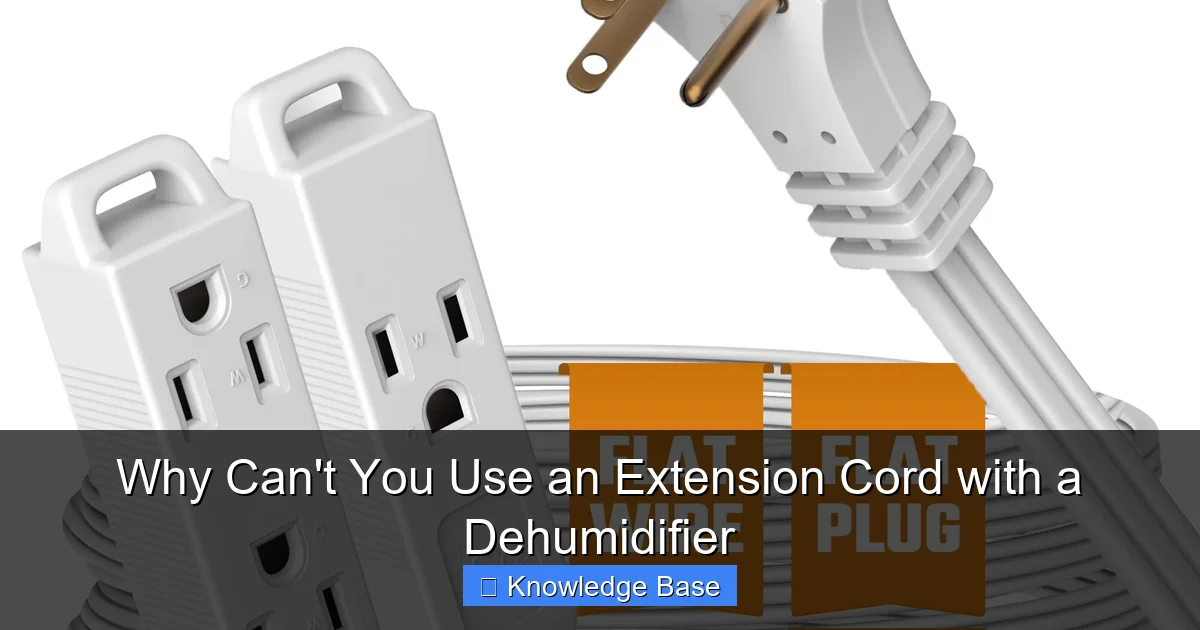
Most household extension cords are designed for light-duty tasks: powering lamps, charging devices, or connecting holiday lights. These cords are typically made with 16-gauge or 18-gauge wire, which is too thin to safely carry the current a dehumidifier needs.
For example, a 16-gauge cord might be rated for 10 amps, but only for short distances and intermittent use. When used continuously with a high-draw appliance like a dehumidifier, the wire heats up, the insulation can degrade, and the risk of electrical failure increases.
Even if the cord doesn’t immediately fail, the added resistance causes a phenomenon called “voltage drop.” This means the voltage reaching the dehumidifier is lower than what it’s designed for. The motor has to work harder to compensate, which can lead to overheating, reduced efficiency, and premature wear.
The Dangers of Using an Extension Cord
Visual guide about Why Can’t You Use an Extension Cord with a Dehumidifier
Image source: 5.imimg.com
Now that we understand the electrical demands of a dehumidifier, let’s look at the real risks of using an extension cord.
Overheating and Fire Hazards
The most serious danger is overheating. When a dehumidifier draws high current through a thin extension cord, the wire heats up. If the cord is coiled, tucked under a rug, or placed near flammable materials, the heat has nowhere to go. Over time, the insulation can melt, exposing bare wires.
Exposed wires can spark, especially if the connection is loose or the plug is partially inserted. In a basement or utility room—where dehumidifiers are commonly used—there’s often dust, insulation, or cardboard nearby. A single spark can ignite these materials, leading to a fire.
According to the National Fire Protection Association (NFPA), electrical failures or malfunctions are a leading cause of home fires. Many of these incidents involve the misuse of extension cords with high-power appliances.
Voltage Drop and Performance Issues
Even if a fire doesn’t occur, using an extension cord can damage your dehumidifier. Voltage drop reduces the power reaching the unit, forcing the compressor and fan to work harder. This can cause the motor to overheat, trip the thermal cutoff switch, or fail prematurely.
You might notice your dehumidifier running longer than usual, not removing moisture effectively, or shutting off unexpectedly. These are signs that it’s not getting enough power. Over time, this stress can shorten the lifespan of the appliance and lead to costly repairs or replacement.
Voiding the Warranty
Another often-overlooked consequence is warranty voidance. Most dehumidifier manufacturers include a clause in their warranty that prohibits the use of extension cords. If something goes wrong—like a motor burnout or electrical failure—and they discover an extension cord was used, they can deny coverage.
For example, Frigidaire, Honeywell, and GE all explicitly state in their user manuals: “Do not use an extension cord.” This isn’t just a suggestion—it’s a safety and liability requirement. Using an extension cord could mean paying hundreds of dollars out of pocket for repairs that would otherwise be covered.
Tripping Hazards and Physical Damage
Beyond electrical risks, extension cords create physical hazards. A long cord snaking across a basement floor can become a tripping hazard, especially in dimly lit areas. If someone trips and pulls the cord loose, it could damage the plug, outlet, or the dehumidifier itself.
Additionally, dehumidifiers are often placed on concrete floors, which can be damp. If an extension cord is lying on the floor, moisture can seep into the connection, increasing the risk of short circuits or electric shock.
What the Manufacturers Say
If you’re still on the fence, let’s look at what the experts say. Dehumidifier manufacturers are unanimous: don’t use extension cords.
Manufacturer Warnings in User Manuals
A quick review of popular dehumidifier brands reveals consistent warnings. For instance:
– **Frigidaire:** “Plug the dehumidifier directly into a grounded outlet. Do not use an extension cord.”
– **Honeywell:** “For safety reasons, do not use an extension cord with this appliance.”
– **GE Appliances:** “Do not plug into an extension cord or power strip.”
– **Danby:** “Always plug the unit directly into a wall outlet.”
These warnings aren’t arbitrary. They’re based on extensive testing and safety standards. Manufacturers design their cords to handle the specific electrical load of the unit. Adding an extension cord introduces variables they can’t control—like cord length, gauge, and quality.
Safety Standards and Certifications
Dehumidifiers are tested and certified by organizations like UL (Underwriters Laboratories) and ETL (Intertek). These certifications ensure the appliance meets strict safety standards when used as intended. Using an extension cord bypasses these safeguards and can invalidate the certification.
For example, UL testing includes thermal and electrical stress tests under normal operating conditions. If an extension cord causes overheating or failure during use, the unit no longer meets those standards—even if it passed testing originally.
Why Manufacturers Design Short Power Cords
You might wonder why dehumidifiers come with such short cords if they’re meant to be plugged directly into outlets. The answer is safety and compliance.
A shorter cord reduces the risk of voltage drop and ensures the unit is placed close to the outlet. It also discourages users from using extension cords. Manufacturers know that if the cord doesn’t reach, people are more likely to move the dehumidifier rather than risk using an unsafe workaround.
In fact, many building codes and electrical standards recommend that permanent or high-load appliances be plugged directly into outlets. This minimizes the risk of loose connections, overheating, and fire.
Safer Alternatives to Extension Cords
So, if you can’t use an extension cord, what can you do when the outlet is out of reach? Fortunately, there are several safe and effective alternatives.
Relocate the Dehumidifier
The simplest solution is to move the dehumidifier closer to an outlet. Most dehumidifiers are on wheels or have handles, making them easy to reposition. Try placing it near a wall outlet in the basement, laundry room, or utility closet.
If the room is large, consider using a dehumidifier with a longer hose or one that can be ducted to another area. Some models allow you to direct airflow through a vent or window, giving you more placement flexibility.
Install a New Outlet
If there’s no outlet nearby, consider hiring a licensed electrician to install one. This is a one-time cost that improves safety and convenience. A new outlet can be placed exactly where you need it, eliminating the need for extension cords altogether.
Modern outlets can also include GFCI (Ground Fault Circuit Interrupter) protection, which is especially important in damp areas like basements. GFCI outlets shut off power instantly if they detect a ground fault, reducing the risk of electric shock.
Use a Heavy-Duty, Approved Power Cord
In rare cases, the manufacturer may offer a replacement power cord that’s longer than the original. For example, some industrial dehumidifiers come with optional 15- or 20-foot cords designed for high-load use.
These cords are made with thicker wire (usually 14-gauge or 12-gauge) and heavy-duty insulation. They’re specifically rated for continuous use with high-power appliances. However, you should only use a cord that’s approved by the manufacturer and listed for your model.
Never assume a heavy-duty extension cord from the hardware store is safe. Even if it’s labeled “for appliances” or “15 amp,” it may not be designed for the sustained load of a dehumidifier.
Use a Power Strip with Surge Protection (Only if Approved)
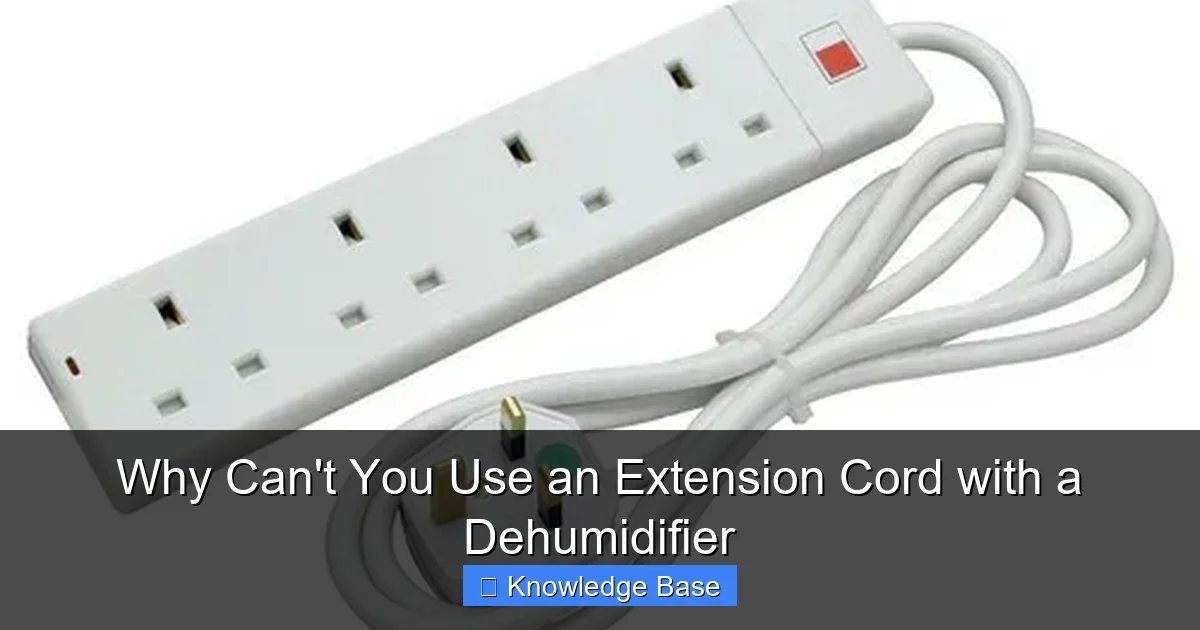
Some people consider using a high-quality power strip with surge protection. While this can protect against voltage spikes, it’s still not a substitute for direct outlet use.
Most power strips are not rated for continuous high-load devices like dehumidifiers. Even “heavy-duty” models can overheat if used improperly. Only use a power strip if the manufacturer explicitly allows it—and even then, choose one with a high joule rating and thermal protection.
Consider a Whole-House Dehumidifier
If you’re dealing with chronic humidity issues, a whole-house dehumidifier might be a better long-term solution. These units are installed directly into your HVAC system and don’t require extension cords. They’re more expensive upfront but offer better performance, energy efficiency, and safety.
Best Practices for Safe Dehumidifier Use
To keep your dehumidifier running safely and efficiently, follow these best practices:
Plug Directly Into a Wall Outlet
Always plug your dehumidifier directly into a grounded, 120-volt outlet. Make sure the outlet is in good condition and not shared with other high-load appliances like space heaters or refrigerators.
Check the Power Cord Regularly
Inspect the power cord for cracks, fraying, or damage. If you notice any issues, stop using the unit and contact the manufacturer. A damaged cord can cause shocks or fires.
Keep the Area Clear
Ensure the dehumidifier has at least 6 to 12 inches of clearance on all sides for proper airflow. Don’t place it against walls, furniture, or curtains. Also, keep the area around the outlet and cord free of clutter, water, and flammable materials.
Use a Dedicated Circuit if Possible
If your dehumidifier frequently trips the circuit breaker, it may be sharing a circuit with too many other devices. Consider having an electrician install a dedicated circuit for the dehumidifier. This reduces the risk of overloads and improves performance.
Follow the Manufacturer’s Instructions
Always read and follow the user manual. It contains important safety information, maintenance tips, and usage guidelines specific to your model.
Unplug When Not in Use
If you’re going on vacation or won’t be using the dehumidifier for an extended period, unplug it. This reduces the risk of electrical issues and saves energy.
Conclusion
Using an extension cord with a dehumidifier might seem like a quick fix, but it’s a risky shortcut that can lead to overheating, fire, equipment damage, and voided warranties. Dehumidifiers are high-power appliances that require a direct, stable connection to the electrical system. Extension cords—especially the common, lightweight ones—aren’t designed to handle that kind of sustained load.
The dangers are real: voltage drop can reduce efficiency, overheating can melt insulation, and loose connections can spark fires. Even if nothing goes wrong immediately, the long-term wear on the motor and compressor can shorten the life of your dehumidifier.
The good news is that there are safer alternatives. Relocate the unit, install a new outlet, or use a manufacturer-approved power cord. These solutions may require a small investment of time or money, but they’re far cheaper than dealing with a fire, injury, or a broken appliance.
When it comes to electrical safety, it’s always better to be cautious. Follow the manufacturer’s guidelines, respect the power requirements of your appliances, and never take shortcuts that compromise safety. Your dehumidifier will run better, last longer, and keep your home safer—without the need for an extension cord.
Frequently Asked Questions
Can I use a heavy-duty extension cord with a dehumidifier?
Even heavy-duty extension cords are not recommended for dehumidifiers. While they may have thicker wire, they’re still not designed for the continuous, high-load operation of a dehumidifier. The safest option is to plug the unit directly into a wall outlet.
What happens if I use an extension cord anyway?
Using an extension cord can cause overheating, voltage drop, reduced efficiency, and potential fire hazards. It may also void your warranty and increase the risk of electrical shock, especially in damp environments.
How far can a dehumidifier be from an outlet?
Dehumidifiers should be plugged directly into an outlet with no extension cord. If the cord doesn’t reach, move the unit closer or have a new outlet installed by a licensed electrician.
Is it safe to use a power strip with a dehumidifier?
Generally, no. Most power strips aren’t rated for the continuous high load of a dehumidifier. Only use a power strip if the manufacturer explicitly approves it and it’s designed for heavy-duty appliances.
Why do dehumidifiers have short power cords?
Short cords are a safety feature. They encourage users to plug the unit directly into an outlet and reduce the risk of voltage drop, overheating, and extension cord misuse.
Can a dehumidifier trip a circuit breaker?
Yes, especially if it’s sharing a circuit with other high-load devices. If this happens frequently, consider installing a dedicated circuit or using the dehumidifier during off-peak hours.