

Basements are naturally damp, making them prime spots for mold, mildew, and musty smells. Using a dehumidifier in your basement helps control humidity, protects your home’s structure, improves air quality, and creates a more comfortable living space.
Key Takeaways
- Basements are prone to high humidity: Due to poor ventilation, groundwater seepage, and cooler temperatures, basements often have excess moisture that leads to dampness and mold growth.
- Dehumidifiers prevent mold and mildew: By reducing humidity levels to 30–50%, dehumidifiers inhibit the growth of mold, mildew, and dust mites, which thrive in moist environments.
- Improved indoor air quality: Lower humidity means fewer allergens and irritants in the air, helping people with asthma, allergies, or respiratory issues breathe easier.
- Protects home structure and belongings: Excess moisture can warp wood, rust metal, and damage stored items like books, clothes, and electronics. A dehumidifier helps preserve your investment.
- Reduces musty odors: Damp basements often smell musty or earthy. Removing excess moisture eliminates the source of these unpleasant smells.
- Energy efficiency and cost savings: Dry air feels cooler, so you may use your air conditioner less in summer. Plus, preventing mold and structural damage saves money on repairs.
- Easy to maintain and use: Modern basement dehumidifiers are quiet, energy-efficient, and often feature automatic shut-off, continuous drainage, and built-in hygrometers for hassle-free operation.
📑 Table of Contents
- Why Dehumidifier Basement: The Hidden Problem Beneath Your Feet
- Understanding Basement Humidity: Why It’s So Common
- Health Benefits of Using a Dehumidifier in the Basement
- Protecting Your Home and Belongings
- Energy Efficiency and Cost Savings
- Choosing the Right Dehumidifier for Your Basement
- Conclusion: A Small Investment with Big Rewards
Why Dehumidifier Basement: The Hidden Problem Beneath Your Feet
Let’s be honest—your basement is probably the most overlooked room in your house. It’s where you store old photo albums, holiday decorations, and that treadmill you swore you’d use every day. But beneath the clutter lies a silent, sneaky problem: excess moisture. And if you’ve ever noticed a musty smell, seen dark spots on the walls, or felt a damp chill in the air, you’ve already met the enemy—high humidity.
Basements are naturally more humid than other parts of the home. They’re below ground level, surrounded by soil that holds moisture, and often poorly ventilated. Even if you don’t see standing water, the air itself can be saturated with water vapor. This creates the perfect breeding ground for mold, mildew, and dust mites. Over time, this doesn’t just affect your stuff—it can impact your health, your home’s structure, and even your energy bills. That’s where a dehumidifier for basement spaces comes in.
Think of a basement dehumidifier as a silent guardian. It works around the clock to pull excess moisture from the air, keeping humidity levels in the ideal range. The result? A cleaner, healthier, and more comfortable space. Whether you use your basement as a laundry room, home gym, playroom, or just storage, a dehumidifier can make a world of difference. In this guide, we’ll explore exactly why a dehumidifier basement setup is not just a nice-to-have—it’s a necessity.
Understanding Basement Humidity: Why It’s So Common
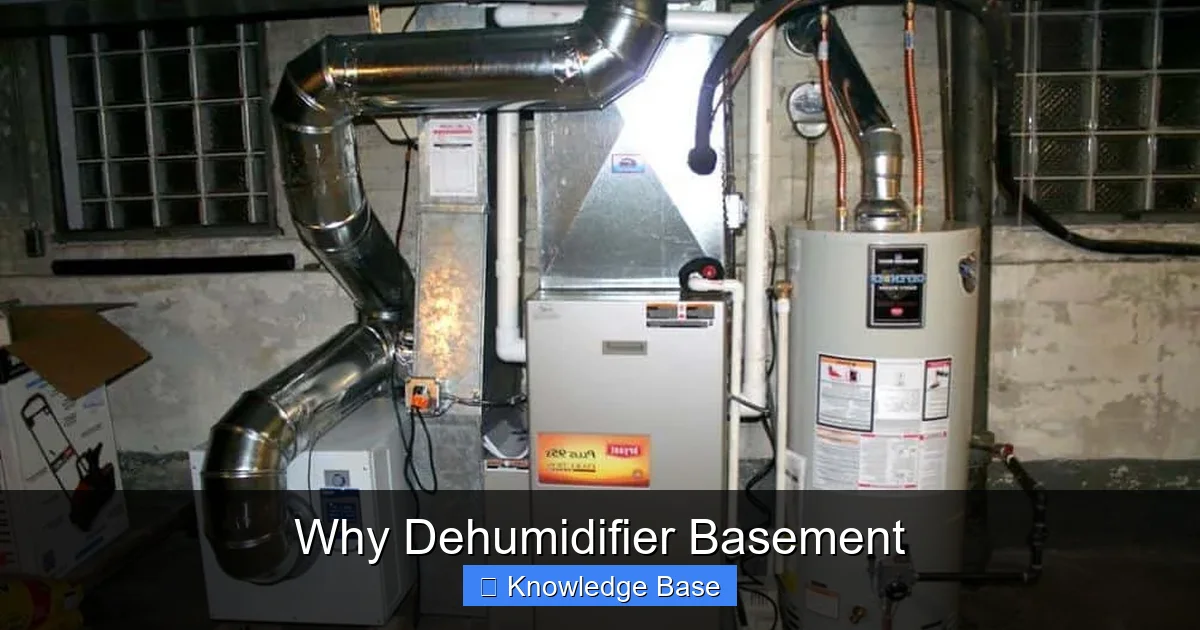
Visual guide about Why Dehumidifier Basement
Image source: indoorbreathing.com
What Causes High Humidity in Basements?
Basements are humidity magnets—and it’s not just bad luck. Several factors contribute to the damp environment:
– **Groundwater seepage:** Water from rain or snow can seep through foundation walls or floors, especially if your home has cracks or poor drainage.
– **Condensation:** Cool basement surfaces (like concrete walls or pipes) can cause warm, moist air to condense into water droplets—similar to how a cold drink sweats on a hot day.
– **Poor ventilation:** Unlike upstairs rooms, basements often lack windows or proper airflow, trapping moist air inside.
– **Plumbing leaks:** Even small leaks from pipes or water heaters can add significant moisture over time.
– **High outdoor humidity:** In humid climates, moisture can enter through cracks or open windows, raising indoor humidity levels.
All these factors combine to create a consistently damp environment. And once humidity climbs above 60%, you’re in the danger zone for mold and mildew growth.
The Science of Humidity and Mold Growth
Mold doesn’t need standing water to grow—it just needs moisture in the air. Most molds begin to develop when relative humidity stays above 60% for extended periods. In a basement, this can happen quickly, especially during summer months when warm, humid air meets cool basement surfaces.
Once mold spores take hold, they spread fast. They release mycotoxins and spores into the air, which can trigger allergies, asthma attacks, and other respiratory issues. And because basements are often enclosed, these pollutants can circulate into the rest of your home through HVAC systems.
But it’s not just mold. Dust mites—tiny creatures that feed on dead skin cells—also thrive in humid environments. They’re a common allergen and can worsen symptoms for people with allergies or asthma. By keeping humidity below 50%, you create an environment where these pests can’t survive.
Signs Your Basement Has a Humidity Problem
You don’t need a science degree to spot the signs of excess moisture. Here are some common red flags:
– A persistent musty or earthy smell
– Visible mold or mildew on walls, ceilings, or stored items
– Damp or cold surfaces, especially on concrete walls or floors
– Condensation on windows, pipes, or metal fixtures
– Warped wood, peeling paint, or rust on metal objects
– Increased allergy symptoms when spending time in the basement
If you notice any of these, it’s time to take action. Ignoring the problem won’t make it go away—it’ll only get worse.
Health Benefits of Using a Dehumidifier in the Basement
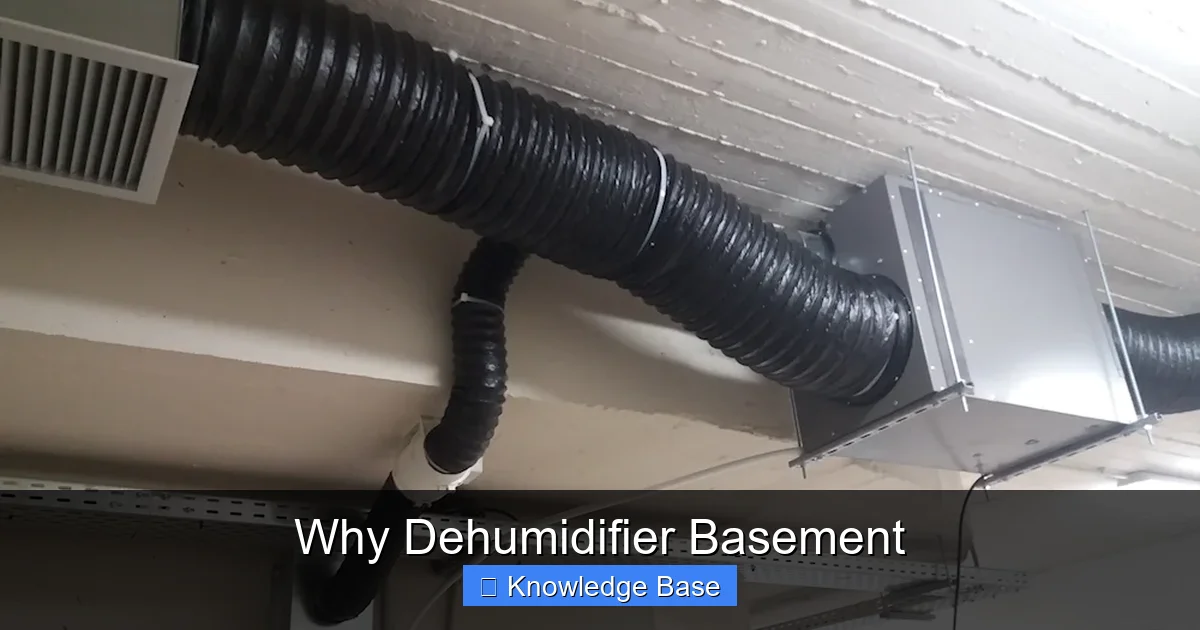
Visual guide about Why Dehumidifier Basement
Image source: ecor-pro.com
Reducing Allergens and Respiratory Triggers
One of the most compelling reasons to use a dehumidifier basement unit is the impact on your health. High humidity doesn’t just feel uncomfortable—it directly affects the air you breathe.
Mold spores, dust mites, and mildew are all common allergens that flourish in damp environments. When these particles become airborne, they can be inhaled, triggering sneezing, coughing, itchy eyes, and even asthma attacks. Children, the elderly, and people with compromised immune systems are especially vulnerable.
By maintaining a humidity level between 30% and 50%, a dehumidifier makes your basement a less hospitable place for these allergens. Studies have shown that homes with controlled humidity have significantly lower levels of dust mites and mold. This means fewer allergy flare-ups and better overall respiratory health for everyone in the household.
Improving Sleep and Overall Well-Being
If you use your basement as a bedroom, home office, or relaxation space, air quality matters even more. Breathing in damp, stale air can make you feel sluggish, give you headaches, or disrupt your sleep. In contrast, dry, clean air promotes better oxygen flow and helps your body function at its best.
Imagine working at your basement desk or watching a movie in your home theater—only to feel tired and congested after 30 minutes. That’s likely due to poor air quality caused by excess moisture. A dehumidifier helps create a fresher, more comfortable environment where you can focus, relax, and breathe easy.
Preventing Long-Term Health Risks
While short-term exposure to mold and dampness can cause irritation, long-term exposure is even more concerning. Prolonged inhalation of mold spores has been linked to chronic respiratory conditions, immune system suppression, and even neurological symptoms in rare cases.
By using a dehumidifier basement system, you’re not just solving a surface-level problem—you’re investing in long-term health protection. It’s a simple step that can prevent serious issues down the road.
Protecting Your Home and Belongings
Preventing Structural Damage
Your home is one of your biggest investments—and moisture is one of its worst enemies. Over time, excess humidity can cause serious damage to your basement and foundation.
Wooden support beams, floor joists, and framing can absorb moisture and begin to rot. This weakens the structural integrity of your home and can lead to costly repairs. Metal components like nails, screws, and HVAC ducts can rust, reducing their lifespan and efficiency.
Even concrete isn’t immune. Prolonged exposure to moisture can cause efflorescence (white, powdery deposits), spalling (surface flaking), and cracks that allow more water to enter. A dehumidifier helps keep the air dry, reducing the risk of these issues and extending the life of your home’s foundation.
Safeguarding Stored Items
Basements are often used for storage—clothes, books, photos, electronics, and sentimental items. But these belongings are at high risk in a damp environment.
Clothes can develop mildew, giving them a sour smell and ruining fabrics. Books and paper documents can warp, yellow, or grow mold. Electronics are especially vulnerable; moisture can corrode internal components and cause permanent damage.
One homeowner shared how her vintage photo albums were ruined after a humid summer in the basement. “I didn’t even see mold at first,” she said. “But when I opened the box, the photos were stuck together and smelled awful.” A dehumidifier could have prevented that heartbreak.
By keeping humidity in check, you protect not just your belongings—but your memories.
Reducing Pest Infestations
Damp basements attract more than just mold. Insects like silverfish, centipedes, and even termites are drawn to moist environments. These pests don’t just creep people out—they can cause real damage.
Silverfish eat paper and glue, damaging books and wallpaper. Termites feed on wood and can compromise your home’s structure. Even common house spiders prefer humid, dark spaces.
A dry basement is far less appealing to pests. By using a dehumidifier, you create an environment that’s unwelcoming to unwanted visitors, reducing the need for pesticides and pest control services.
Energy Efficiency and Cost Savings
How Dehumidifiers Reduce Cooling Costs
You might not think of a dehumidifier as an energy-saving device—but it can be. Here’s why: humid air feels warmer than dry air at the same temperature. This is because moisture in the air slows down the evaporation of sweat from your skin, making you feel sticky and uncomfortable.
In summer, if your basement is humid, your body will feel hotter, prompting you to turn up the air conditioner. But a dehumidifier removes moisture from the air, making it feel cooler and more comfortable. This means you can set your thermostat a few degrees higher without sacrificing comfort—leading to lower energy bills.
Some modern dehumidifiers are also ENERGY STAR certified, meaning they use less electricity than standard models. Over time, the savings on your utility bill can offset the cost of the unit.
Preventing Costly Repairs
The cost of a dehumidifier is small compared to the price of mold remediation, structural repairs, or replacing damaged belongings.
Mold removal can cost hundreds or even thousands of dollars, especially if it’s widespread. Foundation repairs due to water damage can run into the tens of thousands. And replacing ruined furniture, electronics, or sentimental items? That’s priceless.
Investing in a dehumidifier basement system is a proactive step that can save you money in the long run. It’s like buying insurance for your home—except it actually works.
Extending the Life of Appliances
If you have a washer, dryer, or water heater in your basement, excess humidity can shorten their lifespan. Moisture can cause rust, corrosion, and electrical issues in appliances.
For example, a humid environment can lead to condensation inside a water heater, promoting rust and reducing efficiency. Similarly, a dryer vent clogged with moisture-laden lint can become a fire hazard.
By keeping the basement dry, you help your appliances run more efficiently and last longer—another way a dehumidifier pays for itself.
Choosing the Right Dehumidifier for Your Basement
Key Features to Look For
Not all dehumidifiers are created equal—especially when it comes to basement use. Here’s what to consider:
– **Capacity:** Measured in pints per day, this tells you how much moisture the unit can remove. For a typical basement (up to 1,500 sq. ft.), a 30–50 pint model is usually sufficient. Larger or damper basements may need 70+ pint units.
– **Energy Efficiency:** Look for ENERGY STAR certification to save on electricity.
– **Automatic Shut-Off:** Prevents overflow when the water tank is full.
– **Continuous Drainage:** Allows you to attach a hose so water drains directly into a floor drain or sump pump—no need to empty the tank.
– **Built-in Hygrometer:** Monitors humidity levels and adjusts operation automatically.
– **Low Temperature Operation:** Some basements get cold in winter. Choose a model that works efficiently down to 41°F (5°C) or lower.
– **Quiet Operation:** Basements are often near living spaces. A quiet unit (under 50 decibels) won’t disturb your peace.
Placement and Maintenance Tips
Where you place your dehumidifier matters. For best results:
– Position it in the center of the basement or near the source of moisture (like a laundry area or sump pump).
– Keep it at least 6–12 inches away from walls and furniture for proper airflow.
– Avoid placing it near heat sources or in direct sunlight.
Maintenance is simple but important:
– Empty the water tank regularly (unless using continuous drainage).
– Clean the air filter every 2–4 weeks to ensure efficient airflow.
– Wipe down the exterior and check for dust buildup.
– Inspect the coils and drain hose annually.
With proper care, a quality dehumidifier can last 5–10 years or more.
Real-World Example: A Family’s Basement Transformation
The Johnson family in Ohio had a classic problem: a damp, smelly basement they avoided. “It smelled like wet socks,” said mom Sarah. “We kept the door closed most of the time.”
After researching, they bought a 50-pint dehumidifier with continuous drainage. Within a week, the musty smell was gone. Within a month, they noticed less dust and fewer allergy symptoms. “Now we use the basement as a playroom,” Sarah said. “The kids love it, and we don’t worry about mold anymore.”
Their story is proof that a dehumidifier basement upgrade can completely change how you use and enjoy your home.
Conclusion: A Small Investment with Big Rewards
Using a dehumidifier in your basement isn’t just about comfort—it’s about health, safety, and smart homeownership. From preventing mold and protecting your belongings to improving air quality and saving on energy bills, the benefits are clear and far-reaching.
Basements may be out of sight, but they shouldn’t be out of mind. With the right dehumidifier, you can transform a damp, musty space into a clean, dry, and usable part of your home. Whether you’re storing valuables, creating a home gym, or just want peace of mind, a dehumidifier basement system is a simple, effective solution.
Don’t wait for mold to grow or your allergies to flare. Take control of your basement’s humidity today. Your home—and your health—will thank you.
Frequently Asked Questions
Do I really need a dehumidifier in my basement?
Yes, if your basement feels damp, smells musty, or shows signs of mold or condensation. Even if you don’t see obvious water, high humidity can still cause damage and health issues over time.
What humidity level should I maintain in my basement?
Aim for 30% to 50% relative humidity. This range prevents mold growth, dust mites, and structural damage while keeping the air comfortable.
Can a dehumidifier help with basement odors?
Absolutely. Musty smells are often caused by mold and mildew, which thrive in humid environments. Removing excess moisture eliminates the source of the odor.
Will a dehumidifier increase my electricity bill?
It may add a small amount to your bill, but ENERGY STAR models are efficient. Plus, by making your home feel cooler, it can reduce AC usage and save money overall.
How often should I empty the dehumidifier tank?
It depends on the humidity level and tank size. Most units need emptying every 1–3 days. Using a continuous drain hose eliminates this chore.
Can I use a regular room dehumidifier in my basement?
Not recommended. Basement dehumidifiers are built to handle colder temperatures and higher moisture levels. Regular units may not work efficiently or could freeze up.