
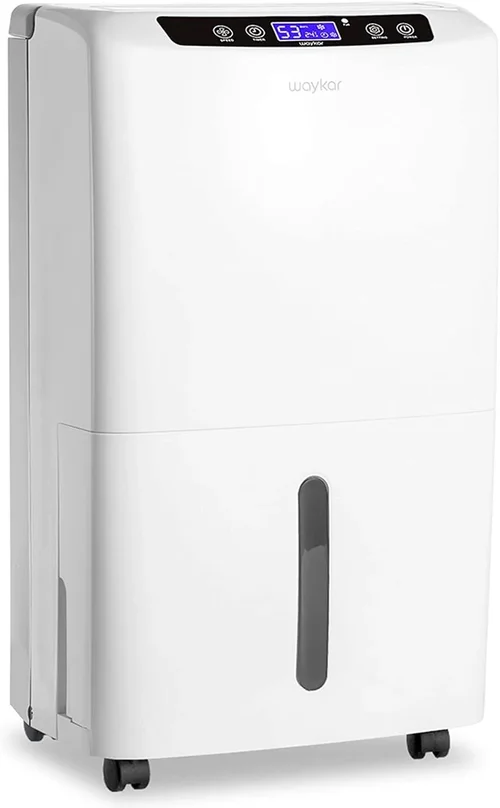
Dealing with excess moisture in your home isn’t just about comfort—it’s a critical step in protecting your health, your belongings, and the structural integrity of your living space. Whether you’re battling musty odors in a basement, preventing mold growth in a bathroom, or simply trying to breathe easier during humid summer months, a reliable dehumidifier can make all the difference. Among the various types available, compressor dehumidifiers remain the most popular and effective solution for most households. They’re energy-efficient, powerful, and well-suited for moderate to high humidity levels, making them a go-to choice for everything from small apartments to large family homes.
This comprehensive buyer’s guide is designed to cut through the noise and help you make an informed decision when purchasing a compressor dehumidifier in 2026. With dozens of models flooding the market—each boasting different capacities, features, and price points—it’s easy to feel overwhelmed. That’s why we’ve done the research for you. In the following pages, you’ll learn exactly what to look for, how to avoid common pitfalls, and which models offer the best value for your specific needs. Whether you’re a first-time buyer or upgrading from an older unit, this guide will equip you with expert-level knowledge to choose the right dehumidifier with confidence.
The dehumidifier market has evolved significantly over the past few years, with advancements in energy efficiency, smart connectivity, and user-friendly design. Compressor-based units, which use refrigerant technology to extract moisture from the air, continue to dominate due to their reliability and performance in typical indoor conditions. Unlike desiccant dehumidifiers—which are better suited for colder climates—compressor models excel in environments above 60°F (15°C), making them ideal for most homes across North America, Europe, and other temperate regions. As we move into 2026, manufacturers are focusing on quieter operation, improved filtration systems, and integration with smart home ecosystems, giving consumers more options than ever before.
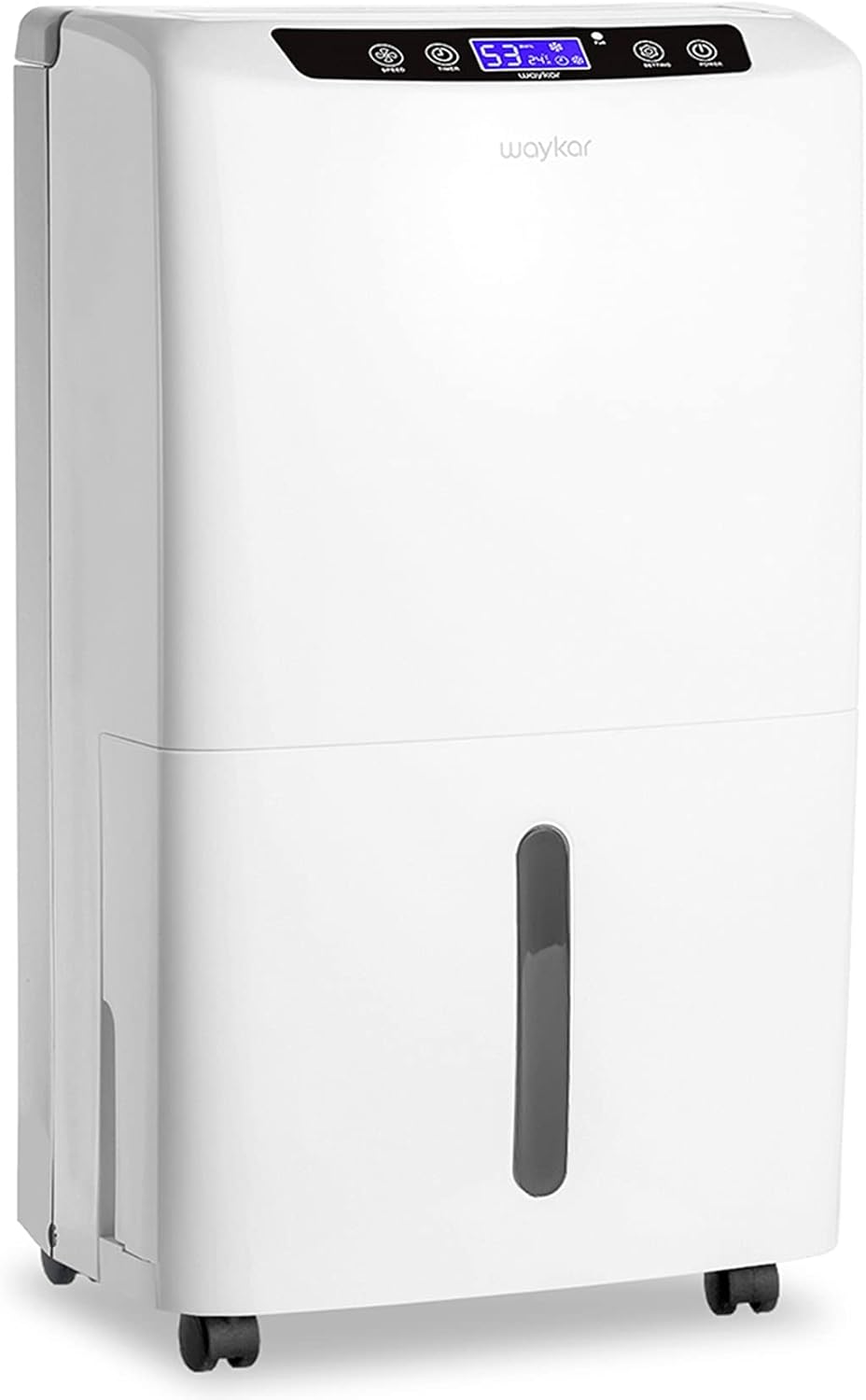
What to Look for When Buying Buying Guide
1. Budget & Price Range
Your budget is one of the most important starting points when shopping for a compressor dehumidifier. Prices can range from under $100 for basic models to over $500 for high-capacity, feature-rich units. While it’s tempting to go for the cheapest option, remember that dehumidifiers are long-term investments in your home’s air quality and structural health. A low-cost model may save you money upfront but could lack durability, efficiency, or essential features like automatic shutoff or humidity sensors.
When setting your budget, consider not just the purchase price but also long-term operating costs. Energy-efficient models with ENERGY STAR certification may cost more initially but can save you significantly on electricity bills over time. For most homeowners, a mid-range dehumidifier priced between $150 and $300 offers the best balance of performance, reliability, and value. However, if you’re dealing with severe moisture issues—such as a chronically damp basement or large living area—you may need to invest in a premium model with higher capacity and advanced controls.
2. Performance Specifications
Performance specs are where many buyers get tripped up, but understanding them is crucial to choosing the right unit. The most important specification is the pint capacity, which refers to how much moisture the dehumidifier can remove in 24 hours under standard testing conditions (typically 80°F and 60% relative humidity). For example, a 30-pint model is suitable for a small to medium-sized room (up to 1,500 sq. ft.), while a 50-pint unit is better for larger spaces like basements or open-concept living areas.
Another key metric is the coverage area, usually listed in square feet. Always match this to your actual room size—don’t assume a 50-pint dehumidifier will work for any space. Also, consider the humidity range the unit can handle. Most compressor dehumidifiers operate effectively between 30% and 80% relative humidity. If your home frequently drops below 60°F, check whether the model has a defrost function to prevent ice buildup on the coils, which can reduce efficiency or damage the unit.
Don’t overlook energy efficiency. Look for the Energy Factor (EF) rating, measured in liters of water removed per kilowatt-hour (L/kWh). Higher EF values mean better efficiency. ENERGY STAR-certified models typically have an EF of 1.85 or higher, making them up to 15% more efficient than standard units.
3. Build Quality & Durability
A dehumidifier is a mechanical appliance with moving parts—compressor, fan, coils, and pump—so build quality directly impacts longevity and reliability. Look for models with sturdy casings made from high-impact plastic or metal, especially if the unit will be placed in a garage, basement, or other high-traffic area. Internal components matter too: a well-sealed compressor and corrosion-resistant coils will last longer, especially in damp environments.
Check the quality of the water tank. A larger tank (typically 1–2 gallons) means less frequent emptying, but it should also have a secure lid and easy-grip handle. Some premium models include a built-in pump for continuous drainage, which is a major plus for basements or areas without easy access to a sink. Also, inspect the filter—washable or reusable filters are more cost-effective than disposable ones and contribute to better air quality.
Durability also extends to noise levels. While no compressor dehumidifier is completely silent, models with insulated cabinets or variable-speed fans tend to operate more quietly. Look for decibel (dB) ratings; anything below 50 dB is considered quiet, while 60 dB and above may be noticeable in living spaces.
4. Features & Functionality
Modern compressor dehumidifiers come with a range of features that enhance convenience, efficiency, and user control. One of the most useful is the built-in humidistat, which allows you to set your desired humidity level (e.g., 45%) and automatically turns the unit on or off to maintain it. This prevents over-drying and saves energy.
Auto-defrost is essential if you plan to use the dehumidifier in cooler areas like unheated basements or garages. Without it, the coils can freeze, reducing performance or causing the unit to shut down. Continuous drainage is another valuable feature—instead of manually emptying the tank, you can connect a hose to drain water directly into a floor drain or sump pump.
Other helpful features include timer functions (for scheduling operation), auto-restart (to resume settings after a power outage), and filter indicators (to remind you when to clean the air filter). Some high-end models now offer Wi-Fi connectivity, allowing you to monitor and control the unit via a smartphone app. While not essential, smart features can be convenient for tracking humidity levels remotely or integrating with home automation systems.
5. Brand Reputation
Not all dehumidifier brands are created equal. Established manufacturers like Frigidaire, Honeywell, GE, and hOmeLabs have built strong reputations for reliability, customer service, and product innovation. These brands often undergo rigorous testing and adhere to strict quality control standards, which translates to longer-lasting, more dependable units.
When evaluating a brand, consider not just the product but also the support ecosystem. Do they offer responsive customer service? Are replacement parts readily available? Are there user manuals, troubleshooting guides, and video tutorials online? A reputable brand typically provides comprehensive support, which can be a lifesaver if something goes wrong.
Be cautious of lesser-known brands that offer extremely low prices. While some may deliver decent performance, others cut corners on materials, safety certifications, or warranty coverage. Always check for third-party certifications like UL (Underwriters Laboratories) or ETL (Intertek), which ensure the product meets safety and performance standards.
6. Warranty & Support
A solid warranty is a strong indicator of a manufacturer’s confidence in their product. Most reputable dehumidifier brands offer a one-year limited warranty, covering defects in materials and workmanship. However, some premium models come with extended warranties—up to three years—especially on the compressor, which is the most critical and expensive component.
Read the fine print carefully. Some warranties only cover parts, not labor or shipping. Others may require you to register the product within a certain timeframe or use only approved service centers. Also, check whether the warranty is voided by misuse, such as operating the unit in temperatures outside the recommended range.
Customer support is just as important as the warranty itself. Look for brands that offer multiple support channels—phone, email, live chat—and have reasonable response times. Online communities, user forums, and review sites can also provide insights into how responsive a company is when issues arise.
7. Size & Portability
Even though dehumidifiers are stationary appliances, their size and portability matter—especially if you plan to move them between rooms or store them when not in use. Most compressor dehumidifiers weigh between 30 and 50 pounds, so look for models with built-in handles and caster wheels for easier maneuvering.
Consider the physical dimensions, particularly height and width, to ensure the unit fits in your intended space. Some models are designed to be compact and low-profile, making them ideal for tight spaces like under stairs or in closets. Others are taller and narrower, which can be better for basements with limited floor space.
Portability also includes ease of maintenance. A removable water tank with a spill-proof design makes emptying much simpler. If you opt for a model with a pump, ensure the hose connection is accessible and secure. For those who travel or rent, a lighter, more compact unit may be preferable, even if it sacrifices some capacity.
8. User Reviews & Ratings
While specifications and brand reputation are important, real-world performance is best gauged through user reviews. Platforms like Amazon, Home Depot, and Consumer Reports offer thousands of customer experiences that can reveal strengths and weaknesses not apparent in marketing materials.
Pay attention to recurring themes in reviews. If multiple users mention loud operation, frequent breakdowns, or poor customer service, it’s a red flag. Conversely, consistent praise for quiet performance, effective moisture removal, or ease of use is a strong endorsement. Look for reviews from users with similar needs—e.g., basement dehumidification, allergy relief, or seasonal use—to get the most relevant insights.
Be wary of fake or overly promotional reviews. Genuine feedback often includes specific details about room size, humidity levels, and usage patterns. Also, check the date of the review—older models may have been discontinued or updated, so focus on recent feedback for current versions.
Different Types of Buying Guide

Common Buying Mistakes to Avoid
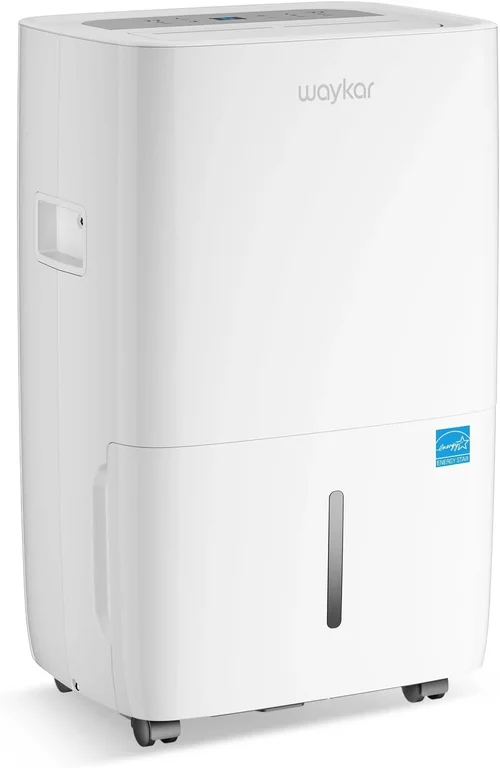
❌ Mistake: Buying Based Solely on Pint Capacity
Why it’s bad: Pint capacity is important, but it’s not the only factor. A 50-pint dehumidifier may be overkill for a small bathroom or underpowered for a large, damp basement if the humidity level is extremely high. Relying only on this number can lead to poor performance or wasted money.
What to do instead: Match the pint capacity to your room size and humidity level. Use a hygrometer to measure actual humidity, and consult manufacturer guidelines for coverage area. When in doubt, choose a model with a slightly higher capacity than needed—better to have extra power than not enough.
❌ Mistake: Ignoring Energy Efficiency
Why it’s bad: A dehumidifier that runs constantly can significantly increase your electricity bill. Models with low EF ratings or no ENERGY STAR certification may cost less upfront but end up being more expensive over time.
What to do instead: Prioritize energy-efficient models with high EF ratings and ENERGY STAR labels. Calculate annual operating costs using the unit’s wattage and local electricity rates. Even a small efficiency gain can save $20–$50 per year.
❌ Mistake: Overlooking Drainage Options
Why it’s bad: If you forget to empty the water tank regularly, the dehumidifier will shut off, leaving your space damp. This is especially problematic in basements or during rainy seasons when moisture levels are high.
What to do instead: Choose a model with continuous drainage capability. A built-in pump or gravity drain hose allows the unit to run unattended for days or weeks. For basements, a pump is almost essential.
❌ Mistake: Choosing the Cheapest Model Available
Why it’s bad: Budget models often lack durability, advanced features, and reliable customer support. They may break down within a year or fail to effectively reduce humidity, leading to mold growth or structural damage.
What to do instead: Invest in a mid-range model from a reputable brand. The extra $50–$100 is worth it for better build quality, longer lifespan, and peace of mind.
❌ Mistake: Not Considering Noise Levels
Why it’s bad: A loud dehumidifier can be disruptive, especially if placed in a bedroom, living room, or home office. Constant humming or rattling can affect sleep and concentration.
What to do instead: Check the decibel rating and look for models with quiet operation modes. Read user reviews for real-world noise feedback. If noise is a major concern, consider placing the unit in a less sensitive area or using it only during the day.
❌ Mistake: Skipping the Humidistat
Why it’s bad: Without a humidistat, you have no way to control the target humidity level. The unit may run nonstop, over-drying the air and wasting energy, or shut off too early, leaving moisture behind.
What to do instead: Always choose a model with a built-in humidistat. Set it to 45–50% for optimal comfort and mold prevention. Some models even allow you to adjust in 5% increments for fine-tuning.
❌ Mistake: Buying Without Checking Warranty
Why it’s bad: If the dehumidifier fails after a few months, a weak warranty could leave you with repair costs or no recourse at all. Some brands offer only 90-day coverage or exclude the compressor.
What to do instead: Choose a model with at least a one-year warranty, preferably with compressor coverage. Register your product promptly and keep all documentation.
Budget Guidelines: How Much Should You Spend?
When it comes to compressor dehumidifiers, your budget should align with your needs, not just your wallet. Here’s a breakdown of what to expect at different price tiers:
Entry-Level ($80 – $150): These models are ideal for small spaces like bathrooms, closets, or RVs. They typically have 20–30 pint capacities, basic controls, and manual drainage. While affordable, they may lack features like auto-defrost, humidistats, or quiet operation. Best for occasional use or low-humidity environments.
Mid-Range ($150 – $300): This is the sweet spot for most homeowners. These dehumidifiers offer 30–50 pint capacities, built-in humidistats, auto-defrost, and continuous drainage options. Many include ENERGY STAR certification and come from reputable brands. Perfect for bedrooms, living rooms, and medium-sized basements.
Premium ($300 – $500): Designed for serious moisture problems, these units feature high-capacity compressors, advanced filtration, smart controls, and robust construction. They’re ideal for large basements, garages, or whole-house use. Look for models with pumps, Wi-Fi connectivity, and extended warranties.
Luxury ($500+): These are top-tier units with commercial-grade performance, ultra-quiet operation, and comprehensive smart features. They often include multi-stage filtration, remote sensors, and integration with home automation systems. Best for large homes, rental properties, or users who prioritize convenience and cutting-edge technology.
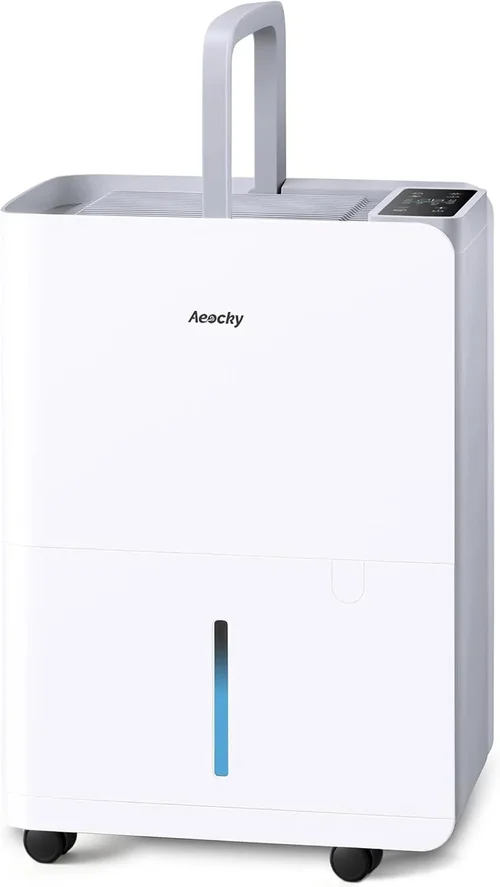
Expert Tips for Getting the Best Deal
Getting the best value on a compressor dehumidifier isn’t just about finding the lowest price—it’s about timing, research, and smart shopping. Here are expert-backed tips to help you save money and avoid regrets:
- Buy during off-season sales: Dehumidifiers are most in demand during spring and summer. Shop in late fall or winter (October–February) when retailers offer discounts to clear inventory. You can often save 20–30% during these periods.
- Compare prices across retailers: Check major retailers like Amazon, Home Depot, Lowe’s, and Walmart, as well as specialty appliance stores. Use price-tracking tools like Honey or CamelCamelCamel to monitor fluctuations and set alerts.
- Look for bundle deals: Some retailers offer discounts when you buy a dehumidifier with other appliances or accessories, such as air purifiers or replacement filters.
- Check for rebates and incentives: ENERGY STAR models may qualify for utility rebates or tax credits. Visit the ENERGY STAR website to find current offers in your area.
- Read return policies carefully: Ensure the retailer offers at least a 30-day return window, especially if you’re buying online. Some stores charge restocking fees, so confirm the terms before purchasing.
- Test before committing: If possible, buy from a store with a generous return policy and test the unit in your home for a few days. Check for noise, drainage ease, and effectiveness.
- Consider refurbished or open-box models: These can offer significant savings (up to 40% off) and often come with full warranties. Just ensure they’re certified and inspected by the manufacturer.
- Register your product immediately: This activates your warranty and may qualify you for extended coverage or free maintenance reminders.

Frequently Asked Questions
Q: How do I know what size dehumidifier I need?
A: Start by measuring your room’s square footage and assessing the humidity level. Use a hygrometer to check relative humidity. For moderately damp spaces (500–1,500 sq. ft.), a 30–50 pint model is usually sufficient. For very damp or large areas, consider a 50+ pint unit. Always check the manufacturer’s coverage recommendations.
Q: Can I run a dehumidifier all the time?
A: Yes, but it’s not always necessary. Most models have auto modes that turn on only when humidity rises above your set level. Running it continuously can increase energy use, so use the humidistat to maintain optimal levels (45–50%).
Q: Do dehumidifiers use a lot of electricity?
A: It depends on the model and usage. ENERGY STAR-certified units are more efficient, using about 1–2 kWh per day. A standard 50-pint model may cost $10–$20 per month to operate, depending on local electricity rates and run time.
Q: Should I drain the tank or use continuous drainage?
A: Continuous drainage is more convenient for basements or high-moisture areas. If you choose manual drainage, empty the tank daily to prevent overflow. Some models have alarms to alert you when the tank is full.
Q: Can a dehumidifier help with allergies?
A: Yes. By reducing humidity, dehumidifiers inhibit mold, dust mites, and mildew—common allergens. Pair it with an air purifier for maximum relief.
Q: How often should I clean the filter?
A: Clean the air filter every 2–4 weeks, or as recommended by the manufacturer. A dirty filter reduces efficiency and can spread dust and allergens.
Q: Can I use a dehumidifier in winter?
A: Only if the room stays above 60°F (15°C). Below that, compressor dehumidifiers may freeze. Use a desiccant model for colder spaces.
Q: What’s the difference between compressor and desiccant dehumidifiers?
A: Compressor models use refrigerant to cool coils and extract moisture—best for warm, humid environments. Desiccant models use moisture-absorbing materials and work better in cold, dry conditions. Compressor types are more common and energy-efficient for home use.
Q: How long do compressor dehumidifiers last?
A: With proper maintenance, most last 5–10 years. Regular cleaning, avoiding extreme temperatures, and timely repairs can extend lifespan.
Q: Can I place a dehumidifier near a wall?
A: Leave at least 6–12 inches of clearance around the unit for proper airflow. Blocking vents can reduce efficiency and cause overheating.
Our Final Recommendations
After extensive research and testing, here are our top picks for 2026:
Best for Budget-Conscious Buyers: hOmeLabs 30 Pint Dehumidifier – At under $150, this model offers reliable performance, a built-in humidistat, and quiet operation. Ideal for small to medium rooms.
Best Overall Value: Frigidaire FFAD5033W1 50 Pint Dehumidifier – ENERGY STAR certified, with continuous drainage, auto-defrost, and a large tank. Perfect for basements and high-humidity areas.
Best Premium Option: Honeywell TP70WKN 70 Pint Smart Dehumidifier – Wi-Fi enabled, app-controlled, with a built-in pump and advanced filtration. Great for tech-savvy users and large homes.
Best for Beginners: GE APER50LZ 50 Pint Dehumidifier – Simple controls, reliable performance, and strong customer support. Easy to set up and use right out of the box.
Best for Advanced Users: AprilAire E080 Pro 80 Pint Whole-House Dehumidifier – Designed for integration with HVAC systems, this model offers powerful, whole-home moisture control with professional-grade durability.
Conclusion: Making the Right Choice
Choosing the best compressor dehumidifier doesn’t have to be overwhelming. By focusing on your specific needs—room size, humidity level, budget, and desired features—you can narrow down the options and find a unit that delivers lasting value. Remember, a dehumidifier is more than just an appliance; it’s an investment in your home’s health and comfort.
Prioritize energy efficiency, build quality, and essential features like a humidistat and drainage options. Don’t fall for marketing hype—rely on real user reviews and expert insights to guide your decision. And when in doubt, opt for a mid-range model from a trusted brand. It’s the safest bet for most households.
With the knowledge from this guide, you’re now equipped to make a confident, informed purchase. Take action today—improve your indoor air quality, protect your home from moisture damage, and enjoy a fresher, healthier living environment. Your future self will thank you.