
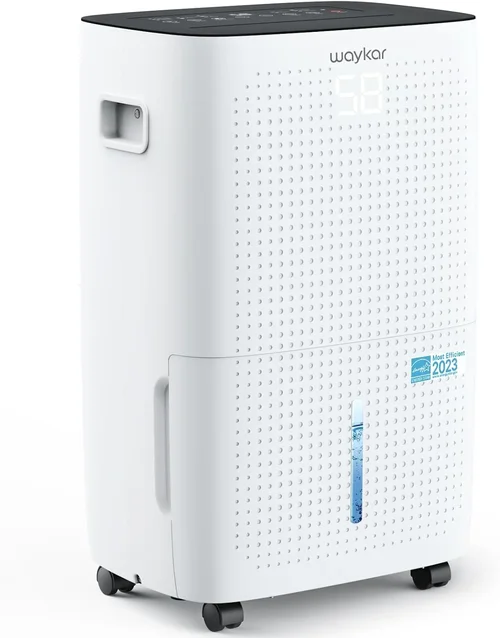
When it comes to maintaining a comfortable, healthy home environment, few appliances are as quietly essential as the dehumidifier. Whether you’re battling persistent dampness in your basement, trying to prevent mold growth in a humid climate, or simply looking to improve indoor air quality, choosing the right dehumidifier can make a world of difference. Yet, with dozens of models flooding the market—each boasting different capacities, features, and price points—it’s easy to feel overwhelmed. That’s where this comprehensive buyer’s guide comes in.
In this detailed review, we’ll walk you through everything you need to know to make an informed decision in 2026. From understanding key performance metrics like pint capacity and energy efficiency, to comparing different types of dehumidifiers and avoiding common purchasing pitfalls, this guide is designed to equip you with expert-level knowledge. We’ll also break down budget considerations, highlight top-performing models across various categories, and answer frequently asked questions based on real-world usage. By the end, you’ll not only know what to look for—but exactly which dehumidifier best fits your unique needs.
The dehumidifier market has evolved significantly over the past few years. Advances in compressor technology, smart home integration, and eco-friendly refrigerants have made modern units more efficient, quieter, and smarter than ever before. Brands like Frigidaire, hOmeLabs, GE, and AprilAire continue to dominate the space, but newer entrants like Midea and Tosot are gaining traction with innovative designs and competitive pricing. Whether you need a compact unit for a small bathroom or a heavy-duty machine for a sprawling basement, there’s a model tailored to your situation. Our goal is to cut through the noise and help you find the best dehumidifier for your home—without overspending or compromising on performance.

What to Look for When Buying Buying Guide
1. Pint Capacity & Room Size Compatibility
One of the most critical factors when selecting a dehumidifier is its pint capacity—the amount of moisture it can remove from the air in 24 hours under standard testing conditions (typically 60% relative humidity at 80°F). This number directly correlates with the size of the space you intend to dehumidify. Choosing a unit that’s too small will result in ineffective moisture control, while an oversized model may cycle on and off too frequently, wasting energy and potentially over-drying the air.
For reference, a 30-pint dehumidifier is generally suitable for spaces up to 500–700 square feet, such as a medium-sized basement or large bedroom. A 50-pint model handles areas up to 1,000–1,200 square feet, ideal for open-concept living areas or finished basements. For larger spaces or extremely damp environments (like crawl spaces after flooding), consider 70-pint or higher units. Always check the manufacturer’s recommended coverage area, but also factor in local climate—homes in Florida or the Pacific Northwest may need a higher-capacity unit than those in drier regions like Arizona.
2. Energy Efficiency & Operating Costs
Dehumidifiers run for hours each day, so energy consumption directly impacts your utility bill. Look for models with the ENERGY STAR® certification, which indicates they meet strict efficiency guidelines set by the U.S. Environmental Protection Agency. ENERGY STAR-certified dehumidifiers use about 15% less energy than standard models, saving you money over time.
Pay attention to the Energy Factor (EF), measured in liters of water removed per kilowatt-hour (L/kWh). Higher EF values mean greater efficiency. For example, a unit with an EF of 1.8 removes 1.8 liters of moisture per kWh, while one with 2.2 does significantly more work for the same energy input. Also consider annual operating costs—many manufacturers provide estimates based on average usage. A mid-range 50-pint model might cost $50–$70 per year to run, whereas less efficient units could double that expense.
3. Noise Level & Placement Flexibility
Nobody wants a noisy appliance disrupting their sleep or conversation. Dehumidifier noise is measured in decibels (dB), with most residential units ranging from 45 dB to 60 dB. For perspective, 45 dB is comparable to a quiet library, while 60 dB resembles normal conversation. If you plan to place the unit in a bedroom, home office, or nursery, aim for models under 50 dB.
Fan speed settings also affect noise. Many modern dehumidifiers offer multiple fan speeds—low for quiet operation at night, high for faster drying during the day. Some premium models even include “sleep mode” or “night mode” that reduces fan speed and dims indicator lights. Additionally, consider placement: units with top-mounted controls and handles are easier to move and position, especially in tight spaces like basements or closets.
4. Drainage Options & Maintenance Requirements
All dehumidifiers collect water, but how they handle it varies. Most come with a built-in bucket that needs manual emptying every 12–24 hours, depending on humidity levels. While convenient for occasional use, this can be tedious in high-moisture environments. Look for models with continuous drainage options—either via a built-in pump or a hose connection. A gravity drain hose (usually ⅝” or ¾” diameter) allows you to route water directly to a floor drain, sump pump, or outside, eliminating the need to empty the bucket.
Pump-equipped models are especially useful for basements without floor drains, as they can push water vertically (up to 15 feet in some cases). However, pumps add complexity and cost. Maintenance also includes filter cleaning—most units have washable air filters that should be rinsed monthly to maintain airflow and efficiency. Some high-end models feature auto-restart after power outages and filter change indicators, reducing user effort.
5. Smart Features & Automation
The rise of smart home technology has transformed dehumidifiers from basic appliances into connected devices. Wi-Fi-enabled models allow you to monitor and control humidity levels remotely via smartphone apps (often compatible with Amazon Alexa or Google Assistant). You can set custom schedules, receive alerts when the bucket is full, or adjust settings based on real-time weather data.
Other automation features include built-in humidistats that maintain your desired humidity level (typically adjustable between 30% and 80%), auto-defrost for cold-weather operation (down to 41°F), and automatic shutoff when the bucket is full. These features not only enhance convenience but also prevent overflow and optimize performance. While smart capabilities add to the price, they’re invaluable for busy households or vacation homes where constant monitoring isn’t feasible.
6. Build Quality & Durability
A dehumidifier is a long-term investment, so durability matters. Look for units with sturdy casings (preferably metal or high-impact plastic), sealed compressors, and corrosion-resistant coils—especially if you live near the coast or in a high-humidity area. Internal components should be well-protected against dust and moisture ingress.
Check user reviews for reports of leaks, compressor failures, or premature wear. Reputable brands often use higher-grade materials and rigorous testing protocols. Also consider the warranty: a longer coverage period (3–5 years on the compressor) typically reflects confidence in build quality. Avoid ultra-cheap models from unknown brands—they may save you money upfront but often fail within a year or two.
7. Portability & Design
Even if you plan to keep your dehumidifier in one spot, portability is still important. Look for models with recessed handles, smooth-rolling casters, and a compact footprint. Weight matters too—most 50-pint units weigh 35–45 pounds, so ensure you can lift and move them safely. Some models feature vertical designs that fit neatly in corners, while others have horizontal profiles ideal for under counters or in closets.
Aesthetics may seem secondary, but a sleek, modern design blends better into living spaces. Many newer models come in neutral colors (white, gray, black) with minimalist control panels. Avoid overly bulky or industrial-looking units unless you’re placing them in a garage or utility room.
8. Brand Reputation & Customer Support
Not all dehumidifier brands are created equal. Established names like Frigidaire, GE, and Whirlpool have decades of experience and reliable customer service networks. Newer brands like hOmeLabs and Tosot offer excellent value but may have limited service centers. Research warranty terms, return policies, and availability of replacement parts before buying.
Read verified customer reviews on trusted platforms like Amazon, Home Depot, or Consumer Reports. Pay attention to comments about reliability, ease of setup, and responsiveness of support teams. A brand with a strong reputation for post-purchase support can save you headaches if something goes wrong.
Different Types of Buying Guide
Common Buying Mistakes to Avoid
❌ Mistake: Ignoring Room Size and Humidity Level
Why it’s bad: Buying a dehumidifier based solely on price or brand without considering your space’s square footage and moisture severity often leads to underperformance. A 30-pint unit in a flooded basement will struggle to keep up, resulting in persistent dampness and potential mold growth.
What to do instead: Measure your room and assess humidity using a hygrometer (available for under $20). Match these readings to the manufacturer’s capacity recommendations. When in doubt, choose a model rated for a slightly larger area.
❌ Mistake: Overlooking Drainage Needs
Why it’s bad: If you forget to empty the water bucket daily, your dehumidifier stops working—and you may not notice until mold starts forming. This is especially problematic in unattended spaces like basements or vacation homes.
What to do instead: Opt for a model with a continuous drain hose option or built-in pump. Even if you don’t use it immediately, having the capability future-proofs your purchase.
❌ Mistake: Prioritizing Low Price Over Long-Term Value
Why it’s bad: Ultra-cheap dehumidifiers often use inferior compressors and lack safety features, leading to frequent breakdowns and higher energy bills. The initial savings vanish within a year.
What to do instead: Focus on total cost of ownership—including energy efficiency, warranty length, and expected lifespan. A $250 ENERGY STAR model may save you $100+ over five years compared to a $120 bargain bin unit.
❌ Mistake: Neglecting Noise Levels for Bedroom Use
Why it’s bad: A loud dehumidifier can disrupt sleep, reduce concentration, and become a household annoyance. Many buyers regret not checking decibel ratings before purchasing.
What to do instead: Always verify noise levels in product specs or reviews. Choose models under 50 dB for bedrooms or quiet zones. Look for “quiet mode” or variable fan speeds.
❌ Mistake: Assuming All “50-Pint” Units Are Equal
Why it’s bad: Pint ratings are measured under standardized lab conditions (80°F, 60% RH). Real-world performance varies based on temperature, airflow, and compressor quality. Two 50-pint units can perform very differently in your basement.
What to do instead: Read independent reviews and look for real-user feedback on performance in similar environments. Pay attention to Energy Factor (EF) and user-reported moisture removal rates.
❌ Mistake: Skipping the Warranty Check
Why it’s bad: Dehumidifier compressors are expensive to repair or replace. A short or limited warranty leaves you vulnerable to costly repairs after the first year.
What to do instead: Choose brands offering at least a 2-year full warranty and 5-year compressor coverage. Register your product promptly to activate extended terms.
❌ Mistake: Not Considering Future Needs
Why it’s bad: Buying a small unit “just for now” may require an upgrade sooner than expected—especially if you finish your basement or move to a more humid region.
What to do instead: Think long-term. If you plan major renovations or live in a high-humidity area, invest in a slightly larger capacity or smart features you can grow into.
Budget Guidelines: How Much Should You Spend?
Entry-Level ($80–$150): These compact units are ideal for small spaces like closets, RVs, or bathrooms. Expect basic functionality—manual bucket emptying, limited capacity (20–30 pints), and minimal features. While affordable, they’re best suited for mild humidity issues and short-term use. Look for models from Tosot or Ivation in this range.
Mid-Range ($150–$300): This is the sweet spot for most homeowners. You’ll find reliable 30–50 pint models with ENERGY STAR certification, continuous drain options, auto-restart, and quieter operation. Brands like hOmeLabs, Frigidaire, and GE dominate this category. These units offer excellent balance between price, performance, and durability—perfect for basements, large bedrooms, or living areas.
Premium ($300–$500): Designed for demanding environments, premium dehumidifiers boast higher capacities (50–70+ pints), advanced controls, Wi-Fi connectivity, and robust build quality. Models like the Frigidaire FFAD7033R1 or hOmeLabs HME020034N offer smart features, pumps, and superior energy efficiency. Ideal for large basements, crawl spaces, or tech-savvy users.
Luxury ($500+): Whole-house systems and professional-grade units fall here. These are typically ducted, require installation, and integrate with HVAC systems. Brands like AprilAire and Santa Fe offer solutions for entire homes, with capacities exceeding 100 pints and advanced humidity zoning. Best for new constructions, high-end renovations, or extreme climates.
Expert Tips for Getting the Best Deal
1. Shop During Off-Seasons: Dehumidifier demand peaks in summer. Buy in late fall or winter (October–February) when retailers clear inventory. You can save 20–30% on last year’s models.
2. Compare Retailers: Check prices across Amazon, Home Depot, Lowe’s, and Costco. Online retailers often offer better deals, but big-box stores provide in-person support and easier returns.
3. Look for Bundle Deals: Some sellers include free hoses, filters, or extended warranties with purchase. These add-ons can save $30–$50 in the long run.
4. Use Price Tracking Tools: Set alerts on CamelCamelCamel (for Amazon) or Honey to monitor price drops. Many models fluctuate by $20–$40 weekly.
5. Read Return Policies Carefully: Ensure the retailer allows returns within 30–60 days, especially for large appliances. Some charge restocking fees—avoid these when possible.
6. Test Before Committing: If buying in-store, ask to see a demo unit. Listen to the noise level and check control layout. For online purchases, rely on video reviews and unboxing footage.
7. Register for Manufacturer Rebates: Some utility companies offer rebates for ENERGY STAR appliances. Check your local provider’s website—you could get $25–$100 back.
8. Consider Refurbished Models: Certified refurbished units from reputable sellers (like Amazon Renewed or manufacturer outlets) often come with full warranties at 20–40% off retail.

Frequently Asked Questions
Q: How often should I run my dehumidifier?
A: Run it continuously during high-humidity periods (summer, rainy seasons) or set it to maintain 40–50% relative humidity using the built-in humidistat. In moderate climates, 8–12 hours per day may suffice.
Q: Can a dehumidifier help with allergies?
A: Yes! By reducing moisture, dehumidifiers inhibit mold, dust mites, and mildew—common allergens. Maintaining humidity below 50% significantly improves indoor air quality for allergy sufferers.
Q: Will a dehumidifier lower my air conditioning bill?
A: Indirectly, yes. Lower humidity makes air feel cooler, allowing you to raise your thermostat by 2–4°F without sacrificing comfort—potentially saving 10–15% on cooling costs.
Q: Do I need a dehumidifier in winter?
A: Only if you have persistent dampness (e.g., in a basement or crawl space). Most refrigerant dehumidifiers struggle below 65°F. Use a desiccant model for cold-weather applications.
Q: How do I clean my dehumidifier?
A: Unplug the unit, remove and rinse the air filter monthly, wipe the bucket with mild soap, and vacuum dust from vents. Never use harsh chemicals near electrical components.
Q: What’s the ideal humidity level for my home?
A: Between 30% and 50%. Below 30% can cause dry skin and static; above 50% promotes mold and dust mites. Use a hygrometer to monitor levels.
Q: Can I use a dehumidifier in an unheated garage?
A: Only if it’s a desiccant or low-temperature model rated for 41°F or below. Standard compressor units may freeze or fail in cold environments.
Q: How long do dehumidifiers last?
A: With proper maintenance, most last 5–7 years. High-quality models with metal coils and sealed compressors can exceed 10 years.
Q: Is it safe to leave a dehumidifier on overnight?
A: Yes, as long as it has auto-shutoff, tip-over protection, and is placed on a stable surface. Modern units are designed for continuous, safe operation.
Q: Should I buy a dehumidifier with a pump?
A: If you can’t gravity-drain to a floor drain, a pump is essential—especially in basements. It allows vertical drainage up to 15 feet, giving you placement flexibility.
Our Final Recommendations
Best for Budget-Conscious Buyers: Tosot 30 Pint Dehumidifier – At under $150, it offers reliable performance, quiet operation (48 dB), and a washable filter. Perfect for small to medium rooms without breaking the bank.
Best Overall Value: hOmeLabs 50 Pint Dehumidifier – Combines 50-pint capacity, ENERGY STAR efficiency, continuous drain, and a sleek design under $250. Consistently top-rated for basements and large spaces.
Best Premium Option: Frigidaire FFAD7033R1 70 Pint Smart Dehumidifier – Wi-Fi enabled, pump included, and ultra-quiet (47 dB). Ideal for tech lovers and large, damp areas. Priced around $450 but worth every penny.
Best for Beginners: GE APER50LZ 50 Pint Dehumidifier – Simple controls, reliable performance, and excellent customer support. Great for first-time buyers who want hassle-free operation.
Best for Advanced Users: AprilAire E080 Pro 80 Pint Whole-House Dehumidifier – Ductable, professional-grade, and built for entire homes. Requires installation but delivers unmatched performance in extreme conditions.
Conclusion: Making the Right Choice
Choosing the best dehumidifier isn’t just about picking the highest capacity or the lowest price—it’s about matching the right tool to your specific environment, lifestyle, and long-term needs. From understanding pint ratings and energy efficiency to avoiding common pitfalls and leveraging smart features, this guide has equipped you with the knowledge to make a confident, informed decision.
Remember: the ideal dehumidifier quietly works behind the scenes to protect your home from mold, improve air quality, and enhance comfort. Whether you’re dealing with a damp basement, a humid climate, or seasonal allergies, investing in the right model pays dividends in health, savings, and peace of mind. Take the time to assess your space, prioritize must-have features, and choose a reputable brand with strong support. Your home—and your family—will thank you.
Now that you’re armed with expert insights, it’s time to take action. Compare your top contenders, check current deals, and make your purchase with confidence. A drier, healthier home is just one smart decision away.