
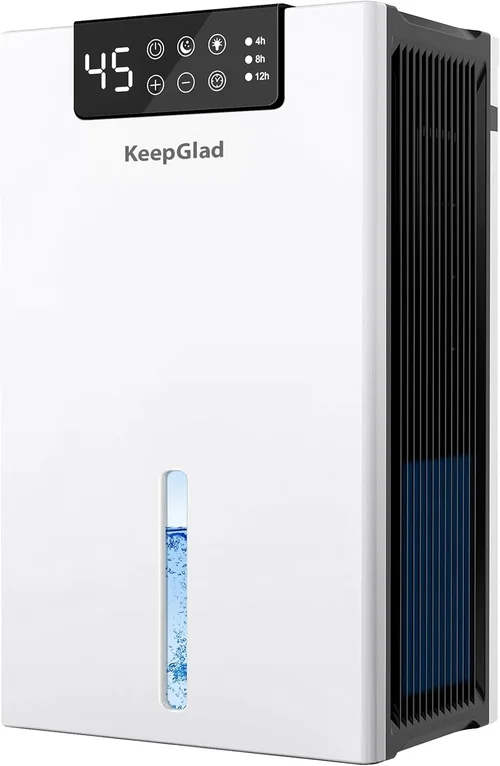
When it comes to maintaining a healthy, comfortable home environment, few appliances are as quietly essential as the dehumidifier. Whether you’re battling musty basements, combating mold growth in humid climates, or simply trying to improve indoor air quality during sticky summer months, a reliable dehumidifier can make a world of difference. Yet, with dozens of models available at major retailers like Lowe’s—each boasting different capacities, features, and price points—choosing the right one can feel overwhelming. That’s where this comprehensive buying guide comes in.
In this expert-level review, we’ll walk you through everything you need to know to select the best dehumidifier available at Lowe’s in 2026. From understanding key performance metrics like pint capacity and energy efficiency to evaluating smart features, build quality, and long-term reliability, we’ve done the research so you don’t have to. Whether you’re a first-time buyer or upgrading from an older model, this guide will equip you with the knowledge to make a confident, informed decision. We’ll also highlight common pitfalls, budget considerations, and insider tips to help you get the most value for your money—without falling for marketing hype or overspending on features you don’t need.
The dehumidifier market has evolved significantly in recent years. Energy-efficient compressors, Wi-Fi connectivity, auto-defrost capabilities, and sleek, portable designs are now standard even in mid-tier models. Lowe’s, as one of the nation’s leading home improvement retailers, offers a curated selection from trusted brands like Frigidaire, GE, Honeywell, and hOmeLabs—making it a convenient one-stop shop for both in-store browsing and online ordering. But convenience doesn’t always mean clarity. With so many options, it’s easy to get lost in specs, confusing labels, and exaggerated claims. Our goal is to cut through the noise and deliver a practical, no-nonsense guide that prioritizes real-world performance, durability, and user experience.
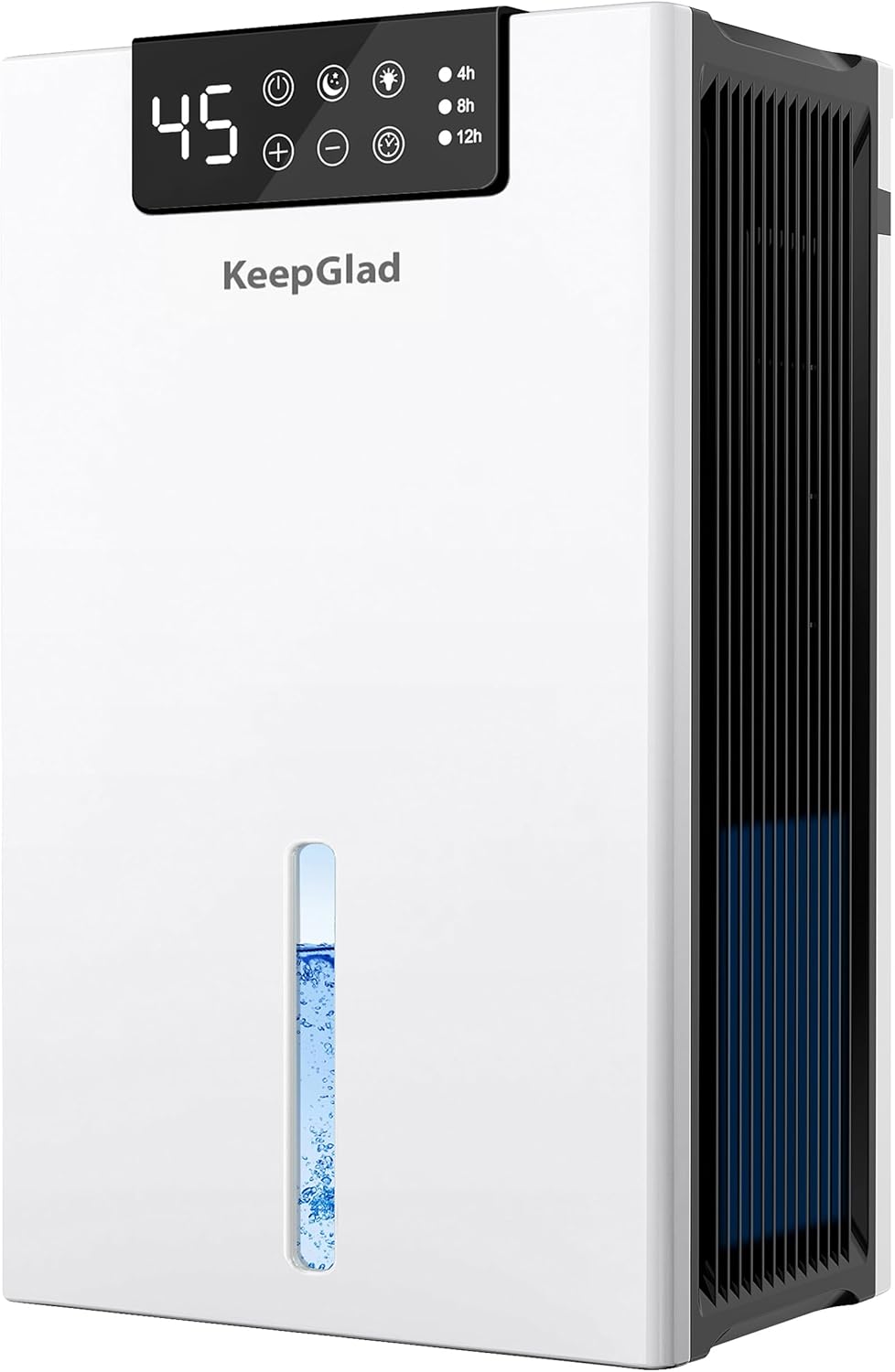
What to Look for When Buying Buying Guide
1. Pint Capacity & Room Size Coverage
The most critical factor when choosing a dehumidifier is its pint capacity—the amount of moisture it can remove from the air in 24 hours under standard conditions (typically 60% relative humidity at 80°F). This number directly correlates with the size of the space it can effectively treat. For example, a 30-pint unit is ideal for small to medium rooms (up to 1,500 sq ft), while a 50-pint model suits larger areas like basements or open-concept living spaces (up to 3,000 sq ft).
However, don’t just match the square footage blindly. Consider the humidity level: a damp basement in Florida will need a higher-capacity unit than a slightly humid garage in Arizona. Also, check if the manufacturer specifies coverage based on “moderate” or “extremely wet” conditions—this affects real-world performance. At Lowe’s, you’ll find models ranging from compact 20-pint units perfect for closets or RVs to heavy-duty 70-pint beasts designed for flood recovery or commercial use.
2. Energy Efficiency & Operating Costs
Dehumidifiers run for hours—sometimes days—at a time, so energy consumption matters. Look for the ENERGY STAR® certification, which indicates the unit meets strict efficiency guidelines set by the EPA. ENERGY STAR models use up to 15% less energy than standard units, which translates to noticeable savings on your electricity bill over time.
Check the product’s “Energy Factor” (EF), measured in liters of water removed per kilowatt-hour (L/kWh). Higher EF values mean better efficiency. For instance, a unit with an EF of 1.8 is more efficient than one with 1.5. At Lowe’s, many top-selling models like the Frigidaire FFAD7033R1 (70-pint) boast EF ratings above 1.9, making them both powerful and economical to operate.
Also consider the wattage listed on the label. A 50-pint dehumidifier typically draws between 500–700 watts. Multiply that by your local electricity rate and estimated runtime to estimate monthly costs. In high-humidity regions, this can add $10–$25 per month—so efficiency isn’t just eco-friendly, it’s wallet-friendly too.
3. Drainage Options & Maintenance
All dehumidifiers collect water in an internal bucket, but how you manage that water varies. Most Lowe’s models include a removable bucket with a carry handle and splash guard, usually holding 1–2 gallons. Emptying it daily can be tedious, especially in humid climates.
For hassle-free operation, look for continuous drainage options. Many units feature a built-in hose connection (often ⅜-inch threaded) that lets you attach a standard garden hose and drain directly into a floor drain, sink, or sump pump. This is a game-changer for basements or unattended spaces. Some premium models even include automatic pump systems that lift water vertically—ideal for draining into elevated sinks or utility tubs.
Maintenance also includes filter care. Most dehumidifiers have washable air filters that trap dust and allergens. Check how easy it is to access and clean the filter—some slide out effortlessly, while others require tool removal. A clogged filter reduces airflow and efficiency, so easy maintenance is a big plus.
4. Noise Level & Placement Flexibility
Dehumidifiers aren’t silent—they use compressors and fans, which generate noise. If you plan to place the unit in a bedroom, home office, or living area, sound output becomes a key consideration. Noise levels are measured in decibels (dB), and most residential models range from 45 dB (quiet library) to 60 dB (normal conversation).
At Lowe’s, you’ll find units like the hOmeLabs 50-Pint Dehumidifier with a low-noise design under 50 dB, making it suitable for nighttime use. Look for “quiet mode” or “sleep mode” features that reduce fan speed and compressor activity during off-peak hours.
Placement also affects noise perception. Units with front-facing vents are quieter when placed against a wall, while top-discharge models can be noisier if the sound reflects off ceilings. Consider where you’ll install the dehumidifier and choose accordingly. Wheels and handles improve portability, allowing you to move the unit between rooms or store it when not in use.
5. Smart Features & Automation
Modern dehumidifiers are getting smarter. Many 2026 models at Lowe’s now include Wi-Fi connectivity, allowing you to control settings via smartphone apps (like the Frigidaire app or GE SmartHQ). This lets you monitor humidity levels, adjust fan speeds, set schedules, and receive alerts when the bucket is full—even when you’re away from home.
Humidity sensors with digital displays are standard on most units, but look for models with “auto humidistat” functionality. These automatically maintain your desired humidity level (e.g., 45–50%) by turning on and off as needed, preventing over-drying and saving energy.
Other advanced features include auto-restart (resumes operation after a power outage), auto-defrost (prevents ice buildup in cold environments), and timer functions. While not essential, these conveniences enhance usability and peace of mind, especially for busy households or vacation homes.
6. Build Quality & Durability
A dehumidifier is a long-term investment, so durability matters. Check the materials: high-grade plastic housings resist cracking and yellowing, while metal coils and components offer better longevity than cheaper alternatives. Look for reinforced corners, sturdy handles, and smooth-rolling casters.
Brand reputation plays a role here. Established manufacturers like Honeywell and GE have decades of experience in climate control, and their Lowe’s offerings reflect reliable engineering. Read customer reviews for mentions of leaks, compressor failures, or premature wear—common red flags.
Also consider the warranty. Most units come with a 1–2 year limited warranty, but some premium models include extended coverage or compressor protection. A longer warranty often signals confidence in build quality.
7. Portability & Design
Even large dehumidifiers should be easy to move. Look for integrated handles, smooth-rolling wheels (preferably locking), and a compact footprint. Some models are designed with vertical profiles to fit in tight spaces, while others have horizontal layouts for under-sink or closet use.
Aesthetics matter too—especially if the unit will be visible in a living space. Sleek, modern designs in neutral colors (white, gray, black) blend better with home décor than bulky, industrial-looking units. Lowe’s carries a range of styles, from minimalist Frigidaire models to the bold red accents on certain GE units.
Weight is another factor. A 50-pint dehumidifier can weigh 40–50 pounds when empty and much more when full. If you plan to move it frequently, consider a lighter model or one with a dual-handle design for two-person lifting.
8. User Reviews & Real-World Performance
Spec sheets tell part of the story, but user reviews reveal the rest. At Lowe’s, each product page includes verified customer ratings and detailed feedback. Pay attention to comments about actual pint output (some units underperform in real homes), noise during operation, ease of setup, and reliability over time.
Look for patterns: if multiple users report the same issue—like a leaking bucket or app connectivity problems—it’s likely a design flaw. Conversely, consistent praise for quiet operation or effective moisture removal is a strong endorsement.
Also check return rates and customer service experiences. A product with a high return rate or complaints about Lowe’s support may not be worth the risk, even if the specs look good.
Different Types of Buying Guide

Common Buying Mistakes to Avoid
❌ Mistake: Buying Based Solely on Pint Rating
Why it’s bad: Pint capacity is important, but it’s not the only factor. A 50-pint unit may be overkill for a mildly humid 1,000 sq ft room, leading to short cycling, wasted energy, and unnecessary noise. Conversely, a 30-pint model in a flooded basement will struggle and overheat.
What to do instead: Match the unit to both room size and humidity level. Use Lowe’s room size calculator or consult the manufacturer’s recommendations. When in doubt, choose a model with adjustable settings and auto-humidistat for flexibility.
❌ Mistake: Ignoring Drainage Needs
Why it’s bad: If you forget about the water bucket, you’ll be emptying it daily—or worse, returning a “defective” unit that shut off due to a full tank. This is especially problematic in high-humidity areas or for users who travel frequently.
What to do instead: Opt for a model with continuous drainage or a built-in pump. Even if you don’t use it immediately, having the option adds long-term convenience. Check that Lowe’s includes a hose or offers one as an accessory.
❌ Mistake: Overlooking Noise in Living Spaces
Why it’s bad: A loud dehumidifier can disrupt sleep, work, or relaxation. Units with high dB ratings may be fine in a basement but become intrusive in a bedroom or office.
What to do instead: Check the decibel rating and look for “quiet mode” features. Read user reviews for real-world noise feedback. If possible, test the unit in-store or choose a model with a return policy.
❌ Mistake: Skipping the Warranty Check
Why it’s bad: Dehumidifiers contain complex components like compressors and coils that can fail. A short or limited warranty leaves you vulnerable to costly repairs after the first year.
What to do instead: Compare warranty lengths and coverage details. Some brands offer 2–5 years on the compressor. Consider purchasing an extended warranty if available, especially for premium models.
❌ Mistake: Assuming All ENERGY STAR Models Are Equal
Why it’s bad: ENERGY STAR certification is a good start, but efficiency varies within the category. Two 50-pint ENERGY STAR units can have different energy factors and operating costs.
What to do instead: Compare the Energy Factor (EF) and annual energy use (kWh) listed on the yellow EnergyGuide label. Choose the most efficient model within your budget.
❌ Mistake: Buying the Cheapest Option
Why it’s bad: Ultra-low-cost dehumidifiers often use inferior components, lack safety features, and fail within months. They may also lack proper certifications (like UL listing), posing fire or electrical risks.
What to do instead: Set a reasonable budget based on your needs. A $150–$250 mid-range model often offers better value than a $80 bargain bin unit. Prioritize reliability and safety over upfront savings.
❌ Mistake: Not Checking Return Policy
Why it’s bad: If the unit doesn’t perform as expected or arrives damaged, a strict return policy can leave you stuck with a defective appliance.
What to do instead: Review Lowe’s return policy before purchasing. Most dehumidifiers can be returned within 90 days, but some exclusions apply. Keep the receipt and original packaging just in case.
Budget Guidelines: How Much Should You Spend?
Entry-Level ($50 – $150): These compact models are ideal for small spaces like closets, RVs, or bathrooms. They typically remove 20–30 pints per day and are energy-efficient but lack advanced features. Expect basic controls, manual drainage, and limited durability. Best for occasional use or low-humidity areas.
Mid-Range ($150 – $300): This is the sweet spot for most homeowners. These units offer 30–50 pint capacity, digital controls, auto-humidistat, and continuous drain options. Many include washable filters, quiet operation, and reliable performance. Brands like hOmeLabs and Frigidaire dominate this tier with strong value propositions.
Premium ($300 – $500): Designed for high-demand environments like basements, garages, or flood-prone areas. These models feature 50–70 pint capacity, Wi-Fi connectivity, auto-defrost, and robust build quality. They often include smart apps, pump systems, and extended warranties. Ideal for tech-savvy users or those in humid climates.
Luxury ($500+): Top-tier units with commercial-grade components, ultra-quiet operation, and advanced automation. These may include dual compressors, HEPA filtration, or integration with smart home systems. While overkill for most homes, they’re worth considering for large properties, vacation homes, or professional use.
Expert Tips for Getting the Best Deal
- Shop During Off-Peak Seasons: Dehumidifier demand peaks in summer. Buy in late fall or winter (October–February) when prices drop and inventory is fresh. Lowe’s often runs clearance sales on previous-year models.
- Use Lowe’s Online Tools: Take advantage of the website’s filters, comparison tool, and customer reviews. Sort by “Best Sellers” or “Top Rated” to find proven performers.
- Check for Bundle Deals: Occasionally, Lowe’s offers discounts when purchasing multiple appliances or with a Lowe’s Advantage Card. Look for seasonal promotions around Memorial Day or Black Friday.
- Read the Fine Print on Warranties: Some warranties require registration within 30 days or professional installation. Keep documentation and register your product promptly.
- Test Before Committing: If buying in-store, inspect the unit for build quality, noise level, and ease of access to the bucket and filter. Ask staff about return policies and restocking fees.
- Consider Refurbished or Open-Box: Lowe’s sometimes sells certified refurbished dehumidifiers at a discount. These come with warranties and are often indistinguishable from new units.
- Monitor Price Drops: Use price tracking tools or sign up for Lowe’s email alerts to catch sudden discounts. Prices can fluctuate based on demand and inventory.
- Don’t Forget Installation: If you’re using continuous drainage, ensure you have access to a floor drain or sump pump. Factor in the cost of a hose or pump if not included.

Frequently Asked Questions
Q: How do I know what size dehumidifier I need?
A: Start by measuring your room’s square footage. Then assess humidity level: “moderately damp” spaces need 10–20 pints per 500 sq ft, while “very wet” areas may require 20–30 pints. Use Lowe’s sizing guide or consult the manufacturer’s recommendations. When in doubt, choose a model with adjustable settings.
Q: Can I run a dehumidifier 24/7?
A: Yes, but it’s not always necessary. Most modern units have auto-humidistats that cycle on and off to maintain your set humidity level. Running continuously in low-humidity conditions can over-dry the air and waste energy. Use a timer or smart features to optimize usage.
Q: Will a dehumidifier help with mold?
A: Absolutely. By reducing moisture, dehumidifiers inhibit mold and mildew growth. For existing mold, clean the area thoroughly first, then use the dehumidifier to prevent recurrence. Maintain humidity between 30–50% for best results.
Q: Do dehumidifiers use a lot of electricity?
A: It depends on the model and usage. A typical 50-pint unit uses about 500–700 watts. At $0.12/kWh, running it 8 hours a day costs roughly $15–$25 per month. ENERGY STAR models reduce this by 10–15%.
Q: Can I use a dehumidifier in cold temperatures?
A: Standard compressor models struggle below 65°F and may frost over. For cold basements or garages, choose a desiccant dehumidifier or a model with auto-defrost. Check the operating temperature range before buying.
Q: How often should I clean the filter?
A: Every 2–4 weeks during heavy use, or monthly otherwise. A dirty filter restricts airflow, reducing efficiency and potentially causing the unit to overheat. Most filters are washable—just rinse with water and let dry.
Q: What’s the difference between a dehumidifier and an air purifier?
A: A dehumidifier removes moisture from the air to prevent mold and improve comfort. An air purifier filters particles like dust, pollen, and smoke. Some units combine both functions, but they serve different purposes. Use a dehumidifier for humidity control and an air purifier for allergens.
Q: Can I drain a dehumidifier into a sink?
A: Yes, if the unit has a built-in pump or you use an external condensate pump. Gravity drainage requires a floor-level drain. Always use a hose rated for condensate and secure it to prevent leaks.
Q: Are smart dehumidifiers worth the extra cost?
A: If you value remote monitoring, automation, and energy tracking, yes. Smart features add convenience, especially for frequent travelers or multi-room setups. For basic use, a standard model may suffice.
Q: What should I do if my dehumidifier isn’t collecting water?
A: Check the humidity setting—it may be set too low. Ensure the room is above 65°F and the filter is clean. If the unit runs but doesn’t cool, the refrigerant may be low or the compressor faulty. Contact customer support or consider repair vs. replacement.
Our Final Recommendations
Best for Budget-Conscious Buyers: hOmeLabs 30-Pint Dehumidifier – At under $200, this model offers excellent value with quiet operation, auto-humidistat, and continuous drain. Ideal for small to medium rooms and backed by strong customer reviews at Lowe’s.
Best Overall Value: Frigidaire FFAD5033R1 (50-Pint) – A top seller with ENERGY STAR certification, digital controls, and a 2.5-gallon bucket. It balances performance, efficiency, and price, making it perfect for most homes.
Best Premium Option: GE APER50LZ (50-Pint Smart Dehumidifier) – Wi-Fi enabled with the GE SmartHQ app, this unit offers remote control, voice assistant compatibility, and a sleek design. Great for tech enthusiasts and smart home integration.
Best for Beginners: Honeywell TP50WKN (50-Pint) – User-friendly with clear controls, auto-defrost, and a washable filter. Reliable and easy to maintain, it’s a great first dehumidifier for new homeowners.
Best for Advanced Users: Frigidaire FFAD7033R1 (70-Pint) – High-capacity, energy-efficient, and equipped with a built-in pump for vertical drainage. Perfect for large basements or professional-grade moisture control.
Conclusion: Making the Right Choice
Choosing the best dehumidifier at Lowe’s doesn’t have to be complicated—but it does require thoughtful consideration of your specific needs, space, and budget. From pint capacity and energy efficiency to smart features and drainage options, every detail plays a role in long-term satisfaction. Avoid common pitfalls like oversizing, ignoring noise, or skipping the warranty, and prioritize models with proven reliability and user-friendly design.
Remember, the right dehumidifier isn’t just about removing moisture—it’s about improving your home’s air quality, protecting your belongings, and creating a healthier living environment. Whether you’re tackling a damp basement or simply seeking comfort during humid summers, the investment pays off in peace of mind and reduced maintenance.
Take your time, compare options using the guidelines in this guide, and don’t hesitate to ask Lowe’s staff for assistance. With the right information and a clear understanding of your priorities, you’ll find a dehumidifier that works as hard as you do—quietly, efficiently, and reliably. Your home deserves nothing less.