
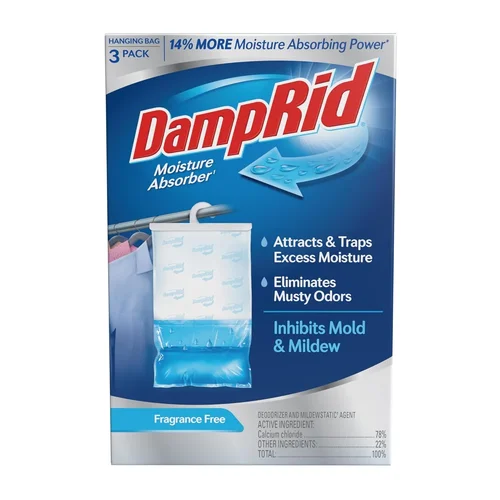
Dealing with excess moisture in your home isn’t just uncomfortable—it can be downright dangerous. From musty odors and warped wood to mold growth and damaged electronics, high humidity levels create a cascade of problems that affect both your health and your belongings. While whole-house dehumidifiers and HVAC upgrades are effective for large-scale moisture control, they’re often overkill—or simply unaffordable—for smaller, targeted needs. That’s where dehumidifier bags come in: compact, affordable, and incredibly convenient solutions designed to absorb excess moisture in closets, storage bins, RVs, safes, and other enclosed spaces.
This comprehensive buyer’s guide is here to help you navigate the crowded market of dehumidifier bags with confidence. Whether you’re protecting vintage clothes in a basement closet, safeguarding firearms in a gun safe, or keeping your camping gear dry during long-term storage, choosing the right dehumidifier bag can make all the difference. We’ll walk you through every critical factor—from absorption capacity and reusability to material safety and brand reliability—so you can make an informed decision tailored to your specific needs. By the end of this guide, you’ll not only understand how these products work but also know exactly what to look for (and avoid) when shopping.
The dehumidifier bag market has exploded in recent years, driven by rising awareness of indoor air quality and the growing popularity of minimalist, space-efficient living. Today’s options range from basic silica gel packets to advanced reusable gel-based systems with moisture indicators and even eco-friendly plant-based desiccants. With so many choices—and so much marketing hype—it’s easy to overspend on underperforming products or settle for something that doesn’t meet your expectations. Our goal is to cut through the noise, deliver expert-level insights, and empower you to invest wisely in a solution that truly works for your lifestyle, budget, and environment.

What to Look for When Buying Buying Guide
1. Absorption Capacity & Coverage Area
The most important factor when choosing a dehumidifier bag is its ability to absorb moisture effectively within your intended space. Absorption capacity is typically measured in grams or ounces of water absorbed and is directly tied to the volume of air the bag can treat. For example, a small 50g bag might suffice for a shoebox-sized container, while a 500g bag is better suited for a walk-in closet or large storage bin.
Look for products that clearly state their coverage area—usually expressed in cubic feet or liters. A quality dehumidifier bag should handle at least 10–15 cubic feet per 100g of desiccant. Avoid vague claims like “works in any size room” without specific metrics. Real-world testing shows that underperforming bags often fail because they’re undersized for the space, leading to rapid saturation and mold risk. Always err on the side of a slightly larger capacity than you think you need—especially in humid climates or poorly ventilated areas.
2. Desiccant Type & Safety
Dehumidifier bags use various desiccant materials to pull moisture from the air. The three most common types are silica gel, calcium chloride, and plant-based (often bamboo or cornstarch derivatives). Silica gel is non-toxic, odorless, and widely regarded as safe for homes with children and pets. It’s also reusable after drying in an oven or microwave. Calcium chloride, on the other hand, is highly effective at absorbing large amounts of water but turns into a liquid brine as it works—requiring a leak-proof design. While generally safe when contained, it can be irritating if ingested or exposed to skin.
Plant-based desiccants are gaining popularity due to their biodegradability and sustainability. However, they tend to have lower absorption rates and shorter lifespans. Always check the product label for safety certifications like FDA approval (for food-safe silica gel) or RoHS compliance (for environmental safety). Avoid bags with unknown or unlisted ingredients—especially if they’ll be near food, medications, or sensitive electronics.
3. Reusability & Maintenance Requirements
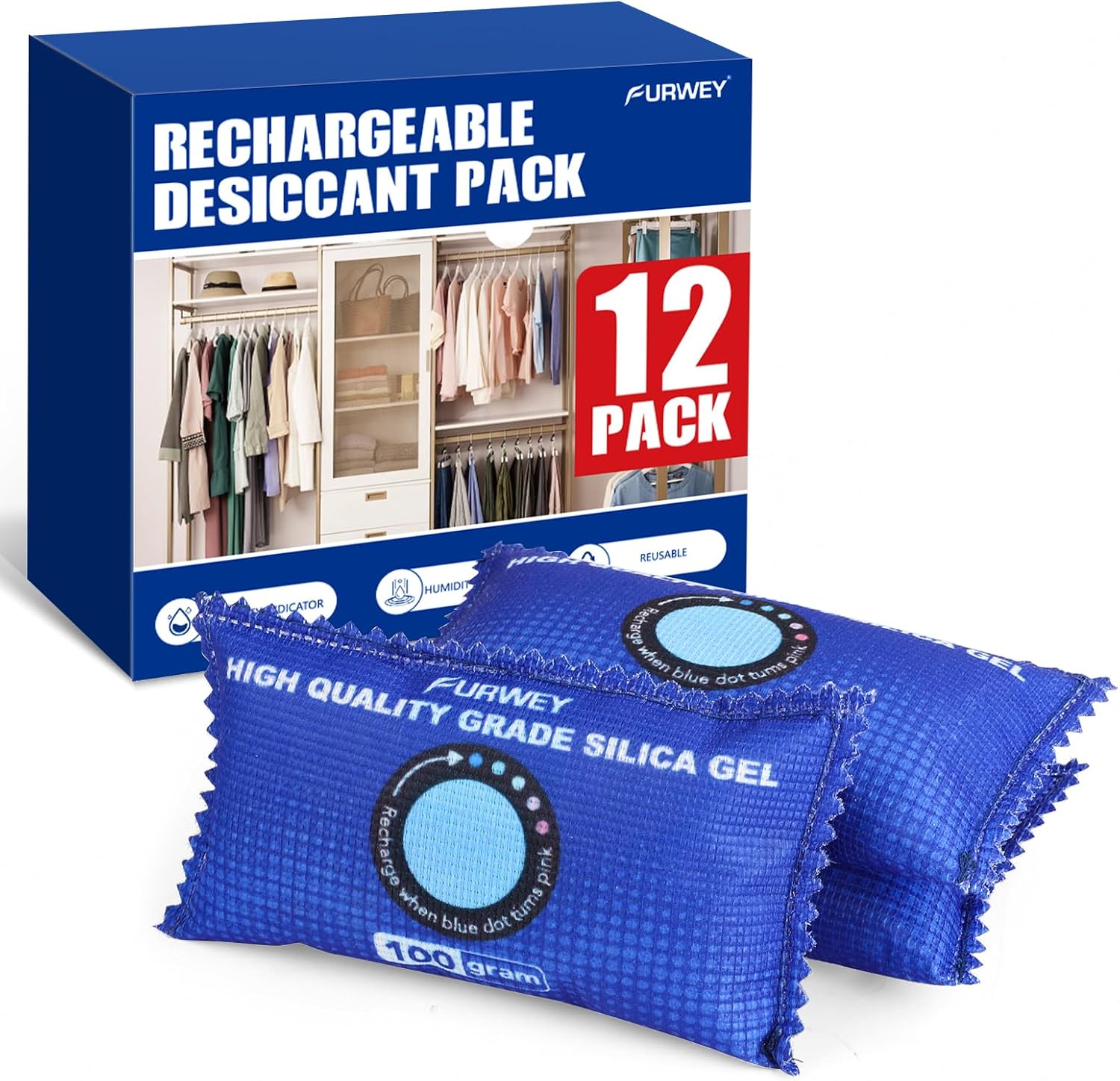
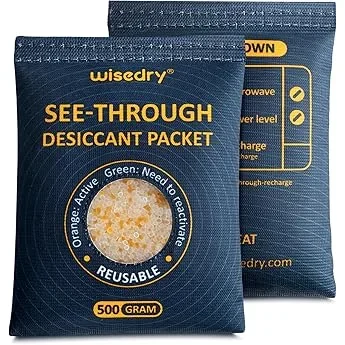
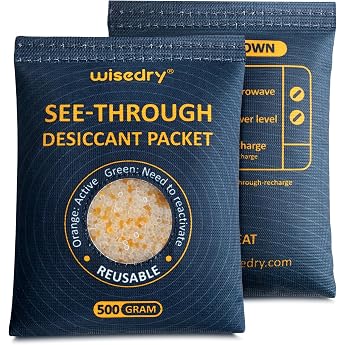
One of the biggest advantages of modern dehumidifier bags is their reusability. High-quality silica gel bags can be “recharged” by placing them in direct sunlight, an oven (at low heat), or a microwave for a few minutes until the moisture indicator changes color (usually from pink to blue or orange to green). This makes them cost-effective over time compared to single-use calcium chloride bags that must be discarded once saturated.
Consider how often you’ll need to recharge based on your environment. In high-humidity areas (like basements or coastal regions), you may need to refresh your bags weekly. In drier climates or smaller spaces, monthly maintenance might suffice. Look for bags with clear recharging instructions and durable construction that won’t degrade after repeated drying cycles. Some premium models even include built-in drying trays or come with multiple refill packs for convenience.
4. Leak-Proof Design & Containment
Especially important for calcium chloride-based bags, leak-proof design ensures that absorbed moisture doesn’t spill into your belongings. These bags typically feature a dual-layer construction: an inner pouch containing the desiccant and an outer waterproof shell with drainage holes. As the gel absorbs water, it liquefies—but remains safely contained within the bag. Poorly designed units may rupture or leak, ruining clothes, documents, or electronics.
Silica gel bags are less prone to leaking since the gel retains its solid form, but low-quality stitching or thin fabric can still lead to spills during handling. Always inspect seams and closures before purchase. For added peace of mind, choose bags with reinforced edges, double-stitched seams, and secure zip-top or drawstring closures. If you’re storing valuable items like cameras, firearms, or heirlooms, prioritize leak-proof models with proven track records.
5. Moisture Indicator & Visual Feedback
A built-in moisture indicator is a game-changer for maintenance. These small color-changing dots or strips let you know at a glance when the bag is nearing saturation and needs recharging. Common indicators include cobalt chloride (turns from blue to pink) or copper sulfate (blue to white). While not all bags include this feature, it’s highly recommended—especially for users who don’t want to guess when maintenance is due.
Some advanced models go further by including digital hygrometers or smart sensors that connect to apps via Bluetooth, though these are rare in the bag category and usually found in larger dehumidifier units. For most buyers, a simple visual indicator provides enough feedback to maintain optimal performance without added complexity or cost.
6. Portability & Form Factor
Dehumidifier bags come in various shapes and sizes—from flat sachets to hanging pouches and rigid containers. Your choice depends on where you plan to use them. Hanging bags are ideal for closets, suitcases, or gun safes, as they maximize airflow and don’t take up shelf space. Flat sachets work well inside drawers, toolboxes, or camera cases. Rigid containers with lids are better for open shelves or bins where spills could occur.
Consider weight and flexibility too. Lightweight fabric bags are easy to move and store, while heavier gel-filled units may be harder to reposition. If you travel frequently or need to dehumidify multiple locations, opt for compact, lightweight designs that fit easily into luggage or storage compartments. Some brands offer multi-packs with assorted sizes—perfect for outfitting several areas without buying individual units.
7. Brand Reputation & Transparency
Not all dehumidifier bags are created equal. Established brands like Eva-Dry, Dry-Packs, and ProBreeze have built reputations for quality, consistency, and customer support. They typically provide detailed product specifications, clear usage instructions, and responsive service if issues arise. In contrast, generic or no-name brands sold on e-commerce platforms may cut corners on materials, testing, or labeling.
Check for third-party certifications such as ISO standards, CE marking, or Amazon’s Climate Pledge Friendly badge. Read verified customer reviews focusing on real-world performance—not just star ratings. Look for mentions of longevity, ease of recharging, and whether the bag actually reduced humidity in the user’s space. A reputable brand will also disclose ingredient lists, manufacturing origins, and environmental impact data.
8. Warranty & Customer Support
While dehumidifier bags are generally low-cost items, a solid warranty reflects manufacturer confidence in their product. Most reputable brands offer at least a 1-year warranty against defects, with some extending coverage to 2–3 years. This protects you from premature failure due to poor materials or workmanship.
Equally important is accessible customer support. Can you easily reach someone via email, phone, or live chat? Do they offer troubleshooting guides or replacement parts? Brands that stand behind their products often provide FAQs, video tutorials, and even free refill programs. Avoid sellers with no contact information or those that redirect you to third-party fulfillment centers with no accountability.
Different Types of Buying Guide
Common Buying Mistakes to Avoid
❌ Mistake: Ignoring Coverage Area Specifications
Why it’s bad: Buying a bag that’s too small for your space leads to rapid saturation, wasted money, and continued moisture damage. Many users assume “one size fits all,” but humidity control is highly dependent on volume.
What to do instead: Measure your space in cubic feet (length × width × height) and match it to the manufacturer’s recommended coverage. When in doubt, choose a bag rated for 20–30% more volume than your actual space.
❌ Mistake: Choosing Single-Use Over Reusable
Why it’s bad: Disposable calcium chloride bags may seem convenient, but they create ongoing costs and environmental waste. Over a year, replacing them can cost more than a reusable silica gel system.
What to do instead: Invest in reusable silica gel bags with moisture indicators. The upfront cost is higher, but long-term savings and sustainability make them the smarter choice for most households.
❌ Mistake: Overlooking Leak Risks
Why it’s bad: A leaking dehumidifier bag can ruin expensive items like firearms, cameras, or vintage clothing. Calcium chloride bags are especially prone to this if not properly sealed.
What to do instead: Always read reviews mentioning leaks or spills. Opt for brands with reinforced, double-layer designs and avoid cheap knockoffs with flimsy stitching.
❌ Mistake: Assuming All Silica Gel Is Equal
Why it’s bad: Low-grade silica gel may contain dust, break down over time, or lack moisture indicators. Some imported gels aren’t food-safe or tested for indoor use.
What to do instead: Look for premium silica gel labeled “indicating” or “rechargeable.” Check for FDA approval if using near food or medications.
❌ Mistake: Neglecting Maintenance Schedules
Why it’s bad: A saturated bag stops working and can even release moisture back into the air if not recharged promptly. This creates a false sense of security.
What to do instead: Set calendar reminders to check and recharge your bags monthly (or weekly in humid climates). Use bags with color-changing indicators to remove guesswork.
❌ Mistake: Buying Based Solely on Price
Why it’s bad: The cheapest option often uses inferior materials, lacks safety certifications, or fails within weeks. You end up spending more replacing it.
What to do instead: Focus on value—not just cost. A $20 reusable bag that lasts 3 years is better than a $5 disposable one replaced monthly.
❌ Mistake: Not Testing in Real Conditions
Why it’s bad: Humidity levels vary dramatically by season, location, and room type. A bag that works in summer may fail in winter due to reduced airflow or colder temperatures.
What to do instead: Start with one bag in your target area and monitor results for 2–4 weeks. Use a hygrometer to track humidity changes before scaling up.
Budget Guidelines: How Much Should You Spend?
Entry-Level ($5–$12): These are typically small silica gel sachets or basic calcium chloride pouches. They’re fine for tiny spaces like camera bags or jewelry boxes but lack durability, indicators, or reusability. Expect to replace them frequently. Best for occasional or temporary use.
Mid-Range ($13–$25): This is the sweet spot for most buyers. You’ll find well-made reusable silica gel bags with moisture indicators, leak-proof designs, and coverage for closets or medium storage bins. Brands like Eva-Dry and Dry-Packs dominate this tier with reliable performance and decent warranties.
Premium ($26–$40): Ideal for enthusiasts and professionals. These include larger-capacity hanging pouches, multi-packs, or specialty bags for gun safes and RVs. Often feature enhanced gel formulas, faster recharging, and extended warranties. Great for high-value items or consistently humid environments.
Luxury ($40+): Top-tier options include smart-enabled bags (rare), industrial-grade units, or custom-sized solutions for large spaces. While overkill for average users, they offer maximum absorption, premium materials, and exceptional longevity. Only necessary for extreme conditions or commercial applications.
Expert Tips for Getting the Best Deal
- Buy during off-seasons: Humidity concerns peak in summer, so retailers often discount dehumidifier products in fall and winter. Stock up during Black Friday or post-holiday sales for up to 30% off.
- Shop directly from brand websites: Many manufacturers (like Eva-Dry) offer exclusive bundles, free shipping, or loyalty discounts not available on Amazon or Walmart.
- Use price-tracking tools: Set alerts on Honey, CamelCamelCamel, or Keepa to catch sudden drops on your desired model.
- Check return policies: Ensure you can return or exchange if the bag doesn’t perform as advertised. Reputable brands often offer 30–60 day satisfaction guarantees.
- Bundle with related products: Some sellers offer discounts when you buy dehumidifier bags with hygrometers, storage bins, or moisture absorbers.
- Read the fine print on “lifetime” claims: Some brands advertise “lifetime use” but limit recharging cycles. Verify actual lifespan in reviews.
- Consider bulk purchases: Multi-packs reduce per-unit cost significantly. If you need bags for multiple rooms, buying 3–6 at once saves money and ensures consistency.
- Test before committing: Start with one bag in your most critical area. If it works well, scale up. If not, return it and try a different type.
Frequently Asked Questions
Q: How often should I recharge my dehumidifier bag?
A: It depends on humidity levels and bag size. In moderate climates, reusable silica gel bags typically need recharging every 4–6 weeks. In high-humidity areas (like basements), check weekly—especially if the moisture indicator shows saturation. Always recharge when the color changes.
Q: Can I put dehumidifier bags in the microwave?
A: Only if the manufacturer explicitly states it’s safe. Most silica gel bags can be microwaved for 2–4 minutes on low power, but calcium chloride bags must never be microwaved—they contain water and can explode. When in doubt, use an oven at 200°F (93°C) for 2 hours.
Q: Are dehumidifier bags safe around children and pets?
A: Silica gel bags labeled “non-toxic” or “food-safe” are generally safe if ingested in small amounts, though choking hazards exist. Calcium chloride can cause irritation—keep these out of reach. Plant-based options are the safest for households with curious kids or animals.
Q: Will a dehumidifier bag prevent mold?
A: Yes—but only if properly sized and maintained. By reducing relative humidity below 60%, these bags inhibit mold and mildew growth. However, they won’t fix existing mold or address structural moisture issues like leaks or poor ventilation.
Q: Can I use dehumidifier bags in my car?
A: Absolutely! They’re excellent for preventing foggy windows, musty smells, and rust in vehicles—especially during rainy seasons or long-term parking. Place one under the seat or in the trunk.
Q: Do dehumidifier bags expire?
A: Reusable silica gel bags don’t expire but degrade over time with repeated recharging. Most last 2–5 years. Disposable calcium chloride bags have a shelf life of 1–2 years—check the packaging date.
Q: Why did my calcium chloride bag leak?
A: This usually happens due to overfilling, poor seam quality, or physical damage. Always buy from reputable brands and avoid puncturing or squeezing the bag. If it leaks, dispose of it safely and clean the area thoroughly.
Q: Can I reuse calcium chloride bags?
A: Technically yes—but it’s impractical. Once dissolved into brine, the material is hard to dry and re-solidify. Most users find it easier and safer to replace them.
Q: Do dehumidifier bags work in winter?
A: Yes, but cold air holds less moisture, so they may last longer. However, poorly insulated spaces (like garages) can still have condensation issues. Monitor with a hygrometer.
Q: Are there eco-friendly alternatives?
A: Plant-based desiccants made from bamboo or corn are biodegradable and compostable. Some silica gel brands also use recycled materials and offer refill programs to reduce waste.
Our Final Recommendations
Best for Budget-Conscious Buyers: Dry-Packs 400g Silica Gel Reusable Dehumidifier Bag – At under $15, it offers excellent absorption, a clear moisture indicator, and oven-safe recharging. Perfect for closets and medium storage bins.
Best Overall Value: Eva-Dry E-333 Mini Dehumidifier (3-Pack) – These compact, rechargeable bags cover up to 333 cubic inches each, come with color-changing gel, and are ideal for drawers, safes, and travel bags. The multi-pack delivers unbeatable versatility.
Best Premium Option: ProBreeze 1000g Hanging Dehumidifier Bag – With a massive capacity, leak-proof design, and durable hanging loop, this bag excels in large closets, RVs, and gun safes. Includes a 2-year warranty and fast recharging.
Best for Beginners: SEALIGHT Silica Gel Dehumidifier Bags (2-Pack) – Simple, safe, and effective. Comes with clear instructions, a moisture indicator, and fits easily in small spaces. Great for first-time users.
Best for Advanced Users: Eva-Dry EDV-4000 Renewable Wireless Dehumidifier – While slightly larger than a traditional bag, this wall-mountable unit uses advanced silica gel technology, covers up to 1,000 sq ft, and recharges in sunlight. Ideal for tech-savvy homeowners wanting whole-room control without electricity.
Conclusion: Making the Right Choice
Choosing the best dehumidifier bag isn’t about finding the most expensive or flashiest option—it’s about matching the right tool to your specific needs, environment, and lifestyle. Whether you’re protecting sentimental keepsakes, safeguarding expensive gear, or simply improving indoor air quality, the right bag can deliver quiet, consistent performance with minimal effort. Remember to prioritize absorption capacity, safety, reusability, and brand reliability over gimmicks or ultra-low prices.
Take the time to assess your space, understand your humidity challenges, and invest in a solution that offers long-term value. With the insights from this guide, you’re now equipped to avoid common pitfalls, spot quality products, and make a purchase you’ll be happy with for years to come. Don’t let excess moisture compromise your comfort or belongings—act today and breathe easier knowing your valuables are protected.