
Dealing with excess moisture in your home isn’t just about comfort—it’s about protecting your health, your belongings, and the structural integrity of your living space. Whether you’re battling musty odors in a basement, preventing mold growth in a closet, or safeguarding sensitive electronics during storage, dehumidifier bags offer a simple, affordable, and effective solution. Unlike bulky electric dehumidifiers, these compact, passive moisture absorbers require no power, no installation, and minimal maintenance—making them ideal for small spaces, travel, or emergency preparedness. But with dozens of brands, materials, and claims flooding the market, choosing the right dehumidifier bag can feel overwhelming. That’s where this guide comes in.
In this comprehensive buying guide, you’ll learn everything you need to know to make a smart, informed decision. We’ll break down the key factors that truly matter—from absorption capacity and material safety to size, reusability, and environmental impact. You’ll discover the different types of dehumidifier bags available, understand common pitfalls to avoid, and get expert-backed tips on maximizing value and performance. Whether you’re a first-time buyer looking to protect your seasonal wardrobe or a seasoned prepper stocking up for long-term storage, this guide will equip you with the knowledge to choose the best dehumidifier bag for your specific needs. By the end, you’ll not only know what to buy—but why it matters.
The dehumidifier bag market has evolved significantly in recent years. Once limited to basic silica gel packets tucked inside shoeboxes, today’s options include advanced calcium chloride-based systems, reusable gel crystals, and even eco-friendly bamboo charcoal variants. Prices range from under $5 for a single-use pack to over $30 for premium, long-lasting solutions. With innovations in packaging, scent control, and moisture indicators, modern dehumidifier bags are more effective and user-friendly than ever. However, not all products are created equal. Some promise rapid absorption but leak or degrade quickly, while others use questionable chemicals that could damage your items or pose health risks. This guide cuts through the noise, offering a clear, expert-driven roadmap to help you navigate the options and invest wisely.

What to Look for When Buying Buying Guide
1. Absorption Capacity & Efficiency
The most critical factor in any dehumidifier bag is how much moisture it can actually remove from the air. Absorption capacity is typically measured in ounces or milliliters and indicates the total amount of water the bag can hold before needing replacement or regeneration. For example, a standard 10-ounce bag may last several weeks in a damp closet but only days in a humid basement. Look for products that clearly state their absorption rate and provide real-world usage estimates based on room size and humidity levels. High-efficiency bags often use calcium chloride or advanced silica gel blends that absorb up to 3x their weight in water. Avoid vague claims like “high absorption” without specific data—opt for brands that publish third-party test results or detailed performance charts.
2. Active Ingredient & Safety
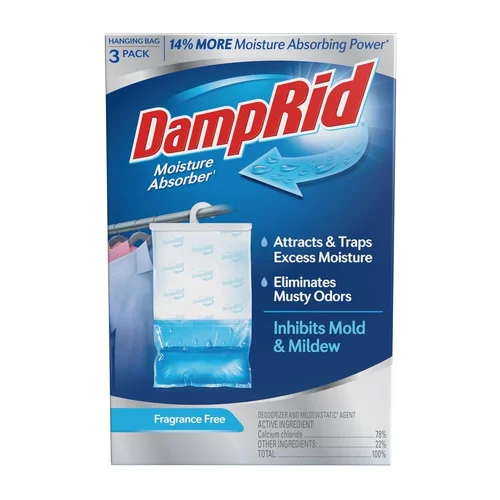
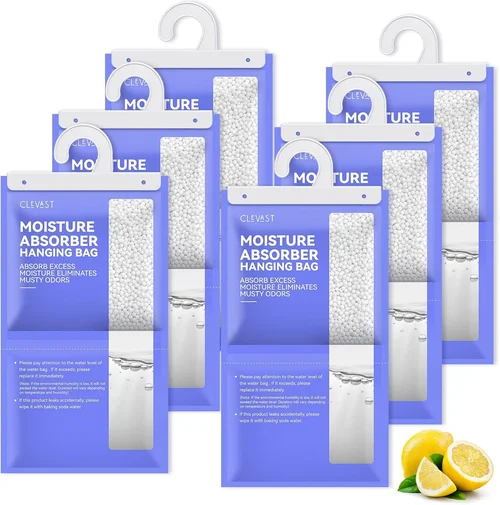
Not all moisture absorbers are safe for every application. The active ingredient determines both effectiveness and potential risks. Calcium chloride is highly effective and fast-acting but can become liquid over time, posing a leakage risk if the bag isn’t properly sealed. Silica gel is non-toxic, odorless, and widely used in food and pharmaceutical packaging, making it ideal for storing clothes, documents, or electronics. Bamboo charcoal is a natural, eco-friendly option that also neutralizes odors, though it’s less potent than chemical alternatives. Always check the ingredient list and avoid products with undisclosed “proprietary blends” or harsh additives like fragrances, which can trigger allergies or damage delicate fabrics. If you have children or pets, prioritize non-toxic, child-safe formulations.
3. Size & Coverage Area
Dehumidifier bags come in various sizes, from tiny 1-ounce packets for jewelry boxes to large 30-ounce buckets for entire rooms. Match the bag size to your space: a single 5-ounce bag might suffice for a small drawer, while a damp crawl space could require multiple large units. Most manufacturers provide coverage guidelines (e.g., “up to 50 sq. ft.”), but these are often optimistic. As a rule of thumb, double the recommended coverage for high-humidity areas like basements or bathrooms. Also consider portability—if you plan to move the bag between locations (e.g., from closet to suitcase), choose a compact, leak-proof design with a sturdy outer pouch.
4. Reusability & Maintenance
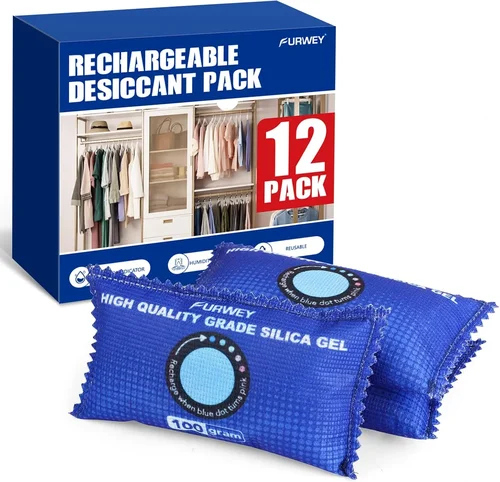
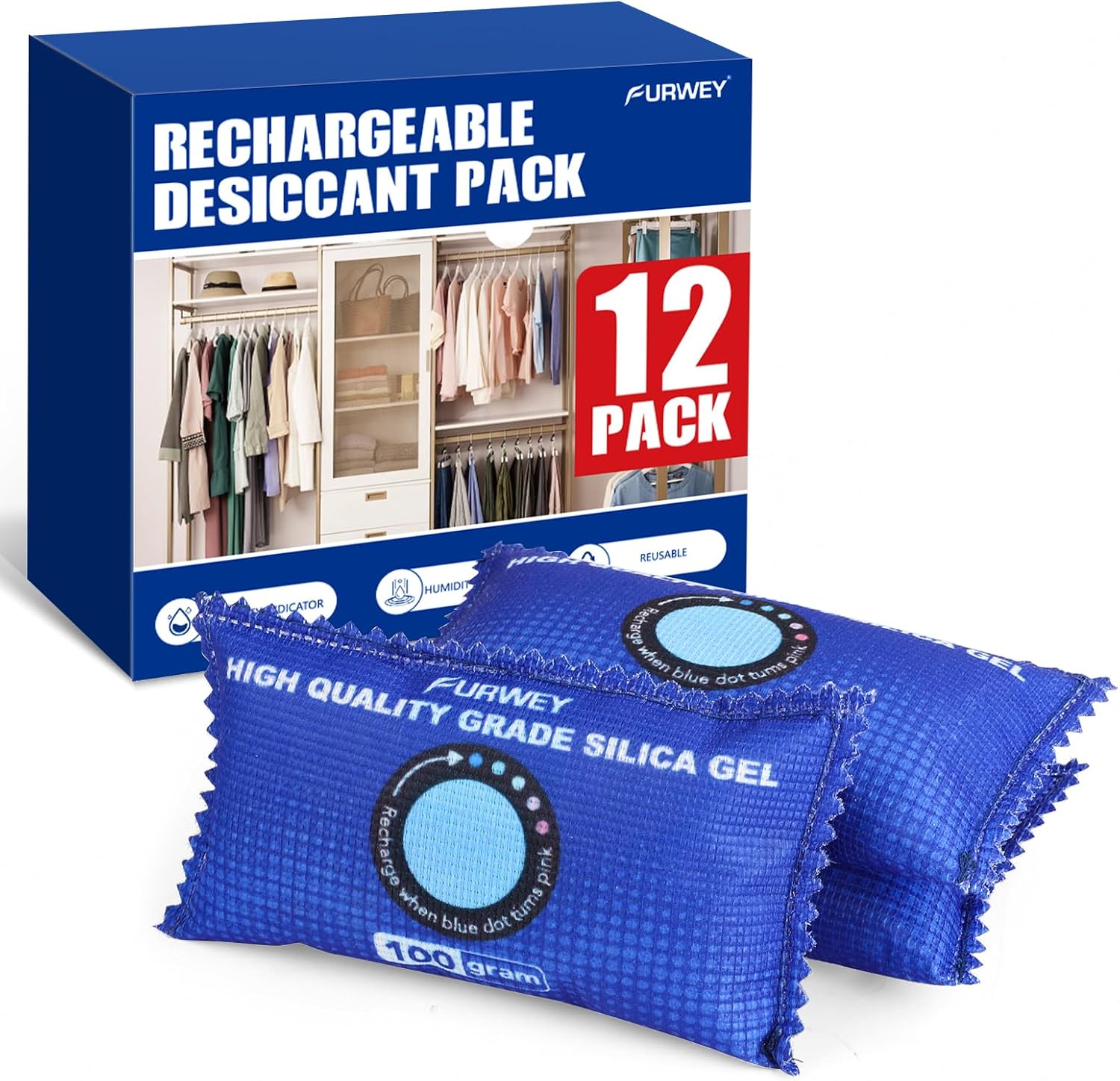
One of the biggest differentiators between budget and premium dehumidifier bags is reusability. Single-use bags must be discarded once saturated, creating ongoing costs and waste. Reusable options, especially those with silica gel or bamboo charcoal, can often be “recharged” by drying in sunlight or an oven, extending their lifespan for months or even years. Calcium chloride-based bags are typically single-use but may include a drip tray to collect liquid runoff. If sustainability and long-term value matter to you, invest in a rechargeable system. Just remember that recharging requires effort—don’t assume it’s truly “set and forget.”
5. Leak-Proof Design & Packaging
A dehumidifier bag is useless—and potentially damaging—if it leaks. Calcium chloride solutions can turn into a corrosive brine when fully saturated, ruining clothes, books, or electronics. Look for double-sealed inner liners, reinforced outer pouches, and drip-resistant designs. Many premium brands include absorbent pads or trays to catch excess liquid. For travel or storage in enclosed spaces, opt for bags labeled “100% leak-proof” with verified customer reviews confirming this feature. Avoid flimsy plastic packaging that tears easily or lacks secure closures.
6. Odor Control & Scent Neutralization
Moisture often brings musty smells, especially in closets, basements, or stored items. Some dehumidifier bags include activated carbon or natural odor absorbers to tackle both humidity and stench. While fragrance-free options are best for sensitive users, lightly scented variants (e.g., lavender or cedar) can enhance the experience—just ensure the scent doesn’t overpower or clash with your environment. Avoid heavily perfumed bags, as artificial fragrances can degrade fabrics or cause allergic reactions. If odor is your primary concern, consider pairing your dehumidifier bag with a dedicated odor absorber for best results.
7. Brand Reputation & Transparency
With so many generic brands on Amazon and Walmart shelves, it’s easy to fall for flashy packaging and inflated claims. Stick to reputable manufacturers with a track record of quality and transparency. Look for brands that disclose full ingredient lists, provide clear usage instructions, and offer responsive customer support. Read verified buyer reviews—not just the top-rated ones, but also critical feedback about leakage, short lifespan, or misleading capacity claims. Established names like Eva-Dry, Dry-Packs, and DampRid have earned trust through consistent performance and honest marketing.
8. Warranty & Customer Support
While dehumidifier bags are generally low-cost items, a solid warranty or satisfaction guarantee reflects confidence in the product. Some premium brands offer 30- to 90-day money-back guarantees or replacement policies for defective units. This is especially valuable if you’re buying in bulk or for long-term storage. Check the company’s return policy before purchasing—especially when ordering online. A responsive support team can also help troubleshoot issues like slow absorption or unexpected leakage, saving you time and frustration.
Different Types of Buying Guide

Common Buying Mistakes to Avoid
❌ Mistake: Ignoring the Active Ingredient
Why it’s bad: Using a toxic or incompatible chemical can damage your belongings or pose health risks. For example, calcium chloride liquid can corrode metal zippers or discolor fabrics if it leaks.
What to do instead: Always check the ingredient list and match it to your use case. Choose silica gel for electronics, calcium chloride for high-moisture areas (with leak protection), and bamboo charcoal for natural odor control.
❌ Mistake: Overestimating Coverage Area
Why it’s bad: A single small bag won’t make a dent in a humid basement, leading to mold growth and wasted money.
What to do instead: Calculate your space’s square footage and humidity level. Use multiple bags or upgrade to a larger capacity unit. When in doubt, buy one extra bag as a buffer.
❌ Mistake: Choosing Based on Price Alone
Why it’s bad: The cheapest bags often use low-quality materials, leak easily, or stop working after a few days—costing more in replacements.
What to do instead: Focus on value, not just upfront cost. A $15 reusable bag that lasts a year is cheaper than buying ten $3 disposable ones.
❌ Mistake: Neglecting Leak-Proof Features
Why it’s bad: Leaky bags can ruin clothes, books, or flooring, turning a moisture solution into a disaster.
What to do instead: Prioritize bags with double-layered packaging, secure seals, and drip trays. Read reviews specifically mentioning leakage.
❌ Mistake: Assuming All Bags Are Reusable
Why it’s bad: Tossing a “reusable” bag without recharging it wastes money and undermines sustainability goals.
What to do instead: Understand the recharging process before buying. If you won’t dry silica gel in the sun or oven, stick to disposable options.
❌ Mistake: Buying Scented Bags for Sensitive Items
Why it’s bad: Perfumes can transfer to fabrics, damage leather, or trigger allergies—especially in enclosed spaces like suitcases or gun safes.
What to do instead: Opt for unscented or naturally scented (e.g., cedar) variants. Test on a small area first if unsure.
❌ Mistake: Storing Bags Improperly
Why it’s bad: Leaving unused bags in humid environments reduces their effectiveness before you even use them.
What to do instead: Store extra bags in an airtight container or sealed plastic bag until needed.
Budget Guidelines: How Much Should You Spend?
Entry-Level ($3–$10): Perfect for small, low-humidity spaces like drawers, toolboxes, or seasonal storage. Expect basic silica gel or low-capacity calcium chloride bags. These are often single-use and may lack leak-proofing. Ideal for occasional use or testing if dehumidifier bags work for your needs.
Mid-Range ($10–$20): The sweet spot for most homeowners. You’ll find well-designed, leak-resistant bags with clear capacity ratings, decent absorption rates, and sometimes reusable features. Brands like Eva-Dry and Dry-Packs dominate this tier, offering reliable performance for closets, RVs, or small rooms.
Premium ($20–$35): Designed for serious moisture control. These include high-capacity calcium chloride systems with drip trays, rechargeable gel units, or premium bamboo charcoal bags with odor-neutralizing tech. Often come with warranties and excellent customer support. Best for basements, boats, or long-term storage.
Luxury ($35+): Top-tier options with advanced materials, smart indicators (e.g., color-changing gels), or multi-pack bundles for whole-home coverage. While overkill for most, they’re worth it for collectors, preppers, or those with valuable items (e.g., vintage clothes, firearms, art).
Expert Tips for Getting the Best Deal
– Time your purchase: Dehumidifier bags see peak discounts in spring (March–May) and fall (September–November) as retailers promote seasonal storage solutions. Avoid buying in winter unless absolutely necessary—prices tend to rise due to holiday demand.
– Shop at trusted retailers: While Amazon offers convenience, check specialty stores like The Home Depot, Lowe’s, or outdoor gear retailers (REI, Bass Pro) for exclusive bundles or higher-quality options. Local hardware stores may also carry lesser-known but effective brands.
– Read the fine print: Look beyond the headline capacity. A “30-ounce” bag might only contain 20 ounces of active material—the rest is packaging. Check product descriptions and images for actual gel/chemical volume.
– Leverage return policies: If a bag leaks or underperforms, don’t hesitate to return it. Most reputable sellers accept returns within 30 days, even for opened items.
– Test before committing: Buy one bag first to evaluate performance in your specific environment. Humidity varies greatly by region and room, so real-world testing beats manufacturer claims.
– Consider subscription models: Some brands (like Eva-Dry) offer auto-ship programs for rechargeable bags, delivering fresh units on a schedule. Great for consistent maintenance but cancel if unused.
– Recycle responsibly: Dispose of calcium chloride residue according to local guidelines—it’s not household trash. Silica gel and bamboo charcoal can often be composted or reused in gardens.
Frequently Asked Questions
Q: Can dehumidifier bags prevent mold?
A: Yes—but only if used correctly. By reducing ambient moisture below 60% relative humidity, they inhibit mold growth. However, they won’t remove existing mold. For active infestations, clean the area first and use multiple bags or an electric dehumidifier.
Q: Are dehumidifier bags safe around children and pets?
A: It depends on the type. Silica gel and bamboo charcoal are generally non-toxic if ingested in small amounts (though choking hazards exist). Calcium chloride can cause irritation—keep out of reach. Always supervise young children and pets around any moisture absorber.
Q: How often should I replace or recharge my bag?
A: Single-use bags typically last 2–6 weeks, depending on humidity. Rechargeable silica gel bags change color when saturated (blue to pink, for example)—recharge immediately. Bamboo charcoal lasts 1–2 years with monthly sun-drying.
Q: Can I use dehumidifier bags in my car?
A: Absolutely! They’re excellent for preventing foggy windows, musty smells, and rust in vehicles, especially during rainy seasons. Place one under the seat or in the trunk. Use calcium chloride for high humidity, silica gel for electronics.
Q: Do dehumidifier bags work in winter?
A: Yes, but cold air holds less moisture, so absorption slows. In heated indoor spaces, they work normally. Avoid placing bags directly on cold surfaces where condensation could form.
Q: Can I reuse calcium chloride bags?
A: Generally no—once dissolved into liquid, the chemical can’t be easily recovered. Some premium systems include refillable cartridges, but most are designed for single use.
Q: Will dehumidifier bags dry out my clothes?
A: No, when used properly. They maintain balanced humidity—not extreme dryness. However, overuse in very small spaces (like a sealed suitcase) could slightly overdry delicate fabrics. Monitor and adjust as needed.
Q: Are there eco-friendly alternatives?
A: Yes! Bamboo charcoal bags are biodegradable and chemical-free. Some brands now offer compostable packaging and plant-based gels. Look for certifications like USDA BioPreferred or Cradle to Cradle.
Q: Can I put dehumidifier bags in my gun safe?
A: Definitely. Moisture is a major threat to firearms. Use non-corrosive silica gel or specialized gun-safe dehumidifiers (many are just rebranded silica gel bags). Avoid calcium chloride unless the bag is fully sealed and elevated.
Q: Do dehumidifier bags expire?
A: Unused bags have a shelf life of 1–3 years if stored airtight. Once opened, they begin absorbing moisture immediately—even from the air. Check expiration dates and rotate stock.
Our Final Recommendations
Best for Budget-Conscious Buyers: Dry-Packs Silica Gel Packets (10-Pack) – At under $8, these offer reliable, non-toxic moisture control for small spaces. Great for drawers, toolboxes, and travel. Just remember they’re single-use.
Best Overall Value: Eva-Dry E-333 Renewable Mini Dehumidifier – Priced around $15, this rechargeable silica gel unit lasts years with simple sun-drying. Leak-proof, compact, and perfect for closets, RVs, or safes.
Best Premium Option: DampRid FG50T Hi-Capacity Moisture Absorber – With a 10-ounce calcium chloride formula and built-in drip tray, this $20 bag tackles high-humidity areas like basements or bathrooms. Lasts up to 60 days.
Best for Beginners: Homedics Dehumidifier Bag (2-Pack) – User-friendly design with clear fill indicators and odor-neutralizing tech. Ideal for first-timers wanting hassle-free moisture control in medium-sized spaces.
Best for Advanced Users: Bamboo Charcoal Air Purifying Bags (4-Pack) – Eco-warriors and prepper enthusiasts will love these reusable, odor-fighting bags. At $25, they’re an investment in sustainability and long-term air quality.
Conclusion: Making the Right Choice
Choosing the best dehumidifier bag isn’t about finding the most expensive or flashiest option—it’s about matching the right technology to your specific environment, needs, and values. Whether you’re protecting cherished heirlooms, keeping your RV mold-free, or simply breathing easier in a damp basement, the right bag can make a world of difference. Remember to prioritize absorption capacity, safety, leak-proofing, and reusability based on your situation. Don’t let low upfront cost lure you into poor performance, and always read real user reviews before clicking “buy.”
Ultimately, the best dehumidifier bag is the one you’ll actually use consistently and correctly. Start small if you’re unsure, test different types, and scale up as needed. With the insights from this guide, you’re now equipped to cut through the marketing hype and invest in a solution that delivers real, lasting results. Your home—and your peace of mind—will thank you. Ready to take control of moisture? Pick your top recommendation above and start protecting what matters most today.