
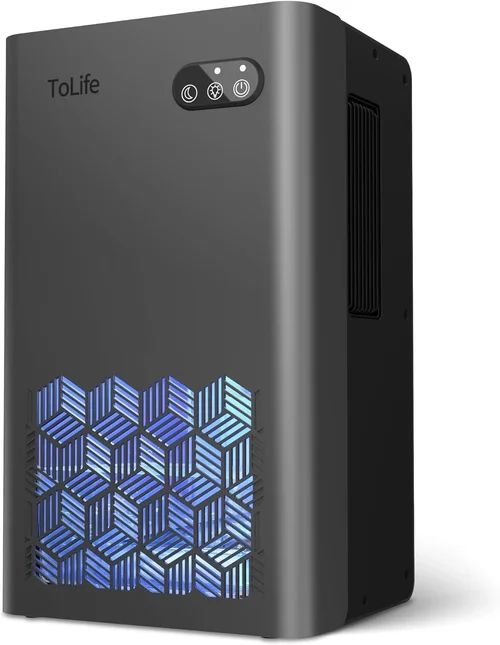
Dehumidifiers have quietly become one of the most essential home appliances in recent years—especially as climate change brings more extreme humidity, mold risks, and indoor air quality concerns into everyday life. Whether you’re battling musty basements, protecting your wardrobe from mildew, or simply trying to breathe easier during muggy summers, a reliable dehumidifier can make a world of difference. But with so many models flooding the market—from budget-friendly units under $100 to high-capacity smart machines costing over $500—it’s easy to feel overwhelmed. That’s exactly why this comprehensive buying guide exists: to cut through the noise, clarify your options, and help you find the best dehumidifier deals without sacrificing performance or value.
In this guide, you’ll learn everything you need to know to make a confident, informed purchase in 2026. We’ll walk you through the key factors that truly matter—like capacity, energy efficiency, noise levels, and smart features—and explain how to match those specs to your specific needs. You’ll also discover the different types of dehumidifiers available, avoid common pitfalls that cost buyers time and money, and get expert-backed tips on when and where to shop for the deepest discounts. By the end, you’ll not only understand what makes a great dehumidifier but also how to score one at the best possible price—whether you’re furnishing a tiny apartment or managing humidity in a sprawling basement.
The dehumidifier market has evolved dramatically over the past few years. Traditional compressor-based models still dominate, but newer refrigerant-free (desiccant) units are gaining traction for their quiet operation and cold-weather performance. Meanwhile, smart connectivity, auto-humidistats, and eco-friendly refrigerants are becoming standard even in mid-tier models. Retailers like Amazon, Home Depot, Lowe’s, and Costco now offer frequent seasonal promotions, especially during spring and early summer—the peak humidity season. With competition fierce and technology advancing rapidly, 2026 is an excellent time to buy—but only if you know what to look for. This guide ensures you do.
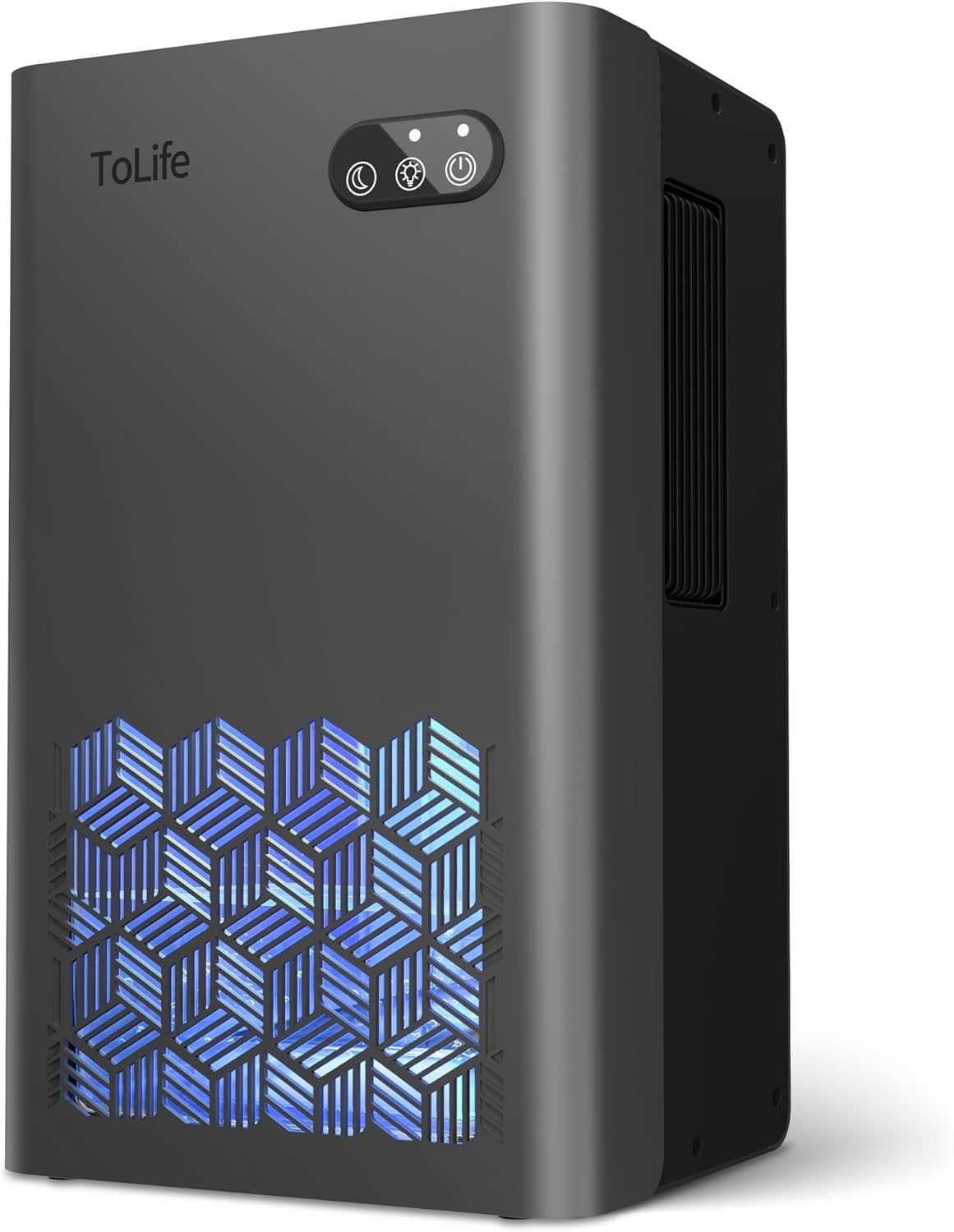
What to Look for When Buying Buying Guide
1. Capacity & Pint Rating
The single most important spec when choosing a dehumidifier is its capacity, measured in pints per day (PPD)—the amount of moisture it can remove from the air in 24 hours. This number directly correlates with the size of the space you need to dehumidify. For example, a 30-pint unit is ideal for small rooms up to 500 sq. ft., while a 70-pint model is better suited for large basements or open floor plans over 1,500 sq. ft. However, don’t just rely on square footage alone. Consider your local climate: if you live in a humid region like Florida or the Gulf Coast, you may need a higher-capacity unit than someone in a drier area like Arizona—even for the same room size.
Look for Energy Star-certified models, which often provide more accurate pint ratings under real-world conditions. Manufacturers sometimes inflate numbers based on ideal lab settings (80°F and 60% relative humidity), but actual performance drops in cooler or less humid environments. A good rule of thumb: if your space is damp or prone to mold, size up by one category. For instance, if your basement is 1,200 sq. ft. and consistently feels clammy, opt for a 50-pint instead of a 30-pint model. Oversizing slightly ensures faster moisture removal and reduces strain on the unit, extending its lifespan.
2. Energy Efficiency & Operating Costs
Dehumidifiers run for hours each day, so energy consumption directly impacts your utility bill. Look for the Energy Factor (EF), measured in liters of water removed per kilowatt-hour (L/kWh). Higher EF values mean greater efficiency. For example, a unit with an EF of 1.8 is more efficient than one with 1.5. Energy Star-certified dehumidifiers must meet strict efficiency guidelines—typically removing at least 1.75 liters per kWh—and can save you up to 30% on operating costs compared to non-certified models.
Consider the annual operating cost, which many manufacturers now list on packaging or websites. A typical 50-pint Energy Star model might cost around $30–$40 per year to run, while less efficient units could double that. Also, note that desiccant dehumidifiers (more on those below) tend to use more electricity than compressor-based ones, especially in warm, humid climates. If you plan to run your unit continuously, prioritize efficiency to avoid surprise bills. Some newer models even include built-in timers or humidity sensors that automatically shut off when the target level is reached, further reducing energy waste.
3. Noise Level & Placement Flexibility
Nobody wants a loud appliance disrupting sleep or conversation. Dehumidifier noise is measured in decibels (dB), and most residential units range from 45 dB (whisper-quiet) to 60+ dB (similar to a conversation). For bedrooms, nurseries, or home offices, aim for models under 50 dB. Compressor-based units are generally louder than desiccant types, especially during startup cycles. Look for “quiet mode” or “sleep mode” features that reduce fan speed and compressor activity at night.
Placement also affects perceived noise. Units placed on carpet may vibrate more, increasing sound. Consider models with rubber feet or anti-vibration pads. Additionally, check the hose drain option: if you can route water directly to a floor drain or sump pump, you eliminate the need to empty buckets frequently—which means less interaction and fewer disturbances. For open-concept living spaces, a sleek, compact design with front or top controls makes operation discreet and convenient.
4. Build Quality & Durability
A dehumidifier is a long-term investment, so durability matters. Look for sturdy casings made from high-impact plastic or metal, reinforced handles, and well-sealed internal components. Cheaper models often use thin plastic that cracks under stress or warps in high heat. Inspect the coil system: copper coils resist corrosion better than aluminum, especially in damp environments. Rust-resistant coatings on internal parts are a plus.
Check user reviews for reports of leaks, compressor failures, or control panel malfunctions after 1–2 years. Brands like Frigidaire, hOmeLabs, and GE consistently receive praise for build quality, while ultra-budget options may cut corners. Also, consider portability features: swivel casters, telescoping handles, and lightweight designs (under 40 lbs for larger units) make moving the unit between rooms or storing it seasonally much easier. A well-built dehumidifier should last 5–7 years with proper maintenance.
5. Features & Functionality
Modern dehumidifiers come packed with features that enhance convenience and performance. The most useful include:
– Auto-humidistat: Lets you set a target humidity level (e.g., 45–50%), and the unit automatically turns on/off to maintain it.
– Continuous Drain Option: Includes a built-in pump or gravity hose connection so you never have to empty a bucket.
– Defrost Function: Essential for compressor units used in unheated spaces like garages or crawl spaces below 65°F.
– Smart Controls: Wi-Fi connectivity (via apps like Alexa or Google Home) allows remote monitoring and scheduling.
– Filter Indicator: Alerts you when the air filter needs cleaning—critical for maintaining airflow and efficiency.
Avoid “feature bloat” that doesn’t serve your needs. For example, a built-in humidifier combo might sound appealing, but dual-function units often underperform in both roles. Stick to core dehumidification features unless you have a specific use case. Also, ensure the control panel is intuitive—backlit displays and simple buttons beat confusing touchscreens in humid conditions where fingers get sticky.
6. Brand Reputation & Reliability
Not all dehumidifier brands are created equal. Established names like Frigidaire, GE, LG, and Danby have decades of experience and robust customer support networks. Newer entrants like hOmeLabs, Ivation, and Eva-Dry offer competitive pricing and innovative designs but may lack long-term reliability data. Research brand-specific forums and review aggregators (like Consumer Reports or Wirecutter) to spot recurring issues.
Pay attention to how companies handle recalls, firmware updates (for smart models), and spare parts availability. A brand with a strong service network ensures you won’t be stranded if something breaks. Also, check if the manufacturer offers extended warranties or trade-in programs—some even provide free replacements for units that fail within the first year.
7. Warranty & Customer Support
A solid warranty is a strong indicator of a manufacturer’s confidence in their product. Most reputable brands offer at least a 1-year limited warranty, but premium models often include 2–5 years of coverage, sometimes with in-home service. Read the fine print: some warranties exclude labor costs or require registration within 30 days of purchase.
Customer support responsiveness is equally important. Test it before buying—call or email with a question and see how quickly they reply. Brands with 24/7 support lines or live chat (like LG or Samsung) score higher in user satisfaction. Avoid companies that only offer email support with 5-day response times. Also, check if local repair centers are available; shipping a 50-pound unit cross-country for service is costly and inconvenient.
8. User Reviews & Real-World Performance
Spec sheets tell part of the story—but real users tell the rest. Scour Amazon, Best Buy, and Reddit for detailed reviews that mention long-term use, noise levels, and ease of maintenance. Watch out for fake reviews: overly generic praise (“Great product!”) or identical phrasing across multiple accounts are red flags. Instead, look for specifics like “reduced basement mold after 3 weeks” or “bucket fills in 12 hours during rainy season.”
Pay special attention to comments about reliability after 6–12 months. A unit that works perfectly out of the box but fails after a year isn’t a good deal—even if it was cheap. Also, note regional feedback: a model praised in Arizona may struggle in Louisiana due to humidity differences. Cross-reference professional reviews (from sites like CNET or Good Housekeeping) with consumer experiences for a balanced view.
Different Types of Buying Guide

Common Buying Mistakes to Avoid
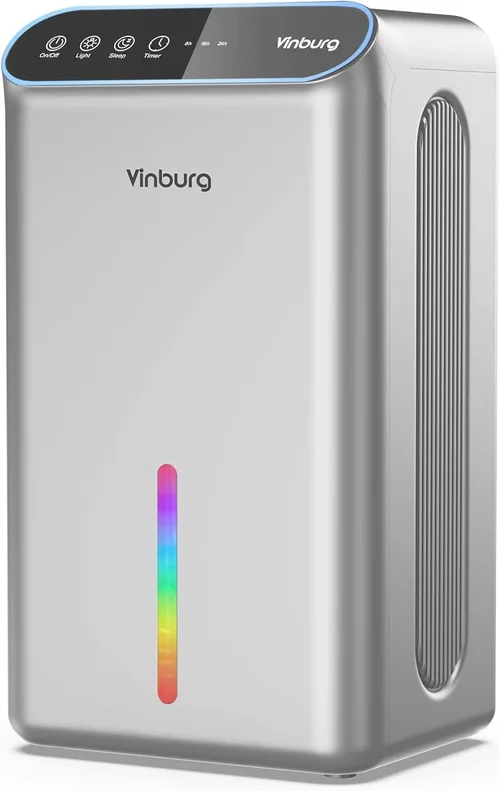
❌ Mistake: Buying Based Solely on Price
Why it’s bad: The cheapest dehumidifier often costs more in the long run due to higher energy bills, frequent repairs, or premature failure. A $80 unit that lasts one season isn’t a bargain—it’s a waste.
What to do instead: Calculate total cost of ownership, including energy use, maintenance, and expected lifespan. Spend a little more upfront for a reliable, efficient model that saves money over time.
❌ Mistake: Ignoring Room Conditions
Why it’s bad: A dehumidifier sized for a dry bedroom will struggle in a damp basement. Similarly, using a compressor unit in an unheated garage during winter can cause frost buildup and damage.
What to do instead: Assess your space’s temperature, humidity level, and usage patterns. Choose a desiccant model for cold areas and a high-capacity compressor unit for warm, wet environments.
❌ Mistake: Overlooking Drainage Options
Why it’s bad: Constantly emptying a full bucket is tedious and easy to forget—leading to overflow, water damage, and mold growth.
What to do instead: Invest in a model with a continuous drain hose or built-in pump. Even if you don’t use it immediately, having the option adds flexibility and peace of mind.
❌ Mistake: Skipping the Filter Maintenance
Why it’s bad: A clogged filter restricts airflow, reduces efficiency, and forces the unit to work harder—shortening its life and increasing energy costs.
What to do instead: Clean or replace the filter every 4–6 weeks during heavy use. Choose models with washable, reusable filters to save money and reduce waste.
❌ Mistake: Assuming All “Smart” Features Are Useful
Why it’s bad: Wi-Fi connectivity and app controls sound impressive, but if you never use them, you’ve paid extra for unnecessary tech.
What to do instead: Only buy smart features if you’ll actually use them—like remote monitoring while traveling or integration with your existing smart home system.
❌ Mistake: Not Checking Return Policies
Why it’s bad: If the unit doesn’t perform as expected, a strict return window (e.g., 14 days) may leave you stuck with a dud.
What to do instead: Buy from retailers with generous return windows (30–90 days) and clear policies. Test the unit thoroughly within the first week.
❌ Mistake: Forgetting About Seasonal Storage
Why it’s bad: Storing a damp or dirty dehumidifier can lead to mold inside the unit, foul odors, and component corrosion.
What to do instead: Clean the tank and filter, run the unit empty for 30 minutes to dry coils, and store in a dry place with a breathable cover.
Budget Guidelines: How Much Should You Spend?
– Entry-Level ($50–$120): These are typically mini or thermo-electric units best suited for closets, RVs, or very small bathrooms. Expect limited capacity (under 20 pints), no auto-humidistat, and basic controls. Ideal for occasional use or mild humidity issues. Brands like Eva-Dry and Afloia offer decent options here, but don’t expect basement-level performance.
– Mid-Range ($120–$250): This is the sweet spot for most homeowners. You’ll find reliable 30–50 pint compressor or desiccant models with Energy Star ratings, auto-defrost, continuous drain options, and digital controls. Brands like hOmeLabs, Ivation, and Frigidaire dominate this tier. These units balance performance, efficiency, and affordability—perfect for bedrooms, basements, or single-story homes.
– Premium ($250–$450): Designed for serious humidity challenges, these models offer 50–70+ pint capacity, advanced sensors, smart connectivity, and robust build quality. Look for features like built-in pumps, multi-speed fans, and extended warranties. Ideal for large basements, crawl spaces, or humid climates. LG, GE, and Danby offer standout models in this range.
– Luxury ($450+): Reserved for whole-house systems or commercial-grade units, these integrate with HVAC systems or include industrial features like remote monitoring, corrosion-resistant coatings, and 5-year warranties. Best for new builds, luxury homes, or properties with chronic moisture problems. Expect professional installation and higher operating costs, but unmatched consistency and coverage.
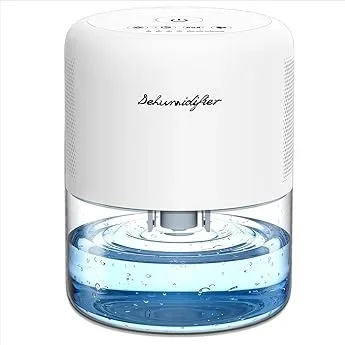
Expert Tips for Getting the Best Deal
– Shop During Off-Peak Seasons: Prices drop significantly in late summer and fall when demand wanes. Retailers clear inventory before winter, so September–November often offers the deepest discounts—sometimes 20–30% off MSRP.
– Compare Across Multiple Retailers: Don’t rely on one store. Check Amazon, Home Depot, Lowe’s, Costco, and Walmart simultaneously. Use price-tracking tools like Honey or CamelCamelCamel to spot historical lows.
– Look for Bundle Deals: Some retailers offer discounts when you buy a dehumidifier with an air purifier, humidifier, or extended warranty. These bundles can save $50–$100 if you need multiple appliances.
– Sign Up for Newsletters: Stores like Best Buy and Target send exclusive promo codes to subscribers—often 10–15% off your first purchase. Create a dedicated email for deal alerts to avoid clutter.
– Check Open-Box or Refurbished Options: Certified refurbished units from manufacturers (not third parties) often come with full warranties and sell for 20–40% less. These are rigorously tested and nearly indistinguishable from new.
– Negotiate In-Store: At big-box stores, politely ask if they’ll match an online price or throw in free delivery. Many managers have discretion to offer small perks, especially on floor models.
– Read the Fine Print on “Free Shipping”: Some “free shipping” deals exclude large appliances or charge hidden fees for lift-gate service. Confirm total costs before checkout.
– Use Credit Card Rewards: Pay with a cash-back or travel rewards card to earn points on your purchase. Just ensure you pay off the balance immediately to avoid interest.

Frequently Asked Questions
Q: How do I know what size dehumidifier I need?
A: Start with your room’s square footage and humidity level. Use this quick guide:
– 30 pints: Up to 500 sq. ft., moderately damp
– 50 pints: 500–1,500 sq. ft., very damp or basement
– 70+ pints: Over 1,500 sq. ft., wet or flood-prone areas
Always size up if you live in a high-humidity region or have poor ventilation.
Q: Can I run a dehumidifier all the time?
A: Yes—if it has an auto-humidistat. Set it to your target humidity (ideally 30–50%), and the unit will cycle on/off as needed. Continuous operation without a humidistat can over-dry the air, causing discomfort and static electricity.
Q: Do dehumidifiers use a lot of electricity?
A: It depends on the model and usage. A typical 50-pint Energy Star unit uses about 500–700 watts and costs $25–$40 annually if run 8 hours daily. Less efficient models can double that. Always check the EnergyGuide label for estimated yearly cost.
Q: Will a dehumidifier help with allergies?
A: Absolutely. By reducing moisture, it inhibits mold, dust mites, and mildew—common allergens. Pair it with an air purifier for maximum relief, especially in bedrooms or nurseries.
Q: Can I use a dehumidifier in winter?
A: Only if it’s a desiccant model or has an auto-defrost feature. Standard compressor units may freeze below 65°F, damaging the coils. Desiccant units work efficiently down to 40°F.
Q: How often should I clean my dehumidifier?
A: Clean the water tank weekly with mild soap and water. Wash or replace the air filter every 4–6 weeks during active use. Wipe the exterior and coils monthly to prevent dust buildup.
Q: Is a built-in pump worth it?
A: If you’re draining to a sink, window, or high point, yes. Pumps can push water up to 15 feet vertically, offering placement flexibility. Gravity drains only work downhill.
Q: Do dehumidifiers cool the room?
A: Not significantly. They remove moisture, which can make the air feel cooler and more comfortable, but they don’t lower temperature like an AC. In fact, they generate a small amount of heat during operation.
Q: Can I move my dehumidifier between rooms?
A: Yes, but allow 1–2 hours for the unit to settle if moved from a cold area (like a garage) to a warm room. This prevents refrigerant issues in compressor models.
Q: What’s the difference between a dehumidifier and an air purifier?
A: A dehumidifier removes moisture; an air purifier removes particles like pollen, smoke, and pet dander. They serve different purposes—but using both creates healthier indoor air.
Our Final Recommendations
– Best for Budget-Conscious Buyers: hOmeLabs 30 Pint Dehumidifier – At under $150, it offers solid performance, Energy Star certification, and a compact design perfect for apartments or small basements. Includes auto-humidistat and continuous drain option.
– Best Overall Value: Frigidaire FFAD7033R1 70 Pint – A workhorse for large spaces, this model combines high capacity, quiet operation (51 dB), and reliable build quality. Often discounted below $300 during sales.
– Best Premium Option: LG PuriCare 50 Pint Smart Dehumidifier – Wi-Fi enabled, sleek design, and precise humidity control. Ideal for tech-savvy users who want app monitoring and voice control via Alexa or Google.
– Best for Beginners: Ivation 50 Pint Energy Star – Simple controls, clear display, and excellent customer support. Great for first-time buyers who want reliability without complexity.
– Best for Advanced Users: Danby DDR070BJWDB 70 Pint with Pump – Built-in condensate pump, corrosion-resistant coils, and commercial-grade durability. Perfect for basements, crawl spaces, or rental properties.
Conclusion: Making the Right Choice
Choosing the right dehumidifier isn’t just about finding the lowest price—it’s about matching the right technology, capacity, and features to your unique environment and lifestyle. Whether you’re fighting mold in a basement, protecting musical instruments in a closet, or simply improving indoor air quality for your family’s health, the right unit can deliver lasting comfort and protection. By prioritizing energy efficiency, build quality, and real-world performance over flashy gimmicks, you’ll avoid common pitfalls and invest wisely.
Remember: the best dehumidifier deal isn’t always the cheapest one—it’s the one that meets your needs reliably, lasts for years, and saves you money on energy and maintenance. Use the guidelines in this guide to compare models confidently, shop strategically during off-peak seasons, and always verify return policies before purchasing. With climate volatility on the rise and indoor air quality becoming a top health concern, a high-performing dehumidifier is no longer a luxury—it’s a necessity. Take the time to choose well, and you’ll enjoy drier, healthier, and more comfortable living spaces for years to come.