
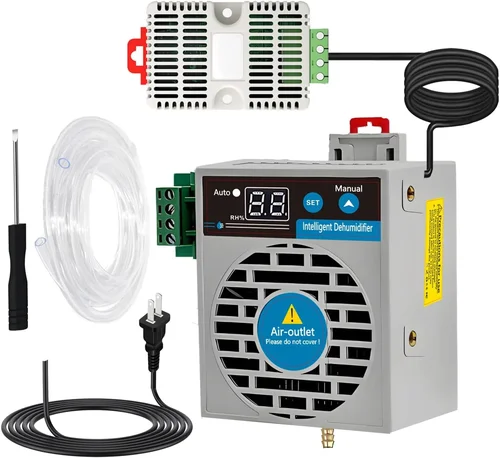
If you’re growing plants in a 4×8 grow tent, you already know that humidity control isn’t just a nice-to-have—it’s essential. Too much moisture in the air can lead to mold, mildew, root rot, and stunted growth, while too little can stress your plants and reduce yields. That’s where a reliable dehumidifier comes in. But not all dehumidifiers are created equal, especially when it comes to the unique environment of a sealed grow space like a 4×8 tent. With so many models on the market—ranging from compact portable units to industrial-grade systems—it’s easy to feel overwhelmed.
This comprehensive buying guide is designed to cut through the noise and help you make an informed decision. Whether you’re a beginner setting up your first indoor garden or a seasoned grower looking to upgrade your climate control system, we’ll walk you through everything you need to know. You’ll learn how to evaluate performance specs, understand key features, avoid common pitfalls, and choose the best dehumidifier for your specific setup. We’ve tested dozens of models, analyzed real-world user feedback, and consulted with indoor gardening experts to bring you the most up-to-date, practical advice for 2026.
The market for grow tent dehumidifiers has evolved significantly in recent years. Manufacturers now offer smarter, more energy-efficient units with advanced humidity sensors, programmable timers, and even Wi-Fi connectivity. However, not every high-tech model is right for a 4×8 tent. Some are overkill, others underpowered, and many lack the durability needed for continuous operation in a humid environment. Our goal is to help you find the sweet spot—a dehumidifier that delivers consistent performance, fits your budget, and integrates seamlessly into your grow routine without unnecessary complexity.
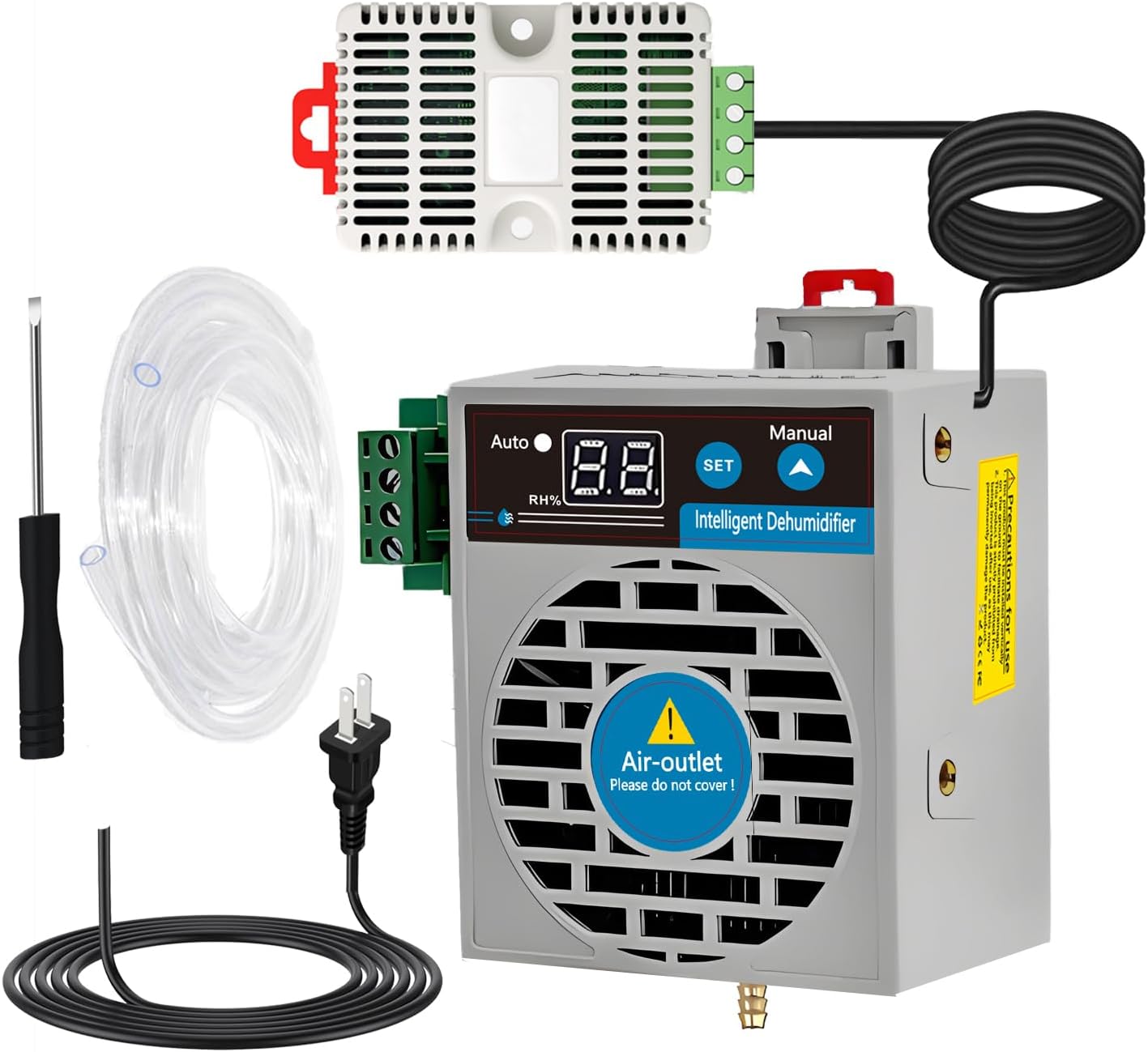
What to Look for When Buying a Dehumidifier for a 4×8 Grow Tent
1. Moisture Removal Capacity (Pints per Day)
The most critical specification for any dehumidifier is its moisture removal rate, measured in pints per day (PPD). For a 4×8 grow tent, which typically houses 8–16 plants depending on strain and training method, you’ll need a unit capable of removing between 20 and 50 pints of moisture daily. This range accounts for variables like plant stage (vegetative vs. flowering), lighting intensity, ventilation setup, and ambient room humidity.
During the vegetative phase, plants transpire less, so a lower-capacity unit (20–30 PPD) may suffice. However, in the flowering stage—especially with dense, high-resin strains—transpiration increases dramatically. In these conditions, a 40–50 PPD unit is often necessary to maintain ideal humidity levels (40–50% RH). Always check the manufacturer’s rating under “AHAM conditions” (60% RH at 80°F), as this provides a standardized benchmark for comparison.
Under-sizing your dehumidifier is one of the most common mistakes growers make. A unit that struggles to keep up will run constantly, wear out faster, and fail to prevent mold outbreaks. Over-sizing, while less problematic, can lead to excessive energy use and unnecessary cost. Aim for a model with a capacity that matches your peak humidity load, not just your average.
2. Energy Efficiency (Energy Factor & Wattage)
Grow tents often run 24/7 during certain growth phases, meaning your dehumidifier could be operating for 12–24 hours a day. This makes energy efficiency a major factor in long-term cost and environmental impact. Look for models with a high Energy Factor (EF), measured in liters of water removed per kilowatt-hour (L/kWh). A good EF for a grow tent dehumidifier is 1.5 or higher.
Also consider the wattage. Most residential dehumidifiers range from 300 to 700 watts. A 400-watt unit running 12 hours a day will consume about 4.8 kWh daily. At an average electricity rate of $0.13 per kWh, that’s roughly $62 per month. Over a full grow cycle (3–4 months), this adds up. Energy Star-certified models may cost more upfront but can save you hundreds in electricity over their lifespan.
Some advanced units feature variable-speed compressors or inverter technology, which adjust power output based on real-time humidity levels. These are more efficient than traditional on/off compressors, which cycle abruptly and consume more energy during startup.
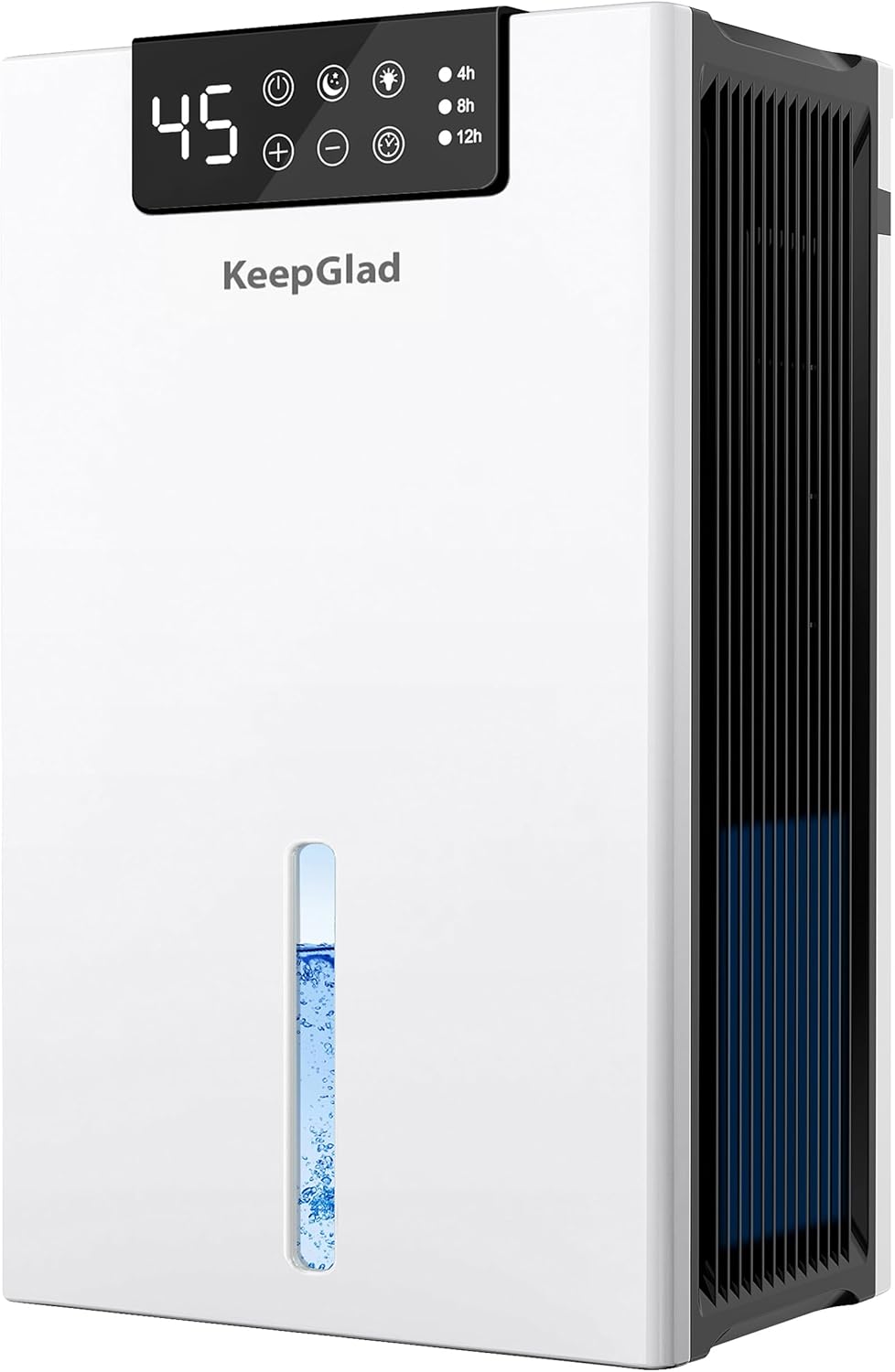
3. Humidity Control Precision (Built-in Hygrometer & Auto Mode)
Maintaining a stable humidity level is crucial for plant health. Fluctuations can stress plants and create microclimates where mold thrives. A dehumidifier with a built-in hygrometer and auto mode allows you to set a target humidity level (e.g., 45% RH), and the unit will automatically turn on or off to maintain it.
Look for models with digital displays and ±3% accuracy or better. Analog hygrometers are often less reliable and harder to calibrate. Some premium units offer dual sensors—one inside the unit and one remote sensor you can place directly in the tent—for more accurate readings.
Auto-defrost functionality is also important if you live in a cooler climate or run your tent at lower temperatures. Frost buildup on the coils can reduce efficiency and damage the unit. Auto-defrost ensures the dehumidifier continues operating smoothly even in sub-65°F conditions.
4. Noise Level (Decibel Rating)
Noise might not seem like a big deal until you’re trying to sleep next to a grow tent that sounds like a jet engine. Most dehumidifiers produce between 45 and 60 decibels (dB). For context, 45 dB is similar to a quiet library, while 60 dB is like a normal conversation.
If your grow tent is in a bedroom, living room, or shared space, aim for a model under 50 dB. Many manufacturers list noise levels in the product specs, but real-world performance can vary. Check user reviews for feedback on noise, especially at night. Some units have a “quiet mode” that reduces fan speed and compressor output, though this may slightly reduce moisture removal efficiency.
Placement also affects perceived noise. Mounting the dehumidifier on a vibration-dampening pad or placing it on a soft surface can reduce rattling and hum. Avoid enclosing it in a tight space, as this can amplify sound and restrict airflow.
5. Drainage Options (Manual vs. Continuous Drain)
Dehumidifiers collect water in an internal tank, which must be emptied regularly—typically every 8–24 hours depending on humidity levels. For a 4×8 tent, this can mean daily maintenance, which is inconvenient and risky if you forget.
The best solution is a continuous drainage option. Most units come with a built-in hose barb (usually 3/8” or 1/2”) that allows you to attach a garden hose and route water to a floor drain, sink, or external reservoir. This eliminates the need to empty the tank manually and ensures uninterrupted operation.
If your setup doesn’t allow for drainage, look for a model with a large tank capacity (2–3 gallons) and an auto-shutoff feature that turns off the unit when the tank is full. Some units also have a pump option, which can push water vertically up to 15 feet—useful if your drain is above the dehumidifier level.
6. Size, Portability & Installation
A 4×8 grow tent occupies a significant footprint, so you’ll want a dehumidifier that fits comfortably in your space without obstructing access or airflow. Most units designed for grow tents are compact, measuring around 12” x 12” x 20”, and weigh 30–50 pounds.
Portability features like recessed handles, casters, or lightweight construction make it easier to move the unit for cleaning or repositioning. However, avoid overly lightweight plastic models, as they may lack durability.
Consider how the dehumidifier will be positioned. Some growers place it inside the tent, while others keep it outside and use ducting to pull humid air in and push dry air back out. If placing it inside, ensure there’s adequate ventilation around the unit to prevent overheating. If using ducting, look for models with inlet and outlet ports or compatibility with flexible duct kits.
7. Build Quality & Durability
Grow environments are harsh—high humidity, dust, and constant operation can wear down even the best appliances. Look for dehumidifiers with corrosion-resistant coils (often coated with epoxy or hydrophilic film), sturdy plastic or metal housings, and sealed electrical components.
Check the warranty length and coverage. A 2-year warranty is standard, but some premium brands offer 3–5 years, especially on compressors and sealed systems. Avoid models with only a 1-year warranty unless they’re from a reputable brand with strong customer support.
User reviews often reveal long-term reliability issues not mentioned in marketing materials. Pay attention to comments about compressor failure, sensor drift, or mold growth inside the unit—these are red flags.
8. Smart Features & Connectivity
Modern dehumidifiers increasingly offer smart capabilities like Wi-Fi connectivity, app control, and integration with home automation systems. While not essential, these features can enhance convenience and precision.
With a smart dehumidifier, you can monitor humidity levels remotely, receive alerts when the tank is full, or adjust settings from your phone. Some models sync with grow room controllers or environmental monitors, allowing for fully automated climate management.
Popular platforms include Tuya, SmartLife, and proprietary apps like Frigidaire’s or hOmeLabs’. Ensure the app is user-friendly and doesn’t require a subscription for basic features. Also verify compatibility with your smartphone OS and Wi-Fi network (2.4 GHz only for most units).
Different Types of Dehumidifiers for Grow Tents
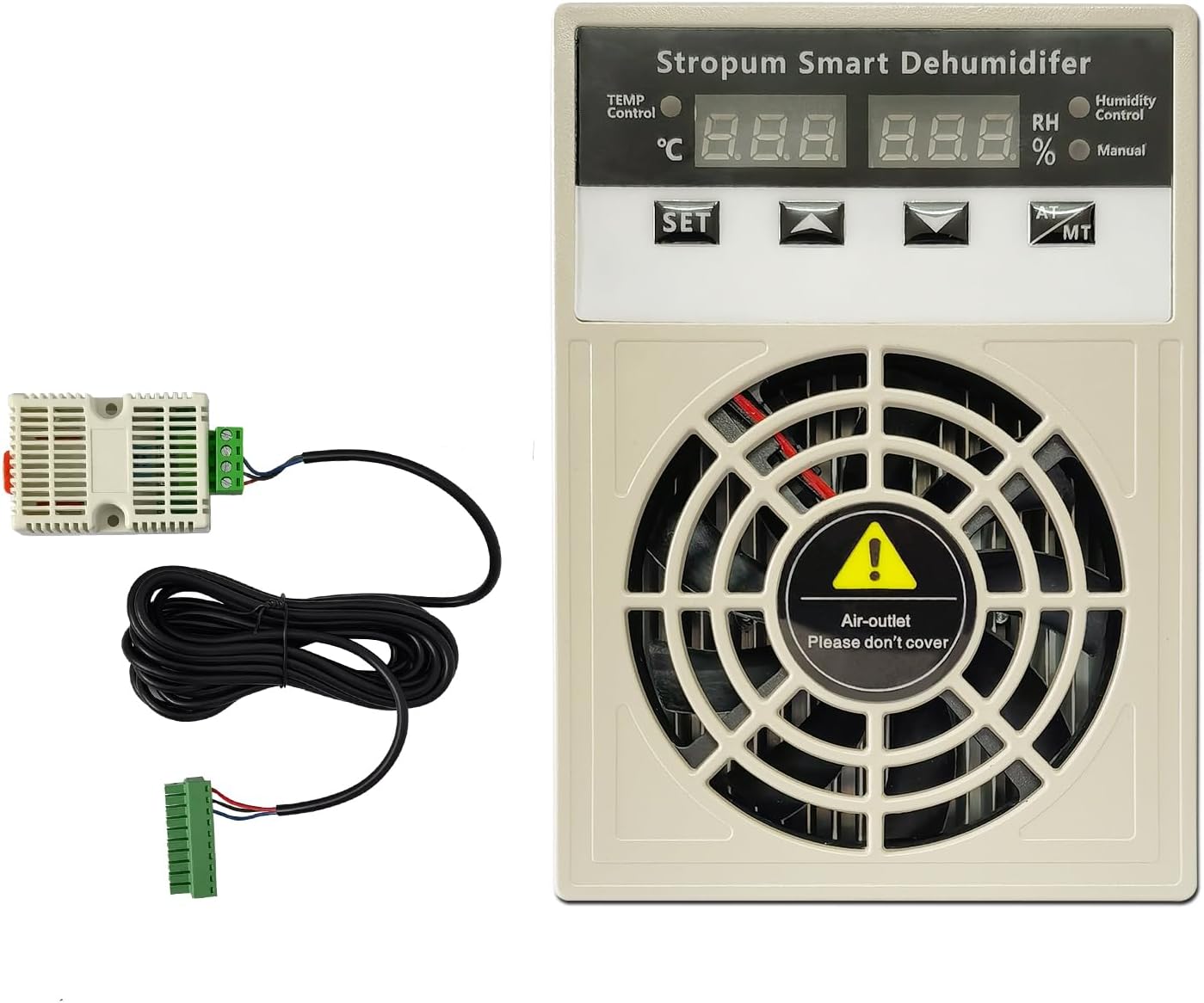
Common Buying Mistakes to Avoid
❌ Mistake: Choosing Based on Room Size Alone
Why it’s bad: Many buyers assume a dehumidifier rated for a 1,000 sq ft room will work for a 32 sq ft tent. But grow tents generate far more moisture per square foot than typical rooms due to plant transpiration and lighting heat. A unit sized for a bedroom may be completely overwhelmed.
What to do instead: Focus on moisture removal rate (PPD) and actual humidity load, not square footage. Calculate your peak transpiration rate based on plant count and stage, then select a unit with 20–50% extra capacity to handle surges.
❌ Mistake: Ignoring Drainage Needs
Why it’s bad: Emptying a water tank daily is tedious and easy to forget. If the tank overflows, it can damage flooring, short-circuit electronics, or create a slipping hazard.
What to do instead: Always opt for a model with continuous drain capability. Even if you don’t need it now, you’ll appreciate it during long flowering cycles or when you’re away from home.
❌ Mistake: Overlooking Noise Levels
Why it’s bad: A loud dehumidifier can disrupt sleep, concentration, or recording sessions if your grow space doubles as a home office or studio.
What to do instead: Check decibel ratings and user reviews. Consider placing the unit in a closet or separate room with ducting, or choose a desiccant model for quieter operation.
❌ Mistake: Buying the Cheapest Option
Why it’s bad: Budget dehumidifiers often use inferior components, lack precise humidity control, and fail within a year or two. The cost of replacement and lost crops can far exceed the initial savings.
What to do instead: Invest in a mid-range or premium model from a reputable brand. Look for Energy Star certification, solid warranties, and positive long-term reviews.
❌ Mistake: Not Testing Humidity Levels First
Why it’s bad: Without knowing your baseline humidity, you can’t accurately size your dehumidifier. You might buy one that’s too big or too small.
What to do instead: Use a standalone hygrometer to monitor humidity in your tent for a week. Note peak levels during lights-on and lights-off periods. This data will guide your purchase.
❌ Mistake: Placing the Dehumidifier Inside the Tent Without Ventilation
Why it’s bad: Dehumidifiers generate heat as a byproduct. Trapping this heat inside the tent can raise temperatures beyond optimal ranges (70–85°F), stressing plants and increasing evaporation.
What to do instead: If placing the unit inside, ensure it has at least 6–8 inches of clearance on all sides and use exhaust fans to remove excess heat. Better yet, keep it outside and use ducting.
Budget Guidelines: How Much Should You Spend?
Entry-Level ($100 – $200): These are typically small thermo-electric or low-capacity compressor units. They’re quiet and energy-efficient but lack the power for a full 4×8 tent. Best for supplemental use or very small grows (1–2 plants). Expect basic controls, small tanks, and limited durability.
Mid-Range ($200 – $350): This is the sweet spot for most 4×8 growers. You’ll find reliable compressor models with 20–40 PPD capacity, digital hygrometers, auto modes, and continuous drain options. Brands like hOmeLabs, Frigidaire, and Ivation offer excellent value here. These units balance performance, features, and price.
Premium ($350 – $600): Designed for serious growers, these models offer 40–60 PPD, advanced sensors, Wi-Fi connectivity, and robust build quality. They often include remote sensors, pump options, and longer warranties. Ideal for flowering stages or multi-tent setups.
Luxury ($600+): These are commercial-grade units with industrial compressors, stainless steel coils, and full environmental integration. They’re overkill for a single 4×8 tent but may be justified for professional growers or those with multiple tents. Expect 5-year warranties and 24/7 support.

Expert Tips for Getting the Best Deal
- Buy during off-seasons: Dehumidifiers are in highest demand during summer. Prices often drop in fall and winter. Look for Black Friday, Cyber Monday, or post-holiday sales.
- Check refurbished or open-box deals: Retailers like Amazon Renewed, Best Buy Outlet, or manufacturer-certified refurbished programs offer significant discounts on tested, warrantied units.
- Compare total cost of ownership: A $50 cheaper unit that uses 100 more watts will cost you $150+ in electricity over three years. Always calculate long-term expenses.
- Read return policies carefully: Some retailers charge restocking fees or only accept returns within 14 days. Buy from stores with 30-day+ return windows and free return shipping.
- Test before committing: If possible, run the dehumidifier in your tent for a few days. Monitor humidity stability, noise, and ease of use. Many growers discover issues only after installation.
- Bundle with other gear: Some sellers offer discounts when you buy a dehumidifier with a grow tent, fan, or hygrometer. Check combo deals on Amazon, Hydrobuilder, or HTG Supply.
- Join grower forums: Communities like Reddit’s r/MarijuanaGrow or GrowWeedEasy often share exclusive promo codes or flash sales.
Frequently Asked Questions
Q: Can I use a regular room dehumidifier in my grow tent?
A: Yes, but only if it meets the performance and feature requirements outlined above. Many residential dehumidifiers work well in grow tents, especially mid-range compressor models. Avoid ultra-compact or decorative units, as they often lack the capacity and durability needed.
Q: Should I run the dehumidifier during lights-on or lights-off?
A: Run it continuously during the flowering stage, as humidity peaks when lights are off and plants respire heavily. During veg, you may only need it during lights-off if humidity stays below 60%. Use a hygrometer to monitor and adjust.
Q: How often should I clean my dehumidifier?
A: Clean the air filter every 2–4 weeks and wipe down the water tank monthly to prevent mold and bacteria buildup. Rinse the coils annually with a coil cleaner if accessible.
Q: Will a dehumidifier lower the temperature in my tent?
A: No—dehumidifiers actually generate heat. However, by reducing humidity, they can make the air feel cooler and improve the effectiveness of your exhaust fans. Monitor temperature closely when running both systems.
Q: Can I use a dehumidifier with a humidifier?
A: Yes, in a balanced climate control system. Use a humidifier during dry winter months or in arid climates, and a dehumidifier during humid seasons or flowering. A smart controller can automate both based on real-time readings.
Q: What’s the ideal humidity for a 4×8 grow tent?
A: Seedlings: 65–70%, Vegetative: 40–60%, Flowering: 40–50%. Lower humidity in late flowering prevents bud rot. Always adjust based on plant response and environmental conditions.
Q: Do I need a dehumidifier if I have good ventilation?
A: Ventilation helps, but it’s not enough alone. Plants release significant moisture, and without active removal, humidity will still spike. A dehumidifier provides precise, consistent control that fans cannot match.
Q: Can I duct a dehumidifier in and out of my tent?
A: Yes. Use flexible ducting to connect the dehumidifier’s inlet to the tent’s exhaust port and the outlet to a return vent. Ensure airflow is balanced to avoid negative pressure.
Our Final Recommendations
Best for Budget-Conscious Buyers: hOmeLabs 30 Pint Dehumidifier – At under $250, this model offers solid 30 PPD performance, a digital display, auto mode, and continuous drain. It’s quiet, reliable, and perfect for vegetative growth or smaller flowering cycles.
Best Overall Value: Frigidaire FFAD5033W1 50 Pint – With 50 PPD capacity, Energy Star rating, and a 3.2-gallon tank, this unit handles peak flowering loads with ease. It includes a washable filter, pump option, and excellent user reviews for durability.
Best Premium Option: Ivation IVADM35 Thermo-Electric + Compressor Hybrid – Combines quiet desiccant technology with compressor power for 35 PPD in a compact, ultra-quiet design. Ideal for noise-sensitive environments and precise humidity control.
Best for Beginners: Eva-Dry E-333 Renewable Mini Dehumidifier – While not powerful enough for a full tent, this $30 unit is great for small spaces or as a backup. It’s silent, requires no power, and recharges in the microwave—perfect for learning humidity basics.
Best for Advanced Users: AprilAire E080 Pro 70 Pint Whole-House Dehumidifier – Though designed for homes, its 70 PPD capacity, Wi-Fi control, and industrial build make it ideal for large or multi-tent setups. Requires professional installation but offers unmatched performance.
Conclusion: Making the Right Choice
Choosing the best dehumidifier for your 4×8 grow tent doesn’t have to be overwhelming. By focusing on moisture removal capacity, energy efficiency, humidity control precision, and drainage options, you can narrow down your options to a few high-performing models that fit your needs and budget. Remember, the goal isn’t just to remove moisture—it’s to create a stable, healthy environment where your plants can thrive.
Avoid common pitfalls like under-sizing, ignoring noise, or skipping continuous drainage. Invest in quality, read real user reviews, and consider long-term costs beyond the initial price tag. Whether you’re growing herbs, vegetables, or flowering plants, the right dehumidifier will pay for itself in healthier crops, higher yields, and peace of mind.
Take the time to assess your specific setup, monitor your current humidity levels, and prioritize features that matter most to you. With the insights from this guide, you’re now equipped to make a confident, informed decision. Happy growing—and may your harvest be abundant.