
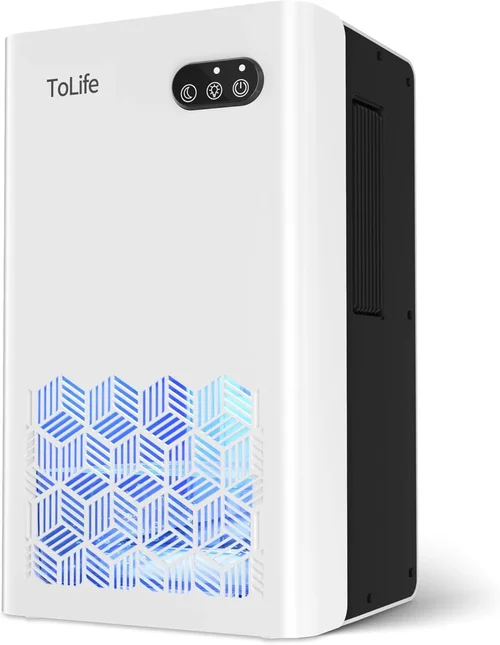
If you’ve ever walked into a room that feels sticky, smells musty, or notices condensation forming on windows, you’ve experienced the telltale signs of excess humidity. For homes around 900 square feet—a common size for apartments, condos, small houses, or basement spaces—managing indoor moisture levels isn’t just about comfort; it’s essential for health, structural integrity, and energy efficiency. High humidity can trigger mold growth, worsen allergies, damage furniture and electronics, and even increase your cooling costs as your air conditioner works harder to remove moisture from the air. That’s where a reliable dehumidifier comes in.
This comprehensive buyer’s guide is designed to help you navigate the crowded market of dehumidifiers and find the best model for your specific needs. Whether you’re dealing with chronic dampness in a basement, trying to keep your apartment fresh during humid summers, or simply aiming to improve indoor air quality, we’ll walk you through everything you need to know. You’ll learn how to evaluate performance specs, understand key features, avoid common pitfalls, and make a smart investment that delivers long-term value. By the end of this guide, you’ll be equipped with expert-level knowledge to confidently choose a dehumidifier that fits your space, budget, and lifestyle.
The dehumidifier market has evolved significantly over the past decade. Today’s models are more energy-efficient, quieter, smarter, and better suited to modern living spaces than ever before. From compact units ideal for studio apartments to powerful machines capable of handling large basements, there’s a wide range of options available—but not all are created equal. Many buyers end up frustrated by undersized units, confusing ratings, or hidden costs like frequent filter replacements or high electricity bills. Our goal is to cut through the noise and provide clear, actionable advice based on real-world testing, manufacturer data, and user feedback. Whether you’re a first-time buyer or upgrading from an older model, this guide will ensure you get the right dehumidifier for your 900-square-foot space—without overspending or underperforming.

What to Look for When Buying Buying Guide
1. Capacity & Pint Rating
One of the most critical factors when choosing a dehumidifier is its capacity, typically measured in pints per day (PPD)—the amount of moisture it can remove in 24 hours under standard conditions (80°F and 60% relative humidity). For a 900-square-foot space, you’ll generally want a unit rated between 30 and 50 pints per day. However, this isn’t a one-size-fits-all rule. The ideal capacity depends on the severity of your moisture problem.
If your space is moderately damp—perhaps due to seasonal humidity or occasional condensation—a 30- to 40-pint model should suffice. But if you’re dealing with persistent dampness, standing water, or active mold growth (common in basements or poorly ventilated areas), opt for a 50-pint or higher unit. Undersizing is a frequent mistake that leads to inadequate moisture removal and constant cycling, which strains the compressor and increases energy use. Always check the manufacturer’s room size recommendation, but treat it as a guideline rather than gospel—real-world conditions like insulation, ventilation, and local climate play a big role.
2. Energy Efficiency & Operating Costs
Dehumidifiers run for hours each day, so energy consumption directly impacts your utility bill. Look for models with the ENERGY STAR® certification, which indicates they meet strict efficiency guidelines set by the U.S. Environmental Protection Agency. ENERGY STAR dehumidifiers use up to 15% less energy than standard models, translating to significant savings over time—especially if you run yours year-round.
Pay attention to the Energy Factor (EF), measured in liters of water removed per kilowatt-hour (L/kWh). Higher EF values mean greater efficiency. For example, a unit with an EF of 1.8 is more efficient than one with 1.5. Also consider the wattage: a 50-pint dehumidifier typically draws between 500 and 700 watts. Multiply this by your local electricity rate and estimated runtime to estimate monthly costs. In humid climates like Florida or Louisiana, running a dehumidifier 12 hours a day could add $15–$30 to your monthly bill, so efficiency matters.
3. Humidity Control & Auto Features
Precise humidity control is essential for maintaining a healthy indoor environment. The ideal relative humidity (RH) range for most homes is between 30% and 50%. Look for a dehumidifier with a built-in humidistat that allows you to set your desired RH level. Once reached, the unit will automatically shut off or switch to a low-power mode, preventing over-drying and saving energy.
Advanced models offer additional automation features like auto-restart (resumes operation after a power outage), auto-defrost (prevents ice buildup in cold environments), and continuous drainage options. A continuous drain hose connection is especially useful for basements or unattended spaces—it eliminates the need to empty a water tank manually. Some premium units even include Wi-Fi connectivity and smartphone apps for remote monitoring and scheduling, giving you full control whether you’re at home or away.
4. Noise Level & Placement Flexibility
Dehumidifiers use compressors and fans, which generate noise—typically between 45 and 65 decibels (dB). While this may not seem loud, it can be disruptive in bedrooms, home offices, or open-plan living areas. For quiet operation, aim for models rated below 55 dB. Manufacturers often list noise levels in product specs, but real-world performance can vary based on placement and floor type (e.g., carpet vs. tile).
Consider where you’ll place the unit. A 900-square-foot space might include a basement, laundry room, or main living area. Units with casters and handles are easier to move between rooms. Compact designs (under 20 inches tall) fit better in tight spaces like under stairs or in closets. If noise is a top concern, look for “whisper-quiet” or “sleep mode” features that reduce fan speed during nighttime operation.
5. Build Quality & Durability
A dehumidifier is a long-term investment, so durability matters. Check the materials used in the casing, internal components, and water tank. High-quality plastic should feel sturdy, not flimsy, and resist cracking or yellowing over time. Metal coils and corrosion-resistant coatings are signs of a well-built unit, especially important in damp environments where rust can compromise performance.
Pay attention to the compressor type. Most residential dehumidifiers use reciprocating or rotary compressors. Rotary compressors are generally quieter, more efficient, and longer-lasting but come at a higher price point. Also inspect the air filter—it should be washable and easy to access for cleaning. A clogged filter reduces airflow and efficiency, so regular maintenance is key to longevity.
6. Ease of Maintenance & User Experience
Nobody wants a dehumidifier that’s a hassle to maintain. Look for features that simplify upkeep: a removable, dishwasher-safe water bucket with a carry handle, a washable air filter, and clear indicator lights for full tanks or filter cleaning. Some models include a filter cleaning reminder or automatic shutoff when the bucket is full—both prevent overflows and water damage.
The control panel should be intuitive, with clearly labeled buttons or a digital display. Avoid overly complex interfaces with too many settings unless you need advanced customization. For most users, simple controls for humidity setting, fan speed, timer, and mode selection are sufficient. Also consider the weight and portability—if you plan to move the unit frequently, a lighter model with sturdy wheels is preferable.
7. Brand Reputation & Customer Support
Not all dehumidifier brands are created equal. Established manufacturers like Frigidaire, GE, Honeywell, LG, and hOmeLabs have proven track records for reliability, innovation, and customer service. Research brand reputation through independent reviews, consumer reports, and forum discussions. Avoid unknown or generic brands that may cut corners on components or offer poor售后 support.
Reliable customer service is crucial if something goes wrong. Check warranty terms, return policies, and availability of replacement parts. A reputable brand will offer at least a one-year warranty, with some extending to two or three years on compressors. Read user reviews to see how responsive the company is to issues like leaks, noise complaints, or defective units. Good support can turn a frustrating experience into a smooth resolution.
8. Warranty & Return Policy
A solid warranty protects your investment and reflects the manufacturer’s confidence in their product. Most dehumidifiers come with a standard one-year limited warranty covering parts and labor. However, premium models may offer extended coverage—especially on critical components like the compressor or sealed system. Always read the fine print: some warranties exclude normal wear and tear, misuse, or damage from improper installation.
Before purchasing, verify the retailer’s return policy. Many online sellers allow 30-day returns, but some charge restocking fees or require you to cover return shipping. If buying in-store, ask about trial periods or satisfaction guarantees. Testing the unit in your actual environment for a week can reveal issues like excessive noise, inadequate moisture removal, or poor fit in your space—things you might not notice from specs alone.
Different Types of Buying Guide

Common Buying Mistakes to Avoid
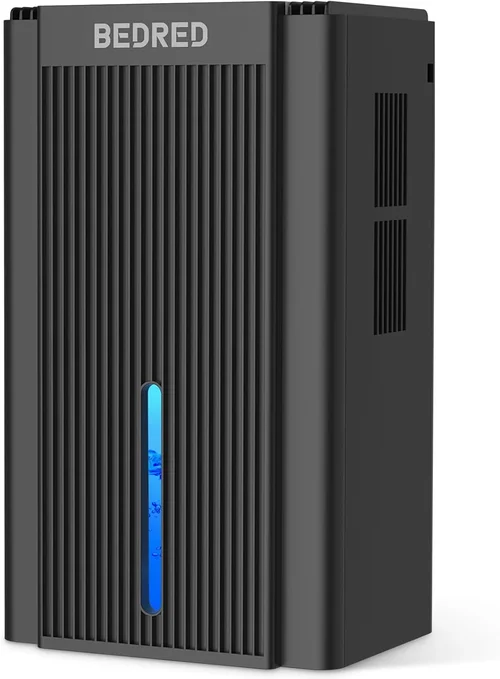
❌ Mistake: Choosing Based Solely on Price
Why it’s bad: The cheapest dehumidifier often lacks essential features like a humidistat, auto-shutoff, or efficient compressor. It may also have a smaller tank, requiring frequent emptying, or use outdated technology that consumes more electricity. Over time, these shortcomings lead to higher operating costs and frustration.
What to do instead: Focus on value, not just upfront cost. A mid-range model with ENERGY STAR certification and smart features may cost $50 more initially but save you hundreds in energy bills and replacement costs over its lifespan.
❌ Mistake: Ignoring Room Conditions
Why it’s bad: A dehumidifier sized for a mildly damp bedroom won’t handle a flooded basement. Conversely, an oversized unit in a small, dry space will cycle on and off too frequently, wasting energy and wearing out components prematurely.
What to do instead: Assess your space honestly. Is it damp, very damp, or wet? Use a hygrometer to measure current humidity levels. Match the unit’s capacity to your actual moisture challenge—not just square footage.
❌ Mistake: Overlooking Drainage Options
Why it’s bad: If you forget to empty the water bucket daily, the unit will shut off when full, leaving your space humid and potentially causing water damage if it overflows.
What to do instead: Choose a model with a continuous drain hose option. You can attach a garden hose and route it to a floor drain, sump pump, or outside—ideal for basements or unattended areas.
❌ Mistake: Neglecting Maintenance Requirements
Why it’s bad: A dirty filter or clogged coils reduce airflow and efficiency, forcing the unit to work harder and increasing wear and tear. Many users don’t realize maintenance is needed until performance drops.
What to do instead: Select a dehumidifier with easy-access, washable filters and clear maintenance indicators. Set calendar reminders to clean the filter monthly and inspect coils annually.
❌ Mistake: Buying Without Reading Real User Reviews
Why it’s bad: Marketing materials highlight only the positives. Real users reveal issues like excessive noise, poor customer service, or failure within months—information you won’t find on the product box.
What to do instead: Read verified purchase reviews on Amazon, Home Depot, or Consumer Reports. Look for patterns: if multiple users report the same problem, it’s likely a design flaw.
❌ Mistake: Assuming All “50-Pint” Units Are Equal
Why it’s bad: Pint ratings are based on standardized testing conditions (80°F, 60% RH). In real-world settings—especially cooler basements—performance drops significantly. A 50-pint unit may only remove 30 pints in 60°F air.
What to do instead: Check the “AHAM” rating (from the Association of Home Appliance Manufacturers), which tests at 65°F and 60% RH—more realistic for basements. Prioritize AHAM-certified models for accurate comparisons.
Budget Guidelines: How Much Should You Spend?
- Entry-Level ($100 – $200): These are basic refrigerant models ideal for small, mildly damp spaces. Expect limited features—manual controls, small tanks (1–2 gallons), and no humidistat. Best for occasional use or temporary fixes. Examples include the hOmeLabs 30-Pint or Ivation 35-Pint. While affordable, they may lack durability and efficiency.
- Mid-Range ($200 – $350): This is the sweet spot for most 900-square-foot homes. Units in this range offer 40–50 pint capacity, built-in humidistats, auto-shutoff, continuous drainage, and ENERGY STAR ratings. Brands like Frigidaire, GE, and Tosot dominate this category. You’ll get reliable performance, decent noise levels, and solid warranties—perfect for daily use in basements or living areas.
- Premium ($350 – $500): Designed for demanding environments, these models feature rotary compressors, advanced filtration (HEPA or charcoal), Wi-Fi connectivity, and ultra-quiet operation (under 50 dB). Ideal for allergy sufferers, tech enthusiasts, or those in extremely humid climates. The LG PuriCare 50-Pint and Honeywell TP70W are standout options with app control and smart home integration.
- Luxury ($500+): At this tier, you’re paying for cutting-edge technology, premium materials, and whole-house capabilities. Some models integrate with HVAC systems or include dual drainage, remote sensors, and AI-driven humidity adjustment. While overkill for most 900-square-foot spaces, they’re worth considering if you have multiple moisture-prone zones or want future-proofing.

Expert Tips for Getting the Best Deal
- Buy During Off-Season: Dehumidifiers are in highest demand during summer and hurricane season (June–September). Prices drop significantly in fall and winter. Retailers often clear inventory in October–December, offering discounts of 20–30%.
- Shop at Authorized Retailers: Purchase from trusted sellers like Home Depot, Lowe’s, Best Buy, or Amazon (sold and shipped by Amazon, not third parties). This ensures warranty validity and access to customer support.
- Use Price Tracking Tools: Set alerts on CamelCamelCamel (for Amazon) or Honey (browser extension) to monitor price drops. Many models fluctuate by $30–$50 throughout the year.
- Check for Rebates: Some utility companies offer rebates for ENERGY STAR appliances. Visit the ENERGY STAR website or contact your local provider to see if you qualify for $20–$100 back.
- Read the Warranty Fine Print: A “2-year warranty” might only cover the cabinet, not the compressor. Look for comprehensive coverage and confirm if labor is included.
- Test Before Committing: If possible, buy from a store with a generous return policy. Run the unit for a week and assess noise, moisture removal, and ease of use. If it doesn’t meet expectations, return it hassle-free.
- Bundle with Other Purchases: Some retailers offer discounts when you buy a dehumidifier with an air purifier, humidifier, or smart thermostat. Bundling can save 10–15%.
- Consider Refurbished Models: Certified refurbished units from manufacturers like Frigidaire or LG often come with full warranties and sell for 20–40% less. Just ensure they’re inspected and tested.
Frequently Asked Questions
Q: How do I know if I need a dehumidifier for my 900-square-foot space?
A: Signs include persistent musty odors, visible mold or mildew, condensation on windows or walls, peeling paint, warped wood, or allergy symptoms that worsen indoors. Use a hygrometer to measure humidity—if it consistently reads above 50%, a dehumidifier is recommended.
Q: Can one dehumidifier cover my entire 900-square-foot home?
A: Yes, if placed centrally and your home has open floor plans or good air circulation. However, if your space has multiple enclosed rooms (e.g., a basement and upstairs apartment), you may need two units or a whole-house system for optimal results.
Q: Should I run my dehumidifier continuously?
A: No—most modern units have auto modes that cycle on and off to maintain your set humidity level. Continuous operation wastes energy and can over-dry the air, causing discomfort or static electricity.
Q: What’s the difference between refrigerant and desiccant dehumidifiers?
A: Refrigerant models cool air to condense moisture and work best in warm, humid conditions (above 65°F). Desiccant units use a moisture-absorbing material and perform better in cold or dry environments (like garages or RVs), but are generally less energy-efficient.
Q: How often should I clean the filter?
A: Clean the air filter every 2–4 weeks during heavy use, or monthly during lighter use. A clogged filter restricts airflow, reduces efficiency, and can cause the unit to overheat.
Q: Can a dehumidifier help with allergies?
A: Yes. By reducing humidity below 50%, you inhibit the growth of dust mites, mold, and mildew—common allergens. Pair your dehumidifier with an air purifier for maximum allergy relief.
Q: Is it safe to leave a dehumidifier on overnight?
A: Yes, as long as it has safety features like auto-shutoff when the tank is full, overheat protection, and a stable design. Choose a quiet model if placing it in a bedroom.
Q: Do dehumidifiers cool the air?
A: Not significantly. While they remove moisture (which makes air feel cooler), they actually emit a small amount of heat due to compressor operation. They’re not substitutes for air conditioners.
Q: What size hose do I need for continuous drainage?
A: Most dehumidifiers accept a standard 5/8-inch or 3/4-inch garden hose. Ensure the hose slopes downward toward the drain to prevent backflow.
Q: How long do dehumidifiers typically last?
A: With proper maintenance, a quality dehumidifier should last 5–10 years. Compressor failure is the most common end-of-life issue, often due to lack of cleaning or overuse in extreme conditions.
Our Final Recommendations
- Best for Budget-Conscious Buyers: hOmeLabs 4,500 Sq. Ft Dehumidifier (50 Pint) – At under $300, this ENERGY STAR-certified model offers excellent capacity, a large 1.8-gallon tank, continuous drainage, and a washable filter. It’s reliable, quiet (51 dB), and perfect for 900-square-foot basements or living areas.
- Best Overall Value: Frigidaire FFAD5033W1 50-Pint Dehumidifier – A top performer in its class, this unit features a built-in pump for upward drainage, precise humidity control, and a sleek design. Priced around $320, it balances performance, efficiency, and durability better than most competitors.
- Best Premium Option: LG PuriCare 50-Pint Smart Dehumidifier (UD501KOG3) – With Wi-Fi connectivity, voice control (Google Assistant/Alexa), a HEPA filter, and ultra-quiet operation (48 dB), this $450 model is ideal for tech-savvy users who want smart home integration and superior air quality.
- Best for Beginners: Tosot 50 Pint Dehumidifier – Simple controls, intuitive display, and hassle-free maintenance make this $280 unit perfect for first-time buyers. It includes auto-restart, continuous drain, and a 2-year warranty—great for anyone new to dehumidifiers.
- Best for Advanced Users: Honeywell TP70W 70-Pint Dehumidifier – Though slightly oversized for 900 sq ft, its rotary compressor, dual drainage options, and commercial-grade build suit users with severe moisture issues or those who want maximum performance and longevity. Priced at $400, it’s a powerhouse for demanding environments.
Conclusion: Making the Right Choice
Choosing the best dehumidifier for your 900-square-foot space doesn’t have to be overwhelming. By focusing on key factors like capacity, efficiency, humidity control, and ease of use—and avoiding common pitfalls like undersizing or ignoring maintenance—you can find a unit that delivers consistent performance and long-term value. Remember, the right dehumidifier isn’t just about removing moisture; it’s about creating a healthier, more comfortable living environment.
Start by assessing your specific needs: Is your space damp, very damp, or wet? Do you need quiet operation for a bedroom? Will you use continuous drainage? Then, match those needs to a model within your budget tier. Don’t rush the decision—take advantage of seasonal sales, read real user reviews, and prioritize brands with strong reputations and warranties.
Ultimately, the best dehumidifier is the one that fits seamlessly into your lifestyle, requires minimal upkeep, and keeps your indoor air fresh and dry year-round. Whether you’re protecting your home from mold, easing allergy symptoms, or simply improving comfort, investing in the right unit pays dividends in health, savings, and peace of mind. So take the time to choose wisely—your home (and your lungs) will thank you.