
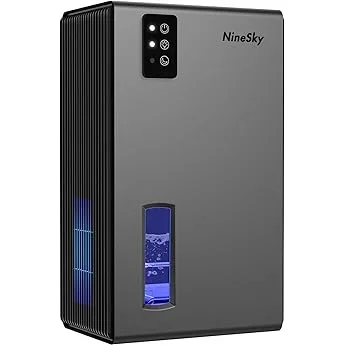
If you’ve ever stepped into your basement and been greeted by that unmistakable damp, musty smell—or worse, spotted mold creeping along the walls or water pooling near the foundation—you already know why a dehumidifier isn’t just a luxury, it’s a necessity. In Canada, where cold winters and humid summers create the perfect storm for basement moisture issues, choosing the right dehumidifier can mean the difference between a dry, usable space and a damp, unhealthy environment. Whether you’re finishing your basement into a home gym, playroom, or home office, or simply trying to protect your belongings from mildew and rot, investing in a quality dehumidifier is one of the smartest home improvements you can make.
This comprehensive buying guide is designed to cut through the noise and help you make an informed decision tailored to your specific needs. We’ll walk you through everything from understanding performance specs and energy efficiency to comparing top models available in Canada, avoiding common pitfalls, and maximizing your budget. You’ll learn how to match the right capacity, features, and build quality to your basement’s square footage, humidity levels, and usage patterns. By the end of this guide, you won’t just know which dehumidifier to buy—you’ll understand why it’s the best fit for your home.
The Canadian market offers a wide range of dehumidifiers, from compact units under $200 to high-capacity, smart-enabled models exceeding $800. With brands like Frigidaire, hOmeLabs, GE, Danby, and AprilAire dominating shelf space and online listings, it’s easy to feel overwhelmed. But don’t worry—we’ve done the research for you. We’ve analyzed hundreds of customer reviews, compared technical specifications, evaluated real-world performance in Canadian climates, and consulted HVAC professionals to bring you the most up-to-date, expert-backed advice for 2026. Whether you’re dealing with a small crawl space or a sprawling unfinished basement, this guide will equip you with the knowledge to choose confidently.

What to Look for When Buying a Dehumidifier
1. Capacity (Pints per Day)
The most critical specification when selecting a dehumidifier is its capacity, measured in pints of moisture removed per day (PPD). This number directly correlates with the size of the space you’re trying to dehumidify and the severity of the moisture problem. For basements, which are typically cooler and more prone to dampness, you’ll generally need a higher-capacity unit than you would for a living room or bedroom.
In Canada, basements often fall into the “moderately damp” to “very wet” categories due to groundwater seepage, poor drainage, or high ambient humidity during summer months. A 30-pint unit may suffice for a small, well-insulated basement under 500 square feet with minimal moisture issues. However, for larger spaces (800–1,500 sq ft) or areas with persistent dampness, mold, or standing water, a 50- to 70-pint model is strongly recommended. Always check the manufacturer’s coverage guidelines—many list both “normal” and “wet” conditions, with the latter requiring significantly higher capacity.
2. Energy Efficiency & Operating Costs
Dehumidifiers can be energy hogs, especially if they run 8–12 hours a day. In Canada, where electricity rates vary by province—from around 12¢/kWh in Quebec to over 20¢/kWh in Nova Scotia—operating costs add up quickly. Look for units with the ENERGY STAR® certification, which indicates they meet strict efficiency guidelines set by Natural Resources Canada and the U.S. Environmental Protection Agency.
ENERGY STAR-certified dehumidifiers use up to 15% less energy than standard models, which can save you $20–$50 annually depending on usage and local rates. Pay attention to the Energy Factor (EF), measured in liters of water removed per kilowatt-hour (L/kWh). A higher EF means greater efficiency. For example, a unit with an EF of 1.8 is more efficient than one with 1.5. Also consider the wattage—most residential dehumidifiers draw between 300W and 750W. Lower wattage doesn’t always mean lower operating cost if the unit is less efficient overall, so always compare EF ratings.
3. Build Quality & Durability
Basements are harsh environments—cool, dusty, and sometimes prone to flooding. Your dehumidifier needs to withstand these conditions without breaking down after a year or two. Look for models with sturdy casings (preferably metal or high-impact plastic), sealed compressors, and corrosion-resistant coils. Units designed for basements often feature protective grilles, reinforced handles, and anti-vibration feet.
Internal components matter too. Scroll compressors are quieter and more durable than reciprocating ones. Copper coils resist corrosion better than aluminum, especially in humid environments. Check whether the water tank is easy to remove and clean—some models have molded grips or anti-spill designs. Also, consider whether the unit has a built-in pump (more on that below), as this adds complexity but also longevity in wet conditions.
4. Features & Functionality
Modern dehumidifiers come packed with features that enhance convenience, control, and performance. Here are the most important ones to consider:
– Built-in Pump: Essential for basements without floor drains. A condensate pump allows continuous drainage by pushing water vertically (up to 15–20 feet) to a sink, sump pit, or exterior drain. This eliminates the need to empty the tank manually.
– Humidistat: Lets you set your desired humidity level (ideally 30–50% for basements). The unit automatically turns on/off to maintain that level.
– Auto Defrost: Crucial for Canadian winters. If your basement drops below 15°C (60°F), frost can build up on the coils, reducing efficiency. Auto-defrost prevents this by briefly heating the coils.
– Timer & Delay Start: Allows you to schedule operation during off-peak hours or when you’re away.
– Air Filtration: Many units include washable or replaceable filters that capture dust, mold spores, and allergens. HEPA or activated carbon filters offer superior air cleaning.
– Smart Connectivity: Wi-Fi-enabled models let you monitor and control humidity via smartphone apps (e.g., Frigidaire SmartDehumidifier, hOmeLabs Smart). Useful for remote monitoring if you’re away from home.
5. Noise Level
Basements are often used as living spaces, home theaters, or offices—so noise matters. Dehumidifiers typically range from 45 dB (quiet library) to 65 dB (normal conversation). Look for models rated at 55 dB or lower if quiet operation is a priority. Compressor type, fan design, and insulation all affect noise. Some brands advertise “whisper-quiet” operation—verify this with third-party reviews.
6. Drainage Options
Emptying a full water tank every day is tedious and unsanitary. That’s why drainage flexibility is key for basement use. Most units offer three options:
– Gravity Drain: Requires a nearby floor drain or sump pit. A hose attaches to the back and drains continuously by gravity. Simple and reliable, but limited by location.
– Built-in Pump: Ideal for basements without drains. Pumps water upward to a sink, window, or exterior. Look for models with automatic pump activation when the tank is full.
– Manual Tank: The default option. Tanks hold 8–16 pints and need regular emptying. Only suitable for very low-humidity environments or as a backup.
For most Canadian basements, a unit with both a large tank and pump capability offers the best balance of convenience and reliability.
7. Brand Reputation & Reliability
Not all dehumidifiers are created equal—even if they look similar. Stick with established brands known for reliability and customer support in Canada. Frigidaire, hOmeLabs, GE Appliances, Danby, and AprilAire consistently receive high marks for performance and durability. Avoid no-name brands sold exclusively through third-party Amazon sellers; they often lack proper certifications, warranties, or replacement parts.
Check Canadian consumer review sites like ProductReview.ca, BestBuy.ca, and Home Depot Canada for real user feedback. Pay attention to comments about long-term reliability, customer service responsiveness, and availability of spare parts (like filters or pumps).
8. Warranty & Support
A good warranty signals confidence in product quality. Most reputable brands offer 1–2 years of coverage, with some premium models extending to 3–5 years. Look for comprehensive warranties that cover both parts and labor—not just the compressor. Also verify that service centers are available in your province. A unit with a 5-year warranty is useless if you can’t get it repaired in Manitoba or Newfoundland.
Customer support matters too. Can you reach a live agent? Is there a Canadian phone number? Are manuals and troubleshooting guides available in French and English? These details matter when something goes wrong.
Different Types of Dehumidifiers

For the vast majority of Canadian basements, compressor dehumidifiers are the best choice—they offer the right balance of power, efficiency, and affordability. Desiccant models shine in unheated spaces like crawl spaces or garages, while whole-house systems are ideal for new builds or major renovations. Avoid thermo-electric units for basement use—they lack the capacity and efficiency needed for meaningful moisture control.
Common Buying Mistakes to Avoid
❌ Mistake: Buying Based Solely on Price
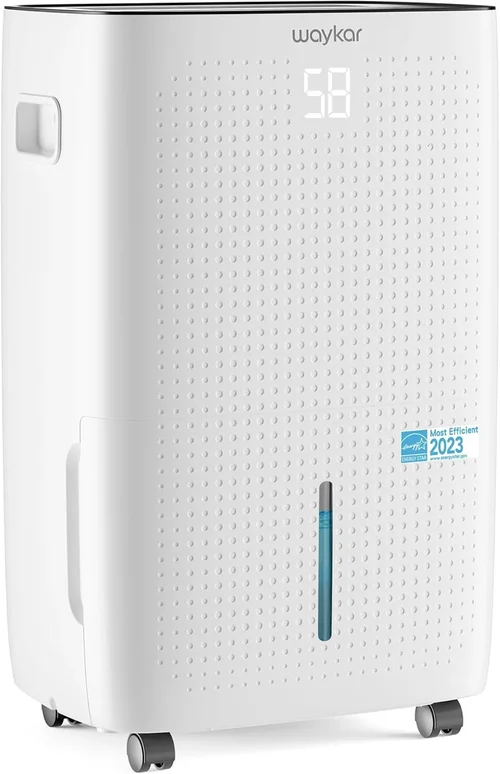
Why it’s bad: A cheap dehumidifier may seem like a bargain, but it often lacks essential features like auto-defrost, a humidistat, or a pump. It may also be inefficient, noisy, or prone to breakdowns—costing you more in repairs and electricity over time.
What to do instead: Focus on value, not just upfront cost. A mid-range $400 unit with ENERGY STAR certification and a 2-year warranty will outperform and outlast a $150 model in the long run.
❌ Mistake: Ignoring Basement Temperature
Why it’s bad: Most compressor dehumidifiers stop working efficiently below 15°C (60°F). If your basement is unheated and drops to 10°C in winter, a standard unit will ice up and fail.
What to do instead: Choose a model with auto-defrost or opt for a desiccant dehumidifier designed for cold environments. Check the operating temperature range in the specs.
❌ Mistake: Overlooking Drainage Needs
Why it’s bad: If you can’t drain continuously, you’ll be emptying the tank daily—even multiple times in humid weather. This is inconvenient and can lead to neglect, allowing humidity to spike.
What to do instead: Invest in a unit with a built-in pump or ensure you have access to a floor drain. Gravity drainage is fine if your basement has a sump pit or drain, but a pump offers greater flexibility.
❌ Mistake: Choosing the Wrong Capacity
Why it’s bad: An undersized unit will run constantly, wear out quickly, and still fail to control humidity. An oversized unit cycles too frequently, wasting energy and reducing lifespan.
What to do instead: Use a dehumidifier sizing chart based on both square footage and moisture level. When in doubt, go one size up—especially if your basement has water issues.
❌ Mistake: Skipping the Humidistat
Why it’s bad: Without a humidistat, you have no way to monitor or control humidity levels. The unit may run unnecessarily or shut off too early, leading to mold growth.
What to do instead: Always choose a model with a built-in humidistat. Set it to 40–50% for optimal basement conditions.
❌ Mistake: Neglecting Maintenance
Why it’s bad: Dirty filters, clogged coils, and full tanks reduce efficiency and can cause the unit to overheat or leak.
What to do instead: Clean the filter monthly, inspect coils quarterly, and empty or drain the tank regularly. Follow the manufacturer’s maintenance schedule.
❌ Mistake: Buying Without Checking Warranty Coverage
Why it’s bad: A broken compressor or pump can cost $150–$300 to replace. If your warranty doesn’t cover it, you’re stuck with the bill.
What to do instead: Read the fine print. Ensure the warranty covers major components and that service is available in your area.
Budget Guidelines: How Much Should You Spend?
– Entry-Level ($150–$250): Basic 30-pint compressor units with manual tanks and minimal features. Suitable only for very small, dry basements. Expect higher noise, lower efficiency, and shorter lifespan. Brands like Midea or generic Amazon models dominate this tier.
– Mid-Range ($250–$450): The sweet spot for most Canadian homeowners. These 50-pint models include humidistats, auto-defrost, larger tanks (12–16 pints), and often gravity drainage. ENERGY STAR certification is common. Top picks include the Frigidaire FFAD5033W1 and hOmeLabs HME020034N.
– Premium ($450–$700): High-capacity (60–70 pint) units with built-in pumps, smart controls, HEPA filters, and robust construction. Ideal for large, wet basements or finished spaces. Models like the GE APER70LW and Danby DDR70A3WP excel here.
– Luxury ($700+): Whole-house dehumidifiers or commercial-grade units designed for integration with HVAC systems. These offer precise humidity control, remote monitoring, and ultra-quiet operation. Best for new builds, luxury homes, or severe moisture problems. AprilAire and Santa Fe are leading brands.
Expert Tips for Getting the Best Deal
– Buy in Late Fall or Winter: Demand peaks in summer, so prices drop significantly from October to March. Many retailers clear inventory before spring.
– Shop Canadian Retailers: Best Buy Canada, Home Depot Canada, Rona, and Canadian Tire often run exclusive promotions. Check for bundle deals (e.g., dehumidifier + air purifier).
– Use Price Tracking Tools: Set alerts on Amazon.ca, Google Shopping, or Honey to notify you when prices drop on your shortlisted models.
– Consider Refurbished Units: Certified refurbished dehumidifiers from manufacturers like Frigidaire or GE come with full warranties and can save 20–30%.
– Check for Rebates: Some provinces (e.g., Ontario, British Columbia) offer energy efficiency rebates for ENERGY STAR appliances. Visit saveonenergy.ca or your utility provider’s website.
– Read Return Policies: Ensure you have at least 30 days to return the unit if it doesn’t perform as expected. Some online sellers charge restocking fees.
– Test Before Committing: If buying in-store, ask to see a demo unit. Listen for noise, check the display, and verify ease of tank removal.
– Register Your Warranty: Do this immediately after purchase. Some brands require registration within 30 days to activate coverage.

Frequently Asked Questions
Q: How do I know if my basement needs a dehumidifier?
A: Signs include musty odors, condensation on windows or walls, peeling paint, rust on metal surfaces, or visible mold. You can also use a hygrometer to measure humidity—if it’s consistently above 60%, a dehumidifier is recommended.
Q: Can I use a dehumidifier in winter?
A: Yes, but only if your basement stays above 15°C (60°F). Below that, most compressor units will ice up. Look for models with auto-defrost or switch to a desiccant dehumidifier for cold months.
Q: Should I run my dehumidifier continuously?
A: No. Use the humidistat to set your desired level (40–50%). The unit will cycle on and off as needed, saving energy and extending lifespan.
Q: How often should I empty the water tank?
A: It depends on humidity and capacity. In very damp conditions, a 12-pint tank may fill in 8–12 hours. With a pump or gravity drain, you can avoid manual emptying entirely.
Q: Will a dehumidifier help with mold?
A: Yes—by reducing humidity below 50%, you create an environment where mold cannot thrive. However, existing mold should be cleaned professionally before using a dehumidifier.
Q: Can I install a dehumidifier myself?
A: Absolutely. Most portable units plug into a standard outlet. Whole-house systems may require HVAC integration, so consult a professional.
Q: Are smart dehumidifiers worth it?
A: If you travel often or want remote monitoring, yes. Apps let you check humidity levels, receive alerts, and adjust settings from anywhere. For most users, basic models suffice.
Q: What’s the ideal humidity level for a basement?
A: Between 30% and 50%. Below 30%, wood and drywall can dry out; above 50%, mold and dust mites flourish.
Q: Do dehumidifiers use a lot of electricity?
A: It depends. A 50-pint ENERGY STAR unit uses about 500W and costs roughly $30–$60 per year to run 8 hours daily, depending on your electricity rate.
Q: Can I use a dehumidifier in a crawl space?
A: Yes, but choose a desiccant model or a compressor unit rated for low temperatures. Ensure it has a pump for drainage, as crawl spaces rarely have drains.
Our Final Recommendations
– Best for Budget-Conscious Buyers: Frigidaire FFAD5033W1 (50 Pint) – Reliable, ENERGY STAR certified, with auto-defrost and a large tank. Priced under $350, it’s the best value for most basements.
– Best Overall Value: hOmeLabs HME020034N (70 Pint) – High capacity, built-in pump, quiet operation, and smart app control. Excellent for large or very wet basements.
– Best Premium Option: GE APER70LW (70 Pint with Pump) – Robust build, precise humidistat, and whisper-quiet performance. Ideal for finished basements or home theaters.
– Best for Beginners: Danby DDR50A2WP (50 Pint) – Simple controls, reliable performance, and easy maintenance. Great first dehumidifier with solid Canadian support.
– Best for Advanced Users: AprilAire E130V (Whole-House) – Integrates with HVAC, offers whole-home humidity control, and includes remote monitoring. Perfect for new builds or serious moisture issues.
Conclusion: Making the Right Choice
Choosing the best dehumidifier for your basement in Canada isn’t just about picking the biggest or most expensive model—it’s about matching the right combination of capacity, features, efficiency, and durability to your specific environment and needs. Whether you’re battling seasonal humidity, chronic dampness, or simply want to protect your investment in a finished basement, the right dehumidifier can transform your space from a damp, unusable area into a dry, healthy, and comfortable part of your home.
Remember to prioritize capacity based on your basement’s size and moisture level, invest in energy-efficient models to save on operating costs, and never overlook essential features like auto-defrost, a humidistat, and drainage options. Avoid common pitfalls like undersizing or ignoring temperature limits, and always check warranty and support availability in Canada.
With the insights from this guide, you’re now equipped to navigate the market confidently. Take your time, compare models, and don’t hesitate to invest a little more for long-term reliability. Your basement—and your peace of mind—will thank you. Ready to take the next step? Start by measuring your space, assessing your humidity levels, and browsing our top recommendations. A drier, healthier basement is just one purchase away.