
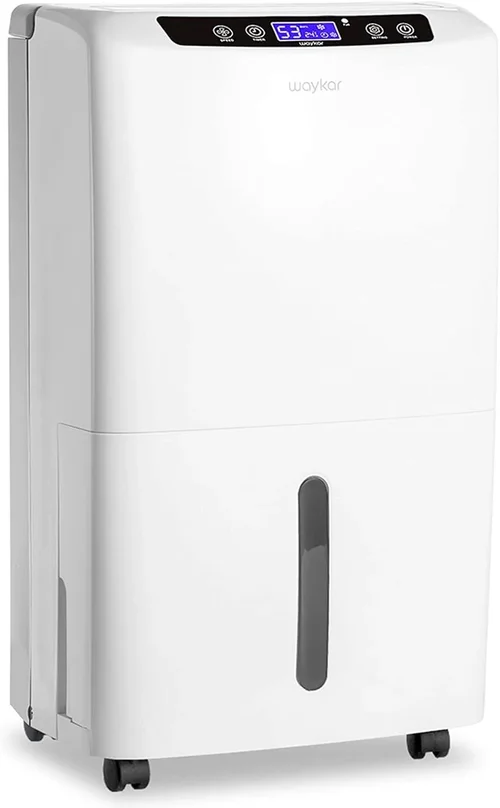
Basements are notorious for high humidity levels. Whether it’s due to poor ventilation, groundwater seepage, or simply the cooler temperatures underground, excess moisture can wreak havoc on your home. From musty odors and mold growth to warped wood and damaged stored belongings, the consequences of unchecked humidity are both costly and unhealthy. That’s where a reliable basement dehumidifier comes in—not just as a convenience, but as a necessity for maintaining a safe, comfortable, and structurally sound living space.
This comprehensive buying guide is designed to help you navigate the crowded market of basement dehumidifiers in 2026. Whether you’re dealing with a damp crawl space, a full-fledged finished basement, or a seasonal moisture issue, we’ll walk you through everything you need to know to make an informed decision. You’ll learn how to evaluate performance specs, understand key features, avoid common pitfalls, and choose the right model for your specific needs and budget. With expert insights, real-world comparisons, and actionable advice, this guide ensures you won’t end up with a unit that’s too weak, too loud, or too expensive for the job.
The dehumidifier market has evolved significantly in recent years. Energy-efficient compressors, smart controls, improved filtration systems, and quieter operation are now standard in many mid-to-high-end models. Brands like Frigidaire, hOmeLabs, GE, Midea, and AprilAire continue to dominate, but newer entrants are pushing innovation with IoT connectivity and eco-friendly refrigerants. With so many options available—ranging from under $150 to over $600—it’s easy to feel overwhelmed. Our goal is to cut through the noise and give you the tools to confidently select the best dehumidifier for your basement, whether you’re a first-time buyer or upgrading from an older unit.
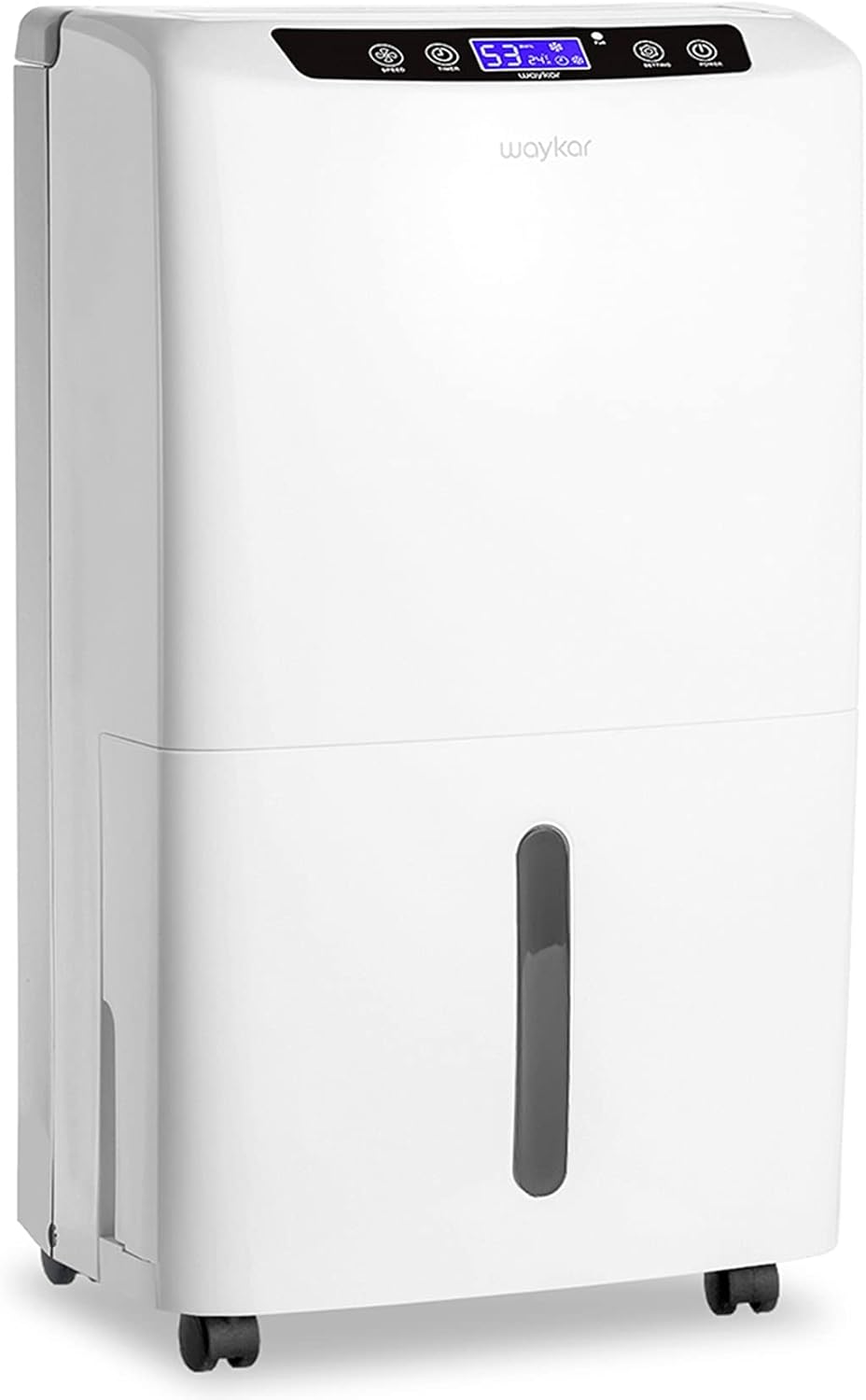
What to Look for When Buying Buying Guide
1. Capacity (Pints per Day)
The most critical factor when choosing a basement dehumidifier is its capacity, measured in pints of moisture removed per day (PPD). This number tells you how much water the unit can extract from the air in a 24-hour period under standard testing conditions (typically 60% relative humidity at 80°F). For basements, which are often cool and damp, you’ll want a unit rated for at least 50–70 PPD, especially if your space is larger than 1,000 square feet or experiences frequent water intrusion.
To determine the right capacity, consider both the square footage of your basement and the severity of the moisture problem. A lightly damp 500-square-foot basement might only need a 30-pint model, while a flooded or chronically wet 2,000-square-foot space could require a 70-pint or even commercial-grade unit. Always err on the side of higher capacity—running a dehumidifier at full power all the time is less efficient and more stressful on the machine than using a properly sized unit that cycles on and off as needed.
2. Energy Efficiency (Energy Star Rating)
Running a dehumidifier 24/7 can significantly impact your electricity bill, especially in larger basements. That’s why energy efficiency should be a top priority. The best basement dehumidifiers come with an Energy Star certification, which means they meet strict efficiency guidelines set by the U.S. Environmental Protection Agency. Energy Star models use up to 15% less energy than standard units, saving you money over time and reducing your environmental footprint.
Check the unit’s energy factor, measured in liters of water removed per kilowatt-hour (L/kWh). A higher number indicates better efficiency. For example, a model with an energy factor of 1.8 L/kWh is more efficient than one rated at 1.2 L/kWh. While Energy Star models may cost slightly more upfront, the long-term savings often justify the investment—especially if you plan to run the dehumidifier continuously during humid months.
3. Humidity Control & Auto Features
Manual dehumidifiers require constant monitoring and adjustment, which is impractical for most homeowners. Modern basement dehumidifiers come equipped with built-in humidistats that automatically maintain your desired humidity level, typically between 30% and 60%. Look for models with digital displays and precise humidity settings (e.g., 5% increments) for greater control.
Advanced units offer additional automation features such as auto-restart after power outages, auto-defrost (essential for cold basements), and programmable timers. Some even include remote sensors that can be placed in different areas of the basement to ensure even moisture control. These features not only improve convenience but also protect your home more effectively by preventing over-drying or under-dehumidifying.
Smart Features & Connectivity
In 2026, many top-tier dehumidifiers offer Wi-Fi connectivity and smartphone app integration. With apps like the Frigidaire Smart Appliances app or hOmeLabs’ mobile platform, you can monitor humidity levels, adjust settings, receive maintenance alerts, and even control the unit remotely. While not essential, smart features are particularly useful if you travel frequently or want to integrate your dehumidifier into a broader home automation system.
4. Build Quality & Durability
Basements are harsh environments—cold, damp, and often dusty. A dehumidifier that works well in a living room may fail prematurely in a basement due to corrosion, mold buildup, or mechanical stress. Look for models with rust-resistant coatings, sealed components, and durable plastic or metal housings. Stainless steel coils and protective grilles can extend the unit’s lifespan significantly.
Pay attention to the compressor type as well. Rotary compressors are generally quieter and more efficient than reciprocating ones, making them ideal for basement use. Also, check the quality of the water collection tank—larger tanks (2+ gallons) reduce the frequency of emptying, and smooth, easy-to-remove designs make maintenance less of a chore.
5. Noise Level (Decibel Rating)
While basements are typically isolated from living areas, excessive noise can still be disruptive—especially if your basement doubles as a home gym, office, or entertainment space. Most dehumidifiers operate between 45 and 65 decibels (dB), which is comparable to a quiet conversation or moderate rainfall. For quieter operation, aim for models rated at 50 dB or lower.
Noise levels can vary depending on the fan speed and compressor type. Some units offer a “quiet mode” that reduces fan speed at the cost of slightly lower moisture removal efficiency. If noise is a major concern, consider placing the dehumidifier on a vibration-dampening mat or in a corner away from high-traffic areas.
6. Drainage Options
Emptying a water tank every few days is tedious and impractical for continuous operation. The best basement dehumidifiers offer multiple drainage options to suit your setup. Most units include a standard gravity drain hose connection, allowing you to route water directly into a floor drain, sump pump, or utility sink. This eliminates the need to manually empty the tank.
For added convenience, some models feature built-in condensate pumps that can push water vertically (up to 15 feet) and horizontally (up to 100 feet), making them ideal for basements without floor drains. If you’re installing a dehumidifier in a remote corner or crawl space, a pump-enabled unit can save you significant hassle.
7. Filtration System
Air quality matters, especially in enclosed spaces like basements. A good dehumidifier should include a multi-stage filtration system to capture dust, mold spores, and other airborne contaminants. Look for models with washable or replaceable filters, preferably HEPA or activated carbon variants, which offer superior filtration.
Some units also include UV-C lights or ionizers to kill bacteria and neutralize odors. While these features can improve air quality, they’re not essential for moisture control and may increase maintenance requirements. Focus first on effective filtration, then consider additional air-purifying features if needed.
8. Portability & Design
Even in a basement, portability matters. You may need to move the dehumidifier for cleaning, maintenance, or seasonal storage. Look for models with built-in handles, caster wheels, and a compact footprint. A unit that’s too heavy or awkwardly shaped can be difficult to maneuver, especially in tight spaces.
Design also plays a role in usability. A front-loading water tank, intuitive control panel, and clear indicator lights make operation easier. Some models even include a built-in cord wrap or storage compartment for the drain hose, keeping your basement tidy.
Different Types of Buying Guide

Common Buying Mistakes to Avoid
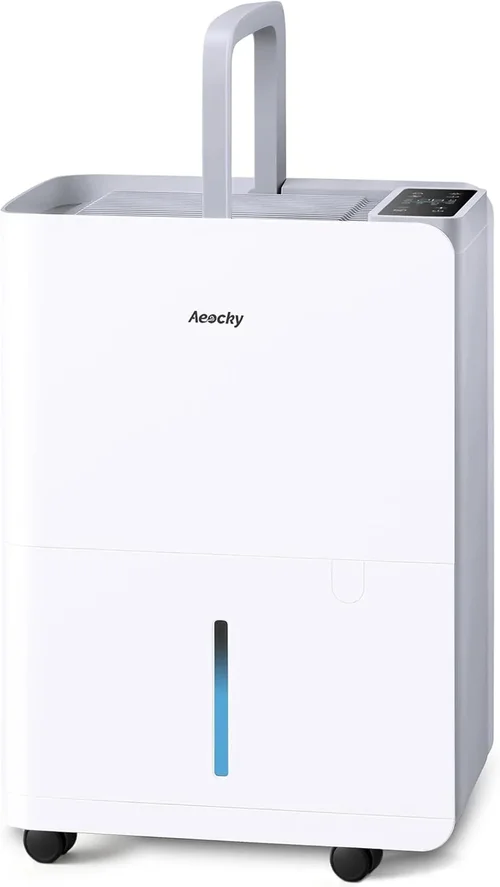
❌ Mistake: Choosing a Unit Based Solely on Price
Why it’s bad: The cheapest dehumidifier may seem like a bargain, but it often lacks the capacity, durability, or efficiency needed for basement use. Low-end models may struggle to maintain humidity levels, consume more energy, and break down within a year or two.
What to do instead: Focus on value, not just cost. A mid-range model with Energy Star certification and a 50+ pint capacity will outperform and outlast a budget unit, saving you money in the long run.
❌ Mistake: Ignoring the Basement’s Square Footage
Why it’s bad: A dehumidifier rated for 500 square feet will be overwhelmed in a 2,000-square-foot basement, leading to poor performance and constant cycling.
What to do instead: Measure your basement accurately and choose a unit with a capacity that matches or exceeds the space. Use online calculators or consult manufacturer sizing guides.
❌ Mistake: Overlooking Drainage Needs
Why it’s bad: If your basement lacks a floor drain, a unit without a pump or gravity drain option will require daily tank emptying—a major inconvenience.
What to do instead: Assess your drainage options before buying. If no drain is available, invest in a model with a built-in pump or consider installing a condensate pump.
❌ Mistake: Buying Without Checking Noise Levels
Why it’s bad: A loud dehumidifier can disrupt activities in adjacent rooms or make the basement unusable as a living space.
What to do instead: Check the decibel rating and read user reviews about noise. Opt for models with quiet modes or rotary compressors if noise is a concern.
❌ Mistake: Skipping the Warranty
Why it’s bad: Dehumidifiers contain complex mechanical components that can fail. Without a solid warranty, repair costs can add up quickly.
What to do instead: Choose brands that offer at least a 1- to 2-year warranty, with extended coverage on the compressor. Register your product promptly to activate protection.
❌ Mistake: Not Considering Seasonal Use
Why it’s bad: If you only need dehumidification during summer, a high-capacity year-round unit may be overkill and wasteful.
What to do instead: For seasonal use, consider a smaller, portable model or one with auto-defrost for occasional winter operation.
❌ Mistake: Ignoring Air Filtration
Why it’s bad: A dehumidifier that doesn’t filter air can circulate dust and mold spores, worsening indoor air quality.
What to do instead: Choose a model with a washable or replaceable filter, and clean or replace it regularly to maintain performance.
Budget Guidelines: How Much Should You Spend?
Entry-Level ($150 – $250): These models are ideal for small, lightly damp basements or occasional use. Expect basic controls, smaller tanks (1–2 gallons), and limited features. While affordable, they may lack durability and efficiency. Best for renters or those on a tight budget.
Mid-Range ($250 – $400): This is the sweet spot for most homeowners. Units in this range offer 50–70 pint capacity, Energy Star ratings, digital controls, and reliable drainage options. Brands like hOmeLabs, Midea, and GE dominate this category with strong performance and good warranties.
Premium ($400 – $600): Designed for large or problematic basements, these models feature advanced humidity control, smart connectivity, condensate pumps, and superior build quality. They’re built to run continuously with minimal maintenance and are ideal for finished basements or homes with chronic moisture issues.
Luxury ($600+): Whole-house dehumidifiers and commercial-grade units fall into this tier. They integrate with HVAC systems, offer centralized control, and provide hospital-level air quality. These are best for large homes, builders, or those seeking a permanent, hands-off solution.
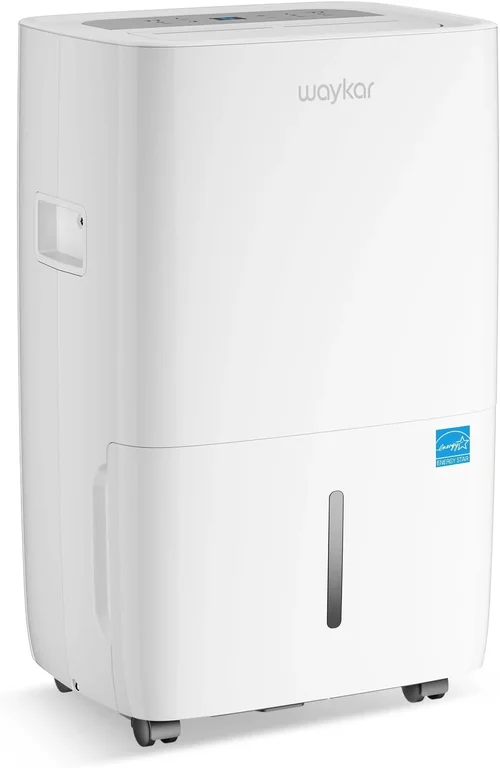
Expert Tips for Getting the Best Deal
- Buy in the Off-Season: Dehumidifiers are in highest demand during summer. Purchase in late fall or winter (October–February) for discounts of 20–30%.
- Check Retailer Return Policies: Look for stores with generous return windows (30–90 days) in case the unit doesn’t perform as expected.
- Compare Online and In-Store Prices: Online retailers often have lower prices and exclusive deals, but in-store purchases allow you to inspect build quality firsthand.
- Look for Rebates and Incentives: Some utility companies offer rebates for Energy Star appliances. Check your provider’s website for current programs.
- Read Verified User Reviews: Focus on reviews from buyers with similar basement conditions. Look for patterns in feedback about noise, durability, and customer service.
- Test Before Committing: If possible, run the dehumidifier for a week to assess performance. Monitor humidity levels with a separate hygrometer to verify accuracy.
- Consider Extended Warranties: For premium models, an extended warranty can protect against costly repairs, especially on the compressor.
- Bundle with Other Purchases: Some retailers offer discounts when you buy a dehumidifier with an air purifier, sump pump, or insulation materials.

Frequently Asked Questions
Q: How do I know if my basement needs a dehumidifier?
A: Signs include musty odors, visible mold or mildew, condensation on walls or windows, warped wood, or a damp feeling in the air. Use a hygrometer to measure humidity—levels above 60% indicate a problem.
Q: Can I use a regular room dehumidifier in my basement?
A: Yes, but ensure it’s rated for basement use. Look for auto-defrost, durable construction, and adequate capacity. Avoid small, low-capacity models designed for closets or bathrooms.
Q: Should I run my dehumidifier all the time?
A: It depends on humidity levels. Most experts recommend running it continuously during humid months or until the desired humidity (45–50%) is reached, then letting the humidistat control operation.
Q: How often should I clean my dehumidifier?
A: Clean the water tank weekly and the air filter monthly. Wipe down coils and vents every 3–6 months to prevent mold and maintain efficiency.
Q: Can a dehumidifier help with mold?
A: Yes, by reducing moisture, it prevents mold growth. However, existing mold should be professionally remediated before using a dehumidifier.
Q: What’s the difference between refrigerant and desiccant dehumidifiers?
A: Refrigerant models cool air to condense moisture and work best in warm, humid conditions. Desiccant units use absorbent materials and are more effective in cold environments like unheated basements.
Q: Do I need a permit to install a whole-house dehumidifier?
A: Typically no, but if it integrates with your HVAC system, consult a licensed contractor to ensure compliance with local codes.
Q: Can I place my dehumidifier anywhere in the basement?
A: For best results, place it in the dampest area, away from walls and obstructions. Ensure at least 6–12 inches of clearance for proper airflow.
Q: How much electricity does a dehumidifier use?
A: A 50-pint Energy Star model uses about 500–700 watts. Running it 12 hours a day costs roughly $15–$25 per month, depending on local electricity rates.
Q: What if my dehumidifier isn’t removing enough moisture?
A: Check for blocked filters, low refrigerant, or undersized capacity. Also, ensure doors and windows are closed to prevent humid air from entering.
Our Final Recommendations
Best for Budget-Conscious Buyers: hOmeLabs 50 Pint Dehumidifier – At under $300, this Energy Star-rated model offers excellent performance, a large tank, and quiet operation. Ideal for small to medium basements with moderate dampness.
Best Overall Value: Frigidaire FFAD7033R1 70 Pint Dehumidifier – With 70-pint capacity, Wi-Fi connectivity, and a built-in pump, this unit delivers premium features at a mid-range price. Perfect for large or problematic basements.
Best Premium Option: AprilAire E080 Pro 80 Pint Whole-House Dehumidifier – Designed for integration with HVAC systems, this model provides centralized control and industrial-grade performance for large homes and finished basements.
Best for Beginners: Midea MAD50C1ZWS 50 Pint Dehumidifier – Simple controls, reliable performance, and a user-friendly design make this an excellent choice for first-time buyers.
Best for Advanced Users: AlorAir Sentinel HDi90 – A commercial-grade desiccant dehumidifier with smart controls, remote monitoring, and extreme cold-weather performance. Ideal for crawl spaces and severe moisture issues.
Conclusion: Making the Right Choice
Choosing the right basement dehumidifier isn’t just about picking the most powerful or cheapest model—it’s about finding the perfect balance of capacity, efficiency, features, and durability for your specific needs. By understanding key factors like pint rating, energy efficiency, drainage options, and noise levels, you can avoid common pitfalls and invest in a unit that protects your home for years to come.
Remember, your basement is more than just storage space—it’s part of your home’s foundation, air quality, and long-term value. A high-quality dehumidifier is a small investment with big returns, preventing mold, preserving belongings, and creating a healthier living environment. Use this guide to compare models, set a realistic budget, and prioritize the features that matter most to you.
Don’t wait until the next rainy season or musty smell returns. Take action today. Measure your space, assess your moisture levels, and choose a dehumidifier that fits your lifestyle and basement conditions. With the right unit in place, you’ll enjoy a drier, cleaner, and more comfortable home—no matter what the weather brings.