
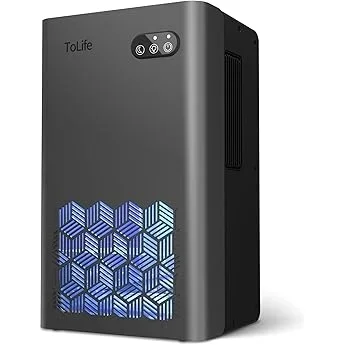
Living in or frequently visiting a beach house is a dream for many—salt-kissed air, ocean views, and the soothing sound of waves. But beneath that idyllic surface lies a persistent challenge: high humidity. Coastal environments are notorious for their elevated moisture levels, which can wreak havoc on your home’s structure, furniture, electronics, and even your health. Mold, mildew, musty odors, warped wood, and rust aren’t just aesthetic issues—they’re signs of a deeper problem that demands a reliable solution. That’s where a high-quality dehumidifier comes in.
Choosing the right dehumidifier for a beach house isn’t as simple as picking the biggest or most expensive model on the shelf. Unlike inland homes, beachfront properties face unique environmental stressors: constant salt air exposure, fluctuating temperatures, and near-constant high humidity—even during cooler months. A standard residential unit may struggle to keep up, corrode prematurely, or fail to provide consistent performance. This guide is designed to cut through the noise and help you make an informed, confident decision. Whether you’re a full-time coastal resident or a weekend visitor, you’ll learn exactly what to look for, which features matter most, and how to avoid costly mistakes.
The market today offers a dizzying array of options—from compact 30-pint units to industrial-grade 70-pint behemoths, with features ranging from Wi-Fi connectivity to built-in pumps and corrosion-resistant coatings. With advancements in energy efficiency, smart controls, and durability, 2026 brings some of the most capable and user-friendly dehumidifiers ever made. But not all are created equal, especially when it comes to the harsh realities of coastal living. In this comprehensive buying guide, we’ll walk you through every critical factor, compare top-performing models, highlight common pitfalls, and deliver expert-backed recommendations tailored specifically for beach house environments. By the end, you’ll have everything you need to choose a dehumidifier that protects your investment, enhances your comfort, and stands the test of time—and salt air.
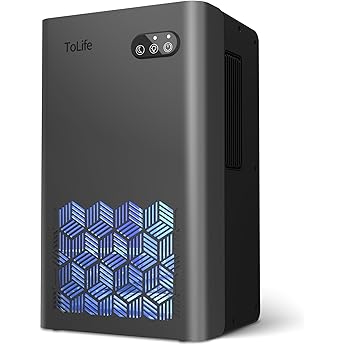
What to Look for When Buying Buying Guide
1. Capacity & Moisture Removal Rate
The single most important specification when selecting a dehumidifier for a beach house is its capacity—measured in pints per day (PPD). This number tells you how much moisture the unit can remove from the air in a 24-hour period under standard conditions (80°F and 60% relative humidity). For coastal homes, especially those over 1,000 square feet or with poor ventilation, you’ll typically need a unit rated between 50 and 70 pints per day. Smaller beach cottages (under 800 sq ft) might get by with a 30–40 PPD model, but anything less than that risks being overwhelmed during humid summer months or rainy seasons.
Why does this matter so much? High humidity in beach houses isn’t just about comfort—it’s about prevention. Mold and mildew can begin to grow at humidity levels above 60%, and coastal air often hovers between 70% and 90%. A dehumidifier with insufficient capacity will run constantly, strain its components, and still fail to maintain safe humidity levels. Look for models that specify performance at both AHAM (80°F/60% RH) and real-world conditions (like 90°F/80% RH), as some manufacturers inflate numbers using ideal lab settings. Always size up slightly—especially if your home has large windows, open floor plans, or frequent guest traffic.
2. Build Quality & Corrosion Resistance
Beach houses are exposed to salt air, which is highly corrosive to metal components, coils, and electrical parts. A standard dehumidifier may work fine inland but can degrade rapidly in coastal environments, leading to premature failure, refrigerant leaks, or electrical shorts. When evaluating build quality, prioritize models specifically designed for marine or high-humidity environments. Look for features like coated evaporator coils (often labeled “anti-corrosion,” “epoxy-coated,” or “gold-coated”), stainless steel or powder-coated casings, and sealed electrical compartments.
Brands like Frigidaire, hOmeLabs, and AprilAire now offer dehumidifiers with enhanced corrosion protection, and some premium models even include marine-grade components. These units may cost more upfront, but they’ll last significantly longer in salty conditions. Avoid plastic-heavy models with thin metal frames—they may warp or crack under constant moisture exposure. Also, check the location of the air intake and exhaust; units with rear or bottom vents are less likely to draw in salt-laden air directly from the exterior.
3. Energy Efficiency & Operating Costs
Dehumidifiers in beach houses often run for extended periods—sometimes 12 to 24 hours a day—making energy efficiency a major factor in long-term ownership costs. Look for units with the ENERGY STAR® certification, which indicates they meet strict efficiency guidelines set by the U.S. Environmental Protection Agency. ENERGY STAR models use up to 15% less energy than standard units, which can translate to hundreds of dollars in savings over the life of the appliance.
Pay attention to the Energy Factor (EF), measured in liters of water removed per kilowatt-hour (L/kWh). A higher EF means better efficiency. For example, a unit with an EF of 1.8 is more efficient than one with 1.2. Also consider the wattage—most residential dehumidifiers range from 300 to 700 watts. While higher-capacity models naturally consume more power, some newer inverter-driven compressors adjust output based on humidity levels, reducing energy use during lower-demand periods. If your beach house runs on solar or has high electricity rates, investing in a high-efficiency model pays off quickly.
4. Features & Functionality
Modern dehumidifiers come packed with features that can make a big difference in convenience, performance, and maintenance. For beach houses, certain functionalities are especially valuable. A built-in condensate pump is essential if you can’t place the unit near a floor drain. This allows the dehumidifier to pump water vertically (up to 15–20 feet) to a sink, sump pump, or exterior drain—ideal for basements, crawl spaces, or homes without easy drainage access.
Auto-humidistat controls let you set a target humidity level (e.g., 50%), and the unit will cycle on and off to maintain it, preventing over-drying and saving energy. Look for digital displays with easy-to-read humidity readings and programmable timers. Wi-Fi connectivity (via apps like Alexa, Google Home, or manufacturer-specific platforms) allows remote monitoring and control—perfect for checking conditions while you’re away. Some models even send alerts if the bucket fills or a fault is detected.
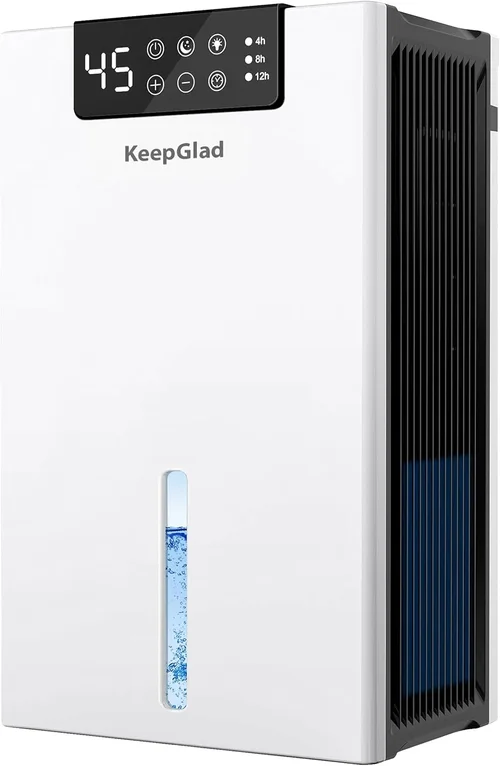
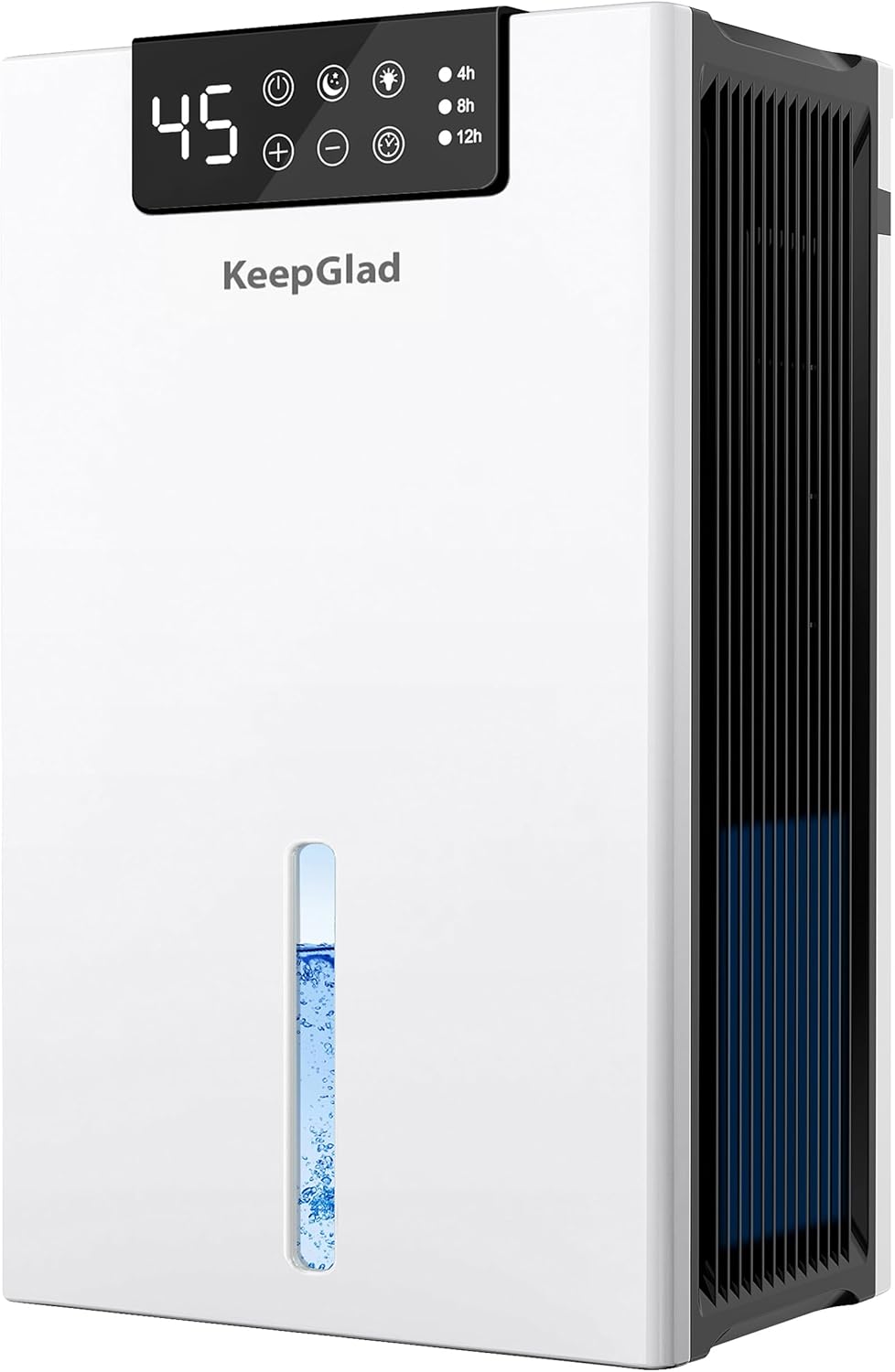
Other useful features include auto-defrost (prevents ice buildup in cooler temperatures), washable filters (easy maintenance), and quiet operation (under 50 decibels for living areas). For beach houses with limited space, consider units with top-mounted controls and handles for easy repositioning.
5. Size, Portability & Placement Flexibility
Beach houses often have unique layouts—open floor plans, vaulted ceilings, or multi-level designs—that affect where you can place a dehumidifier. A unit that’s too large may not fit in tight spaces, while one that’s too small may not cover the entire area. Consider both physical dimensions and coverage area (measured in square feet). Most 50-pint models cover 1,500–2,500 sq ft, while 70-pint units can handle up to 4,000 sq ft.
Portability matters if you plan to move the unit between rooms or store it during off-seasons. Look for models with recessed handles, smooth-rolling casters, and a compact footprint. Some units weigh over 50 pounds, so ease of movement is a real consideration. Also, think about noise levels—units placed in living rooms or bedrooms should operate quietly (ideally under 48 dB). For larger homes, consider a whole-house dehumidifier installed in your HVAC system, which provides consistent coverage without the need for multiple portable units.
6. Brand Reputation & Reliability
Not all dehumidifier brands are created equal, especially when it comes to long-term reliability in harsh environments. Established brands like Frigidaire, GE, hOmeLabs, AprilAire, and LG have proven track records for durability and customer support. They often invest more in R&D, use higher-quality components, and offer better warranties. Avoid no-name or ultra-budget brands that may cut corners on materials or lack service networks.
Research brand reputation by reading long-term user reviews (not just the first 30 days) and checking reliability reports from consumer organizations. Brands with strong after-sales support—including accessible customer service, replacement parts availability, and local service centers—are worth the extra cost. For beach houses, where repair visits may be infrequent, having a reliable brand can mean the difference between a quick fix and weeks of downtime.
7. Warranty & Support
A good warranty is a strong indicator of a manufacturer’s confidence in their product. For dehumidifiers used in demanding coastal environments, aim for a warranty of at least 2 years on parts and labor, with 5 years on the compressor (the most critical and expensive component). Some premium models offer extended warranties or optional coverage plans.
Check what the warranty covers: Does it include corrosion damage? Is labor included, or do you pay for service calls? Are there exclusions for “commercial use” or “high-humidity environments”? Read the fine print carefully. Also, verify that the brand has a service presence in your area—especially important if you live in a remote coastal region. A long warranty is only valuable if you can actually use it.
8. User Reviews & Real-World Performance
Spec sheets and marketing claims don’t always reflect real-world performance. User reviews—especially from other beach house owners—provide invaluable insights into how a dehumidifier performs under actual conditions. Look for patterns in feedback: Does the unit struggle in high humidity? Does it corrode quickly? Is the pump reliable? Are controls intuitive?
Focus on reviews from verified purchasers and long-term users (6+ months). Platforms like Amazon, Home Depot, and Consumer Reports offer detailed feedback. Pay attention to comments about noise, energy use, and maintenance frequency. A model with glowing specs but poor user ratings may have hidden flaws. Conversely, a unit with modest specs but consistently positive reviews from coastal users could be a hidden gem.
Different Types of Buying Guide
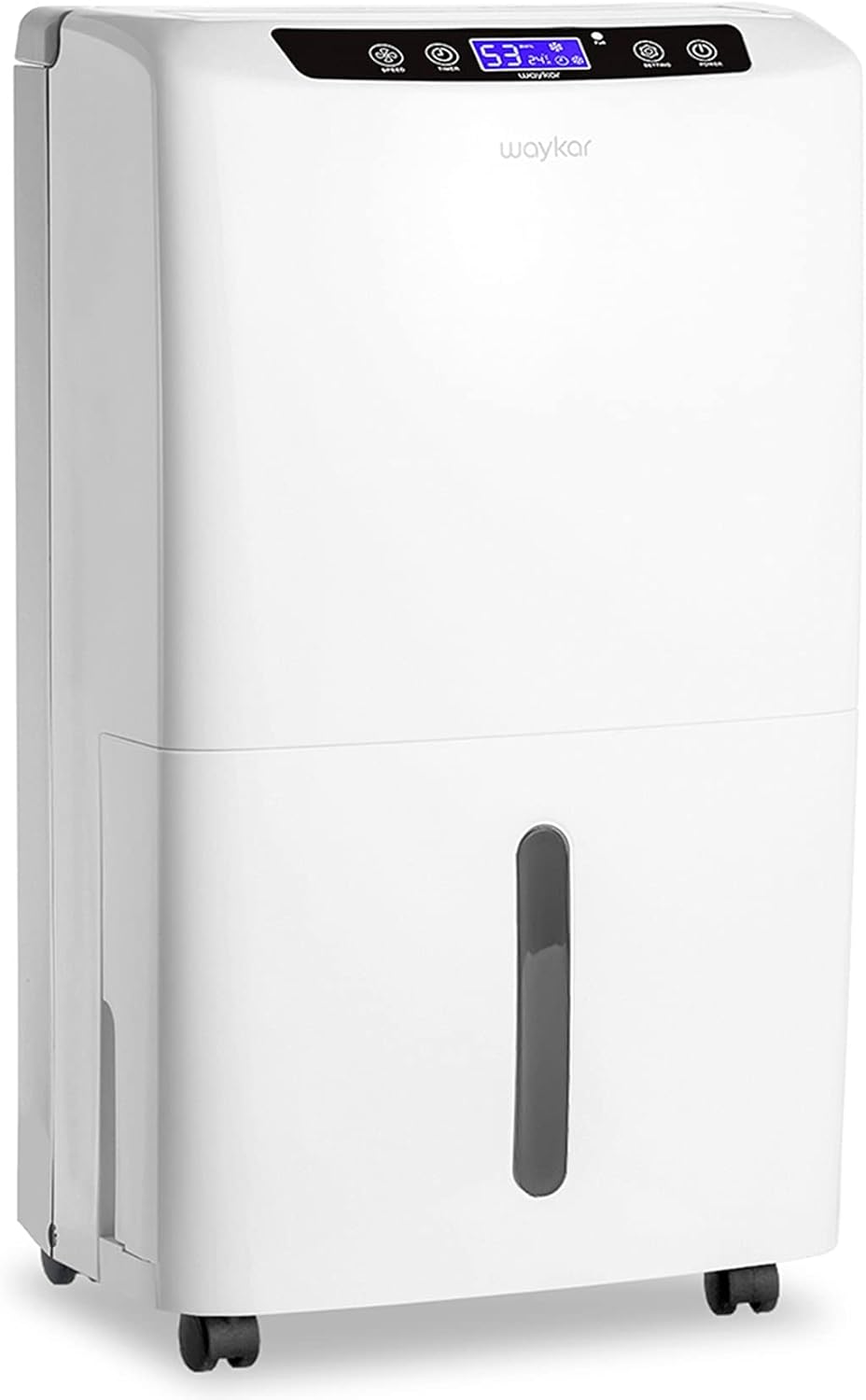
Common Buying Mistakes to Avoid
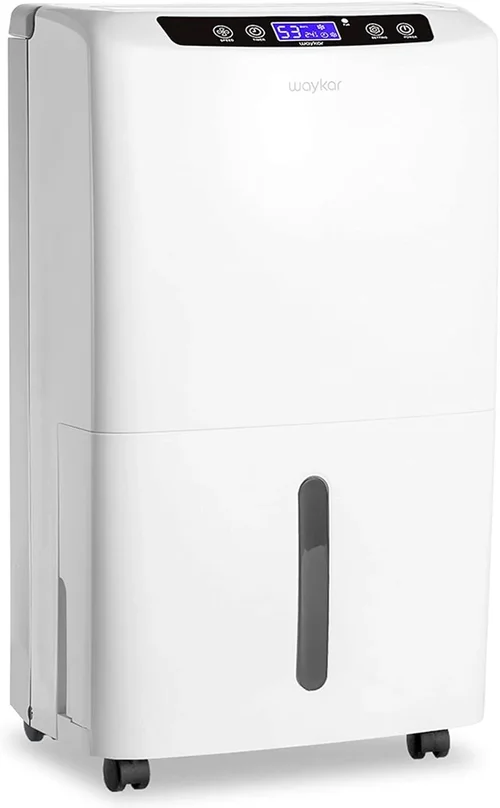
❌ Mistake: Choosing Based Solely on Price
Why it’s bad: The cheapest dehumidifier may save you $50 upfront but could cost you hundreds in repairs, replacements, or energy bills. Low-cost models often use inferior components, lack corrosion protection, and have shorter lifespans—especially in salty coastal air.
What to do instead: Focus on total cost of ownership, not just the sticker price. Invest in a mid-range or premium model with proven durability and efficiency. A $400 unit that lasts 8 years is a better value than a $150 model that fails in 2.
❌ Mistake: Ignoring Corrosion Resistance
Why it’s bad: Salt air accelerates rust and corrosion, damaging coils, motors, and electrical systems. A standard dehumidifier may work for a season but fail prematurely, leaving your home vulnerable to mold and moisture damage.
What to do instead: Prioritize models with anti-corrosion coatings, stainless steel components, or marine-grade construction. Check product descriptions and user reviews for mentions of salt air performance.
❌ Mistake: Undersizing the Unit
Why it’s bad: A dehumidifier that’s too small will run nonstop, overheat, and fail to reduce humidity to safe levels. This not only wastes energy but also increases the risk of mold and structural damage.
What to do instead: Use a sizing guide based on your home’s square footage and humidity level. When in doubt, size up. A 50-pint unit is often the minimum for beach houses, even if the space seems small.
❌ Mistake: Overlooking Drainage Options
Why it’s bad: If you can’t empty the water bucket daily (or don’t have a nearby drain), the dehumidifier will shut off when full, halting moisture removal. This is especially problematic in vacation homes.
What to do instead: Choose a model with a built-in pump or continuous drainage hose option. This allows automatic water removal, even when you’re away.
❌ Mistake: Neglecting Maintenance
Why it’s bad: Dirty filters, clogged coils, and full buckets reduce efficiency and can cause breakdowns. In humid environments, maintenance is even more critical.
What to do instead: Clean the filter monthly, inspect coils for salt buildup, and empty or drain the tank regularly. Set calendar reminders if needed.
❌ Mistake: Buying Without Researching Real-World Performance
Why it’s bad: Manufacturer specs can be misleading. A unit rated for 70 pints may only remove 40 in real-world coastal conditions.
What to do instead: Read long-term user reviews, especially from coastal homeowners. Look for feedback on actual performance, noise, and durability.
❌ Mistake: Forgetting About Noise Levels
Why it’s bad: A loud dehumidifier can disrupt sleep, conversations, or relaxation—especially in open-plan beach homes.
What to do instead: Check decibel ratings (dB). Choose models under 50 dB for living areas. Desiccant units are often quieter than compressor-based ones.
Budget Guidelines: How Much Should You Spend?
- Entry-Level ($150 – $250): These are basic 30–40 pint units suitable for small spaces or occasional use. They often lack corrosion protection, pumps, or smart features. Best for budget-conscious buyers with low humidity or short-term needs. Expect shorter lifespans in coastal environments.
- Mid-Range ($250 – $450): This is the sweet spot for most beach house owners. Models in this range offer 50–70 pint capacity, ENERGY STAR efficiency, anti-corrosion features, and useful functionalities like auto-humidistats and continuous drainage. Brands like hOmeLabs and Frigidaire dominate this tier with reliable performance and good warranties.
- Premium ($450 – $700): Designed for demanding conditions, these units feature advanced corrosion resistance, inverter compressors, Wi-Fi connectivity, and robust build quality. Ideal for full-time coastal residents or large homes. Expect longer lifespans and lower operating costs.
- Luxury ($700+): Includes whole-house systems, commercial-grade desiccant units, or high-end smart models with app integration, remote sensors, and professional installation. Best for large estates, vacation rental properties, or those prioritizing convenience and long-term protection.
Expert Tips for Getting the Best Deal
- Buy During Off-Peak Seasons: Dehumidifiers are in highest demand during summer. Shop in late fall or winter (October–February) for better prices and availability. Many retailers clear inventory before the humid season begins.
- Compare Retailers: Check prices at Home Depot, Lowe’s, Amazon, and specialty appliance stores. Online retailers often have lower overhead and better deals, but in-store purchases allow you to inspect build quality and ask questions.
- Look for Bundled Deals: Some brands offer discounts when you buy a dehumidifier with a humidifier, air purifier, or extended warranty. These bundles can save 10–20% off individual prices.
- Check for Rebates and Incentives: ENERGY STAR models may qualify for local utility rebates. Visit the ENERGY STAR website or contact your provider to see if you’re eligible for cash back or tax credits.
- Read the Return Policy: Ensure the retailer offers at least a 30-day return window. Some high-end models come with 60- or 90-day trials—ideal for testing performance in your specific environment.
- Test Before Committing: If possible, run the dehumidifier for a week and monitor humidity levels, noise, and energy use. This helps confirm it meets your needs before the return period expires.
- Negotiate on Whole-House Systems: For integrated dehumidifiers, get quotes from multiple HVAC contractors. Prices can vary significantly, and some offer seasonal discounts or financing.
- Consider Refurbished or Open-Box Models: Certified refurbished units from reputable sellers often come with full warranties and can save 20–30%. Just ensure they’re inspected and tested.
Frequently Asked Questions
Q: How often should I run my dehumidifier in a beach house?
A: Ideally, run it continuously or set it to maintain 45–50% humidity. Use a humidistat to automate cycling. In high-humidity seasons, it may run 12–24 hours daily.
Q: Can I use a regular dehumidifier at the beach?
A: You can, but it’s not recommended long-term. Standard units lack corrosion protection and may fail prematurely. Invest in a model designed for high-humidity or coastal use.
Q: Do I need a pump if I have a floor drain?
A: Not necessarily, but a pump offers flexibility. If the drain is far or elevated, a pump is essential. It also allows placement in basements or crawl spaces without direct drainage access.
Q: How do I clean a dehumidifier in a salty environment?
A: Rinse the filter and water tank weekly with fresh water to remove salt residue. Wipe coils with a soft brush and mild vinegar solution if corrosion appears. Avoid harsh chemicals.
Q: Can a dehumidifier help with mold?
A: Yes—by reducing humidity below 60%, it prevents mold growth. However, existing mold must be cleaned separately. Use a dehumidifier as a preventive measure, not a cure.
Q: Are smart dehumidifiers worth it for vacation homes?
A: Absolutely. Remote monitoring lets you check humidity levels and receive alerts if the unit stops working. This is invaluable for preventing damage when you’re away.
Q: How long do dehumidifiers last in beach houses?
A: With proper maintenance and corrosion-resistant design, 7–10 years is typical. Standard units may last only 3–5 years in salty air.
Q: Should I get a whole-house or portable unit?
A: Whole-house systems are best for permanent residences with HVAC. Portable units offer flexibility for rentals, small homes, or seasonal use.
Q: What’s the difference between refrigerant and desiccant dehumidifiers?
A: Refrigerant units cool air to remove moisture—best for warm, humid climates. Desiccant models use absorbent materials and work better in cooler temperatures, like coastal mornings.
Q: Can I run a dehumidifier in winter?
A: Yes, but only if indoor humidity is high. In cold weather, refrigerant units may ice up. Choose a model with auto-defrost or use a desiccant type.
Our Final Recommendations
- Best for Budget-Conscious Buyers: hOmeLabs 50 Pint Dehumidifier – Offers excellent value with 50-pint capacity, ENERGY STAR rating, and anti-corrosion coating. Ideal for small to medium beach homes under $300.
- Best Overall Value: Frigidaire FFAD7033R1 70 Pint – High capacity, built-in pump, and robust construction. Consistently praised for performance in humid coastal environments. Priced around $400.
- Best Premium Option: AprilAire E080 Pro 80 Pint Whole-House Dehumidifier – Designed for integration with HVAC systems, it provides whole-home coverage, superior efficiency, and a 5-year warranty. Best for permanent coastal residents.
- Best for Beginners: GE APER50LZ 50 Pint – User-friendly controls, quiet operation, and reliable performance. Great for first-time buyers or those new to dehumidification.
- Best for Advanced Users: AlorAir Sentinel HDi90 – Industrial-grade build, Wi-Fi connectivity, and advanced corrosion protection. Perfect for tech-savvy owners or large, high-humidity properties.
Conclusion: Making the Right Choice
Choosing the best dehumidifier for your beach house is about more than just removing moisture—it’s about protecting your home, your health, and your peace of mind. Coastal living comes with unique challenges, and the right dehumidifier acts as a silent guardian against mold, corrosion, and discomfort. By focusing on capacity, corrosion resistance, energy efficiency, and real-world performance, you can find a unit that delivers reliable results year after year.
Remember, the cheapest option isn’t always the best, and the most expensive isn’t always necessary. Prioritize your specific needs: the size of your home, your usage patterns, and the severity of your humidity issues. Use this guide to compare models, avoid common pitfalls, and make a confident decision. Whether you’re upgrading an old unit or buying your first dehumidifier, investing in quality now will save you time, money, and stress down the line.
Take the next step: measure your space, check your humidity levels, and explore the recommended models. With the right dehumidifier, your beach house can remain a sanctuary—dry, comfortable, and free from the hidden threats of coastal moisture. Don’t wait for the musty smell or the first sign of mold. Act now, and enjoy every breath of that ocean air—without the worry.