
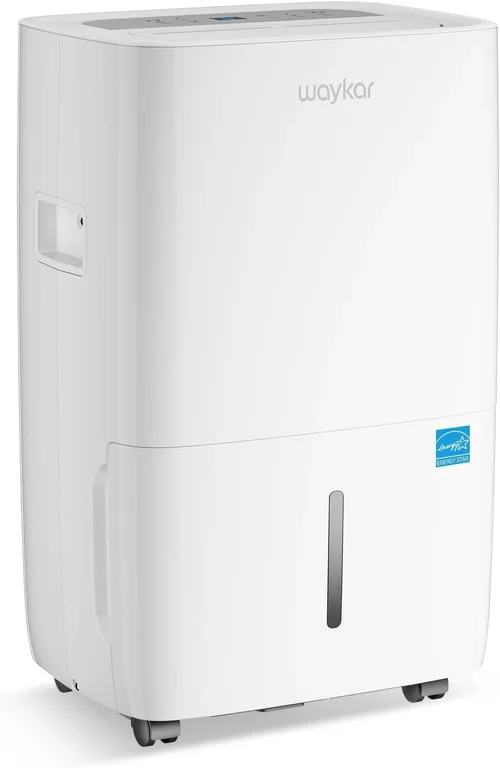
Hardwood floors are more than just a flooring choice—they’re an investment in your home’s beauty, value, and long-term comfort. But that investment comes with a responsibility: protecting those floors from one of their greatest enemies—excess moisture. Whether you live in a humid coastal region, a damp basement apartment, or simply experience seasonal spikes in indoor humidity, uncontrolled moisture can warp, cup, buckle, or even rot your hardwood. That’s where a high-quality dehumidifier becomes not just helpful, but essential.
This comprehensive buying guide is designed to help you navigate the often-confusing world of dehumidifiers with confidence. We’ll cut through the marketing noise and technical jargon to deliver expert-level insights on what truly matters when selecting the best dehumidifier for hardwood floors. You’ll learn how to match your specific needs—room size, climate, budget, and lifestyle—to the right model. From understanding performance specs like pint capacity and energy efficiency to avoiding common purchasing pitfalls, this guide covers every angle. Whether you’re a first-time buyer or upgrading from an underperforming unit, you’ll walk away with actionable knowledge to make a smart, informed decision.
The market today offers a dizzying array of options: compact units for small spaces, powerful whole-home systems, smart-enabled models with Wi-Fi controls, and everything in between. Some prioritize quiet operation, others focus on energy savings, and a few are built specifically for preserving wood finishes and preventing mold growth. With so many variables at play, choosing the wrong dehumidifier can lead to wasted money, ineffective moisture control, or even damage to your floors. Our goal is to equip you with the tools to identify the ideal unit that balances performance, durability, and value—so your hardwood floors stay pristine for decades to come.

What to Look for When Buying Buying Guide
1. Pint Capacity & Moisture Removal Rate
The most critical specification for any dehumidifier is its moisture removal rate, typically measured in pints per day (PPD). This tells you how much water the unit can extract from the air in a 24-hour period under standard testing conditions (usually 60% relative humidity at 80°F). For hardwood floor protection, you need a unit that matches your room’s size and humidity level.
Small rooms (under 500 sq. ft.) with moderate humidity may only need a 20–30 PPD unit, while larger areas (1,000+ sq. ft.) or spaces prone to high moisture—like basements or laundry rooms—require 50 PPD or more. Oversizing slightly is better than undersizing; a dehumidifier that runs constantly because it’s too small will wear out faster and fail to maintain safe humidity levels. Look for models tested under AHAM (Association of Home Appliance Manufacturers) standards for accurate comparisons.
2. Energy Efficiency & Operating Costs
Dehumidifiers run frequently—sometimes continuously—in humid environments, so energy consumption directly impacts your utility bill. The Energy Factor (EF), measured in liters of water removed per kilowatt-hour (L/kWh), indicates efficiency. Higher EF values mean lower operating costs.
Look for ENERGY STAR® certified models, which must meet strict efficiency guidelines set by the U.S. Environmental Protection Agency. These units use up to 15% less energy than standard models and often qualify for local rebates. While premium efficient units may cost more upfront, they typically pay for themselves within 1–3 years through reduced electricity usage—especially important if you’re running the dehumidifier year-round.
Also consider the unit’s wattage and whether it includes an auto-humidistat. This feature automatically turns the compressor on and off based on real-time humidity readings, preventing unnecessary cycling and saving energy.
3. Built-in Hygrometer & Humidistat
A built-in hygrometer (humidity sensor) and humidistat (control system) are non-negotiable features for hardwood floor protection. Without them, you’re essentially guessing whether your dehumidifier is working effectively.
Quality models allow you to set a target humidity level (e.g., 45%) and will automatically maintain it. Cheaper units may only offer “high,” “medium,” or “low” settings—useless for precise control. Look for digital displays that show current humidity levels and let you adjust settings easily. Some advanced models even include remote sensors you can place near your hardwood floors for more accurate readings.
Avoid units that lack humidity feedback altogether. Manual operation leads to over-drying (which can cause wood to crack) or under-drying (risking warping).
4. Drainage Options & Tank Size
Dehumidifiers collect water in an internal tank, which must be emptied manually—unless you opt for continuous drainage. For hardwood floor applications, especially in basements or unattended spaces, continuous drainage is highly recommended.
Most units include a standard garden hose connection for gravity drainage. Simply run a hose to a floor drain, sink, or sump pump. This eliminates the need to empty the tank and ensures uninterrupted operation during heavy moisture events.
If continuous drainage isn’t feasible, choose a model with a large tank (at least 1–2 gallons) and an automatic shut-off feature when full. Some premium models include pump-assisted drainage, allowing you to pump water vertically (e.g., from a basement to a upstairs sink)—a major advantage in multi-level homes.
5. Noise Level & Placement Flexibility
Dehumidifiers use compressors and fans, which generate noise—typically ranging from 40 to 60 decibels (dB). While this may not seem loud, constant low-level noise can be disruptive in living rooms, bedrooms, or home offices near hardwood flooring.
For quiet operation, look for units rated below 50 dB. Many manufacturers now offer “quiet mode” or “night mode” settings that reduce fan speed and compressor cycling. Placement also matters: avoid positioning the dehumidifier directly against walls or furniture, as this can amplify sound and restrict airflow.
Consider the unit’s dimensions and weight if you plan to move it between rooms. Casters and integrated handles improve portability, but ensure the design doesn’t compromise stability—especially important on hardwood floors to prevent scratches.
6. Build Quality & Durability
Since dehumidifiers operate in damp, sometimes dirty environments, robust construction is essential. Look for corrosion-resistant coils (often coated with epoxy or hydrophilic coatings), sturdy plastic housings, and sealed electrical components.
Metal grilles and reinforced casings indicate higher-end builds that withstand bumps and humidity exposure better than flimsy plastic shells. Check user reviews for reports of leaks, compressor failures, or mold growth inside the unit—these are red flags.
Also consider the filter quality. Washable, reusable filters are eco-friendly and cost-effective, but ensure they’re easy to access and clean. Some models include air purifier functions with HEPA or activated carbon filters—useful if you’re concerned about allergens alongside moisture.
7. Smart Features & Connectivity
Modern dehumidifiers increasingly offer smart capabilities that enhance convenience and control. Wi-Fi connectivity allows you to monitor and adjust settings via smartphone apps, receive alerts when the tank is full, or integrate with home automation systems like Alexa or Google Home.
Some advanced models include geofencing (turning on when you arrive home), scheduling, and remote humidity monitoring. While not essential, these features add significant value for tech-savvy homeowners or those managing vacation properties with hardwood floors.
Be cautious, however: smart features can increase price and complexity. Ensure the app is reliable and the unit functions independently if Wi-Fi goes down.
8. Warranty & Customer Support
A dehumidifier is a long-term investment, so warranty coverage matters. Most reputable brands offer 1–2 years of parts-and-labor warranty, with some extending to 5 years on compressors—the most critical and expensive component.
Check what’s covered: labor, parts, shipping, and whether in-home service is included. Read the fine print—some warranties void if the unit is used in commercial settings or moved frequently.
Customer support responsiveness is equally important. Look for brands with accessible service centers, clear troubleshooting guides, and positive user feedback regarding repairs and replacements. Avoid obscure brands with no U.S.-based support.
Different Types of Buying Guide

Common Buying Mistakes to Avoid
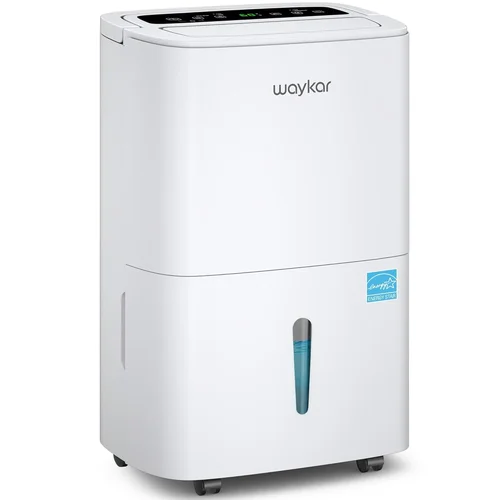
❌ Mistake: Choosing Based Solely on Price
Why it’s bad: The cheapest dehumidifier often lacks essential features like a humidistat, efficient drainage, or durable components. It may struggle to maintain safe humidity levels, leading to floor damage that costs far more to repair than the savings on the unit.
What to do instead: View your dehumidifier as a protective investment. Spend enough to get reliable performance, energy efficiency, and long-term durability. Mid-range models ($250–$400) typically offer the best balance for most homeowners.
❌ Mistake: Ignoring Room Size and Humidity Level
Why it’s bad: A unit too small for your space will run nonstop, overheat, and fail prematurely. Conversely, an oversized unit may cycle too frequently, wasting energy and failing to properly dehumidify.
What to do instead: Measure your room’s square footage and assess moisture sources (e.g., basement, laundry area, poor ventilation). Use manufacturer sizing charts and consider a professional humidity assessment if unsure.
❌ Mistake: Overlooking Drainage Needs
Why it’s bad: Manual tank emptying is tedious and often neglected, especially in basements or vacation homes. A full tank means no dehumidification—putting your floors at risk.
What to do instead: Opt for continuous drainage whenever possible. Even if you don’t have a floor drain, a condensate pump can redirect water to a sink or exterior.
❌ Mistake: Buying Without Checking Noise Levels
Why it’s bad: A noisy dehumidifier placed near living areas can become a constant annoyance, leading to it being turned off—defeating its purpose.
What to do instead: Check decibel ratings and read user reviews about noise. Place the unit away from bedrooms or use models with quiet modes.
❌ Mistake: Skipping the Warranty and Support Research
Why it’s bad: Dehumidifiers contain complex components like compressors and coils that can fail. Without solid warranty coverage, repairs can be costly.
What to do instead: Choose reputable brands with at least a 2-year warranty and accessible customer service. Avoid unknown brands sold only through third-party marketplaces.
❌ Mistake: Assuming All Dehumidifiers Protect Hardwood Equally
Why it’s bad: Some units remove moisture too aggressively, causing rapid humidity swings that stress wood fibers. Others don’t maintain consistent levels.
What to do instead: Prioritize models with precise humidistats, gradual cycling, and stable output. Avoid units that only offer “on/off” without humidity feedback.
❌ Mistake: Not Considering Seasonal Use
Why it’s bad: If you only need dehumidification during summer, a basic unit may suffice. But year-round use demands higher durability and efficiency.
What to do instead: Match the unit’s duty cycle to your usage pattern. For continuous operation, invest in a commercial-grade or whole-home system.
Budget Guidelines: How Much Should You Spend?
Entry-Level ($80–$200): These compact units are suitable for small spaces like closets, RVs, or single rooms under 500 sq. ft. with mild humidity. Expect basic functionality—manual controls, small tanks, limited drainage options, and higher noise levels. While affordable, they often lack the precision and durability needed for serious hardwood protection. Best for temporary or supplemental use.
Mid-Range ($200–$400): This is the sweet spot for most homeowners. These models offer 30–70 PPD capacity, built-in humidistats, continuous drainage, ENERGY STAR certification, and quieter operation. They’re ideal for living rooms, bedrooms, and average-sized basements. Brands like Frigidaire, hOmeLabs, and GE dominate this category with reliable performance and strong warranties.
Premium ($400–$800): Designed for larger homes, high-humidity environments, or users who value smart features. These units include Wi-Fi connectivity, advanced filtration, pump-assisted drainage, and superior build quality. They often integrate with HVAC systems or offer zone control. Perfect for protecting extensive hardwood flooring or managing moisture in multi-story homes.
Luxury ($800+): Whole-home dehumidifiers and commercial-grade systems fall here. They handle 1,500+ sq. ft., operate silently, and include professional installation. While overkill for most, they’re essential for historic homes, luxury estates, or regions with extreme humidity. Expect 5–10 year lifespans with proper maintenance.
Expert Tips for Getting the Best Deal
1. Buy During Off-Season Sales: Dehumidifiers are in highest demand during summer. Shop in late fall or winter (October–February) when retailers discount inventory. You’ll save 20–40% and still have the unit ready for humid months.
2. Compare Online vs. In-Store: Online retailers (Amazon, Home Depot, Lowe’s) often offer better prices, detailed specs, and user reviews. However, in-store purchases let you inspect build quality and ask questions. Consider buying online but picking up in-store to avoid shipping fees.
3. Look for Bundle Deals: Some retailers offer discounts when you buy a dehumidifier with a hygrometer, extension hose, or air purifier. These add-ons enhance functionality and save money long-term.
4. Check for Rebates and Incentives: ENERGY STAR models may qualify for utility rebates, especially in humid states like Florida or Louisiana. Visit the ENERGY STAR rebate finder tool to see local offers.
5. Read Real User Reviews: Don’t rely solely on manufacturer claims. Search for reviews that mention hardwood floor protection, noise levels, and long-term reliability. Look for patterns—not isolated complaints.
6. Test Before Committing: If possible, run the dehumidifier for a week and monitor humidity levels with a separate hygrometer. Ensure it maintains your target range without over-drying.
7. Understand Return Policies: Choose retailers with generous return windows (30+ days) and free return shipping. Some units perform poorly in real-world conditions despite good specs.
8. Consider Refurbished or Open-Box: Certified refurbished models from reputable sellers often come with full warranties and cost 20–30% less. Ideal for budget-conscious buyers who want premium features.

Frequently Asked Questions
Q: How do I know if my hardwood floors are at risk from humidity?
A: Signs include cupping (edges higher than center), crowning (center higher than edges), gaps between boards, or a spongy feel underfoot. Use a hygrometer to check if indoor humidity exceeds 50%. Persistent musty odors or mold near baseboards also indicate excess moisture.
Q: Can a dehumidifier damage hardwood floors?
A: Only if it’s improperly sized or lacks humidity control. Over-drying (below 30% RH) can cause wood to shrink and crack. Always use a unit with a humidistat and monitor levels regularly.
Q: Should I run my dehumidifier year-round?
A: In humid climates or basements, yes. Seasonal use may suffice in dry regions, but monitor humidity levels during rainy or humid months. Consistent control prevents cumulative damage.
Q: What’s the difference between refrigerant and desiccant dehumidifiers?
A: Refrigerant models cool air to condense moisture—best for warm, humid environments. Desiccant units use moisture-absorbing materials and work better in cold spaces (below 60°F). For most homes with hardwood, refrigerant types are preferred.
Q: Can I use a dehumidifier in a basement with hardwood floors?
A: Absolutely—but ensure the unit is rated for basement use (low-temperature operation) and has robust drainage. Basements often have higher humidity and limited ventilation, making dehumidification critical.
Q: How often should I clean my dehumidifier?
A: Clean the water tank weekly and the air filter monthly. Wipe coils annually to prevent mold and maintain efficiency. Follow the manufacturer’s maintenance schedule.
Q: Do I need a whole-home dehumidifier?
A: Only if you have extensive hardwood flooring, a large home (2,500+ sq. ft.), or severe humidity issues. Most homeowners achieve excellent results with a high-capacity portable unit placed strategically.
Q: Can smart dehumidifiers really help protect hardwood?
A: Yes—if they include accurate humidity monitoring and remote alerts. Being notified when humidity spikes (e.g., after a storm) allows quick intervention before damage occurs.
Q: What humidity level is best for hardwood floors?
A: Maintain 35%–45% relative humidity year-round. This range minimizes expansion and contraction while preventing mold growth.
Q: Are expensive dehumidifiers worth it?
A: For hardwood protection, yes—if they offer precise control, durability, and efficient operation. A $500 unit that lasts 8 years and prevents $2,000 in floor repairs is a wise investment.
Our Final Recommendations
Best for Budget-Conscious Buyers: hOmeLabs 4,500 Sq. Ft Dehumidifier (50 PPD)
At under $300, this model delivers excellent performance for medium to large rooms. It includes a built-in pump, continuous drainage, and a digital humidistat. Users praise its quiet operation and reliability—making it ideal for protecting hardwood without breaking the bank.
Best Overall Value: Frigidaire FFAD7033R1 70 Pint Dehumidifier
ENERGY STAR certified, with a large tank, washable filter, and precise humidity control. It’s consistently rated as one of the most reliable mid-range units, offering professional-grade performance at a consumer price.
Best Premium Option: AprilAire E080 Whole-Home Dehumidifier
For large homes or serious humidity challenges, this ducted system integrates with your HVAC to maintain perfect humidity levels throughout the house. Though pricey ($1,200+), it’s unmatched for comprehensive hardwood protection.
Best for Beginners: GE APER50LZ 50 Pint Dehumidifier
Simple controls, clear display, and reliable performance make this a great entry point. It’s easy to set up, quiet, and includes auto-defrost for cold environments.
Best for Advanced Users: AlorAir Sentinel HDi90 Smart Dehumidifier
Wi-Fi enabled, with app control, remote sensors, and pump drainage. Designed for basements and crawl spaces, it offers industrial durability with smart convenience—perfect for tech-savvy homeowners managing complex moisture issues.
Conclusion: Making the Right Choice
Protecting your hardwood floors from moisture isn’t just about aesthetics—it’s about preserving your home’s structural integrity and long-term value. The right dehumidifier acts as a silent guardian, maintaining the ideal environment your wood needs to thrive. As you’ve learned, this decision hinges on more than just pint capacity or price. It requires understanding your space, climate, usage patterns, and the specific features that ensure consistent, safe humidity control.
We’ve covered everything from energy efficiency and drainage options to smart features and warranty considerations. We’ve highlighted common pitfalls—like undersizing or ignoring noise levels—and provided actionable tips to help you shop smarter. Whether you’re on a tight budget or ready to invest in a whole-home solution, there’s a dehumidifier tailored to your needs.
Now it’s your turn. Assess your home’s humidity challenges, measure your space, and prioritize the features that matter most. Don’t rush—take time to compare models, read real user experiences, and consider long-term costs. Remember, the best dehumidifier for hardwood floors isn’t necessarily the most expensive or the most powerful—it’s the one that reliably maintains the perfect balance of moisture, day after day, year after year.
Your floors have given you beauty and warmth for years. Return the favor by giving them the protection they deserve. Choose wisely, maintain diligently, and enjoy the lasting elegance of well-preserved hardwood for generations to come.