
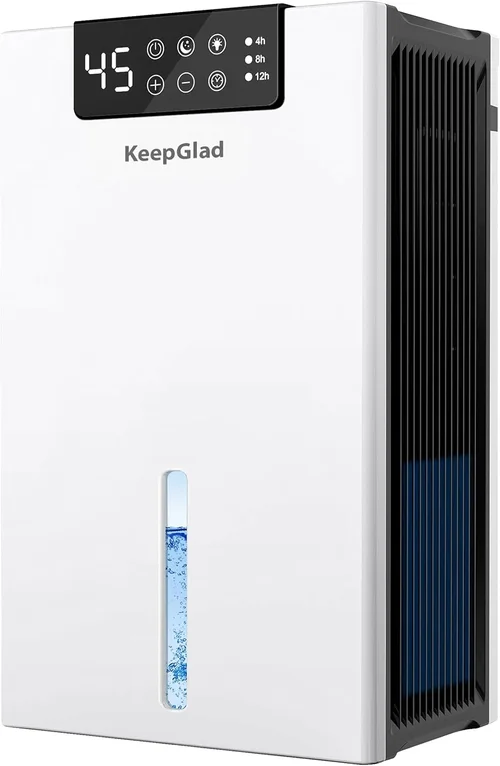
When you invest in a hot tub, you’re not just buying a place to relax—you’re creating a personal wellness sanctuary. But behind the bubbles and warmth lies a hidden challenge: moisture. Hot tub rooms, whether indoors or in enclosed outdoor spaces, generate intense humidity every time the cover comes off. Steam rises, condensation forms on walls and ceilings, and over time, that excess moisture can lead to mold, mildew, warped wood, rust on metal fixtures, and even structural damage. Left unchecked, it can also create an uncomfortable, clammy environment that undermines the very relaxation you’re seeking.
This is where a high-quality dehumidifier becomes essential—not optional. A well-chosen dehumidifier for your hot tub room doesn’t just protect your investment; it preserves air quality, extends the life of your hot tub and surrounding materials, and ensures a consistently comfortable experience. Yet, with so many models on the market—ranging from compact residential units to industrial-grade systems—it’s easy to feel overwhelmed. That’s why this comprehensive buying guide exists: to cut through the noise, clarify your options, and help you make a confident, informed decision tailored to your specific needs.
In the following sections, you’ll learn exactly what to look for when selecting the best dehumidifier for a hot tub room. We’ll break down key performance metrics, compare different types of dehumidifiers, highlight common pitfalls to avoid, and provide expert-backed recommendations across various budget ranges. Whether you’re installing a new hot tub room or retrofitting an existing space, this guide will equip you with the knowledge to choose a unit that delivers reliable, long-term protection—without overspending or underperforming.
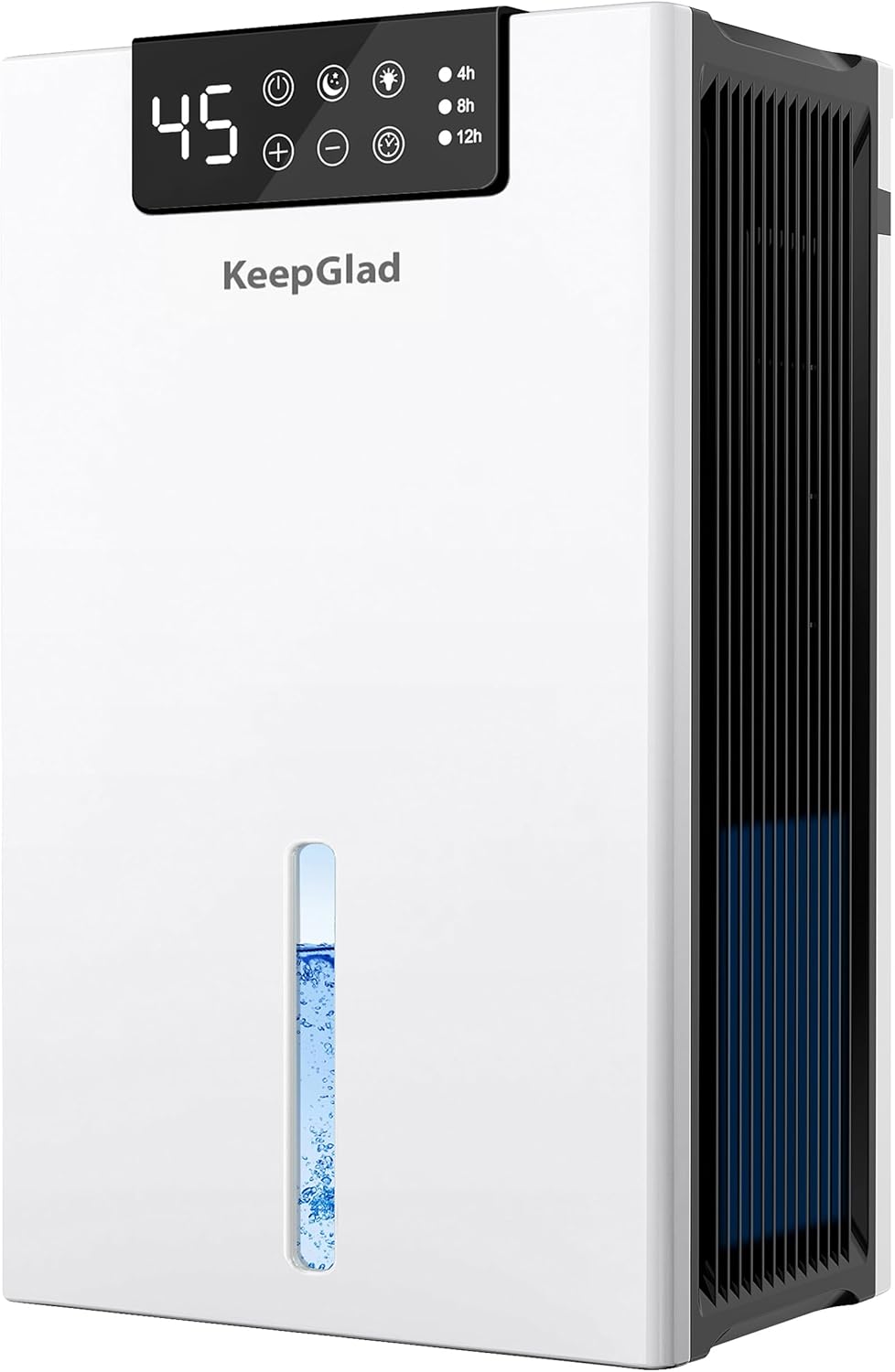
What to Look for When Buying a Hot Tub Dehumidifier
1. Moisture Removal Capacity (Pints per Day)
The most critical specification for any hot tub dehumidifier is its moisture removal rate, measured in pints per day (PPD). This tells you how much water vapor the unit can extract from the air in a 24-hour period under standard conditions (typically 80°F and 60% relative humidity). For hot tub rooms, which experience extreme humidity spikes—especially during and after use—you’ll need a unit with significantly higher capacity than what’s recommended for a typical basement or laundry room.
A general rule of thumb: calculate the square footage of your hot tub room and multiply by 10–15 pints per day for moderate use, or 15–25+ pints for heavy or frequent use. For example, a 200 sq. ft. room used daily may require a 30–40 PPD unit. However, don’t rely solely on room size—consider usage frequency, ventilation, insulation, and whether the space is fully enclosed. Underestimating capacity is one of the most common mistakes, leading to persistent dampness and mold growth.
Look for units rated for “high-humidity environments” or specifically marketed for spas, pools, or hot tubs. These are engineered to handle saturated air without overheating or short-cycling. Also, check if the PPD rating is based on AHAM (Association of Home Appliance Manufacturers) standards—this ensures real-world comparability across brands.
2. Operating Temperature Range
Hot tub rooms often experience wide temperature fluctuations. In winter, an unheated garage or sunroom might dip below 50°F, while in summer, a poorly ventilated indoor spa area can soar above 90°F. Most standard residential dehumidifiers are designed to operate efficiently between 65°F and 80°F. Below that range, their coils can frost over, causing the unit to shut down or lose effectiveness.
For hot tub applications, you need a dehumidifier with a broad operating range—ideally from 41°F up to 95°F or higher. Low-temperature models use specialized refrigerants or dual-mode systems (refrigerant + compressor) to prevent freezing. Some premium units even include automatic defrost cycles. If your hot tub room isn’t climate-controlled year-round, this feature isn’t just nice to have—it’s essential for consistent performance.
Always verify the manufacturer’s stated operating range and look for independent reviews confirming real-world performance in cold or hot conditions. A unit that claims “works in cold temperatures” but lacks specifics may still struggle below 55°F.
3. Built-in Pump vs. Gravity Drain
Water collection is a daily reality with hot tub dehumidifiers. Most units come with a built-in bucket that needs manual emptying—fine for occasional use, but impractical for high-output environments. In a hot tub room, where the dehumidifier may run continuously, a full bucket every few hours is a maintenance nightmare.
That’s why a built-in condensate pump is a game-changer. It automatically pumps collected water vertically (up to 15–20 feet) and horizontally (up to 100+ feet) to a floor drain, sink, or external sump. This eliminates manual emptying and ensures uninterrupted operation—even when you’re away for days.
If a pump isn’t included, check whether the model supports an external pump accessory. Gravity drainage (hose out the back) is better than nothing, but only works if you have a nearby floor drain at a lower elevation. For most hot tub owners, investing in a pump-equipped model saves time, prevents overflow risks, and adds peace of mind.
4. Airflow and Coverage Area
Dehumidifiers work by drawing in humid air, removing moisture, and blowing dry air back out. The effectiveness of this process depends heavily on airflow (measured in cubic feet per minute, or CFM) and the unit’s ability to circulate air throughout the entire room. A weak fan or poor duct design can leave “dead zones” where humidity lingers—perfect breeding grounds for mold.
For hot tub rooms, aim for a unit with at least 150–200 CFM of airflow. Larger or poorly ventilated spaces may require 250+ CFM. Some commercial-grade models offer ducting options, allowing you to direct intake and exhaust air to specific areas—ideal for rooms with obstructions or multiple hot tubs.
Also consider the unit’s placement. Can it be wall-mounted, ceiling-hung, or recessed? Is it compact enough to fit in tight spaces without blocking access? Look for models with adjustable louvers or oscillating fans to maximize coverage. Remember: a high PPD rating means little if the air isn’t being circulated effectively.
5. Noise Level (Decibel Rating)
Since hot tub rooms are often used for relaxation, noise matters. A loud dehumidifier can disrupt the tranquil atmosphere you’re trying to create. Unfortunately, many high-capacity units sacrifice quiet operation for power.
Check the decibel (dB) rating—ideally under 55 dB on the lowest setting. For context, 50 dB is about as loud as a quiet conversation; 60 dB resembles normal office noise. Some premium models use insulated cabinets, variable-speed compressors, or brushless motors to reduce sound. Others offer a “quiet mode” that lowers fan speed at the cost of slightly reduced efficiency.
If your hot tub room doubles as a meditation space, gym, or entertainment area, prioritize low-noise models. You can also mitigate sound by placing the unit away from seating areas or using acoustic enclosures (if compatible).
6. Energy Efficiency and Operating Costs
High-performance dehumidifiers consume significant electricity—especially when running 8–12 hours daily. Over a year, this can add $100–$300+ to your energy bill. To minimize costs, look for units with the ENERGY STAR® certification, which indicates they meet strict efficiency guidelines set by the EPA.
Key metrics to compare:
– Energy Factor (L/kWh): Liters of water removed per kilowatt-hour of electricity. Higher is better (aim for 1.5+ L/kWh).
– Wattage: Lower wattage at similar PPD means greater efficiency.
– Auto-humidistat: Allows the unit to cycle on/off based on actual humidity levels, avoiding unnecessary runtime.
Some advanced models feature inverter compressors that adjust power output dynamically, reducing energy use during low-humidity periods. While these cost more upfront, they often pay for themselves in 2–3 years through lower utility bills—especially in regions with high electricity rates.
7. Build Quality and Durability
Hot tub rooms are harsh environments: high humidity, temperature swings, and occasional splashes. A dehumidifier made from flimsy plastic or uncoated metal will corrode, warp, or fail prematurely. Look for corrosion-resistant components such as:
– Epoxy-coated or aluminum coils
– Stainless steel or powder-coated housings
– Sealed electrical components
– Rust-proof screws and fasteners
Industrial or commercial-grade units typically offer superior durability compared to consumer models. Brands like Dri-Eaz, AprilAire, and Therma-Stor specialize in rugged designs built for demanding applications. Even if you choose a residential model, verify it’s rated for continuous duty and high-moisture environments.
Also consider serviceability: Are filters easy to access and clean? Can parts be replaced, or is the unit disposable? A well-built dehumidifier should last 7–10 years with proper maintenance.
8. Smart Features and Controls
Modern dehumidifiers offer a range of smart features that enhance convenience and performance:
– Digital humidistat: Lets you set and maintain a target humidity level (ideal range: 40–50% for hot tub rooms).
– Timer and scheduling: Run the unit only when needed (e.g., 2 hours post-use).
– Wi-Fi connectivity: Monitor and control via smartphone apps (useful for vacation homes).
– Filter change alerts: Reminds you when maintenance is due.
– Error codes and diagnostics: Helps troubleshoot issues quickly.
While not essential, these features can significantly improve user experience—especially for busy households or rental properties. Just ensure the interface is intuitive; overly complex controls can lead to incorrect settings and poor performance.
Different Types of Hot Tub Dehumidifiers
Common Buying Mistakes to Avoid
❌ Mistake: Choosing Based Solely on Room Size
Why it’s bad: Square footage alone doesn’t account for usage intensity, ventilation, or insulation quality. A 200 sq. ft. room used twice daily generates far more moisture than one used weekly—even if both are the same size. Relying only on area can lead to undersized units that run constantly yet fail to control humidity.
What to do instead: Factor in hot tub usage frequency, number of users, room ventilation, and whether the space is heated/cooled. Use a moisture load calculator (available from manufacturers like AprilAire) or consult an HVAC professional for accurate sizing.
❌ Mistake: Ignoring Drainage Options
Why it’s bad: A unit without automatic drainage will require frequent manual emptying—every 4–8 hours in high-use scenarios. This is impractical, increases overflow risk, and may discourage consistent use, defeating the purpose of having a dehumidifier.
What to do instead: Prioritize models with built-in condensate pumps or confirm compatibility with external pumps. If using gravity drain, ensure a nearby floor drain exists and the hose can reach without tripping hazards.
❌ Mistake: Overlooking Operating Temperature Limits
Why it’s bad: Standard dehumidifiers may shut down or frost over in unheated winter rooms, leaving your hot tub vulnerable to moisture damage during the coldest months—when condensation is most likely to cause mold and rot.
What to do instead: Select a unit rated for low-temperature operation (down to 41°F or lower). Desiccant dehumidifiers are ideal for cold environments, as they don’t rely on refrigerant coils that freeze.
❌ Mistake: Buying the Cheapest Option Available
Why it’s bad: Budget dehumidifiers often lack durability, efficient drainage, and adequate capacity for hot tub environments. They may use thin plastic, weak fans, or non-condensing compressors that fail within 1–2 years, costing more in replacements than a mid-range model would have.
What to do instead: Treat your dehumidifier as a long-term investment. Spend enough to get corrosion-resistant construction, a reliable pump, and sufficient PPD. Mid-range models ($500–$900) typically offer the best balance of performance and value.
❌ Mistake: Neglecting Maintenance Requirements
Why it’s bad: Dirty filters, clogged coils, and neglected water tanks reduce efficiency, increase energy use, and can cause odors or bacterial growth. Many users assume dehumidifiers are “set and forget,” leading to premature failure.
What to do instead: Choose a model with easy-access filters and clear maintenance indicators. Commit to monthly filter cleaning and annual coil inspection. Some units include washable filters or UV sterilizers to simplify upkeep.
❌ Mistake: Assuming All “Spa Dehumidifiers” Are Equal
Why it’s bad: Marketing terms like “spa-ready” or “hot tub approved” don’t guarantee suitability. Some units are merely repackaged basement dehumidifiers with minor tweaks, lacking the robustness needed for continuous high-humidity duty.
What to do instead: Read detailed specs, not just labels. Look for independent reviews from hot tub owners, check warranty terms (should be 3+ years for commercial use), and verify compatibility with your room’s conditions.
Budget Guidelines: How Much Should You Spend?
– Entry-Level ($200–$400): Suitable for very small, rarely used hot tub rooms (e.g., a single-person tub used once a week). Expect basic features: manual drain, limited PPD (20–30), no pump, and minimal cold-weather performance. Units in this range often lack durability and may need replacement within 2–3 years. Best for temporary or backup use only.
– Mid-Range ($400–$800): The sweet spot for most residential hot tub owners. These models typically offer 30–50 PPD, built-in pumps, auto-humidistats, and improved build quality. Many operate down to 50°F and include washable filters. Brands like Frigidaire, hOmeLabs, and Ivation offer reliable options here. Expect 5–7 year lifespan with proper care.
– Premium ($800–$1,500): Ideal for frequent users, larger rooms (300–500 sq. ft.), or unheated spaces. Features include low-temperature operation (down to 41°F), high CFM fans, ducting capabilities, and smart controls. Desiccant models (e.g., from EcoDry or Dri-Eaz) excel in cold climates. These units are built to last 8–10 years and often come with 5-year warranties.
– Luxury ($1,500+): Designed for commercial spas, luxury homes, or extreme environments. Whole-room ductable systems (like AprilAire or Therma-Stor) offer silent operation, centralized control, and integration with home automation. They provide unmatched consistency and require professional installation. Justified only for high-end applications or where aesthetics and performance are non-negotiable.

Expert Tips for Getting the Best Deal
– Buy in Spring or Early Summer: Demand peaks in late summer, so prices are lowest in April–June. Many retailers offer pre-season discounts to clear inventory. Avoid buying in August–September when stock is limited and prices rise.
– Shop Direct from Manufacturers: Brands like AprilAire, Dri-Eaz, and EcoDry often run exclusive promotions on their websites, including free shipping, extended warranties, or bundled accessories (e.g., hoses, filters). You’ll also get accurate spec sheets and direct support.
– Check HVAC and Pool Supply Stores: These specialty retailers carry commercial-grade units not found on Amazon or big-box stores. Staff are usually more knowledgeable and can help size your system correctly. Plus, they may offer installation services.
– Look for Rebates and Incentives: Some utility companies offer rebates for ENERGY STAR® dehumidifiers, especially in humid regions. Check your local provider’s website—you could save $50–$150 instantly.
– Read Verified Owner Reviews: Focus on reviews from hot tub or pool owners, not general basement users. Look for mentions of real-world performance in high-humidity, cold, or continuous-use scenarios. Sites like PoolSpa.com or SpaTrack forums offer niche insights.
– Test Before Committing (If Possible): Some retailers (e.g., Home Depot, Lowe’s) allow returns within 90 days. Buy the unit, run it for a week, and monitor humidity levels with a separate hygrometer. If it struggles to maintain 45% RH after heavy use, exchange it for a higher-capacity model.
– Negotiate on Premium Models: For units over $1,000, don’t hesitate to ask for a discount—especially if buying in person. Many dealers have flexibility, particularly near the end of the month or quarter.
– Prioritize Warranty Over Price: A 1-year warranty on a $300 unit is riskier than a 5-year warranty on a $700 model. Check what’s covered (compressor, pump, electronics) and whether labor is included. Extended warranties are usually worth it for commercial-grade units.
Frequently Asked Questions
Q: Can I use a regular basement dehumidifier in my hot tub room?
A: Technically yes, but it’s not recommended. Basement units aren’t designed for the extreme, fluctuating humidity of a hot tub environment. They often lack pumps, struggle in temperature swings, and may corrode quickly. Invest in a model specifically rated for high-moisture or spa applications.
Q: How often should I run my hot tub dehumidifier?
A: Ideally, run it continuously or set it to maintain 40–50% relative humidity. Use a timer to activate it 1–2 hours before and after each hot tub session. In humid climates, 24/7 operation may be necessary to prevent mold.
Q: Will a dehumidifier cool down my hot tub room?
A: No—dehumidifiers remove moisture, not heat. In fact, they slightly increase air temperature because the condensation process releases latent heat. If cooling is needed, pair the dehumidifier with an exhaust fan or mini-split AC.
Q: Do I need a dehumidifier if my hot tub room has good ventilation?
A: Ventilation helps, but it’s rarely enough alone. Open windows or fans can introduce more humid outdoor air (especially in summer) and don’t address condensation on cold surfaces. A dehumidifier provides active, consistent moisture control that passive methods can’t match.
Q: Can I install a dehumidifier myself?
A: Portable and plug-in units are DIY-friendly. Ductable or wall-mounted systems usually require professional installation to ensure proper airflow, drainage, and electrical connections. Improper setup can void warranties or reduce efficiency.
Q: What humidity level is ideal for a hot tub room?
A: Maintain 40–50% relative humidity. Below 40%, air becomes uncomfortably dry; above 50%, mold and mildew thrive. Use a digital hygrometer to monitor levels accurately—don’t rely solely on the dehumidifier’s built-in sensor.
Q: Are desiccant dehumidifiers better than refrigerant ones for hot tubs?
A: Desiccant models excel in cold or variable temperatures and don’t freeze, making them ideal for unheated rooms. However, they’re less energy-efficient in warm, humid conditions and cost more upfront. Choose based on your climate and room setup.
Q: How do I know if my dehumidifier is working properly?
A: Check the water tank or drain output daily. Use a standalone hygrometer to verify humidity stays within 40–50%. Listen for unusual noises or frequent cycling—these may indicate airflow blockage or refrigerant issues.
Q: Can a dehumidifier damage my hot tub?
A: No—if sized and installed correctly, it protects your hot tub by reducing corrosive moisture. However, placing the unit too close to the tub or directing dry air directly at electronics could cause issues. Follow manufacturer placement guidelines.
Q: Should I turn off the dehumidifier when not using the hot tub?
A: Only if the room stays dry and well-ventilated. In most cases, it’s better to leave it running on a low setting to maintain stable humidity. Sudden shutdowns can lead to rapid moisture buildup when the tub is next used.
Our Final Recommendations
– Best for Budget-Conscious Buyers: hOmeLabs 4,500 Sq. Ft Energy Star Dehumidifier ($399)
Offers 50 PPD, built-in pump, and quiet operation. Great for small, climate-controlled rooms with moderate use. Lacks low-temp performance, so best for heated spaces.
– Best Overall Value: Frigidaire FH507WD1 50-Pint Dehumidifier with Built-in Pump ($549)
Reliable, efficient, and widely praised by hot tub owners. Includes auto-humidistat, washable filter, and operates down to 41°F. Excellent balance of price and performance.
– Best Premium Option: EcoDry EPD30 Desiccant Dehumidifier ($1,299)
Handles extreme humidity and cold temperatures with ease. No compressor means silent operation and no freezing. Ideal for unheated garages or luxury installations.
– Best for Beginners: Ivation IVADM35 Thermo-Electric Dehumidifier ($279)
Simple plug-and-play design with auto-shutoff and LED indicators. Perfect for first-time buyers with small, infrequently used hot tub rooms. Limited capacity but very user-friendly.
– Best for Advanced Users: AprilAire DH100 Whole-House Dehumidifier ($1,899)
Ductable, professional-grade system with Wi-Fi control and 10-year warranty. Designed for permanent integration and whole-room coverage. Requires pro installation but delivers unmatched consistency.
Conclusion: Making the Right Choice
Choosing the right dehumidifier for your hot tub room isn’t just about buying an appliance—it’s about safeguarding your investment, health, and comfort. From understanding moisture removal capacity and drainage needs to avoiding common pitfalls and selecting the right type for your environment, every decision impacts long-term performance. Remember: a well-maintained hot tub room should feel fresh, dry, and inviting—not damp, musty, or risky.
Prioritize your specific needs: room size, usage frequency, climate, and budget. Don’t compromise on drainage or temperature range, and always verify real-world performance through owner reviews. Whether you opt for an affordable portable unit or a premium ductable system, the goal remains the same—consistent humidity control that lets you enjoy your hot tub worry-free, year after year.
Take the time to research, compare, and invest wisely. Your hot tub—and your peace of mind—will thank you. Ready to make a decision? Use this guide as your checklist, and soon you’ll be relaxing in a perfectly balanced, moisture-free oasis.