

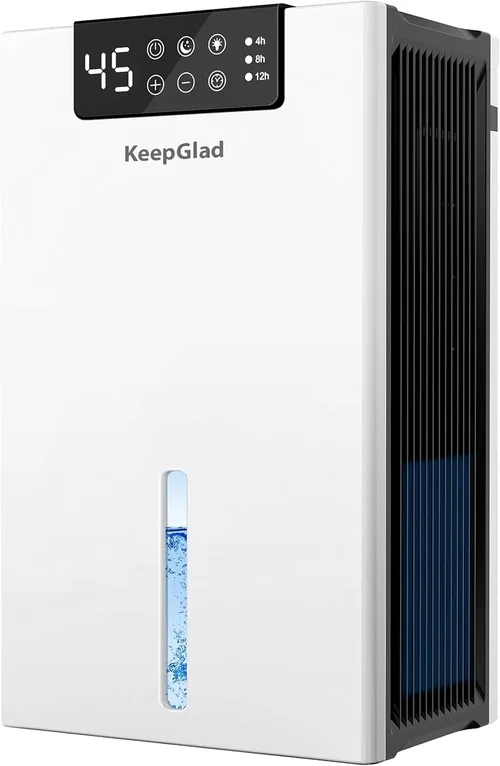
Indoor pools offer a luxurious, year-round swimming experience—but they come with a hidden challenge: excessive humidity. Without proper moisture control, the air in your pool enclosure can quickly become saturated, leading to condensation on windows, peeling paint, warped wood, mold growth, and even structural damage over time. That’s where a high-performance indoor pool dehumidifier becomes not just a convenience, but a necessity. Whether you’re building a new pool room or retrofitting an existing one, choosing the right dehumidification system is critical for protecting your investment, ensuring air quality, and maintaining comfort for swimmers and non-swimmers alike.
This comprehensive buying guide is designed to help you navigate the complex world of indoor pool dehumidifiers in 2026. We’ll walk you through everything you need to know—from understanding key performance metrics like latent and sensible capacity, to comparing different system types, avoiding common pitfalls, and identifying the best models for your specific needs and budget. Whether you have a small residential plunge pool or a large commercial aquatic center, this guide will equip you with expert-level insights to make a confident, informed decision. The market today offers more advanced, energy-efficient, and feature-rich options than ever before, but not all dehumidifiers are created equal when it comes to pool environments.
What to Look for When Buying Buying Guide
1. Performance Specifications
When evaluating indoor pool dehumidifiers, performance isn’t just about how much moisture the unit removes—it’s about how efficiently it does so under real-world pool conditions. Two key metrics dominate this category: latent capacity and sensible capacity. Latent capacity refers to the unit’s ability to remove moisture from the air (measured in pints per day or liters per hour), while sensible capacity measures its cooling power (measured in BTUs or kW). For pool rooms, latent capacity is typically more important because the primary goal is humidity control, not temperature reduction.
Look for systems rated for your pool’s square footage and water surface area. A general rule of thumb is that you need at least 1 pint of moisture removal per square foot of pool surface per day. For example, a 400 sq ft pool requires a unit capable of removing 400+ pints daily. However, this can vary based on usage frequency, ventilation, insulation, and climate. High-end models often include psychrometric charts or built-in sensors that automatically adjust output based on real-time humidity and temperature readings. Also, pay attention to the unit’s operating range—some systems lose efficiency in colder environments (below 65°F), which can be problematic in unheated pool enclosures during winter months.
2. Build Quality & Durability
Indoor pool environments are among the most corrosive residential settings due to constant exposure to chlorine, bromine, salt, and high humidity. Standard dehumidifiers—even those marketed as “high-capacity”—often fail prematurely in these conditions because their components aren’t designed to withstand chemical-laden moisture. Therefore, build quality is non-negotiable.
Look for units constructed with marine-grade stainless steel, powder-coated aluminum, or corrosion-resistant polymers. Internal components such as coils, fans, and compressors should also be treated or sealed against corrosion. Some premium models feature epoxy-coated evaporator and condenser coils, which significantly extend lifespan. Additionally, check for IP (Ingress Protection) ratings—while not always listed, a rating of IPX4 or higher indicates resistance to water splashes, which is essential near pool decks.
Durability also extends to mechanical reliability. Scroll compressors are generally more durable and efficient than reciprocating ones, and EC (electronically commutated) motors offer longer service life and quieter operation. Avoid plastic housings unless they’re specifically engineered for wet environments—many consumer-grade units use thin plastic that warps or cracks over time.
3. Energy Efficiency
Running a dehumidifier 24/7 in a pool room can lead to substantial energy costs, so efficiency is a major factor in long-term ownership. The most relevant metric here is the Energy Factor (EF), measured in liters of water removed per kilowatt-hour (L/kWh). Higher EF values mean better efficiency. For pool dehumidifiers, an EF of 2.0 or above is considered excellent.
Many modern systems incorporate heat recovery technology, which recycles the heat generated during dehumidification to warm the pool water or the surrounding air. This dual-function capability can reduce your overall heating costs by up to 50%, depending on climate and usage. Look for units with ENERGY STAR certification or those compliant with ASHRAE standards for commercial aquatic facilities.
Additionally, variable-speed compressors and intelligent defrost cycles help optimize energy use. Unlike basic models that cycle on and off at full power, advanced systems modulate their output based on demand, reducing wear and electricity consumption. Some even integrate with smart home systems or building management platforms for remote monitoring and scheduling.
4. Features & Functionality
Beyond core dehumidification, today’s top-tier pool dehumidifiers offer a suite of features that enhance usability, safety, and integration. Key functionalities to consider include:
– Automatic Humidity Control: Built-in hygrometers allow the unit to maintain a set relative humidity (typically between 50–60% for pool rooms) without manual intervention.
– Pool Water Heating: Many systems include a heat pump that transfers extracted heat directly to the pool, eliminating the need for a separate heater.
– Air Filtration: Integrated HEPA or activated carbon filters improve indoor air quality by capturing chlorine byproducts, bacteria, and odors.
– Remote Monitoring & Control: Wi-Fi connectivity enables you to adjust settings via smartphone apps, receive maintenance alerts, and track energy usage.
– Defrost Function: Essential for colder climates, automatic defrost prevents ice buildup on coils during low-temperature operation.
– Drainage Options: Gravity drain, condensate pump, or hose connection—choose based on your installation setup.
Some高端 models even include UV-C sterilization to neutralize airborne pathogens or ozone generation for odor control (though ozone should be used cautiously due to health concerns).
5. Brand Reputation & Industry Experience
Not all dehumidifier brands are equipped to handle the unique demands of indoor pools. While mainstream appliance manufacturers may offer large-capacity units, they often lack the specialized engineering required for aquatic environments. Instead, look for companies with a proven track record in pool dehumidification.
Established names like Dantherm, Calorex, PoolPak, and AprilAire have decades of experience designing systems specifically for indoor pools and spas. These brands understand the importance of corrosion resistance, balanced airflow, and integration with pool equipment. They also typically offer better technical support, detailed installation guides, and compatibility with pool automation systems.
Avoid generic or off-brand units sold through online marketplaces unless they come with verifiable performance data and customer testimonials from pool owners. A reputable brand will provide clear documentation, including CAD drawings, load calculations, and warranty terms tailored to pool applications.
6. Warranty & Support
Given the harsh operating conditions, a strong warranty is a strong indicator of a manufacturer’s confidence in their product. For indoor pool dehumidifiers, expect at least a 2-year comprehensive warranty, with extended coverage on critical components like compressors (often 5–10 years). Some premium brands offer lifetime corrosion warranties on specific parts.
Equally important is post-purchase support. Can you easily access replacement parts? Is there a network of certified installers in your area? Do they offer remote diagnostics or on-site service? Poor support can turn a minor issue into a weeks-long downtime, leaving your pool room vulnerable to moisture damage.
Before purchasing, read the fine print: some warranties are voided if the unit is installed by uncertified technicians or used outside specified parameters. Always use qualified HVAC or pool professionals for installation to preserve coverage.
7. Size & Installation Requirements
Indoor pool dehumidifiers are not plug-and-play appliances—they require careful sizing and professional installation. Oversized units may short-cycle, reducing efficiency and lifespan, while undersized ones will struggle to maintain target humidity levels.
Sizing should be based on a detailed heat and moisture load calculation, factoring in pool size, cover usage, occupancy, ventilation rate, insulation quality, and local climate. Most manufacturers provide online calculators or will perform a free load analysis if you submit your pool specs.
Installation involves ductwork (for central systems), electrical connections (often 240V), and drainage setup. Wall-mounted, ceiling-hung, and floor-standing configurations are available, so consider space constraints and noise sensitivity. Central systems are quieter but require more invasive installation; self-contained units are easier to retrofit but may be noisier.
8. User Reviews & Real-World Performance
While specs and marketing materials provide a baseline, real user experiences reveal how a dehumidifier performs over time. Look for reviews from pool owners—not just general consumers—on forums like Trouble Free Pool, Reddit’s r/SwimmingPools, or specialized HVAC sites.
Pay attention to comments about:
– Noise levels (especially important if the pool room doubles as a lounge or gym)
– Reliability after 1–2 years of use
– Ease of maintenance (filter access, coil cleaning)
– Customer service responsiveness
– Energy bills before and after installation
Be wary of overly positive or vague reviews. Detailed accounts with photos, usage patterns, and specific issues are far more valuable. Also, check if the reviewer’s pool size and climate match yours—a unit that works well in Florida may struggle in Minnesota.
Different Types of Buying Guide
Common Buying Mistakes to Avoid
❌ Mistake: Buying a Standard Home Dehumidifier
Why it’s bad: Consumer-grade dehumidifiers are not built for the corrosive, high-moisture environment of an indoor pool. They lack corrosion-resistant materials, adequate latent capacity, and proper drainage for continuous operation. Within months, coils rust, seals degrade, and the unit fails—leaving your pool room vulnerable.
What to do instead: Invest in a purpose-built pool dehumidifier from a manufacturer specializing in aquatic environments. These units are engineered to handle chlorine-laden air and provide the sustained performance needed for humidity control.
❌ Mistake: Ignoring Load Calculations
Why it’s bad: Guessing the required capacity leads to undersized or oversized systems. An undersized unit won’t control humidity, while an oversized one will short-cycle, waste energy, and wear out prematurely.
What to do instead: Request a professional heat and moisture load calculation from the manufacturer or an HVAC engineer. Provide details like pool dimensions, cover usage, occupancy, insulation, and local climate.
❌ Mistake: Overlooking Installation Requirements
Why it’s bad: Poor installation—such as improper ducting, inadequate drainage, or incorrect electrical wiring—can compromise performance, safety, and warranty coverage.
What to do instead: Hire a certified installer experienced with pool dehumidification systems. Ensure all components are correctly sized and integrated with your pool’s ventilation and heating systems.
❌ Mistake: Focusing Only on Upfront Cost
Why it’s bad: Cheaper units often have higher operating costs, shorter lifespans, and limited features. Over 10 years, a $3,000 system with poor efficiency could cost more in electricity than a $6,000 energy-efficient model.
What to do instead: Consider total cost of ownership, including energy use, maintenance, and expected lifespan. Use the Energy Factor (EF) to compare long-term efficiency.
❌ Mistake: Neglecting Maintenance
Why it’s bad: Even the best dehumidifier will underperform if filters are clogged, coils are dirty, or drainage is blocked. Neglect can lead to mold growth, reduced efficiency, and system failure.
What to do instead: Follow the manufacturer’s maintenance schedule—typically filter cleaning every 1–3 months, coil inspection annually, and professional servicing every 2–3 years.
❌ Mistake: Not Planning for Future Expansion
Why it’s bad: If you plan to add a hot tub, sauna, or larger pool later, your current dehumidifier may not handle the increased load.
What to do instead: Choose a scalable system or oversize slightly to accommodate future additions. Modular central systems are ideal for this.
❌ Mistake: Skipping Smart Controls
Why it’s bad: Manual operation is inefficient and prone to human error. Without automation, you may over-dehumidify (wasting energy) or under-dehumidify (risking damage).
What to do instead: Opt for a unit with programmable humidity settings, remote monitoring, and integration with pool automation systems for seamless control.
Budget Guidelines: How Much Should You Spend?
– Entry-Level ($2,500 – $4,500): Suitable for small residential pools (under 400 sq ft) with light usage. These are typically refrigerant-based, standalone units with basic humidity control and limited corrosion protection. Expect moderate efficiency and a 3–5 year lifespan with proper maintenance. Ideal for budget-conscious buyers who prioritize upfront savings over long-term performance.
– Mid-Range ($4,500 – $8,000): The sweet spot for most homeowners. These units offer robust build quality, energy-efficient heat pumps, automatic defrost, and often include pool water heating. Brands like Dantherm and Calorex dominate this tier. They’re reliable, quiet, and designed for daily use in moderately sized pools (400–800 sq ft).
– Premium ($8,000 – $15,000): For larger residential pools or light commercial use. These systems feature advanced controls, superior corrosion resistance, high EF ratings, and integration with smart home platforms. Many include air filtration, UV sterilization, and remote diagnostics. Expect 10+ year lifespans with minimal downtime.
– Luxury ($15,000+): Top-tier central ducted systems for large homes, hotels, or aquatic centers. These are custom-engineered solutions with modular designs, industrial-grade components, and full automation. They offer the highest efficiency, quietest operation, and longest warranties. Often include building management system (BMS) compatibility and 24/7 monitoring.
Expert Tips for Getting the Best Deal
– Buy During Off-Season: Late fall and winter are ideal times to purchase, as demand is lower and manufacturers often offer discounts or free installation.
– Bundle with Pool Equipment: If you’re building a new pool or upgrading your heater/filter, ask about package deals that include the dehumidifier at a reduced rate.
– Check for Rebates: Many utility companies offer rebates for energy-efficient pool dehumidifiers, especially those with heat recovery. Visit dsireusa.org to find incentives in your area.
– Compare Total Cost of Ownership: Use online calculators to estimate 10-year energy costs. A $2,000 savings in upfront cost could mean $5,000 more in electricity over time.
– Read the Warranty Fine Print: Ensure coverage includes corrosion, labor, and parts. Some brands charge extra for extended warranties—negotiate this into the purchase price.
– Get Multiple Quotes: Request detailed proposals from at least three certified installers. Compare not just price, but included services, warranty terms, and post-install support.
– Test Before Committing: Some dealers offer trial periods or rental options. If possible, run a unit for a week to evaluate noise, performance, and ease of use.
– Consider Resale Value: A high-quality dehumidification system can increase your home’s value, especially in luxury markets where indoor pools are a selling point.
Frequently Asked Questions
Q: Can I use a regular dehumidifier for my indoor pool?
A: No. Standard dehumidifiers are not designed for the corrosive, high-humidity environment of an indoor pool. They lack corrosion-resistant materials and sufficient latent capacity, leading to rapid failure. Always use a pool-specific model.
Q: How do I know what size dehumidifier I need?
A: Sizing depends on pool surface area, usage frequency, insulation, ventilation, and climate. A professional load calculation is essential. As a rough guide, aim for 1 pint of moisture removal per square foot of pool surface per day.
Q: Should I run the dehumidifier all the time?
A: Yes, for consistent humidity control. Most systems have programmable settings to maintain 50–60% relative humidity automatically. Continuous operation prevents condensation and mold growth.
Q: Can a dehumidifier heat my pool?
A: Some models include heat pump technology that transfers extracted heat to the pool water, effectively acting as a heater. This can significantly reduce energy costs.
Q: How often should I maintain my pool dehumidifier?
A: Clean or replace filters every 1–3 months, inspect coils annually, and schedule professional servicing every 2–3 years. Follow the manufacturer’s guidelines.
Q: Are desiccant dehumidifiers better for cold climates?
A: Yes. Desiccant systems don’t rely on refrigeration and work efficiently in temperatures as low as 40°F, making them ideal for unheated pool rooms in colder regions.
Q: Do I need a condensate pump?
A: If the unit is installed below floor level or far from a drain, a condensate pump is necessary to remove collected water. Check your installation site before purchasing.
Q: Can I install the dehumidifier myself?
A: While some standalone units are plug-and-play, most pool dehumidifiers require professional installation for electrical, ducting, and drainage. DIY installation may void the warranty.
Q: How long do indoor pool dehumidifiers last?
A: With proper maintenance, high-quality units last 10–15 years. Cheaper models may fail in 3–5 years due to corrosion or component wear.
Q: Will a dehumidifier eliminate chlorine smell?
A: It can reduce odors by controlling humidity and improving air circulation, but it won’t eliminate chloramines (the source of the “pool smell”). Pair it with proper ventilation and water treatment for best results.
Our Final Recommendations
– Best for Budget-Conscious Buyers: Dantherm CDT 300 – A reliable refrigerant-based unit with solid corrosion protection, automatic defrost, and efficient operation for pools up to 500 sq ft. Priced around $3,800, it offers excellent value for small to mid-sized pools.
– Best Overall Value: Calorex Delta 600 – Combines high latent capacity (600+ pints/day), heat pump water heating, and smart controls in a durable, energy-efficient package. Ideal for 600–800 sq ft pools, priced at ~$6,500.
– Best Premium Option: PoolPak PPK-1200 – A commercial-grade central system with modular design, advanced air filtration, and BMS integration. Perfect for large homes or light commercial use. Expect to invest $12,000–$18,000.
– Best for Beginners: AprilAire E130V – User-friendly, Wi-Fi enabled, and designed for easy installation. Includes automatic humidity control and a 5-year warranty. Great for first-time pool owners with mid-sized enclosures (~$5,200).
– Best for Advanced Users: Dantherm Desi 800 – A high-capacity desiccant system for extreme climates or unheated pool rooms. Offers unmatched performance in cold environments with zero defrost downtime. Priced at ~$9,500.
Conclusion: Making the Right Choice
Choosing the best indoor pool dehumidifier is not just about buying a machine—it’s about protecting your home, enhancing comfort, and ensuring the longevity of your aquatic investment. The right system will silently maintain optimal humidity levels, prevent structural damage, improve air quality, and even reduce energy costs through heat recovery. As we’ve explored, critical factors like performance specs, build quality, energy efficiency, and professional installation cannot be overlooked.
While the upfront cost may seem significant, remember that a dehumidifier is a long-term investment. A poorly chosen unit can lead to thousands in repairs from mold, rot, or corrosion—far exceeding the price of a quality system. Prioritize your specific needs: pool size, climate, usage patterns, and budget. Don’t hesitate to consult with experts, request load calculations, and compare total cost of ownership.
In 2026, the market offers more intelligent, efficient, and durable options than ever before. Whether you’re outfitting a cozy backyard pool room or a sprawling aquatic center, there’s a solution tailored to your requirements. Take the time to research, ask questions, and invest wisely. Your pool—and your peace of mind—will thank you for years to come.